Behind every book
The Materials and Tools We Use
Not a list of software. In a binding and conservation workshop this means leather, thread, adhesive, paper, hand tools and machines, and the standards every job is held to. Every line on this page is already named somewhere else on the site — nothing was added merely because it sounded right for a leather workshop.
Materials
Leather
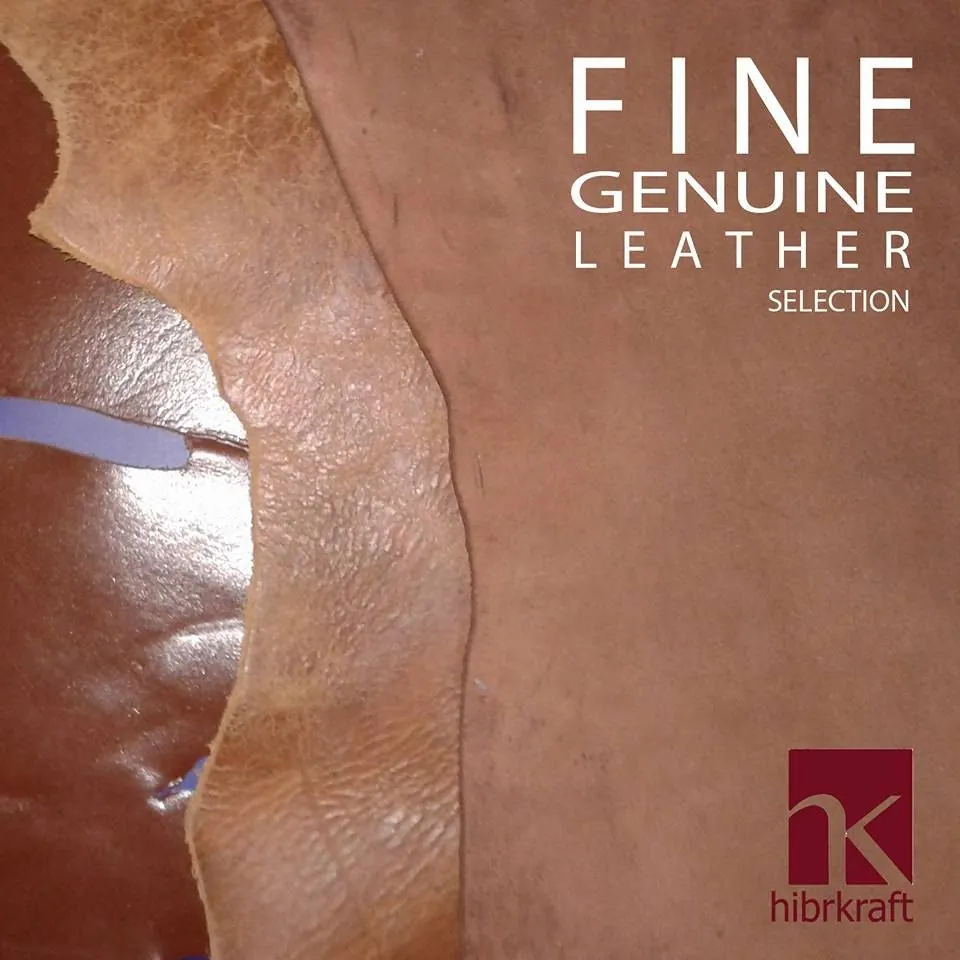
The leather we use comes from cattle and goats, mostly vegetable-tanned — its colour deepens rather than fades over years of use. For book restoration we use genuine leather when an old cover has to be replaced.
Full grain and vegtan
Full grain is the outermost layer of the hide, left as it is; the only grade that develops a patina. Vegtan is vegetable-tanned. Both are chosen for our custom leather notebooks.
Pull-up, and the other options
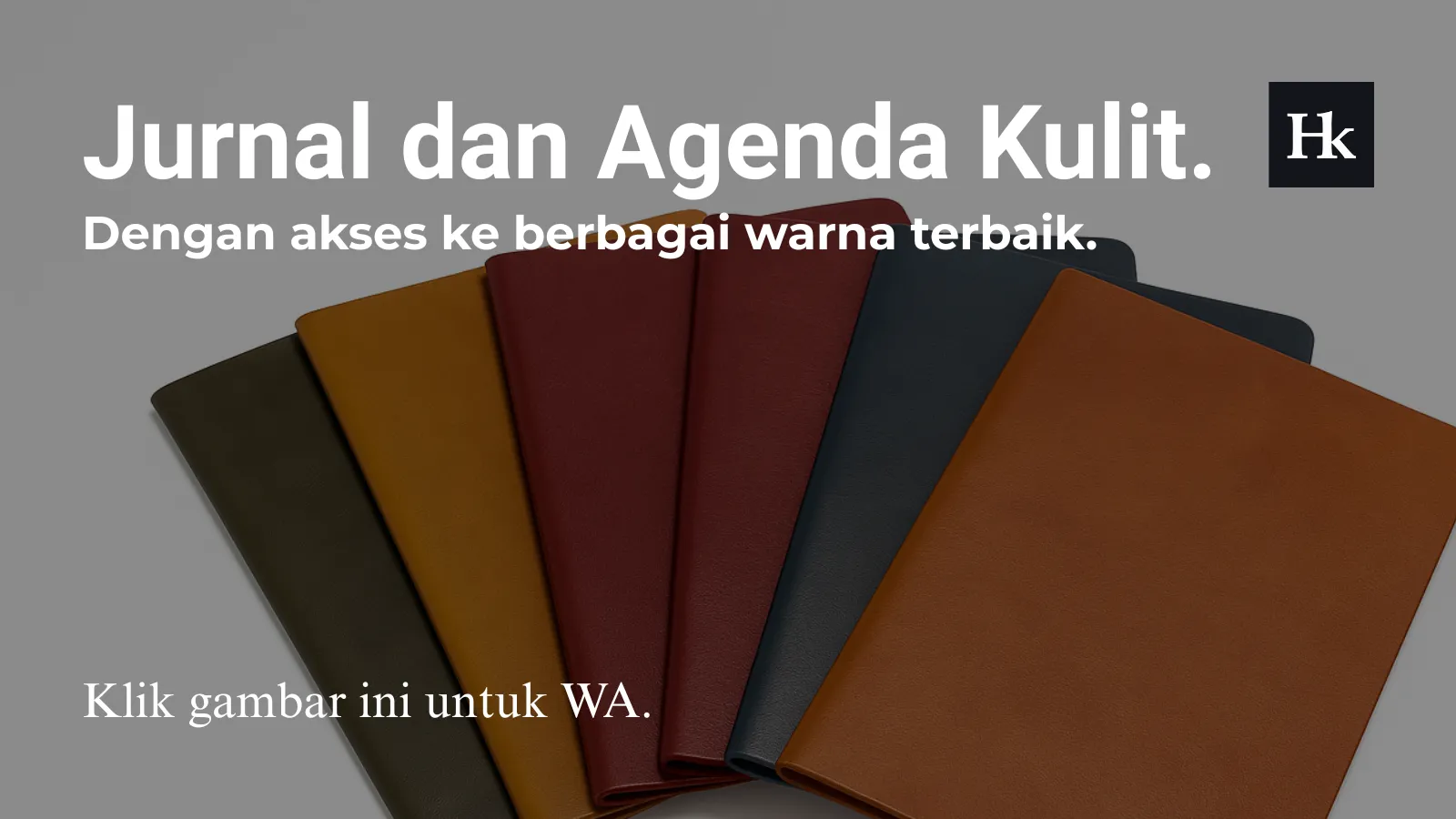
Pull-up is finished with oil or wax, so its colour lightens at every fold and scratch. Crazy horse and chrome tanned are available too. The one with no animal material at all is plant-based vegan leather; premium PU exists for tighter budgets, and that is plastic, not vegan. The full palette is on material and colour selection.
- Full grain
- The top layer of the hide, unsanded; the only one that patinates over time.
- Vegtan (vegetable-tanned)
- Tanned with plant tannins; darkens with use.
- Top grain
- Surface sanded level; chosen for corporate orders because the look is more uniform.
- Pull-up
- Finished with oil or wax; lightens at folds and scratches.
- Crazy horse
- One of the ready-to-order leathers in our catalogue.
- Chrome tanned
- Chrome-tanned; the option outside vegetable tanning.
- Premium PU
- For tighter budgets, or where vegan is required.
- Suede
- Used on some corporate orders, such as the “The Coffee Universe” journal.
- Genuine leather
- Used when replacing a leather cover in the book repair service.
Ready-to-order colours: cognac, dark brown, black, navy blue, forest green, burgundy, tan and natural. The wider corporate palette is on material and colour selection.
Materials
Thread and sewing
A spine held only by glue will crack — not if, but when. We sew ours with thread, through the folds of the paper, the way binders have done it for centuries.
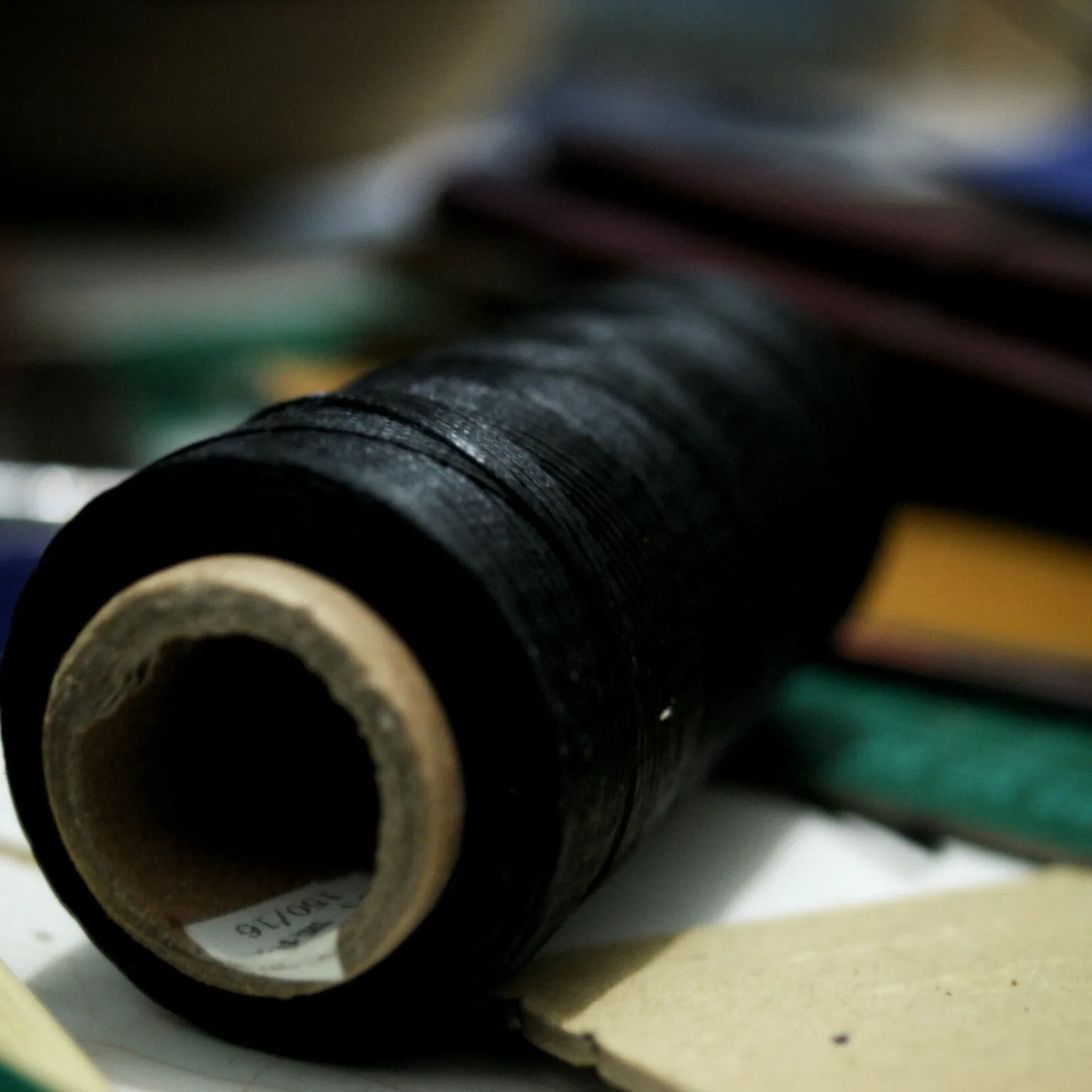
Waxed thread
So the stitching does not fray and stays tight after years of opening and closing. For hand sewing we coat linen thread with pure beeswax.
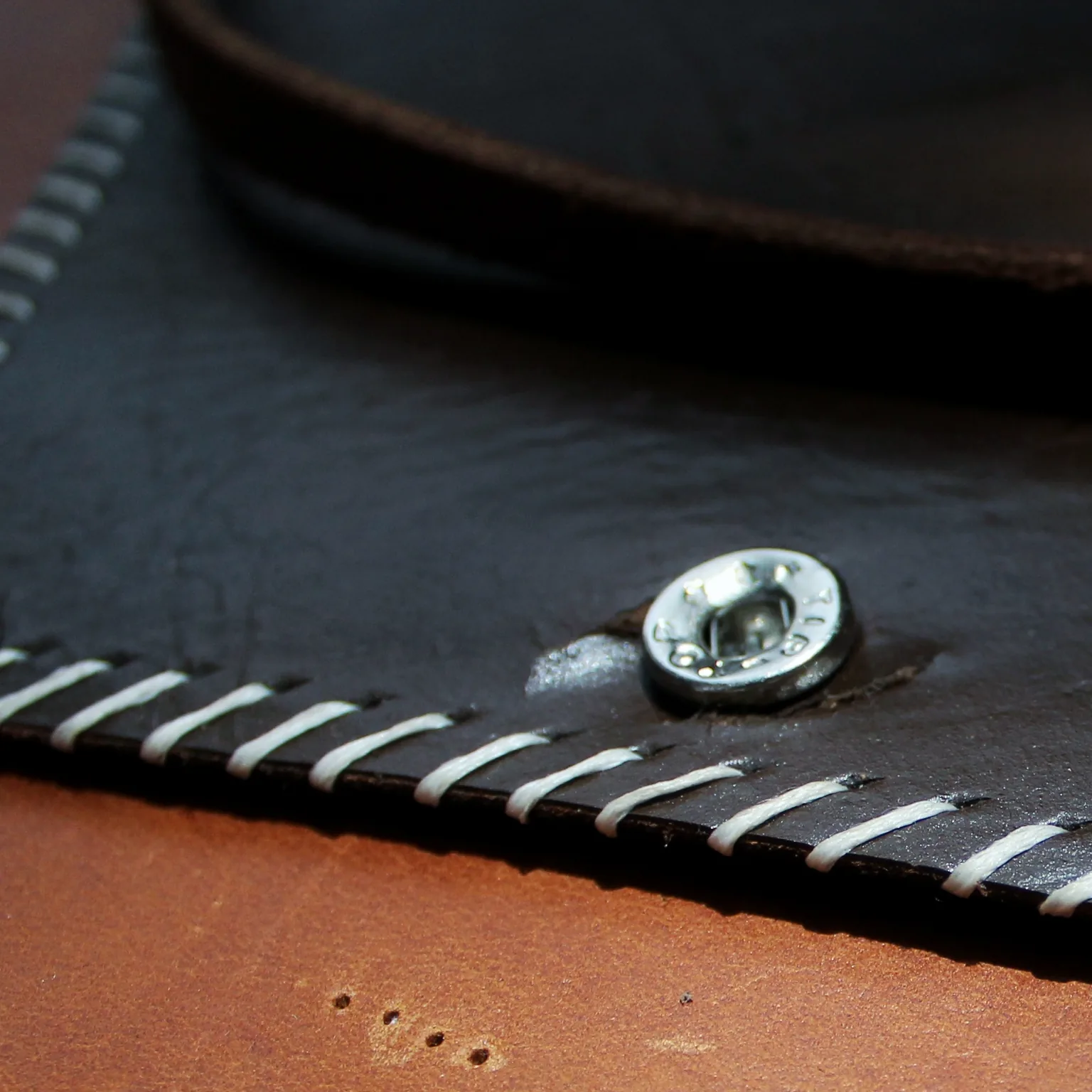
Saddle stitch
The spine construction of our notebooks: hand-sewn through the paper folds, not machine-glued. The book lies flat on a desk and lasts for decades.
- Waxed thread
- Sewn through the paper folds; does not fray and stays tight for years.
- Linen thread
- Used in the repair service, to resew an old text block.
- Pure beeswax
- Coats linen thread for hand sewing, keeping the stitching strong and neat.
- Saddle stitch
- The main construction of our notebooks, sewn through the paper folds.
- Long stitch
- An exposed spine with the stitching visible, used on some journals and leather planners.
- Hand-sewn
- One at a time by an artisan, not by machine.
Materials
Adhesive, paper, cloth and protection
Text paper for a new book and mending paper for an old one are not the same thing, so we do not lump them together. Here is what we use for each.
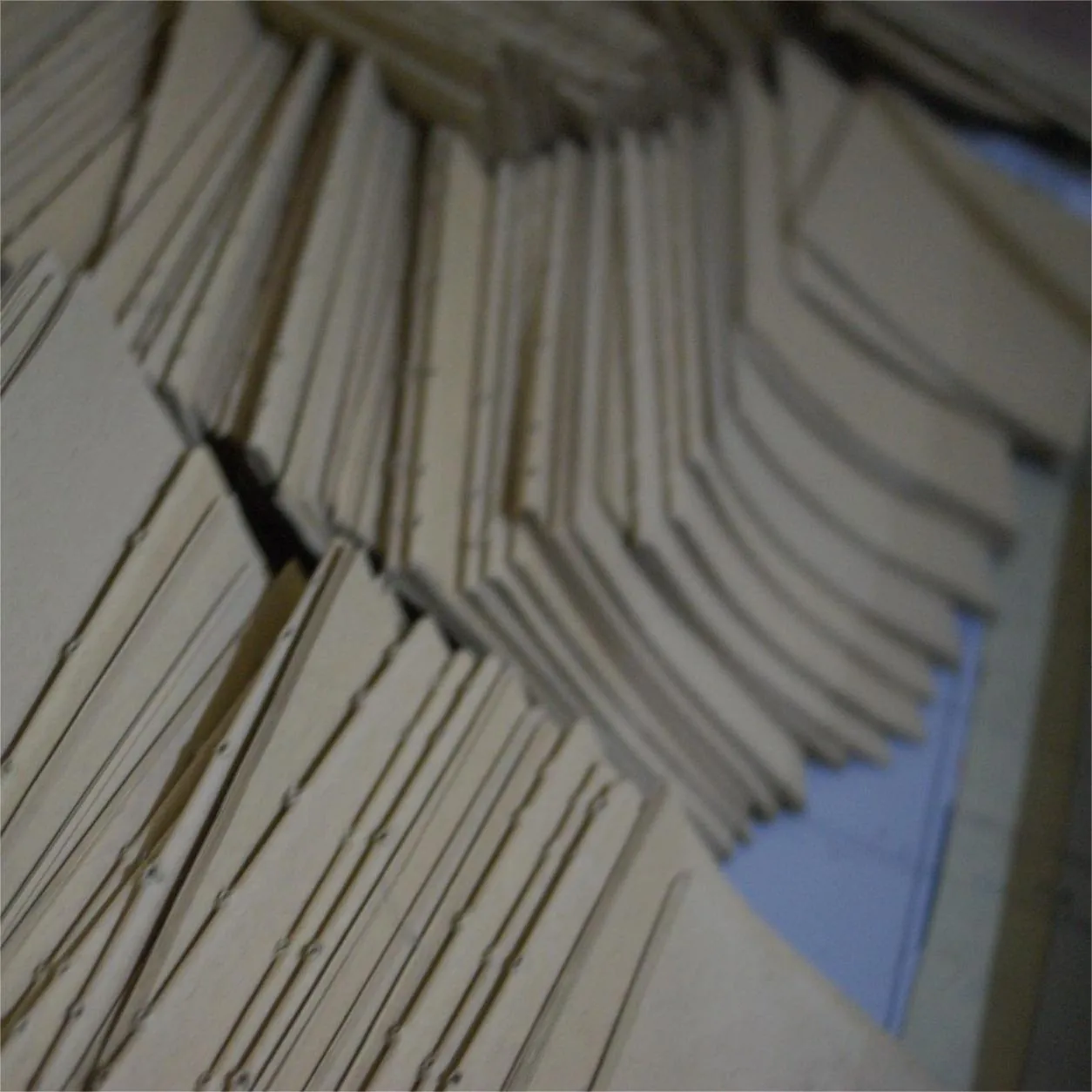
Text paper (new notebooks)
Acid-free, so the writing does not fade along with the page. 80–120 gsm, ruled, plain, dotted or grid, in ivory, white or recycled paper.
Adhesive, cloth and protection (repair)
pH-neutral, acid-free, reversible adhesive — removable without damage. Mending paper is acid-free too. Replacement covers use good bookcloth, and conservation collections are stored in archival-grade boxes.
- Adhesive
- pH neutral, acid-free, reversible — removable without damage.
- Text paper
- Acid-free, 80–120 gsm, ruled/plain/dotted/grid, ivory/white/recycled.
- Mending paper
- Acid-free, used for joining and lining old pages.
- Cloth
- Good bookcloth, used for covers in the repair service.
- Protection
- Archival-grade boxes for storing conservation collections.
Tools
Hand tools and machines
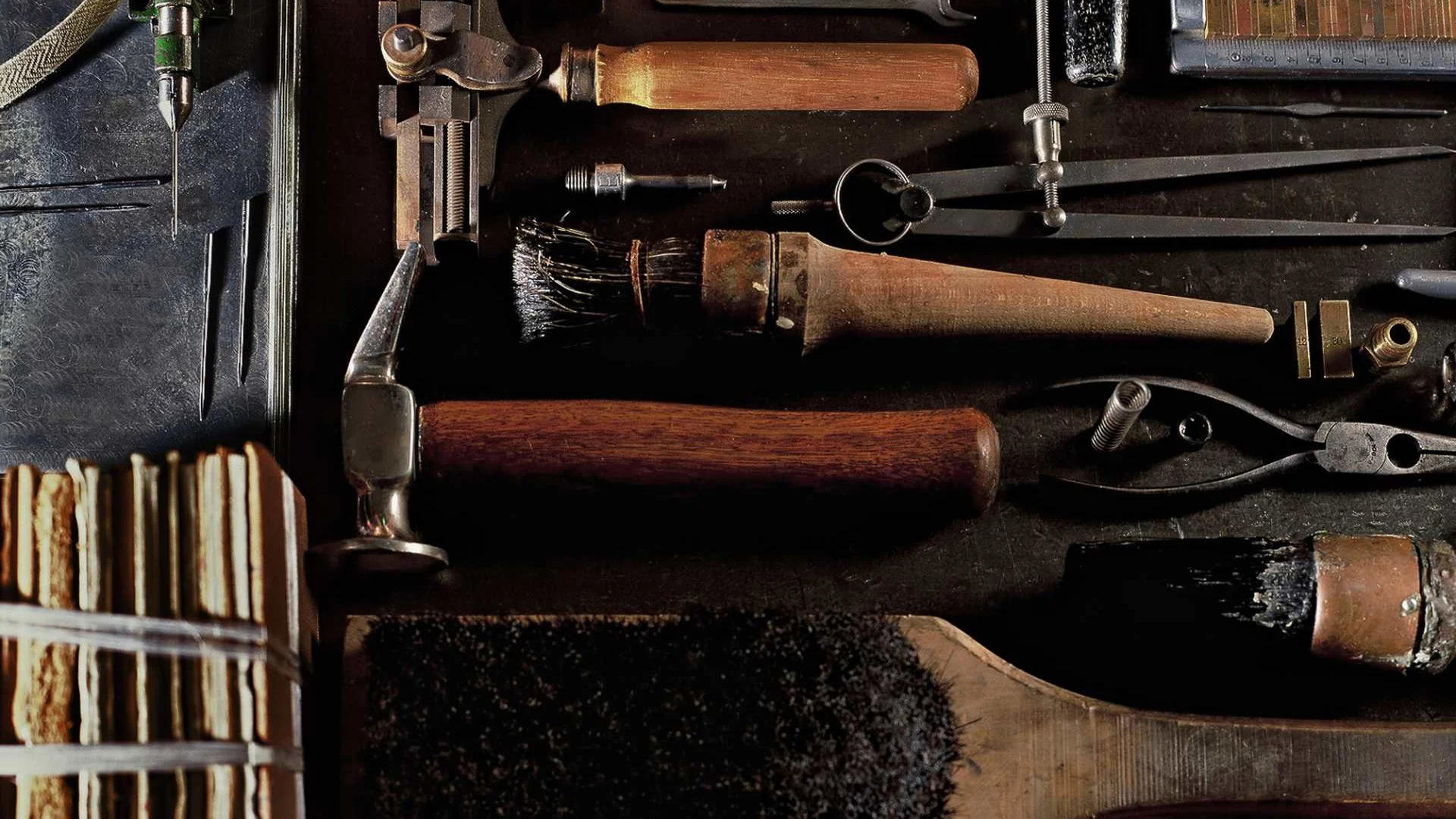
The tools in our workshop mix the old and the new. For fine detail we rely on hand tools; for structural components that need consistency, we use machines.
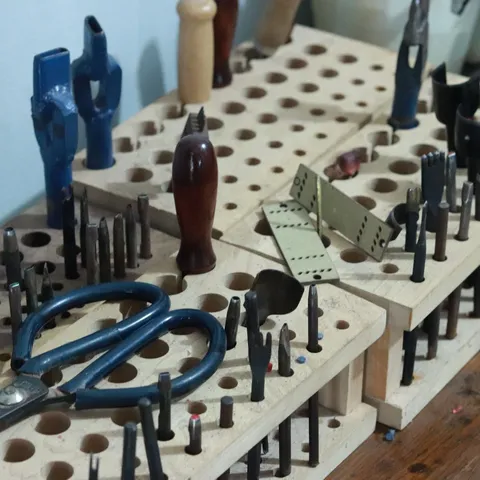
Leathercraft Tools
Hand knives and stitching chisels, for fine detail on a custom leather journal or an intricate book repair — tools that can “feel” the material.
Cutting mat
The most used tool in the studio. Every sheet of leather, paper and board begins on it.
- Cutting mat
- The most used tool in the studio.
- Hand knife
- For fine detail on a custom leather journal or an intricate book repair.
- Stitching chisel
- Punches the leather for precise hand sewing.
- Edge burnishing
- Closes the leather fibres and smooths the edges of a custom leather journal.
- Precision cutter
- Makes certain every cover is exactly the same size.
- Specialist sewing machine
- Gives consistency and strength to structural components.
Tools
Personalisation
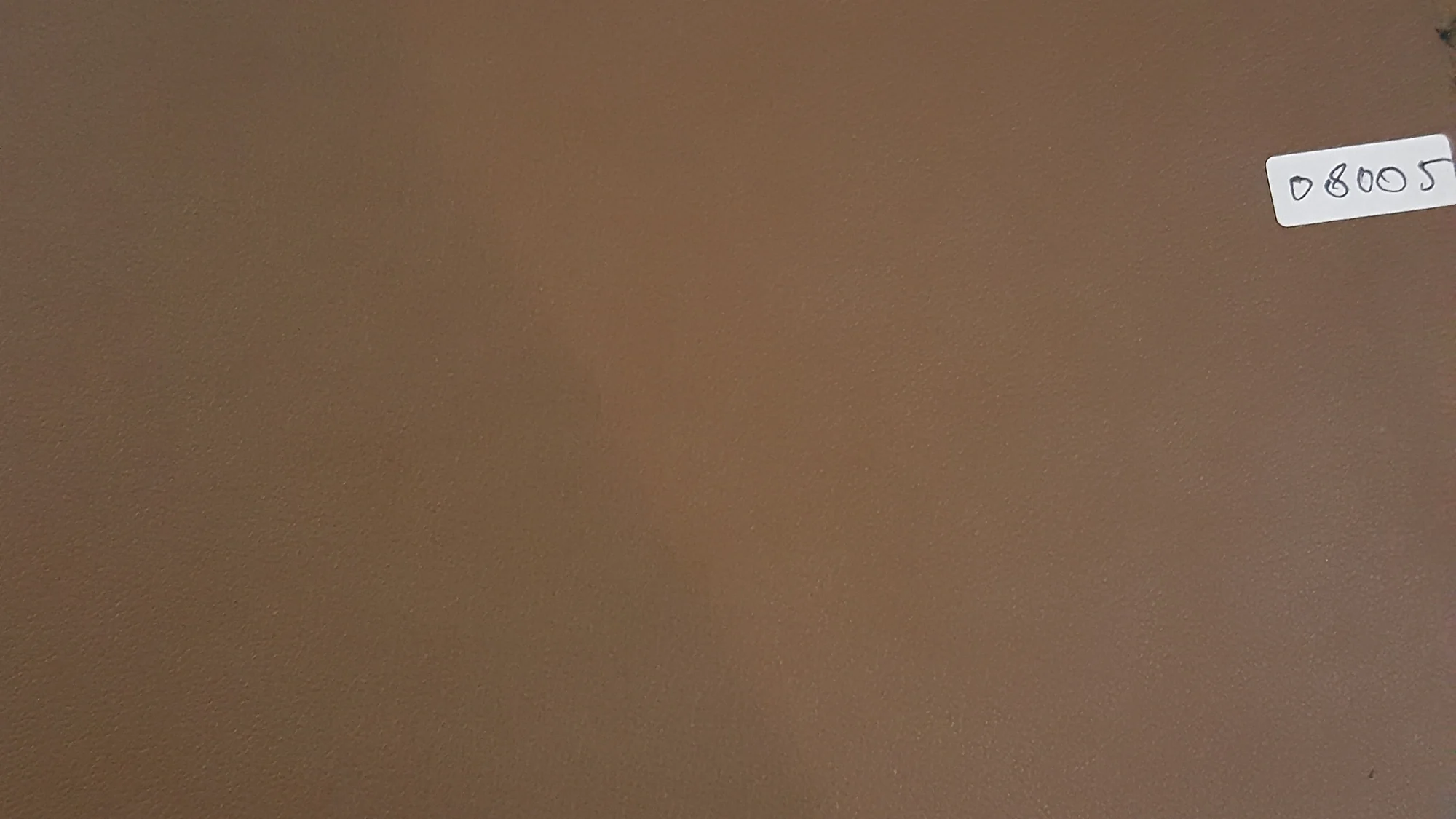
Custom stamping plates
Made specifically for each design. Debossing presses the logo into the leather; embossing raises it out.
Foil, laser, screen printing
Gold, silver or rose gold foil for a logo that has to read from a distance. Laser engraving for fine lines, screen printing for full colour.
Border lines
A manual or electric tool for decorative lines on a cover — straight, crisp, and consistent in depth.
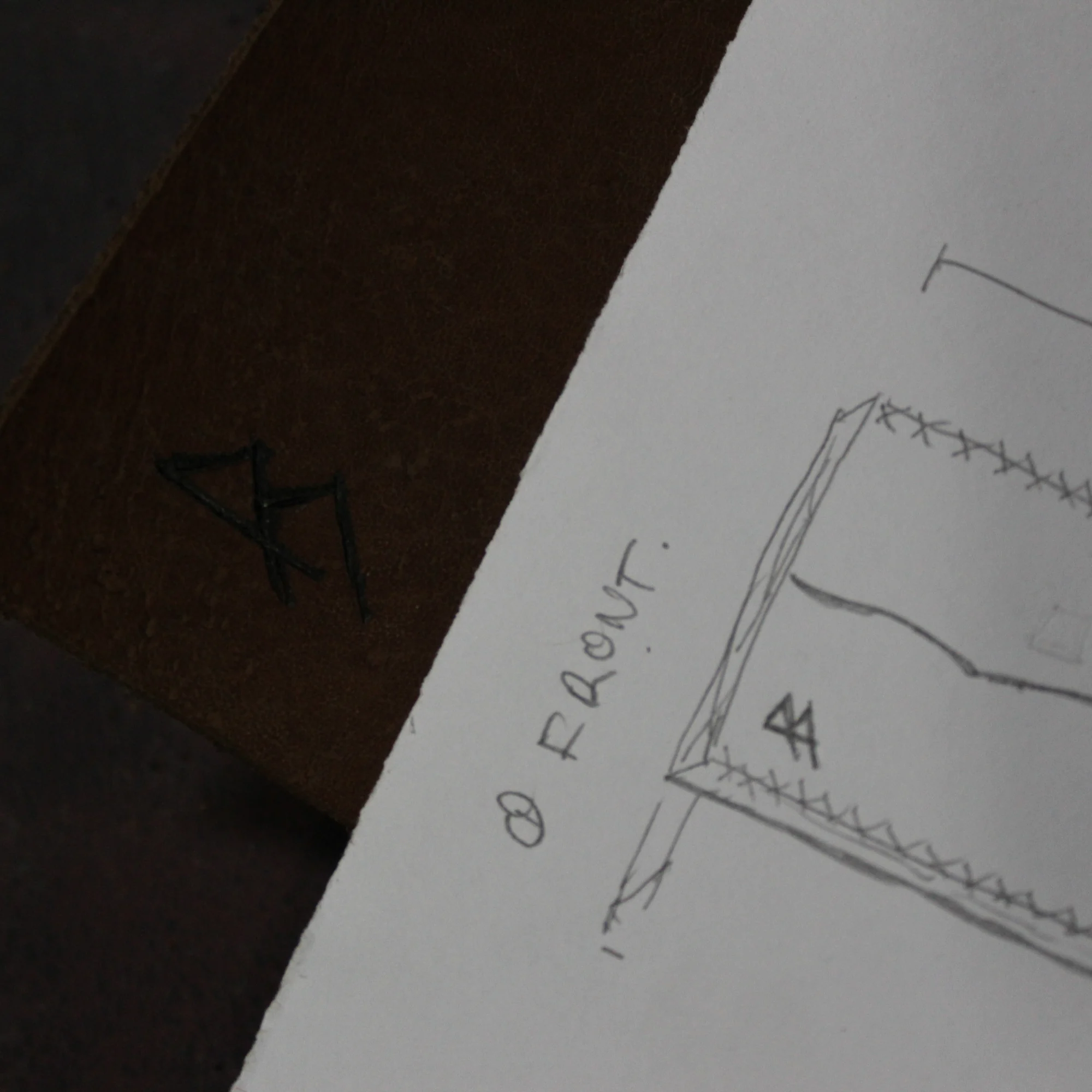
Woodburning (pyrography)
Not our own tool: this is done by Belgi Al Huda, a pyrography artist from Bogor recognised by the West Java provincial government as an Ekraf Unggulan. The design is burned straight into the leather, not printed.
Full detail on each option is on logo and branding options.
Standards
Conservation standards
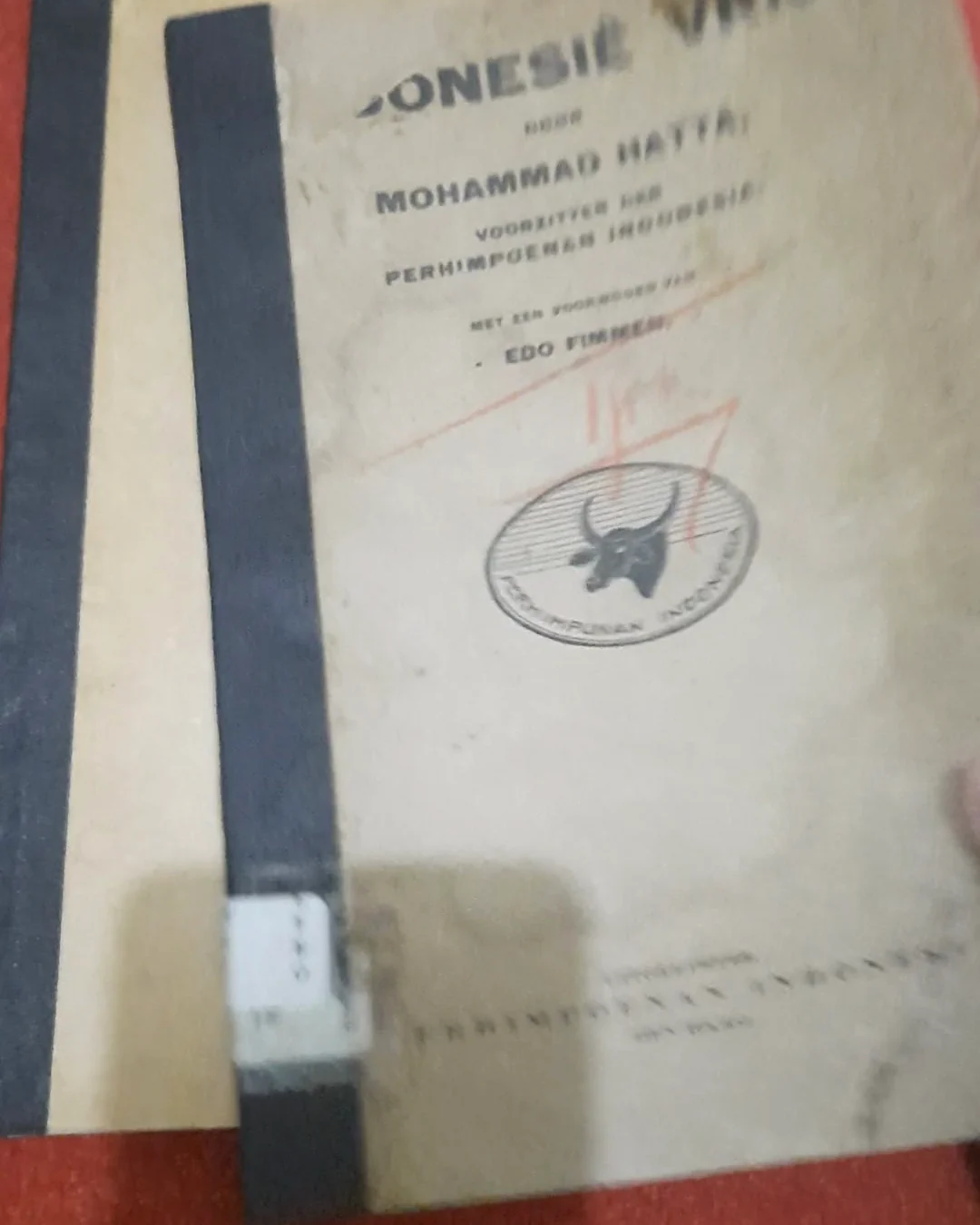
We are members of the International Institute for Conservation of Historic and Artistic Works (IIC). For collections of historical value the materials must be reversible, nothing may be discarded, and every step is recorded — the same standard we worked to on the EFEO Indonesia collection, including Mohammad Hatta’s 1928 defence speech shown in this photograph.
References
The vocabulary we hold to
These five works are also the source of the damage terms in our book repair glossary — linked to, not copied.
- AIC BPG Glossary of Terms
- The standard English vocabulary for condition and damage in book and paper conservation.
- AIC BPG Animal Skin and Leather
- The chapter on leather bindings, their deterioration, and red rot.
- Language of Bindings Thesaurus (Ligatus)
- A controlled vocabulary for the parts, materials and techniques of historic bookbinding.
- Book repair and restoration (Mitchell Buck, 1918)
- An early practical manual on repairing books by hand.
- Procedures for salvage of water-damaged library materials (Peter Waters, Library of Congress, 1975)
- The reference procedure for sorting and drying water-damaged books.
Some technical terms in leatherwork — such as Morocco Leather and Streicheisen — carry real historical meaning even though they are not materials or tools we use today. Both are in our glossary for context, not as a claim that we use them.
Is there a material or technique you want to ask about?
Tell us about the book or notebook you have in mind. We will answer with materials we can genuinely work in.
Last updated