
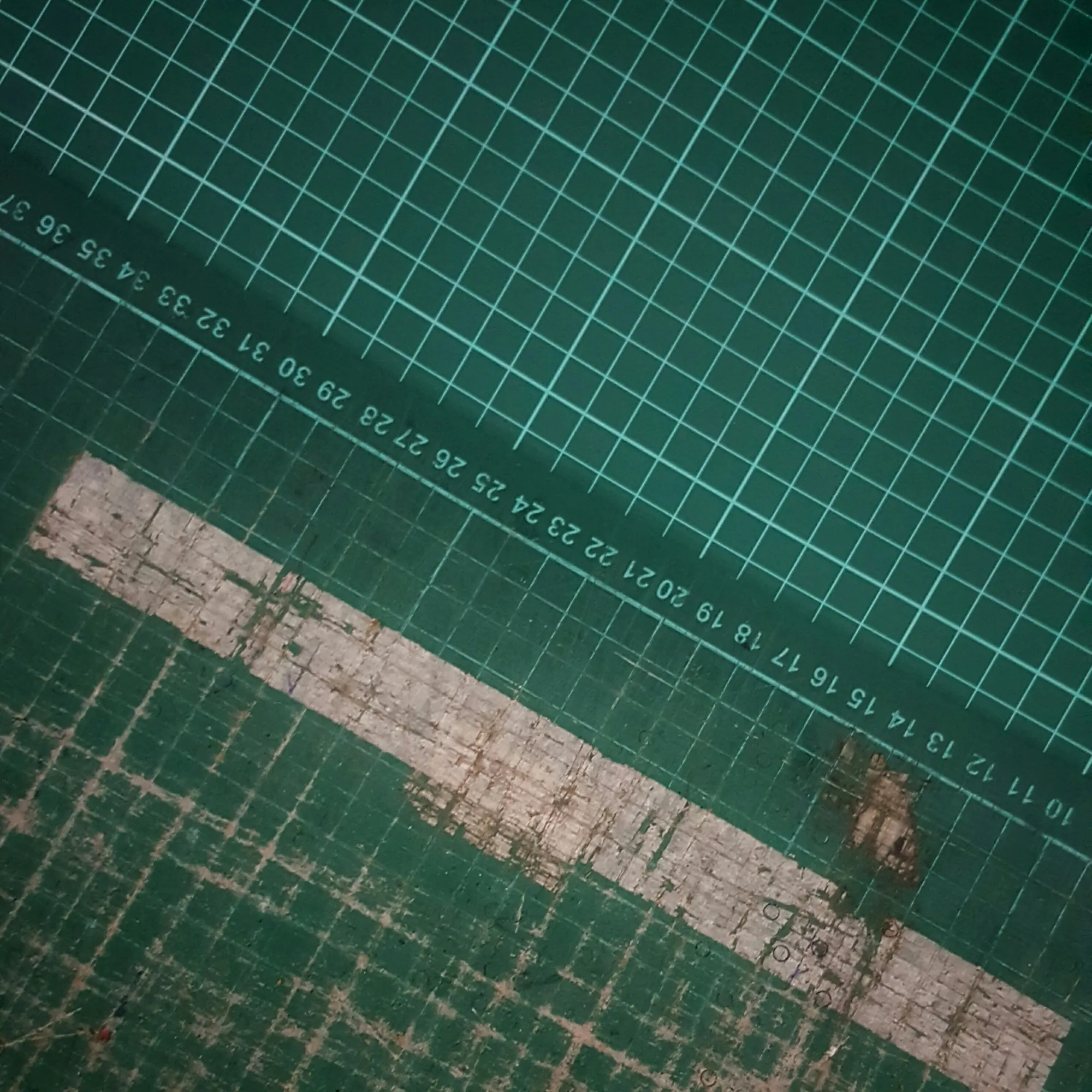
Cutting Pad
by Ibrahim Anwar · July 24, 2025
The cutting pad, or alas potong, is the unsung hero of every craftsperson’s bench. It is a protective surface designed specifically to serve as the base for cutting all manner of materials, from paper and cloth to thick leather and the most fragile gold leaf. Its main function is threefold: it protects the bench from scoring, it keeps the material being cut from tearing or slipping, and, most important of all, it preserves the edge of the blade by offering a surface that “gives” yet still supports. Whether it is a modern self-healing mat printed with a grid, a traditional felt cushion, or a solid block of wood, the cutting pad is an essential investment in precision, in safety, and in the working life of your tools.
In the crafts, and in bookbinding and leatherwork especially, there are a few tools so basic that their presence is taken for granted, even though the part they play is crucial. The cutting pad is one of them. It may not be as luxurious as a Japanese leather knife or as artistic as a set of carving tools, but without a good cutting pad all those precision instruments lose most of their effectiveness. It is the stage on which every act of cutting takes place, a sacrificial surface that quietly ensures each cut is clean, each corner true, and each bench left smooth.
Imagine trying to cut a piece of thick leather on a varnished wooden table. The result is predictable: deep scores in the table, a blade blunted quickly by striking a hard surface, and a cut in the leather that may be uneven because the knife snagged. Now imagine doing the same thing on the right cutting pad. The knife glides smoothly, pressing into a surface that absorbs the pressure, producing a perfect cut while keeping both the blade and the bench safe. This is the simple magic of the cutting pad. Understanding its types, its functions and its care is a fundamental step for anyone, from beginner to master craftsperson, who wants to raise the quality of their work.
The Anatomy of a Cutting Pad: More Than a Surface
Simple though the concept is, not all cutting pads are created equal. Material and construction determine the specific function and use of each one. Understanding those differences is the key to choosing the right tool for the right job.
The All-Purpose King: The Self-Healing Cutting Mat
This is the type most commonly found in the workrooms of modern makers. Made from an advanced PVC (Polyvinyl Chloride) composite, this mat has the remarkable ability to “heal itself”.
How Does It Work? The surface of the mat is made up of small particles pressed together. When a sharp blade cuts into it, it only parts those particles for a moment. Once the blade is lifted, the elasticity of the material returns them to their original position, effectively closing the score behind it. This is not magic, of course, and it has its limits. Very heavy pressure, or repeated cutting in exactly the same place, will eventually damage the surface permanently.
Advantages:
- Grid and Measurement: Most self-healing mats are printed with grid lines, angles and rules, which makes them a measuring tool as well as a cutting surface. That helps a great deal in keeping a cut straight and accurate.
- Versatile: Ideal for cutting paper, board, cloth, and thin to medium leather.
- Protects the Blade: A surface that “gives” keeps the edge from blunting quickly.
The Gentle Specialists: The Gilding Cushion and the Felt Pad
When working with material as fragile as gold leaf, a hard self-healing mat is not suitable. This is where the specialised pads come in.
The Gilder’s Cushion: A traditional tool in the form of a small wooden board padded with several layers of felt and covered with calfskin stretched tight. Its smooth, slightly yielding surface lets the craftsperson lay down an extremely thin sheet of gold without tearing it, then cut it to size with a special knife, the gilder’s knife.
The Felt Pad: For work that does not demand the precision of gilding, a piece of thick felt makes an excellent cutting pad for delicate material. Its softness protects the material from scoring and gives enough cushioning for light cutting.
The cutting pad is your knife’s silent partner. It takes every press, it bears every score, so that your work can come into the world perfect.
The Workhorses: Pads for Leatherwork
Cutting thick leather takes force, and a pad able to absorb that pressure without ruining either the knife or the maker.
- The Polypropylene (PP) Pad: This thick white plastic board is very popular among leatherworkers. Its surface is hard enough to support the cut, yet soft enough not to blunt a knife on the spot. It does not “heal itself” the way PVC does, so the scores stay visible, but it is extremely durable.
- The End-Grain Wood Block: This is the traditional, premium option. Made from a section of timber with the grain running upwards (as in a professional butcher’s block), the block lets the blade enter between the fibres of the wood, which then close again. It is very good at keeping a tool sharp, particularly when working with a chisel or a stamp.
- The Hard Rubber Pad: Offers a good compromise between hardness and give. It absorbs the sound and the vibration of a mallet blow when you are using a stamp or a punch, which makes it the quieter choice.
Choosing the Right Pad: A Practical Guide
With so many options, how do you choose the right one?
- Consider Your Main Material: If you work mostly with paper and board for bookbinding, a self-healing mat is the best choice. For a leatherworker, investing in a polypropylene or rubber pad is a necessity. If you often work with stamps and chisels, consider an end-grain wood block.
- Size Matters: Choose a pad larger than the biggest project you usually take on. Nothing is more irritating than having to shift the work halfway through a long cut. A3 (about 30×45 cm) is a good starting point for general hobby use, while A2 or A1 is ideal for more serious work.
- Look at the Grid: If precision is the point, make sure the grid on your self-healing mat is accurate and legible. Some of the cheaper mats are printed with an imprecise grid, which will throw your work off rather than help it.
- Colour and Contrast: Cutting pads come in a range of colours. Green and grey are the most common. Choose a colour that contrasts well with the material you use most often. If you work a lot with white paper, a dark pad is better, and the other way round.
Caring for Your Investment: How to Look After a Cutting Pad
A well-kept cutting pad will last for years. Neglect it and its life shortens dramatically. Here is how to look after one:
Good Practice in Use
- Vary Where You Cut: Do not always cut in the same area. Use the whole surface of your pad so that the wear is distributed evenly.
- Use the Right Pressure: Do not press too hard on the knife. Let the sharpness of the blade do the work, not the strength of your arm. Too much pressure makes a deeper score, and a harder one to “heal”.
- Use the Right Knife: Use a rotary cutter or a craft knife. Avoid a box-cutter style utility knife with a thick, angled blade, because it will ruin the pad faster.
- Keep the Knife Clean: A dirty or rusted blade can transfer grime into the scores in your pad.
Cleaning and Storage
- Clean It Regularly: Wipe your pad with a damp cloth and a little mild soap to remove paper dust, leather shavings and grime. For stubborn fibres lodged inside a score, use a rubber eraser to “pull” them out.
- Do NOT Soak It: Soaking a pad, especially in hot water, can make it warp.
- Store It Flat: This is the most important rule of all. Never roll your cutting pad up or leave it leaning against a wall for any length of time. It will warp permanently. Store it under a bed, in a large flat drawer, or hang it from a clip if it has a hole.
- Keep It Away from Heat and Sunlight: Heat is the sworn enemy of a cutting pad. Never set one near a radiator, in direct sunlight, or leave it in a hot car. And never iron on it!
Repairing a Warped Pad
If disaster strikes and your pad warps, there is hope. Lay the pad on a flat surface somewhere warm (not hot). Put several heavy books, or another flat weight, on top of it for a few days. That slow warming and pressing can sometimes bring it back to its original shape.
The Hibrkraft Perspective: A Foundation for Precision
At the Hibrkraft studio the cutting pad is one of the most frequently used tools we have. Every piece of leather for a journal cover, every sheet of paper for a book block, every piece of board for the structure of a binding: all of it begins on a cutting pad. For us this is not only a matter of protecting the bench. It is a matter of precision and consistency.
A cutting pad with an accurate grid lets us make certain that every component is cut to exactly the right size, which is the foundation of a tidy, professional book. A self-healing surface keeps our knives sharp for longer, which means a cleaner cut with no frayed edge. In book repair, where we often have to cut new material to fit a historical artefact perfectly, the precision offered by a sharp knife and a reliable cutting pad together is beyond price.
We believe that investing in good basic tools, the cutting pad among them, reflects our philosophy as a whole: quality begins at even the most basic foundation.
FAQ (Frequently Asked Questions)
1. Can I use a kitchen chopping board as a cutting pad?
Strongly not advised. A kitchen board, whether plastic or wooden, is designed to take the impact of a thicker kitchen knife and is not designed for precision. Its surface will blunt a fine craft knife very quickly, and a plastic board can crack or score deeply, creating an uneven surface for the cutting that follows.
2. Why does my self-healing mat no longer “heal”?
There are several possible causes: the mat is old and worn, you have been cutting in one place too often, or you are using too much pressure. There may also be small fragments caught inside the scores. Try cleaning it gently with an eraser first. If that does not work, it may be time to replace it.
3. What is the difference between a green cutting pad and a black or grey one? Is there any functional difference?
Functionally there is usually no difference between the colours if they come from the same manufacturer. The choice of colour is largely aesthetic and practical. Some makers find green easier on the eye through a long working session, while others prefer a dark colour for better contrast with pale material.
References
- Scrapbook.com. “All About Self Healing Mats.” (the original link is dead; the reference is kept without a link)
- The Spruce Crafts. “The 7 Best Cutting Mats of 2024.” (the original link is dead and there is no archive of it; we keep this reference without a link)
- MakeSupply-Leather. “Best Leathercraft Cutting Mats and Punching Pads.” (the original link is dead; the reference is kept without a link)
- John Neal Bookseller. “Gilder’s Cushion.” – Product example and description of the traditional tool. (the original link is dead; the reference is kept without a link)

Custom Notebook
A handmade leather notebook you can design yourself, for a gift, for a memory, or for plans yet to come.
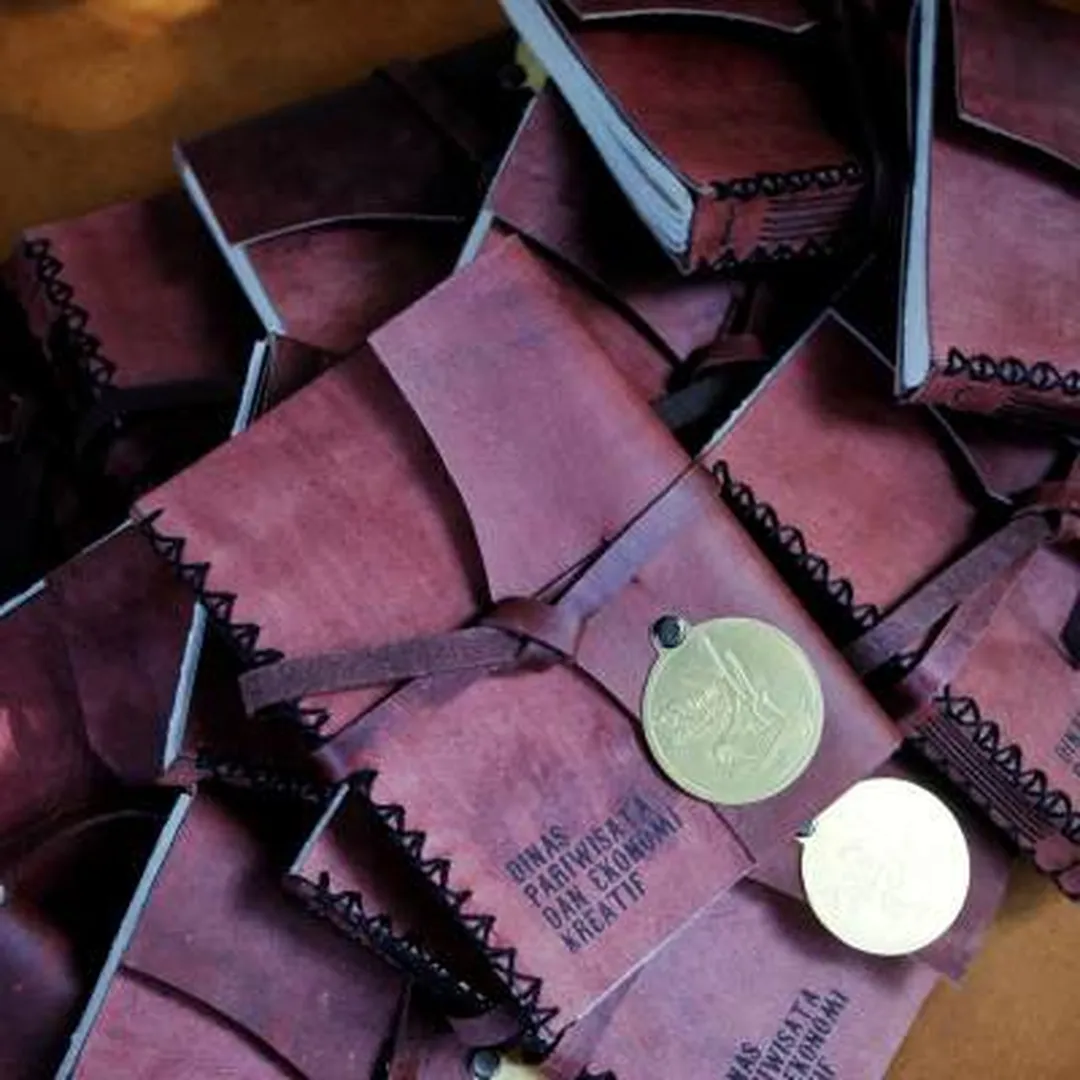
Business & Whitelabel
Business solutions and corporate gifts in the form of an exclusive agenda carrying your company logo.
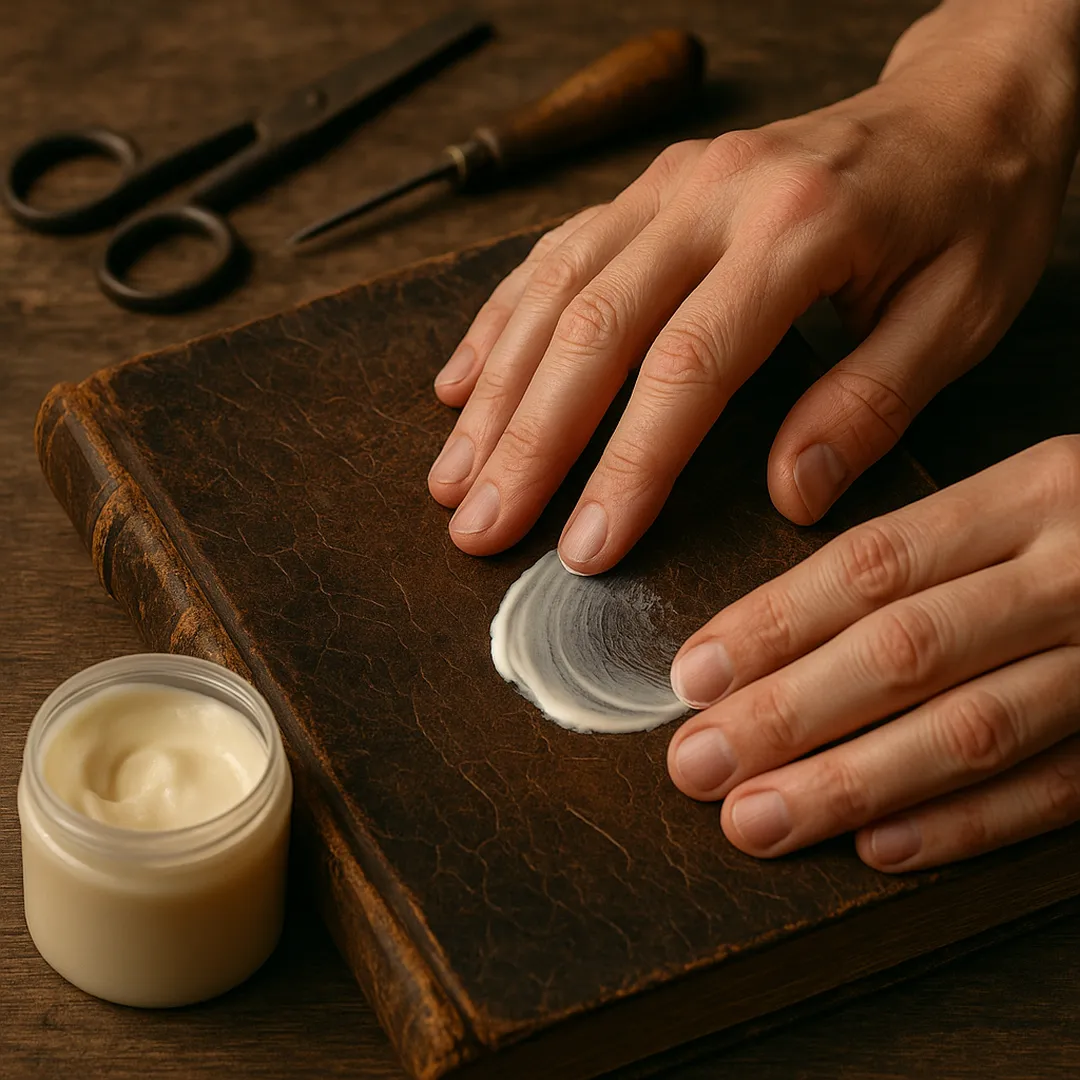
Book Repair & Conservation
Repair and conservation for antique books, family heirlooms, and private collections of historical value.