
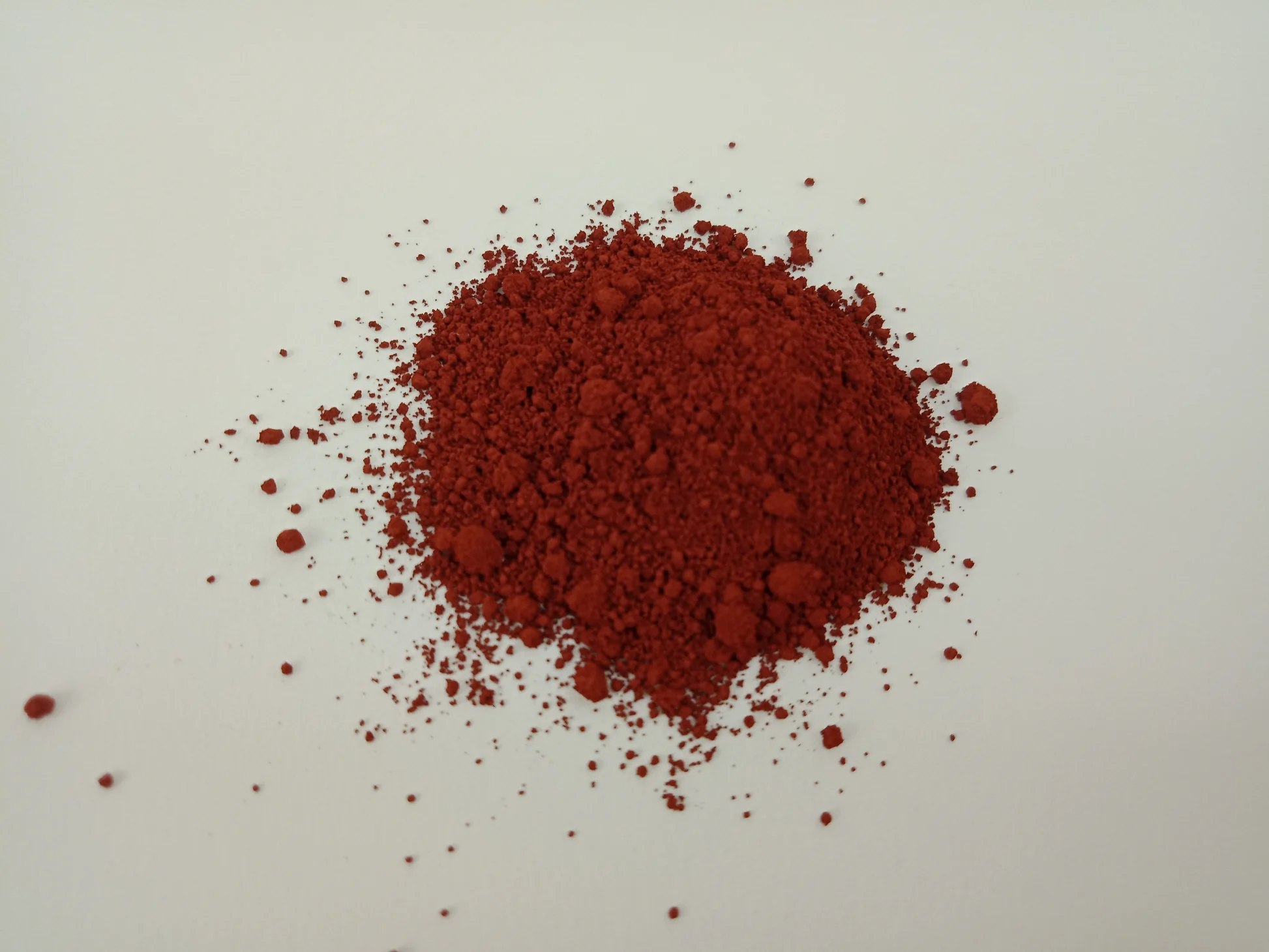
Bole (Material for Decoration)
by Ibrahim Anwar · July 26, 2025
Bole is a red clay mineral rich in iron oxide, traditionally used in bookbinding and gilding as the crucial ground layer laid down before gold leaf is applied. Ground to a very fine powder, bole is mixed with a binder such as egg white (glair) or rabbit-skin glue to make a thick paste. The mixture is then applied carefully to the edges of a book or to another prepared surface. Its function is twofold: first, it creates an extremely smooth, slightly absorbent surface that acts as a “cushion” for the gold leaf. Second, the deep red of the bole gives warmth and depth to the lustre of the gold, enriching a finish that modern adhesives cannot imitate. The process is an integral part of the water gilding technique, refined over centuries.
Bole: The Red Clay That Is the Soul Behind an Everlasting Gold Lustre
In the world of fine bookbinding and art restoration, the brilliant lustre of gold leaf is what usually steals the attention. Behind that striking splendour, though, hides a simple but fundamental material that has been the secret of gilding’s beauty and durability for centuries: bole. Bole is a kind of natural clay, usually red, that serves as the ground layer — the “cushion” — laid down before the fragile gold leaf is applied. Far from merely an adhesive, bole is the alchemical component that turns a thin sheet of metal into a surface that is warm, deep and alive with lustre. To understand the role of bole is to look into one of the oldest and most respected techniques in the art of decorating books and other precious objects.
Etymology and Origins: From Earth to Treasure
The word “bole” comes from Ancient Greek, “bōlos” (βῶλος), meaning “a clod of earth” or “clay”. Since antiquity, various civilisations have recognised the unique properties of certain clays rich in iron oxide. Ground into a very fine powder, this clay has a texture as soft as silk and a rich colour. One of the best-known kinds of bole in history is “Armenian bole”, mined in Anatolia and highly prized by European craftsmen through the Renaissance for its fineness and its superior colour.
The use of bole in gilding can be traced back to ancient Egypt, but the technique was refined significantly by bookbinders and frame makers in Europe during the Middle Ages and the Renaissance. In that period gilding was not only about decoration; it was a way of signalling the importance of a text—a Bible or a precious manuscript—or the social standing of its owner. Craftsmen found that by coating a surface (the edges of a book, a wooden panel, an architectural detail) with a layer of gesso and then bole, they could create a perfect ground for gold leaf, producing a lustre far more brilliant and far more durable than any other gilding method.
Why Clay? The Wonder of Bole’s Physical Properties
It may sound strange that clay—a material we associate with pottery or brick—should be the key to so fine an application of gold. Yet the physical and chemical properties of bole make it ideally suited to the task:
- Fineness of particle: High-grade bole is ground to a very fine powder. Mixed with a binder, it forms a smooth paste with no coarse grain. That matters for creating a perfectly level surface, because the smallest imperfection underneath will show through the extremely thin layer of gold.
- Plasticity and the “cushion” property: A dried layer of bole keeps a little give. This creates the “cushion” effect that lets the burnisher press the gold leaf onto the surface without tearing it. It is the same property that allows the gold to be polished to a mirror lustre.
- Controlled absorbency: Bole absorbs enough to help the gold leaf adhere when it is laid by water gilding, but not so much that it “swallows” the lustre of the gold.
- Colour that enriches: This is one of the most important functions of bole. Gold leaf, though it looks solid, is in fact slightly transparent. The colour beneath it affects the final tone. Traditional red bole gives warmth and depth to gold, making it look richer and more alive. Over time, as the layer of gold thins with wear, the red showing through beneath creates a beautiful antique effect that collectors prize highly.
“The deep red of bole is not merely a ground; it radiates a warmth that seeps through the thin layer of gold, giving a lustre livelier and richer than any modern adhesive can imitate.”
The Dual Role of Bole: A Useful Adhesive and an Aesthetic Enhancer
The role of bole in gilding cannot be reduced to a single function. It works in two complementary capacities:
- As substrate and partial adhesive: In the water gilding technique, the dried layer of bole is reactivated with a little water or a dilute binder solution just before the gold leaf is laid down. That moisture leaves the surface of the bole slightly tacky, enough to “catch” and hold the weightless leaf. Once dry, the bole and its binder harden and lock the gold in place. It works as a system together with other ground layers such as gesso and rabbit-skin glue.
- As an enhancer of colour and light: As mentioned above, the colour of bole strongly affects how the gold is seen. It is not only about red. There are other kinds of bole, used for different effects:
- Yellow bole: Used under gold to create a brighter, lighter finish, often resembling pure gold freshly mined.
- Black or grey bole: Used to give gold a cooler, more antique tone, or as a ground for silver gilding.
The choice of bole colour is an artistic decision the craftsman makes to reach a particular visual effect.
Gilding with Bole: A Dance of Precision
Using bole to gild the edges of a book is a process that demands patience, precision and a deep understanding of the material. It is a dance between moisture, pressure and time, in which every step is built on the success of the one before it. The traditional process, little changed over centuries, usually follows the sequence below.
The Steps in Gilding a Book’s Edges with Bole
- Stage 1: Edge preparation: The edges of the text block must be cut perfectly level and sanded very smooth. Any imperfection at this stage is magnified in the finished work. The book block is then clamped firmly in a press.
- Stage 2: Sizing: A thin layer of adhesive, usually diluted rabbit-skin glue, is applied to the edges. It seals the paper fibres and stops the next layer from soaking in too deeply.
- Stage 3: Applying the gesso: A layer of gesso (a mixture of adhesive, chalk and white pigment) is often applied before the bole. Gesso fills the microscopic pores in the paper and creates a bright, very smooth white ground. Several thin coats may be needed, with fine sanding between each one.
- Stage 4: Preparing and applying the bole: Bole powder is mixed carefully with a binder (glair—egg white beaten and left to settle—or a thinner rabbit-skin glue) to create the consistency of thick cream. The mixture is then spread evenly over the dried layer of gesso with a soft brush. Two or three thin coats of bole are usually enough.
- Stage 5: Activating and laying the gold: This is the most crucial moment. The dried surface of the bole is activated by brushing on an activating solution (often called “gilder’s liquor”, water with a little alcohol). This leaves the surface of the bole slightly wet and tacky. A sheet of very fragile gold leaf is then picked up with a special brush (a gilder’s tip) and laid carefully on the wet surface. The gold “jumps” instantly from the brush to the tacky bole. The process is repeated until the whole surface is covered.
- Stage 6: Burnishing: Once the gold surface is completely dry — which can take several hours — it is time to polish. With a special tool called a burnisher, usually tipped with agate or a very smooth haematite, the craftsman rubs the gold with firm but controlled pressure. The cushion-like layer of bole beneath allows the gold to be pressed and compacted, turning it from a matte film into a surface as bright as a mirror.
“It is burnishing over that smooth layer of bole which ‘wakes’ the true lustre of the gold, turning a dull film into a surface that reflects light like a mirror.”
Bole in a Modern Context: Tradition vs. Innovation
In the modern era, where speed and efficiency are often the priority, many synthetic alternatives to the traditional gesso-and-bole system have been developed. Modern acrylic adhesives and oil-based size offer a faster and easier way to lay gold leaf. These methods, known as oil gilding or mordant gilding, are very useful for large-scale architectural work, or where a less brilliant finish is wanted.
In fine bookbinding, antique book restoration and high-quality frame making, though, water gilding with bole remains the gold standard — literally. Why? Because no modern method can fully imitate the warmth, the depth and the brilliant lustre that come from burnishing gold over a cushion of bole. The finished work has a “living” quality that no synthetic adhesive can reach. For conservators, using traditional materials such as bole is essential to preserving the historical integrity of an object.
Relevance to Custom Journals and Hibrkraft Products
At Hibrkraft we hold the heritage of hand craftsmanship in high regard. Gilding with bole is an intensive process, usually reserved for restoration projects or very limited editions, but the philosophy behind it sits closely with our own working ethos. That philosophy is the understanding that the best materials and the methods time has tested often produce a quality nothing else matches.
When you order a custom leather journal from Hibrkraft, you are investing in a product made with attention to detail. The same spirit that drove a Renaissance craftsman to lay bole patiently on the edges of a Bible is the spirit that drives us to choose the best leather, to sew every page by hand, and to make sure every aspect of our products meets a standard of excellence. Understanding materials such as bole enriches our appreciation of what makes a book not only a container for information but also a beautiful and precious work of art.

Custom Notebook: Soul in the Detail
Gilding with bole is an ancient technique, but its spirit—the best materials for the most beautiful result—lives in every custom journal we make.
Experience the quality of genuine handwork, where every element, seen or unseen, is chosen for its beauty and its durability.
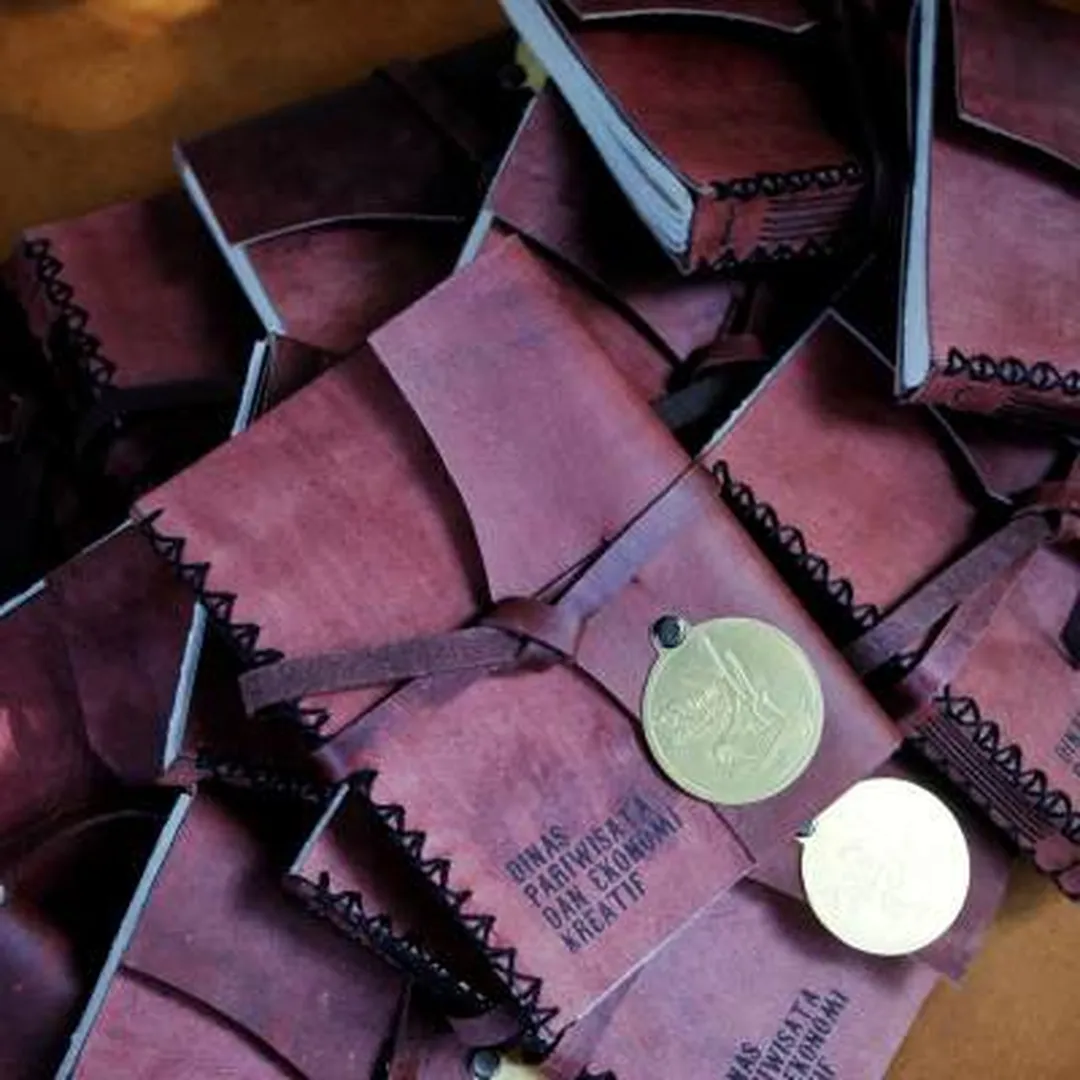
The Gold Standard for Your Business
Show a standard of excellence nothing else matches, with premium detailing on your business agenda—a mark of lasting quality.
Raise your brand’s standing with a corporate gift made with skill drawn from the finest traditions.
Get in Touch
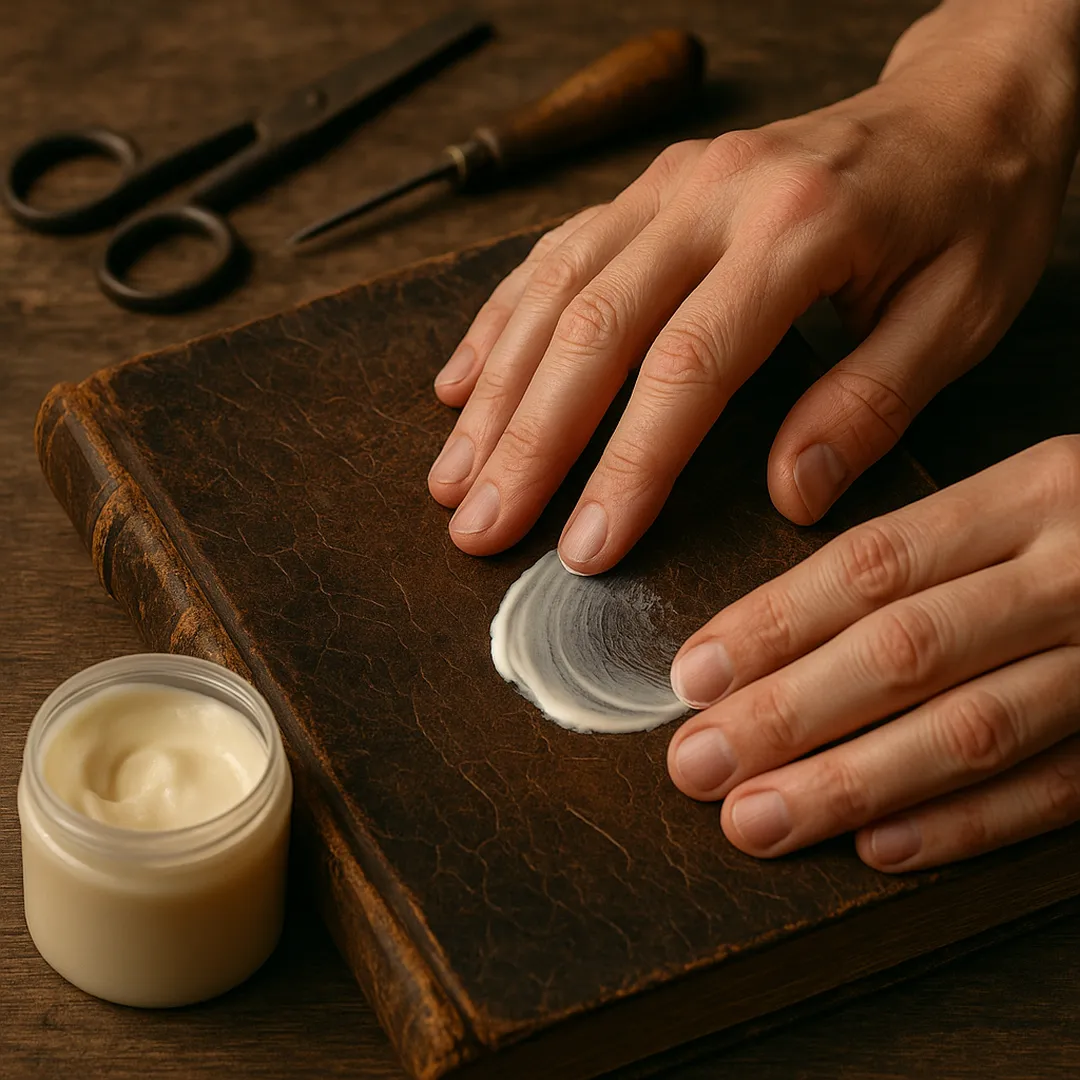
Book Repair & Conservation
We understand historical materials such as bole. Entrust the restoration of your precious books to people who respect traditional technique.
Restoration for antique books, preserving the authenticity of every detail, from the sewing to the historic gilded edge.
Free Consultation