
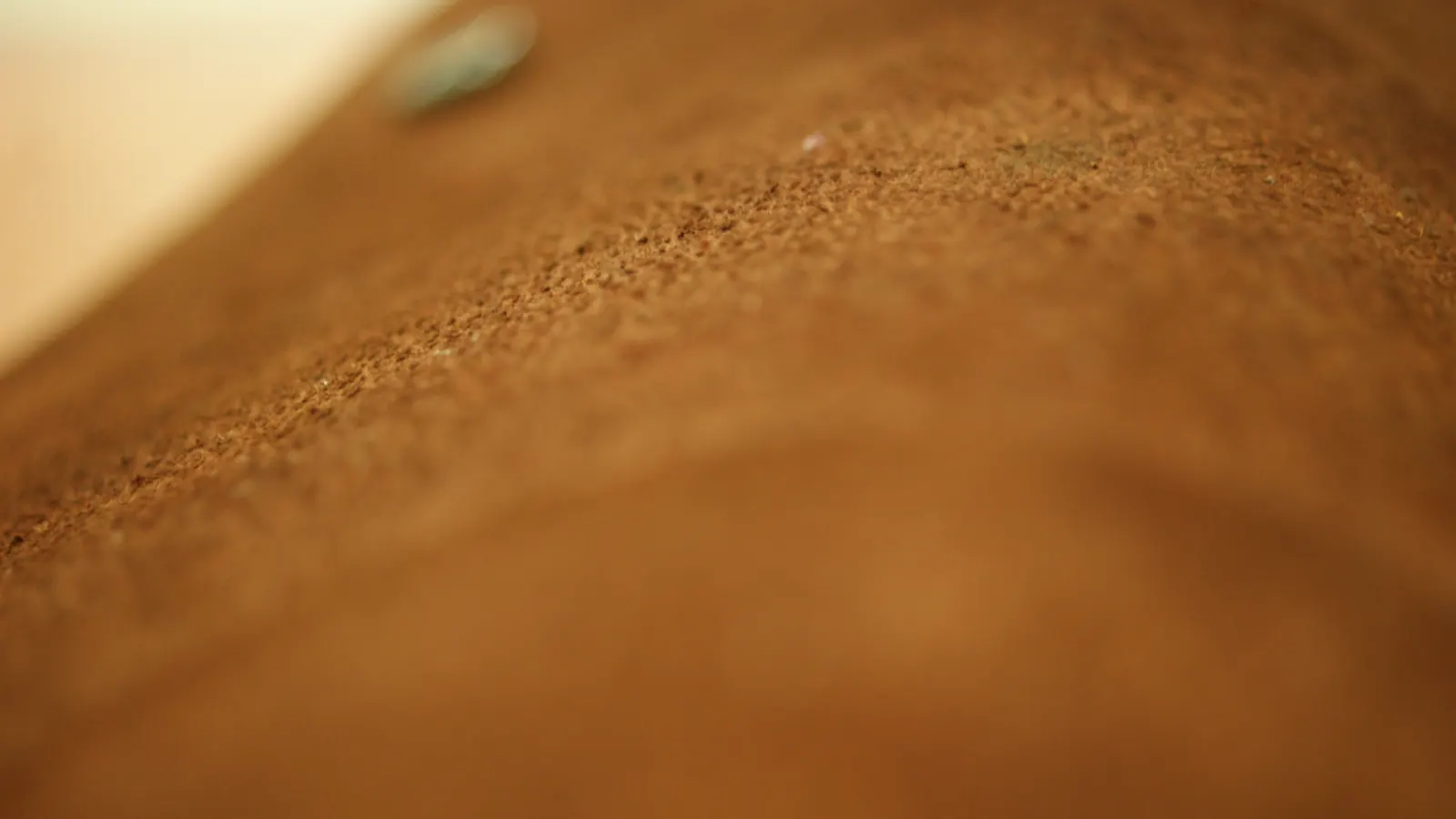
Customisation
Material & Colour: the Decision That Sets the Price
The type of leather, the colour and the paper inside are settled first, before the logo or the packaging is discussed — because the material is what decides how much else can be done to it.
- 3 kinds of leather
- 9 curated colours
- 4 finishes
Sequence
The material is settled before the logo
Leather type, colour, text paper and finish are fixed first — with an honest limit on how uniform a leather colour can be promised from one unit to the next.
This is not a matter of procedure. The leather decides how deep an impression can go — foil works well on a smooth hide and disappoints on a coarse one; laser is the other way round. Cutting a die before the material is settled means risking cutting it twice.
Full-grain keeps the original surface and takes a patina; top-grain is more even; vegetable tanning darkens over time while chrome tanning holds its colour fairly steadily. Leather takes dye according to the density of its fibre, which differs between parts of a single hide, so two covers from the same batch will sit close together without being identical. That is a property of the material, not a fault in the work.
Once the material and colour are agreed on this page, the next step is deciding how the logo is marked — see the four logo & branding techniques.
Material
Three kinds of leather, and how each ages
We choose leather for durability, texture and its ability to age beautifully — not for whatever was cheapest on the day.
Full-grain leather
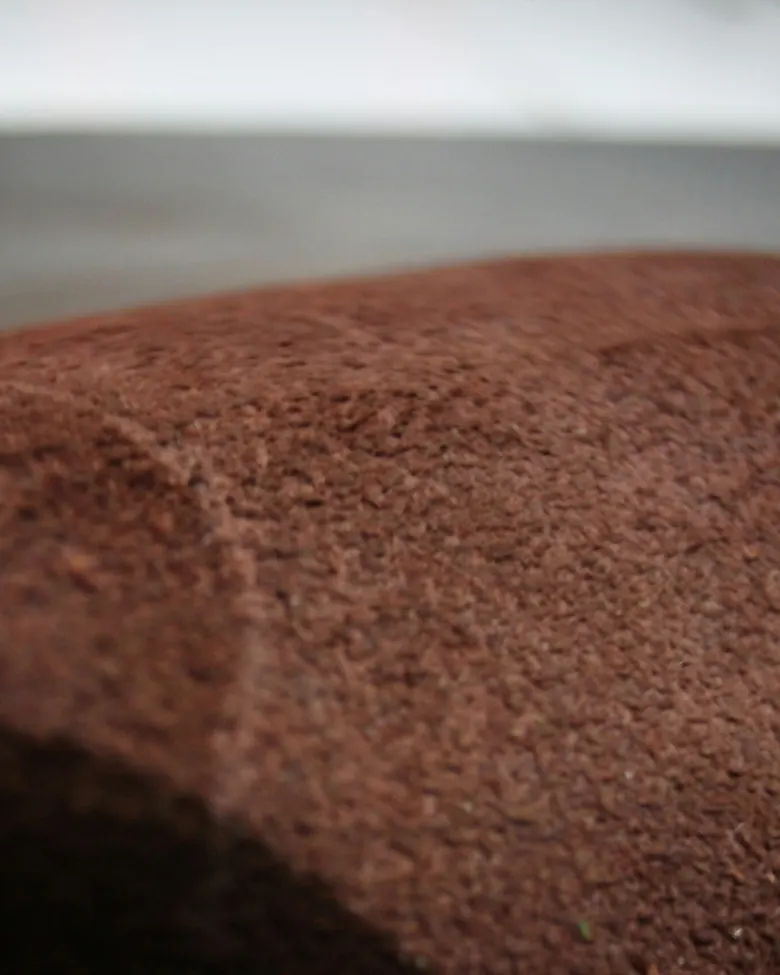
The highest grade. It shows the natural grain and its own unique imperfections, and it develops a rich patina over time. The first choice for premium products and executive gifts.
Top-grain leather
More uniform and smoother in appearance, because the top layer has been lightly sanded. Durable, with a good balance of quality against value — ideal for corporate gifts and large orders.
Vegetable-tanned leather
Processed with natural tannins from plants. Firm, it develops a distinctive patina, and it reflects both traditional craft and sustainability.
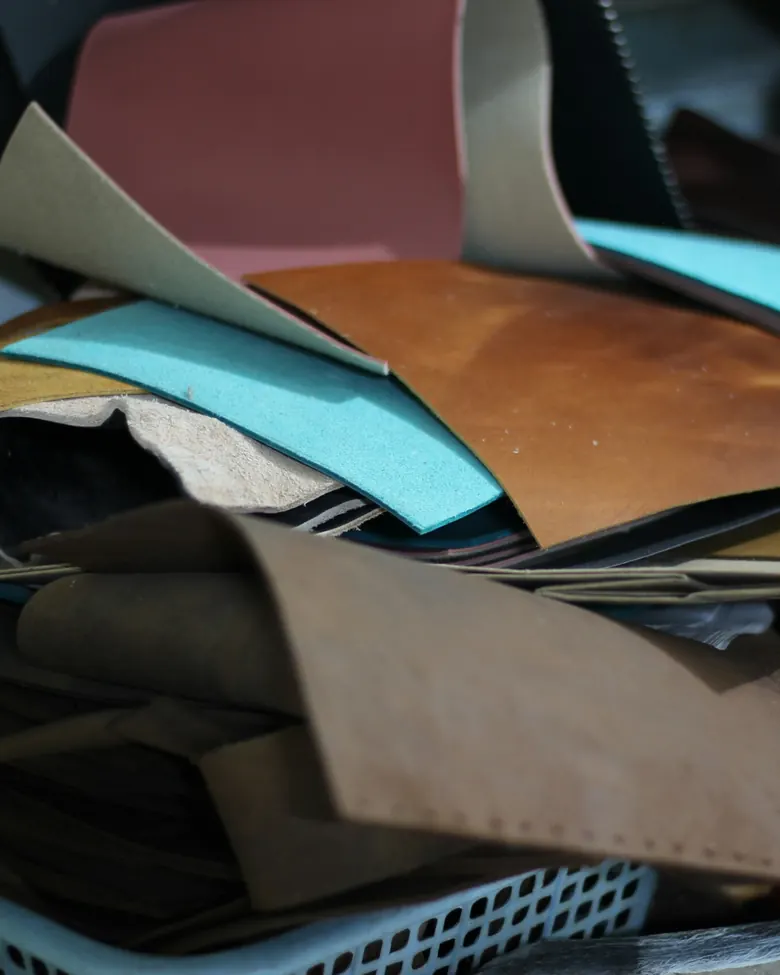
| Type | Surface | Ages into | Takes an impression |
|---|---|---|---|
| Full-grain | Original, pores visible | Darkens unevenly, softens | Very well |
| Top-grain | Lightly sanded, then coated | Changes less | Well |
| Vegetable-tanned | Dense, with body | Takes a clear patina | Very well |
| Chrome-tanned | More supple | Colour stays fairly steady | Holds a shape less well |
Colour
Colour: classic and contemporary
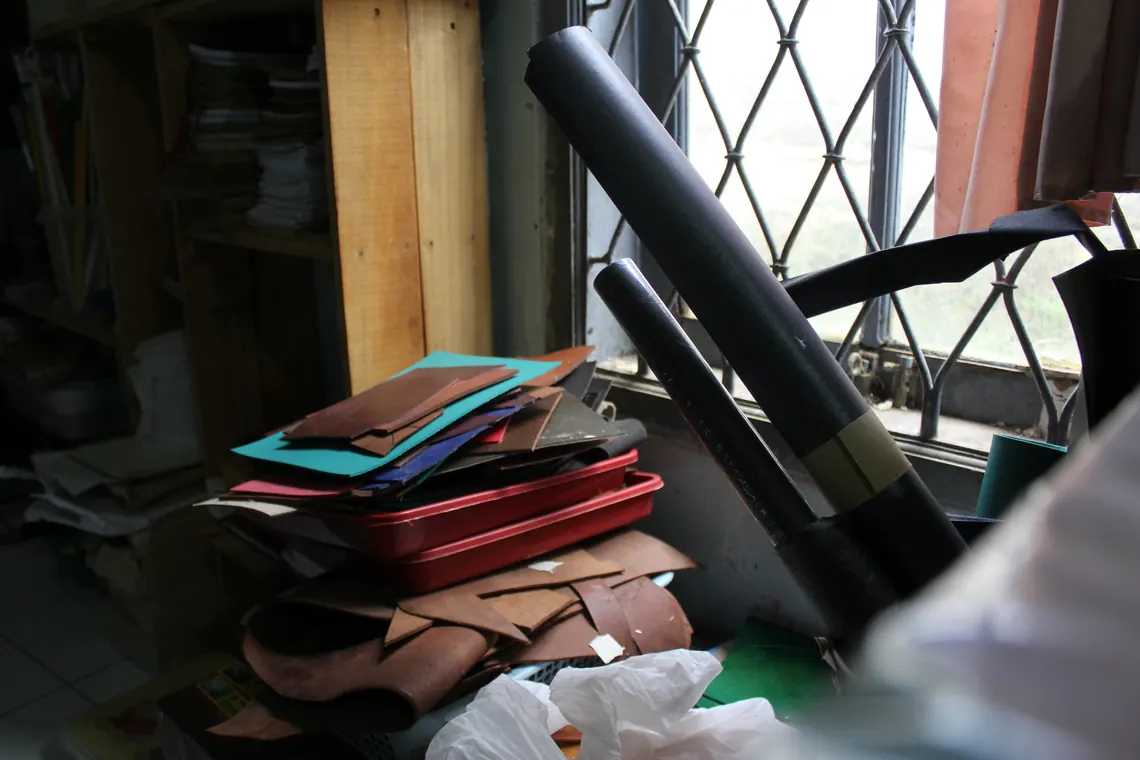
Nine colours have been curated to bring out the natural beauty of the leather, in two groups.
- Classic: Black, Brown, Tan, Burgundy, Navy.
- Contemporary: Charcoal, Cognac, Olive, Mahogany.
A colour outside these nine can sometimes be arranged for a large order, working with our leather supplier — the terms and the pricing for that are on bulk & white label, not on this page.
Where certainty matters, we send physical samples to serious B2B clients.
Here is what we can and cannot promise about colour:
| We can | We cannot |
|---|---|
| A colour within an agreed range | Identical colour from unit to unit |
| One batch cut from adjoining areas of the hide | A new batch matching an old one exactly |
| A physical sample before production | A match to a colour on a screen |
The second row matters for repeat orders: a follow-up order six months later uses leather from a different delivery, and the difference is real. Where consistency across time matters, the leather for the whole plan is better secured in one go.
Finish
The finish affects both colour and durability
Finishing is the last step that defines how leather looks, feels and lasts — and each kind interacts with colour differently.
The four finishes available, and what each does:
| Finish | Effect on colour | Effect on durability |
|---|---|---|
| Natural | Shows the true colour, the most authentic | The leather "breathes", but stains and scratches more easily |
| Burnished | Darkens the burnished areas, a rich contrast | The fibre compacts, so it resists scuffing a little better |
| Waxed | Darker and richer, with a "pull-up" effect when flexed | Resistance to water and staining rises significantly |
| Oil | Deepens the colour dramatically | Stays supple, does not dry out or crack — the longest-lasting |
Inside
Paper and grammage
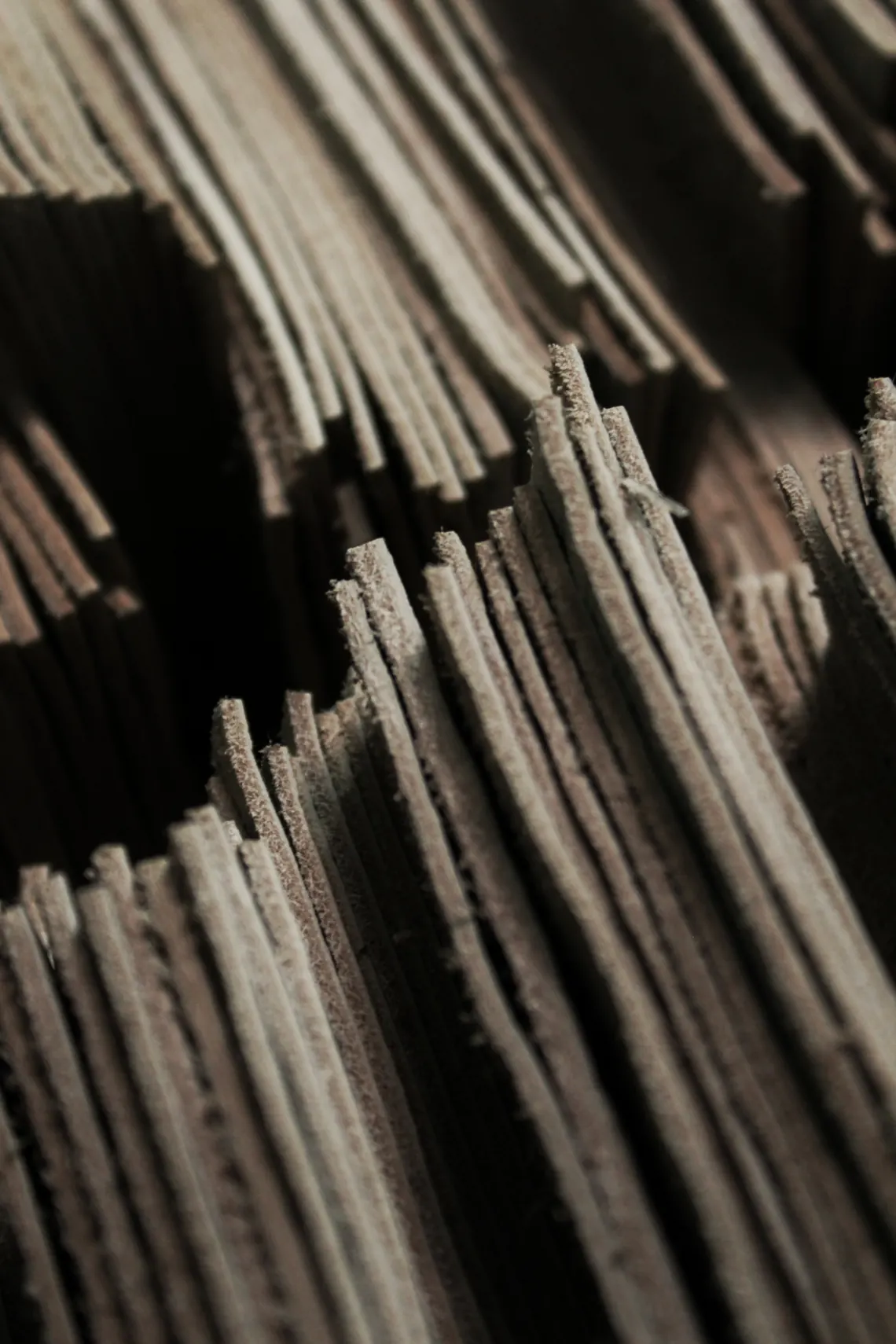
The inside of a journal uses paper chosen for what will be written on it, rather than one kind for everything.
The papers Hibrkraft works with, by grammage (GSM):
| Paper | Grammage | Character | Suits |
|---|---|---|---|
| HVS | 70–100 gsm | Bright white, high contrast | Quick notes, brainstorming, lists |
| Bookpaper | 80–90 gsm | Cream, high opacity, easy on the eyes | Daily journals, travel journals |
| Kraft (Samson) | varies | Brown, coarsely textured, strong | Scrapbooks, pencil or charcoal sketching |
| Canson (watercolour) | 200–300 gsm | Thick, cold-press texture, acid-free | Watercolour, gouache, mixed media |
| Tomoe River | 52 gsm | Very thin, feather-resistant, minimal bleed-through | Fountain pens, calligraphy |
Full details of each paper are on the papers Hibrkraft uses. The page layout — ruled, dot grid, squared or plain — is chosen at the next step, not here: see inserts & layout.
Questions
The questions we are asked most
How accurate is a colour on screen compared with the real thing?
Never 100% accurate — monitors are calibrated differently, and leather is a natural material with some variation of its own. Where you need certainty, ask for a physical sample.
Which leather lasts longest?
Vegetable-tanned full-grain, mainly because it has no surface coating that can peel. What ages on it is the material itself.
Can you work with leather I supply myself?
It depends on its thickness and how it was tanned. Leather that is too supple will not hold an impression, and that is only known once it has been tested.
Will the colour of the leather change over time?
Vegetable-tanned leather will, and that is the point of it — the explanation is in the leather craft category. If the colour has to stay as it was on the first day, vegetable tanning is the wrong choice.
Next step
Settled on material and colour? Then talk about the logo
Tell us the leather or the colour you have in mind, and the quantity. We reply with the options available and an estimated price. Prices per order model are on bulk & white label.