Vegetable-Tanned Leather
by Ibrahim Anwar · July 28, 2025
Do not confuse the two. “Vegetable-tanned” on this page means animal hide tanned with tannins from plants — the material is still cowhide. That is not plant-based vegan leather, which uses no animal material at all. The two terms are often swapped in the marketplace, although they mean opposite things.

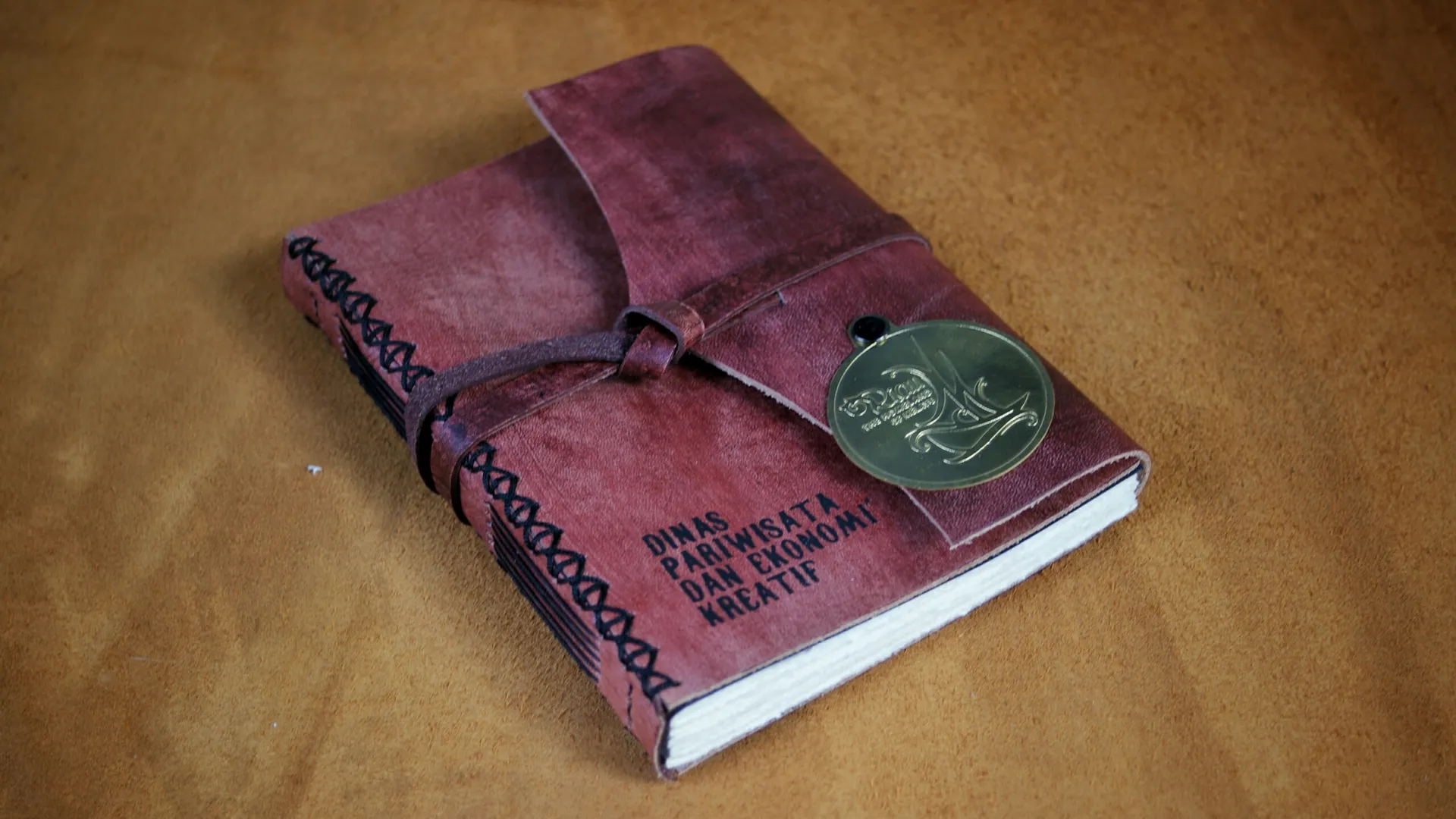
Among materials there are a few with a soul, able to tell a story as time passes. Vegetable-tanned leather is one of them. It is the aristocrat of the leather family, a material made not with speed but with patience and tradition. If mass-produced modern leather is a product of the industrial revolution, vegetable-tanned leather is an inheritance from ancient civilisations — a process refined over thousands of years. Choosing it is not simply choosing a product but a philosophy: a regard for process, for authenticity, and for the journey of an object that will age alongside its owner.
A journey through time: the history and process of vegetable tanning
To appreciate vegetable-tanned leather properly, it helps to understand where it comes from and how it is made. It is a story of natural alchemy, in which a raw and perishable hide is turned into a material that is strong, handsome and long-lasting by the power of nature itself.
The historical roots of vegetable tanning
Tanning hides with plant material is one of the oldest technologies known to humanity. Archaeological evidence shows the technique in use in ancient Egypt and Rome. Before synthetic chemistry, people relied on what nature supplied. They found that soaking a hide in water rich in tannins — water around oak trees, or in a peat bog — preserved it remarkably well. The process stopped the hide rotting, made it stronger, and gave it a characteristic brown colour. For centuries, from the armour of knights to the bindings of scripture in European monasteries, vegetable-tanned leather was the only option where exceptional strength and durability were needed.
The art and the science behind the process
Making vegetable-tanned leather is the opposite of mass production. It is slow, labour-intensive, and demands a high level of skill passed from one generation to the next. It begins with a raw hide, usually cowhide, that has been cleaned. Rather than being dipped in a chromium salt solution as in modern tanning, the hide is soaked in large vats or pits of water and natural tannins.
What is a tannin? Tannins are natural polyphenols found in many plants. They are what gives tea or wine its astringency. In tanning, tannins from sources such as oak bark, mimosa, quebracho and chestnut are extracted and dissolved in water. As the hide soaks, the tannin molecules work slowly into the structure of its collagen fibres. They bind to those fibres, displacing water molecules and stabilising the hide's protein structure. In effect the process preserves the hide and makes it resistant to bacteria and decay.
The soaking can take between one and three months, sometimes longer. The hide is moved gradually from weaker tannin solutions to stronger ones. Patience is the point. The slow process ensures the tannins penetrate evenly to the deepest part of the hide, producing a material that is dense, strong and full of character. Once tanning is finished the hide is dried, softened and, if required, dyed for finishing.
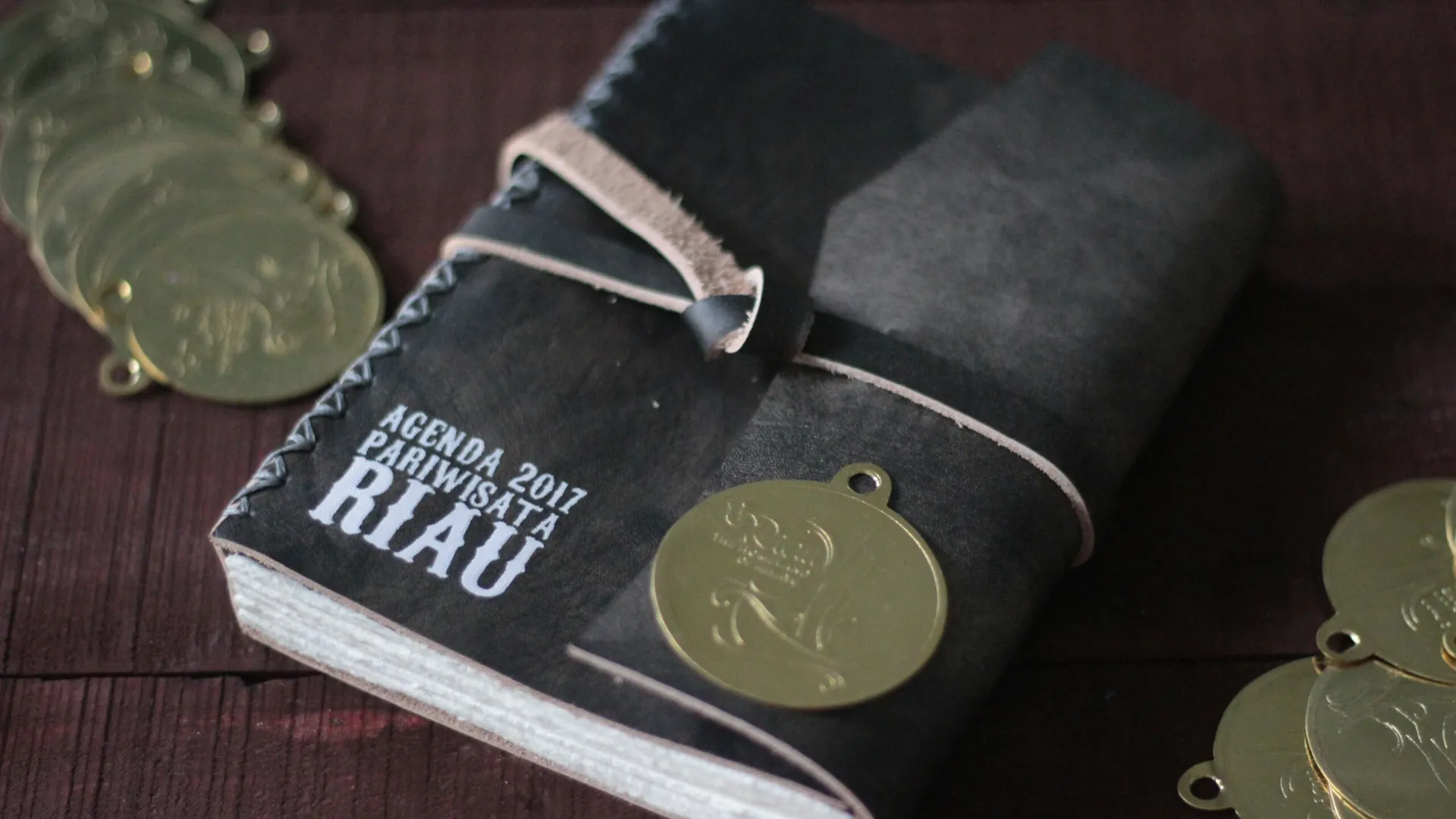
Vegetable-tanned leather does not merely age, it evolves. Every scratch, every hour of sunlight, every touch of a hand writes a new chapter in its life, making it a unique reflection of its owner's journey.
How it looks and how it feels
The result of this long process is a leather with a set of characteristics that cannot be imitated. Undyed vegetable-tanned leather has a warm, earthy natural palette, from pale cream to reddish brown depending on the tannins used. The surface may show natural marks from the animal's life — scars or wrinkles — which are read as signs of authenticity rather than as faults.
One of the most distinctive qualities, though, is its smell: sweet, woody or earthy, an aroma that recalls a forest or an old bookshop. It is quite unlike the chemical smell that often comes off chrome-tanned leather. To the touch it feels solid, dense, and a little stiff when new. That stiffness is exactly what gives it such good structure for book covers, bags and belts.
The magic of patina: a story written by time
Perhaps the most poetic and most valued quality of vegetable-tanned leather is that it develops a patina. Patina is graceful ageing, in which the surface gradually darkens, deepens and takes on a soft sheen. It is not degradation but ripening. Patina comes from a combination of sunlight (which darkens leather much as it darkens skin), the oils from your hands, the rub of clothing, and humidity in the air.
A pale vegetable-tanned journal bought today will turn a deep caramel or honey after some years of use. Small scratches settle into the surface, adding depth and character. This is why vegetable-tanned leather is often described as “alive”. It is not static but continually evolving, recording your travels and experience on its surface. Every piece ends up unique, an heirloom that tells its owner's story.
A considered choice: vegetable-tanned leather in the modern world
Amid disposable goods and fast fashion, choosing vegetable-tanned leather is a statement. It is a choice of quality over quantity, of durability over passing trends, and of sustainability over convenience. Here is how it compares with the alternative, and why it still matters.
Vegetable-tanned against chrome-tanned
More than 90% of the world's leather today is chrome-tanned. That method, developed in the nineteenth century, is far quicker and far cheaper: the process takes only a day or two.
- Process & environment: vegetable tanning uses natural tannins and takes months. The process can be recycled and its waste is biodegradable. Chrome tanning, by contrast, uses chromium salts, a heavy metal. Efficient though it is, managing that waste is a significant environmental challenge if it is not done properly.
- Look & feel: vegetable-tanned leather feels stiffer and thicker and smells natural. Its colours tend towards an earth palette. Chrome-tanned leather is softer, more pliable, and available in an almost unlimited range of colours. It is also more resistant to water and heat at first.
- Ageing: this is the biggest difference. Vegetable-tanned leather develops a rich and handsome patina. It ages gracefully. Chrome-tanned leather develops no patina. Its colour stays the same for years and, when it does fail, it tends to crack or peel rather than age well.
- Applications: the stiffness of vegetable-tanned leather, and the fact it can be moulded, stamped and tooled, makes it ideal for high-quality craft work — custom book covers, saddles, belts and structured bags. The softness of chrome-tanned leather suits clothing, upholstery and supple handbags better.
A sustainable choice for a careful buyer
The term “environmentally friendly” is heavily overused, but in the case of vegetable-tanned leather the claim has a solid basis. First, it uses a by-product of the meat industry, making use of a material that would otherwise be waste. Second, its tanning agents come from a renewable source: plants. Third, and most importantly, vegetable-tanned goods are made to last a lifetime. “Buy once, buy well” is the heart of sustainability. Rather than several cheap items thrown away within a few years, one good piece of vegetable-tanned leather can last generations if it is looked after. Finally, because it contains no heavy metals, it is biodegradable at the end of its very long life.
Choosing vegetable-tanned leather is an investment in durability. It is a refusal of throwaway culture, and a commitment to objects designed to be handed on rather than discarded.
Why Hibrkraft loves it
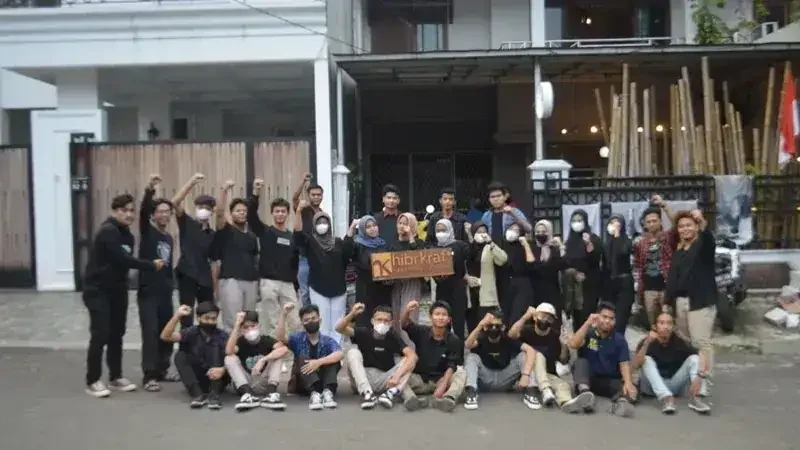
At Hibrkraft we choose vegetable-tanned leather for many of our premium products, particularly for custom journals and agendas. There are good reasons. Its solid structure gives perfect protection to the pages inside and creates a book that feels substantial in the hand. More importantly, it takes personalisation. The dense surface of vegetable-tanned leather lets us press a debossed impression that is deep, sharp and permanent, for a logo or a name. It can also be tooled or stamped with remarkable precision. That capability, combined with the unique patina it will develop, lets us make something genuinely personal that becomes an heirloom for its owner.
Looking after it
Caring for vegetable-tanned leather is not complicated, but it needs a little attention. Think of it as you would your own skin.
- Avoid excess water: vegetable-tanned leather absorbs water. If it does get wet, let it dry naturally, away from direct heat.
- Clean it gently: use a soft dry cloth for dust. For dirt, use a slightly damp cloth.
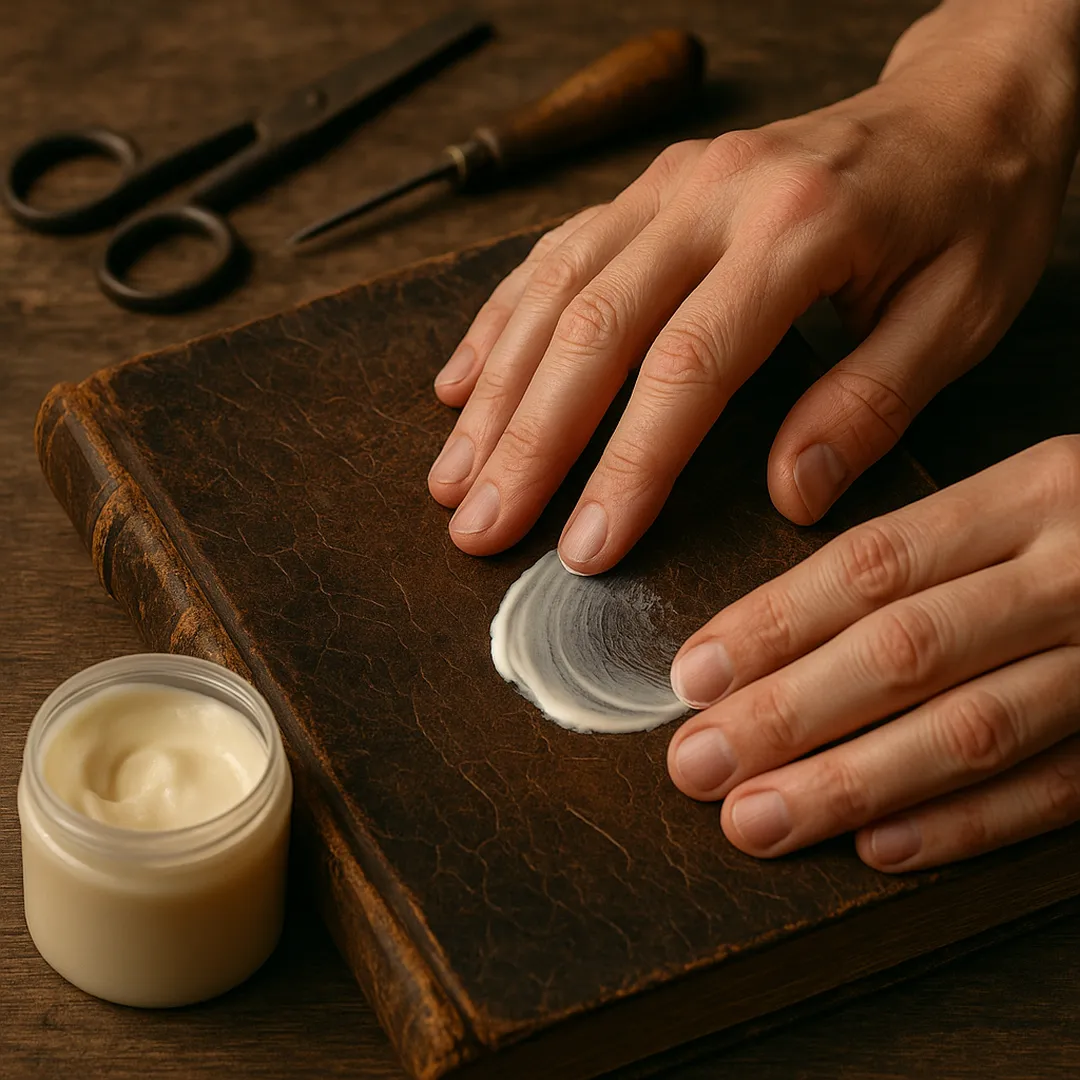
- Condition it: every 6–12 months, work in a little good leather conditioner — one with a natural base such as beeswax — to keep the leather supple and stop it drying out or cracking.
- Let it age: do not fear small scratches or shifts in colour. They are all part of how a patina forms. Enjoy the journey.
Looked after properly, your Hibrkraft journal will be a companion for life, and can be handed on to the next generation.
FAQ
Is vegetable-tanned leather really better than other kinds?
“Better” is subjective and depends on what you need. If you are after character, singularity, a beautiful ageing process and a gentler environmental choice, vegetable-tanned leather is the superior option. It is ideal for high-quality craft work. But if you need leather that is very soft, water-resistant, and available in bright colours from the start — for a jacket or a sofa, say — chrome-tanned may suit better. Each has its strengths for different applications.
Why are vegetable-tanned leather goods usually more expensive?
The higher price reflects three things: time, skill and material. Vegetable tanning takes a very long time — weeks to months — against a few days for chrome tanning. It also demands more skill and more manual labour. On top of that, good natural tannins extracted from plants are often more expensive than mass-produced chromium salts. So you are paying for a traditional craft process and a superior material.
How do I look after my Hibrkraft journal in vegetable-tanned leather?
Care is simple. First, protect it from water and excessive heat. Second, clean it regularly with a soft, dry cloth. Third, every 6 to 12 months, work in a little dedicated leather conditioner to keep it supple. Most importantly, use your journal as often as you can. The natural oils from your hands are among the best conditioners there are, and they will help bring on a beautiful, personal patina.
References
- Liberty Leather Goods – What is Vegetable Tanned Leather? (the original link is dead; the reference is kept without it)
- Gold Bark Leather – Vegetable Tanned Leather Vs. Chrome Tanned Leather (the original link is dead; the reference is kept without it)
- Satchel & Page – Vegetable Tanned Leather: What Is It And Why Is It So Special? (the original link is dead; the reference is kept without it)
- Maverick Leather Company – Vegetable Tanned Leather (the original link is dead; the reference is kept without it)

Craft your personal legacy
Make your own journal in selected vegetable-tanned leather — a notebook that will age and evolve alongside your story.
Corporate gifts with class
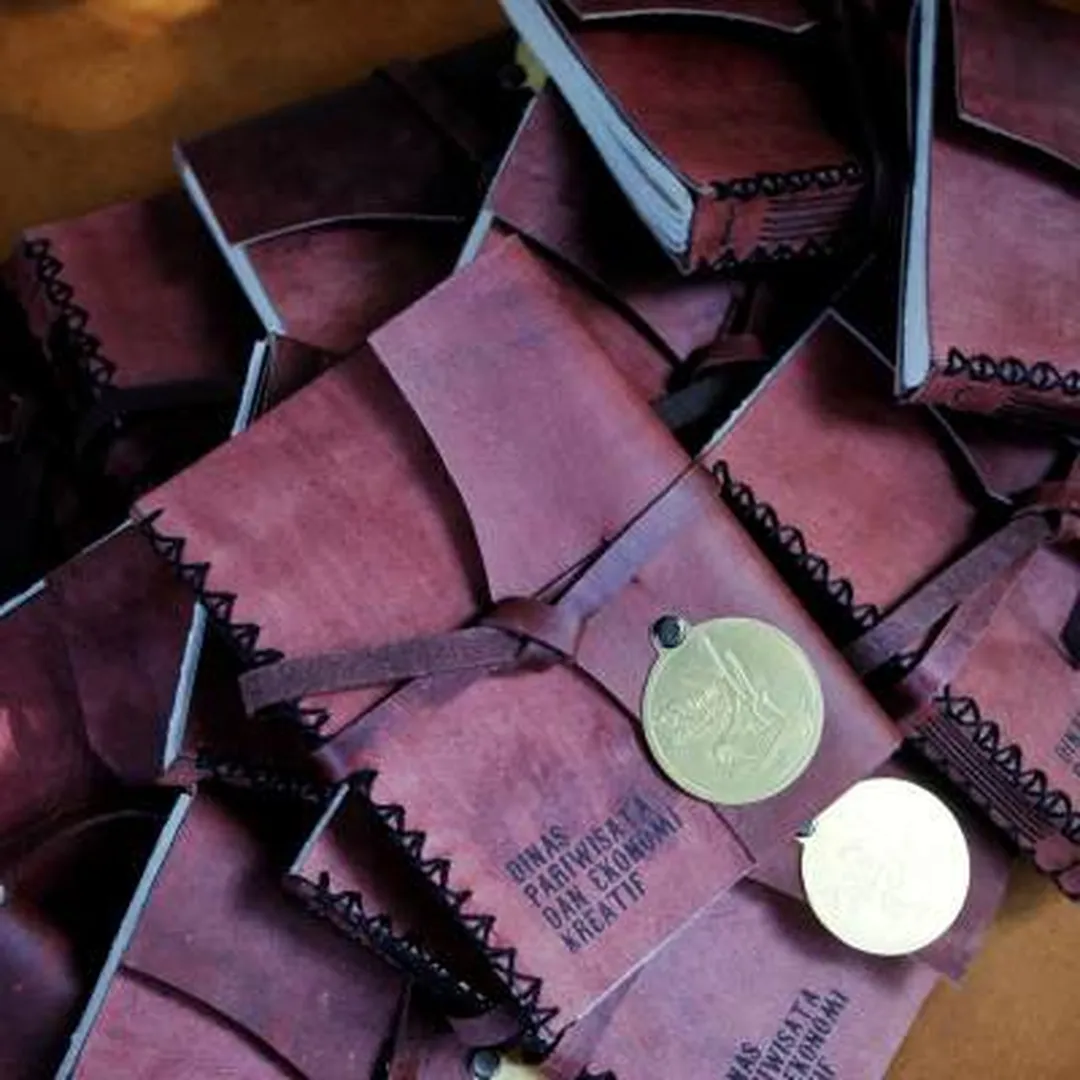
Make a statement about quality and sustainability. A premium vegetable-tanned leather agenda is a corporate gift that is not forgotten.
Conserving antique books
Preserve an antique binding. We specialise in restoring books with historically accurate traditional materials, vegetable-tanned leather among them.