Boarded Calf
by Ibrahim Anwar · July 25, 2025
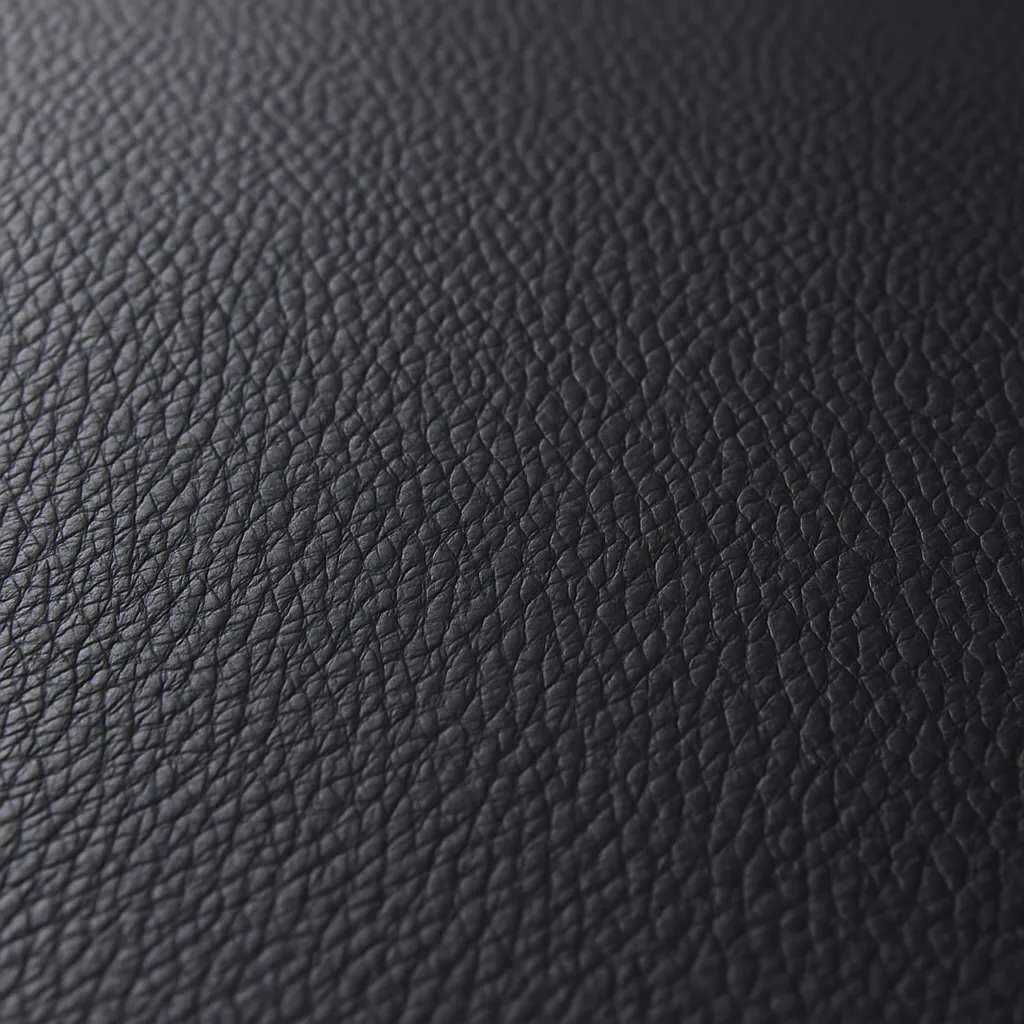
In the world of leather there are terms that separate an ordinary product from a piece of work. “Boarded calf” is one of them. It is not simply the name of a kind of leather but a marker of process — evidence of a craftsman's hand turning a smooth surface into a living landscape of texture. Touching boarded calf, you do not only feel leather. You feel a story of pressure, folding and rhythmic movement that deliberately creates beauty within an ordered irregularity.
Unlike leather left smooth or printed with an artificial pattern, boarded calf celebrates the character the hide already has. Boarding lifts and emphasises what is there, giving it a louder and more confident visual voice. This is leather that invites touch, whose appearance shifts with the angle of the light, picking out the valleys and peaks of its rich grain. Here is the art and the science behind boarded calf, and why it is the expert's choice for work meant to last and to be admired.
The art behind the texture: understanding “boarding”
To appreciate boarded calf properly we have to understand boarding, a leather-finishing technique hundreds of years old. It is a physical process demanding strength, skill and a deep feel for the material. Once a calfskin has been tanned — vegetable or chrome — and dyed, it enters the final finishing stage.
Boarding is done as follows:
- Conditioning: the leather is usually dampened slightly so it is more supple and more responsive to the process.
- Folding: the craftsman takes the hide and folds it in two, with the grain sides — the smooth outer faces — touching. This is the crucial step, because it is that grain-to-grain friction which creates the effect wanted.
- Rolling and pressing: with the leather folded, the craftsman uses a tool called a boarding board or pommel — a board often faced with cork or rubber — or sometimes just their own forearm. They press and roll the leather in one direction. The movement creates small folds that compress part of the grain and lift the rest.
- A second direction: to create the characteristic box or pebble pattern, the process is repeated. The leather is opened, turned 90 degrees, folded again, and rolled a second time. The first movement creates lines in one direction and the second creates lines across them, producing the two-directional grain that is the signature of boarded calf.
The result is a surface that is no longer flat but has a raised texture, consistent and yet still natural. The manual process has a functional benefit too: it softens the leather fibres, making the hide far more supple and comfortable, and more resistant to unwanted creasing in use.
This is how leather tells a story of touch and texture — a beautiful map of folds made by skilled hands.
A short history and its cultural significance
Boarding emerged in response to demand in the luxury goods market, particularly in the nineteenth and early twentieth centuries. Shoemakers, bagmakers and bookbinders in Europe were looking for ways to improve both the aesthetic and the functional quality of their leather. Boarding offered several advantages:
- Added softness: traditional vegetable-tanned leather can be somewhat stiff. Boarding physically breaks down the stiff fibres, producing a softer, more supple leather from the start.
- Disguising small flaws: no hide is perfect. With its rich texture, boarding cleverly disguises small scratches or natural imperfections on the surface.
- Creating a desirable look: in the Victorian and Edwardian eras, rich texture was associated with luxury. A boarded calf surface looks more substantial and more luxurious than plain smooth leather.
Leathers such as “box calf”, popularised by luxury shoemakers like Hermès and John Lobb, are essentially chrome-tanned calfskin finished by boarding, producing the iconic box-shaped grain. The term “boarded calf” itself became a synonym for quality, skill and durability.
Boarded calf in bookbinding: the choice of masters
In fine binding, the choice of leather is a decision of real consequence. Boarded calf has long been a favourite among expert binders for its unusual combination of beauty and performance.
Choosing boarded calf is an investment in tactile elegance. It is a material that invites touch and ages gracefully.
Why boarded calf suits a book cover so well
There are technical and aesthetic reasons why boarded calf excels as a cover material, particularly for books meant to be used constantly or handed down.
- Resistance to scratching: the textured surface of boarded calf is naturally more resistant to scratches and light scuffing than smooth calfskin. Small scratches tend to be lost among the grain, keeping a book looking new for longer.
- Flexibility where it counts: boarding makes the leather very supple. That matters greatly at the hinges of a book, where the leather must fold and open thousands of times without cracking or weakening. Boarded calf handles that mechanical stress very well.
- Beauty in the hand: a book is a tactile object. Holding one bound in boarded calf is deeply satisfying. The texture gives a comfortable grip and a luxurious sense of substance.
- It takes gold tooling: textured though it is, boarded calf accepts gold foil beautifully. When a heated brass die presses into the surface, it flattens the small area beneath it, creating a striking contrast between the smooth gleam of the gold and the texture of the leather around it.
Compared with other calfskins
To understand what makes boarded calf distinctive, it helps to set it beside other popular calfskins used in bookbinding:
- vs. smooth calf:
- Smooth calfskin offers a very clean, modern and elegant look. Its surface is like a blank canvas, ideal for minimal design. But it is highly vulnerable to scratches and staining, and every small flaw shows. Boarded calf, by contrast, offers a more classical and more forgiving appearance.
- vs. box calf:
- The two are often confused. Put simply: “boarded” is the name of the process, while “box calf” is the trade name for a particular leather — usually chrome-tanned — that has been boarded to produce a box-shaped pattern. So all box calf is boarded, but not all boarded leather is box calf. Boarded calf can be made from vegetable-tanned leather too, which will age and develop a patina in a different way.
- vs. suede or nubuck:
- Suede and nubuck are leathers whose inner side (suede) or sanded outer side (nubuck) has been worked to create a velvet-like texture. They are very soft but very vulnerable to dirt and water. Boarded calf is far more durable, because its strong upper grain side remains intact.
Hibrkraft and an appreciation of textured leather
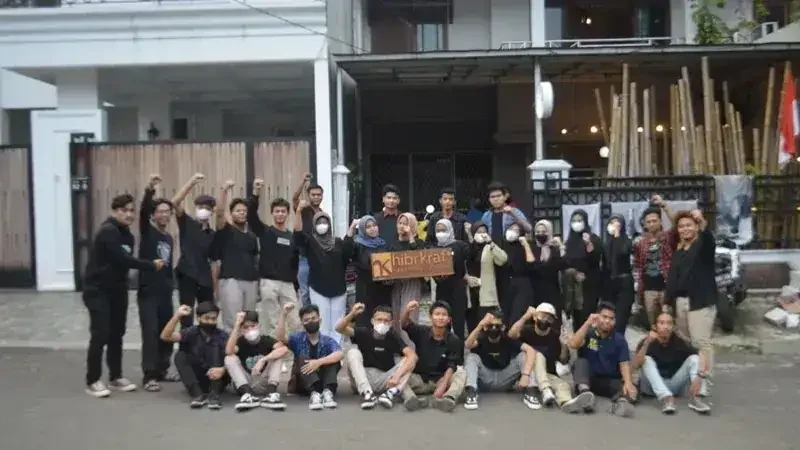
At Hibrkraft we value leather with character. The philosophy behind boarded calf sits well with our commitment to making products that are not only beautiful when new but age gracefully. We believe texture is an essential part of the experience of a leather journal.
Although we may not always use the term “boarded calf” specifically, we often choose leathers with a rich natural grain or a pebbled grain produced by modern tumbling, which is a cousin of the boarding process. These leathers offer many of the same benefits: durability, softness, and a rich visual character.
When you order a custom notebook from Hibrkraft, do raise your texture preference with us. Do you like a finely pebbled look, a more pronounced grain, or something between the two? We can help you choose the leather that best suits your vision, continuing a long tradition of valuing leather not only for its colour but for its touch and its texture.
Care and maintenance
Caring for boarded calf is relatively easy, thanks to its durability.
- Use a soft horsehair brush to clean dust out from between the grain.
- For cleaning, use a clean damp cloth and wipe gently.
- Use a good leather conditioner very sparingly, applied with a soft cloth and left to work in. Test on a small, inconspicuous area first.
- Avoid prolonged direct sunlight and extreme humidity.
One of the pleasures of boarded calf is how it handles age. A little wear at the peaks of the grain, from daily use, only adds character and depth, and makes the piece genuinely yours.
References
- Roberts, Matt T., and Don Etherington. “Bookbinding and the Conservation of Books.” – This comprehensive dictionary describes “boarding” as a manual process for producing grain in leather.
- J. Hewit & Sons Ltd – “Skin Deep: The Glossary of Leather Terminology” (the original link is dead; the reference is kept without it): this leading supplier of bookbinding leather gives clear definitions for “boarding” and for various leather types.
- Kirby Allison – “Box Calf Versus Willow Grain” (the original link is dead; the reference is kept without it): this blog offers insight into luxury leather types, including a discussion of grain produced by boarding.
- Doebler, William. “A Manual of Shoemaking and Leather and Rubber Products.” (1912): this historical volume mentions boarding as a way to soften and raise the grain on upper leather.
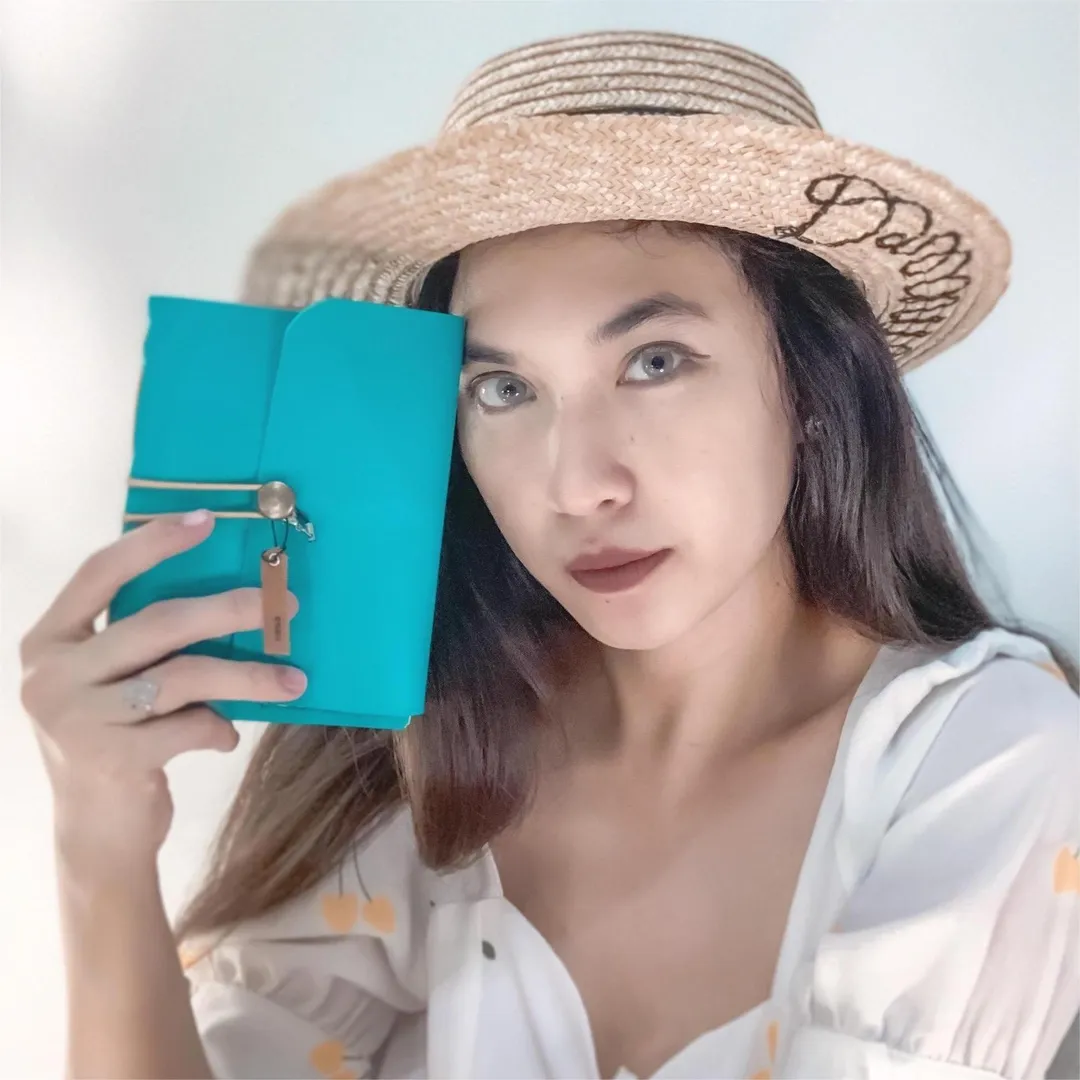
Custom Notebook
Immortalize your thoughts in a journal that's truly yours. Choose your leather, design, and personalization for a one-of-a-kind piece.
Business & Whitelabel
Impress clients and empower your team with bespoke leather agendas. Premium quality, customized with your brand's signature.
Book Repair & Conservation
Give your cherished books a new lease on life. Our experts combine traditional techniques with archival care to preserve your literary treasures.