
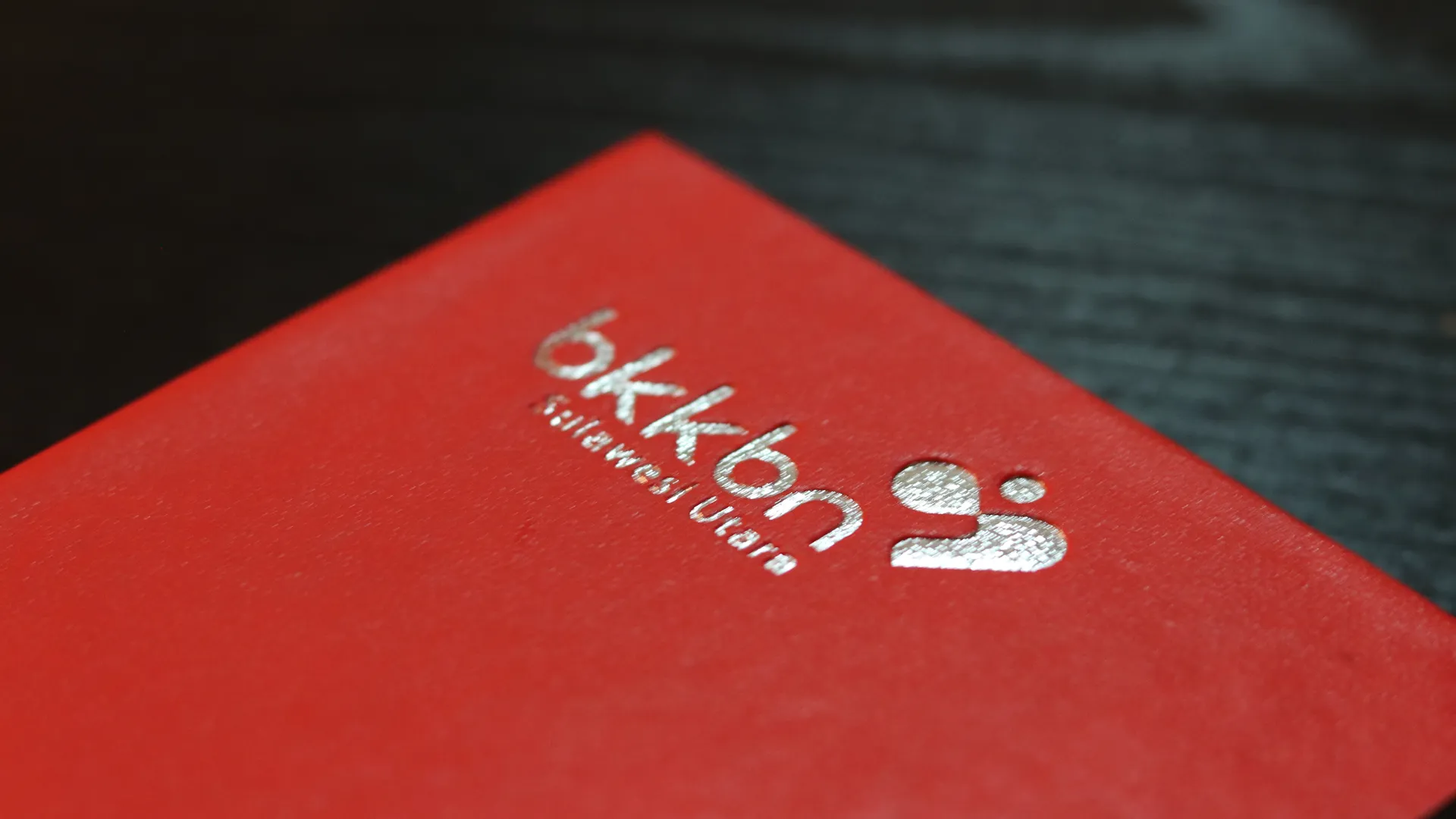
Embossed Leather Notebook
by Ibrahim Anwar · August 2, 2025
In a world dominated by smooth, uniform objects, texture offers a deeper connection. An embossed leather notebook does this perfectly. It is not simply something to write in but a statement of taste that speaks through touch. Embossing, which literally lifts a design out of the leather, creates a dramatic play of light and shadow, giving a depth and character that ordinary printing cannot imitate. Whether an intricate geometric pattern, an elegant floral motif or a firm corporate logo, embossing turns a book cover into a living canvas that invites a finger to trace its contours.
The beauty of the technique is that it can be subtle and striking at once. A blind emboss, with no colour at all, offers a minimal elegance in which the design merges with the leather itself. Combined with foil or colour, on the other hand, embossing creates a bold and luxurious contrast. That is what makes the embossed leather notebook a popular choice for premium gifts, exclusive corporate merchandise and, of course, a special personal journal. It is real evidence that beauty often lies in the most carefully worked detail.
The art of working leather: history, technique and skill
Raised marks in the history of bookbinding
Leather has been used as a cover material for centuries, beginning with the practical need to protect the valuable pages inside. One of the oldest surviving books with a leather cover is the Nag Hammadi Library, from the third and fourth centuries. Over time that plain leather surface naturally invited craftsmen to decorate it, turning a protective function into a medium for artistic expression. Techniques for decorating leather, embossing among them, emerged as a way to add value and beauty to a book.
In the Middle Ages, decorating a book cover with tools — tooling — became common practice. But the popularity of embossing truly took off in the nineteenth century, particularly in the Victorian era. The invention of steam-powered and hydraulic presses made it possible to create very large, intricate and deep embossed designs on covers finished in leather or cloth. The technique known as “relievo binding” produced a remarkable sculptural effect, often enriched with gold and lavish colour. A book cover was no longer only a cover; it had become an intricate piece of sculpture, showing the status and the taste of its owner.
Embossing turns leather from mere material into a medium for a story. Every raised contour is a trace of the skill that gives a notebook its soul.
The anatomy of embossing: understanding the art behind it
Embossing is a precise process demanding a combination of heat, pressure and the right tools. Contrary to what many people assume, true embossing creates a raised design by pressing the material from behind or below. The process usually involves two matched metal plates, or dies: a male die carrying the raised design, and a female die carrying the matching recess.
The steps are as follows:
- Making the die: first the required design — a logo, text or a pattern — is cut into a pair of metal dies. These are usually brass, magnesium or copper, for their ability to conduct heat well and for their durability.
- Placing the material: the leather to be decorated is laid between the two dies, like a filling in a sandwich.
- Applying heat and pressure: the press then forces the two dies firmly together. Heat is often applied as well, to help set the leather fibres permanently. Pressure from below by the male die pushes the leather up into the cavity of the female die above, creating a design raised on the front surface of the leather.
The process takes considerable skill. Too much heat will scorch the leather, while too little pressure will not produce sharp detail. The craftsman must understand the characteristics of each type of leather to get a perfect result.
Variations: from subtle to brilliant
Not all embossing is the same. There are several variations, each offering a different aesthetic:
- Blind embossing: the purest form. A raised design is created with no ink and no foil. The result is an elegant, subtle three-dimensional effect in which the beauty lies in the interplay of texture, light and shadow across the leather. It is a favourite for branding that is refined rather than loud.
- Foil embossing: this combines embossing with foil stamping. The process presses a thin sheet of foil — usually gold, silver or another metallic — into the raised design. The result is a design that is both raised and gleaming, luxurious and very eye-catching.
- Colour-tipped embossing: after blind embossing, the tips or highest points of the raised design are coloured. This creates an attractive contrast and brings out the detail of the embossing without the metallic shine of foil.
Choosing correctly: emboss, deboss, and what each means
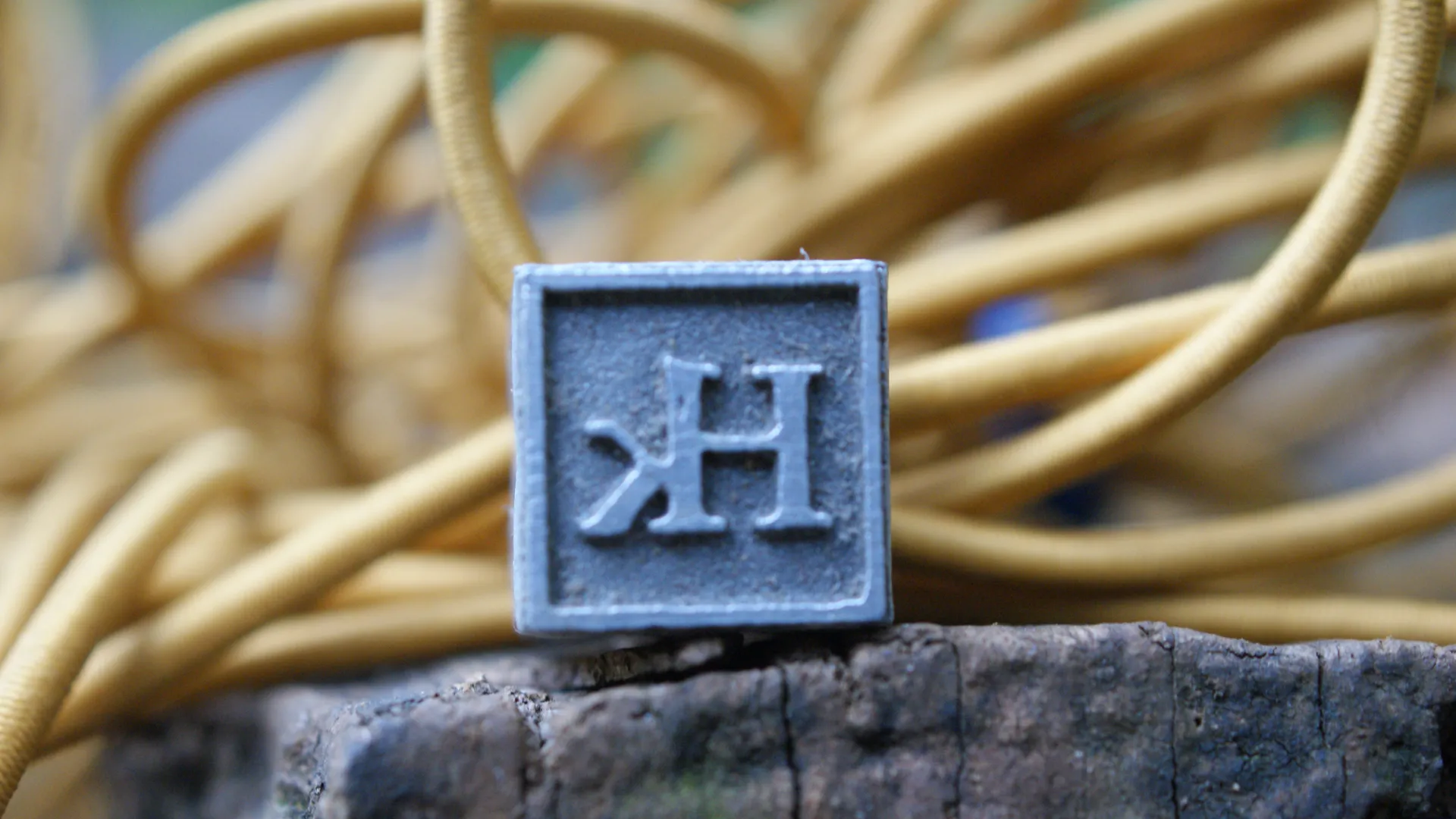
Choosing the right personalisation for your leather notebook is a matter of understanding the nuance and the effect you want. Embossing is only one of several techniques, and it is frequently set beside — or mistaken for — its sibling, debossing.
Emboss against deboss: an important clarification
Although the two are often used interchangeably in everyday conversation, embossing and debossing are opposite techniques with very different results.
- Embossing: as described above, this creates a raised design standing out from the surface. The process presses the leather from behind. The effect is more prominent, more eye-catching, and gives a clear texture to the touch.
- Debossing: the reverse, creating a recessed or sunken design in the surface. The process presses the leather from the front with a single heated die. The result is subtler and smoother, and is often considered more elegant and more minimal. Because the design goes *into* the leather, debossing also tends to be more durable and better protected from rubbing.
In leather craft and notebook personalisation as practised at Hibrkraft, the technique most commonly used to add a name, initials or a logo is in fact debossing, often with foil, which is called hot foil stamping. The reason is practical: debossing is more durable in daily use and gives a clean, sharp result on a wide range of leathers. Although customers frequently ask for a name to be “embossed”, what they receive — and like — is the beauty and the durability of a debossed result.
Why choose a notebook with a raised decoration?
The decision to choose an embossed (or debossed) leather notebook goes beyond aesthetics. There are several strong reasons why the technique is so valued:
- Tactile and sensory impact: in a digital age dominated by smooth touchscreens, an object with texture is satisfying. Feeling the raised contour of an embossed design gives a deeper physical connection with your notebook.
- An impression of luxury and professionalism: both embossing and debossing instantly raise the perceived value of a product. The technique is associated with high quality, with skill, and with luxury. A diary with a debossed company logo leaves a far stronger impression than one that is merely printed.
- Superior durability: unlike printed ink, which can fade or scratch, embossed and debossed designs are part of the structure of the leather itself. They will not disappear over time, which makes your personalisation permanent.
- Making a design stand out: embossing is a fine way to bring out a particular design element without using colour at all. It uses form and texture to draw the eye, creating an elegant focal point on a cover.
At Hibrkraft we respect the art behind every technique. Whether you choose the subtle elegance of a blind deboss for your initials or the bold luxury of a company logo in foil stamping, we make sure every press of the die is done with precision, out of respect for both the leather and your design. This is not only about adding decoration; it is about setting character and story into an object that will travel with you.
Caring for raised work: a few tips
Caring for an embossed or debossed leather notebook is not difficult, but it does take a little attention if the beauty is to last.
- Clean gently: use a soft, dry cloth to remove dust. For dirt, use a slightly damp cloth and wipe gently. Avoid scrubbing the embossed or debossed area hard.
– Avoid excess moisture: keep your notebook somewhere dry. Damp can damage leather and weaken the detail of raised work.
– Keep it away from sharp objects: a scratch can permanently damage a raised design. Store the book where it will not rub against keys, metal pens or anything else sharp.
– Leather care: occasionally you can use a good leather conditioner, but apply it very thinly and avoid build-up in the recesses of the design. Test on a small, hidden area first.
FAQ
What is the main difference between embossing and debossing on leather?
The main difference is in the result. Embossing produces a design that is raised, standing out from the leather surface, created by pressing the leather from behind. Debossing, by contrast, produces a design that is recessed, sunk into the leather surface, created by pressing from the front.
Is an embossed design on a leather book easily damaged?
An embossed design is reasonably durable, because it is part of the structure of the leather. But because the design stands proud, it is more exposed to rubbing and to wear at its highest points than a debossed one. For intensive daily use, debossing is often the longer-lasting choice, because the design is protected within the surface of the leather.
Can I order a very intricate embossed design from Hibrkraft?
Certainly. We can work on intricate designs, embossed or debossed. There are technical limits, though. Detail that is too fine, or lines that are too thin, may not come out sharply on leather. We recommend a design with reasonably thick, clear lines. Our team will gladly review your design and advise on how to get the best result.
How do I care for an embossed leather book cover?
Care is straightforward. Clean it regularly with a soft, dry cloth. Avoid harsh chemicals, abrasive cleaners and excess damp. Store the book where it will not rub directly against anything sharp, to protect the raised area. If needed, use a leather-specific conditioner very carefully and very thinly.
References
- Merchology. “Embossing vs. Debossing | Differences & Benefits for Custom Gifts.” (the original link is dead; the reference is kept without it)
- LCS Leather. “What Is Embossing and Debossing in Leather Manufacturing.” (the original link is dead; the reference is kept without it)
- Sanggar Sarana Printing. “Cetak Emboss dan Deboss: Perbedaan, Kelebihan & Aplikasinya.” (the original link is dead; the reference is kept without it)
- Jasuindo. “Perbedaan Emboss dan Deboss.” (the original link is dead; the reference is kept without it)
- Biblio. “Leather Binding: Terminology and Techniques.” (the original link is dead; the reference is kept without it)
- Grolier Club Exhibitions. “Bookbinding Tools, Stamps, Dies, Leather, and Cloth.” (the original link is dead; the reference is kept without it)
- UNT Libraries. “Victorian Bookbinding Exhibit, Embossing.” (the original link is dead; the reference is kept without it)

Custom Embossed Notebook
Feel the art. Transform your journal with a custom embossed design that adds texture, depth, and a personal touch.
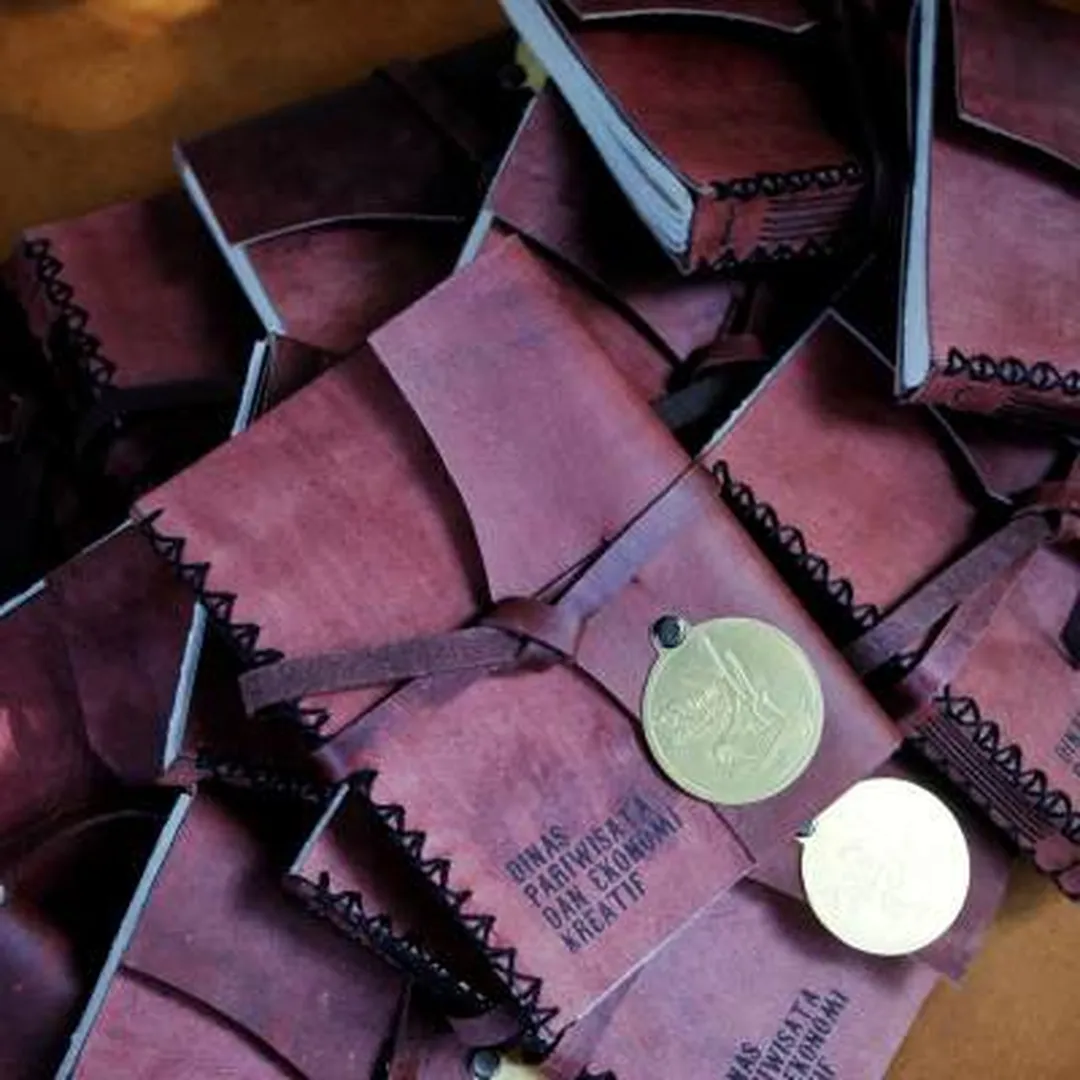
Business & Whitelabel
Elevate your brand with sophisticated embossed logos on premium leather agendas. A tactile statement of quality.
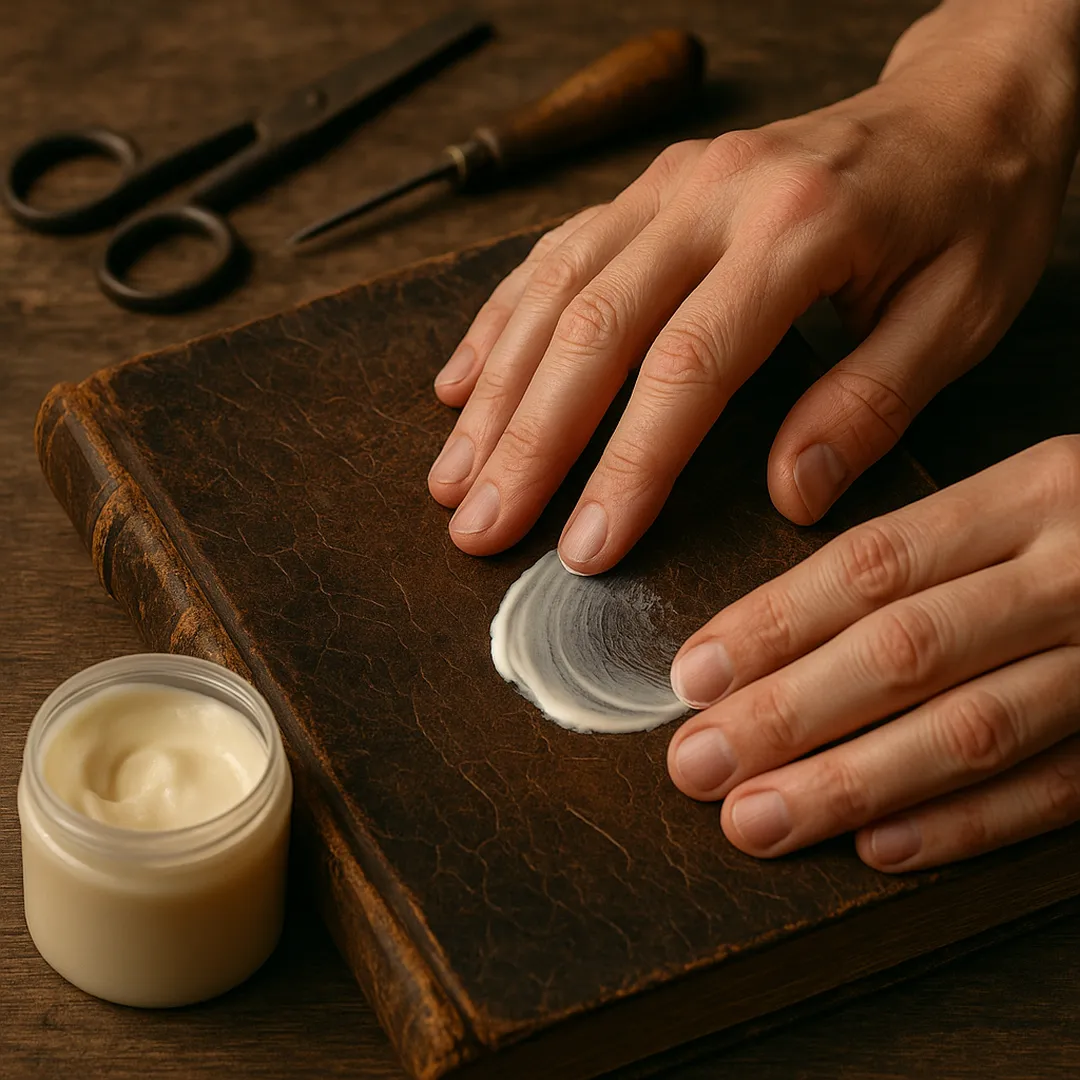
Book Repair & Conservation
Restore the beauty of antique embossed book covers. We carefully preserve the intricate details of historical bindings.