
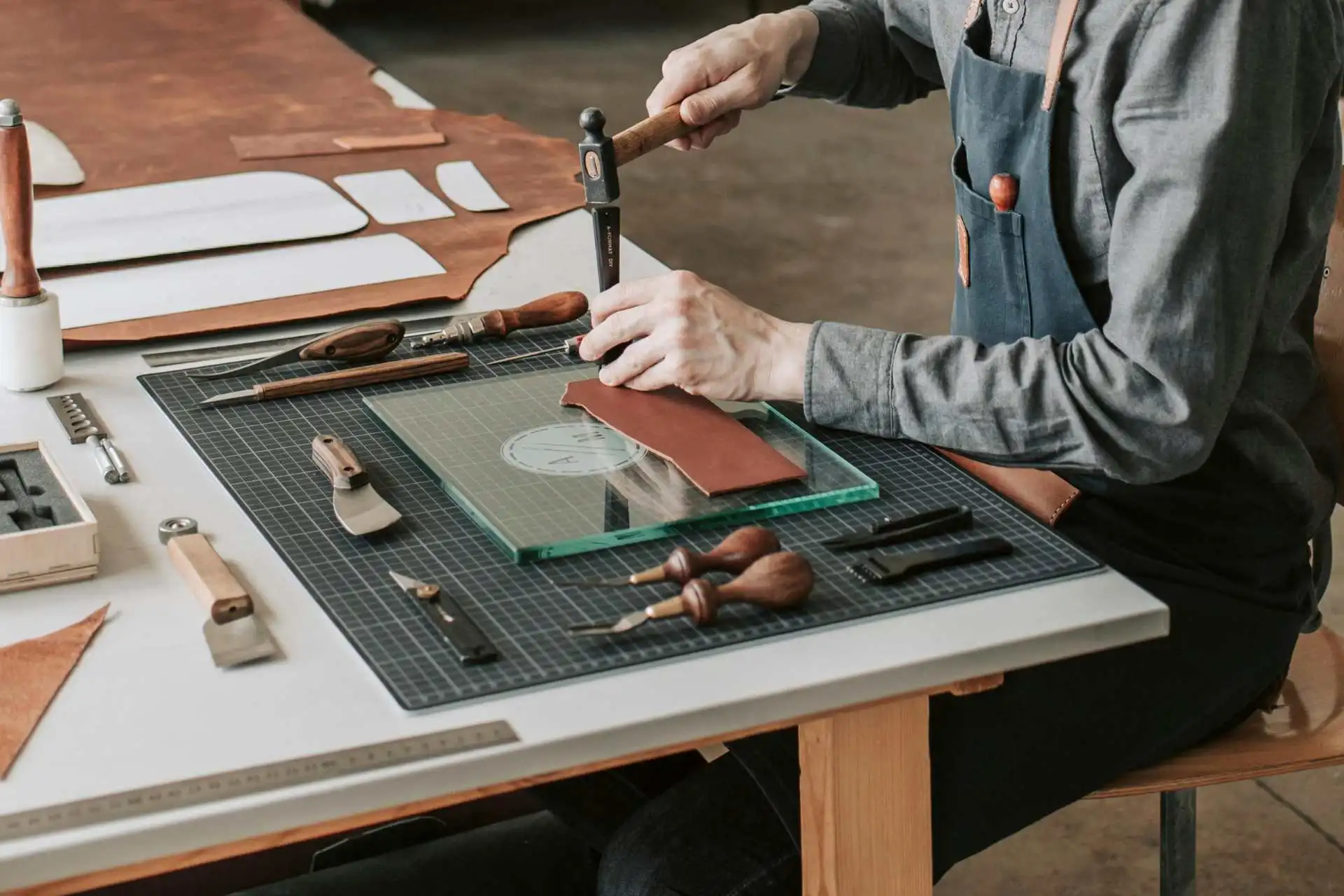
Book Restoration
by Hibrkraft · July 31, 2025
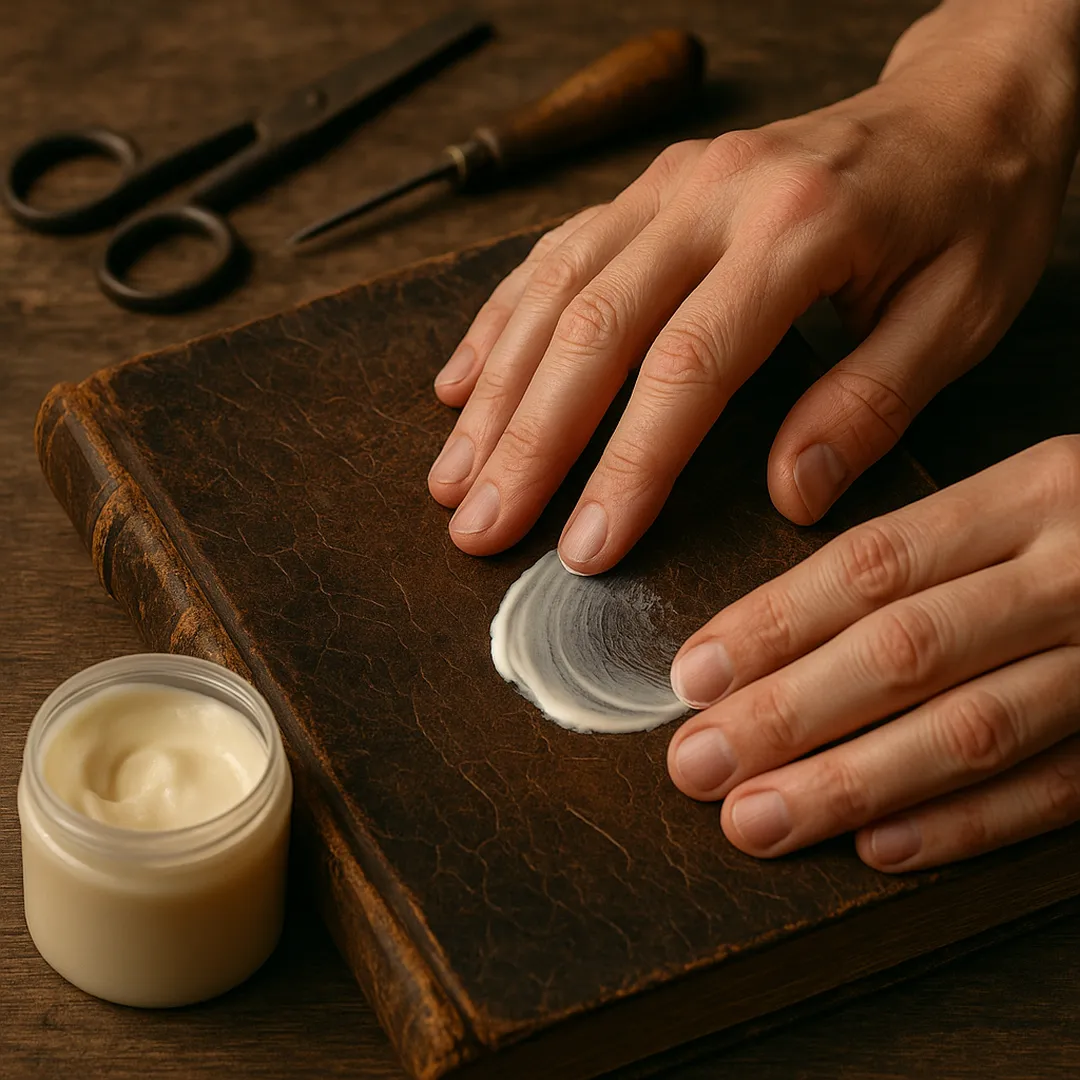
Book restoration is a discipline, an art and an advanced craft service whose aim is to repair a book that is damaged, worn or decayed, and to return it to a condition as close as possible to its original state. The process is not only concerned with functional repair so the book can be read again; it also covers the recovery of its aesthetic, structural and historical value. Restoration involves a series of complex techniques, from patching torn paper and cleaning stains and mould, to repairing or rebuilding the binding, to reconstructing the cover in materials appropriate to the period it was made. It is an effort to bring an artefact back to life — to give it a second breath so that the story it contains, in its text and in its physical form, can go on living and be handed down.
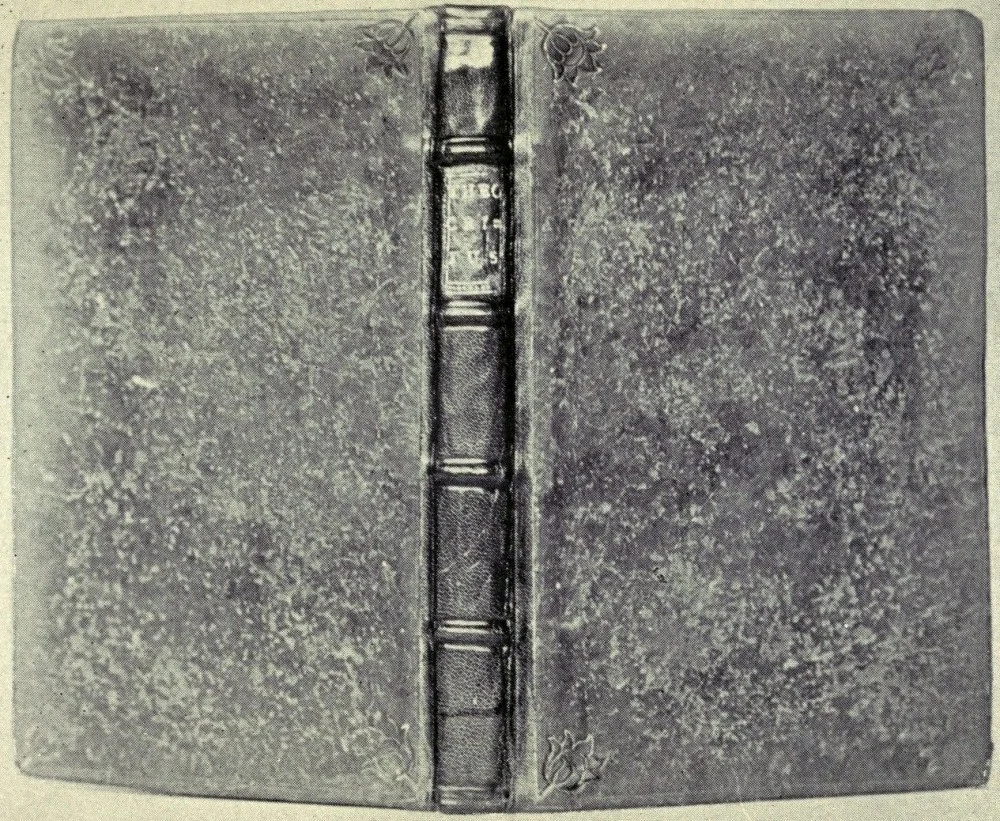
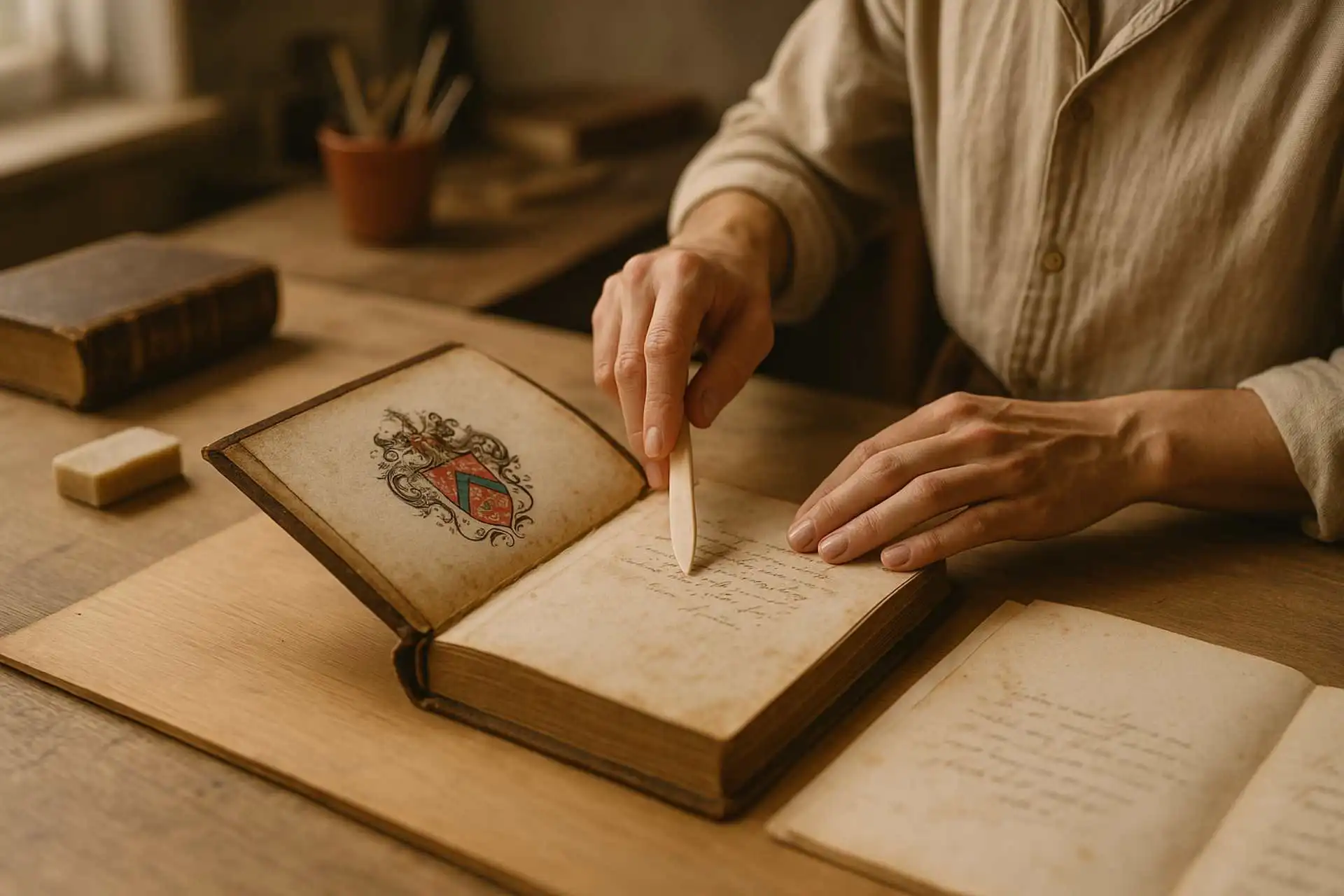
Everyone owns at least one book whose value is far beyond the price printed on its cover. It might be a great-grandmother’s Bible, its page edges fragile and covered in handwritten notes. It might be a mother’s recipe book, the cover worn and spotted with spices, the silent witness to meals made with love. Or it might be a hard-won first edition, a private journal holding the traces of a life, or a childhood book of stories where every page was a doorway into somewhere else. When these irreplaceable things are eaten away by time — when the pages yellow, the binding gives way and the cover tears — we face a choice: let it fall apart slowly, or try to save it. This is where the art of book restoration does its crucial work.
Book restoration is more than “fixing a book”. It is a conversation between the past and the present. A restorer works not only with glue and thread but with history, with the chemistry of paper, and with a deep respect for the object in their hands. They have to understand how the book was made, what materials were used, and what injuries it has taken over the years. This article will take you into the world of book restoration, one of the services we are proudest of at Hibrkraft. We will set out its fundamental differences from repair and conservation, take the intricate process apart step by step, and look at why saving a book so often means saving a piece of ourselves.
The Philosophy Behind Repair: Restoration, Conservation and Repair
In the world of book care the terms restoration, conservation and repair are often used interchangeably by the general public. To professionals, though, the three represent very different philosophies, aims and approaches. Understanding the difference is the key to deciding on the best care for a book you value.
1. Book Repair
Chief aim: function. Repair is concerned with making a damaged book safe and comfortable to use again. The priority is to restore the book’s function — mending a loose binding so the pages do not fall out, or patching a tear so it does not spread. The approach is more pragmatic. The materials used have to be strong and serviceable, but they need not be identical to the originals. The finished result may be visibly a repair, but the aim has been met: the book is sound again and can be read. Repair is professional “first aid” for books in regular use — textbooks, a favourite novel, a manual.
2. Book Conservation
Chief aim: stabilisation and preservation. Conservation is the most careful and least invasive approach. Its philosophy is “primum non nocere” — first, do no harm. A conservator’s main aim is to stop or slow further deterioration while keeping as much of the book’s original material as possible. Every intervention must be minimal, thoroughly documented, and as far as possible reversible. Conservation respects a book’s history, including the traces of its age and its use. Fingermarks, stains and a little wear are treated as part of the artefact’s story. This approach is often applied to archive and museum objects of high historical value.
3. Book Restoration
Chief aim: returning it to its original condition. Restoration is the most ambitious approach and often the most invasive. Its aim is to bring a book back to a condition as close as possible to the state it was in when it was first made. That means a restorer may need to replace what has been lost — rebuilding a spine in the same leather, patching paper with pulp matched in colour, or even remaking an entire cover in the binding style of the period. The process calls for historical research, artistic skill and a high level of technical expertise. Restoration is usually carried out on books of high sentimental, historical or financial value, where the owner wants their visual splendour back.
Put simply: repair is concerned with function. Conservation is concerned with stabilisation and authenticity. Restoration is concerned with returning the object to its original appearance and condition. Choosing between them depends on the book’s value, on your aim, and on how much you treasure the scars history has left on it.
At Hibrkraft we often combine principles from all three approaches. We talk at length with every owner to understand the story behind the book and what they hope for from us. An inherited recipe book may only need repairing so it is strong enough to go on being used in the kitchen, while a family Bible may need full restoration to give it back its dignity as an heirloom.
Behind the Scenes: The Painstaking Process of Book Restoration
Book restoration is not work that can be done overnight. The process can take weeks or months, depending on the extent of the damage and the complexity of the book. It is a careful dance of taking apart and building back up. These are the general stages a professional works through:
Step 1: Assessment and Documentation
This is the most crucial step. Before any tool touches the book, the restorer carries out a thorough examination. Every detail is recorded and documented, often photographically.
- The structure of the binding: How was this book sewn? Is the sewing still intact? Is the spine broken?
- The condition of the paper: Is it fragile, acidic, stained (foxing), mouldy or torn? Are any pages missing?
- The cover: What is it made of — leather, cloth, paper? Are the corners blunted, the surface worn, or has it come away altogether?
- History and provenance: The restorer will talk with the owner to understand the book’s history and what it means to them.
That documentation becomes the road map for the whole restoration and a permanent record of the book’s original condition.
Step 2: Disbinding
If the structural damage is severe, the book may need to be taken apart with great care. The old sewing is removed thread by thread and the gatherings (signatures) are separated. Old glue at the spine, dried out and doing damage, is cleaned away slowly. Every part — the cover, the endpapers, each signature — is stored in an organised way.
Step 3: Paper Treatment
This is the stage at which every page receives individual attention. The process may include:
- Dry cleaning: Using an archival eraser or a sponge to lift dirt and dust from the surface of the paper.
- Washing: For more severe staining, some pages may need to be washed in deionised water to remove dirt and acid. This is a high-risk technique and is only carried out by a specialist.
- Deacidification: Spraying or bathing the paper in an alkaline solution to neutralise the acid that turns paper yellow and brittle, and so extend its life.
- Mending: Tears and holes are patched with Japanese tissue, which is very thin and very strong, adhered with an archival adhesive such as pH-neutral, reversible wheat starch paste.
Step 4: Resewing
Once every page is clean and stable, the signatures are gathered back into their original order. The book block is then sewn again, often imitating the original sewing pattern to preserve the book’s historical integrity. Strong unwaxed linen thread is a frequent choice for this.
Step 5: Repairing the Spine and Cover
The spine of the newly sewn book block is reinforced with a layer of thin cloth (mull) and paper. The original cover, meanwhile, is repaired. If the original cover has been destroyed completely, the restorer may make a new one (case-making) in keeping with the style and period of the book. That can involve intricate leatherwork, tooling, or choosing the right bookcloth.
Step 6: Casing-In
The last stage is bringing the repaired book block and its cover back together. This has to be done with great precision so that the book opens and closes perfectly without putting undue strain on the binding.
The Hibrkraft View: Caring for Memory to an International Standard
At Hibrkraft, book restoration is one of the services we are proudest of. We are members of the International Institute for Conservation of Historic and Artistic Works (IIC), which means we apply global standards of conservation ethics and technique to every job we take. We believe that every book entrusted to us is not simply an object but an inheritance. We take no short cuts. No sticky tape, no superglue, no cheap material that will cause further damage later. We use archival-quality materials, from pH-neutral adhesives to imported Japanese tissue, to make sure the repairs we carry out are not only good to look at but healthy for the book itself for decades to come.
FAQ
What does it cost to restore a book?
The cost of book restoration varies a great deal and there is no standard price. It depends on many factors, including the extent of the damage, the size and age of the book, the materials required (a particular leather, for instance), and the number of hours of work involved. The process can range from a few hundred thousand rupiah for a simple repair to several million for a full restoration of a complex antique book. The best course is a consultation in person, where we can examine your book and give you an accurate estimate.
How long does the restoration process take?
As with the cost, the time varies a great deal. A simple repair may take only a few weeks. For a full restoration involving disbinding, washing the paper and making a new cover, the process can take several months. Patience is essential, because every step has to be done carefully and often requires drying or settling time that cannot be hurried.
What is the most fundamental difference between restoration and repair?
The main difference lies in the aim and the philosophy. Repair is intended to make a book usable again, and is concerned with strength and serviceability. Restoration is intended to return a book to its original condition, and is concerned with its appearance, its history and the authenticity of its materials. If you want an inherited recipe book to be usable in the kitchen again, you need repair. If you want a family Bible to look as splendid as it did when it was first made, you need restoration.
Can every kind of damage be repaired?
Almost all physical damage can be repaired, or at least stabilised. Some damage is permanent, though. Badly faded ink may not be recoverable. Pages that have crumbled into fragments may not be reconstructable. Severe water damage can leave permanent staining. Our aim is to save as much as possible and to stop further deterioration, even where it is not possible to make something “perfect, as new”.
References
- Asaniyah, Neneng. “Pelestarian Koleksi Langka Melalui Restorasi.” Buletin Perpustakaan Universitas Islam Indonesia. (the original link is dead; the reference is kept without a link)
- Fathurrahman. “Pekerjaan Merestorasi Buku yang Masih Jarang diketahui.” Kompasiana. (the original link is dead; the reference is kept without a link)
- Book Restoration Co. “What is the difference between Book Restoration vs Conservation?”. (the original link is dead; the reference is kept without a link)
- Hibrkraft. “Perbedaan Antara Restorasi dan Reparasi Buku.”
- Wikipedia. “Conservation and restoration of books, manuscripts, documents, and ephemera.”
- Paper Leaf Bindery. “Understanding Conservation, Preservation, and Restoration.” (the original link is dead; the reference is kept without a link)

Create Your Own New Heirloom
Having cared for the old, it is time to write a new story. Design a custom leather journal that will become a treasured inheritance of its own.
A Corporate Gift Worth Giving
Show your appreciation with a gift that lasts. A premium leather agenda carrying your company logo is a symbol of quality and of sincere recognition.
Book Repair & Conservation
Bring a book you value back to life. From a family Bible to a favourite novel, we care for it to international conservation standards.