
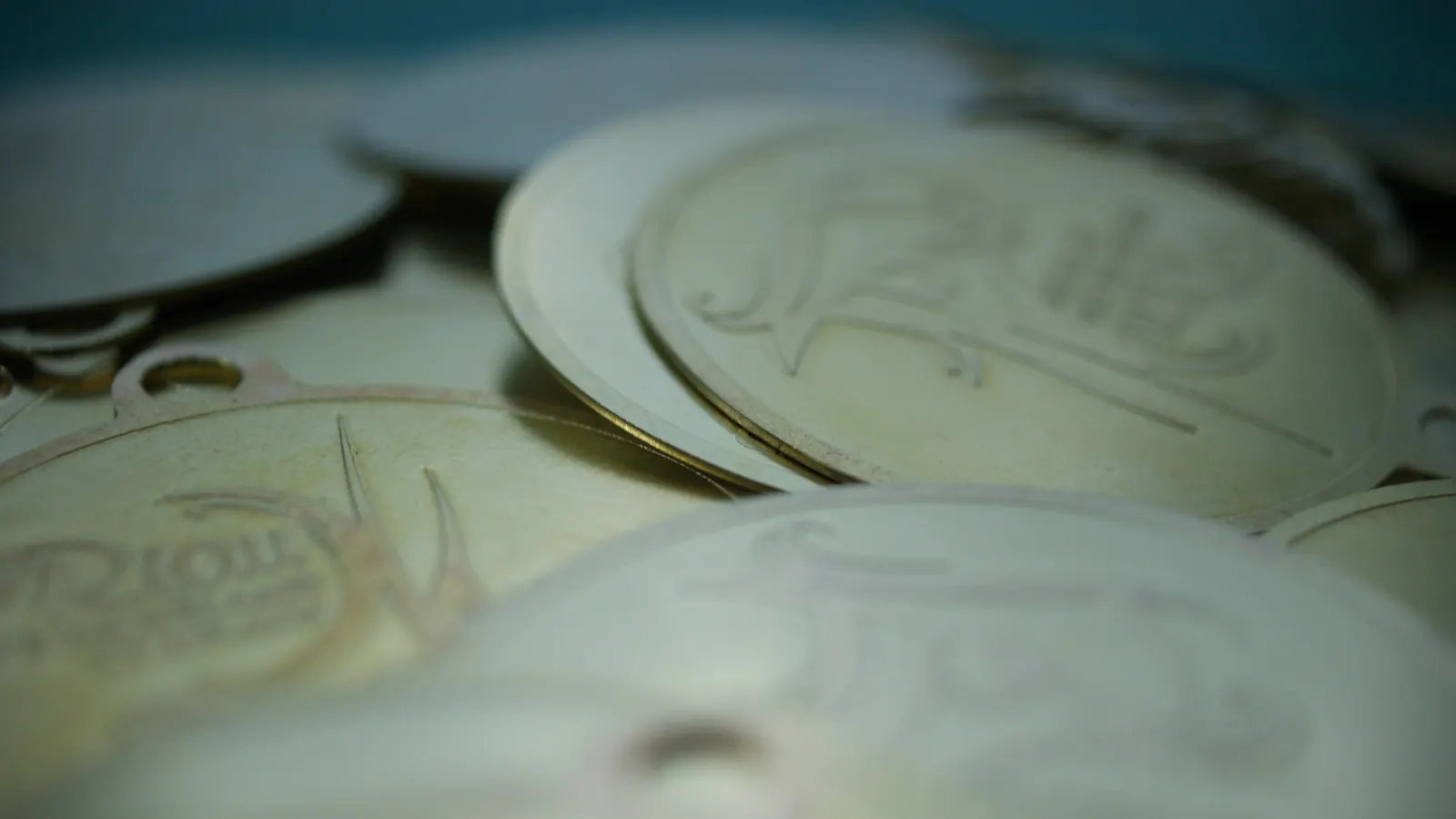
Customisation
Logo & Branding: Four Ways to Mark Leather
Almost everyone calls all four of them "embossing". The differences are real, you can check them with a finger, and they decide which logo shapes will work on leather at all.
- 4 marking techniques
- Rp 500.000 die cost, once
- 0.5 mm minimum line width
Sequence
Material settled? Then talk technique
Laser engraving, deboss, emboss and foil. Each has its own limit of detail, and the leather sets that limit — not the machine.
The marking technique depends on the leather. Foil works well on a smooth hide and disappoints on a coarse one; laser is the other way round. If the material is not settled yet, start at material & colour — this page assumes the leather has already been chosen.
Marking leather works by heat and pressure, not ink. Fibre is compressed, stretched or removed. So the limit is not the resolution of the file but how fine a shape the fibre can still hold before its edges blur. A logo made of very thin lines fails on any natural material, and that is known before the die is cut.
Techniques
Four techniques
Laser engraving
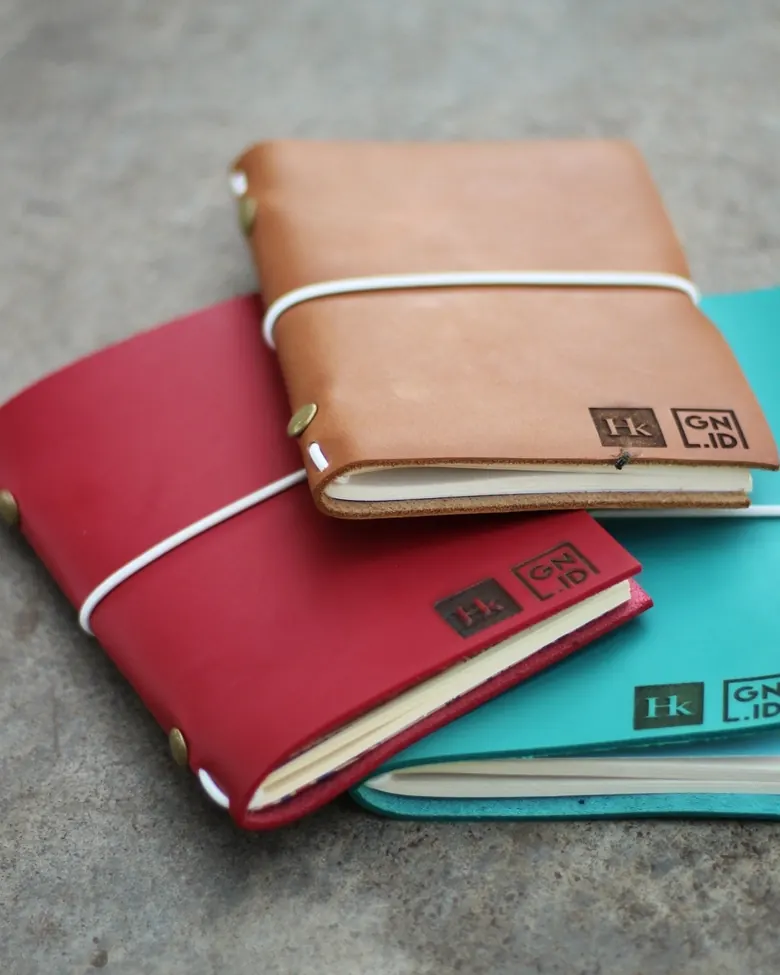
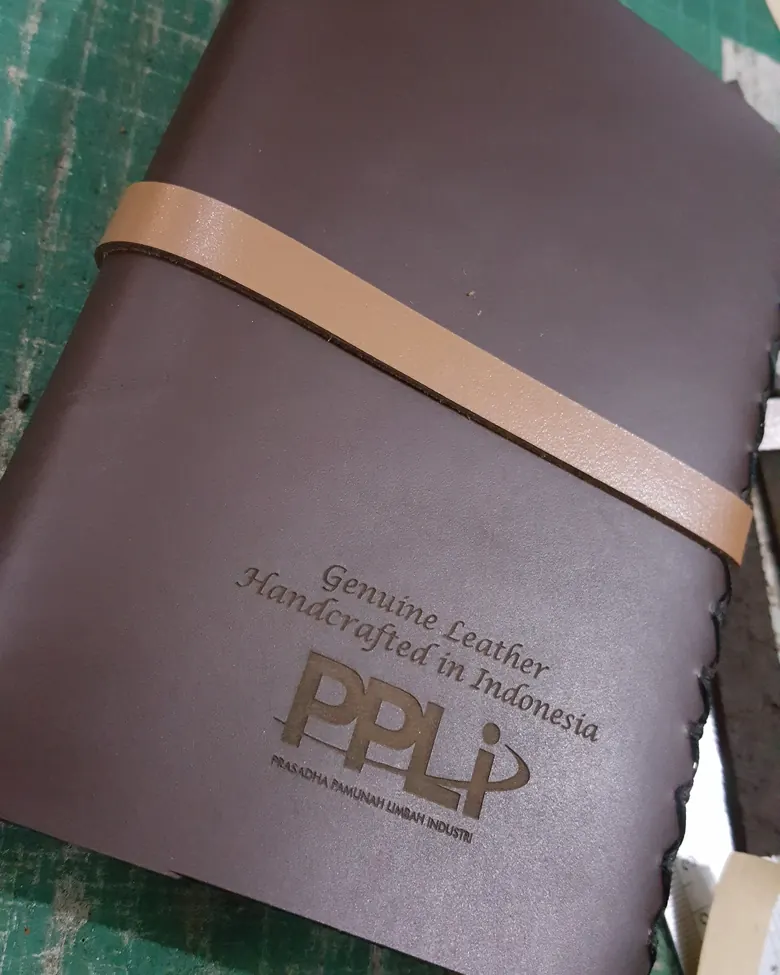
Burns the surface layer of the leather finely, reproducing even the most intricate design — from a detailed logo to fine text. The result is permanent, modern and highly personal.
Debossing (pressed in)
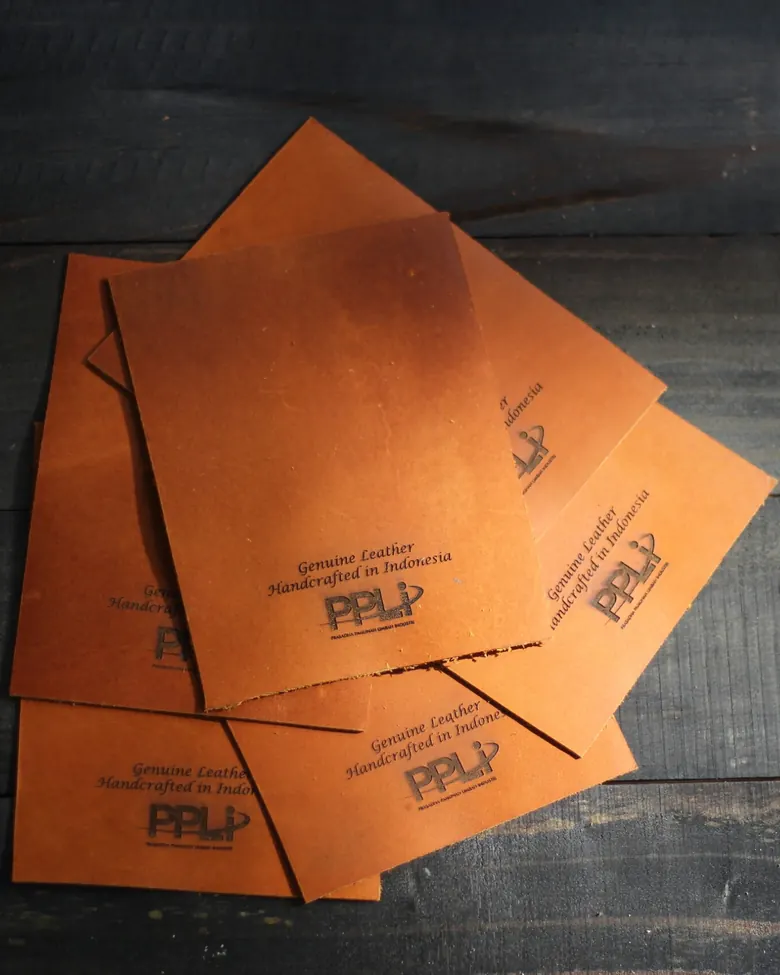
A heated metal die is pressed into the leather, leaving an elegant recess set permanently into the surface. The look is fine, professional and lasting — best for minimal logos and monograms.
Embossing (raised)
The opposite of debossing: the logo stands proud of the leather, giving it dimension and a strong visual presence. A bold, emphatic look.
Foil stamping
A layer of metallic foil — gold, silver or copper — is added into a debossed impression. The shine catches the eye and reads as premium; best for executive gifts and limited editions.
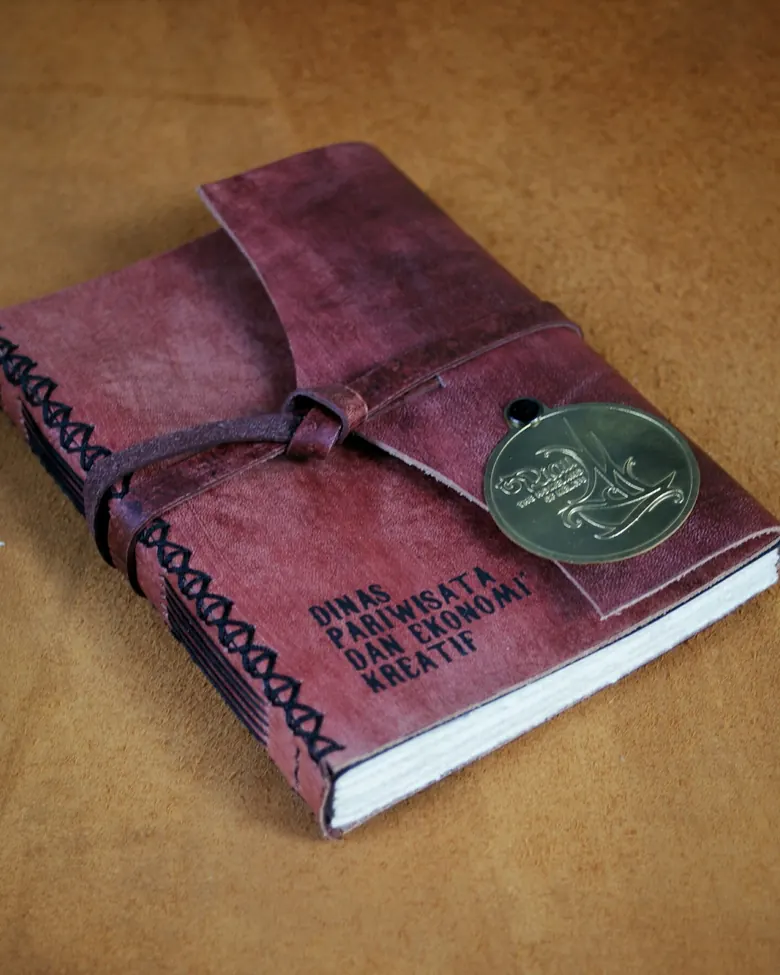
The limits of leather
Pressed into a living material
The same cover that will take the marking. Denser leather holds a deeper impression; softer leather spreads its edges.
| Technique | How it works | Limit of detail | Colour |
|---|---|---|---|
| Laser engraving | Removes the surface layer | Finest — small text, thin lines | Darker than the leather |
| Deboss | Presses the fibre inwards | Fine; the edges stay sharp | The colour of the leather |
| Emboss | Pushes the fibre outwards | Bold shapes only | The colour of the leather |
| Foil | Transfers a metal layer with heat | Medium; very thin lines break up | Gold, silver, other colours |
Embossing is the technique most often asked for by name, and the one least often actually right. Fibre stretched outwards tries to return, so fine detail softens within a few months. For a logo with small lettering, deboss or laser is nearly always the better answer — the terms are set out in the service glossary.
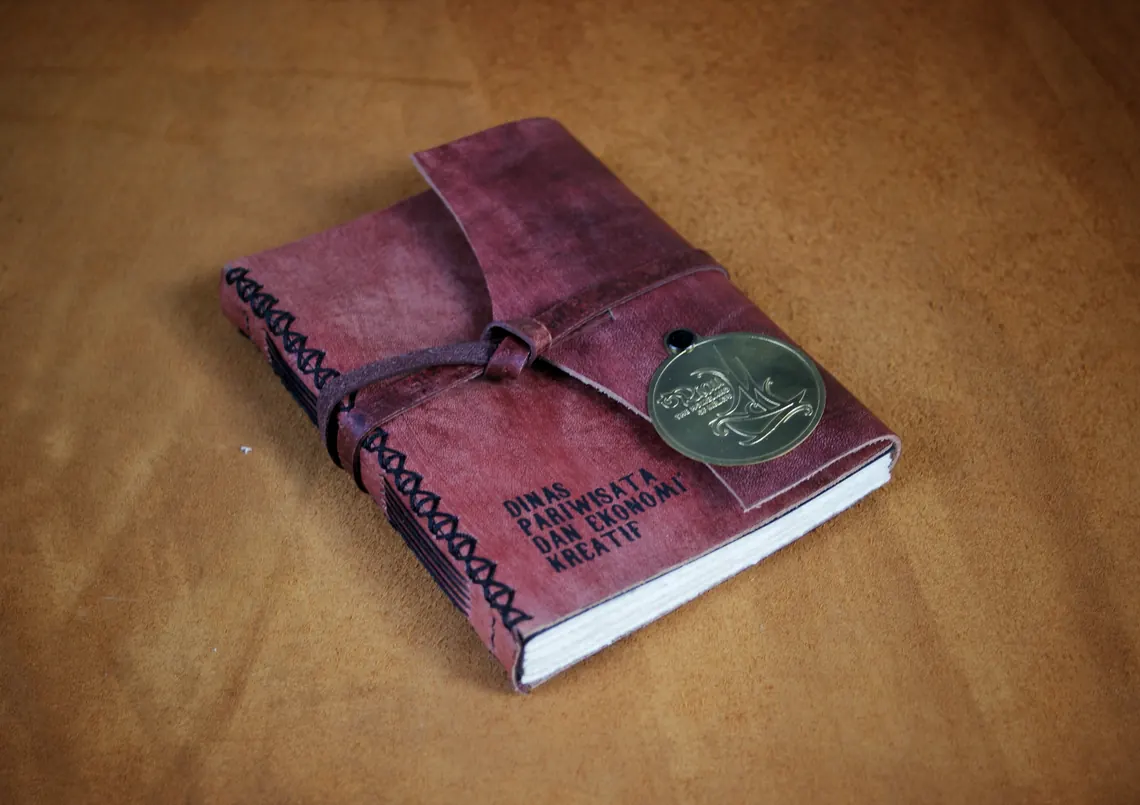
Cost
Setup and cost
The tooling cost of making your logo die, once per design — the die is cut once and used for the whole order.
| Technique | Cost | Notes |
|---|---|---|
| Deboss / emboss | Rp 500.000, once | For making the die (the matrix). It can be reused for later orders. |
| Laser engraving | From Rp 25.000 per line | Charged per line. No physical die needed. |
| Foil stamping | Rp 500.000, once | Includes the cost of the deboss/emboss die used to transfer the foil. |
The die is cut once and used for the whole order, so the cost weighs heavily on a small quantity and is barely felt on a large one. A metal die is a physical object and it survives afterwards — which is what makes a repeat order with the same marking simpler. Prices can vary with the complexity of the design; get in touch for an accurate quotation.
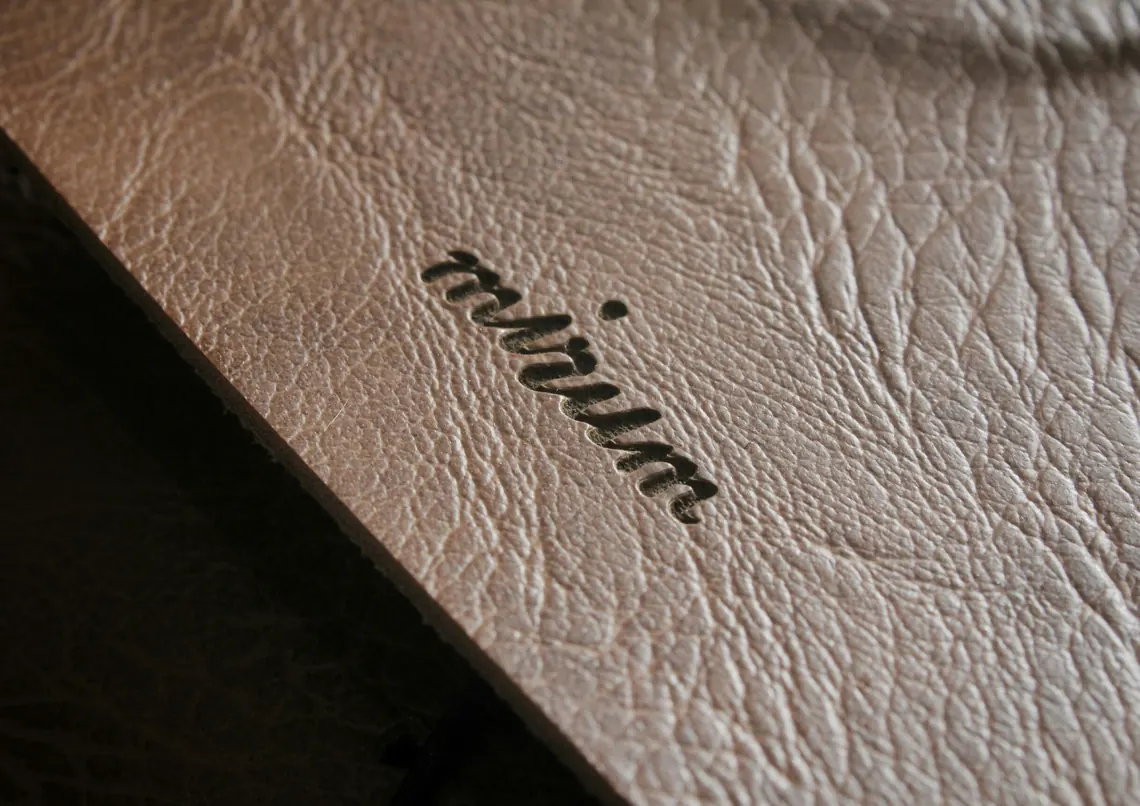
Files
Files that can be cut, and files that cannot
- Vector, not raster. A die is cut from lines — an .AI, .EPS, .SVG or high-resolution PDF file makes sure the logo scales without losing quality. A screenshot or a JPG produces ragged edges that only become visible once the die exists; we can still help check one if it is all you have.
- One colour. Marking on leather has no gradients. A logo with shading has to be simplified first.
- Lines of at least 0.5 mm. Detail finer than that tends to disappear, or to transfer imperfectly onto textured leather.
- Clear space around it. An impression pushes fibre sideways; shapes set too close together crowd each other out.
Before production begins we provide a digital proof for approval. Where a logo is very detailed it is tested first on an offcut of the same hide — not of a similar one — and the shape is simplified if detail is lost.
Placement
Placement
Where the marking sits, and how it reads:
| Position | Reads as |
|---|---|
| Centre of the front cover | Company property |
| Lower corner of the front cover | Quiet, but still seen |
| Back cover | The recipient’s own, with its maker recorded |
| Inside | Private; found rather than displayed |
For a gift to senior leadership the last two rows are almost always the better choice — the reasoning is on executive gifts.
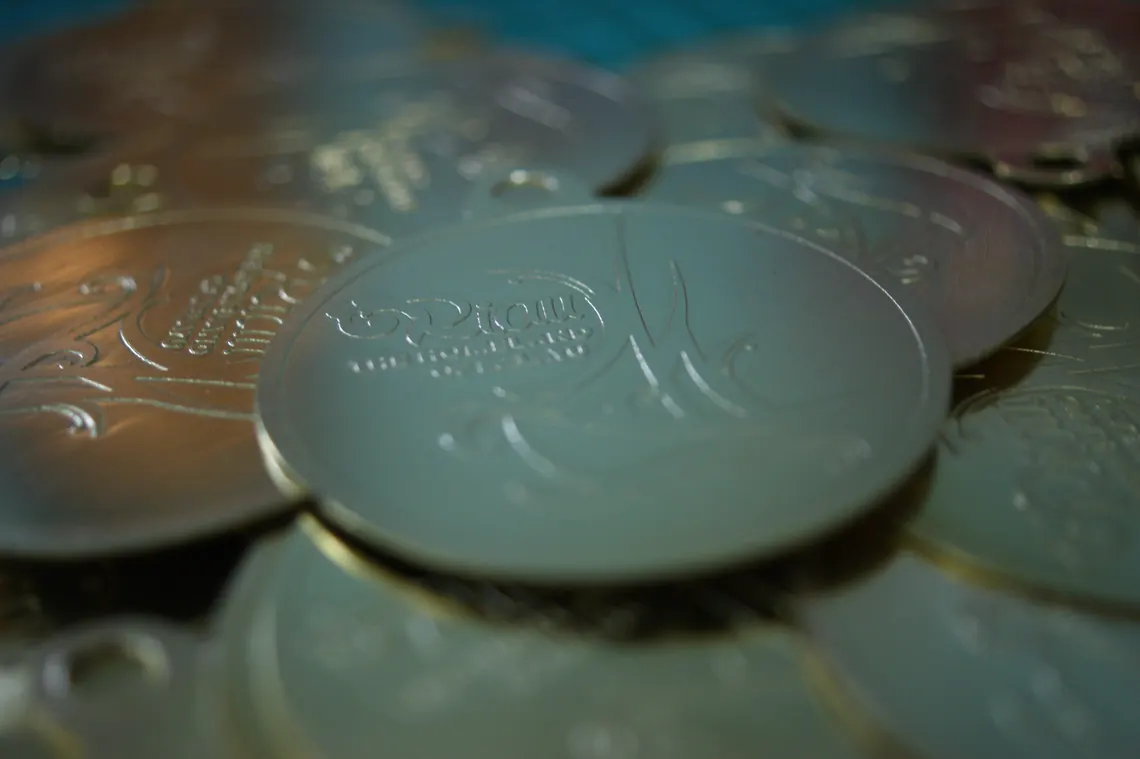
Questions
The questions we are asked most
Can my logo be printed in colour?
Not with ink. For colour the route is foil, and foil limits the shape: very thin lines break up in the heat transfer.
Which technique lasts longest?
Deboss, emboss and laser are technically the most permanent, because they change the physical structure of the leather itself. Foil lasts well too, but can show wear where it meets extreme friction.
Is the die kept for later orders?
Yes. A metal die is a physical object and it stays in our workshop after the order is finished.
Can several techniques be combined?
They can — a deboss for the main logo with laser engraving for a name or date beneath it, for instance, or foil for one luxurious element alongside a fine deboss.
Next step
Send the logo and we will judge which technique suits it
Send your logo file in whatever format you have. We reply with the technique best suited to that logo, and an estimate of the setup cost. Prices per order model are on bulk & white label.