
Corporate Gifting
Executive Gifts: the Highest Specification for the Smallest Quantities
For gifts with fewer than 25 recipients — the board, strategic partners, guests of honour — this page explains what changes at that scale: materials that can be sourced specially, and a brief written for one name rather than for one batch.
- Under 25 units
- 3 tiers: Basic, Premium, Executive
- Full-grain as the principal material
Made from full-grain leather and covered by the same structural guarantee as everything else we make — for an executive gift what changes is not the guarantee but what can be done at a quantity this small.
What changes
What changes below 25 units
Most of the cost of making a logo die does not change with quantity — the die is cut once, whether it marks 2 units or 200. So at a small quantity the die cost is what weighs most per unit, while the constraints that usually bind a large order — the same material across the whole batch, one design for every recipient — no longer apply.
That makes two things possible which are not possible on a large order: every unit may use a different leather or colour, and the brief may be written for one name known from the outset rather than for a generic "corporate recipient".
Per-unit prices, how they are calculated, and the quantity thresholds for volume discounts are on the Bulk & White Label page. This page stops at what changes when the quantity is small, not at the figures.
Three tiers
One aim: the less it looks like it is trying to be expensive
All three use the same process and the same guarantee. What differs is how far the brief may depart from the standard catalogue.
| Tier | Scope |
|---|---|
| Basic | A debossed or embossed company logo, a leather colour from the standard palette, standard box packaging. Suits a quick requirement with a result that still looks right. |
| Premium | Everything in Basic, plus a customised interior page layout (a welcome page, a bespoke planner), a wider choice of material and colour, and a branded premium gift box. |
| Executive (bespoke) | An entirely new design developed with our team, luxury or exotic materials, and a presentation case designed specifically for the unboxing. |
Examples
Examples from the small-quantity collection
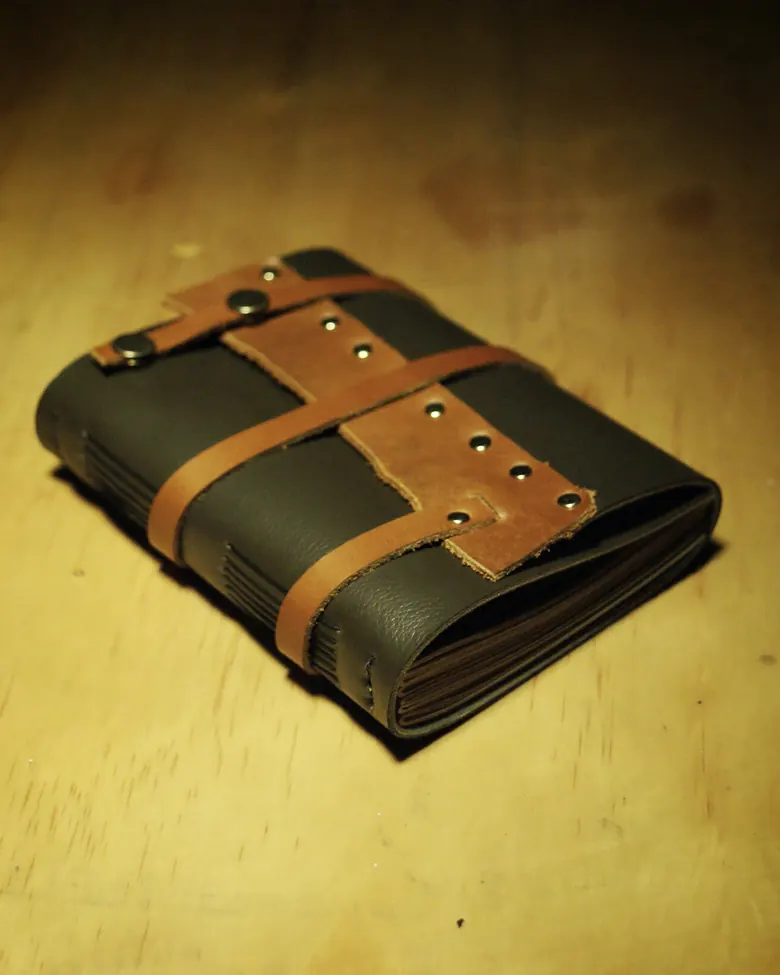
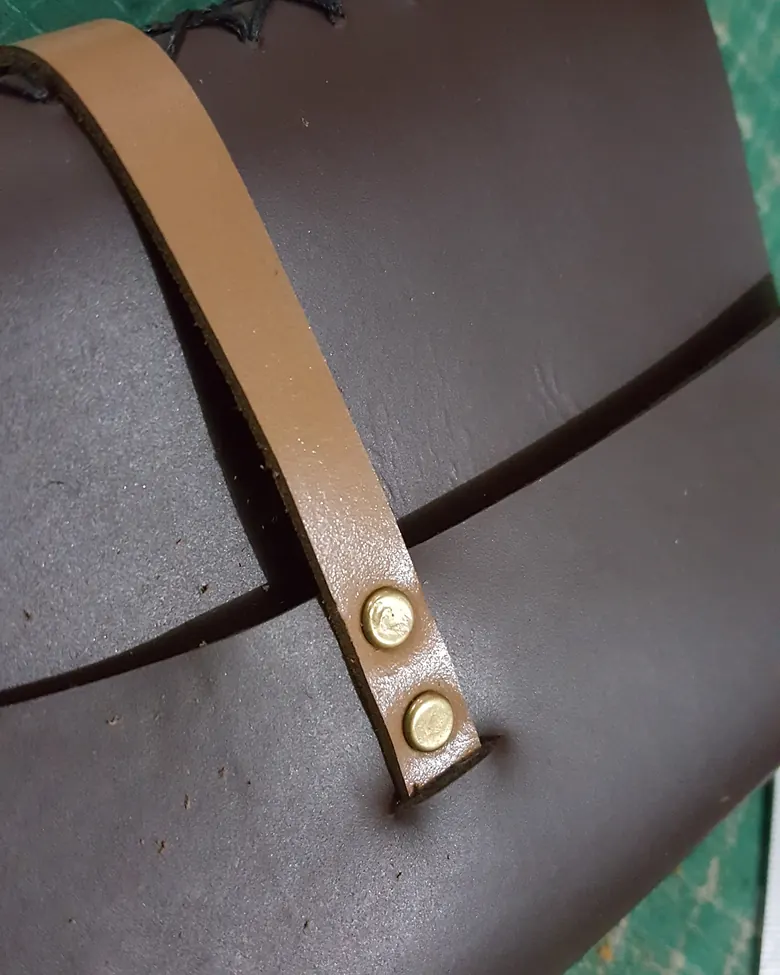
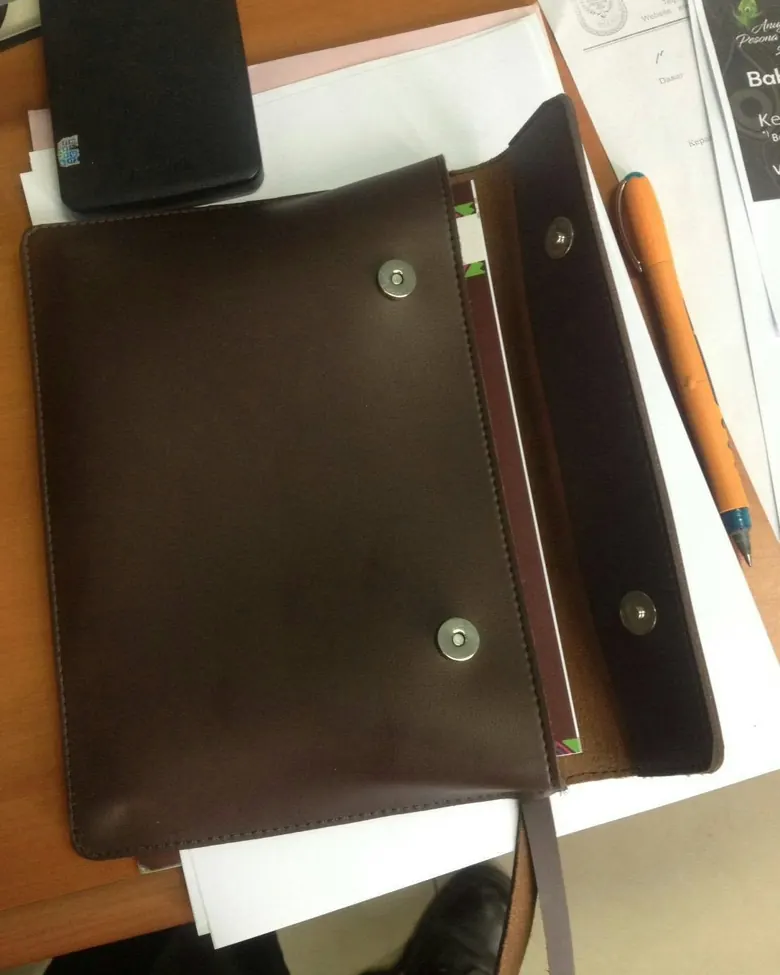
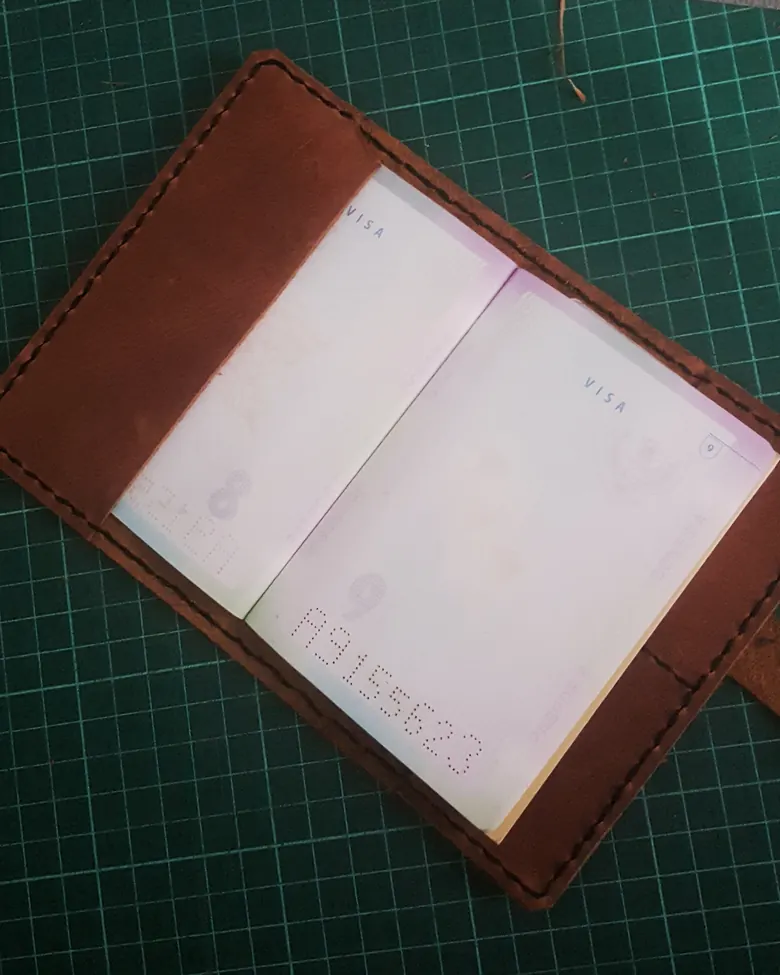
Each of the four models below can be ordered differently from the others within a single delivery — difficult on an order of hundreds, and perfectly ordinary below 25.
The process
The bespoke route, from consultation to delivery
The same six stages apply whether it is one unit or fifteen — the only difference is how many of them depart from the standard catalogue.
A private consultation
Understanding the recipient, not only the quantity and the deadline — for a bespoke brief that includes who they are and in what context the gift is given.
Concept and sourcing
The team develops the design concept and, where needed, seeks out exotic or uncommon materials not held in the catalogue.
A physical prototype
A digital proof, then a prototype that can be handled and approved before production begins.
Artisanal making
A senior artisan makes the approved units.
Curation and finishing
Quality control per unit — at a small quantity every unit is inspected individually rather than sampled.
Coordinated delivery
Sent as the recipient directs, including where the destinations differ from unit to unit.
Material
Why the material decides more than the price
An executive gift is judged twice: once when it is opened, and again three years later when the object is either still on the desk or has vanished into a drawer.
| Material | When opened | After three years |
|---|---|---|
| full-grain leather | A textured surface with the pores visible | Darkens unevenly, feels smoother — it improves |
| Pigment-coated leather | Very flat and uniform | The coating begins to crack at the folds |
| Synthetic material | Hard to tell apart at a glance | Peels at the corners |
The first row is the only one that gets better. Because the quantity is small, a gift at this level can use selected vegetable-tanned leather without waiting for a whole batch to become available — one or two hides is enough for the entire order. The full account of the materials is in the leather craft category.
Marking
Quiet marking
On an executive gift the size of the marking is inversely proportional to the impression it makes. A large logo makes the object read as company property; small initials make it read as personal.
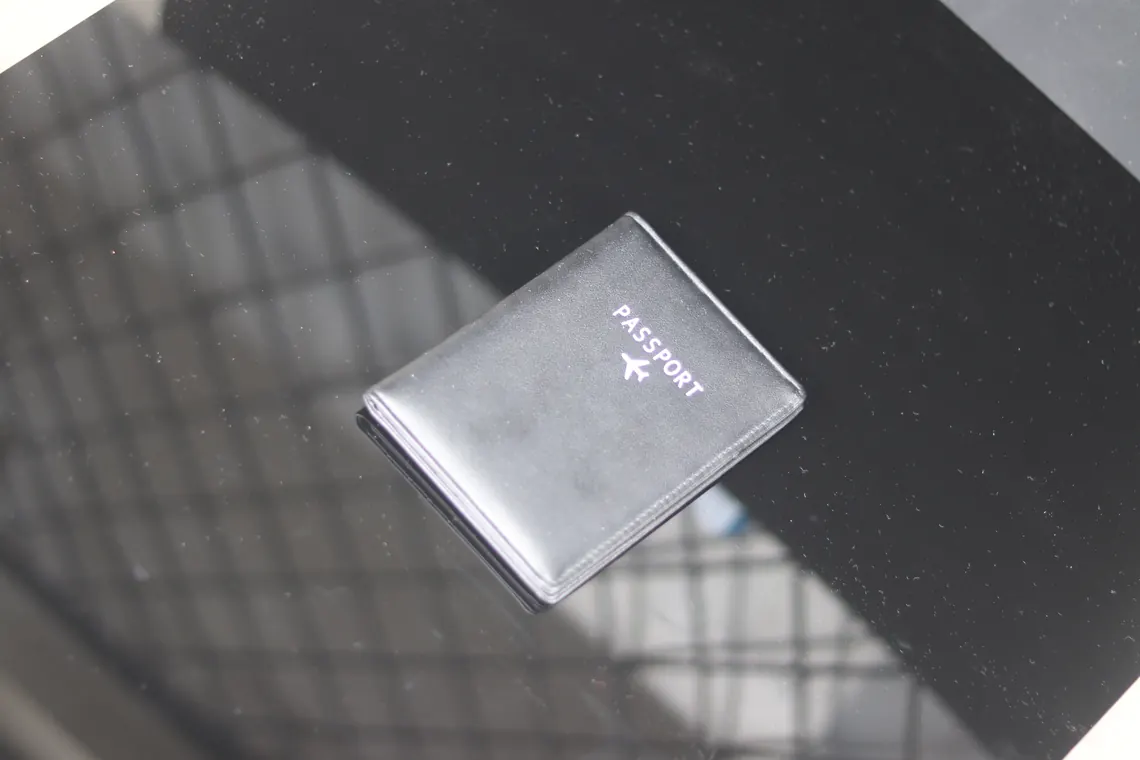
- Blind deboss — a mark with no colour, only an impression in the leather. Read by the fingers before the eyes. The quietest option available.
- Initials rather than a full name — more compact, and it does not date as fast as a job title that changes.
- Placed in a corner, or inside — keeping the cover clean from whichever angle it is seen across a meeting table.
- Foil — when contrast is genuinely wanted; it needs a shape that is not too fine, so that the edges stay clean.
The full comparison of techniques is on logo and branding options.
Sourcing
When the material itself has to be found
Because the quantity is small, seeking out a material that is not in the standard catalogue becomes reasonable on cost — a single exotic hide, or one roll of handmade recycled paper, is enough for the whole order. This is what separates an executive brief from a volume order: the question is not "which material is available in quantity" but "which material is right for this one recipient".
Pyrography — drawing with heat on leather, slow and impossible to redo; every stroke is permanent. Gold tooling — 24k gold leaf applied by classical technique for a monogram or a crest. For our highest commission we have made a cover in vegetable-tanned leather with etched gold accents and recycled paper torn by hand sheet by sheet — no longer a production journal but a single artefact for a single recipient whose name was known before the first brief was written.
Common mistakes
The mistakes that happen most often
| Mistake | What follows | What to do instead |
|---|---|---|
| A large company logo on the front cover | It reads as merchandise | Move it inside, make it smaller, or replace it with the recipient’s initials |
| Packaging grander than what is inside it | It reads as excess; the box is thrown away and the object is judged on its own anyway | Simple packaging that protects |
| A misspelled name | It cannot be corrected; the gift becomes a burden | Confirm in writing before any marking |
| Ordered too close to the date | The choice of material narrows to whatever is in stock | Count backwards from the handover date |
| One design for every tier of recipient | The gift feels generic | Vary the marking, not the product |
From the archive
Executive gifts we have made
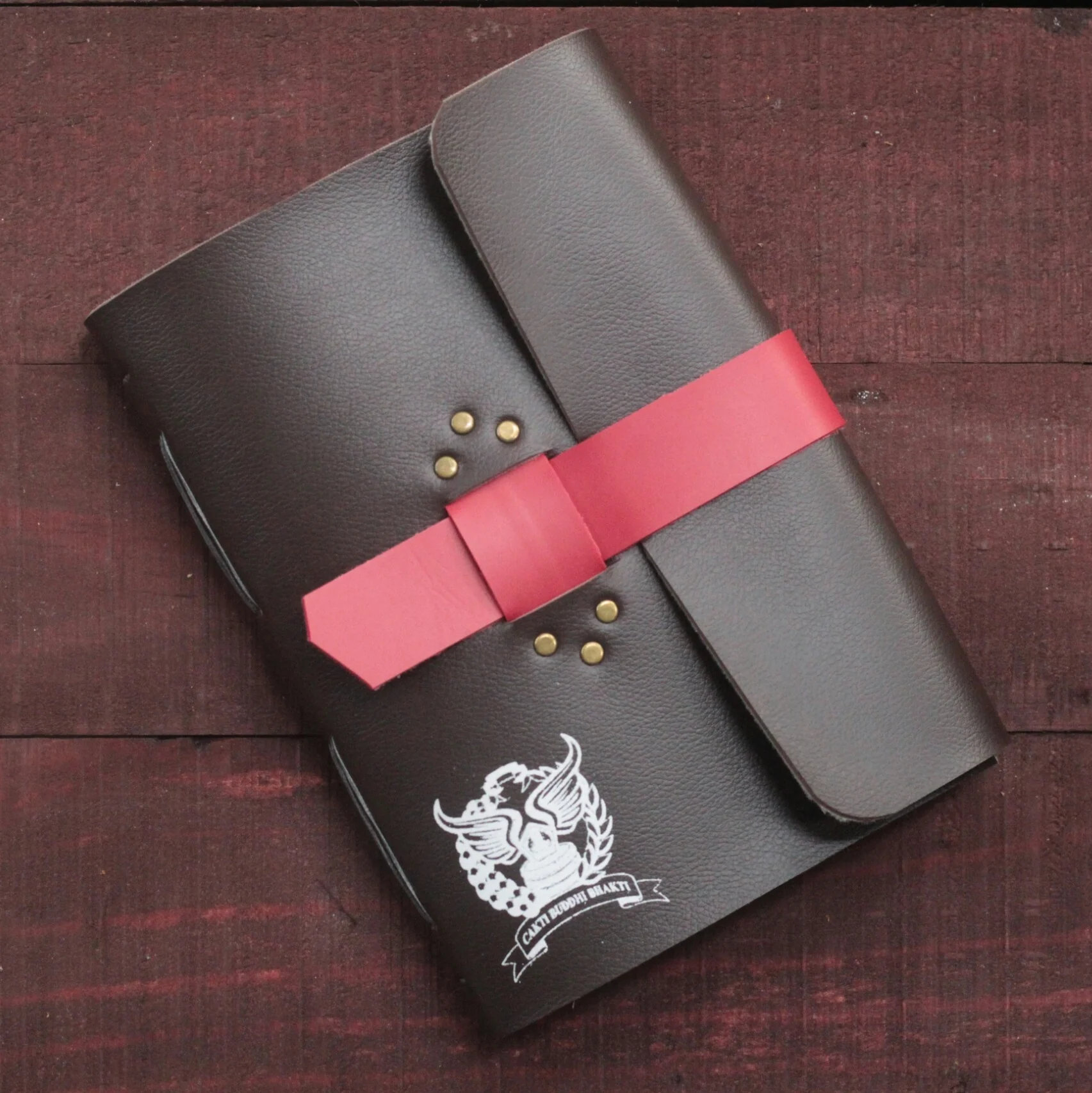
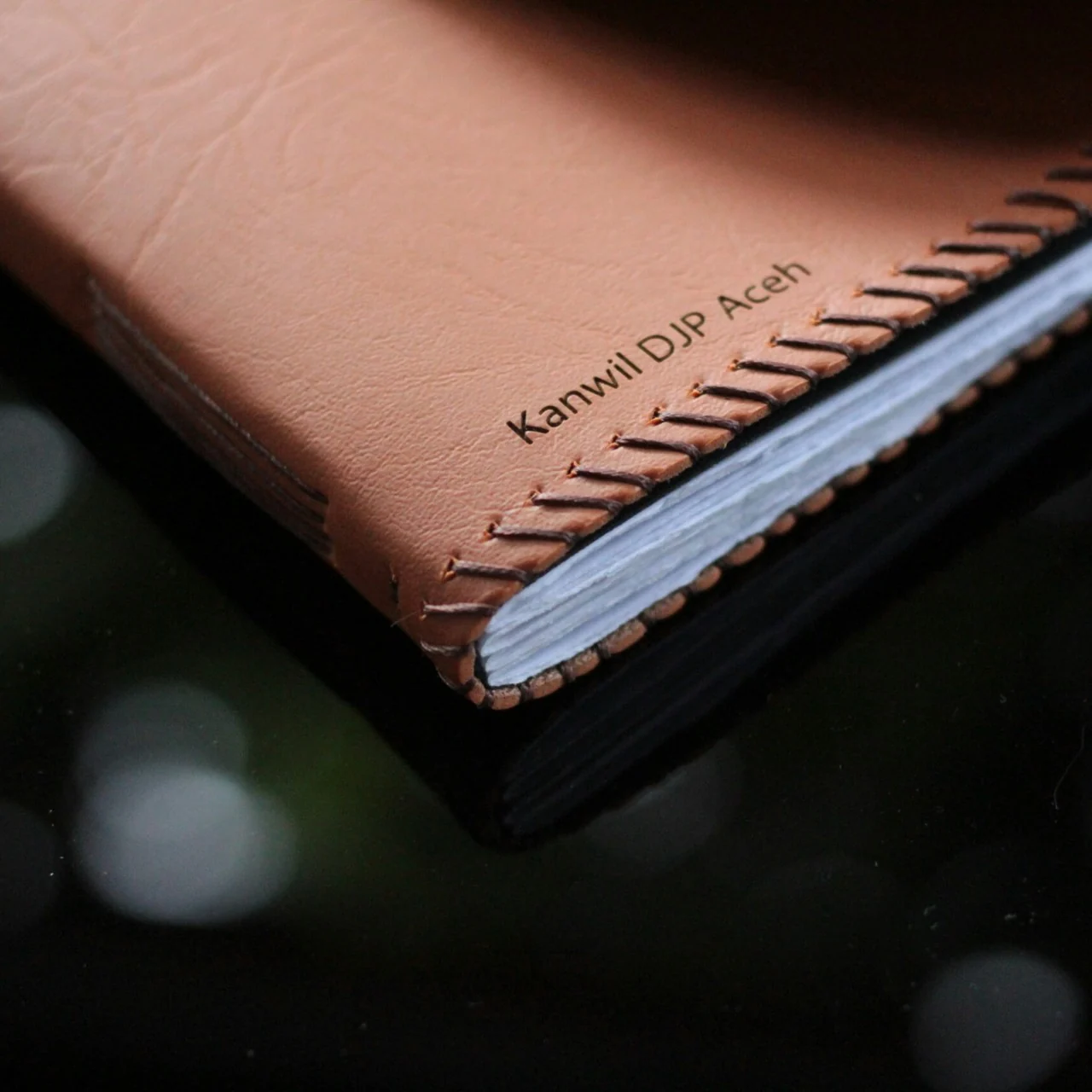
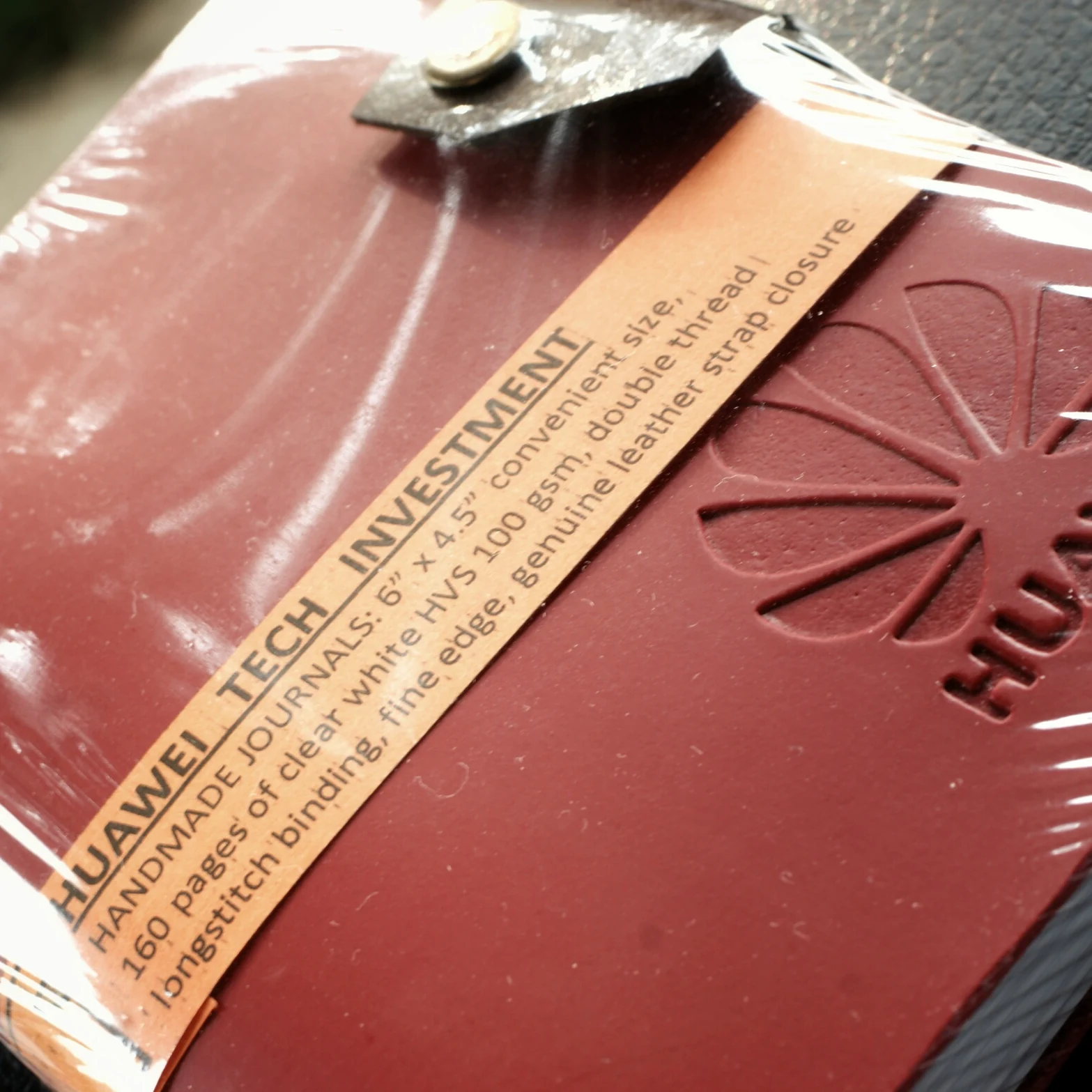
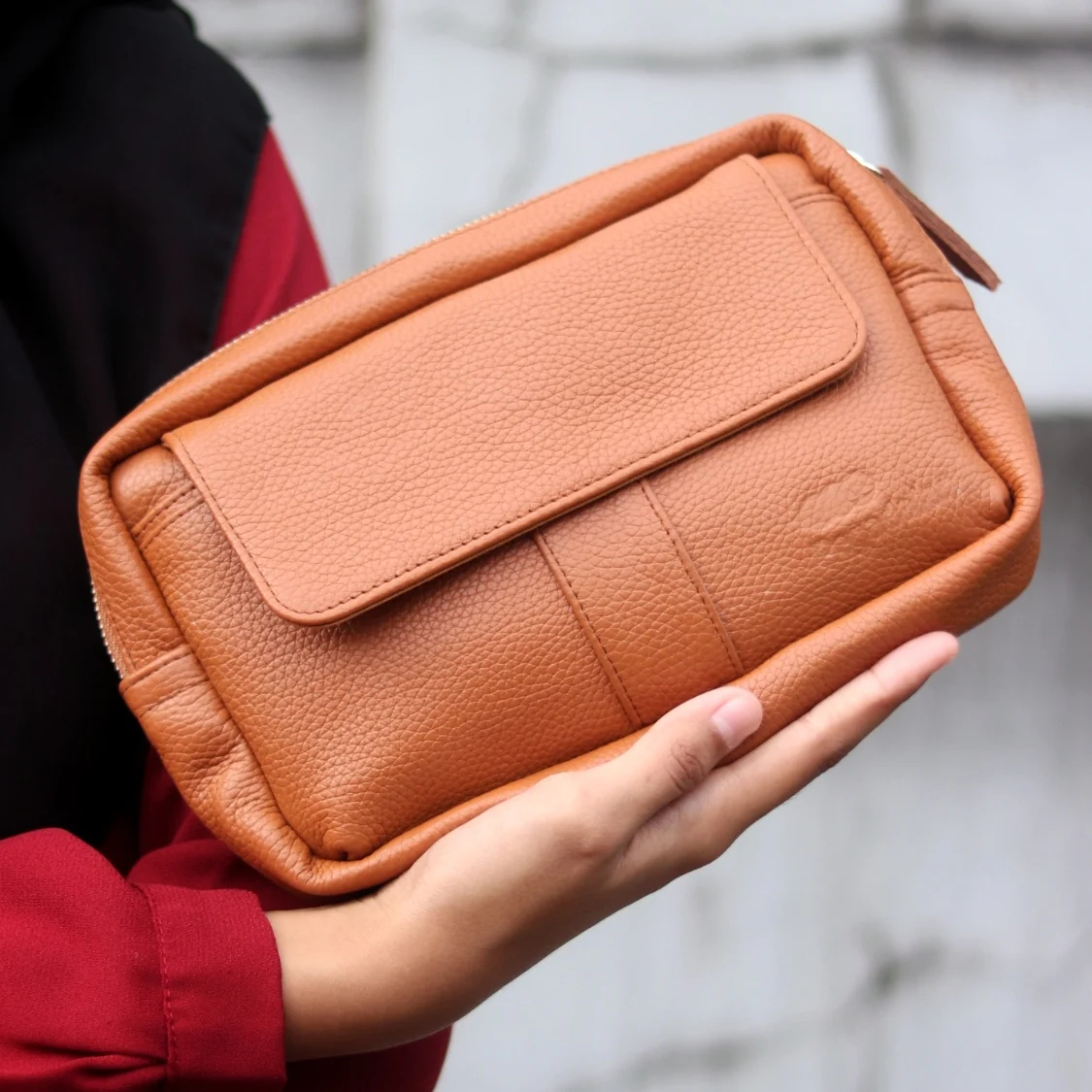
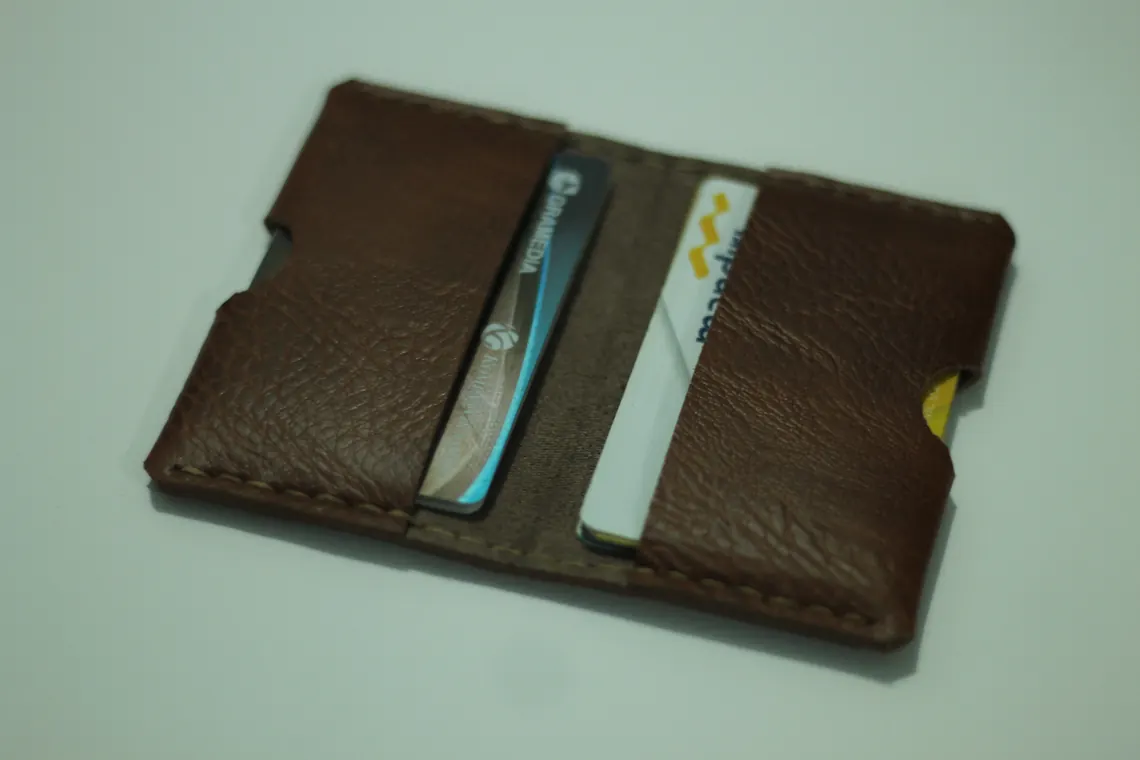
Every order above was small and clearly aimed — not mass merchandise but a gift for a recipient whose position was known before the first brief. The full case studies are on case studies and testimonials.
Point of contact
One point of contact for a bespoke brief
A brief for one named recipient works better held by one person from the start through to dispatch, rather than passing between administrators. Your Client Partner translates that brief, sources material where it is needed, and makes sure every detail — the spelling of the name included — is confirmed in writing before any marking begins.
“The journals we ordered for the board were quite exceptional. The quality and the finish are genuinely first class. This is a gift that represents the standard we hold ourselves to.”
— Director, a national finance company
Frequently asked
The questions we are asked most
Can we order only a few units — say, for 5 directors?
You can, and that is precisely the strength of this route. The logo die is the cost felt most at a small quantity, because it is cut once regardless of how many units use it — the obstacle is not a minimum order but the structure of the die cost.
What separates this from an ordinary client gift?
Mainly the marking and the choice of material, rather than the kind of product. Recipients at this level are more sensitive to excess than to restraint — for a gift going to a long list of recipients at once, see client appreciation.
Which packaging option is the most premium?
A presentation case made specially, often using a material such as wood or a rigid cloth-covered box with a precisely cut insert — designed for the most striking unboxing.
How long does it take?
It depends on the quantity and the kind of marking. Per-unit personalisation adds to the finishing time, not the production time — and that is the part most often underestimated in planning. Schedules and MOQ figures are on Bulk & White Label.
What paper is used inside?
For a recipient who writes with a fountain pen, a heavier paper — at least 100gsm — is chosen so that the ink does not bleed through. The properties of paper that decide this are set out in the paper category.
What if the book is damaged years later?
A sewn book can be taken apart and resewn. That is a property of the structure, covered by our guarantee — how it is handled is on the book repair page.
First step
A gift for leadership is judged differently
Not by how expensive it is, but by how little it tries to look expensive. Tell us how many recipients there are, whether the names are final, and when the gift has to be ready.