
Wax (in the Context of Bookbinding)
by Ibrahim Anwar · August 9, 2025
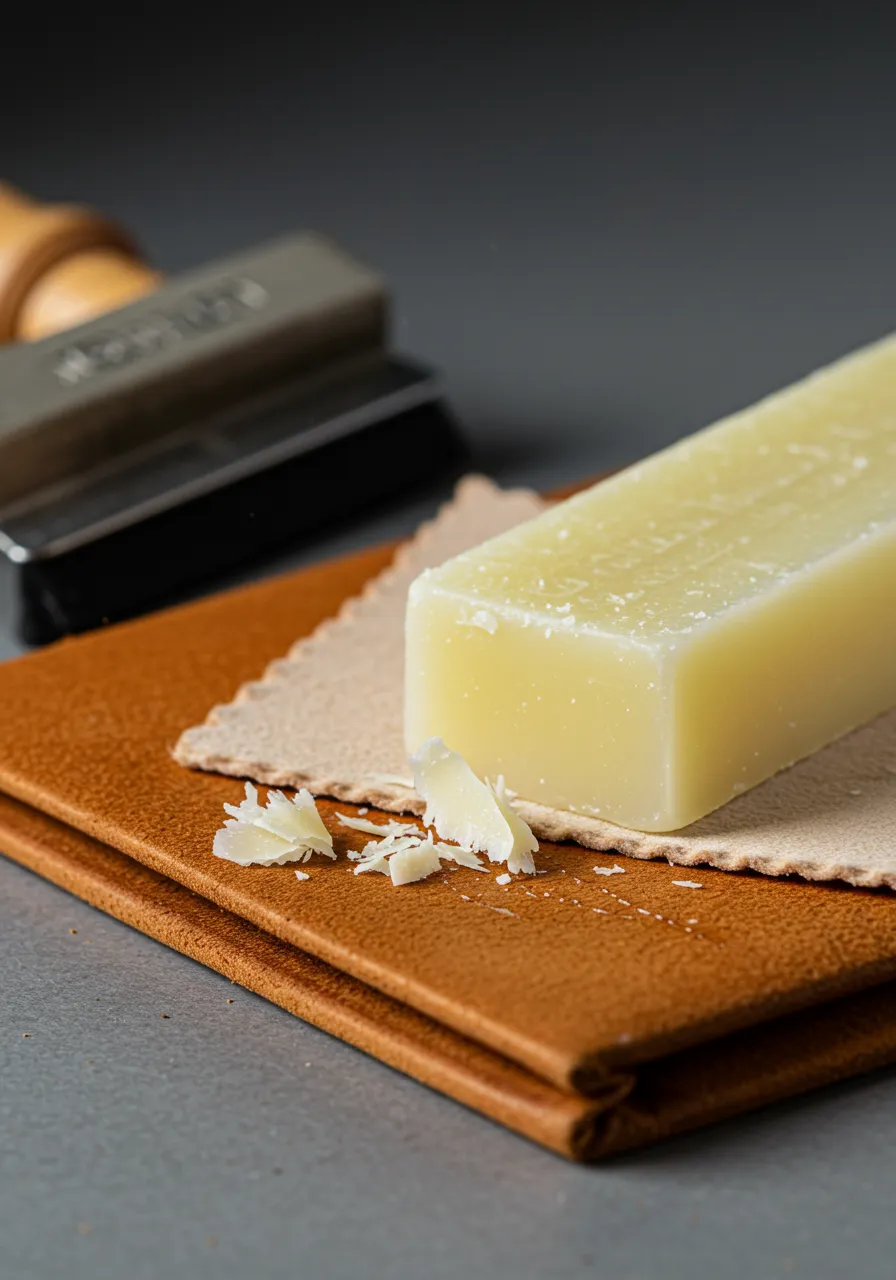
In the corner of a craftsman's bench there is often a small, plain-looking block, perhaps a little tacky with fragments of thread or scraps of leather. That block is wax. Unremarkable though it looks beside more impressive tools, wax is the unsung hero of hand craft. It is an ancient material connecting centuries of tradition with modern practice — from the fingers of a nineteenth-century bookbinder drawing linen thread across it, to the hands of a twenty-first-century museum conservator applying a thin coat to protect a valuable manuscript. Understanding wax is not only a matter of knowing a material; it is appreciating an essential element that gives a piece of work its strength, its beauty and its long life.
The essence of wax: more than a surface coating
Wax is one of the most ancient and adaptable materials known to us. In bookbinding and leather craft its role goes beyond the surface. Wax works into the fibres, strengthening from within, and creates an invisible shield against the great enemies of a book or a leather object: time, friction and damp. Using it is a dialogue between craftsman and material, a deliberate step to make sure the work is not merely finished but durable.
A short history: from the hive to the laboratory
The use of wax, and beeswax above all, is as old as civilisation itself. Produced by bees, this natural substance was valued for being plastic, water-resistant and pleasantly scented. For centuries beeswax was the gold standard. In sewing crafts, bookbinding among them, craftsmen found that coating thread with beeswax made it pass more easily through a hole, resist tangling and last longer.
The industrial revolution and the advances in chemistry of the nineteenth and twentieth centuries brought new kinds of wax. Paraffin wax, a by-product of petroleum refining, became a cheap and abundant alternative. But for craft applications needing high quality, paraffin has drawbacks, chiefly its low melting point. Further development produced microcrystalline waxes. These engineered waxes, also from petroleum, were designed for superior properties: a finer crystal structure, greater flexibility, and — most importantly — chemical neutrality, being acid-free. The innovation reached its peak with formulations such as Renaissance Wax, developed in the British Museum laboratory in the middle of the twentieth century, which became the standard in professional conservation for its ability to protect without damaging an object over the long term.
The crucial role of wax in bookbinding
In the art of bookbinding, and particularly in traditional hand sewing, wax is thread's inseparable companion. Its main function is to coat the sewing thread, usually linen. The simple act of drawing thread across a block of wax brings several significant benefits. First, the wax acts as a lubricant, reducing friction as the thread is pulled repeatedly through paper. That matters greatly in preventing the paper from tearing or being “burned” by friction. Second, the wax adds a little weight and a little tack to the thread, making it easier to control, less likely to twist or tangle, and helping a knot lock more tightly. Third, the coat of wax protects the fibres of the thread from damp and wear over time, strengthening the spine of the book from within.
Although the practice is long established, some modern conservators raise concerns about potential acidity in impure beeswax, which could in theory damage paper over several decades. For most bookbinders, though, and particularly for exposed spine bindings such as Coptic stitch, the structural benefit and the ease of working that waxed thread offers far outweigh the risk. Besides thread, wax is also used to seal and protect gilded page edges, giving a transparent protective layer over the gleam of the precious metal.
Wax turns fragile thread into strong cord, and protects vulnerable leather into a supple shield — proving that the simplest material is often the most fundamental.
Wax in leather craft: protection and beauty
If wax in bookbinding is about structural strength, in leather craft it is about protection and beauty. Leather, an organic material, is vulnerable to drying out, to cracking, and to water damage. Wax, particularly as part of a polish, offers an elegant answer. Applied to the surface of the leather, it creates a microscopic water-resistant barrier. That layer stops water soaking in and staining, while helping to lock the leather's natural moisture inside so it does not dry out and turn brittle.
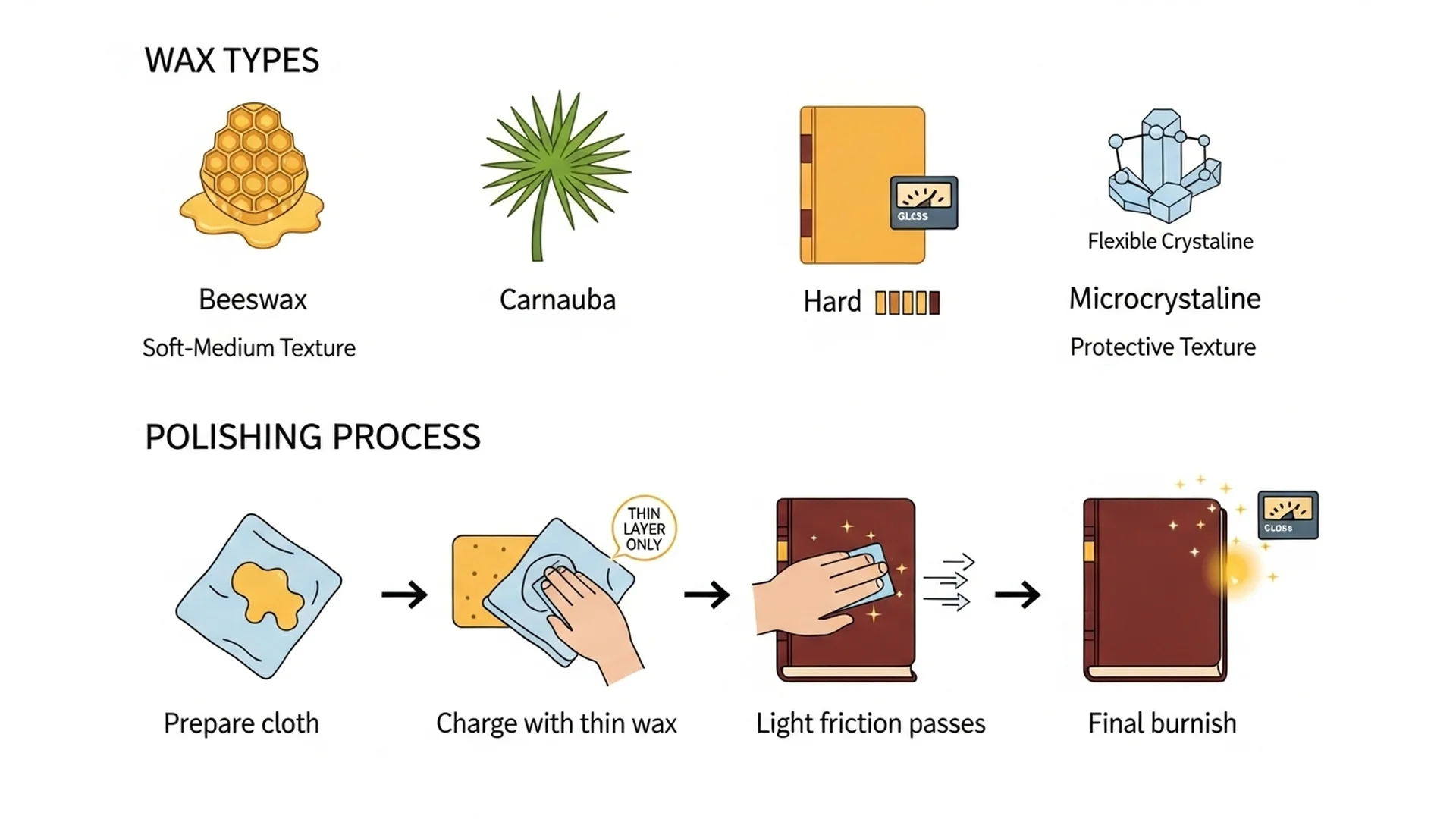
More than a protector, wax is the key to a professional, lustrous finish. Once a leather piece is made, applying a wax paste and then buffing with a soft cloth or a horsehair brush produces a deep, warm shine. The process not only brings out the natural beauty of the leather's texture but gives a smooth, luxurious feel to the touch. A good polish formulation is often a blend of several waxes — nourishing beeswax and carnauba wax for a hard, brilliant layer — creating a finish that is both handsome and functional.
The types of wax and what each is for
Not all waxes are alike. For a craftsman, understanding the difference between them matters as much as understanding the difference between leathers or papers. Each wax has its own melting point, hardness, flexibility and chemistry, which makes it better suited to particular work. Choosing the right one is a key step towards the result you want, whether that is a strong seam, a perfect shine, or archival-grade protection.
Beeswax: the traditional gold standard
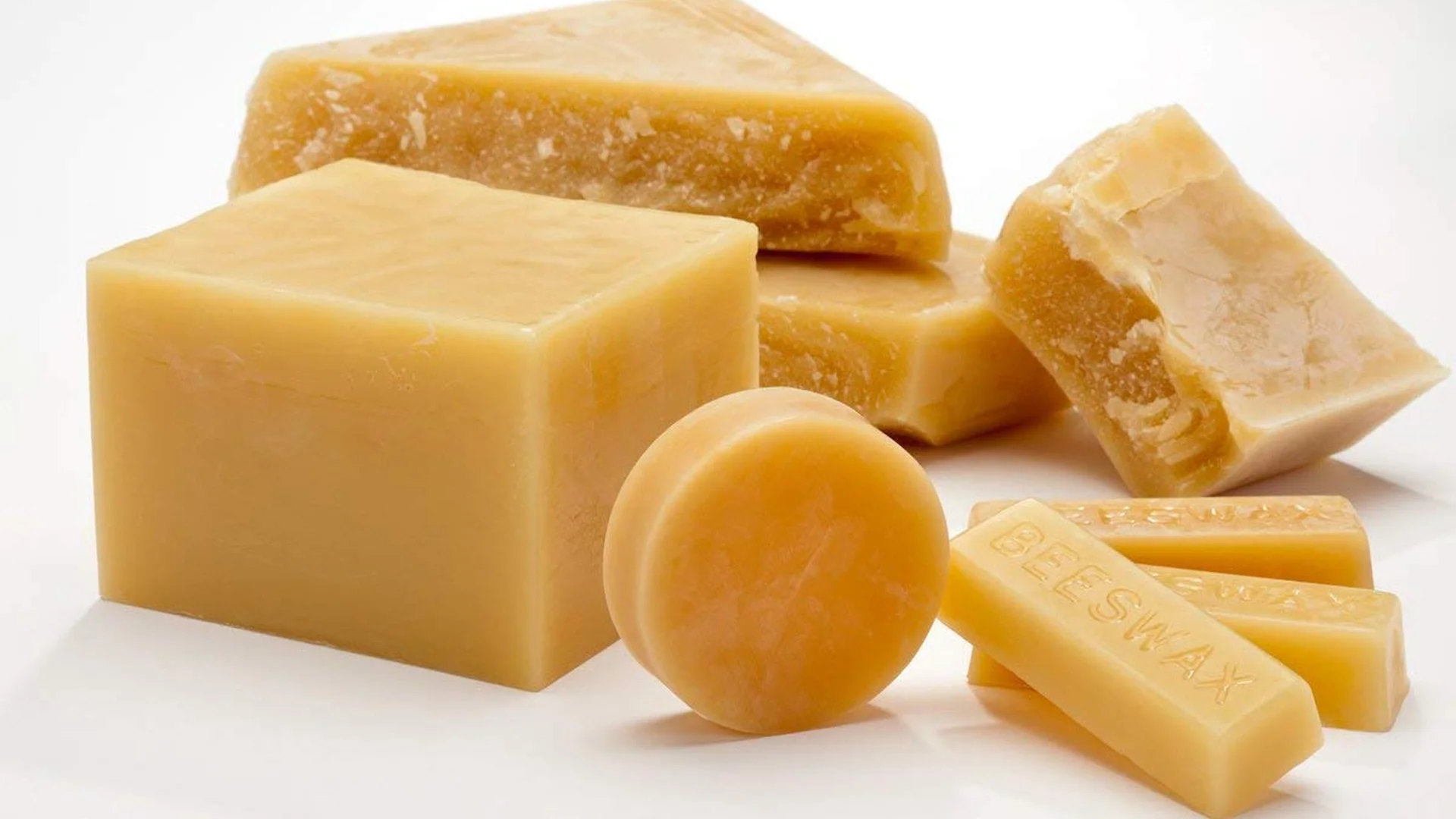
Beeswax is the classic, time-tested choice. Produced in the honeybee hive, it is entirely natural and has a number of highly desirable properties. Its relatively high melting point makes it stable and not prone to softening in normal conditions. Its slight tackiness is ideal for coating sewing thread, because it helps the thread grip the paper and itself, producing a tighter and more secure seam. Pure beeswax is also pH neutral, which makes it safe on archival materials such as cotton and linen paper with no risk of acid damage over the long term.
In leather craft, beeswax is often the base of conditioners and polishes. Its ability to nourish and soften leather while giving a protective, water-resistant layer that can still breathe makes it invaluable. Its gentle, sweet natural scent is a pleasant bonus during the work. Whether as a pure block for thread or as the main component of a polish paste, beeswax remains a mainstay of the modern workshop for its effectiveness and its inherited tradition.
Carnauba wax: a hard shine from a palm leaf
Known as the “queen of waxes”, carnauba is extracted from the leaves of the Brazilian palm Copernicia prunifera. It is one of the hardest natural waxes commercially available, with a very high melting point. Its chief property is the ability to produce a very hard, durable and brilliant shine when buffed. Because of that hardness, carnauba is rarely used alone in leather or book work, where it can be too brittle.
Its magic appears when it is blended with a softer wax such as beeswax. In a good leather polish, adding a little carnauba significantly improves the durability and the level of shine of the finish. It creates a tough protective layer over the leather surface, guarding against scratches and light scuffing better than beeswax alone. The combination of nourishing beeswax and protective carnauba produces a polish that is not only beautiful but highly functional and long-lasting.
Microcrystalline wax: the modern conservation choice
Microcrystalline wax is a product of modern petroleum refining. Unlike paraffin, whose crystal structure is large and brittle, microcrystalline wax has a very fine crystal structure, making it far more flexible, more elastic, and better at adhering. Most importantly for craftsmen and conservators, it can be produced to a very high level of purity, free of acids and other contaminants that could damage a valuable artefact.
The best-known brand of this kind is Renaissance Wax, formulated by the British Museum specifically for conservation. It is highly valued for its ability to form a very thin, transparent, water-resistant protective layer on almost any surface, leather, paper, wood and metal included. That layer protects against damp, against the oils in a fingerprint, and against airborne pollutants, without altering the colour or the original appearance of the object. Because it is stable and chemically neutral, microcrystalline wax is the first choice when handling antique books, historical documents, or high-value leather goods.
Hibrkraft's take on it: choosing the right wax for each project
At Hibrkraft we treat wax as a precision tool, not a supplementary material. Choosing the right one is an integral part of our commitment to quality and durability. For every hand-sewn seam on our custom leather journals we rely on pure beeswax to coat the linen thread. We trust this traditional method to make sure every stitch is strong, neat, and able to last the life of the book. That touch of beeswax provides the invisible strength that is the backbone of every book we make.
When it is time to finish, we turn to a more sophisticated polish. We use a particular blend containing beeswax for nourishment and carnauba for shine and extra protection. The blend not only gives a luxurious lustre to a leather cover but creates a functional shield against daily use. For us, using the right wax is not a luxury but a necessity. It is one of those small details that, taken together, define the difference between a good product and an exceptional one — an inheritance of quality we build into every Hibrkraft piece.
FAQ
What is the main function of wax in bookbinding?
The main function of wax in bookbinding, particularly in hand sewing, is to coat the sewing thread. That makes the thread stronger, reduces friction as it passes through paper (which prevents tearing), stops the thread tangling, and helps lock a knot more tightly. Wax also protects the thread from damp and wear over time.
Why does bookbinding thread need to be waxed?
Sewing thread, particularly one made of a natural fibre like linen, needs waxing to improve its performance dramatically. Wax lubricates the thread so it glides smoothly through the sewing holes, preventing damage to the paper. It also binds the fibres of the thread together, making it denser, less prone to fraying, and less likely to tangle during intricate sewing.
What is the difference between beeswax and microcrystalline wax for craft work?
The main difference lies in origin and chemistry. Beeswax is a natural product with a characteristic scent, and it is excellent for coating thread because of its tackiness. Microcrystalline wax — Renaissance Wax, for instance — is a highly purified petroleum derivative, flexible and chemically neutral, being acid-free. Because of its stability, microcrystalline wax is preferred for conservation and high-grade surface protection, while beeswax remains the standard for traditional thread work.
How do you use wax to polish a leather book cover?
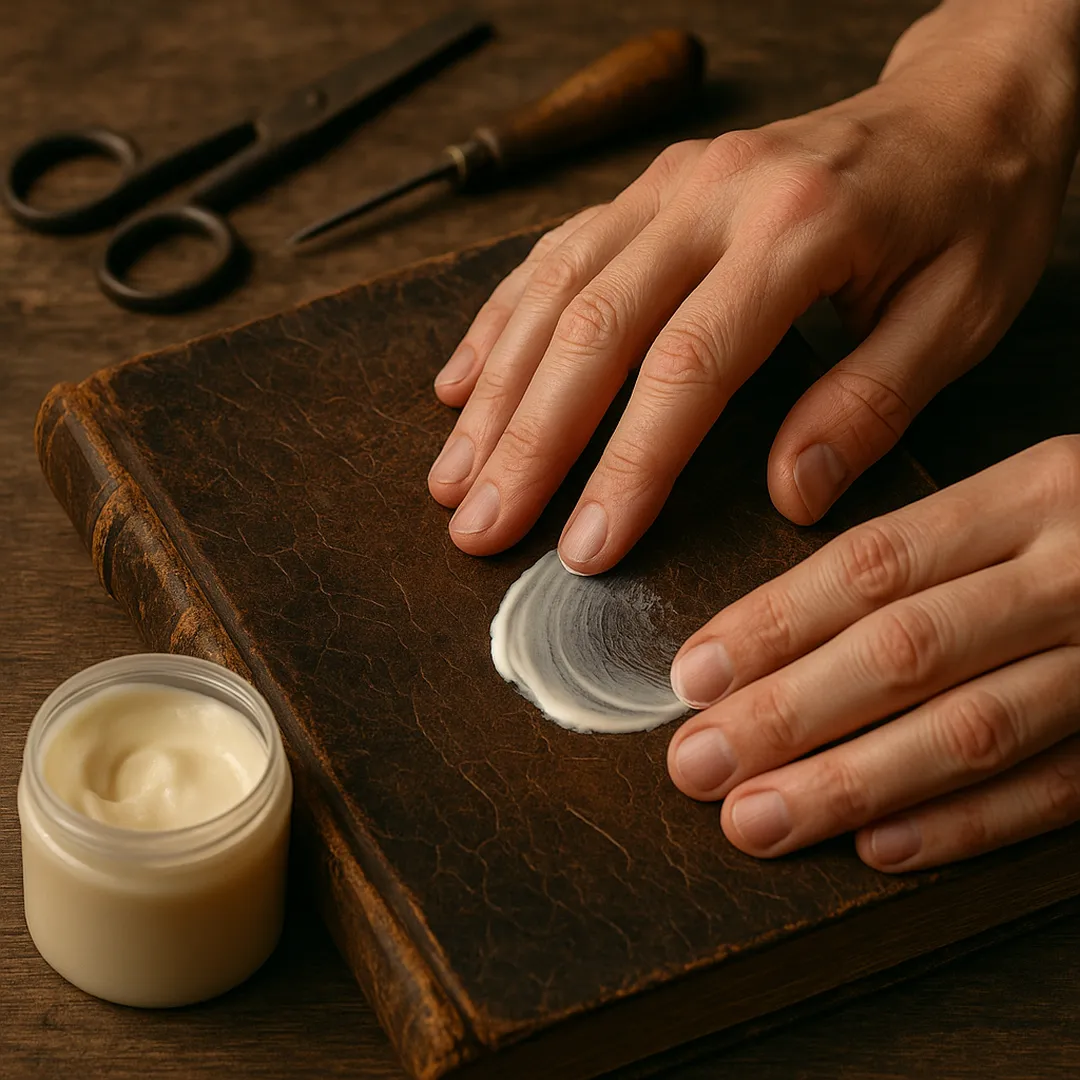
To polish a leather book cover, wax is normally used as a paste or a cream polish. A little of the paste is applied evenly to the leather with a soft cloth in a circular motion. After a few minutes to let it work in, the surface is buffed with a clean dry cloth or a horsehair brush to lift the excess wax and bring up a brilliant shine and a protective layer.
References
- Britannica. (n.d.). Wax.
- TALAS. (n.d.). Renaissance Wax. (the original link is dead; the reference is kept without it)
- Chain Bridge Honey Farm. (n.d.). Beeswax & Carnauba Neutral Leather Polish 75g. (the original link is dead; the reference is kept without it)
- Agrocera. (n.d.). Carnauba Wax for Leather Conditioning and Care: Premium Solutions. (the original link is dead; the reference is kept without it)
- iBookBinding. (2020). Do you REALLY need to wax bookbinding thread? (the original link is dead; the reference is kept without it)
- Conservation Wiki. (2021). Varnishes and Surface Coatings: Wax as a Surface Coating.
- Museum of Fine Arts, Boston (CAMEO). (2024). Wax. (the original link is dead; the reference is kept without it)
- Conservation Resources. (n.d.). Renaissance Wax. (the original link is dead; the reference is kept without it)
- PetroNaft. (2023). Wax for Art Conservation: Preserving Art's Legacy. (the original link is dead; the reference is kept without it)
- Chic Sparrow. (2019). How To Use Shoe Polish to Restore Your Leather Travelers Notebook.
- Peachey Conservation. (2014). An Ugly Hunk. (the original link is dead; the reference is kept without it)
- Tutorwood's Blog. (2021). Waxing Paper.
- Reddit – r/Leathercraft. (2023). What is beeswax used for in leathercraft?
- iForgeIron (Bookbinding Forum). (2019). Archival thread, cloth, for book repair. (the original link is dead; the reference is kept without it)

Custom Notebook
Seal your story with a touch of timeless protection. Our custom leather notebooks are finished with premium waxes, ensuring a smooth, durable, and elegant feel that lasts, just like a perfectly preserved antique.
Business & Whitelabel
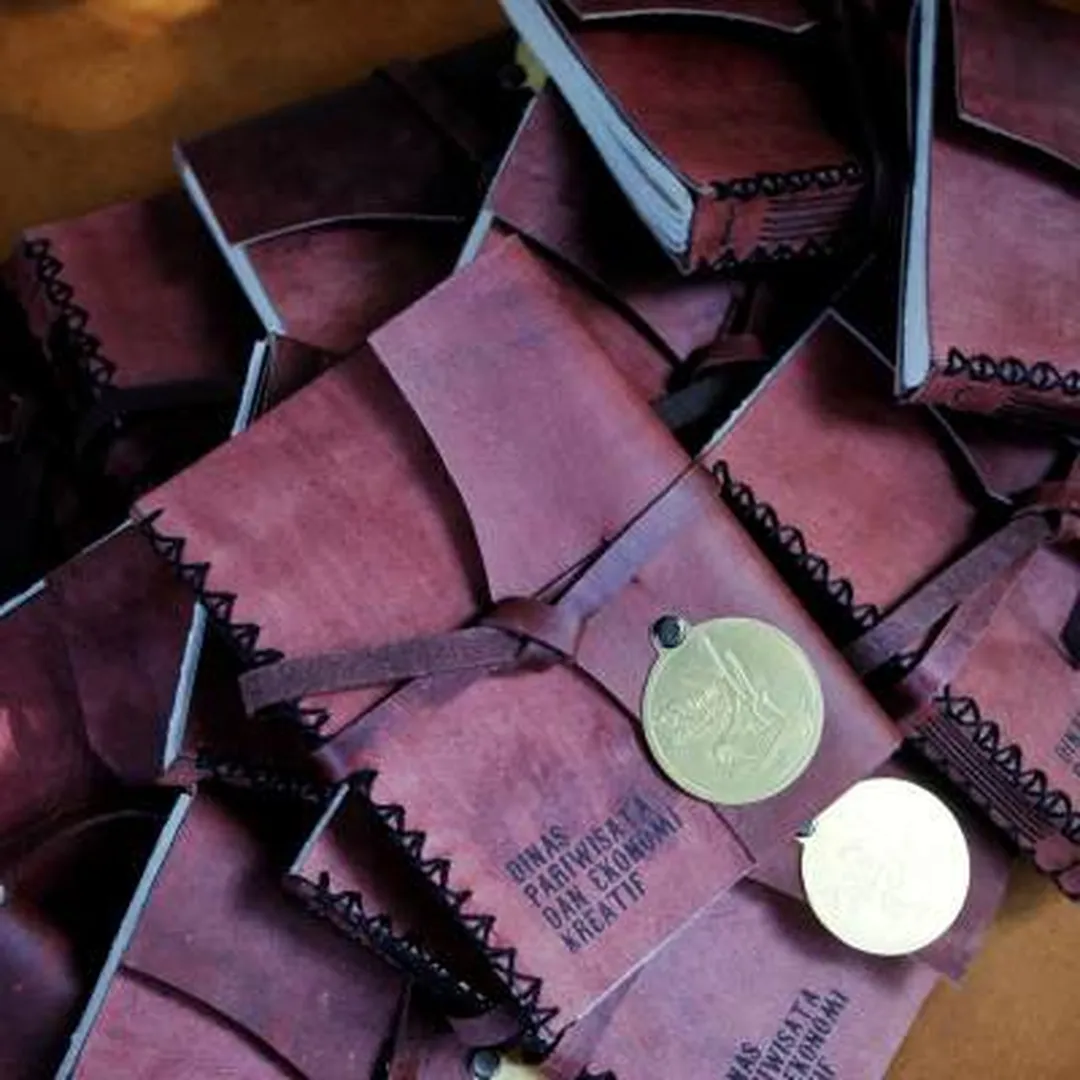
Elevate your brand's presence with custom corporate journals. Finished with protective waxes, our business solutions offer a sophisticated, enduring quality that reflects the premium nature of your brand.
Book Repair & Conservation
Preserve history with protective wax. Our expert book repair and conservation services utilize traditional waxing techniques to safeguard leather bindings, ensuring their integrity and beauty for generations.