Long Stitch Binding
by Ibrahim Anwar · July 30, 2025
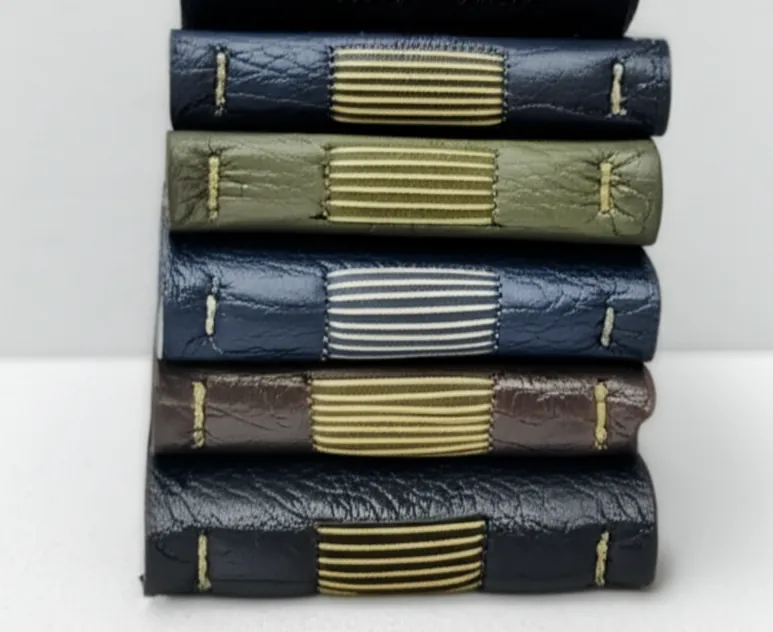
In a world of bookbinding rich in history and in technique, a few methods stand out for their honesty and their unassuming beauty. Long Stitch is one of them. It is a celebration of the process itself, in which the structure is not hidden behind layers of glue and board but displayed proudly on the spine. This is a technique that speaks of a direct connection — between the page and its cover, between the book and the person using it. Holding a Long Stitch book feels different. There is a warmth and an inviting flexibility, a promise that the pages inside will open easily, ready to take in every thought and sketch without resistance. At Hibrkraft we see this technique not only as a method of binding but as a philosophy, a way to create a journal that is not only useful but also has a soul and a character that time does not wear away.
A Trace of History in Every Stitch: The Origins and Advantages of Long Stitch
Long Stitch is not a new invention. It is an inheritance from the bookbinders of the Middle Ages, a technique tested by time and proven reliable over centuries. To understand it is to travel back to an age when every book was a precious handmade work of art.
Roots in the Middle Ages
The trace of Long Stitch can be followed back to Europe, and to the German lands in particular, around the 14th and 15th centuries. For that reason it is also often called “Germanic binding” or “Einband mit langen Stichen”. At that time, before the invention of the printing press made books more common, books such as accounting ledgers, daybooks and scholarly manuscripts had to be made in a way that was strong and yet still practical. Bookbinders needed a method that let a book lie open flat on the table for ease of writing, something hard to achieve with the rigid bindings of the day. Long Stitch was a brilliant solution. By sewing the gathered sheets (called a ‘signature’, or in Indonesia sometimes a ‘kurás’ or ‘kateren’) directly to a flexible leather or vellum cover, they created a book that was very strong and yet not rigid. The cover could be folded, the book was hard-wearing, and most importantly of all it opened perfectly to 180 degrees.
Anatomy and the Mechanics of Strength
The genius of Long Stitch lies in its effective simplicity. There is no glue holding the spine of the book to its cover. The relationship is purely mechanical, created out of thread and tension. Here is how it works, in essence:
- Preparation: The book block consists of several ‘signatures’ stacked together. Each signature is pierced at several points along its fold. The cover, usually a single piece of leather, is pierced along its spine as well. These holes in the cover are called sewing ‘stations’.
- The Sewing: Using a needle and a strong thread (traditionally linen thread coated in beeswax), the binder begins to sew. The thread enters through the first hole in the cover, passes into the centre of the first signature, runs along the inside of the signature, then comes out again through the next hole and back out through the cover.
- The “Long” Stitch: It is called “Long Stitch”, or “Jahitan Panjang”, because the thread creates a long external stitch along the spine of the book, running from one station to the next as it holds the signature in place.
- An Integrated Structure: The process is repeated for every signature, stacking them one by one and sewing each securely to the cover. The result is a structure in which the pages are integrated directly with the cover, creating a single whole that is sturdy and flexible at once.
Because no layer of glue or rigid board stands in the way, the spine is free to curve, allowing the book to open very flat indeed.
The visible stitching is not merely decoration. It is the backbone of the book, an honest statement of how it was made and how it was designed to be used.
Undeniable Advantages
Ancient though it is, Long Stitch remains a popular choice among modern book craftsmen for its various timeless advantages:
- Lay-Flat Opening: This is its chief advantage. For a writer, an artist, or anyone who uses a journal, a book that stays open without having to be held down is a luxury. You can write or draw across the two pages (the gutter) with ease.
- Strength and Durability: Because it does not depend on glue that can dry out, crack or fail over time, this binding lasts very well. The tension of the thread, distributed across the whole spine, creates an extremely strong bond.
- Aesthetic Beauty: The exposed stitching on the spine has a rustic, authentic charm. The stitch pattern itself becomes a principal design element, giving each book a unique character. The choice of colour and thread thickness can change the appearance dramatically, from the minimal to the colourful and expressive.
- Flexibility: Because it usually uses a flexible cover (leather, for instance), the book feels comfortable in the hand and is easy to carry when travelling. It is not as rigid as a hardcover book.
Creative Expression and Modern Application: The Art of Long Stitch Today
Far from being merely a footnote in history, Long Stitch has undergone a revival in the modern era. Book artists, leather craftsmen and custom journal makers such as Hibrkraft have adopted and adapted the technique, turning it into a canvas for creative expression. The beauty of the technique is that it can be varied without end, producing books as unique as the people who own them.
A Canvas on the Spine: The Range of Long Stitch Variations
The basis of Long Stitch may be simple, but its variations are almost without limit. Bookbinders have developed various patterns to add visual and structural complexity. Some of the popular variations include:
- Simple Long Stitch: The most basic form, with straight parallel stitches along the spine. The look is clean, minimal and classic.
- Packed Long Stitch: In this variation several stitches are taken through the same set of holes, creating a thicker and more “packed” look to the stitching. It gives the spine greater texture and greater visual weight.
- Linked Long Stitch: The stitching of one signature is “linked” or “crossed” with the stitching of the signature beside it. This creates a chain-like or woven pattern on the spine, adding intricate decorative detail.
- Herringbone Stitch: A more advanced variation in which the thread is crossed in a particular way to create an elegant V or herringbone pattern. It is not only beautiful but also adds extra rigidity to the binding.
Besides the stitch pattern, the choice of material also plays a large part. A thick linen thread in a contrasting colour on a dark leather cover will create a dramatic, rustic look. A thin thread in a matching colour, by contrast, produces a subtler and more elegant effect. At Hibrkraft we often discuss with a client the effect they want to achieve, helping them choose the perfect combination of pattern and material.
Compared With Another Popular Technique: Long Stitch vs. Coptic Stitch
For anyone drawn to bindings with exposed stitching, a question often comes up: what is the difference between Long Stitch and Coptic Stitch? Both are non-adhesive techniques that let a book open flat, but they differ fundamentally in construction and in aesthetics.
- The Anchor Point: In Long Stitch the thread is sewn through the cover, making the cover an integral part of the holding structure. In Coptic stitch the signatures are sewn to one another in a chain pattern which is then attached to the cover at the very top and the very bottom. The spine essentially “floats” between the two covers.
- The Look of the Spine: Long Stitch produces long parallel (or patterned) stitches along the spine. Coptic Stitch produces a series of “braids” or “chains” running at right angles across the spine.
- Cover Flexibility: Because Coptic stitching attaches only at the edge, the covers can open a full 360 degrees, folding all the way back. Long Stitch, flexible though it is, has a slight limit, because the stitching holds the whole spine of the cover.
The choice between the two often comes down to aesthetic preference. Long Stitch tends towards a more “ancient”, integrated and terrestrial feel, while Coptic has a more geometric and modern look.
To choose Long Stitch is to choose a book that breathes. It opens easily, ready to receive every idea without resistance, making the process of writing or drawing an experience that flows.
When Should You Choose a Journal With Long Stitch Binding?
With so many bindings to choose from, when is Long Stitch the right choice for you? Consider a journal or notebook bound with Long Stitch if:
- You Put Writing and Drawing First: If you are a writer, a journalist or a sketch artist, a book that opens flat is a gift. No more distracting “ridge” down the middle, no more pages forever trying to close themselves.
- You Like a Handmade Aesthetic: You appreciate the beauty in imperfection and the charm of something plainly made by human hands. The visible stitching is a constant reminder of the craftsmanship behind the making of that book.
- You Want Something Durable and Full of Character: You are looking for a journal that will not only last a long time but will also grow more beautiful as the years pass. Paired with a quality leather cover, a Long Stitch book will develop a lovely patina, making it a companion for life.
- You Want Something Unique: With the various possible variations of pattern and thread, you can have a book that is genuinely one of a kind. At Hibrkraft this is one of our favourite techniques for custom journal orders, because it allows a high degree of personalisation.
In the end, choosing Long Stitch is about choosing an object perfectly balanced between form and function, where beauty is not sacrificed to usefulness, and usefulness is heightened by its beauty.
FAQ
What is the main difference between Long Stitch and ordinary bookbinding (with glue)?
The main difference is that Long Stitch uses no glue on the spine. The gathered sheets (the signature) are sewn directly to the cover, which leaves the stitching visible on the outside. The result is a book that is very flexible and opens to 180 degrees (lay-flat). Ordinary binding, by contrast (perfect binding or case binding, for example), often uses glue to attach the book block to a rigid cover spine, which often does not let the book open completely flat.
Is a book with Long Stitch Binding strong and durable?
Very strong. Decorative though it looks, this stitching is the principal structural element. Because the pages are sewn directly to a strong leather cover without depending on glue that can fail, the binding is extremely durable. It is a method tested over hundreds of years on books in frequent use.
Why can a book with Long Stitch Binding open flat (lay-flat)?
The lay-flat ability comes from its flexible, glueless construction. Because there is no rigid spine board, and because each signature is sewn individually to a supple cover, the spine is free to curve as the book is opened. This removes the ‘tension’ that usually makes a book want to close again, so the pages can lie flat with ease.
Can Long Stitch Binding be used on a hard cover (hardcover)?
Traditionally, Long Stitch was designed for a flexible or ‘limp’ cover (leather, vellum or heavy paper). Its beauty and its lay-flat function work best with a cover that can bend. There are technically ways to adapt it to a hard cover, but doing so removes most of the advantage of its flexibility and is not the classic application of the technique.
References
- Bookbinding.com – Long Stitch Binding (the original link is dead; the reference is kept without a link)
- Design*Sponge – Bookbinding 101: Long Stitch Journals (the original link is dead; the reference is kept without a link)
- Booklyn – Book Arts Wiki: Long Stitch Binding (the original link is dead; the reference is kept without a link)
- Age of Reason – Limp Vellum & Long Stitch Binding (the original link is dead; the reference is kept without a link)
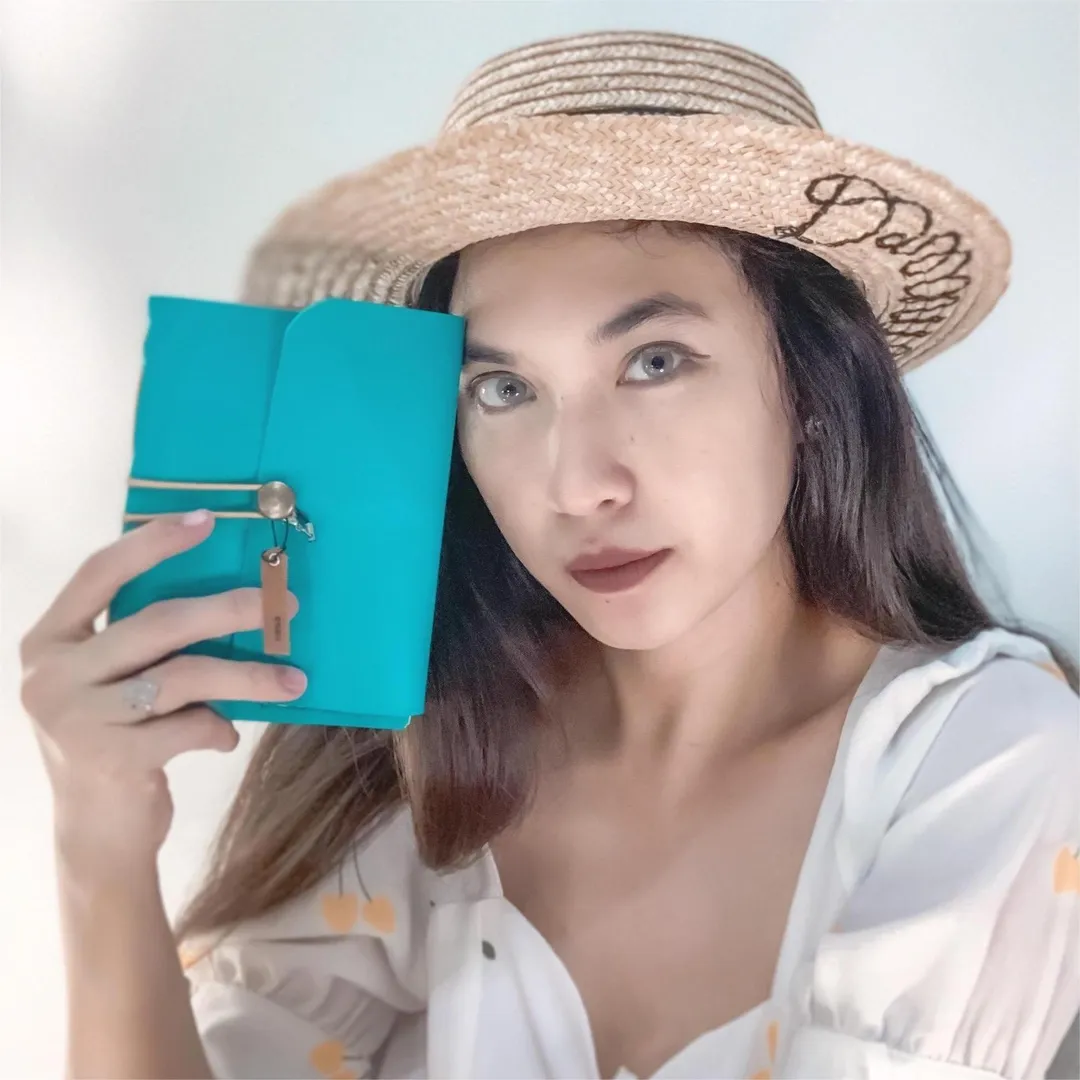
A Journal With a Soul
Order your custom Long Stitch journal. A blend of historic design and modern personalisation, made especially for you.
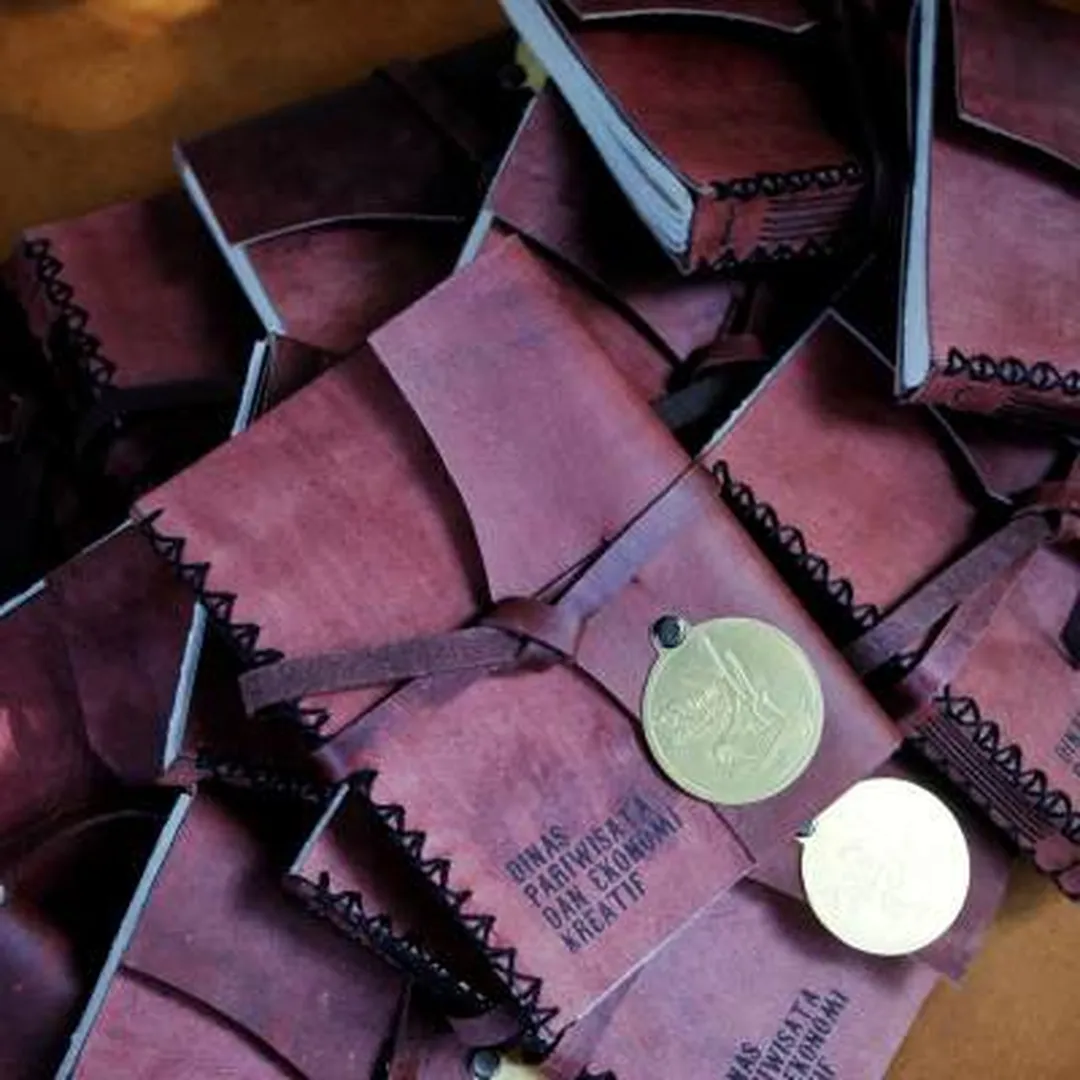
An Authentic Touch for Your Brand
Bring an authentic touch to your brand. Handmade Long Stitch notebooks as a unique and memorable corporate gift.
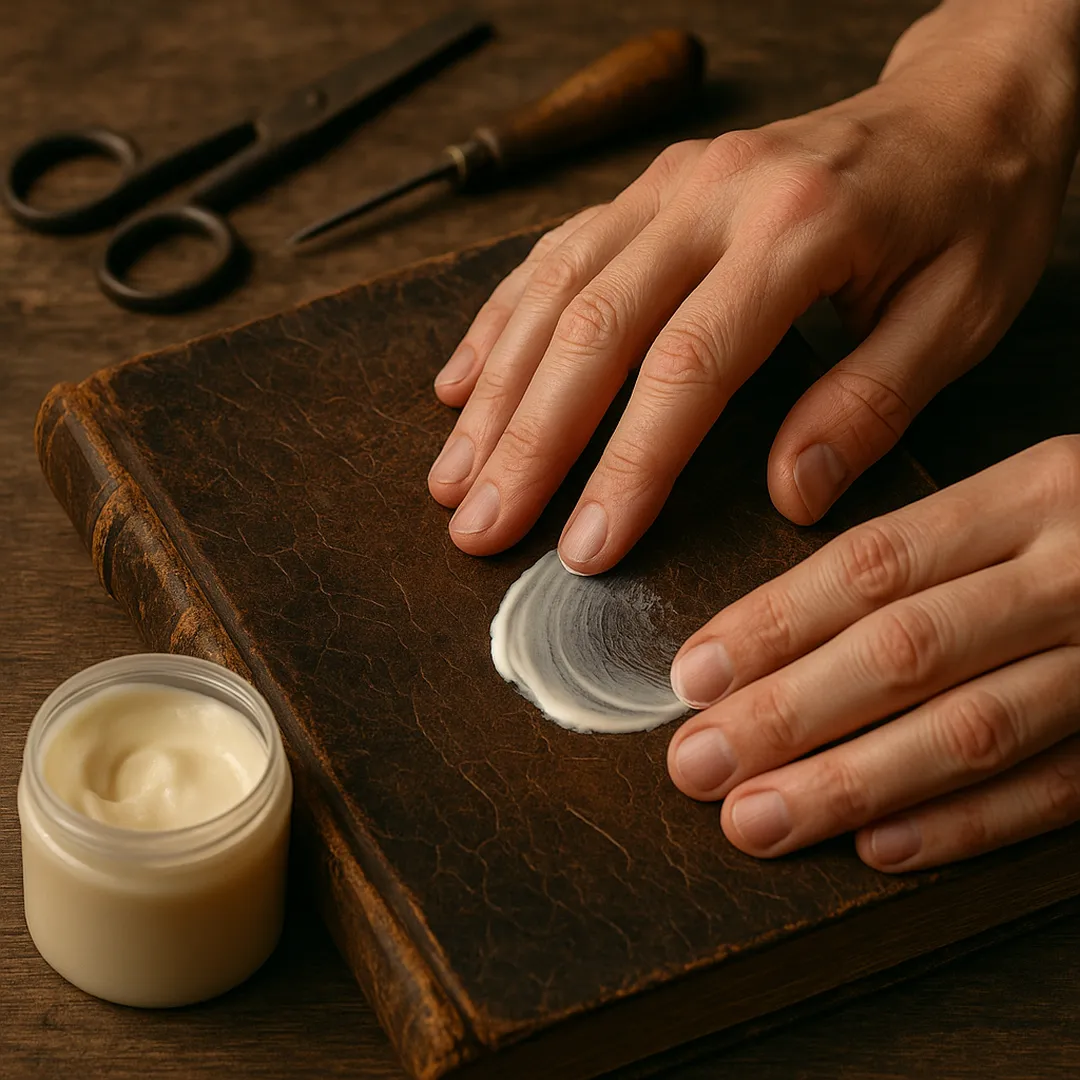
Book Stitching Repair
Repairing a book with broken stitching? We are experts in traditional sewing techniques, including Long Stitch, to restore the book you love.