
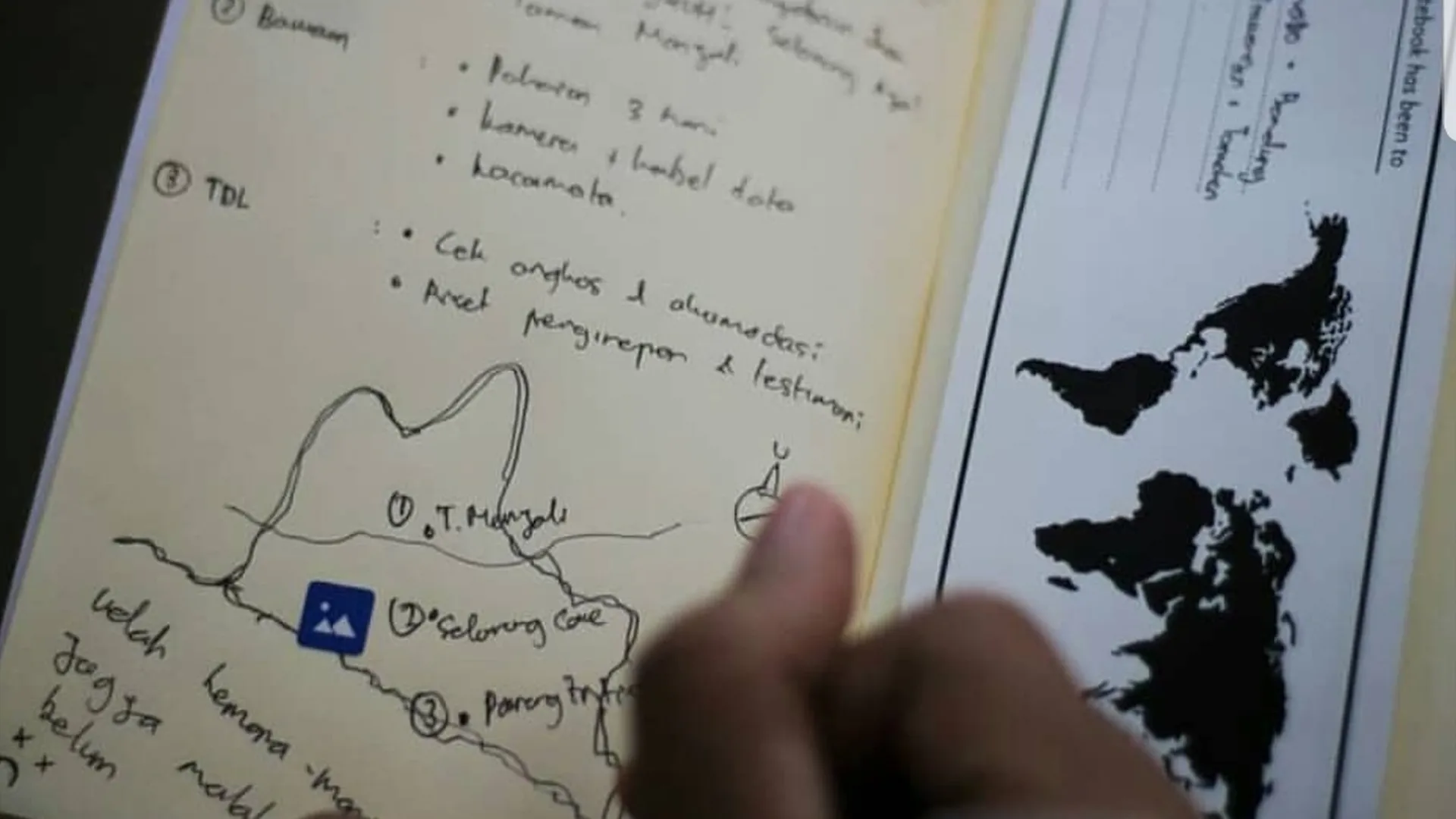
Travel Journal
by Ibrahim Anwar · August 2, 2025
In a digital age where every moment of a journey is uploaded to social media without effort, the idea of sitting down and writing in a physical book may seem old-fashioned. And yet that is exactly where its strength lies. Unlike an Instagram post curated for an audience, a travel journal is for you alone. It is an honest, unfiltered space in which to catch every shade of an adventure: the delight of a new view, the frustration of a missed train, the warmth of a conversation with a stranger, and the quiet reflection of watching the sun go down somewhere far from home. It invites us to slow down, to look more closely, and to feel more deeply.
A good travel journal, and especially one made of leather, becomes an artefact of the adventure itself. It is not merely a container for the story; it becomes part of the story. Every scratch on its cover, every coffee stain on its pages, every ticket tucked between its leaves stands as a silent witness to the kilometres covered and the memories made. It is a travelling companion that not only holds memories but ages alongside you, developing a unique character and patina over time, until it becomes a personal heirloom beyond price.
In the Wake of the Explorers: The Everlasting Tradition of Recording a Journey
From the Captain’s Log to the Naturalist’s Sketchbook
The tradition of writing travel notes is as old as travel itself. Long before it was a hobby or a mindfulness practice, the travel journal was an essential instrument of exploration, of science and of trade. Legendary explorers such as Marco Polo, Ibn Battuta and Captain James Cook all kept detailed records of their voyages. These journals, better known as “logs,” served as crucial documents that mapped new territory, recorded foreign cultures and described flora and fauna nobody had seen before. Without their meticulous notes, our understanding of the world today would not be as complete as it is.
In the eighteenth century, Charles Darwin took the tradition a step further on his voyage aboard HMS Beagle. His journal was not only a geographical record but a body of deep scientific observation that in the end gave rise to “On the Origin of Species”. His travel journal is filled with writing, with detailed sketches of animals and geological formations, and with the personal reflections that became the foundation of the theory of evolution. It shows how a travel journal can be a powerful instrument for thinking, for analysing and for bringing large ideas into the world.
The tradition carried on among artists and writers. Writers such as Ernest Hemingway and John Steinbeck were known for taking a notebook wherever they went, using it to catch dialogue, descriptions of landscape and the story ideas that surfaced while they were travelling. For them the travel journal was a creative laboratory, the place where the seeds of great literary work were planted.
Why Is a Physical Travel Journal Still Relevant?
Amid the barrage of travel apps and travel blogs, why should we go back to pen and paper? The answer lies in the experience itself.
- Greater Awareness and Presence (Mindfulness): The physical act of writing forces us to pause for a moment in the bustle of travelling. We no longer simply ‘shoot and move on’. We sit, we observe, and we choose the words to describe what we see, hear and feel. The process raises our awareness of our surroundings significantly and makes the experience of travelling richer.
- Stronger, More Authentic Memory: Studies show that writing by hand helps the brain process and store information better than typing does. When you write an experience down you live it again in your mind, strengthening the neural pathways tied to that memory. Years later, reading your own handwriting again will call up a memory far more vivid and far more emotional than merely looking at a photograph.
- A Private Space for Honest Reflection: Social media pushes us to show the best version of our travels. The travel journal is the place for the opposite. Here is where you can write about the loneliness, the confusion, or the ridiculous mistake you made. It is a safe space in which to work through complicated feelings, to celebrate small victories, and to find what there is to learn in the difficulties you meet.
- A Physical Heirloom: A digital post can be lost in an ocean of data. A leather journal is a physical thing. You can hold it, feel its weight, smell the leather and turn its pages. One day this journal could become a precious inheritance for your children and grandchildren, an authentic window into your world and your mind at one point in your life.
A travel journal is not merely a record of where you went. It maps the journey of your soul while you are on unfamiliar roads.
Why Choose a Leather Journal for an Adventure?
Choosing the right journal is an important first step, and a leather journal puts itself forward as the ideal candidate for an adventurer.
- Durability: Travel can be rough. Your journal will go in and out of a bag, meet changeable weather, and probably be dropped once or twice. A sturdy leather cover is built to withstand all of it. It protects the precious pages inside and keeps your notes safe.
- Ageing Gracefully: This is the magic of leather. The scratches, the creases and the changes in colour picked up along the way are not flaws but badges of honour. Your journal will develop a unique patina, a visual map of its own adventures. The cover will tell its own story, completing the one written inside.
- An Inspiring Experience: The ritual of opening a leather journal, feeling its texture and breathing in its scent can become a calming, inspiring part of your travelling routine. The quality of the material makes the act of writing feel more special and more important.
At Hibrkraft we understand that a travel journal is a companion for life. That is why we make ours from high-quality genuine leather with a strong binding, built to go with you to the ends of the earth and back, keeping every one of your memories intact.
Building Your Own Chronicle: What and How?
The blank page of a new journal can feel intimidating. What should you write? How do you begin? The key is to let go of the pressure to be a great “writer” and simply to be an honest “observer”. Your journal is your creative playground; there are no fixed rules.
Filling the Blank Page: Ideas and Inspiration
Your travel journal can be more than writing. Make it a multi-sensory scrapbook of your adventure. Here are a few ideas for what you might put in it:
- Before the Journey:
- Planning: Paste in a map, write a rough itinerary, note down confirmation numbers and important addresses.
- Anticipation: Write about your hopes and even your worries about the trip. What do you most want to see? What makes you nervous?
- Research: Note down a few key phrases in the local language, interesting facts about the history of the place you are going to, or restaurant recommendations from a friend.
- During the Journey:
- Daily Notes: Write a summary of what you did each day. But do not stop there.
- Sensory Detail: Describe more than what you saw. How did the morning coffee in that local café taste? What did the crowded market sound like? What did the air smell like after rain in an unfamiliar city?
- Deeper Reflection: How did you feel today? What made you laugh? What challenged you? Was there something you learned about the local culture, or about yourself?
- Collecting Ephemera: This is the enjoyable part! Paste in museum tickets, the receipt from the best food you tasted, the label off a local beer bottle, business cards, stickers, stamps, or even a napkin with an interesting logo. These things are powerful memory triggers.
- Creative Elements: You do not have to be an artist. Make a rough sketch of a building, draw a simple map of your walking route, write a poem, or collect a dried leaf or flower (make sure that is permitted).
- After the Journey:
- A Summary: Write a few pages on your overall impressions. What was your favourite moment? What will you remember forever?
- Lessons Learned: What did this journey teach you? How have you changed, even if only a little?
- Future Plans: Where will the next adventure take you?
Practical Tips for Starting and Keeping It Up
Starting is the hardest part. Here are some ways to make it easier:
- Choose the Right Companion: Pick a journal you like. If you enjoy looking at it and holding it, you will be far more motivated to use it. Consider the size (is it portable enough?) and the kind of paper (is it thick enough for your favourite pen?).
- Make a Ritual of It: Set aside 15-20 minutes each day given over to writing. Perhaps while you enjoy your morning coffee, or before bed to sum up the day. Consistency is the key.
- Always Carry It With You: You never know when inspiration or an interesting moment will arrive. Keep the journal and a pen in your bag so you can note a passing thought or a small detail there and then.
- Let Go of Perfectionism: This is the most important piece of advice. Your journal does not need to be perfect. Messy handwriting, unfinished sentences, crossings-out and stains are part of its charm. They are the proof that this journal is alive and in use. Do not let the fear of making a mistake stop you from starting.
- Use Writing Prompts: If you are staring at a blank page and do not know what to write, use a prompt. Begin a sentence with: “The most unexpected thing that happened today was…”, “The best conversation I had today was with…”, or “Today I am grateful for…”.
In the end, a travel journal is a reflection of you. There is no right or wrong way to do it. What matters is the process—the process of making time for yourself, for your memories, and for the story only you can write.
FAQ
What is the difference between a travel journal and an ordinary diary?
Both are personal, but their focus differs. A diary usually records everyday life in general. A travel journal is centred specifically on one adventure or journey. Its contents are often more varied, taking in the planning (an itinerary, a packing list), the scrapbooking (pasting in tickets and maps), and reflection tied directly to the experience of being somewhere new and out of your routine.
I am not good at writing or drawing. Can I still make a travel journal?
Of course! A travel journal is for you, not for an art exhibition or a writing competition. Its main purpose is to record memories. You can use bullet points, paste in photographs and postcards, use stickers, or even write a single word that stands for how you felt that day. There are no rules. The beauty of a journal lies precisely in its personal, imperfect uniqueness.
Is it not more practical just to rely on photos and social media?
More practical, perhaps. But not the same. A photograph catches a visual moment; it does not catch the sound, the scent, the taste or the conversation behind that moment. Social media is a shop window for other people. A travel journal is a space for a conversation with yourself. It lets you record your most honest thoughts and feelings without the pressure to appear perfect, creating an archive of memory far richer and far deeper.
What kind of journal is best to take travelling?
Choose a sturdy journal with a cover that can take knocks, such as leather. A5 is a good compromise between enough room to write and portability. Make sure the paper is good quality (at least 100 gsm) and acid-free, so that ink does not bleed through and your notes last for years. A strong binding such as Smyth Sewn also matters, so that the journal opens flat and is easy to write in and to paste memorabilia into.
References
- National Geographic. “How to keep a travel journal that you’ll actually use.” (the original link is dead; the reference is kept without a link)
- Smithsonian Magazine. “The Art of Keeping a Notebook.”
- Audubon. “How to Keep a Nature Journal.” (the original link is dead; the reference is kept without a link)
- The Marginalian. “The Art of the Notebook: Famous Artists’ and Writers’ Journals.” (the original link is dead; the reference is kept without a link)

Your Custom Travel Journal
Design a durable leather journal that’s ready for any adventure. Engrave a map, a quote, or your name to start the story.
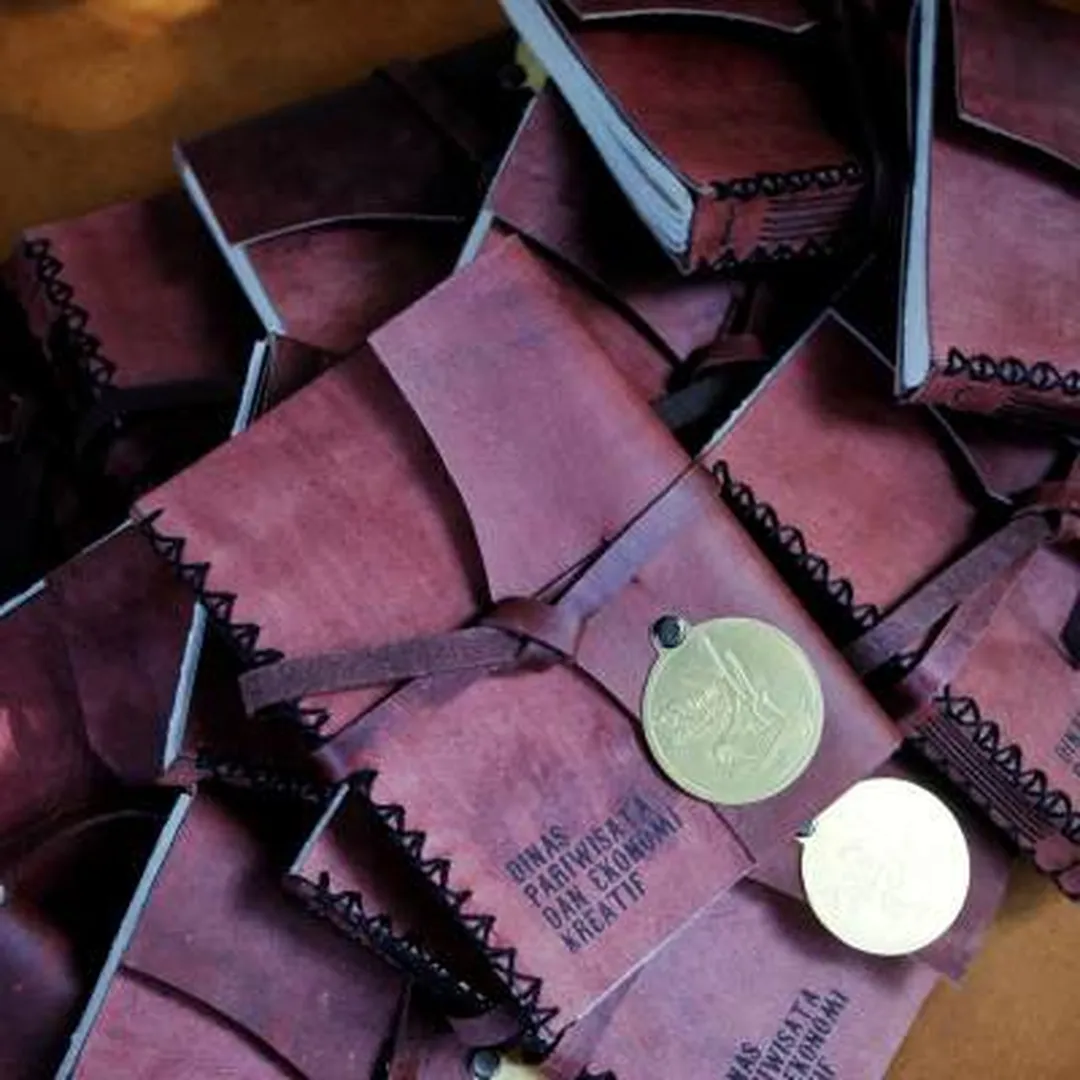
Corporate & Team Gifts
Inspire your team’s next journey or commemorate a company retreat with custom-branded travel journals.
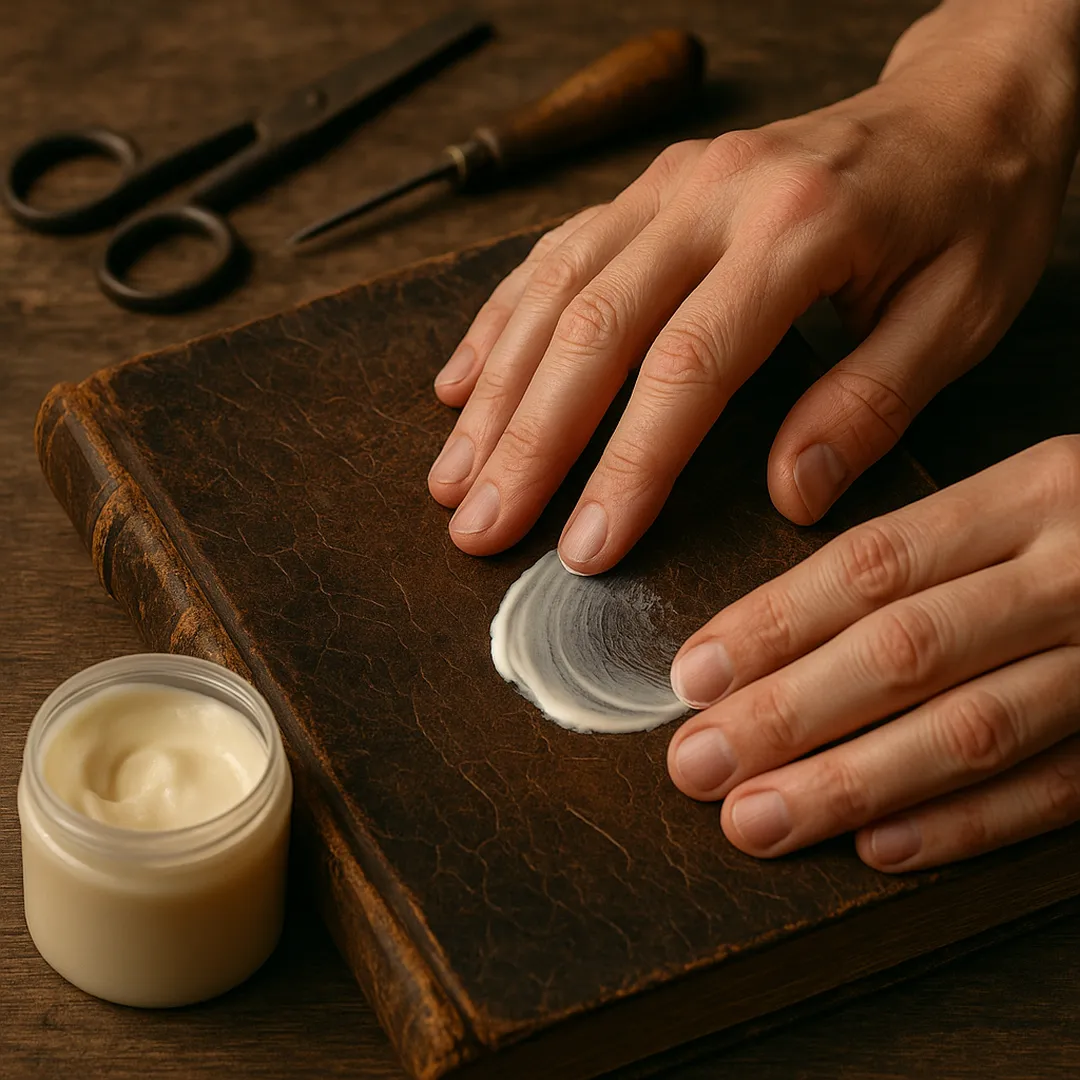
Journal Refills & Repair
Has your travel journal run out of pages? We provide refill services or can repair your well-loved travel companion.