
Sewing Silk
by Ibrahim Anwar · July 26, 2025
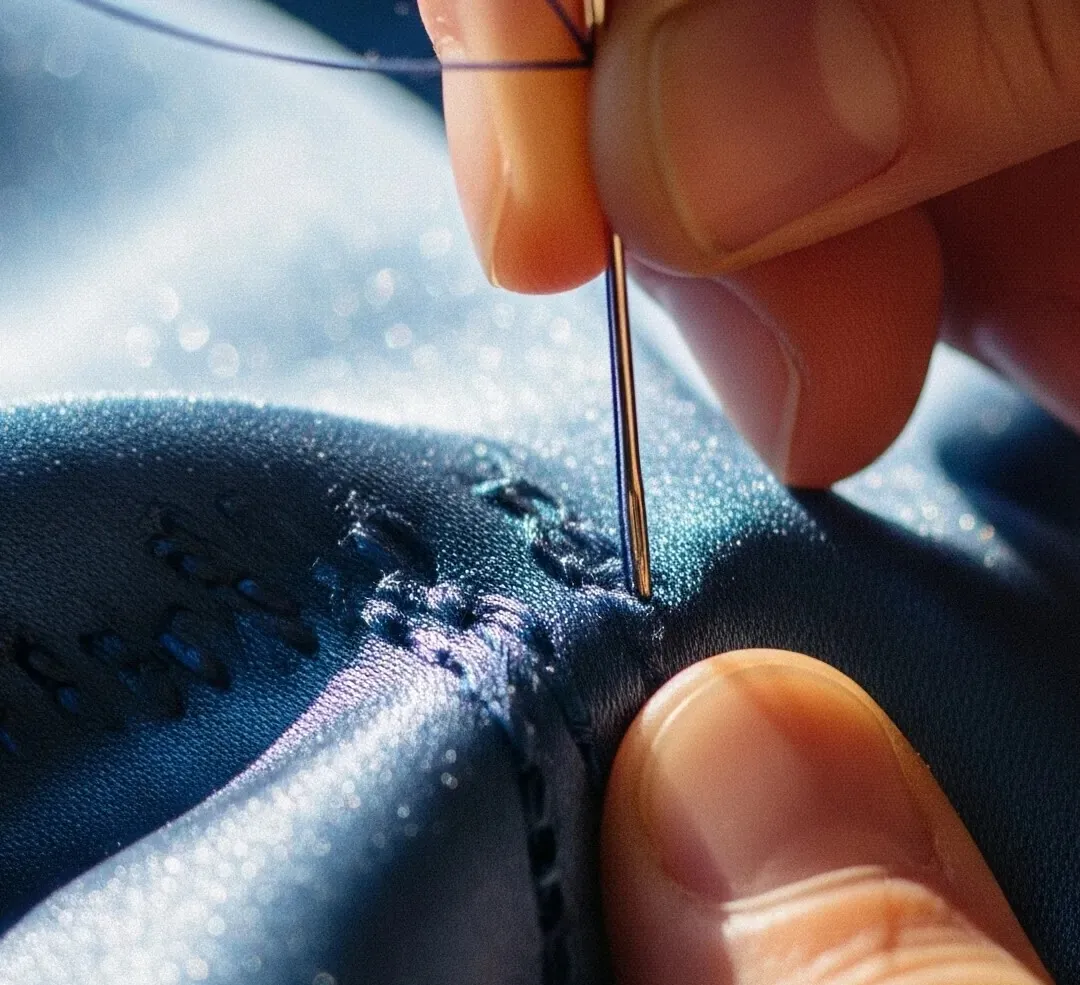
Sewing silk for bookbinding, or more precisely the silk thread used in the process of binding a book, refers to the various kinds of fine, strong silk thread made specifically for the many sewing structures of bookbinding. This thread is essential to binding the sections of a book together solidly, contributing to the structural strength and to the overall aesthetics of the book. The choice of silk thread is often governed by the specific needs of the project: the degree of strength wanted, the visual appeal, and the longevity of the binding. Different weights, colours and degrees of lustre are used depending on the application, from sewing the gatherings of an early printed book to intricate decorative stitching and contemporary binding methods such as Japanese stitching.
Bookbinding Silk Thread: Fineness, Strength and Everlasting Elegance
In the world of bookbinding, rich in tradition and craftsmanship, the choice of material is the key to creating work that is not only beautiful to look at but also durable and useful. Among the various threads in use, silk thread holds a special place for its unique combination of extraordinary strength, striking fineness and an elegant natural lustre. The term “bookbinding silk thread” covers the range of silk threads used specifically in the art of joining sheets of paper into a book. Silk has been prized as a luxury fibre since ancient times, and its use in bookbinding confirms its standing as the material of choice for craftspeople who insist on the highest quality.
The Origins of Silk: A Luxury Fibre from the East
The story of silk begins in ancient China, some 5,000 years ago, when Empress Leizu discovered by accident that the cocoon of the silkworm could be spun into a fine, strong thread. Knowledge of silk production was kept secret by China for centuries, making it an immensely valuable commodity on the Silk Road that linked East and West. Silk’s tensile strength, higher than that of steel at the same weight, together with its fineness and its ability to take dye well, made it much sought after for luxury textiles, royal dress and works of art.
Over time the practice of silk-making spread to other countries, including India, Korea and Japan, and eventually across the world. In the context of bookbinding, the introduction of silk as a sewing thread most likely developed alongside the development of binding techniques in various cultures. In East Asia, particularly in China and Japan, silk has long been a principal material in many traditional binding methods, such as adhesive-free binding with side-stab sewing, where the beauty and the strength of silk thread both matter. In the West, although linen was often the first choice for its availability and its cost, silk was sometimes used for books of great value, or as a decorative element in a binding.
The Unique Characteristics of Silk Thread for Bookbinding
What makes silk thread so special for the task of binding a book? The answer lies in its remarkable physical properties:
- High Tensile Strength: Silk filament is the strongest natural fibre known, offering an excellent strength-to-weight ratio. This means silk thread can take the tension needed to hold many pages together without breaking easily, giving the book a lasting structural integrity.
- Fineness and Smoothness: Silk’s very smooth surface, thanks to its neatly ordered molecular structure, lets the thread glide easily through paper. This reduces friction, minimises the risk of tearing delicate paper and ensures a neat, clean stitch. That fineness also makes the sewing itself easier, especially through the small holes made by the binder.
- Durability and Resistance to Ageing: Compared with cotton, silk resists degradation over time. Silk fibre, which is a protein, tends to be more chemically stable and more resistant to moisture and to mould than the cellulose in cotton or linen, although proper care still matters.
- A Striking Natural Lustre: Silk has a distinctive natural lustre that gives the sewing of a book an elegant, luxurious look. That lustre varies with the type of silk and the way the thread is processed, but in general it adds a visual dimension that enriches the appearance of the book.
- Flexibility and Elasticity: Silk has good elasticity, allowing it to stretch a little and return to its original shape. This property helps absorb shock and pressure, which can improve the durability of the book overall, especially as it is opened and closed.
Types of Silk Thread in Bookbinding
Not all silk thread is created equal, and in bookbinding various types of silk are used for different purposes:
- Mulberry Silk (Bombyx mori): This is the most common and the highest-quality type of silk. The silkworm eats only mulberry leaves, producing the finest, whitest and strongest thread. Mulberry silk thread is often the first choice for fine sewing and for luxury books.
- Tussah Silk: Produced by wild silkworms that eat a range of leaves other than mulberry, tussah silk tends to be coarser and stronger, and to carry a darker colour (often a yellowish brown) because the sericin has not been fully removed. It is often used for sewing that needs extra strength, or to give a more rustic look.
- Single-Filament Silk: Silk thread generally consists of several filaments twisted together. A single-filament silk would be a very thin, fine thread, suited to very delicate detail.
- Waxed Silk: As with waxed linen or cotton thread, silk thread is sometimes coated with beeswax or a synthetic wax. The wax helps the thread glide more easily through the paper, prevents tangling, and gives it some resistance to moisture.
“Silk’s high tensile strength, its fineness and its natural lustre make it the material of choice for craftspeople who insist on the highest quality in the art of joining sheets of paper into a book.”
Choosing the right silk thread depends on several factors: the thickness of the gathering, the type of paper, the sewing technique to be used, and the final aesthetic wanted. For a book with thin gatherings and fine paper, a finer silk thread may suit better. For a thick book, or one that will be used often, a stronger and perhaps slightly thicker silk thread will give better durability.

Binding Techniques and the Vital Role of Silk Thread
Bookbinding silk thread is not merely a thread; it is an integral component contributing to the strength, the durability and the beauty of the book. Its use varies a great deal with the binding tradition, the historical period and the function of the book itself.
A Comparison: Silk, Linen and Cotton
The advantages of silk thread become clearer when it is compared with the more common bookbinding thread materials:
- Cotton Thread: Generally the most affordable and the easiest to obtain. Cotton thread is strong enough for many standard applications, but it tends to be less durable than silk or linen, breaks more easily, and can deteriorate faster over time under moisture and friction. It suits books that will not be opened often, or used in demanding conditions.
- Linen Thread: For centuries linen thread has been the backbone of European bookbinding. Linen is very strong, durable, and has a good “give” (stretching a little when damp, shrinking as it dries) which helps keep the sewing tight. Linen thread comes in a range of thicknesses and is often waxed to run more smoothly. Strong as it is, its texture can be a little coarser than silk, and its natural lustre is not as dramatic as silk’s.
- Silk Thread: Offers the best of both worlds: a strength close to linen (and sometimes greater, diameter for diameter), with a fineness and a lustre well beyond either. Silk is inherently more resistant to abrasion and wear, which makes it the superior choice for books that will be used often or kept in archival conditions. That advantage, however, usually comes at a higher price.
Specific Applications of Silk Thread in Binding Techniques
A range of binding techniques benefits greatly from the use of silk thread:
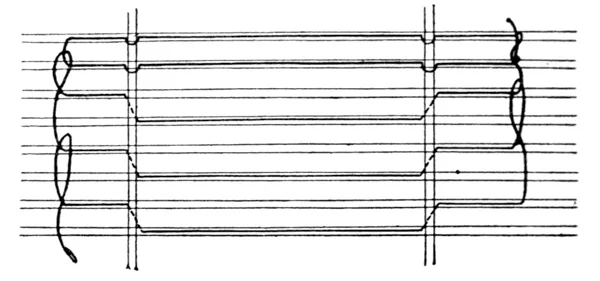
- Coptic Binding: This ancient Egyptian binding technique shows a chain of stitching plainly along the spine. Silk thread, coloured thread in particular, can turn the spine into an attractive decorative element, while its strength and its fineness keep the book opening flat and lasting well.
- Japanese Binding: In the traditional Japanese side-stab method, strong and sometimes brightly coloured silk thread is used to make beautiful, intricate stitch patterns along the side of the book. The strength of silk matters for holding the sheets of paper tightly bound without tearing, while its fineness ensures a neat stitch.
- Binding Bibles and Books of High Value: Throughout history silk has been used to bind books held in the highest regard, such as Bibles, prayer books and important manuscripts. Silk gives not only strength but also a touch of luxury, and it ensures the long life of the book.
- Paper Binding: In modern bookbinding that uses high-quality paper, silk thread can be an excellent choice for making sure the book has a durability to match the quality of its paper.
- Decorative Stitching: Silk thread is also often used for decorative stitching on the cover or the spine of a book, or as an accent within another technique, making use of its lustre and its rich colour.
Availability and Modern Use
Although the term “bookbinding silk thread” may be named less often in the modern era than “linen thread” or “polyester thread,” high-quality silk thread is still available from bookbinding suppliers around the world. It is often sold under names that point to its use in fine handwork, such as “fine silk thread,” “silk embroidery thread,” or the binding-specific “silk sewing thread” and “silk binding thread.”
Contemporary craftspeople who make custom leather journals, personal planners or artists’ books often choose silk thread to raise the quality and the aesthetics of what they produce. The fineness and the strength of silk suit books meant as a memorable personal gift, or as a tool of self-expression for their owner. Silk thread gives an artisanal touch that sets handmade work apart from mass-produced goods.
“Fine and strong, silk thread makes an excellent choice for making custom leather journals, personal planners or artists’ books, raising both the quality and the aesthetics of the product.”
Maintaining Quality and Caring for Silk Thread
Durable as silk is known to be, proper storage matters. Silk thread should be kept somewhere cool, dry and dark, away from direct sunlight and excess moisture, either of which can cause the fibre to degrade or mould to grow. In use, keeping the right tension while sewing is the key to preventing damage to the thread or the paper. Beeswax can help protect the thread and let it run more smoothly, although a very fine silk may not need it.
The Effect on a Book’s Aesthetics
The choice of silk thread has a significant effect on how a book finally looks. The soft lustre of silk can add a further dimension to visible sewing, creating an attractive contrast with the paper or the cover of the book. Its availability in a range of colours lets the binder match the thread to the overall palette of the book, or use it as a bold contrasting accent. In books where the spine is exposed or the sewing is visible, the beauty of silk thread becomes an important design element.
Modern Trends and Interpretations
In the fast-growing market for handmade books and journals, attention to detail and to the quality of the materials matters more and more. Bookbinding silk thread stands for a level of artisanal craftsmanship sought by buyers who value beauty and durability. A leather journal sewn with silk thread, for instance, is often positioned as a premium product, promising a luxurious writing experience and an object that can be treasured for years.
For anyone who keeps a journal for personal reasons, such as daily journaling, sketching or planning, choosing a book sewn with silk thread can raise both the emotional value and the experience of using it. It is a reminder of quality, of attention to detail, and of the human touch that is so often missing from mass-produced goods.

Custom Notebook
A handmade notebook made to express your story, made with genuine leather and lasting quality.
A handmade leather journal you can design yourself — for a gift, for a memory, or for plans still to come.

Business & Whitelabel
Raise your business with premium custom agendas and notebooks under your own label.
Business and corporate gift solutions in the form of exclusive agendas carrying your company’s logo.
Get in Touch
Book Repair & Conservation
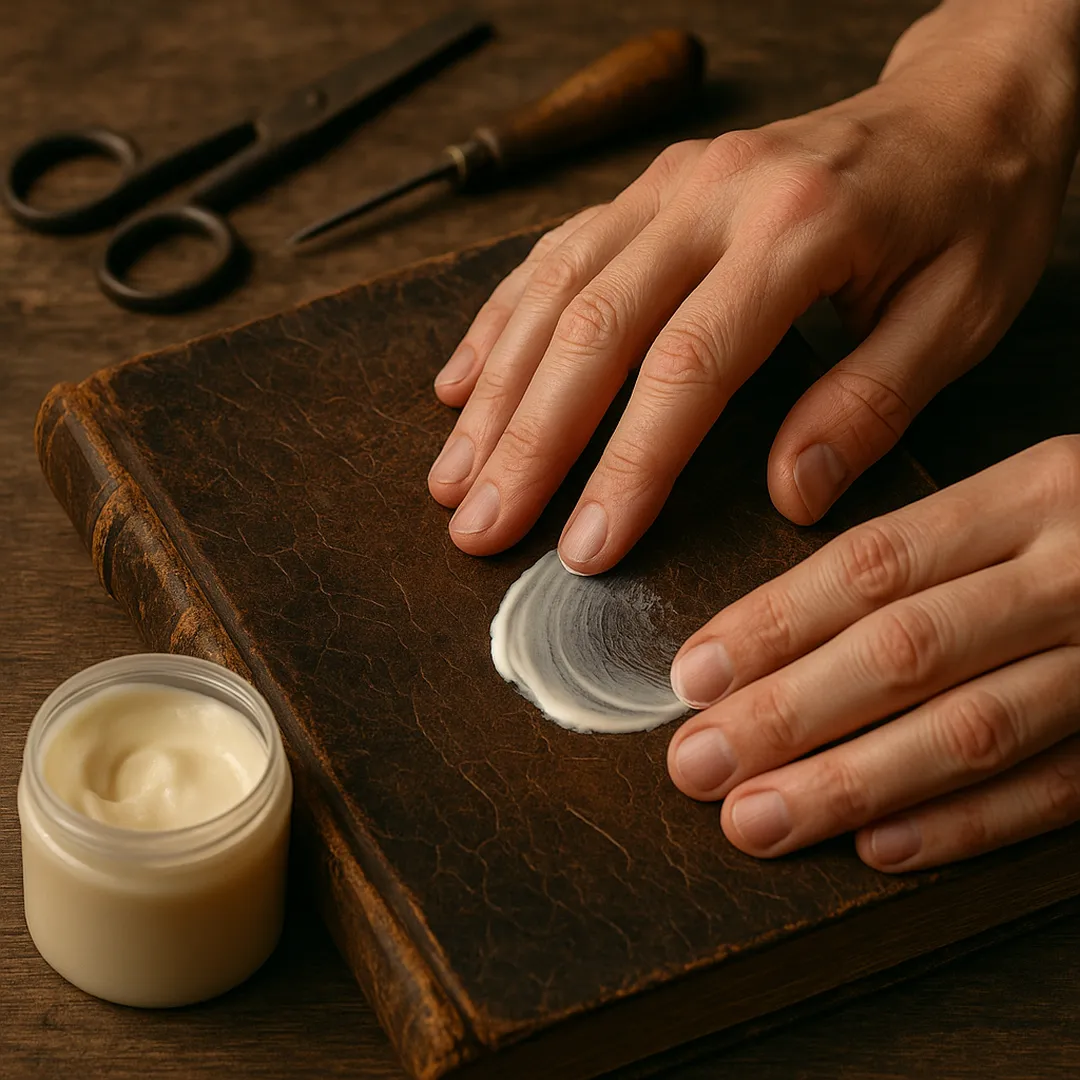
Restore precious books with care, skill and archival techniques that last across generations.
Repair and conservation for antique books, family heirlooms, and private collections of historical value.
Free Consultation
References
- Making Handmade Books – Thread for Bookbinding and More (the original link is dead; the reference is kept without a link)
- Talas Online – Threads & Tapes
- Needle ‘n Thread – Silk Threads, Buttonhole Stitch, and Medieval Manuscripts
- Etsy – Bookbinding Thread (the original link is dead; the reference is kept without a link)
- YouTube – Bookbinding Thread Types
- Fude Binding Equipment Co., Ltd. – Technology of Bookbinding (the original link is dead; the reference is kept without a link)
- Domestika – How to Choose the Right Bookbinding Thread
- Wikipedia – Bookbinding
- Swicofil – Properties of Silk (the original link is dead; the reference is kept without a link)
- MSU Libraries – The History of Bookbinding (the original link is dead; the reference is kept without a link)
- Bookbinding Lessons – Bookbinding Threads: A Guide to Choosing the Right One (the original link is dead; the reference is kept without a link)
- Wikipedia – Japanese bookbinding (the original link is dead; the reference is kept without a link)
- Hermit Crab Bookbinding – Choosing the Right Thread (the original link is dead; the reference is kept without a link)
- Kreinik – Silk Thread History (the original link is dead; the reference is kept without a link)
- Callie Made – Bookbinding Basics: Understanding Your Thread (the original link is dead; the reference is kept without a link)