
Tub
by Ibrahim Anwar · July 25, 2025
In the bustle of a bookbinding workshop, among the smells of glue, leather and old paper, there is an unsung hero that often escapes notice. It is not the gleaming cutting tool or the colourful sewing thread. It is a simple tub sitting beneath the press, a basic component known as the Tub. Ordinary as its name sounds, its part in maintaining order, efficiency and the quality of a book’s finish cannot be dismissed. To understand the function of the Tub is to understand the working philosophy of a true craftsman, where cleanliness and order are the foundation of every masterpiece.
The Tub is more than a waste bin. It is the silent witness to every creative process, the vessel for every scrap of material that marks a book being shaped by hand. From the spine shavings of rounding and backing to the paper offcuts left by trimming, all of it collects in one place. Without it the work area becomes a sea of disorder, breaking concentration, soiling other materials and even threatening to damage the precision mechanism of the press itself. This is why, in the ecosystem of traditional bookbinding, the Tub holds a vital role that reaches well beyond its simple physical form.
Etymology and Origins: An Honest Name
The name “Tub” comes from English and means literally that: a tub, or a bathtub — in Indonesian, a “bak”. The naming is entirely plain and descriptive, pointing straight at the shape and the function. There is no elaborate metaphor and no hidden technical term. In the past this component really was often a shallow wooden tub, much like a small wash tub, set on the floor directly beneath the gap between the two “cheeks” of the lying press. That honesty in naming reflects the pragmatic approach of the craftsmen of earlier times, where function came before form and every component was named for what it did.
The Evolution of Material and Design
Historically the Tub was made from a strong solid wood such as oak or beech, timbers commonly used for furniture and working tools because they last. The inside was often lined with a water-resistant material such as tin or zinc. That lining mattered a great deal: it kept the wood from rotting under constant contact with glue residue that might still be wet, or with damp wood shavings from the book boards.
The design evolved as well. At first it may have been no more than a separate wooden box that could be slid in and out from under the press. But as the design of the lying press itself developed, the Tub began to be built into the machine’s stand. Many a press stand from the 19th and early 20th century was designed with a lower section serving as a tray or collecting rack. This integrated design was not only sturdier but also more efficient, making sure every piece of debris fell exactly where it should, with no gaps.
The Tub is the physical manifestation of the principle ‘a clean space for a clear mind’, a philosophy that makes sure every stroke, every stitch and every pressing applied to a book is carried out with precision and without disturbance.
In the modern era, particularly on commercially produced presses or on those made by contemporary craftsmen, the material varies. Some stay faithful to wood in order to keep the classic aesthetic, while others choose a metal such as steel or aluminium because it lasts longer and is easier to clean. A few craftsmen even make the Tub from industrial plastic, light but strong. Whatever the material, the fundamental function stays the same: to keep the work clean and orderly.
A Vital Role in the Bookbinding Workshop
To understand how important the Tub is, picture a working day for a bookbinder in the 18th century. They might be working on the spines of several books at once. The process involves clamping the text block very tightly in the lying press, then using small saws to cut the kerfs, or notches, for the binding cords. That produces a great deal of paper dust. After that they shape the spine into a convex curve with a backing hammer, which produces flakes of its own. Last, they might trim the edges of the book with a plough, a cutting tool that travels along the rails of the press, producing long, thin strips of paper.
All this leftover material — paper dust, board shavings, cut thread ends and dried glue — falls downward. Without the Tub it would scatter across the floor, be trodden underfoot and drift through the air. Dust can interfere with breathing and dirty the stacks of clean paper or the leather waiting to be used. Glue residue can leave the floor sticky and dangerous. Visual disorder breaks concentration too, which is the last thing a craftsman doing precision work wants.
The Tub settles all of this with one elegant solution. It creates a dedicated zone for production waste. At the end of the working day, or whenever it is needed, the craftsman simply pulls the Tub out or sweeps its contents away for disposal. It is a simple but highly effective waste-management system that has been part of the bookbinding workflow for centuries.
More Than Just a Tool: A Philosophy of Work
At Hibrkraft we look at every tool not only through its mechanical function but also through the story and the philosophy it carries. The Tub, in its simplicity, teaches us several important lessons about craftsmanship.
1. The Importance of Order
A great craftsman knows that an orderly working environment is the reflection of an orderly mind. Physical disorder can cause mental disorder, and that shows in the end in the quality of the work. The Tub is the first tool for maintaining that order. By providing a dedicated place for everything “not in use”, it lets the craftsman focus entirely on the task in hand.
2. Efficiency in Workflow
Imagine having to stop every few minutes to clear shavings out of your work area. Plainly very inefficient. The Tub builds the cleaning into the workflow itself. Debris gathers automatically in one place, and a thorough clean is needed only now and then. That saves time and energy, and lets the craftsman stay in their creative “zone” for longer.
3. Respect for the Process
Caring for the tools and the workspace is a form of respect for the craft itself. A well-kept Tub, emptied and cleaned as a matter of routine, shows that its owner cares about every aspect of the work and not only about the finished result. It is the mark of a true professional. At Hibrkraft we apply this principle to every project, making sure the process is as beautiful as the product it ends in.
Just as the Tub collects leftover material to keep the book clean, a journal becomes the vessel for thoughts, ideas and unease, clearing our minds for clarity and creativity.
4. A Metaphorical Connection with the Personal Journal
We can draw a beautiful parallel between the function of the Tub and the practice of keeping a journal. In binding, the Tub collects the physical remains so that the work stays clean. In our own lives, a personal journal serves as a “Tub” for the mind. It becomes the place where we pour out raw ideas, worries, joys and all the mental “disorder” we meet each day. By writing them down we clear our minds, creating room for reflection, clarity and fresh creativity. The journal becomes an essential tool for keeping the mind “clean”, just as the Tub is essential for keeping the workshop physically clean.
Identification and Variation in the Real World
If you are drawn to antique tools, or you want to build a workshop of your own, it matters that you can identify the Tub or the component that does its work. When you see an antique lying press sold together with its wooden stand (often called a tub stand), look at the bottom of that stand. Is there a base board forming a shallow tray? Are there stains, scratches and glue marks concentrated in that area? If so, that is almost certainly what served as the Tub.
On some designs, French ones especially, the stand can be highly decorative, with carved legs. Even so, between those legs there is almost always a shelf or a lower board that serves this function. On an English or American press the design tends to be more utilitarian, often a sturdy box with the press itself set on top of it, and the whole lower part of the box serves as the collecting space.
Tips for the Modern Craftsman (DIY)
If you plan to make your own lying press stand, it is strongly advised that you build the Tub element into your design. Here are a few tips:
- Material: Use high-quality plywood or solid wood for the main construction. For the base, consider lining it with a sheet of thin metal, or giving it several coats of polyurethane varnish so that it resists water and cleans easily.
- Design: Make the base sit slightly lower than its edges, creating a shallow tray. That will stop shavings and dust from spilling onto the floor.
- Accessibility: Make sure you can easily sweep or vacuum the debris out of the Tub. Do not create corners that are hard to reach. Some craftsmen even fit a small “door” or a pull-out drawer to make disposing of the waste easier.
In the end the Tub is more than a collecting tray. It is the symbol of a working ethos that values cleanliness, efficiency and attention to detail. It is the quiet foundation on which beautiful binding work is built, one shaving and one paper offcut at a time.
References
- Bookbinding.com (the original link is dead; the reference is kept without a link) – Shows various types of book press, including those whose stand serves a function much like the Tub.
- Jeff Peachey’s Blog (the original link is dead; the reference is kept without a link) – A deep resource on the tools and techniques of book conservation, often discussing the historical detail of the lying press.
- Period Paper (the original link is dead; the reference is kept without a link) – Presents historical prints and diagrams showing the components of bookbinding equipment, including the lying press and its stand.
- Eden Workshops (the original link is dead; the reference is kept without a link) – Offers plans and descriptions for making your own lying press and tub, giving practical insight into their construction.
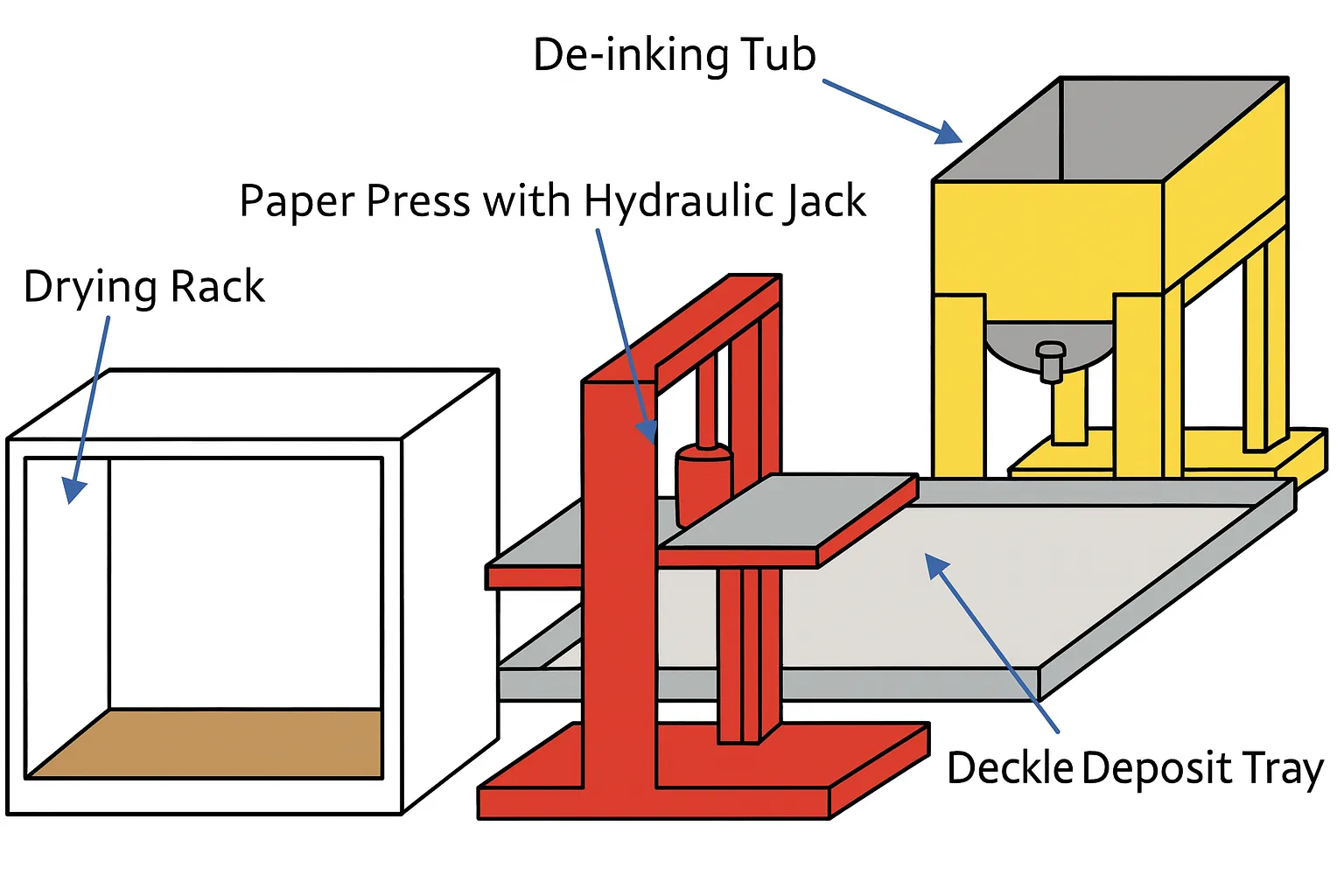
Paper formed this way has long fibres and an uneven deckle edge. The character of the paper — not only its grammage — is one of the material choices that decides how a custom leather journal feels in the hand.

The Custom Notebook You Dream Of
From a clean process in every detail to a perfect finish. Bring your journal or your agenda to life with us.
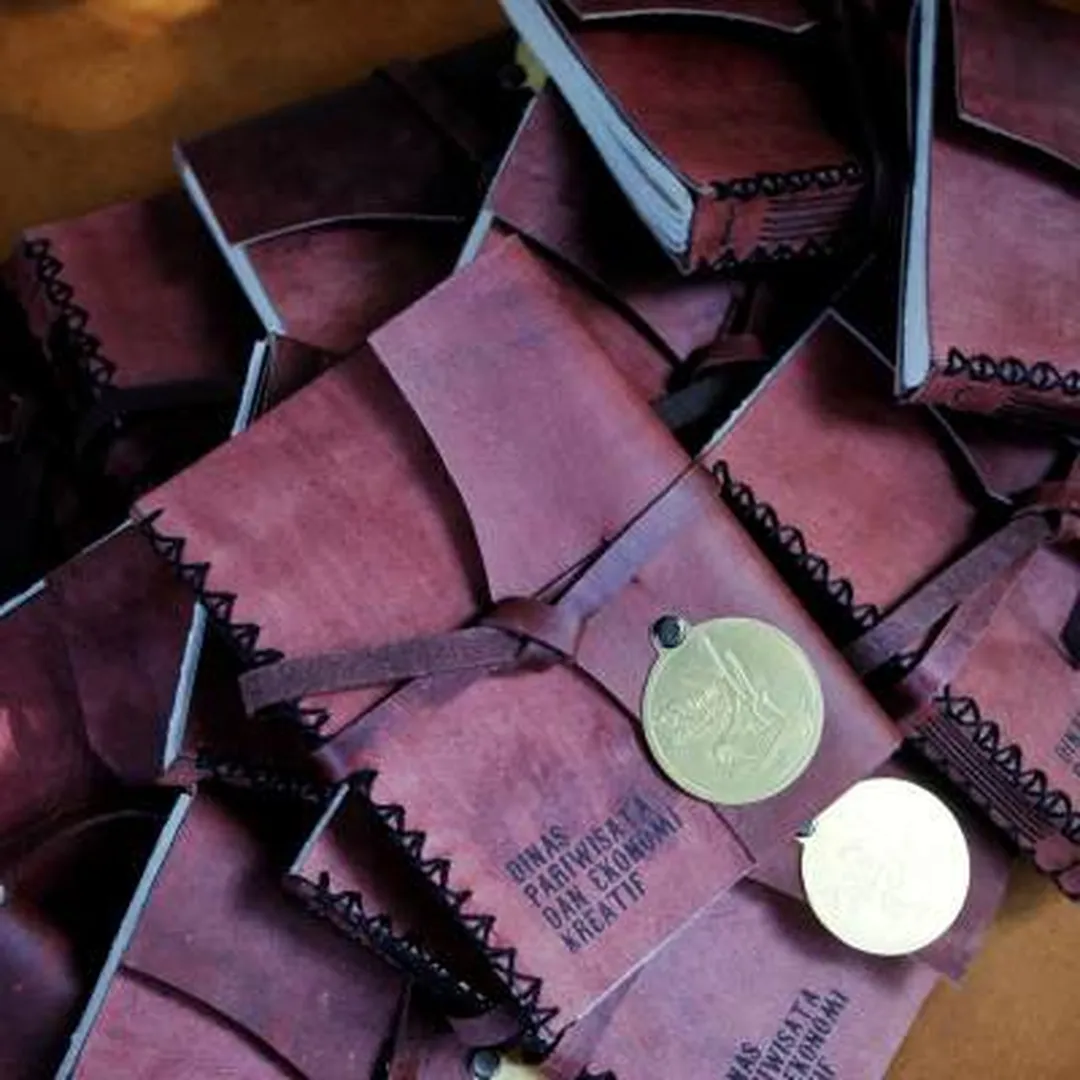
Tell us your vision and we will assemble it in genuine leather with lasting quality, a reflection of the precision you value.
Professional Solutions for Business
Professionalism shows in the detail. Present a premium agenda carrying your company logo, made to the highest standard.
Like a tidy workshop, our products show a commitment to quality. Raise your brand image with Hibrkraft.
Book Repair & Conservation
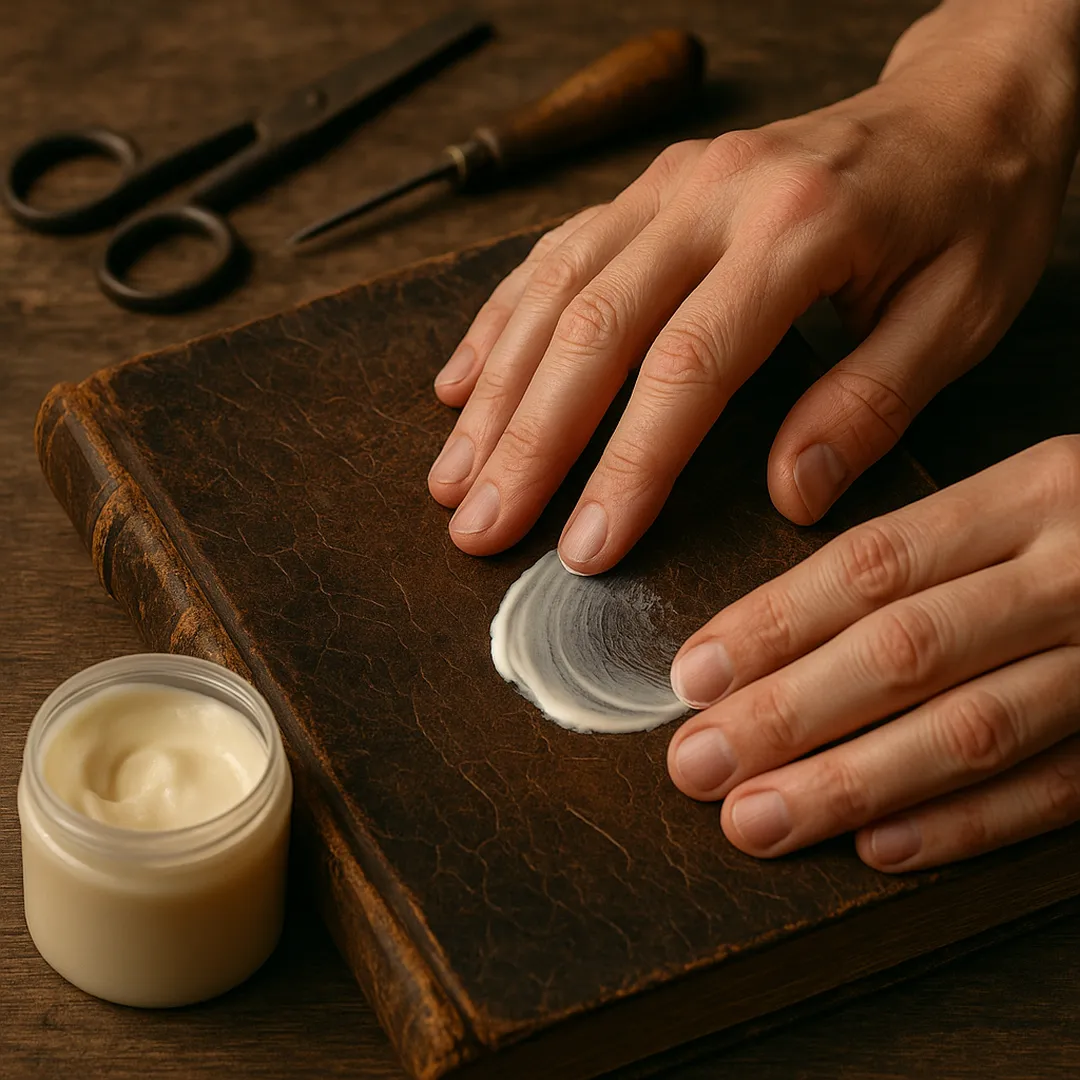
We care for every book with the philosophy of a true craftsman. Restore your precious heirloom with technique and with respect.
From structural repair to cleaning the pages, we apply the same precision we give to caring for our own historic tools.