Ligature Silk
by Ibrahim Anwar · July 26, 2025
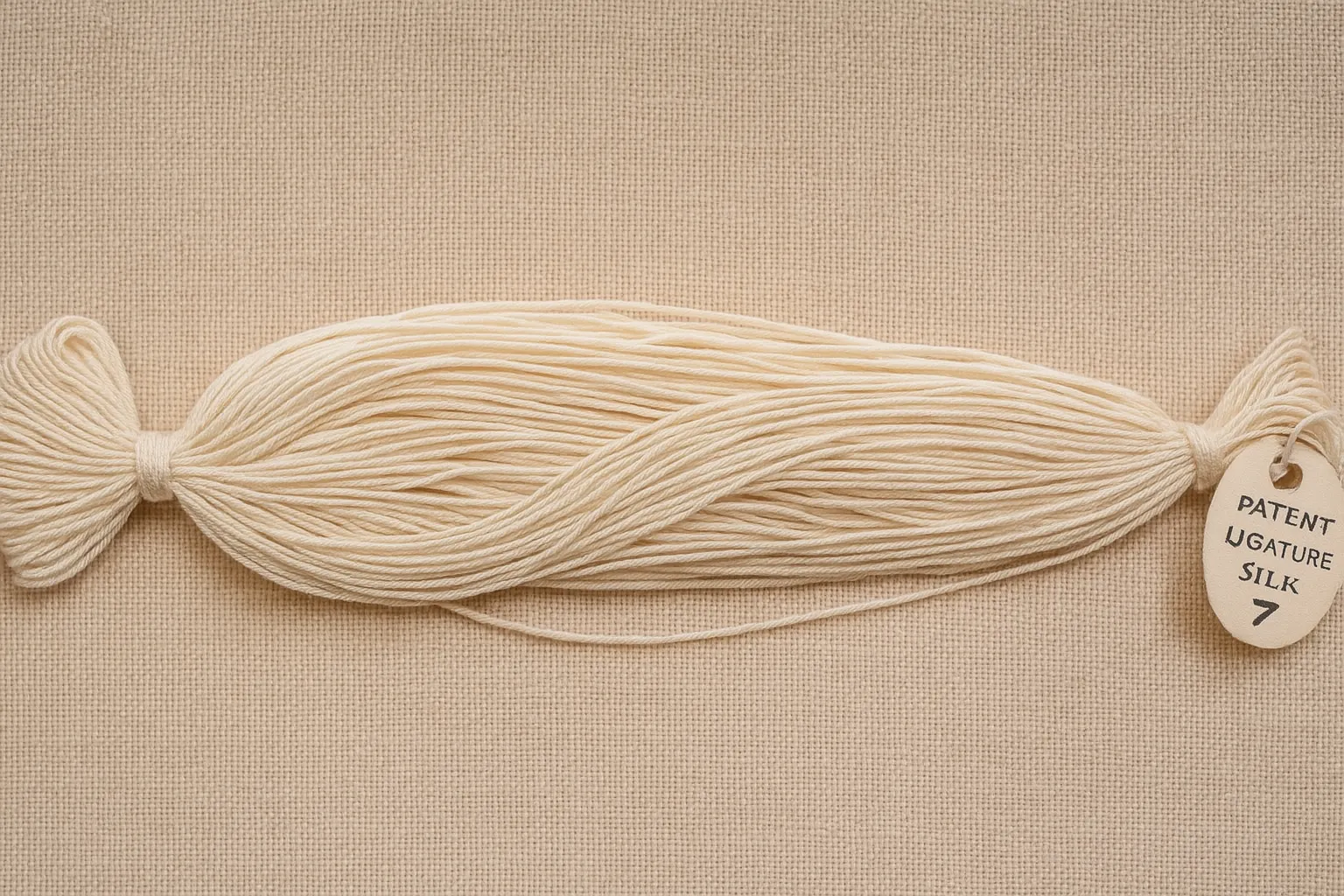
Ligature silk, a term that appears widely in the bookbinding literature of the early twentieth century, refers to a high-quality silk thread used to hold the sections of a book together. The thread’s chief quality is its remarkable strength while remaining fine, which makes it ideal for a sturdy sewing without adding needless thickness at the spine. Although its exact composition and source may not always be clear, for want of standardisation, the thread is believed to have been pure silk, the equal of the other fine materials of its day. Its advantage lies in a superior strength-to-weight ratio, which secures the durability of the sewing, and in a smooth texture that minimises friction during the sewing process, producing cleaner and more consistent work.
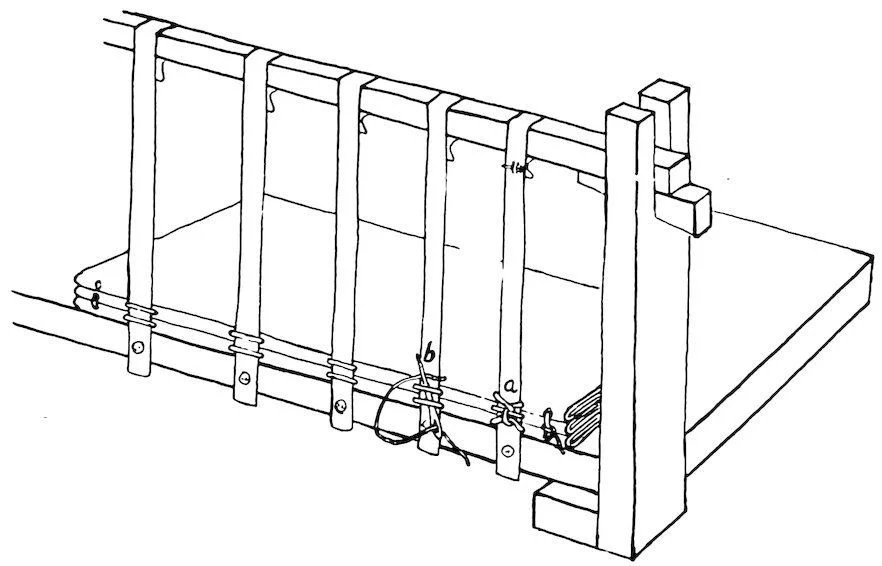
Illustration of Ligature Silk in Bookbinding
Ligature Silk: History, Quality, and Its Role in Quality Bookbinding
Ligature silk, though the term may now sound somewhat archaic, was a vital component in the world of traditional bookbinding, particularly during the golden age of hand binding in the early twentieth century. The term refers specifically to thread made from selected silk fibres, chosen for a remarkable combination of tensile strength, fineness of texture, and long-term durability. In the art of bookbinding, where precision, beauty, and structural resilience are the chief parameters, silk thread offers a significant advantage over the other, more common natural fibres such as linen or cotton. This article examines ligature silk in full, digging into its origins, setting out its technical characteristics, and explaining why the material came to be so valued by skilled bookbinders of the past, as well as its relevance in the modern era.
Etymology and Meaning: “Ligature Silk” in the Context of Binding
The term “Ligature Silk” can literally be broken into two components: “Ligature” and “Silk.” The word “ligature” comes from the Latin “ligare,” meaning “to bind” or “to join.” In the context of bookbinding, “ligature” refers to the act of binding or sewing the sections of a book (called “signatures”) together to form a sturdy book block. The thread used for this purpose is the “ligature thread.” The addition of “silk” indicates specifically that the binding material in question is a thread made from silk fibres. “Ligature Silk” is therefore a very specific description for a silk thread whose quality has been chosen to meet the strict demands of the bookbinding process, where strength and fineness are the priority.
Historical Background: Silk in the Binding Tradition
The history of silk as a luxurious and precious textile fibre stretches back thousands of years to ancient China, making it one of the first natural fibres to be used widely by human civilisation. Its ability to be spun into filaments of extreme fineness while carrying an impressive tensile strength made it a much sought-after material for a wide range of applications, from royal dress and luxury textiles to artistic work such as embroidery and tapestry. The influence of silk did not stop at the world of fashion; it seeped into the art of bookbinding as well.
In East Asia, particularly in China and Japan, silk had an important part in a range of traditional binding methods. Techniques such as silk scroll binding and side-stitch binding, which often shows its sewing on the outside of the book, depended heavily on the beauty and the strength of silk thread. In the West, although linen thread was historically more dominant in bookbinding on grounds of availability and cost, silk was not wholly absent. It was often reserved for books held especially precious, for rare manuscripts, or as a touch of luxury on the covers of limited editions. The use of silk in that period often reflected the social standing and the means of the book’s owner as much as of its maker.
In the early twentieth century, the era named in the literature on ligature silk, hand binding technique was still held in high regard. Bookbinders paid close attention to the quality of every material they used, because they worked in a setting where things made by hand carried high prestige. Binding manuals from this period often gave detailed instruction on the choice of thread. In this context, “ligature silk” arose as a descriptive name for silk thread selected specifically for properties that suited the needs of binding, distinct from the silk thread that might be used for embroidery or other textiles. The term was probably not a trademark but a classification of a chosen material by its function.
“The advantage of silk thread in bookbinding lies in its superior tensile strength, a fineness that minimises friction, and a natural lustre that adds aesthetic value, making it the material of choice for work that demands the highest quality.”
Source Material and the Chief Characteristics of Silk
Silk is a natural protein fibre produced by the larvae of several kinds of insect, the best known being the silkworm of the species Bombyx mori. The process of producing silk, known as sericulture, is an art and a science developed over thousands of years. The Bombyx mori silkworm, the world’s principal source of silk, feeds exclusively on mulberry leaves. This specific diet yields silk fibre of the highest quality: fine, strong, clean white, and carrying a striking lustre.
The chief characteristics of silk thread that make it ideal for bookbinding include:
- Remarkable Tensile Strength: Silk fibre consists of fibroin, a protein with a crystalline structure. This gives silk a very high tensile strength, higher even than steel per unit of weight. In binding, that strength ensures the sewing can hold the tension of a book being opened and closed, keeping the signatures tightly bound and preventing structural damage over time.
- Fineness and Smoothness: Silk filament is the finest of the natural fibres, with an average diameter of 10-16 micrometres for mulberry silk. That fineness matters greatly in binding; silk thread slides easily through the holes in the paper, reducing friction, preventing tears in the paper fibres, and producing a neater and more precise sewing.
- Durability and Resistance to Ageing: Silk is known for a remarkable resistance to degradation over time. Compared with cotton, which can turn brittle under UV exposure or damp, silk is more stable chemically. Archaeological evidence has turned up silk artefacts thousands of years old in relatively good condition, which points to a remarkable potential longevity for a book binding sewn with silk.
- An Elegant Natural Lustre: One of the distinctive marks of silk is its beautiful natural lustre, which comes from the triangular structure of the silk filament reflecting light prismatically. That lustre gives the sewing of a book an appealing visual dimension, adding aesthetic beauty to the bound work.
- Flexibility and Elasticity: Silk has good elastic properties, letting it stretch a little under pressure and return to its original shape. This contributes to the durability of the book, since the sewing can absorb a little movement or a change in humidity without snapping or working loose.
The combination of these properties makes ligature silk a premium choice. Bookbinders of the early twentieth century, who put quality above everything, understood the value of investing in silk thread. Though more expensive than linen or cotton thread, the durability and the beauty it offered often justified the extra cost, particularly for books meant for the archive, for a private collection, or as a precious gift.
Why the Term “Ligature Silk”?
The emergence of the term “ligature silk” shows a naming convention arising from the practical needs of craftsmen. It is not about a particular product brand but about the recognition of one kind of silk thread that had been selected and proven superior for a specific function in bookbinding. Binders might buy quality silk thread from a range of textile makers and classify it internally as “ligature silk” for its effectiveness in binding the sections of a book together. The emphasis on “ligature” highlights its principal functional role, while “silk” highlights what is special about the material. It is evidence of the careful attention given to the choice of materials in the past, where every component was chosen to ensure maximum durability and beauty.

Digging Deeper: Comparison, Technique, and the Modern Relevance of Ligature Silk
A deep understanding of ligature silk does not stop at its intrinsic characteristics; it also takes in how it compares with other binding threads, its specific role in the various binding techniques, and its relevance in modern binding practice and in the appreciation of quality handwork.
Silk Thread Compared with Other Binding Threads
To appreciate the advantage of ligature silk fully, it is worth comparing it with the two principal alternatives in bookbinding: linen thread and cotton thread.
- Cotton Thread: Cotton thread is the most common and the most affordable choice. It is easy to find and comes in a range of thicknesses and colours. Cotton is strong enough for many standard binding applications, but it has significant weaknesses. Compared with silk and linen, cotton tends to be less durable, more vulnerable to damage from damp and friction, and liable to deteriorate over time into brittleness. That makes it less ideal for books that will be used often or kept in long-term archival conditions.
- Linen Thread: Linen thread has long been the backbone of traditional bookbinding, particularly in Europe. Linen fibre is strong, durable, and adapts well to humidity—it swells a little when wet and shrinks as it dries, which can help hold the tension of the sewing. Linen thread is strong and comes in a range of sizes. But strong as it is, the texture of linen tends to be coarser than silk, and its natural lustre is not as appealing as that of silk. Linen thread often needs to be waxed, to improve how smoothly it passes through the paper and to give it extra protection.
- Silk Thread: As discussed, silk combines a strength comparable with or even exceeding linen (depending on its quality and thickness) with a fineness and a lustre well beyond either of the other two fibres. Silk also stands up better to wear from friction. This advantage makes it the first choice for applications where the beauty of visible sewing matters greatly, or where extra durability is badly needed. That said, the advantage is often offset by a higher cost than linen or cotton.
The emphasis on “ligature silk” in the early twentieth century therefore confirms a conscious choice by binders for a material offering superior performance and aesthetics, even where that meant spending more. It shows a commitment to quality that outweighed cost alone.
Binding Techniques and the Crucial Role of Silk Thread
Ligature silk is not merely a consumable; it is an integral element contributing to the whole integrity, function, and beauty of a book. Its use can vary greatly depending on the binding technique chosen:
- Coptic Binding: This ancient binding technique, which originates in Egypt, is known for showing a chain of sewing clearly along the spine of the book. The use of silk thread, particularly in bright colours, can turn the spine into a striking piece of art. The fineness and the strength of silk keep the sewing neat and durable, and allow the book to open flat without damaging the spine.
- Japanese Binding: In the traditional Japanese side-stitch method, silk thread is a very apt choice. It is used to create a precise and aesthetic sewing pattern along the side of the book. The strength of silk keeps the sheets of paper bound tightly without tearing, while its fineness allows a very fine and neat sewing to be made, often adding a distinctive decorative element to the cover of the book.
- Traditional European Binding and Precious Books: Throughout history, particularly in the Middle Ages and the Renaissance, silk was sometimes used for binding books considered important or precious, such as religious manuscripts, law books, or significant records. In a project restoring an antique book, silk thread can be the authentic choice for maintaining historical integrity and the quality of the original materials.
- Custom Leather Journals and Artists’ Books: In the modern era, silk thread has found its popularity again among craftspeople making custom leather journals, personal agendas, and artists’ books. The fineness, the strength, and the lustre of silk raise the aesthetic value and the longevity of these products, giving them a premium touch that sets them apart from mass-produced goods.
- Decorative Sewing and Accents: Beyond its structural function, silk thread is also often used for decorative sewing on the cover or the spine of a book, or as an accent within other binding techniques. Its lustre and its wide choice of colours let craftspeople experiment with the visual appearance of a book.
“The strength, the fineness, and the natural lustre of silk thread make it the ideal choice for a range of binding techniques, from ancient traditions to modern artisanal book creations.”
Visual Characteristics and Modern Use
Visually, ligature silk is recognised by a natural lustre that is soft but distinct, giving the sewing a unique visual dimension. Against the dull sheen of cotton or the coarser sheen of linen, the lustre of silk carries a subtle sense of luxury. The thread also usually feels very fine and smooth to the touch. Its availability in a range of colours, from the natural to the brightly dyed, allows bookbinders wide flexibility in design.
In today’s market for handwork and personalised goods, there is a growing appreciation for products made by hand from high-quality materials. Ligature silk fits this trend well. A leather journal sewn with silk thread, for instance, is often sold as a durable luxury item, designed to accompany its owner through years of writing and personal reflection. It is not only about usefulness, but about a heightened tactile and visual experience.
Implications for Value and Quality
Choosing ligature silk for a book, whether as the binder or as an element of the design, says something implicit about the value placed on the object. It shows an appreciation of traditional skill, an attention to detail, and a wish to use the best material available. For the craftsperson it is a way to show their standard of quality; for the owner of the book it is a mark of a work valued for its durability, its beauty, and the story behind its making.
At Hibrkraft we understand how much every detail matters in creating a book with meaning. Using quality materials such as silk thread for the sewing sits squarely with our philosophy of making products that are not only useful but also an expression of art and of endurance. Although we may not always label the thread we use explicitly as “ligature silk” on every product, the principle of choosing thread that is strong, durable and beautiful remains a priority, particularly for custom orders where the highest quality is the demand.
Care and Preservation
Books bound with silk thread, like other precious books, need proper care to secure their long life. Storage somewhere dry, cool and shielded from direct sunlight will help prevent the silk fibre from degrading. Avoid excess damp, which can damage the paper and affect the strength of the thread. If a book becomes dirty, clean it gently with a clean dry cloth. For restoration, book conservation professionals will choose the appropriate materials, including archival-quality silk thread, to secure a safe and lasting recovery.

Custom Notebook
A handmade notebook made to express your story, made with genuine leather and lasting quality.
A handmade leather journal you can design yourself — for a gift, for a memory, or for plans still to come.

Business & Whitelabel
Raise your business with premium custom agendas and notebooks under your own label.
Business and corporate gift solutions in the form of exclusive agendas carrying your company’s logo.
Get in Touch

Book Repair & Conservation
Restore precious books with care, skill, and archival techniques that last across generations.
Repair and conservation services for antique books, family heirlooms, or private collections of historical value.
Free Consultation
References
- Das Bookbinding – Thread
- Making Handmade Books – Thread for Bookbinding and More (the original link is dead; the reference is kept without a link)
- Etsy – Bookbinding Silk, Silk Decoration Thread (the original link is dead; the reference is kept without a link)
- Making Handmade Books – Silk Thread for Asian Bindings (the original link is dead; the reference is kept without a link)
- Kreinik – Learn All About Silk Thread and What Makes It Special (the original link is dead; the reference is kept without a link)
- Hemptique – Bookbinding Thread 101 (the original link is dead; the reference is kept without a link)
- Domestika – How to Choose the Right Bookbinding Thread
- Needle ‘n Thread – Silk Threads, Buttonhole Stitch, and Medieval Manuscripts
- Swicofil – Properties of Silk (the original link is dead; the reference is kept without a link)
- Wikipedia – Bookbinding – Traditional Chinese Bookbinding
- Kreinik – Silk Thread History (the original link is dead; the reference is kept without a link)
- MSU Libraries – The History of Bookbinding: 20th Century (the original link is dead; the reference is kept without a link)
- Talas – Threads & Tapes
- Wikipedia – Bookbinding
- Fude Binding Equipment Co., Ltd. – Technology of Bookbinding (the original link is dead; the reference is kept without a link)