Javelle Water
by Ibrahim Anwar · July 24, 2025
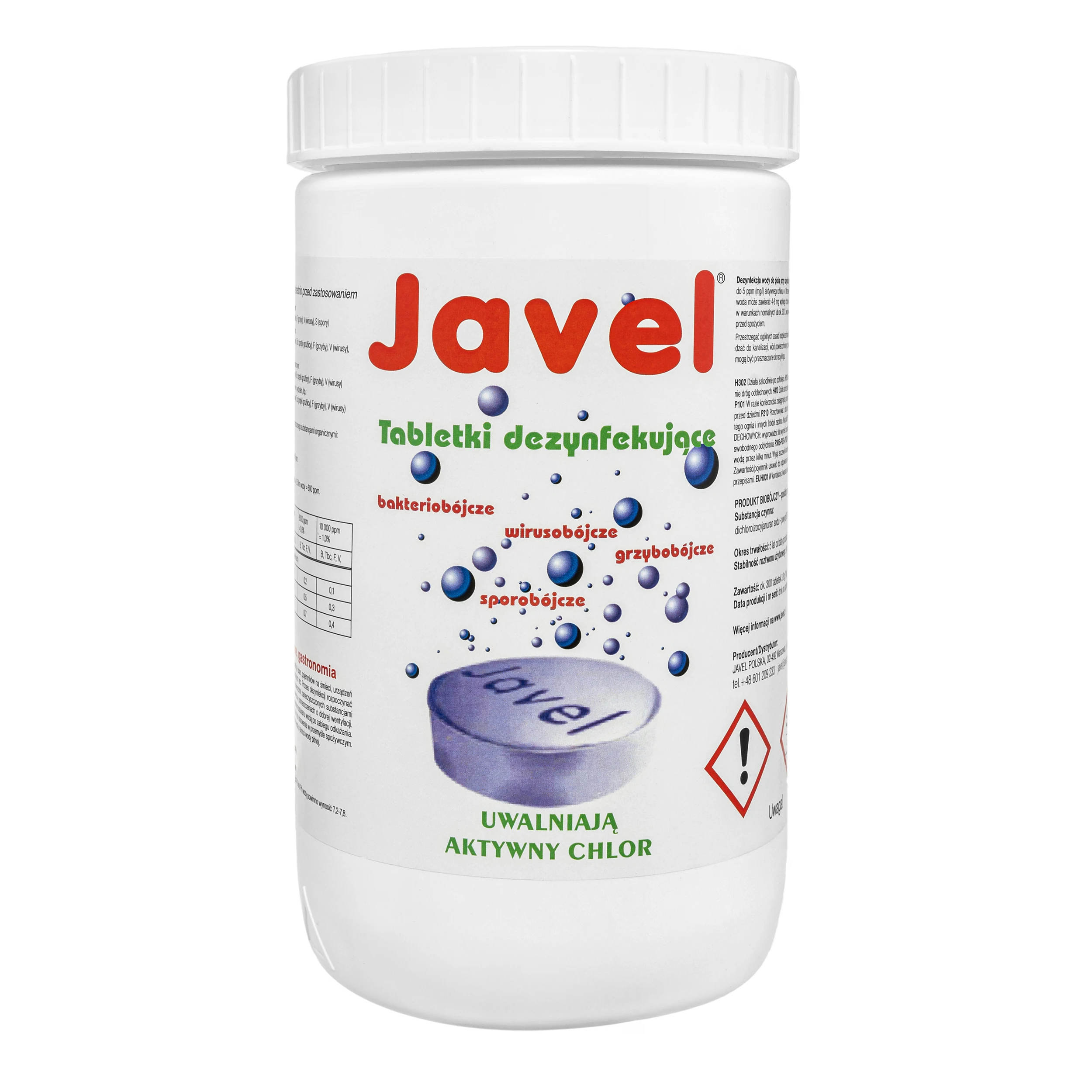
Javelle water, known in Indonesian as Air Javelle and also as a sodium hypochlorite solution, is a strong chemical solution historically used in book and paper conservation. Think of it as an intensive treatment for paper: highly effective at bleaching out stains, mould and the discolouration of age, but carrying significant risk in use. Its powerful oxidative nature, the very thing that lifts a stain, can also damage the cellulose fibres that are the foundation of the paper itself, and can bring on long-term brittleness. For that reason modern conservation practice more often chooses gentler methods, and uses Javelle water only for specific, challenging cases under expert supervision.
In bookbinding and paper conservation there are terms that sound as though they came out of an old alchemist’s laboratory. Javelle water is one of them. It is not merely ordinary water; it is a compound with two sides to the same coin. On one side it is a rescuer, able to bring back the brightness of a dull, stained page. On the other it can be a silent destroyer, eating away at the strength of the paper from within. To understand Javelle water is to understand the dilemma conservators face so often, a contest between visual restoration and structural preservation. This is the story of how makers and specialists have tried to fight the marks of time with a tool that is powerful and dangerous at once.
The story of Javelle water takes us to the heart of conservation ethics. Is our aim to make an old book look new, or to keep its authenticity and its historical integrity, even if that means leaving some of the “wounds” of its passage through time in plain sight? Using a chemical such as Javelle water forces us to answer that question. Its part in the history of binding and restoration cannot be denied, but the way our understanding of paper chemistry has evolved has changed how we see it. Today it stands as a reminder of the past, an inherited technique whose use demands wisdom, caution, and a deep understanding of the consequences.
The Origins and the Science of Javelle Water
To appreciate the part Javelle water played, we need to go back to eighteenth-century Paris. The name itself comes from the district of Javel (now spelled “Javel”), where a chemical works first produced it commercially.
The Discovery by Claude-Louis Berthollet
Credit for the discovery goes to a brilliant chemist named Claude-Louis Berthollet. Around 1785, while he was researching the properties of the newly discovered chlorine gas, Berthollet found that it had a remarkable bleaching power. Recognising the potential, above all for a textile industry that then depended on slow bleaching under sunlight, he developed a method of dissolving chlorine gas into a solution of potassium carbonate. The result was a solution he called “Eau de Javel”, or Javelle water. Not long afterwards the formula was adapted using cheaper caustic soda, giving sodium hypochlorite (NaOCl), the version we know today.
How Does It Work? The Science Behind the Bleaching
Javelle water works through a chemical process called oxidation. Its active constituent, the hypochlorite ion (OCl-), is a very strong oxidising agent. Let us break the process down:
- The Target Is the Chromophore: Stains on paper, whether from mould, spilt tea, coffee, or foxing, are caused by complex molecules called chromophores. A chromophore absorbs certain wavelengths of light and reflects the rest, and what it reflects is what we perceive as the colour of the stain.
- The Oxidative Attack: When Javelle water is applied, the hypochlorite ion “attacks” these chromophores. It breaks the chemical bonds inside the chromophore molecule and alters its structure.
- Becoming Colourless: Once its structure has been altered, the molecule can no longer absorb light in the same way. As a result it becomes “colourless” or transparent, and the stain either disappears or fades dramatically.
The same oxidative action that removes a stain can also break the long chains of cellulose, the polymer molecule that gives paper its strength and its structure.
A Double-Edged Sword: The Hidden Risk
The problem is that this oxidation does not discriminate. The reactivity of hypochlorite does not target only the chromophores behind the stain. It also attacks the fundamental molecule that makes up the paper itself: cellulose.
Paper is, at bottom, a weave of long cellulose fibres. Its strength and its suppleness depend on the length and the integrity of those cellulose molecule chains. The oxidation Javelle water brings about can cut those chains, a process known as cellulose degradation. The consequence is that although the paper may look whiter and cleaner to the eye, its structure has become weaker. Over time, paper treated with Javelle water excessively or incorrectly can become very fragile and brittle, and can fall apart at the lightest touch. That is the central dilemma in its use: long-term strength sacrificed for a short-term improvement in appearance.
Historical Use in Book Conservation
Before modern alternatives existed, Javelle water was regarded as a revolutionary tool. For bookbinders and conservators of the nineteenth and early twentieth centuries it was one of the few chemical methods available for dealing with severe damage to paper. Using it demanded extraordinary skill and caution.
A Meticulous Application Procedure
A conservator could not simply pour Javelle water over the page of a book. The process was far more controlled and methodical than that:
- Testing: The first and most important step was to test the solution on a small, inconspicuous area to see how the paper and the ink reacted. Some inks, iron gall ink in particular, can dissolve completely or change colour drastically.
- Dilution: The concentrated solution was rarely used. Javelle water would be diluted with deionised water to a very low concentration, often less than 1%, in order to keep the damage to a minimum.
- Application: The solution could be applied locally with a very soft small brush on a specific stain, or, in some cases, the whole sheet of paper was immersed in a shallow tray holding the bleaching solution.
- Neutralisation (The Critical Step): Once the desired bleaching effect had been reached, the chemical reaction had to be stopped at once. This was done by rinsing the paper thoroughly and then soaking it in an “anti-chlorine” solution such as sodium thiosulphate. This step neutralises the hypochlorite left behind and stops it going on damaging the paper fibres.
- Rinsing and Drying: Finally the paper had to be rinsed again, over and over, in clean water to remove every chemical residue, before being dried slowly between sheets of blotting paper under light pressure to prevent wrinkling.
Every step in this process matters. A failure to rinse or to neutralise adequately leaves acid and chlorine residues inside the paper, and those go on accelerating its deterioration for years afterwards.
A Shift in Paradigm: Why Javelle Water Is Rarely Used Today
If Javelle water is so effective, why do modern conservators tend to avoid it? The answer lies in a fundamental shift in the philosophy of conservation, and in advances in materials science.
From Restoration to Preservation
In the past the main aim was often restoration: returning an object to a condition held to be “original” or “ideal”, even where that meant erasing the marks of its history. Modern philosophy leans towards preservation. The aim is to stabilise the object in the condition it is in now, to slow further deterioration, and to keep as much of its historical integrity and original material as possible. Treatments that are invasive and irreversible (strong chemical bleaching among them) are now regarded with great caution. The principle of “do no harm” has become the guiding rule.
The Arrival of Safer Alternatives
Advances in conservation chemistry have given specialists a set of gentler and more controllable tools. Modern alternatives for bleaching include:
- Hydrogen Peroxide: A gentler oxidising agent, often used in a controlled alkaline solution to bleach paper.
- Sodium Borohydride: This is a reducing agent, and it works in a different way from an oxidative bleach. As well as bleaching, it can stabilise oxidised cellulose, which gives it a double benefit.
- Light Bleaching: This technique involves immersing the paper in deionised water that has been buffered (its pH held steady) and shining full-spectrum light on it (filtered UV included). The light supplies the energy to break the chromophores down without harsh chemicals.
- Enzymatic Treatment: In some cases a specific enzyme can be used to “digest” a particular stain, such as adhesive residue or mould, without affecting the paper itself.
These methods are generally held to be safer because they are more selective and are less likely to cause significant collateral damage to the paper fibres.
The lesson of Javelle water holds even for a new journal: choosing high-quality, acid-free paper is the first step in making sure your memories do not meet the same fate as the fragile documents of the past.
When Is Javelle Water Still Considered?
Rare though it is, Javelle water has not vanished entirely from the conservator’s repertoire. In extreme cases, such as very severe mould or bacterial contamination where thorough disinfection is the first priority, a specialist may decide that the benefit outweighs the risk. That decision is always taken after the most careful consideration, though, and usually as a last resort once other methods have failed. Its use today rests exclusively in the hands of trained professionals with a deep understanding of the chemistry involved.
How to Identify Damage Caused by Bleach
For a collector, or for anyone who handles old books, recognising the damage that bleaching in the past may have left is a great help. The signs can be subtle:
- Paper That Is Too White: Paper that looks unnaturally whiter than other books of the same period can be a clue.
- A Brittle or Powdery Feel: If the paper feels brittle or fragile, or leaves a flour-like residue when touched, that can be a sign of cellulose degradation.
- The “Halo” Effect: Around an area that was once stained you may see a slightly lighter halo, which points to a local application of bleach.
- Loss of Fine Detail: On a print or an engraving, aggressive bleaching can cost the very finest lines altogether.
The Hibrkraft Perspective: Respecting History, Putting Durability First
At Hibrkraft we respect the history and the techniques that have shaped our craft. We understand the historical part Javelle water played in saving many documents that might otherwise have been lost forever. In our own repair and book conservation practice today, though, we hold to the modern philosophy that puts the long-term health of every piece we touch first. We believe in methods that are scientifically tested, safe for archives, reversible where that is possible, and as little invasive as they can be.
For us the aim of conservation is not to erase a book’s journey through time, but to make sure the book can carry that journey on to the generations ahead. The story of Javelle water is a valuable lesson in how much the material matters. That is why, for products such as our custom leather journals, we put so much weight on paper that is high in quality, acid-free, and made to last. Choosing the right material from the outset is the best form of preservation there is, and it makes sure that the stories, the thoughts and the memories you write down today stay whole and readable decades from now.
FAQ (Frequently Asked Questions)
1. Can I use household bleach to clean a stain in my book?
Strongly advised against. Household bleach is a far more concentrated and far less pure form of sodium hypochlorite than the solution used in conservation. It contains additives and has an unstable pH that can cause rapid, severe damage to paper. Trying it at home will almost certainly ruin your book permanently.
2. What is the main difference between Javelle water and ordinary bleach?
The difference lies in concentration, purity and purpose. Javelle water for conservation is prepared with the greatest care at a very low concentration from pure chemicals, and its use is always followed by strict neutralisation and rinsing steps. Household bleach is designed for robust textiles and for disinfecting surfaces, not for fragile paper fibres.
3. How do I safely clean a light stain from a page of my journal?
For a dry mark such as pencil or light dirt, start with the least invasive method: a good-quality soft eraser (a vinyl eraser, for instance). For any other stain, test first in an area that cannot be seen. Sometimes wiping very gently with a cotton swab slightly dampened with water (and drying it at once with blotting paper) will help. For a significant stain, or on a precious book, always consult a professional conservator.
References
- American Institute for Conservation (AIC). “BPG Bleaching.” Conservation Wiki.
- Britannica. “Papermaking – Bleaching, Washing, Drying.”
- Burgess, Helen D. “Practical Considerations for Conservation Bleaching.” Journal of the International Institute for Conservation-Canadian Group, 1988. (the original link is dead; the reference is kept without a link)
- Carter, Hannah. “Diagnosis and decision making for current oxidative and reductive bleaching treatments used on paper.” CeROArt, 2015.
- Conservation and Art Materials Encyclopedia Online (CAMEO). “Javelle water.” Museum of Fine Arts, Boston. (the original link is dead; the reference is kept without a link)
- Seery, Michael. “Paper conservation.” Education in Chemistry, Royal Society of Chemistry, 2013.
- Tristan, David. “Claude-Louis Berthollet et l’eau de Javel.” Les Echos, 2003. (the original link is dead; the reference is kept without a link)

Custom Notebook
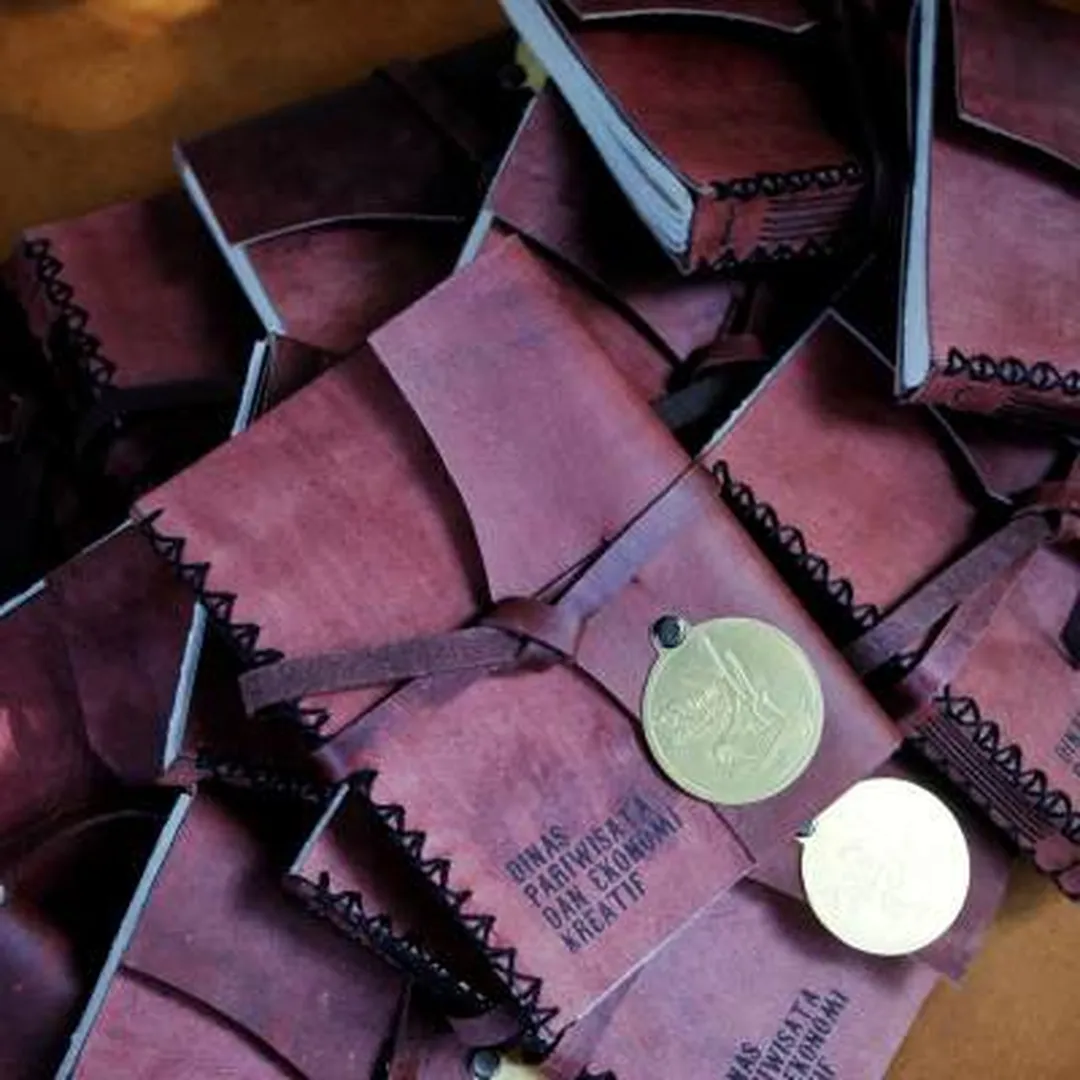
A handmade leather notebook you can design yourself, for a gift, for a memory, or for plans still to come.
Business & Whitelabel
Business and corporate gift solutions in the form of exclusive agendas carrying your company’s logo.
Book Repair & Conservation
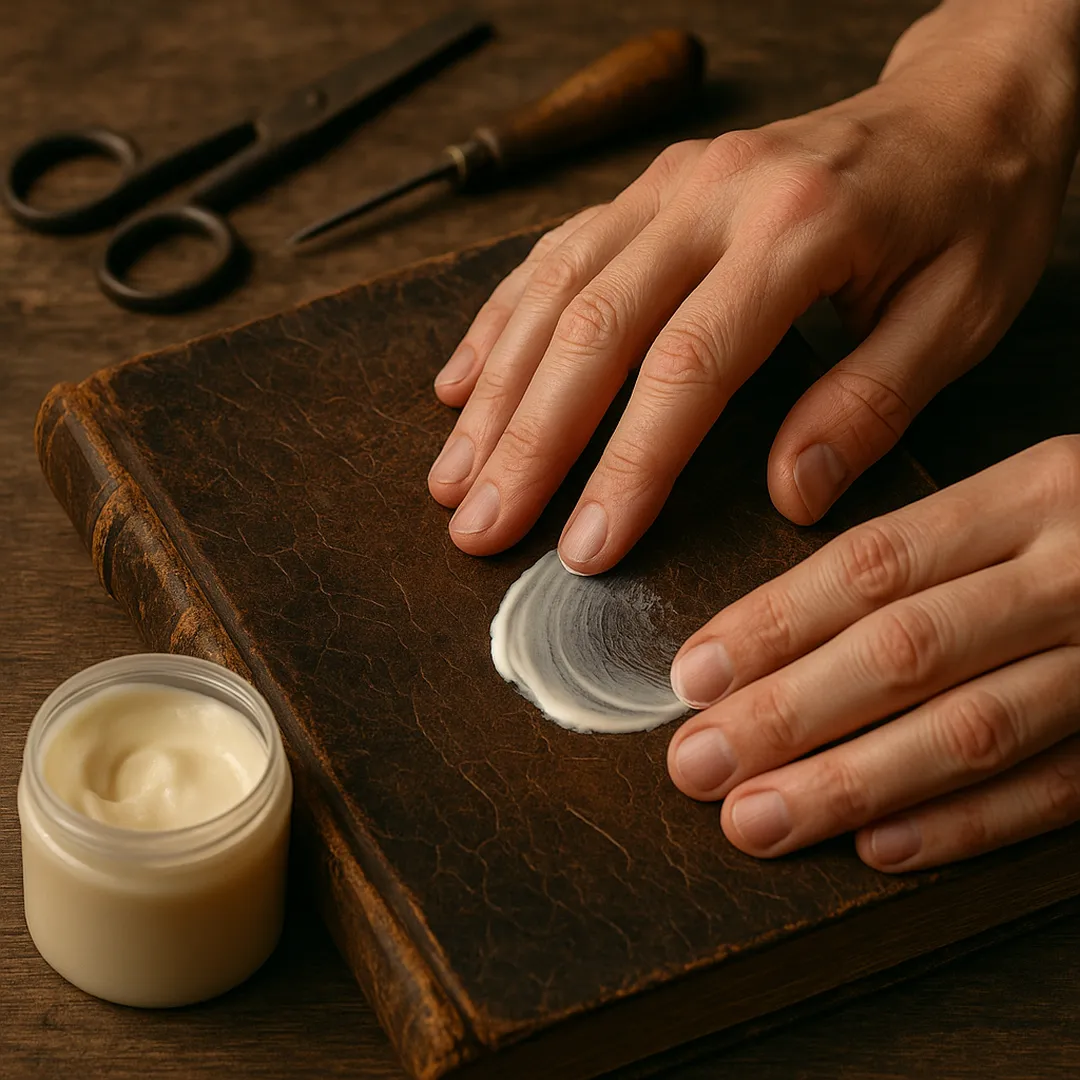
Repair and conservation for antique books, family heirlooms, and private collections of historical value.