
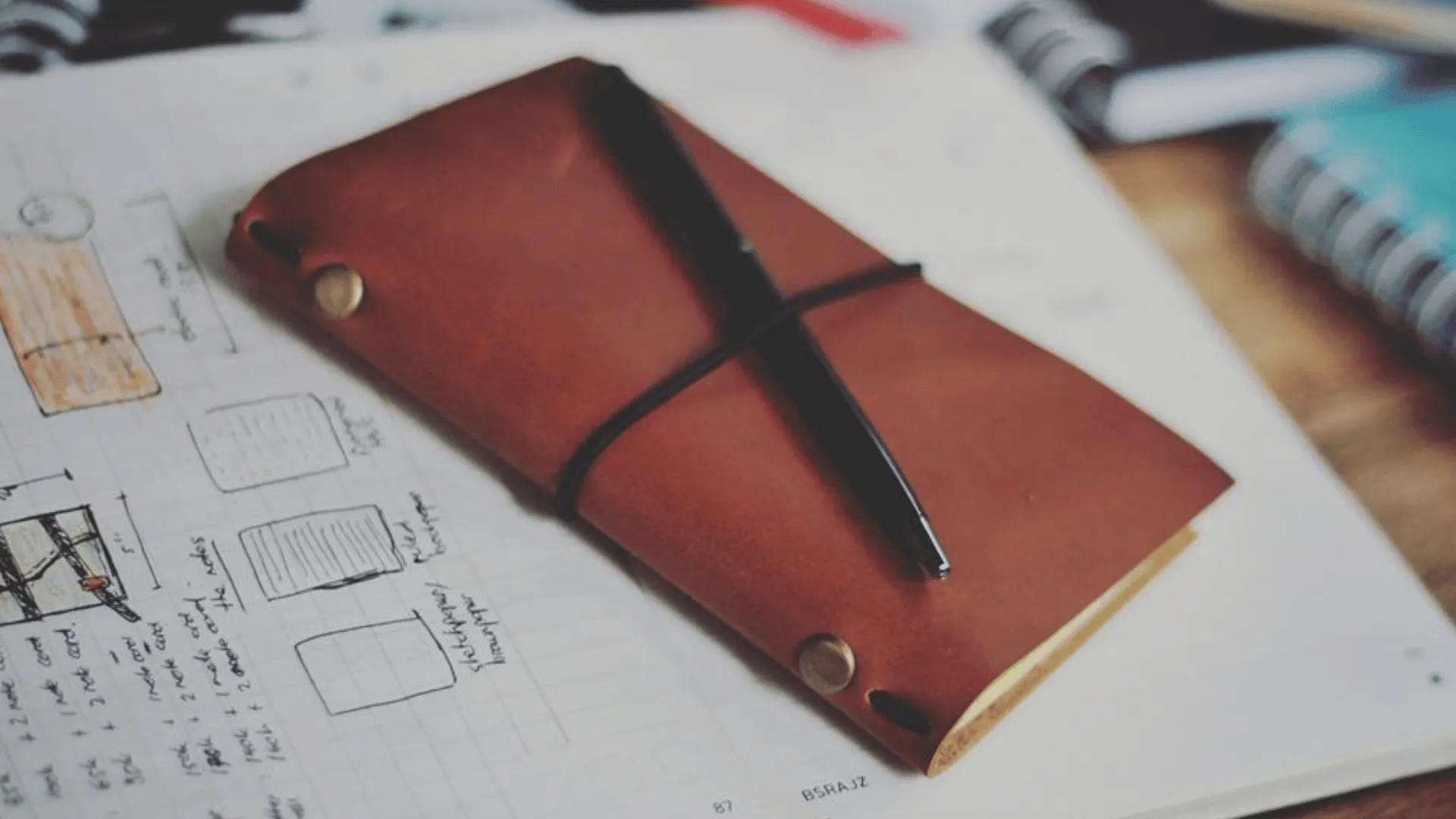
Custom Leather Journal
by Ibrahim Anwar · July 28, 2025
In a fast world dominated by mass-produced goods, finding an object that feels genuinely “ours” has become a luxury. The Custom Leather Journal exists to fill that gap. It is a bridge between the usefulness of a notebook and the personal art of the handmade. Every element, from the distinctive scent of the leather used to the precision of the hand stitching, is designed to give an intimate and satisfying experience. This is not about buying a book; it is about creating a faithful companion for the journey of an idea, for self-reflection, or for recording the important moments of a life.
The uniqueness of a custom leather journal lies in its ability to adapt to its owner. Over time the leather develops a patina—the beautiful, distinctive traces of use—that tells a story of its own. The scratches, the creases and the shifts in colour are not flaws but evidence of a journey travelled together. This is what separates it fundamentally from an ordinary notebook bought off a shop shelf. This journal lives, changes, and becomes an inseparable part of its owner’s identity.
Dissecting the Anatomy and the Special Qualities of a Custom Leather Journal

To understand fully why a custom leather journal is so prized, we need to look more closely at each component that makes it up. Every choice of material and every technique of workmanship carries a different character and a different story, and together they form a work that is cohesive and personal.
1. The Leather Cover: The Main Canvas for Your Story
The material that defines this journal is leather. The choice of leather affects not only its appearance and its durability but also how the journal will “age” alongside you. At Hibrkraft we understand that each kind of leather has a soul of its own:
- Full-Grain Leather: This is the highest grade of leather. Taken from the very top layer of the hide, it keeps all the natural texture, the scars and the original wrinkles. It is exceptionally strong, it lasts, and it develops a beautiful patina as the years pass. A journal in full-grain leather is a long-term investment whose value in fact rises with use.
- Pull-Up Leather (Crazy Horse): This leather is saturated with special oils and waxes. When it is pulled or bent, the colour in that area lightens, creating a dynamic, rustic two-tone effect. Small scratches can be removed easily by rubbing them, which makes it an ideal choice for anyone who likes an adventurous look full of character.
- Suede or Nubuck Leather: Known for a surface as soft as velvet, this leather gives a different register of luxury. Suede is made from the inner side of the hide, Nubuck from the outer side sanded smooth. Both offer a comfortable touch and an elegant appearance.
- Plant-Based Vegan Leather: The genuine non-animal alternative — made from plant fibre, not plastic. The world market knows materials made from cork, pineapple and mushroom; Hibrkraft supplies plant-based vegan leather for custom journals.
- Synthetic Leather (PU): Many products sold as “vegan leather” are in fact PU or PVC — plastic. The material is legitimate to use, cheaper, and water-resistant; but we call it PU, not vegan.
2. Personalisation Techniques: Adding the Personal Touch
This is the heart of the word “custom”. The ability to add a unique detail that turns a generic notebook into something wholly yours. Among the popular techniques in use:
A custom journal is not merely a book. It is an empty canvas for your story, wrapped in a material that will age alongside your memories and your travels.
- Deboss: This is the most classic and the most elegant technique. A hot metal die carrying your design, name or logo is pressed into the surface of the leather, creating a permanent indentation. The result is a subtle personalisation, fused with the material, and it feels distinctly premium.
- Emboss: The opposite of deboss, this technique makes your design stand out from the surface of the leather. It gives a three-dimensional effect that is more pronounced under the fingers, suited to a logo or initials meant to be prominent.
- Foil Stamping: Similar to deboss, except that a thin sheet of foil (usually gold, silver or another metallic colour) is laid between the hot die and the leather. Heat and pressure transfer the foil into the indentation, creating a lustrous, luxurious finish.
- Laser Engraving: Uses a laser beam to “burn” the top layer of the leather and create a design of great detail and precision. The technique is ideal for an intricate image, a complex logo, or even a photograph. The result is permanent, with a sharp contrast in colour between the engraved area and the leather around it.
- Hand-Tooling: This is the summit of the leather craft. A maker uses an assortment of special carving tools to cut the design by hand into leather that has been dampened. The process demands high skill and a great deal of time, but it produces a work of art that is genuinely unique and without a second.
3. Binding: The Structure That Determines Function
The way the paper pages are joined to the cover strongly affects the usefulness and the aesthetics of a journal. A custom journal often uses a hand-binding technique that is not only strong but also beautiful:
- Coptic Stitch Binding: One of the oldest binding techniques still in use today. It allows the book to open a perfect 180 degrees (lay-flat) at every page. That is ideal for a writer or an artist who needs a level working surface. The exposed stitching along the spine is also a distinctive decorative element.
- Longstitch Binding: This technique sews the paper blocks (the signatures) directly to the leather cover through holes in the spine. The result is a strong binding with an attractive pattern of long stitches on the outside. It suits a journal with a flexible leather cover particularly well.
- Traditional Case Binding: This is the method more commonly found on a hardcover book. The paper block is sewn together, then attached to a rigid cover that has been wrapped in leather. The method offers maximum protection for the pages inside.
4. Paper: The Stage for Your Ideas
The quality of the paper inside a journal matters as much as the cover. Good paper is not only comfortable to write on but also able to hold your writing and your drawings for a very long time. The customisation options include:
- Paper Type: Blank, for freedom of expression; Lined, for tidy handwriting; Dotted, as a flexible guide for bullet journaling; or Grid, for technical drawing.
- Weight (GSM – Grams per Square Metre): Paper of a higher weight (100-120 GSM, for instance) is thicker and can hold pen or marker ink without it coming through (ghosting/bleeding). For watercolour, a special paper of 200 GSM or heavier is the best choice.
- Colour and Quality: Ivory paper is often easier on the eye than bright white. Paper rated archival-quality or acid-free will not yellow or grow brittle with time, keeping your memories safe for the generations to come.
More Than a Book: The Role and the Meaning of a Custom Leather Journal
Having understood its physical components, we can look further at how a custom leather journal serves in a person’s life. It is no longer merely an object but a medium for a range of deep and personal purposes.
As an Unforgettable Personal Gift
Giving a custom leather journal as a gift is a way of saying, “I have thought about you deeply.” This is not a gift bought in passing. Choosing the leather, designing the personalisation, and perhaps finding a quotation that means something to the recipient, all show real effort and sincere attention. It is the perfect gift for marking the important moments of a life:
- Graduation: An empty journal with a name and a graduation date on the cover is the symbol of a new chapter waiting to be written.
- Marriage: A couple can be given a pair of journals in which to record their journey together, or a unique guest book for the wedding day itself.
- Promotion: A custom leather planner with the company logo and new initials is an elegant way to recognise a professional achievement.
- Birthdays: A journal personalised with a favourite quotation, or with a symbol that means something to the person whose birthday it is, becomes a keepsake valued for years.
For Professional Needs and Brand Image
In business, the first impression matters a great deal. Using or giving a custom leather journal can raise the impression of professionalism, and of attention to detail, significantly.
- Corporate Gifts: Giving a custom leather planner carrying the company logo to an important client or a business partner is a far more effective strategy than a generic gift. It shows appreciation and positions your brand as an entity of quality and of the premium tier.
- The Executive’s Working Tool: A professional who takes out a custom leather planner in a meeting communicates taste, standing and seriousness indirectly.
- Whitelabel Products: For other brands, Hibrkraft can produce high-quality custom leather journals that they sell under a label of their own, which lets them offer a premium product without having to build a production facility themselves.
As a Companion to Personal Practice and Creativity
The greatest benefit of a custom leather journal is probably the one its owner feels in everyday use. The quality and the beauty of a tool can often inspire us to use it more often, and more meaningfully.
Every mark on the leather, every hand stitch, is evidence that in a digital age of instant everything, the human touch is still the highest luxury.
- Journaling and Self-Reflection: Writing in a beautiful book can make the practice of journaling feel more sacred and more meditative. It encourages deeper introspection, and consistency in recording thoughts and feelings.
- Sketchbook: For an artist, a hard-wearing leather cover protects the precious work inside, while high-quality paper allows the exploration of a range of media.
- Travel Journal: A leather journal is the ideal travelling companion. It is strong enough to take the hardness of the road, and it becomes the place to paste in tickets and photographs and to write down an unforgettable experience. The patina that forms along the way becomes a physical map of memory.
- Bullet Journal (BuJo): The flexibility of customisation (choosing dot grid paper and a lay-flat binding, for instance) makes a custom leather journal the perfect vessel for a deeply personal BuJo planning system.
How Do You Care for Your Leather Journal?
A custom leather journal is an investment. With the right care it can last a lifetime. Here are a few simple tips:
- Keep It Away from Water and Excess Damp: If it gets wet, dry it at once with a soft cloth. Do not leave it out in direct sunlight.
- Avoid Extreme Heat: Heat can leave leather dry and cracked. Store it somewhere cool and dry.
- Clean It Regularly: Use a soft dry cloth or a fine-bristled brush to remove dust and dirt.
- Use a Leather Conditioner: Every 6-12 months, apply a little conditioner made for leather to keep it soft and supple. Test it first on a small, inconspicuous area.
- Let It “Breathe”: Do not keep the journal in a plastic bag for long periods. Leather is a natural material and it needs air to circulate.
In the end, a Custom Leather Journal is more than a gathering of paper and leather. It is a vessel for a legacy. A legacy of ideas, of stories, of art and of moments. It is the tangible evidence of a person’s journey through life, made with a deep personal touch, and built to outlast its own time. At Hibrkraft we do not only make books. We help you create a legacy.
FAQ (Frequently Asked Questions)
What is the difference between a Custom Leather Journal and a journal sold in a bookshop?
The main difference lies in the personalisation, the quality of the material and the process of making. A journal in a bookshop is mass-produced to a standard specification. A Custom Leather Journal is made to order, which lets you choose the leather, the thread colour and the paper and, most importantly, add a personal design such as a name, a logo or a quotation by deboss, foil or laser. Beyond that, a custom journal is often made by hand using materials of a higher quality, full-grain leather and acid-free paper among them, so it lasts longer and carries greater sentimental value.
How long does it take to make a Custom Leather Journal?
Production time varies with the complexity of the order. For a simple personalisation such as adding a name to an existing design, the process can take a few working days. For a fully custom order, though — from the cover design and the binding structure to any other special request — it can take between 1 and 3 weeks. That covers the design consultation, making the die if one is needed, cutting, sewing and finishing. We always suggest ordering well in advance, particularly if the journal is going to be a gift. The details of material, size and personalisation options are on our custom notebook page.
Which leather is best for a journal?
There is no single answer, because “best” is highly subjective and depends on personal preference.
- For maximum durability and a classic look that ages beautifully, full-grain leather is the first choice.
- For a rustic, adventurous look full of character, Pull-Up (Crazy Horse) leather comes strongly recommended.
- For a soft, luxurious register, Suede or Nubuck leather may be the answer.
- For anyone concerned about the animal question, vegan leather of high quality is now an excellent alternative.
The Hibrkraft team can help you choose the leather that best suits your way of life and what you intend the journal for.
Can I use my own design or logo?
Of course. This is the essence of a “custom” service. You can send us a design file, a company logo, or even a sketch of your idea. Our team will review the design to be sure it can be applied to leather with the technique you have chosen (deboss, foil, laser and so on). For the best result we usually need the file in a vector format (.AI, .EPS or .SVG). That is the surest way to make the finished product genuinely represent your vision, or your brand.
References
- Book Conservation and Repair (the original link is dead; the reference is kept without a link) – University of Iowa Libraries.
- Leather 101: A Guide to Different Types of Leather (the original link is dead; the reference is kept without a link) – Skillshare Blog.
- Coptic Stitch Bookbinding Tutorial (the original link is dead; the reference is kept without a link) – The Spruce Crafts.
- Debossing vs. Embossing: What’s the Difference? (the original link is dead; the reference is kept without a link) – PaperSpecs.

Bring Your Dream Journal to Life
Bring your dream journal to life. Handmade from genuine leather, designed specifically to hold your most precious stories, ideas and memories.
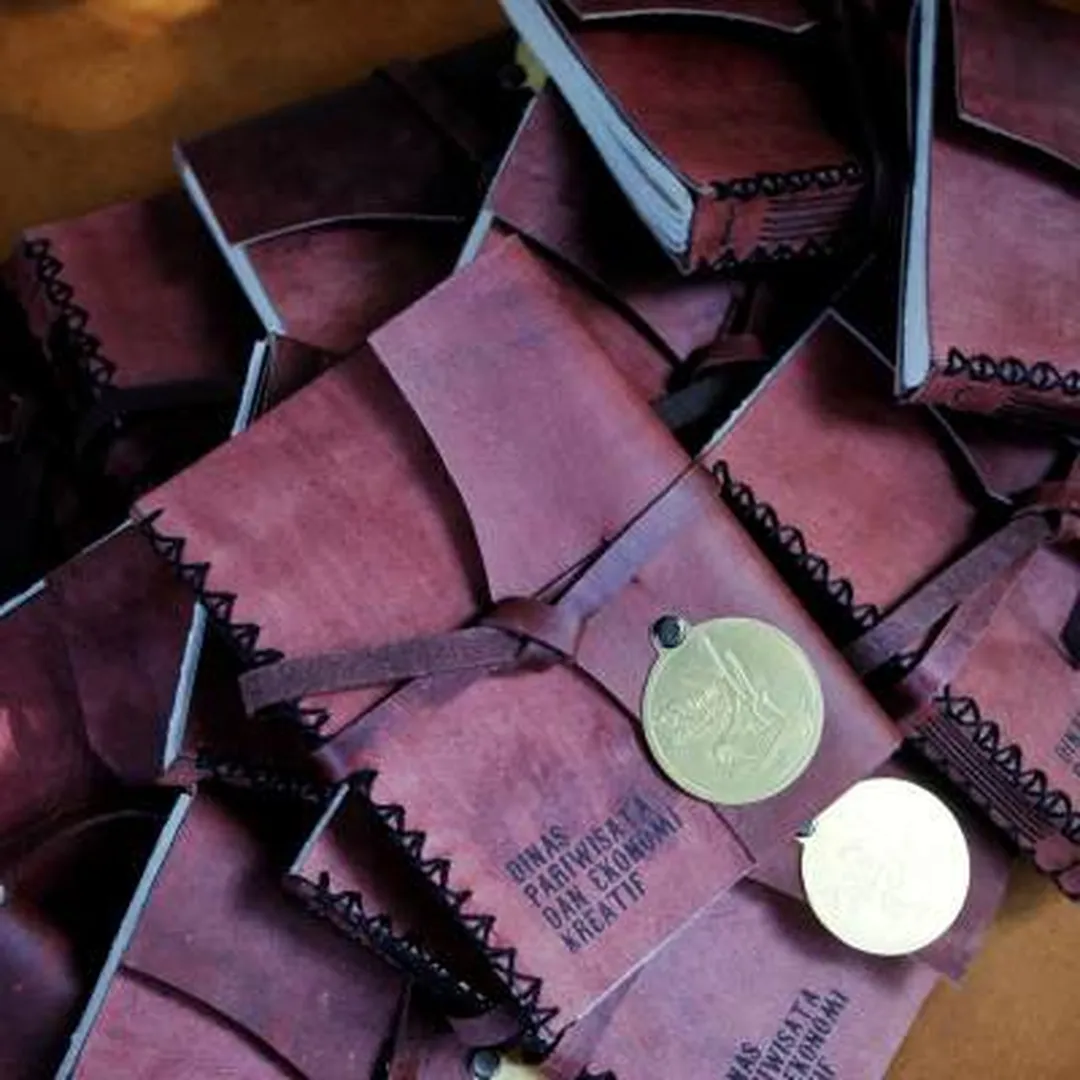
For Your Business & Your Brand
Elevate your brand image with custom leather planners. Exclusive corporate gifts that leave a deep and professional impression.
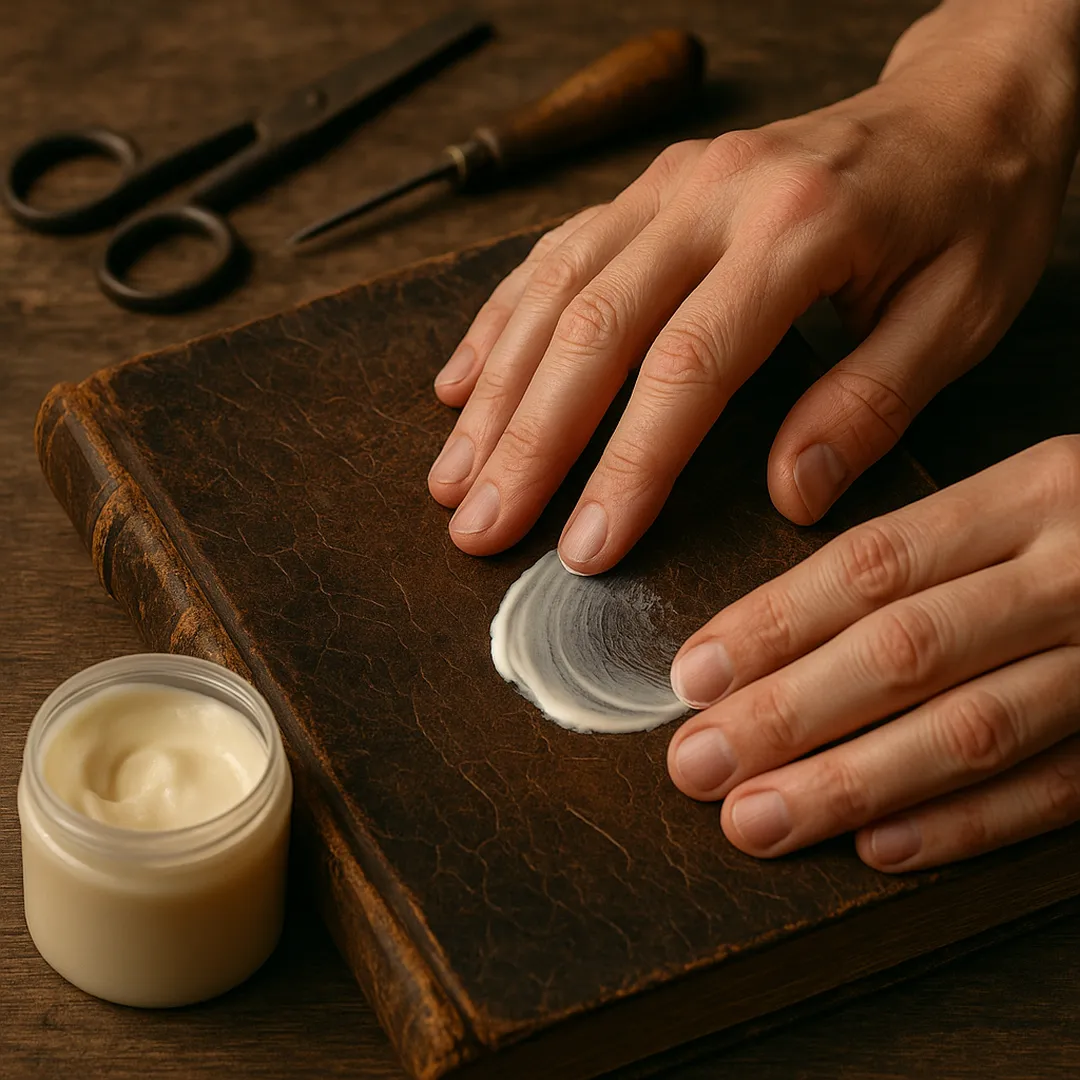
Book Repair & Conservation
Have a beloved book that’s damaged? We combine classic and modern restoration techniques to bring back its beauty and protect it for future generations.