
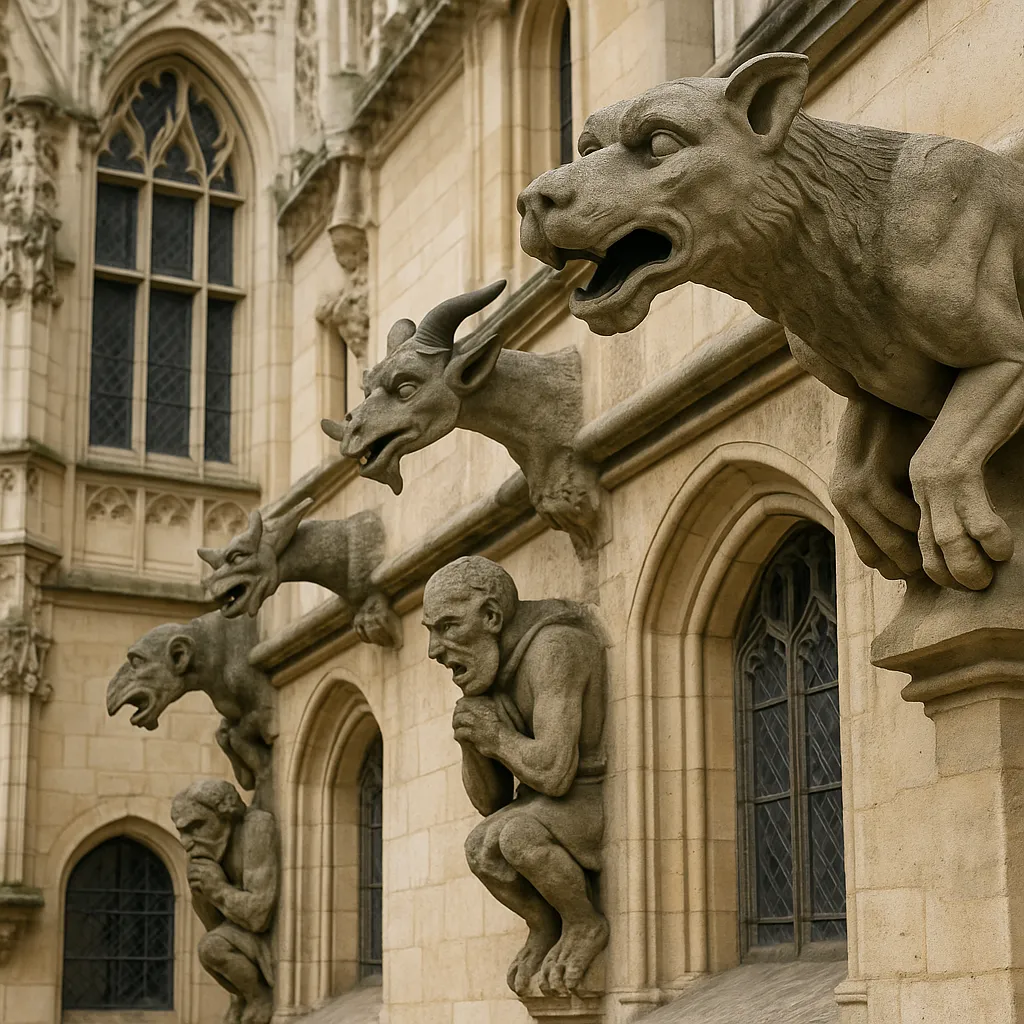
Gargoyles In The Palais De Justice, Rouen
by Ibrahim Anwar · July 25, 2025
Above the roofs and the grand corners of the Palais de Justice in Rouen, France, an army of stone monsters has watched over the city in silence for centuries. They are not merely grim decoration. They are gargoyles, a perfect blend of engineering function and the wild imagination that is the distinctive mark of Gothic architecture. The entry “Gargoyles in the Palais de Justice, Rouen” takes us into a world where stone comes alive, where every figure not only has a practical purpose but also tells a story, whether of faith, of fear, or even of the hidden humour of the craftsmen who made it.
This grand building, put up in the late fifteenth century, is the canvas for one of the most impressive collections of gargoyles and grotesques in the world. They are mute guardians, silent witnesses to a history that has watched Rouen change from a medieval seat of power into a modern city. To understand these gargoyles is to understand the spirit of the age that made them, an era in which art and practicality could not be separated, and in which beauty could be found even in the most hideous of forms.
Gargoyle vs. Grotesque: Telling the Stone Monsters Apart
Before going any further, it is worth understanding the technical but crucial difference between two terms that are often confused: gargoyle and grotesque. Although both are decorative stone figures often found in Gothic architecture, only one of them actually “gargles”.
- Gargoyle: The term comes from the Old French “gargouille,” meaning “throat” or “gullet,” which is also related to the verb “gargle”. A true gargoyle always has a practical function: it is a waterspout. Inside it runs a pipe or channel that gathers rainwater from the roof and throws it out through the figure’s mouth, carrying the flow away from the building’s stone walls to prevent damage from erosion.
- Grotesque: A grotesque is a purely decorative figure. It can be as fantastic, as hideous or as comic as a gargoyle, but it has no function as a waterspout. A grotesque can be placed anywhere on a building as ornament. Many of the famous figures on Notre-Dame Cathedral in Paris, often called gargoyles, are in fact grotesques (or more precisely, chimères) added during the nineteenth-century restoration.
At the Palais de Justice in Rouen we can find both kinds of figure, creating a rich and varied “stone zoo”.
Every gargoyle is a blend of art and engineering, a clever solution to a practical problem wrapped in the boundless imagination of the craftsmen who made it.
Palais de Justice: A Masterpiece of Flamboyant Gothic Architecture
Built mainly between 1499 and 1507, the Palais de Justice in Rouen is one of the most spectacular examples of civil Gothic architecture in France. Its style is specifically Flamboyant Gothic (“flaming”), the final phase of Gothic architecture, marked by decoration of great intricacy, richness and detail. Its distinctive mark is the use of “S”-shaped curves resembling flames in the stone tracery, which is what gives the style its name.
This Flamboyant style provided the perfect canvas for an ambitious sculptural programme. Broad walls, steep roofs and soaring pinnacles became the ideal place for the stonemasons to let their creativity loose. The collection of gargoyles and grotesques decorating this building is not merely an addition but an integral part of its architectural design, showing the prosperity and the standing of Rouen as an important commercial and legal centre at the time.
Symbolism and Wild Imagination on the Roofs of Rouen
Why choose the form of a hideous monster? There are several theories about the symbolism behind gargoyles and grotesques.
- Spiritual Guardians: The most popular theory is that their frightening appearance was meant to drive off evil spirits. They act as spiritual guardians, protecting a sacred or civil building from the powers of darkness. The basic idea is to use terror to fight terror.
- Moral Lessons: For a largely illiterate population, the architecture of churches and public buildings served as a “Bible in stone”. These figures may depict evil, sin, or devils defeated and enslaved by the church, forced to serve the building by carrying water away. Their presence outside the building symbolised that evil had no place within it.
- The Craftsmen’s Creativity: Another, simpler theory is that these figures gave medieval stonemasons a freedom of expression. Hidden high up, far from the direct oversight of their patrons, they could carve caricatures of city officials, private jokes, or merely creatures out of their wildest imagination. Every gargoyle may be the unique signature of the man who made it.
The collection at Rouen presents all of this variety, from dragons and hybrid creatures to everyday animals and strange human faces, each with a personality of its own.
Just as a medieval stonemason carved his identity into a gargoyle, personalising a leather journal is the modern way to leave your own unique mark.
From Stone to Leather: The Legacy of Gothic Ornament at Hibrkraft
The spirit behind the gargoyle—a blend of function, art and personal symbolism—sits closely with the philosophy of craft at Hibrkraft. Just as Gothic architecture was not content with a merely plain wall, we believe that a notebook or a journal does not have to be merely a useful object. It can be a personalised work of art, one that tells its owner’s story.
The tradition of decorating important objects with meaningful symbols continues to this day. When a customer asks us to deboss a Gothic monogram, a family crest, or even the image of a mythological creature onto the cover of their leather journal, they are in fact carrying on the legacy of the craftsmen of Rouen. They take an everyday object and give it a deeper layer of meaning, turning it from a mass-produced product into a personal heirloom.
At Hibrkraft we see every customisation request as a chance to “carve a gargoyle” in the modern sense. Whether it is a favourite quotation, a company logo, or an image with a particular meaning, every design pressed into the leather is a form of self-expression that lasts. It is a way of saying, “This book is not only mine, it is a part of me.” This personal touch, like the variety of the gargoyles at the Palais de Justice, ensures that no two pieces are ever truly identical.
Frequently Asked Questions (FAQ)
- Are all the figures at the Palais de Justice in Rouen gargoyles?
- No. Many of them are grotesques, that is, decorative figures with no waterspout function. Collectively, however, they are often called “gargoyles” in popular usage.
- Are gargoyles found only on church buildings?
- Although they are best known on Gothic cathedrals, gargoyles and grotesques are also found on important civil buildings such as town halls and courthouses, as is plainly visible at the Palais de Justice in Rouen. This shows the standing and the wealth of that city.
- Can I ask for a gargoyle-inspired design on my Hibrkraft journal?
- Of course. We can work up a custom design from your image or your idea. Whether it is the silhouette of a dragon, a Gothic pattern, or another motif inspired by medieval architecture, we can apply it to a leather cover by debossing or laser engraving, creating a piece that is unique and personal.
References
- Britannica – “Flamboyant style”: An explanation of the late Gothic architectural style that is the distinctive mark of the Palais de Justice.
- Google Arts & Culture – “Gargoyles and Grotesques” (the original link is dead; the reference is kept without a link): An article explaining the functional and historical difference between gargoyle and grotesque.
- History Defined – “Gargoyles vs. Grotesques: The Dark Origins and Differences” (the original link is dead; the reference is kept without a link): Gives a deep insight into the history and the symbolism behind both kinds of figure.
- Rouen.fr – “Palais de Justice” (the original link is dead; the reference is kept without a link): Official information from the city of Rouen on the history and significance of the building.
- Saving Castles – “Gargoyles and Grotesques” (the original link is dead; the reference is kept without a link): Explores the functional and mystical purpose of these “stone guardians”.
- World in Paris – “Gargoyles of Notre Dame” (the original link is dead; the reference is kept without a link): An article that also explains the legend of St. Romanus and the gargouille of Rouen.

Custom Notebook
Carve your own legacy. Personalize a handmade leather journal with designs that tell your unique story, inspired by centuries of craftsmanship.
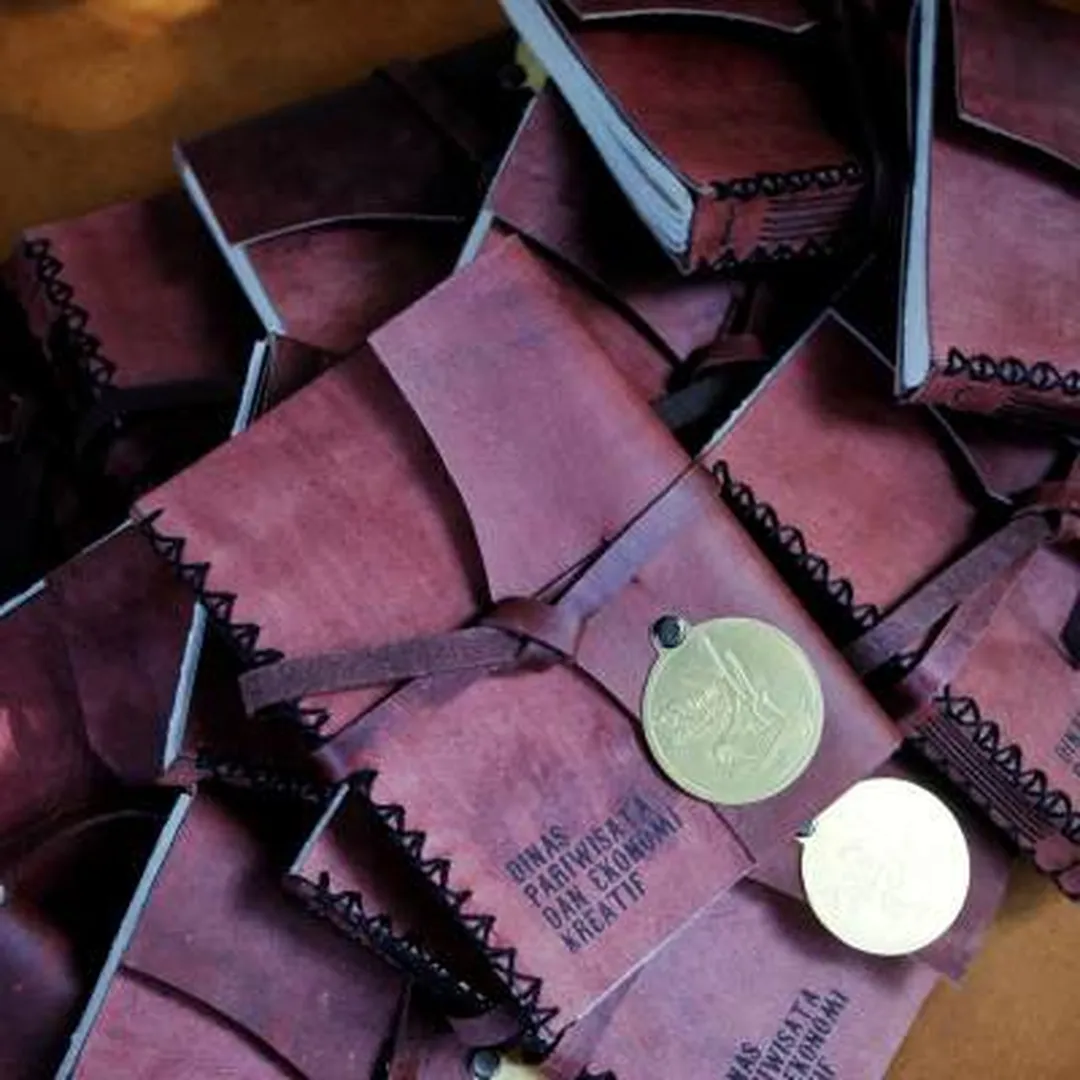
Business & Whitelabel
Elevate your brand with symbols of strength and distinction. Custom leather goods that make a lasting, powerful impression.
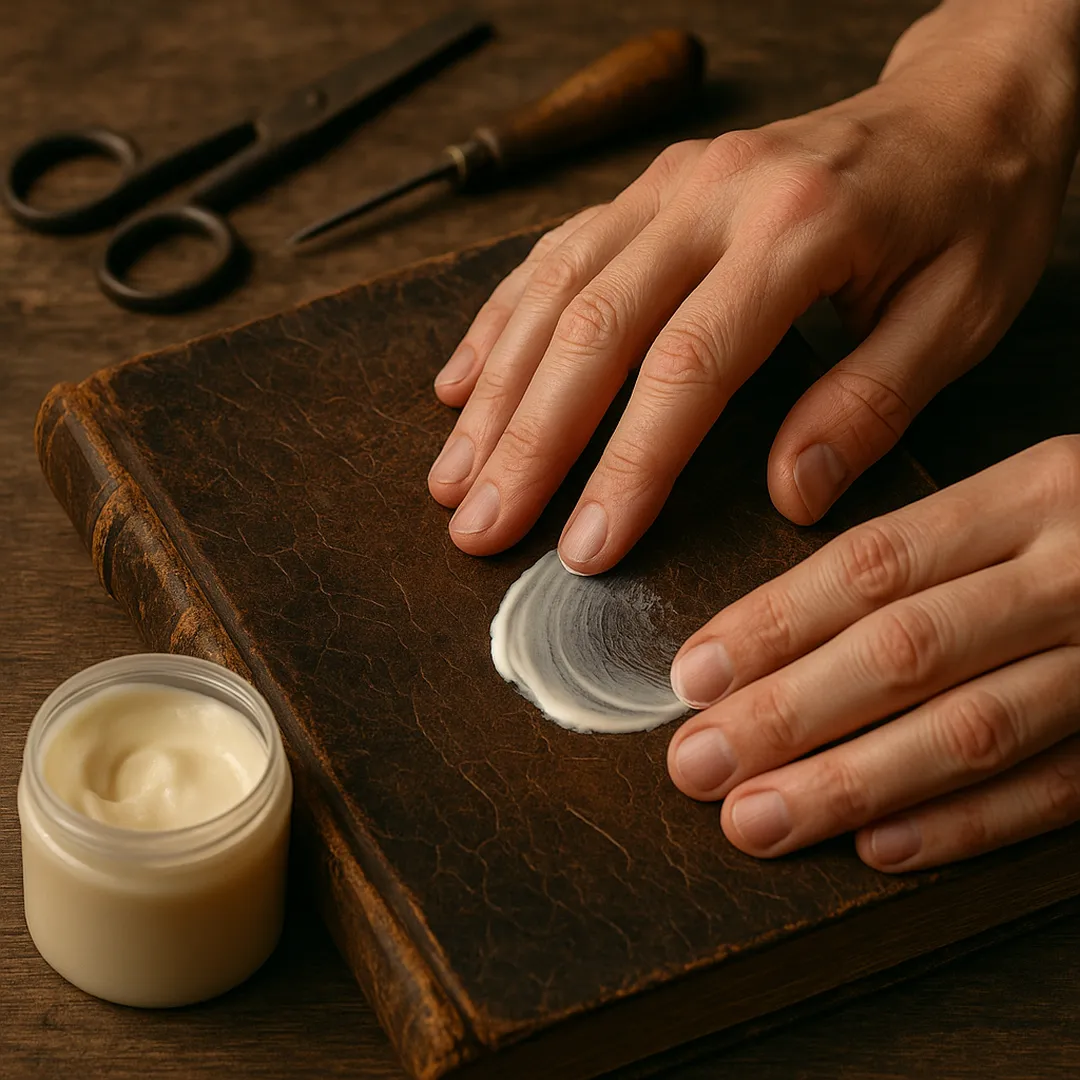
Book Repair & Conservation
Preserve your treasures. We restore beloved books, honoring their history while ensuring their stories endure for future generations.