
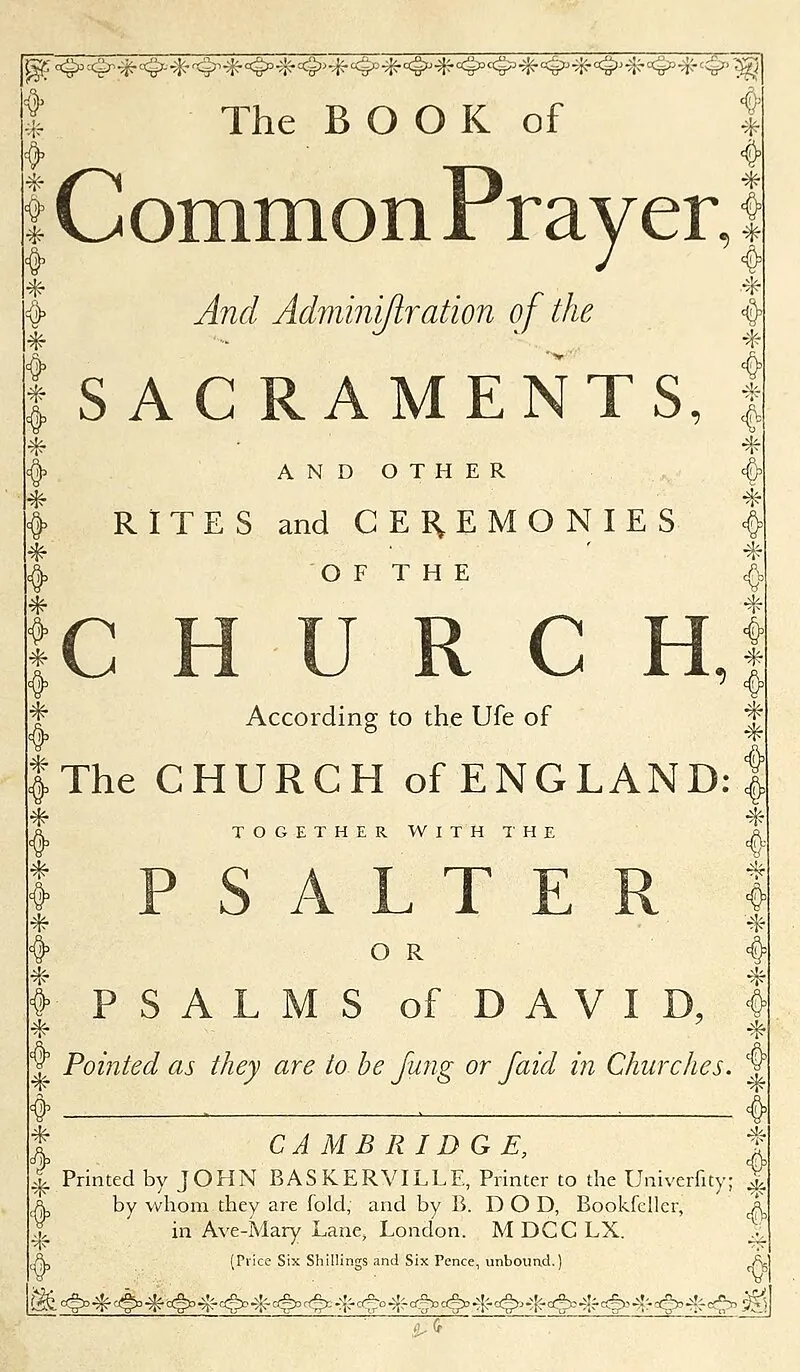
Book of Common Prayer (Manuscript)
by Ibrahim Anwar · July 26, 2025
The Book of Common Prayer is the foundational liturgical text of the Church of England, and it has passed through many editions and revisions across its history. Far beyond its theological significance, the book has often been an extraordinary physical artefact, in which the art of luxurious bookbinding reflects the status, the piety and the aesthetic values of its age. A specific example such as the London edition of 1638, bound in blue velvet and decorated with gold thread embroidery and silver guimp, serves as a tangible time capsule. A binding of this kind is not merely a protective cover; it is a visual statement communicating wealth, social standing and the importance of the text within, joining religious practice to the summit of the material craftsmanship of its day.
The Book of Common Prayer: When a Sacred Text Meets the Summit of the Binder’s Art
The Book of Common Prayer is one of the principal pillars of the history of the Anglican Church and of English literature. For bibliophiles, historians and makers, though, the book carries a deeper meaning—it is the canvas on which the history of the binder’s art is revealed in its most intimate and most luxurious form. Every edition, above all those from the sixteenth to the eighteenth century, tells not only the evolution of religious practice but also the evolution of taste, technology and social standing through its binding. By following a specific example, such as the very lavishly bound London edition of 1638, we can “read” a book not only from its words but also from the velvet, the gold thread and the silver that wrap it.
The Historical and Religious Significance of the Book of Common Prayer
To understand why a prayer book was bound so magnificently, we must first understand its central position. Born out of the upheaval of the English Reformation in the middle of the sixteenth century, the Book of Common Prayer was a revolutionary work. Under the direction of Archbishop Thomas Cranmer, the first edition of 1549 replaced the Roman Catholic Latin liturgy with a comprehensive set of prayers, rites and orders of service in English. It was a radical step, and it made worship accessible to ordinary people for the first time.
The book became a symbol of English national and religious identity. It united the church under a single form of worship, and its poetic and stately language soaked into English culture, shaping many phrases still in use today. Because of its central role in everyday life—from baptism through marriage to burial—owning a copy of the Book of Common Prayer became commonplace. Not every copy was created equal, however. The quality and the luxury of the binding was a clear marker of its owner’s status and piety.
The Book as Artefact: Binding for Sacred Scripture
In a society where a book was still a relatively rare and precious thing, and where outward appearance mattered a great deal, bookbinding was a serious art form. For a text as important as the Book of Common Prayer, the binding was more than a protection. It was an offering, a way of honouring the sacred content of the text. A luxurious binding served as:
- A Marker of Status: Only the nobility, senior churchmen or the royal family could afford a binding using expensive materials such as velvet, silk, gold and silver.
- An Expression of Piety: Wrapping a prayer book in the finest binding money could buy was a way of showing devotion and reverence towards God.
- Diplomatic and Personal Gifts: Beautifully bound copies were often given as gifts between nobles, or as precious wedding and baptism presents.
Case Study: The London Edition of 1638 in Its Wrapping of Luxury
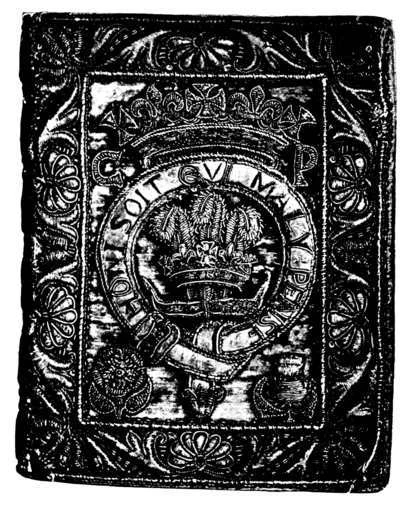
A specific example of a 1638 Book of Common Prayer bound in blue velvet with lavish embroidery is a perfect window onto this world. Let us take apart each element of that binding:
- Blue Velvet Binding: Velvet, in the seventeenth century, was a highly luxurious cloth, often imported from Italy or France. Its intricate manufacture made it expensive and exclusive. Its use as a covering material signalled luxury, and a touch of softness in contrast to the more common leather cover. The colour blue was often associated with truth, with heaven and with the Virgin Mary, adding a layer of religious symbolism.
- Gold Thread Embroidery: Embroidering with thread made of real gold was the summit of textile craftsmanship. It demanded extraordinary skill and a great deal of time. The embroidered design was often the owner’s monogram, a family coat of arms, or religious symbols. Every stitch was an investment of time and material, turning the cover of a book into a work of textile art.
- Silver Guimp: “Guimp”, or “gimp”, is a kind of trim or decorative ornament made from thread wound around a core. Here, the use of silver guimp adds a further layer of luxury and textural detail. The combination of gold and silver is an incontestable declaration of wealth, showing that no cost was thought too great to ornament this book.
A binding of this kind was most likely made for someone of the royal circle, or for a very wealthy noble family. It served not only as a prayer book but also as an ornament—an object to be displayed with pride in a private library, or even carried to church as a clear marker of status.
The binding is not merely a protection; it is a visual statement about status, piety and power, in which every material chosen tells a story.
Reading a Binding: What the Materials Say About History and Craft
Looking at an artefact such as this 1638 Book of Common Prayer is more than admiring its beauty. It is an exercise in material archaeology, in which every component gives a clue about the world it was created in. The binding is a historical document in its own right, as important as the pages printed inside it.
Material Symbolism in Seventeenth-Century Binding
The choice of materials in a luxurious binding is never random. Each one carries a weight of cultural and economic meaning:
- Velvet: Beyond its luxury, velvet gives a rich tactile experience. It is soft to the touch, inviting its owner to hold the book and to handle it. This creates a more personal and more intimate relationship with a sacred object.
- Gold: Throughout history, gold has been a symbol of divinity, of eternity and of enlightenment. Using it as thread to embroider a sacred text was a way of reflecting divine light onto a physical object. It is also, of course, the plainest symbol there is of worldly wealth.
- Silver: Often associated with the moon, with purity and with wisdom, silver gives an elegant contrast to the warmth of gold. Its use shows access to a range of precious metals and a sophisticated understanding of design.
The combination of these materials in a single object tells the story of its owner’s access to global markets (for the velvet), to mineral wealth (gold and silver), and to skilled makers (the bookbinder and the embroiderer).
The Craftsmanship Behind a Luxurious Binding
It is important to remember that a binding like this was most likely not the work of one person. It was a collaborative project involving several expert makers:
- The Bookbinder: Responsible for the internal structure of the book—sewing the sets of pages together, shaping the spine and fitting the cover boards.
- The Embroiderer: A specialist, most likely from an embroiderers’ guild, would work the velvet panel separately before it was fitted to the book. They would work the intricate design in gold and silver thread.
- The Metalsmith: If the book had a clasp, or corner ornaments of silver or gold, a metalsmith would make them.
The process shows how integrated the various forms of craft were in the creation of a single luxurious object. It is the summit of the craft ecosystem of its day.
Every stitch of gold thread on the blue velvet cover of the 1638 edition is not only ornament, but a trace of economic and social history, and of personal devotion, frozen in time.
The Legacy of the Book of Common Prayer in Modern Craft
What is the connection between a seventeenth-century velvet binding and a custom leather journal made today? The connection lies in the intent, and in the regard for a physical object as a vessel for the things that matter to us.
In the past, the Book of Common Prayer was a place for prayer, for reflection, and for marking the milestones of a life. Today, for many people, that role is filled by a personal journal, an agenda book or a sketchbook. These are our private spaces for thinking, planning, dreaming and remembering. The wish to wrap that private space in something beautiful, durable and personal is an echo of the same tradition that moved a noble to commission a luxurious binding for his prayer book.
At Hibrkraft we carry this spirit on. We may not use velvet and gold, but we use high-quality genuine leather—a material equally precious and equally durable. We may not embroider with silver thread, but we offer personalisation through debossing, letting every individual leave their own mark on their object. We believe that a book holding a part of your life deserves a binding made with the same craftsmanship, the same care and the same respect given to the most precious historical artefacts.
Understanding the history of an object like the Book of Common Prayer enriches our appreciation of craft. It reminds us that a book can be more than pages and a cover. It can be a legacy, a work of art, and a powerful reflection of the life and the times of its maker and its owner.

Create Your Own Legacy
Just as the Book of Common Prayer was a vessel for devotion, let our custom journal be a vessel for your own precious stories and ideas.
Make a personal leather journal every bit as meaningful, a modern artefact made with everlasting craftsmanship.
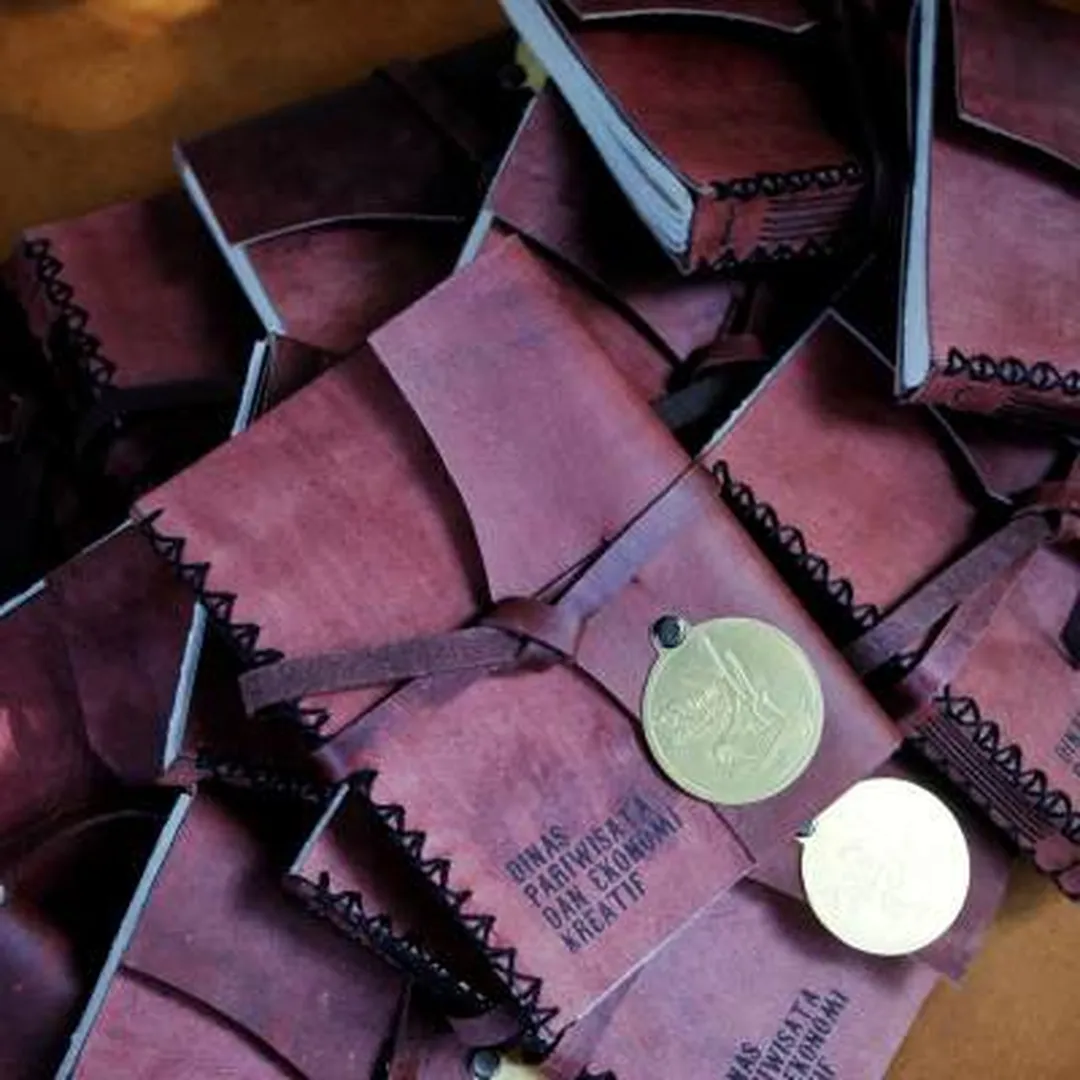
A Binding That Reflects Status
Raise your brand’s image with a business agenda that radiates quality and luxury, inspired by the finest binding traditions.
A premium corporate gift solution that shows your company values quality down to the smallest detail.
Contact Us
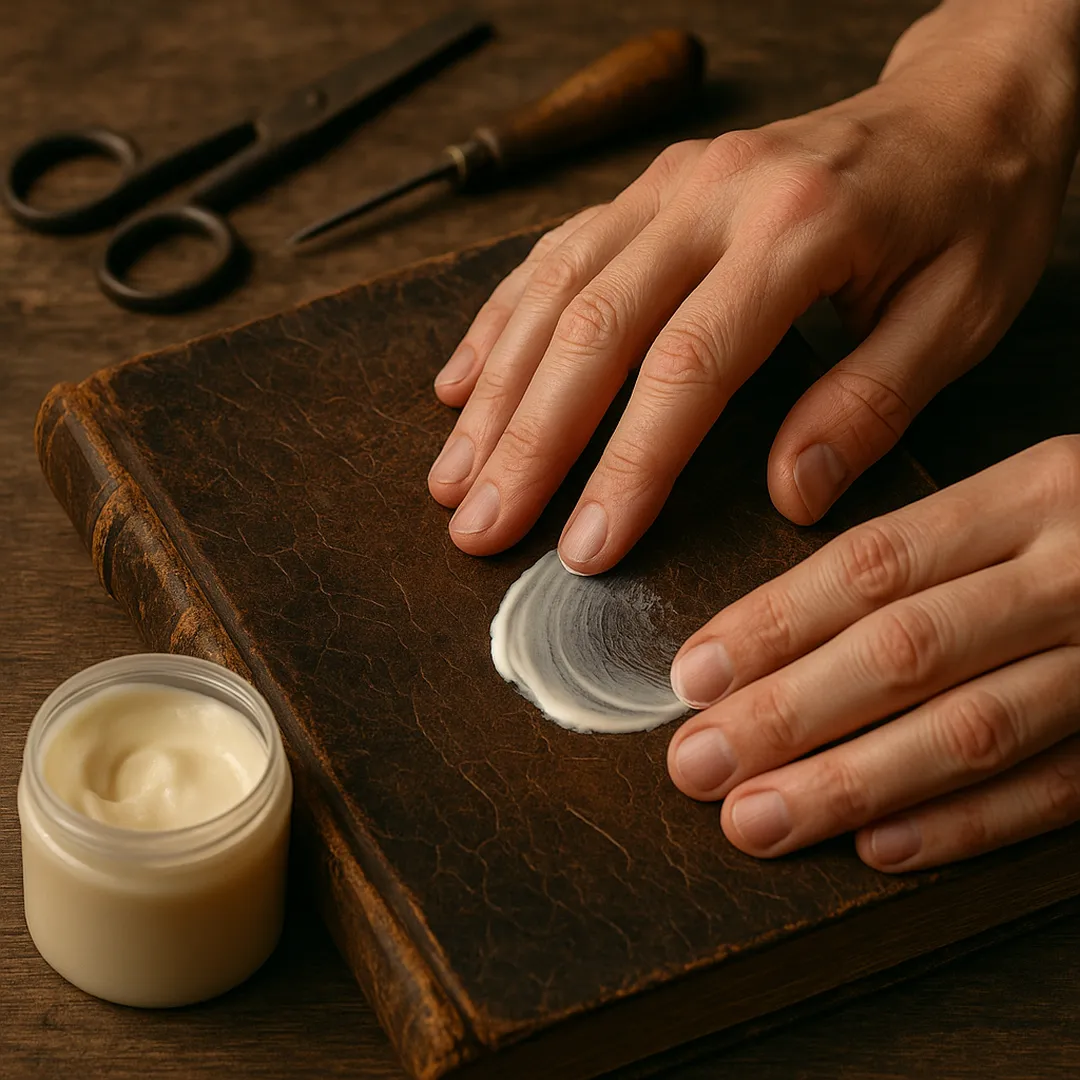
Book Repair & Conservation
Do you own a precious book like the Book of Common Prayer? We restore it with techniques that respect its history.
A professional restoration service for antique books and family heirlooms, keeping every historic binding intact.
Free Consultation