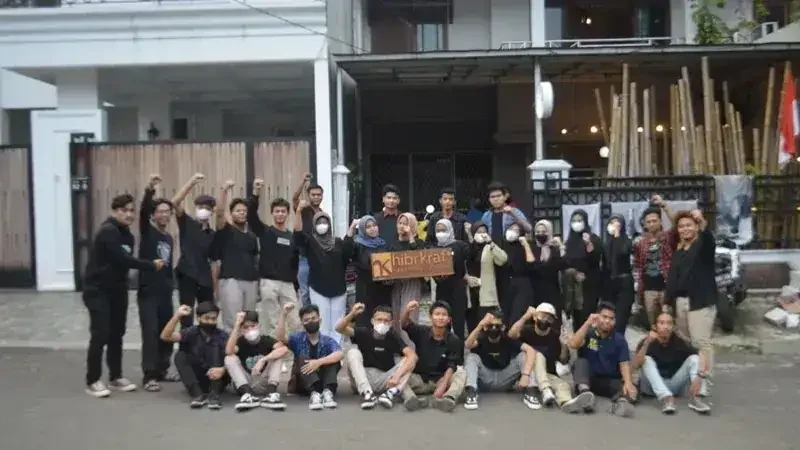

Journaling Community
by Aika Mentari · August 5, 2025

Keeping a journal is, at its heart, an intimate conversation with yourself. It is a deeply private act, carried out in silence, where our innermost thoughts and feelings are poured onto a blank page. Yet there is a beautiful paradox in the practice: solitary though it is, there is an innate longing in us to connect and to share. This is where the strength of a journaling community shines brightest. It takes that solitary act and turns it into a bridge, connecting individuals from every corner of the world who share the same passion.
A journaling community is plain evidence that we are not alone on our journey. Whether you are a meticulous planner, an expressive artist, or someone simply trying to navigate the chaos of life, there are others out there who understand. They understand the delight of finding a pen that glides perfectly across the paper, the satisfaction of marking off a finished task, or the relief that follows an emotional session of expressive writing. The community turns a private hobby into a shared movement, a global celebration of the power of pen and paper to organise, to heal and to inspire. It is not only about writing; it is about finding your tribe.
From Letters to Global Hashtags: The Evolution of the Journaling Community
Historical Roots: Literary Circles and Pen Friendships
Long before the internet, the desire to share writing and thought had already produced communities of many kinds. In the 18th and 19th centuries, literary circles and salons were where writers, philosophers and artists gathered to read their work aloud, argue over ideas and give one another feedback. On a more personal level, “pen pal” programmes connected people in different countries by letter, sharing stories of daily life, dreams and observations—a form of shared journaling that crossed continents.
These early communities laid the foundation for what was to come. They showed that there is a basic human need to document one’s life and to share that documentation with others of like mind. They are the forerunners of what we see today, though on an entirely different scale and at an entirely different speed.
The Digital Revolution: The Birth of the Modern Community
The arrival of the internet in the late 20th century and the explosion of social media platforms in the 2000s changed everything. Communities once bounded by geography could now form globally and instantly. The evolution can be traced through a few main stages:
- The Blog and Forum Era (early 2000s): The pioneers began making blogs devoted to their hobby, stationery and journaling among them. They would write in-depth pen reviews, scan their journal pages and share their thoughts. Comment sections and online forums became the first places for discussion, where enthusiasts could ask each other questions and exchange ideas.
- The Visual Era: Flickr and Pinterest (mid-2000s): These image-led platforms let journal keepers share their pages visually in a far more appealing way. Flickr in particular became home to many “Moleskine” or “Fountain Pen” groups, where members uploaded artistic photographs of their journals.
- The Hashtag Era: Instagram and YouTube (2010s to the present): This is the real point of explosion. Instagram, with its powerfully visual nature and its brilliant hashtag (#) system, became the main home of the journaling community. Hashtags such as #bulletjournalcommunity, #journaling and #travelersnotebook connect millions of people. “Plan With Me,” a video format on YouTube in which a creator shows the process of setting up their journal for the coming week or month, became hugely popular, creating a more personal relationship between creators and their audiences.
Today the journaling community is a living, varied digital ecosystem, present on almost every social media platform. It has democratised inspiration; you no longer need to buy an expensive magazine, just open your phone and a world of creativity is at your fingertips.
Inside a journaling community, the blank page is no longer a lonely challenge but a canvas for a global conversation.
Why Do We Join? The Psychology Behind the Connection
What drives millions of people not only to keep a journal but to take an active part in the community around it? Several basic psychological needs are met:
- Inspiration and Ideas: This is probably the most common reason. Seeing how other people use their journals—from clever layouts and innovative habit trackers to unique artistic styles—can spark our own creativity and help us get past the “blank page”.
- Validation and Being Seen: Keeping a journal can feel like shouting into the void. When you share your page and receive a positive comment, or merely a “like”, that is validation. Someone else has seen your effort, valued your creativity and understood your passion. It is a very powerful feeling.
- Support and Problem-Solving: Trouble with ink bleeding through? Torn between two kinds of journal? The community is the right place to ask. You will get answers from people who have faced the same problem, creating a sense of collective support.
- Accountability: Knowing that a community might see your work can be a strong motivator to stay consistent with your journaling practice, whether for productivity or for mental health.
- A Sense of Belonging: People are social creatures. Finding your “tribe”—people as enthusiastic about the same things as you are, however niche—can reduce the feeling of isolation and create a deep sense of belonging.
Navigating the Journaling World: The Range of Communities and Their Etiquette
Not every journaling community is the same. Like a large city, it has many different “districts” or sub-communities, each with its own focus, style and language. Understanding the landscape will help you find the place that feels most like home.
The Many Faces of the Community: Finding Your Niche
Although there is a great deal of overlap, journaling communities tend to centre on a particular style or system:
- The Bullet Journal (BuJo) Community: By far the largest and most varied. Inside it you will find a broad spectrum, from minimalists focused on pure productivity to artistic maximalists who treat every page as a work of art. Hashtags such as #bujoinspiration or #minimalistbujo will take you into different worlds.
- The Art Journaling Community: This community cares less about planning and more about self-expression through mixed media. Their pages are filled with paint, collage, stamps and expressive handwriting. The focus is on the creative process and on emotional release.
- The Traveler’s Notebook (TN) Community: A community built around one particular modular journaling system. Discussion often turns on how to organise the various inserts, how to care for a leather cover, and sharing the charms and accessories members use to personalise their system.
- The Mental Health Journal Community: These groups use journaling as a tool for mental health. They share writing prompts for self-reflection, celebrate progress on their healing journeys, and provide a safe, supportive space to discuss difficult subjects.
- The Stationery Lovers Community: This community is obsessed with the tools. Discussion centres on pen reviews (fountain pens above all), the best kinds of paper, the newest ink brands, and stationery “hauls” (a show-and-tell of purchases).
Knowing which kind of journaling practice appeals to you most is the first step towards finding the right community.
Language and Unwritten Etiquette
Like any other culture, the journaling community has its own vocabulary and social norms. Understanding them will help you fit in smoothly:
- Common Vocabulary: You will often hear terms such as `spread` (a two-page layout), `ghosting` (the shadow of ink visible on the back of a page), `bleeding` (ink soaking through the paper), `washi` (Japanese decorative adhesive tape), and `pen-able` (letting other people try your pen).
- Credit Is Compulsory: If someone else’s layout or idea inspires you, good etiquette is to mention or tag the source of that inspiration. It is a way of respecting other people’s creativity and keeping the ecosystem positive.
- Constructive, Not Critical: The community is generally very positive and supportive. Feedback is usually given as a constructive suggestion rather than sharp criticism. Avoid unnecessary negative comments.
- Be Authentic, Not Perfect: Although a great many pages look perfect on Instagram, there is a growing movement to show the “messy” pages and the real process. Do not be afraid to share your imperfections; more often than not they are what makes other people feel connected.
Avoiding the Traps: The Other Side of the Community
Positive though it is, there are a few challenges to watch for when navigating an online community:
- Comparison and “Journal Envy”: It is very easy to look at intensely artistic pages and feel your own journal is not good enough. That can paralyse creativity. It is important to keep reminding yourself that your journal is for you, and that its purpose is function or personal expression, not perfection.
- Excessive Consumerism: The community can set off a desire to buy more stationery than you actually need. Set a budget, and remember that the most important tools are a pen and paper, not an endless collection of washi tape.
- Pressure to Share: You do not have to share anything you do not want to share. Journaling is fundamentally a private practice. Share only what you are comfortable sharing.
The key to a healthy experience of the community is to use it as a source of inspiration, not as a yardstick for perfection.
FAQ
I am a beginner with a simple journal. Can I still join a community?
Of course! Journaling communities are very welcoming to beginners. In fact they are the best place to learn and to pick up ideas. Do not hesitate to ask questions, even the most basic ones. Everyone started from a first blank page.
Where can I find a journaling community, particularly in Indonesia?
Start with social media. Search for hashtags such as #journalingindonesia, #bujoindonesia, or #indonesiaplannercommunity on Instagram. Join the relevant Facebook groups. Beyond that, many local stationery shops and makers such as Hibrkraft hold workshops or meet-ups, which can be a great way to connect offline.
I am not artistic and I cannot draw. Is there a place for me?
There certainly is. A great many members of the community focus on minimalist journaling, on productivity, or on writing alone. Look for hashtags such as #minimalistjournal or #writingjournal. You will find that beauty and function do not always require artistic talent.
Toggle title
“Plan With Me” is a popular video format in which a creator films the process of setting up their journal pages for the coming week or month. It is a relaxed and inspiring way to see how someone else works, pick up layout ideas and feel as though you are planning alongside a friend.
References
- The Spruce Crafts. “What Is Art Journaling?” (the original link is dead and there is no archive of it; we keep this reference without a link)
- Bullet Journal Blog. “Community and The Bullet Journal Method.” (the original link is dead; the reference is kept without a link)
- JetPens. “How to Start a Traveler’s Notebook” (mentions community aspect).
- Psychology Today. “Finding Your Tribe Is Essential for Your Well-Being.” (the original link is dead; the reference is kept without a link)
Beyond online communities, face-to-face sessions help many people get started. Hibrkraft runs classes in making your own leather journal at its workshop in Bogor through Hibrkraft Experience.

A Journal Worth Sharing
Your story is unique. Create a custom leather journal that is a perfect reflection of you, ready to be shared with your journaling community.
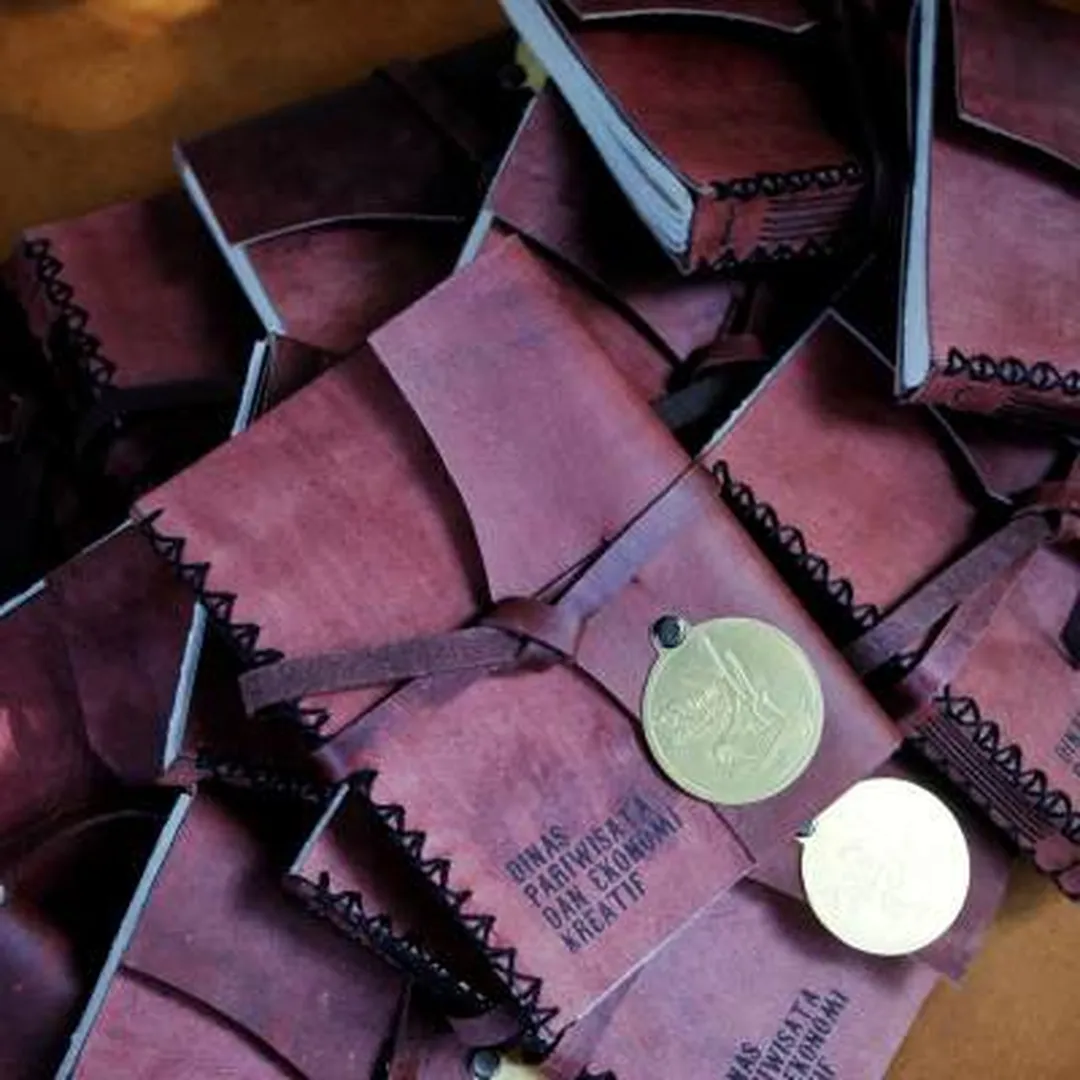
Build Your Brand’s Community
Custom-branded journals are the best way to foster a sense of community around your brand, club or organisation.
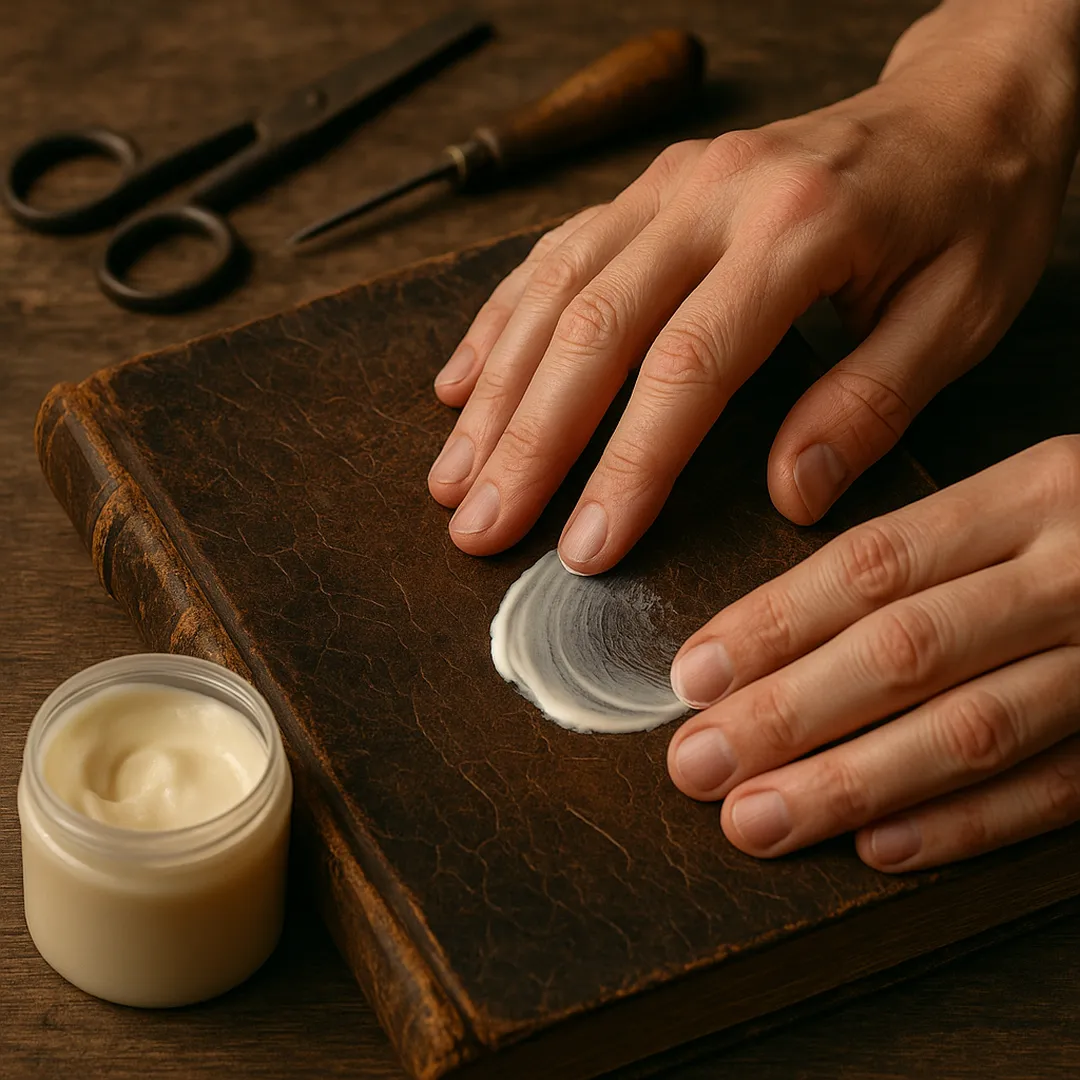
Workshops & Events
Interested in holding a journaling workshop for your group or community? Let’s collaborate to create an inspiring event.