

Bulk & White Label
Retail-Ready Product: What a Retailer Receives in One Box
Pricing and MOQ are on the bulk & white label page; the packaging design choices (colour, box shape) are on the packaging customisation page. This page answers one thing only: what is attached to the goods before they ship, so they can go straight onto a shelf.
- 5 shelf-ready elements
- Barcode printed from your numbers
- Poly bag included as standard
We handle the detail, so you can concentrate on selling.
Five elements
The five elements a retailer receives
A shop that receives a plain shipment has to label, pack and price everything itself before any of it can be sold. A retail-ready product moves that work upstream — all five of these are already fitted when the box is opened.
| Element | Description | What it does on the shelf |
|---|---|---|
| Poly bag | Basic protection, included with every order | Protects the leather from scuffs in transit and in storage |
| Belly band | A paper or cardstock band around the cover, printed with a logo or a brand message | The first seal — a buyer has to pull it off to open the product |
| Hang tag | A hanging label carrying the brand | Answers name, material and size without needing a shop assistant |
| Insert card (product card) | Care instructions, material detail, or the brand's story | Adds selling value and informs the buyer at the shelf |
| Barcode and price marking | Printed from the SKU/EAN-UPC numbers you supply — issuing the numbers themselves sits outside this workshop | Makes the product ready for any POS system |
Price marking is a small detail with a large consequence. A strong adhesive sticker applied directly to vegetable-tanned leather leaves a permanent dark mark when it is peeled off — the kind of damage that only shows up in the buyer's hands. A price is also worth thinking about twice before printing it straight onto a label: a printed price locks the goods to one market and makes any seasonal adjustment difficult.
From the archive
Ready for the shelf
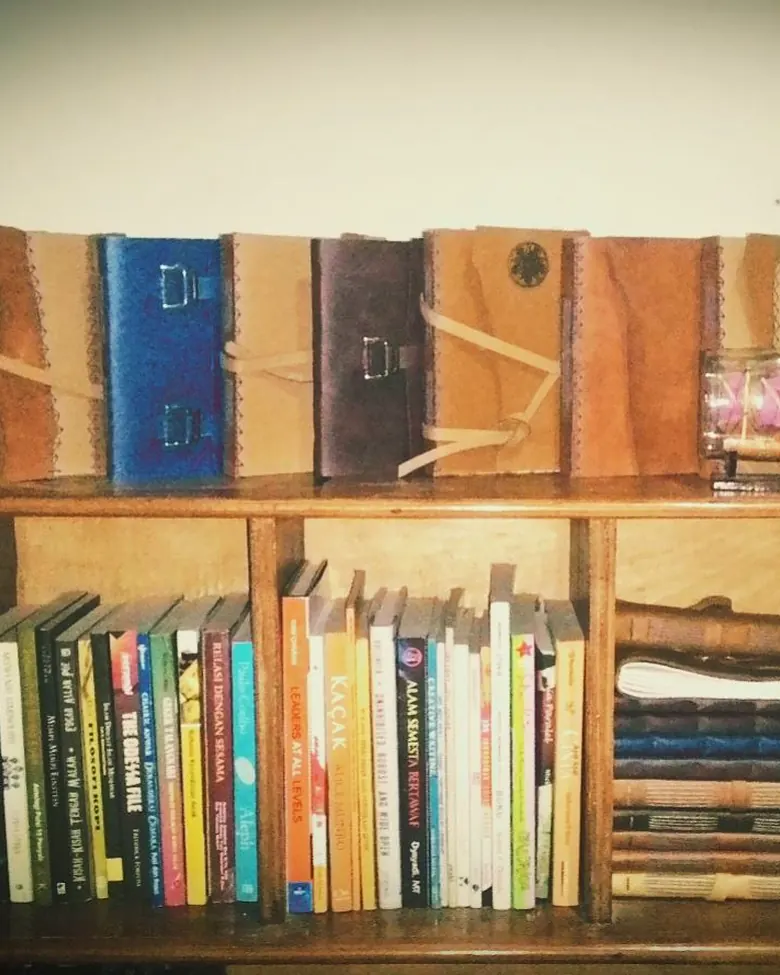
Shop shelf
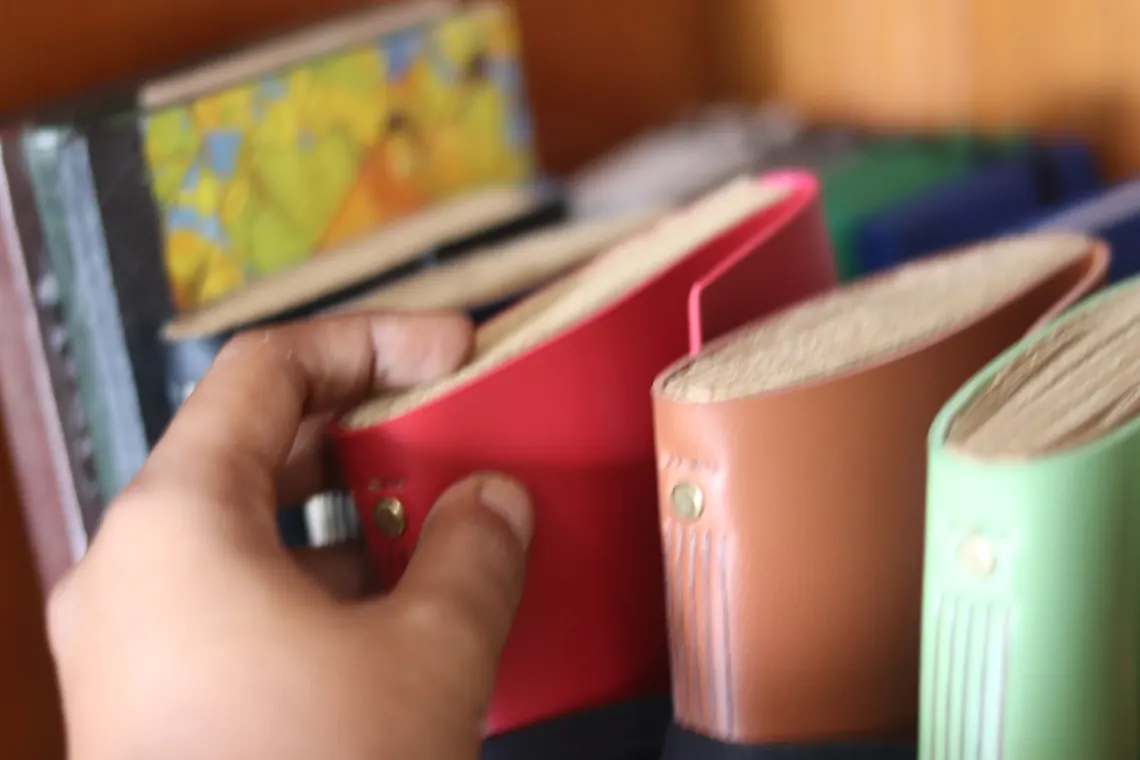
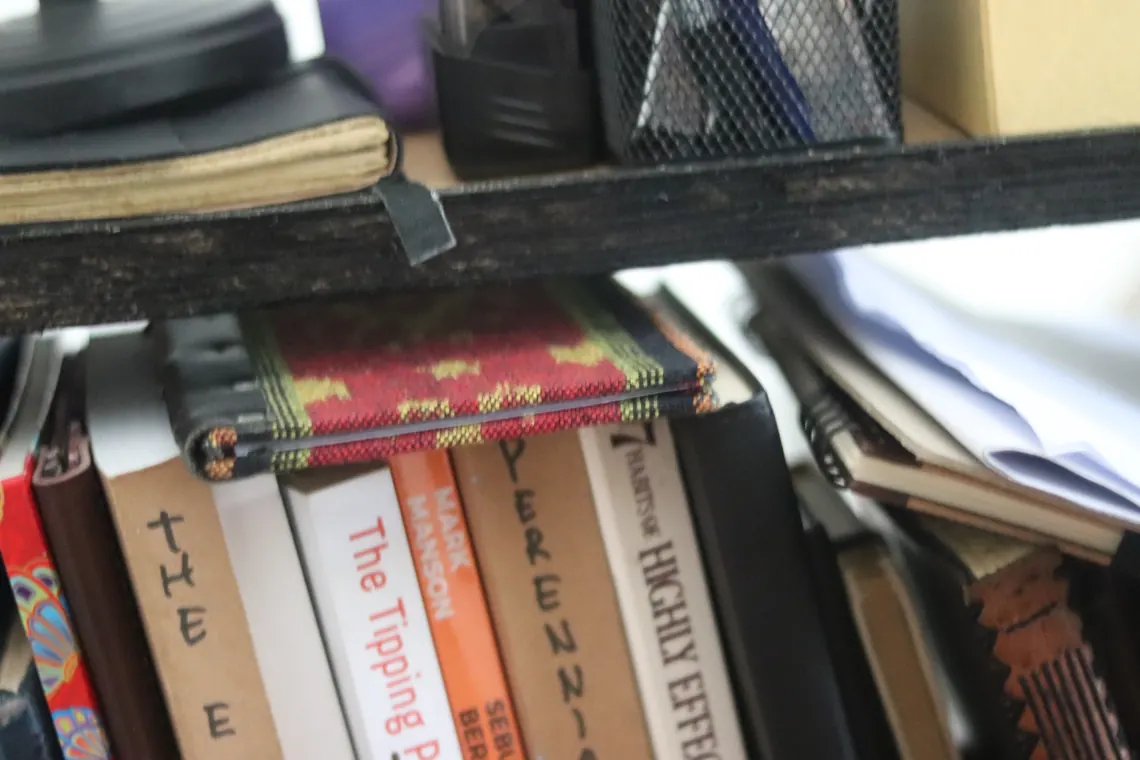
Displayed in a row
Consistent sizing makes the goods read as a single line.
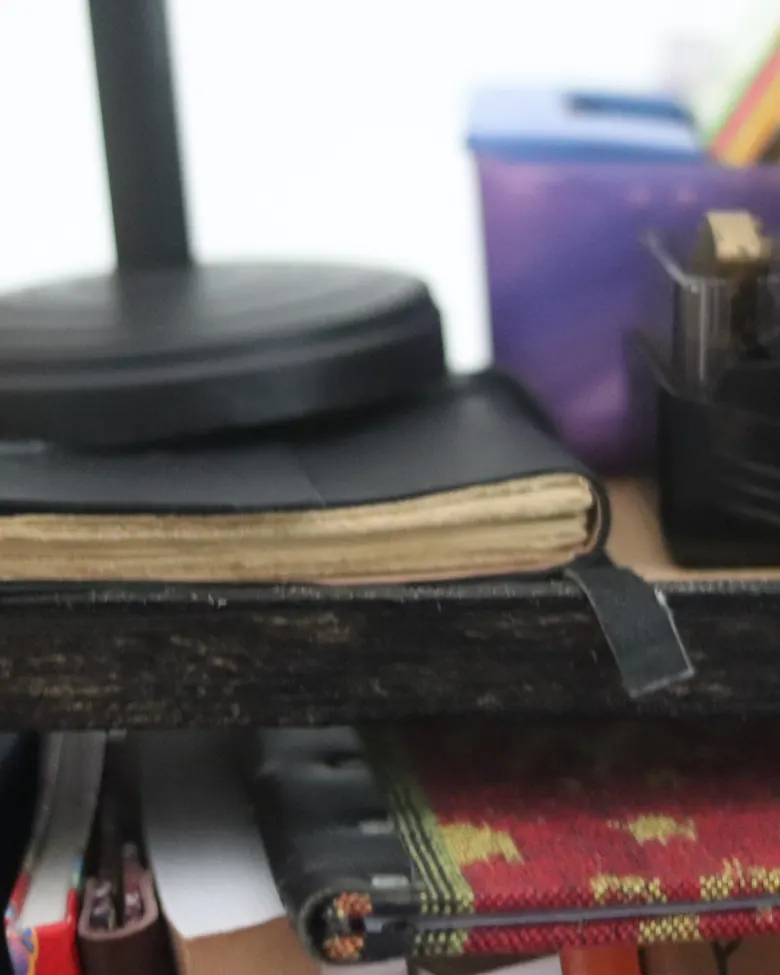
Stock
Ready to ship
Labelled and packed before they leave the workshop.
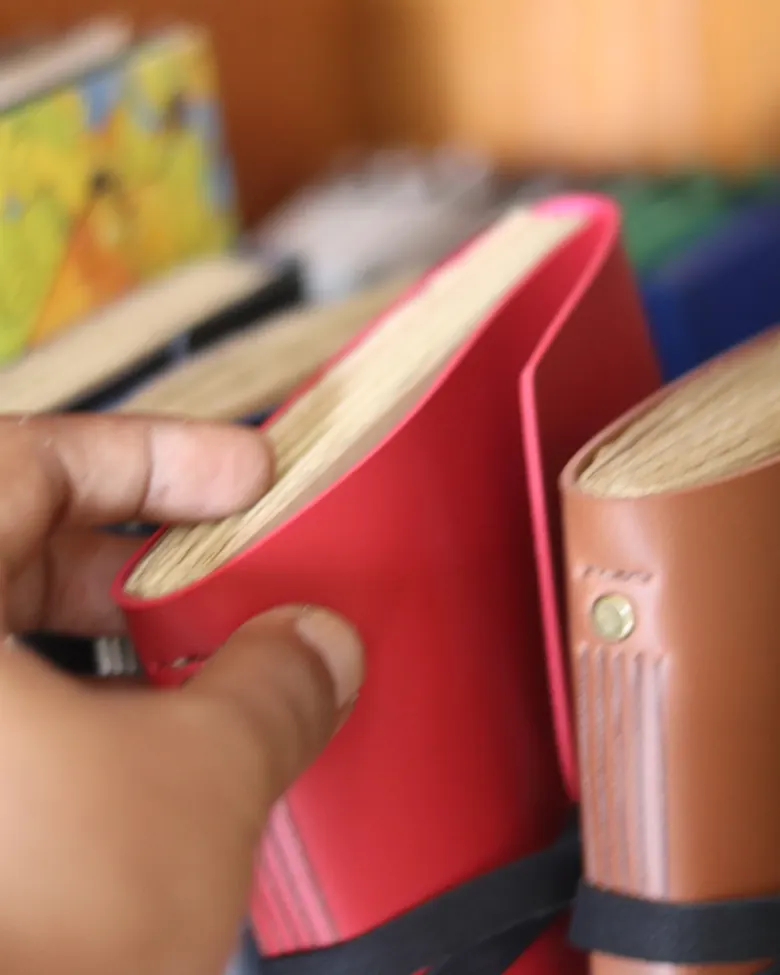
Buyer
Picked up directly
No need to ask a shop assistant — the label has already answered.
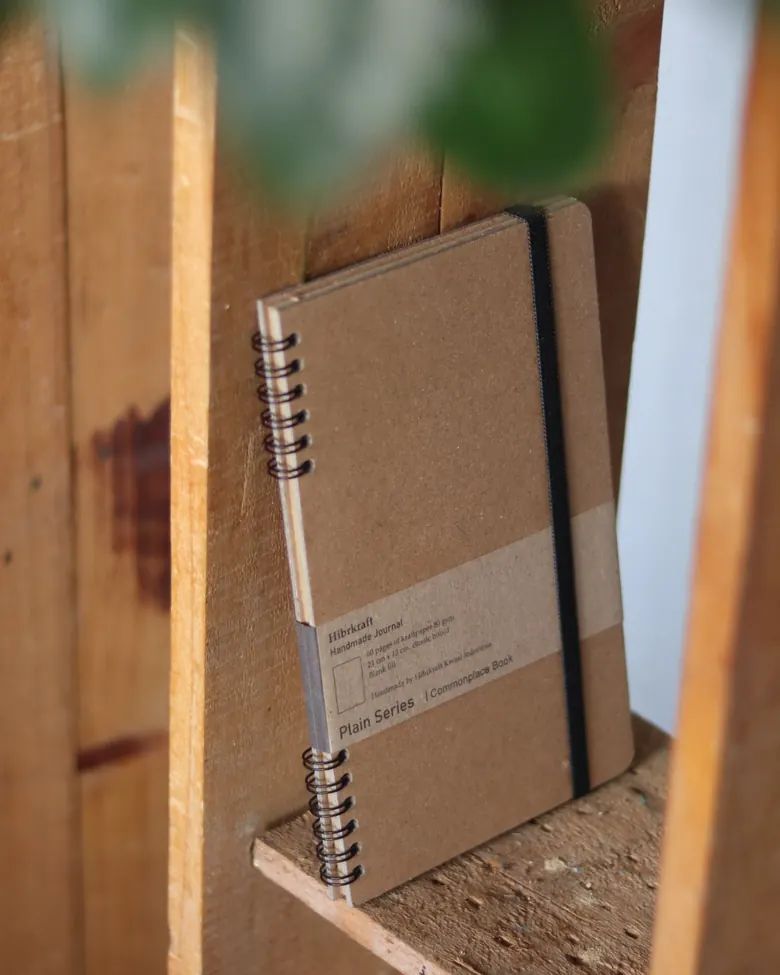
Variation
Different binding, same label
The labelling standard applies to every binding method.
Consistency
What makes an item shelf-ready
For a seller who wants their own brand on the product rather than the shop's on a label, the route is a different one — see private label requirements.
Who it suits
Who this route makes sense for
- Shops carrying many brands. Goods that arrive already labelled add no work for the staff.
- Online sellers with no warehouse of their own. Packaging already fitted means the goods can be forwarded without being opened.
- Museum and gallery shops. A label naming the material and the making is part of what sells it.
- Brands testing a market. A small retail-ready batch reaches the shelf faster than a large one that has to be reworked.
Questions
The questions asked most often
Can the label carry my shop's brand?
It can. Where our name appears nowhere on the product or the label, that falls under the private label route and the requirements differ — see private label requirements.
Do you supply the barcode?
The barcode is printed from the numbers you supply. Issuing the numbers themselves sits outside this workshop.
What if the goods do not sell and need repacking?
The packaging is chosen so that it can be opened and closed again without damage. The shape and design options are on packaging customisation.
Is this service part of the white label process?
Yes. Retail-ready is the last layer after production — the full sequence is on the white label process.
Summary
Send us the requirement and the deadline
Tell us the quantity and when it has to be ready. We will reply with an estimate of price and schedule.
Retail-ready means goods that can go straight onto a shelf without rework. What separates it from an ordinary order is not the product, but what is attached to it.
In 60 words: A shop that receives a plain shipment has to label, pack and price everything itself before it can be sold. A retail-ready product moves that work upstream: label, packaging and price marking are already fitted when the box is opened. What has to be agreed is the labelling standard, because a wrong label costs more than no label.