
Customisation
Packaging: What Adds to the Per-Unit Cost
The experience of opening a package is part of the gift, but packaging more lavish than what is inside actually lowers the impression. This page sets out the packaging styles available, and what really decides their cost.
- Rp 150.000 basic packaging design
- 4 post-dispatch damage risks
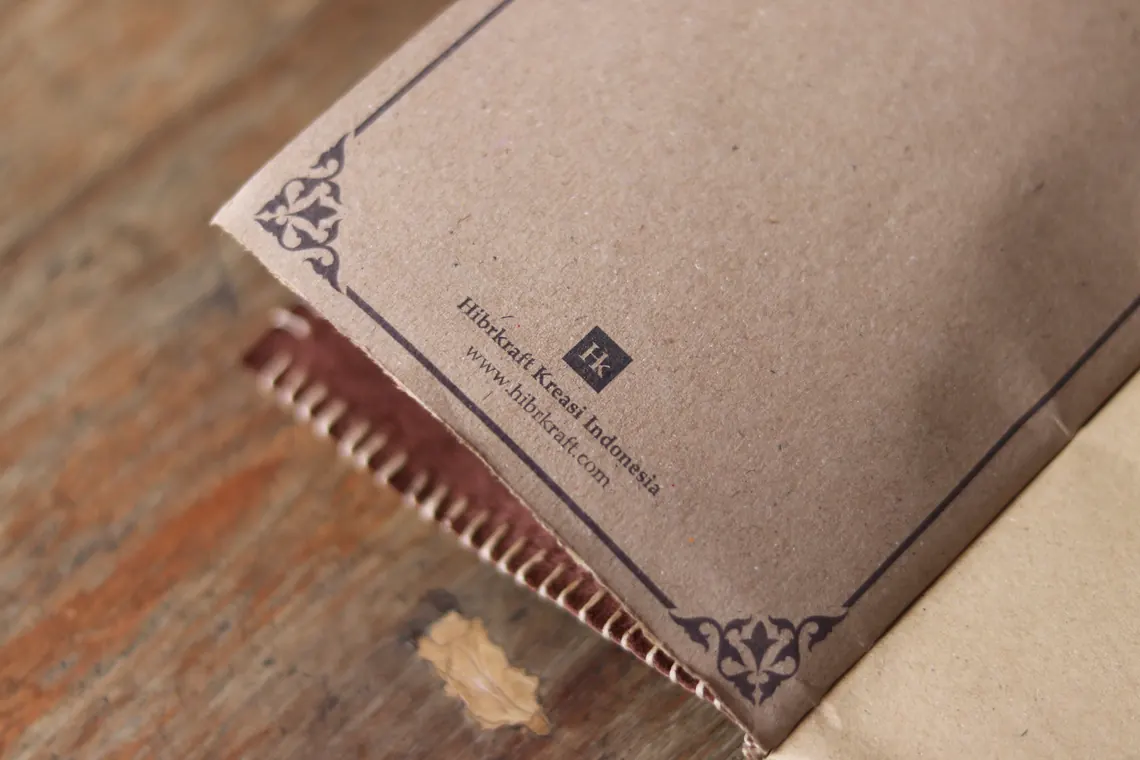
- Paper bag standard packaging
The order
Decided last
From a standard paper bag to a bespoke box — chosen according to how the goods are handed over, not according to budget.
Packaging is settled after the material, the logo technique and the inner pages are fixed — the shape and size of the journal decide the shape of the box, not the other way round. If the inner pages are not decided yet, see inserts & layout first.
Packaging does one of two jobs: protecting the goods in transit, or being part of the moment of handing them over. The two rarely need the same box. Packaging more lavish than its contents lowers the impression, because the recipient judges the contents against the promise the box made.
Styles
Packaging styles
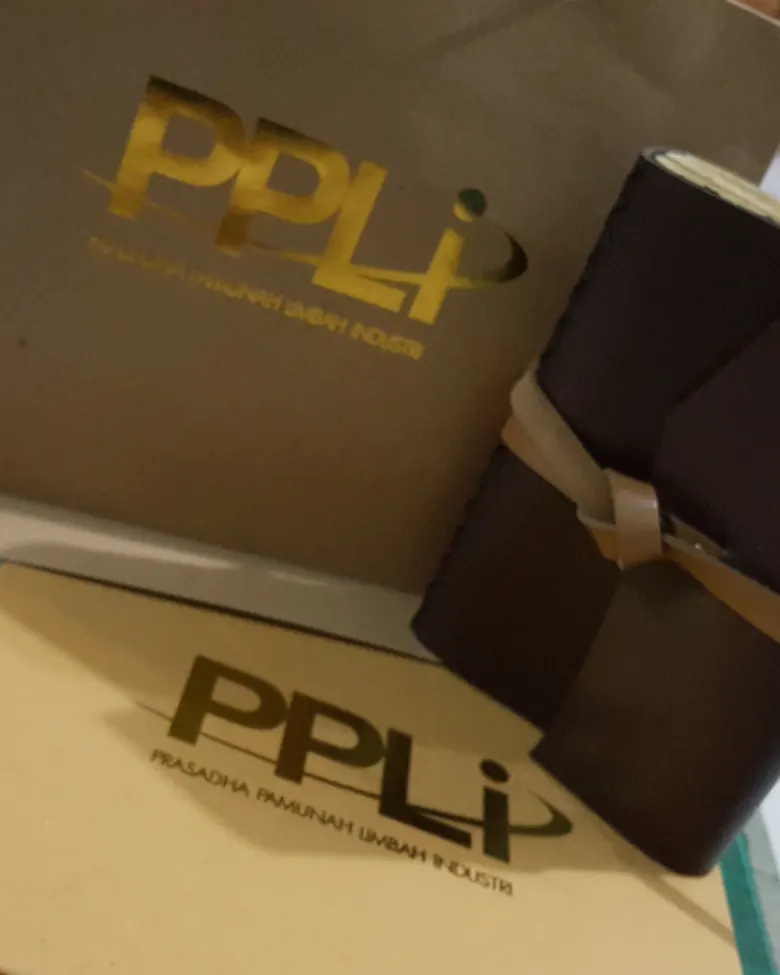
Paper bag (standard)
Our default: simple, recyclable and elegant. That is a deliberate decision, not a saving — discussed below.
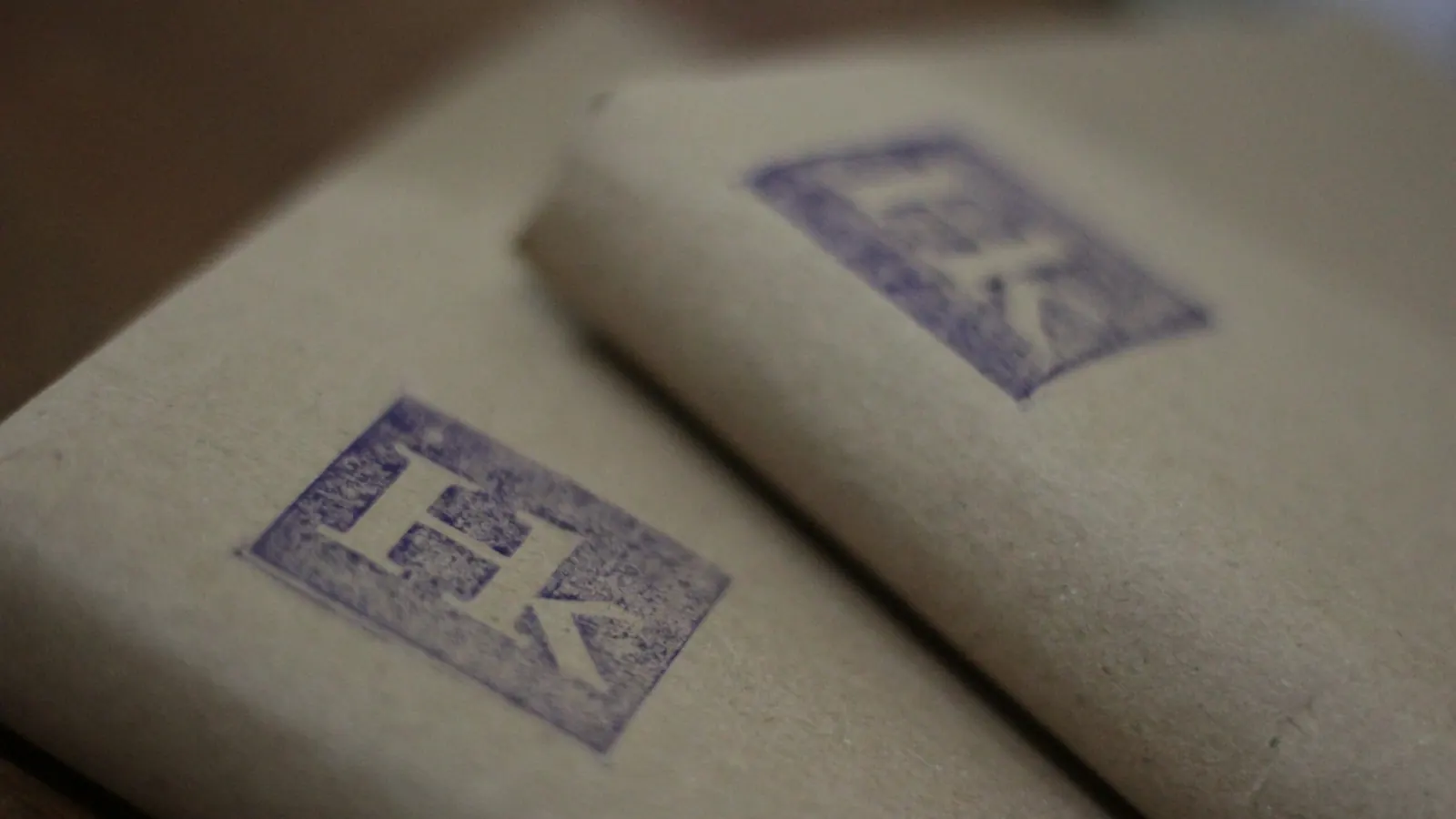
Branded paper sleeve
A paper sleeve printed with a logo, wrapped around a single unit without covering it entirely.
Premium box
A rigid box with a custom insert that holds the product securely — superior protection and a premium feel.
Luxury box
Can be made from wood or covered in fabric, with a magnetic closure. For executive gifts and the most special occasions.
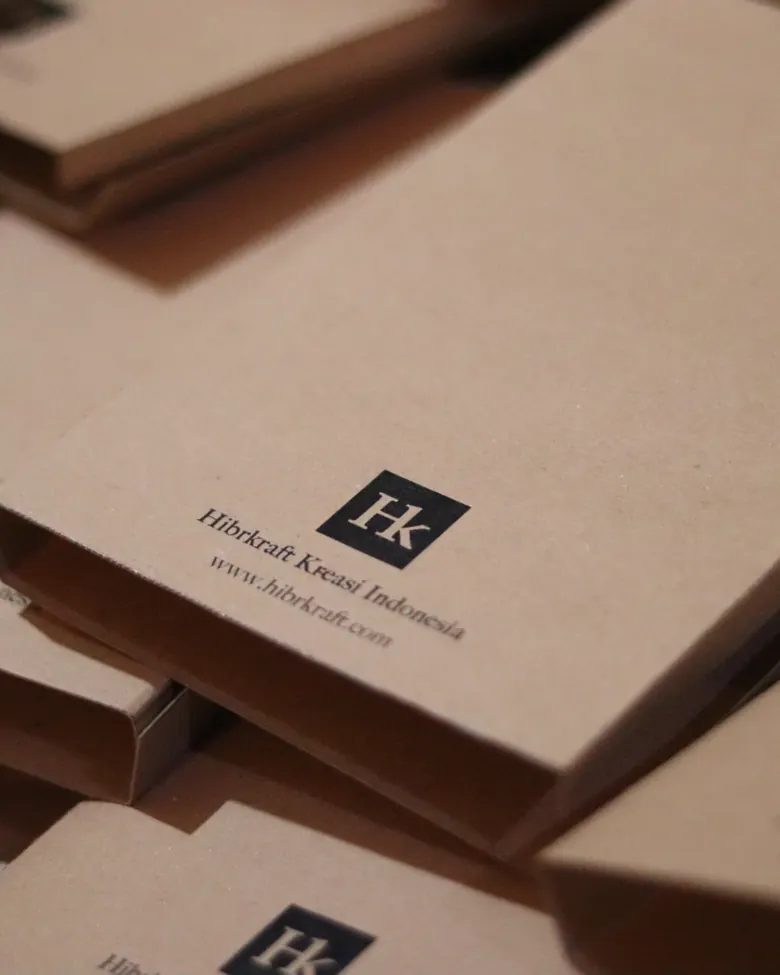
Standard box (printed)
A simple carton or kraft box that can be printed with your logo — an economical branding solution for large orders.
Pouches and greetings cards
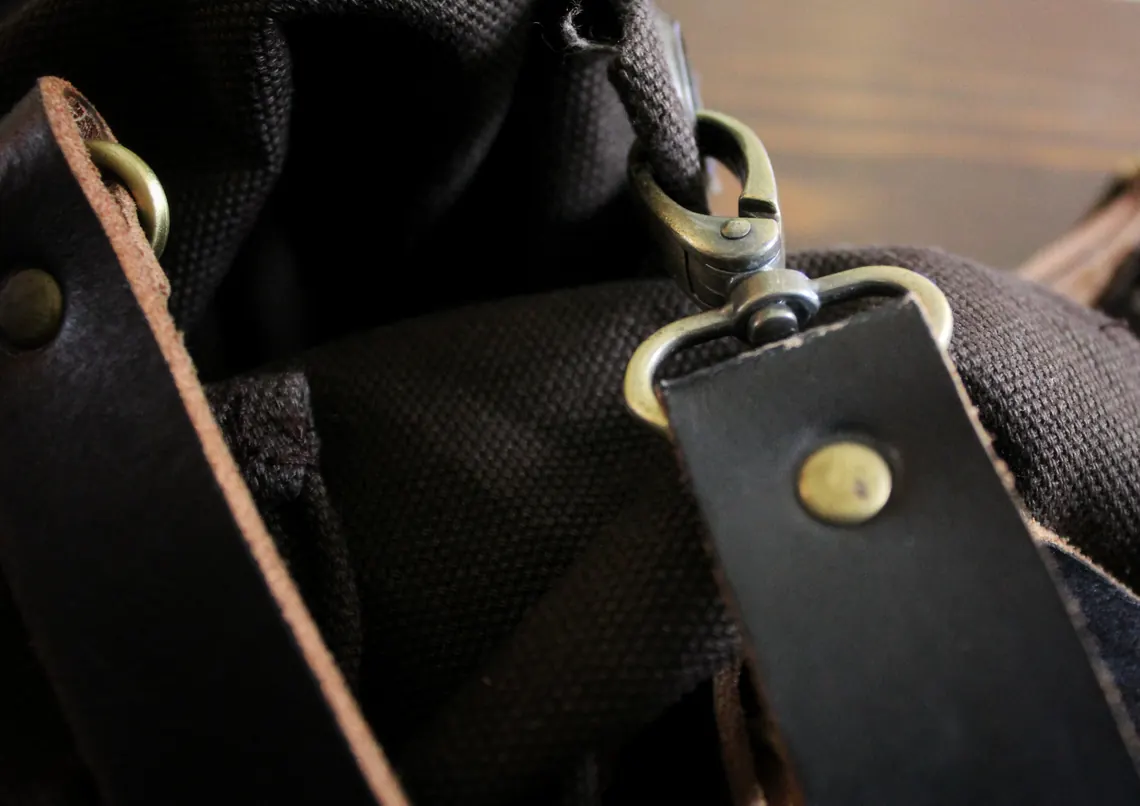
A canvas bag with a leather stud as reusable soft packaging, or a greetings card or product information card as an extra insert inside the main packaging.
For packaging that has to be ready for a retail shelf — barcode, blister, display box — that is the territory of retail-ready product, not this page.
Two jobs
Two different jobs
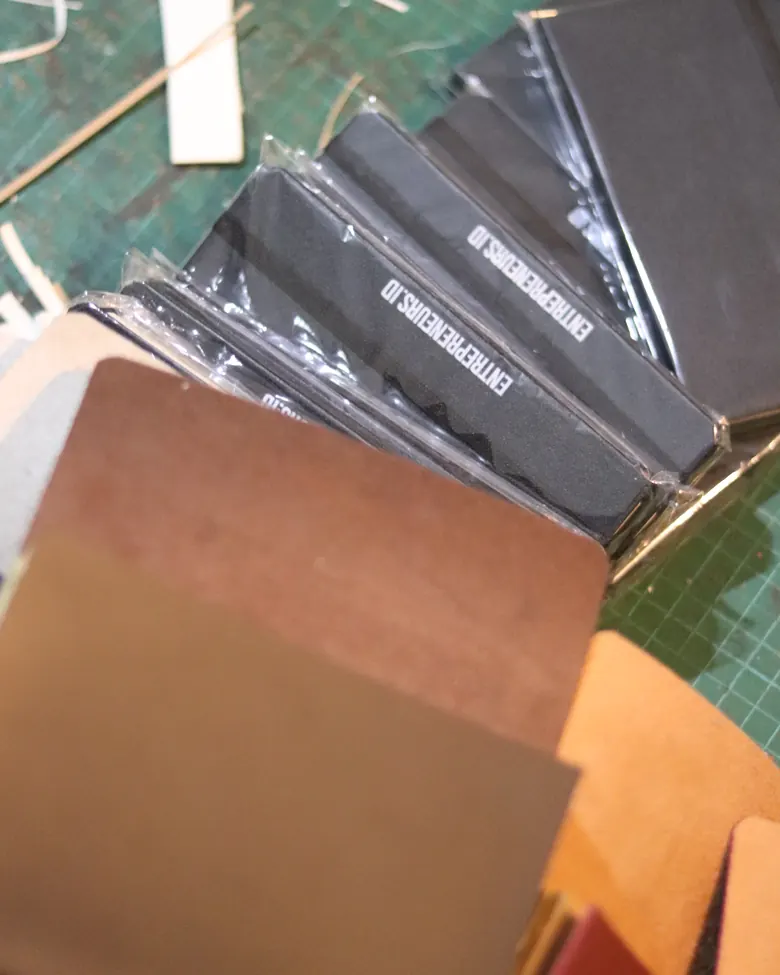
Most damage to goods happens after the workshop has finished — in transit, not at the bench.
| Job | What it needs | What it does not need |
|---|---|---|
| Protecting it in transit | Padding, restraint against movement, an abrasion-resistant outer layer | Appearance — this box will be opened by staff |
| Being part of the handover | A neat way of opening, a surface that is pleasant to hold | Excess padding, which makes the contents look small |
| Both at once | An inner box and an outer box | — |
The third row is the answer for most corporate orders: the box that is handed over sits inside a shipping package that gets thrown away. Using one box for both jobs means the handover box arrives with dented corners.
Cost
What affects the cost of packaging
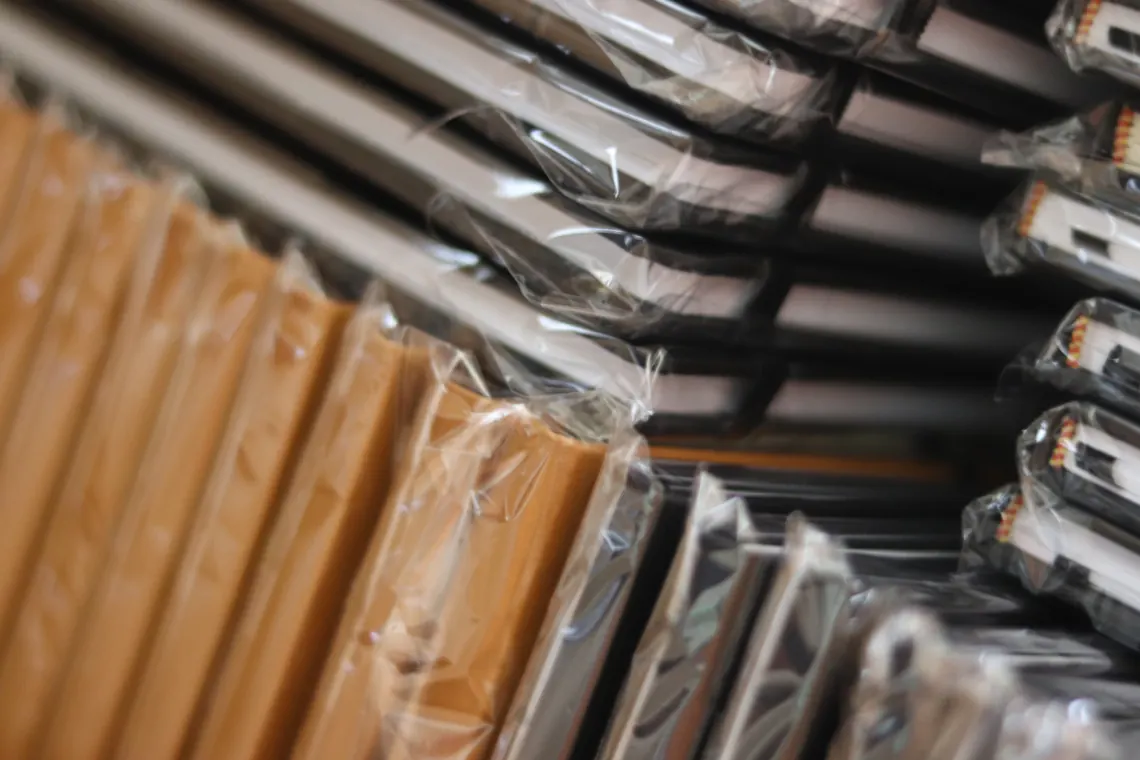
Custom packaging is priced separately from the journal itself, and usually adds no waiting time.
| Component | Cost |
|---|---|
| Packaging design | Rp 150.000, a basic design service if you do not already have your own layout and artwork for the packaging. We still recommend a professional graphic designer for the best result. |
| The packaging itself | There is no fixed price list — it varies with the material, the size, and the complexity of the box design chosen. We quote once we know the style and the quantity. |
Packaging design and production run in parallel with making the journals, unless the design is a highly complex one.
The default
Standard packaging, deliberately simple
The default packaging is a simple paper bag. That is a decision, not a saving.
Most lavish packaging is thrown away within minutes, and a material discarded faster than its contents is a material that should not have been made.
For orders that genuinely need a box — a gift for senior leadership, a hamper, a formal handover — box options are available and are chosen per order. What we avoid is making a luxury box the default, because that forces every customer to pay for and discard something they never asked for.
After dispatch
Damage that happens after the goods leave
- Scuffed corners. Goods that move inside a box will rub against themselves. Restraining movement matters more than thick padding.
- Adhesive marks. A strong adhesive sticker on vegetable-tanned leather leaves a permanent dark mark — a label belongs on the packaging, not on the goods.
- Damp. A box stored a long time in a warehouse absorbs moisture, and that moisture moves into the leather and the paper.
- Stacking pressure. Boxes stacked too high press a cover into a hollow; the mark does not always come out.
Adhesive marking is the commonest of these and the easiest to prevent — it appears when a price tag or a shipping label is stuck straight onto the product to save one step.
Questions
The questions asked most often
Can the packaging carry our logo?
It can. For small quantities, marking the packaging is often cheaper than marking the product, because packaging material takes ordinary printing.
Can each unit be packed per recipient?
It can, and it adds time at the finishing stage. The schedule calculation is in the bulk ordering guide.
Is there a plastic-free option?
Yes, and it is the default. Plastic is used only where shipping demands it.
What about inter-island shipping?
An inner box for the handover, outer packaging for the journey. Combining the two is the commonest way goods arrive dented.
Next step
Tell us the packaging style and the handover date
Name the packaging style you have in mind, the number of units, and whether each unit needs packing per recipient. We will reply with the options and an estimate of cost. Pricing per order model is on bulk & white label.