
Bulk & White Label
Private Label Requirements: What Must Be Agreed Before the First Unit Is Cut
This page sets out the material standard, the position on IP and NDAs, and the design exclusivity that has to be agreed before the first private label unit is cut. Prices and MOQ are on the bulk & white label page.
- Full & Top-Grain leather only
- 80 gsm paper minimum
- NDA available where it is needed
This is our shared commitment to excellence.
Material
The material standard
To keep the integrity of the product, we hold to a minimum material standard before the first unit is cut.
- Leather
- Full-Grain or Top-Grain only. We do not work with low-grade 'genuine' leather — those lower splits are often short-lived and do not age well — nor with synthetics that fall short of our durability standard.
- Paper
- A minimum weight of 80gsm, tested to be fountain pen friendly so that ink does not bleed through.
- Binding
- The binding method has to guarantee durability, which is what lets us give a lifetime structural warranty on every product we make.
Brand & IP
Brand guidelines and IP
Your brand is your asset. This is what we agree before production begins.
- Brand guidelines
- You supply the logo specification (in vector format), the colour palette (Pantone references where they exist), and the placement rules. No complete guidelines yet? Our team can help define the logo, colour and typography standards with you.
- NDA
- We are willing to sign a confidentiality agreement to protect your designs and your business strategy.
- Design exclusivity
- An exclusivity agreement is available — a design we develop together will not be offered to any other client.
From the archive
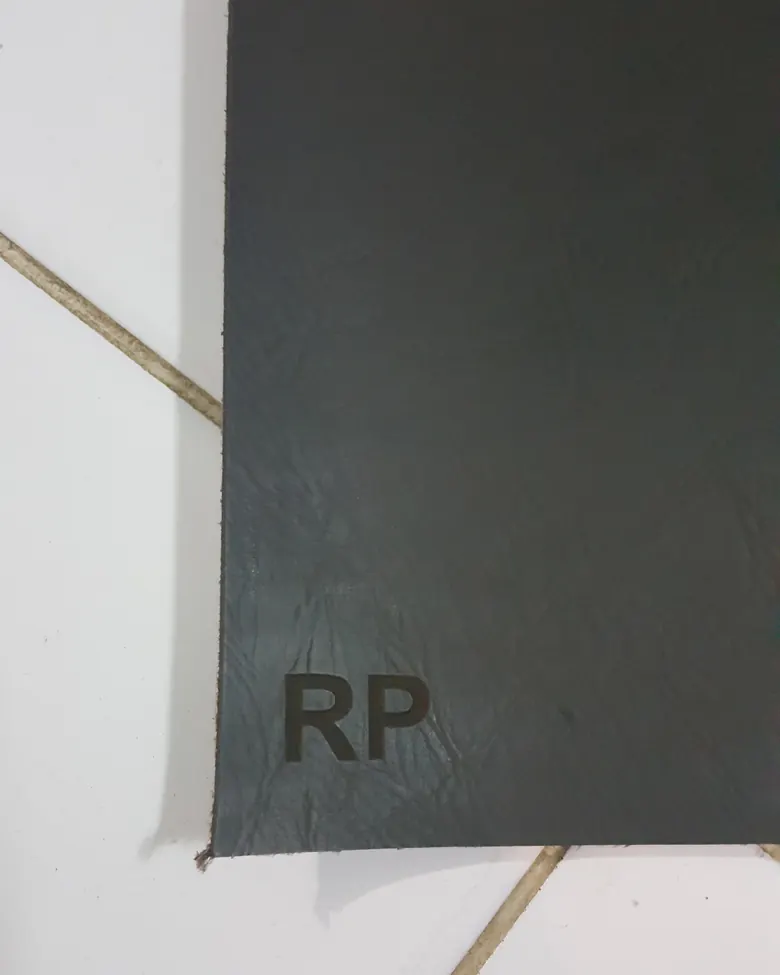
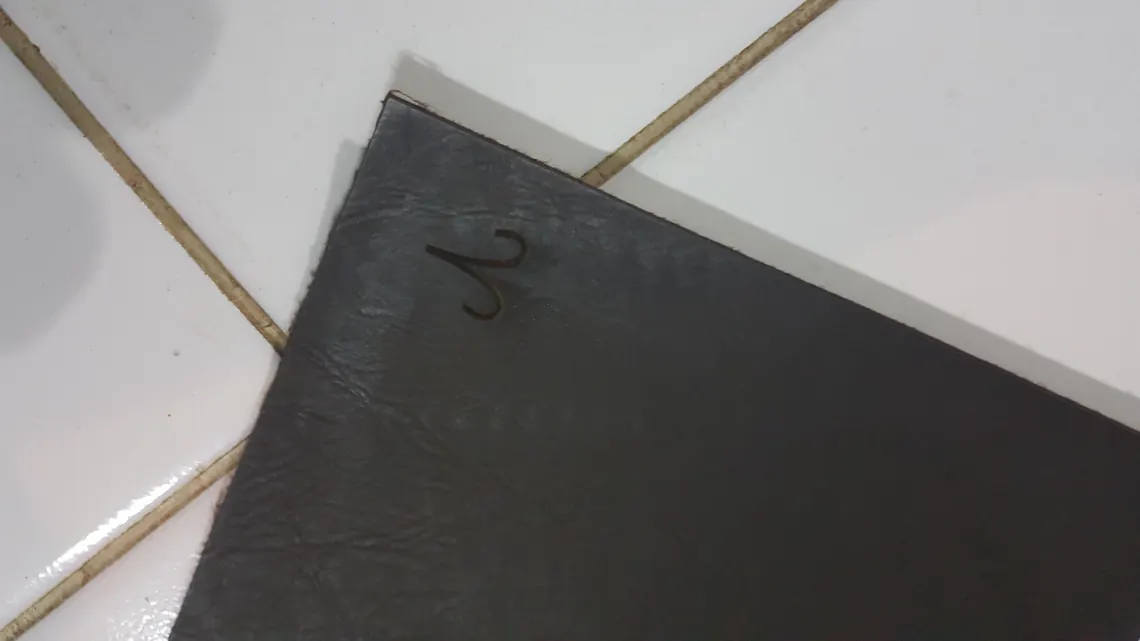
A client’s initials
The die is cut once, from the client’s own logo file.
From the archive
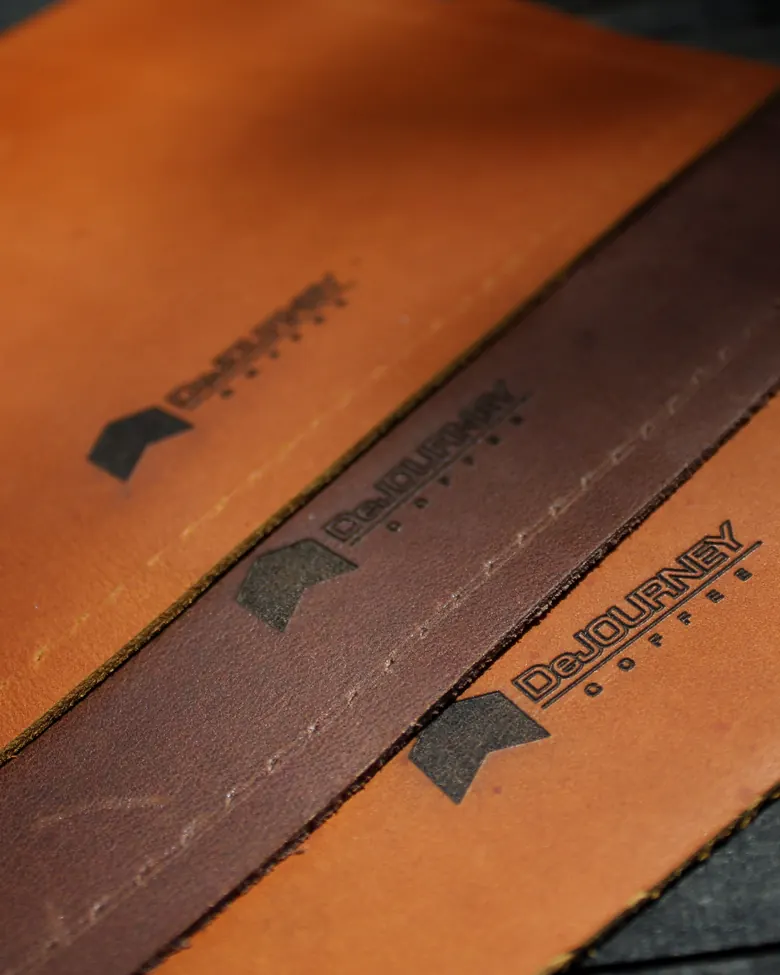
Another brand’s name
Made here, with no Hibrkraft name on it.
Material
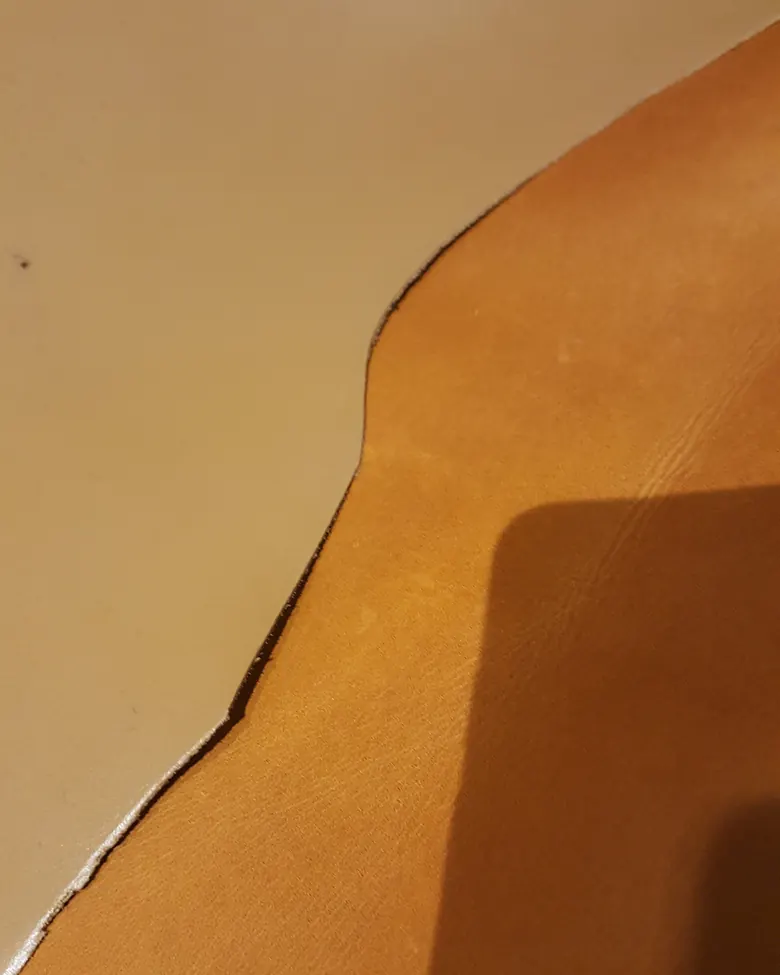
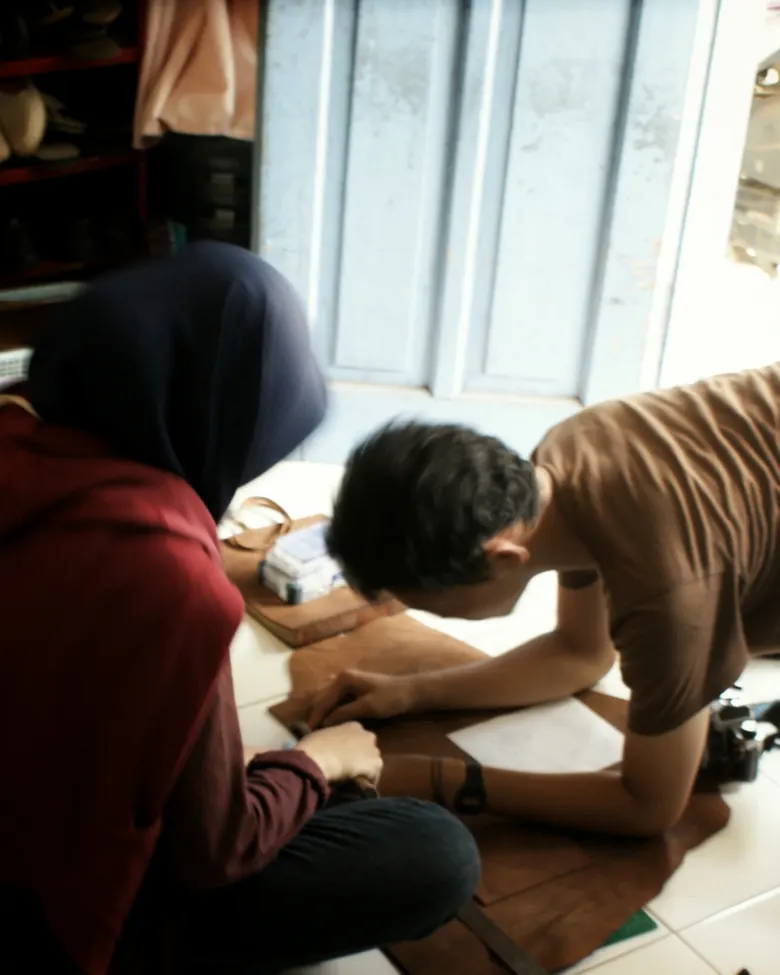
Natural fibre
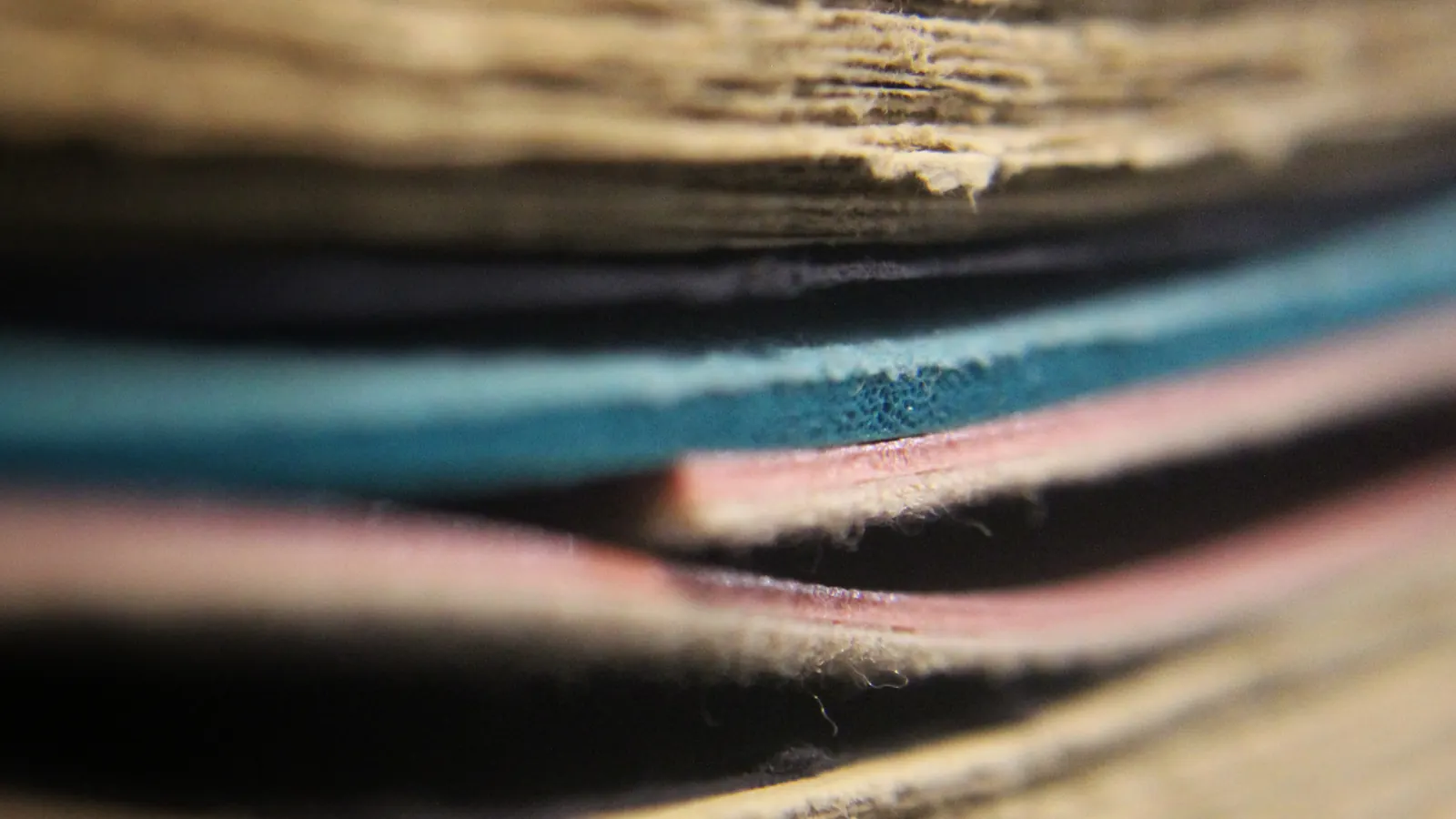
Fibre density differs from one part of a hide to another.
Process
Worked out together
The specification is agreed before any hands start.
Before starting
Four things that must be clear before starting
| Item | Why up front |
|---|---|
| The logo file in vector form | The metal die is cut from this file. A raster image loses its edges at small sizes. |
| Colour tolerance | Leather varies in fibre density; the range has to be agreed, not discovered. |
| Text block specification | Grammage and grain direction decide whether the book opens flat — see the paper category. |
| How faulty units are handled | Agreed before there is a faulty unit, because afterwards the agreement is made under pressure. |
The vector file is the requirement most often missed and the cheapest one to meet. A logo sent as a screenshot produces a die with ragged edges, and by the time that is visible the die has already been cut.
Hands, not machines
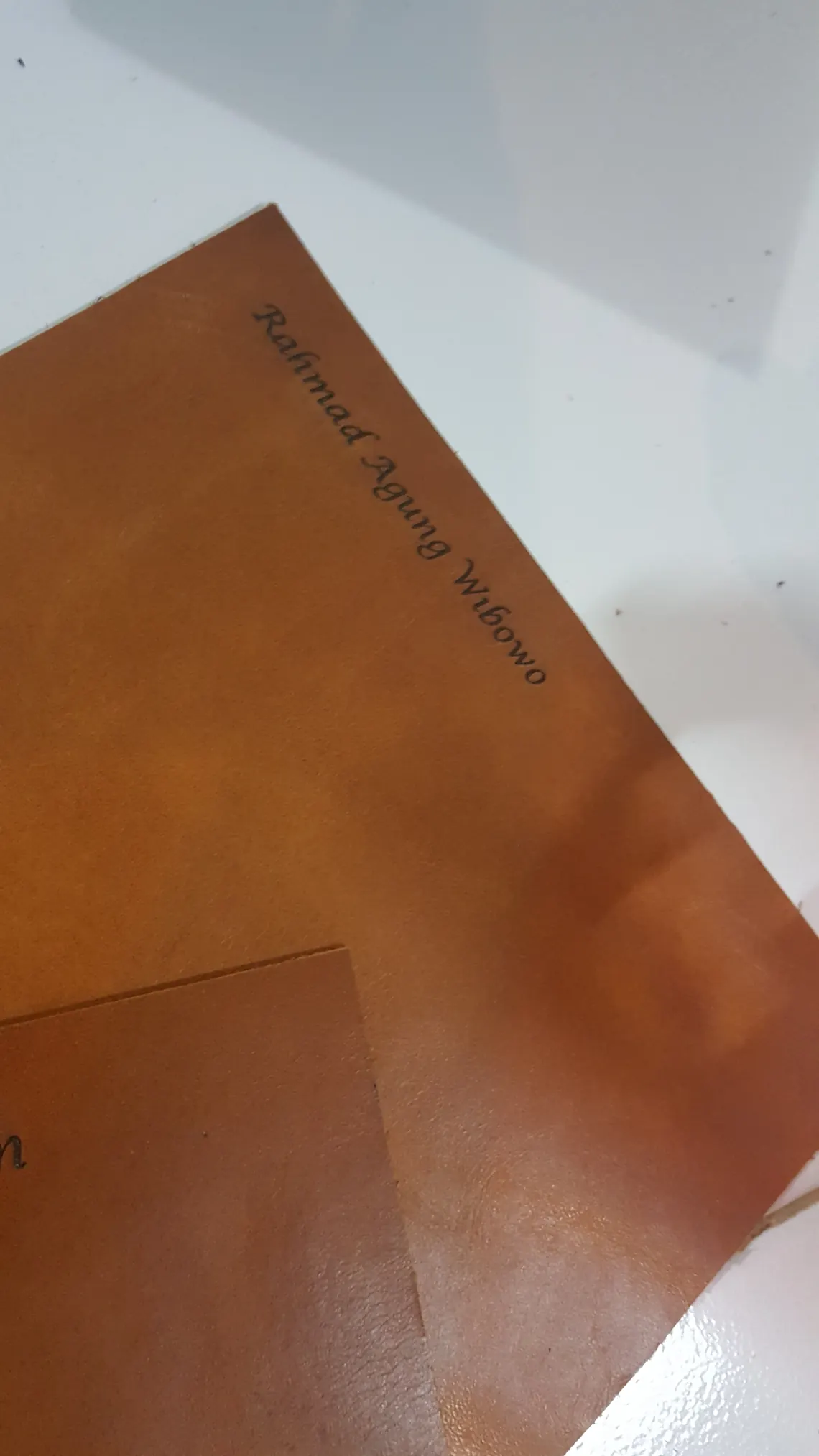
What is actually done by hand
Machines cut and press; hands sew, shape the spine and finish the corners. That means no two units are ever identical at micron level, and a private label specification has to be written with that fact inside it.
An agreement that works names ranges rather than single figures: a colour within the natural range of the hide, a deboss deep enough to read without tearing the fibre, stitching at even tension. An agreement that fails says "exactly the same", which no natural material can deliver.
Three routes
Private label, white label and bulk: where the difference lies
| Route | Name on the product | Design |
|---|---|---|
| Bulk ordering | Your logo on our design | From the catalogue |
| White label | No name of ours | From the catalogue, adjusted |
| Private label | Entirely your brand | Your specification |
The difference is not quality but who decides and who carries it. The sequence is set out step by step on the white label process; prices and MOQ for all three routes are on bulk & white label.
Questions
The questions we are asked most
Can I ask for exclusivity on my design?
Of course. Under an exclusivity agreement we guarantee that the product design we develop together will never be produced for, or offered to, another client. A die cut for your brand is used for your brand; the underlying product shape stays part of our catalogue unless we agree otherwise.
Why will Hibrkraft not work with low-grade 'genuine' leather?
Our reputation is built on durability and quality. 'Genuine' leather comes from the lower splits of the hide, and it is often short-lived and does not age well. To be sure that a product carrying your brand can last a lifetime, we use only the best layers of the hide (Full-Grain and Top-Grain).
Who owns the logo die (the tooling) if the partnership ends?
The logo die you paid for at the start is yours. If the partnership ends, you are entitled to ask for that die. Ownership of assets and of intellectual property is set out clearly in the partnership contract from the beginning.
What if I want to change the specification part-way through?
You can, and the cost depends on the stage. Before the die is cut there is almost no cost; after it, a new die.
How long until the first batch?
That is decided by how ready the files are and by sample approval, not by production. The sequence is on the bulk ordering guide.
In summary
Send the requirement and the deadline
Tell us the quantity and when it has to be finished. We reply with an estimated price and a schedule.
Private label means your name on our product, and that moves the reputational responsibility to you. The requirements on this page exist to protect that, not to filter out customers.
In 60 words: under private label there is no Hibrkraft name on the product. The end buyer judges your brand by an object we made, so the things that could otherwise be settled as the work goes — colour tolerance, deboss depth, how faults are handled — have to be agreed before the first unit is made.