
Corporate Gifting
Onboarding Packages: the Same Kit, Reordered Every Quarter
For welcome kits for new staff that have to be ordered again and again rather than once. This page explains how to lock the schedule to the quarter, reorder an identical kit, and hold stock between recruitment rounds.
- Quarterly schedule locked
- 4–6 components in one kit
- The die is reused with no fresh setup
Recruitment arrives in waves rather than one person at a time — and a good welcome kit is one where exactly the same kit can be reordered three months later without designing it again from nothing.
Repeated, not one-off
A kit ordered repeatedly, not once
Most other corporate gifts are a single order for a single occasion. An onboarding package is different: it is reordered every time there is a wave of new staff, with exactly the same components and the same layout each time — so that someone joining in the second quarter receives a kit equivalent to someone who joined in the first.
Per-unit prices and the discount structure for regular repeat orders are on the Bulk & White Label page. This page stops at how the kit and its schedule are locked, not at the figures.
Inside the kit
What is in the kit besides the journal
The welcome journal is the centre of it, but it rarely stands alone. The components below can be combined to suit a budget and still be reordered as one whole set every quarter.
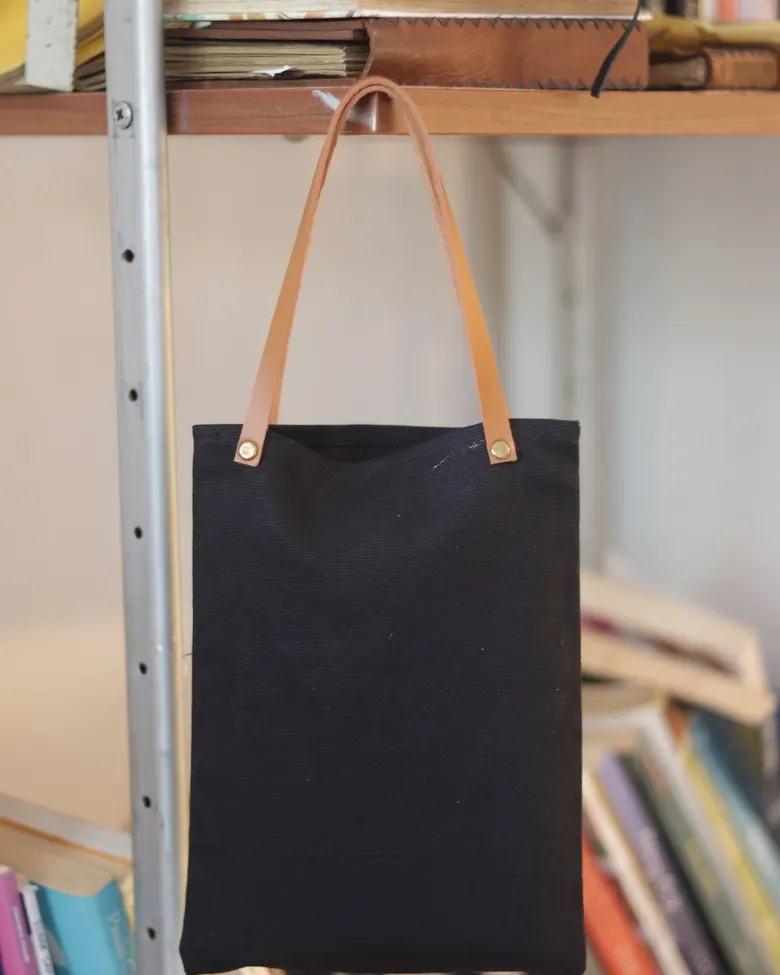
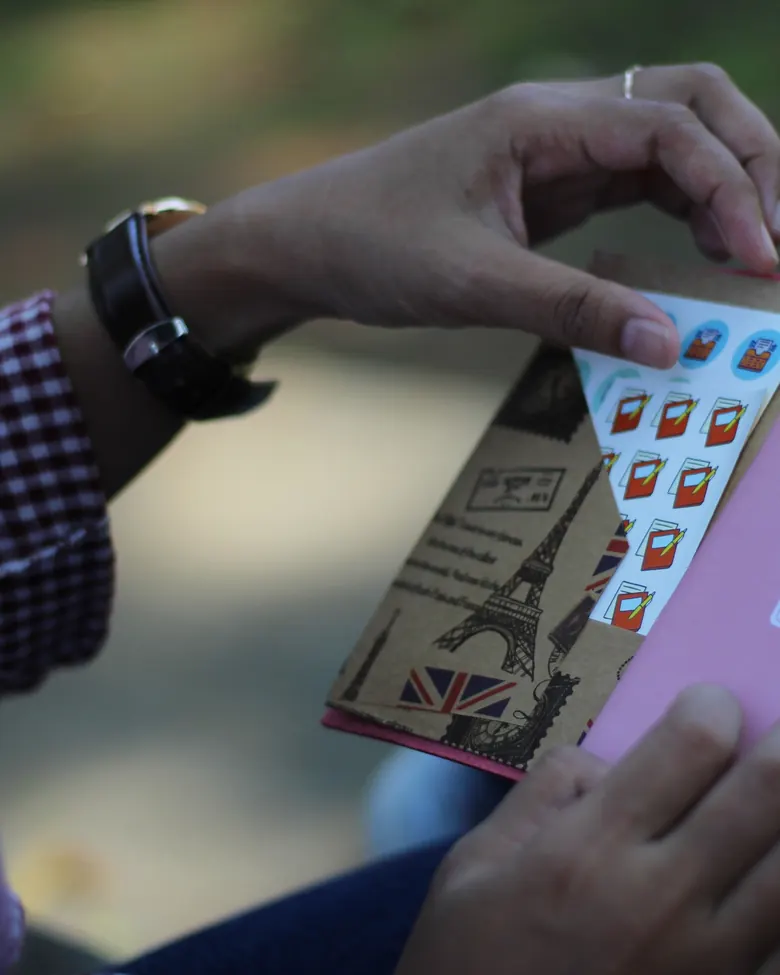
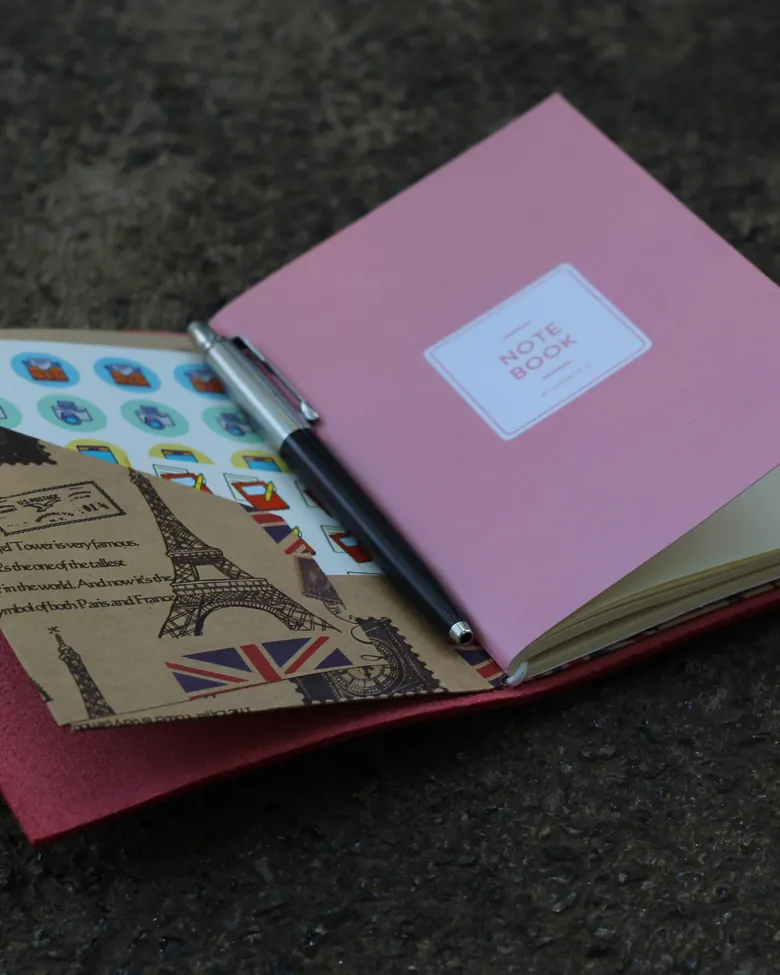
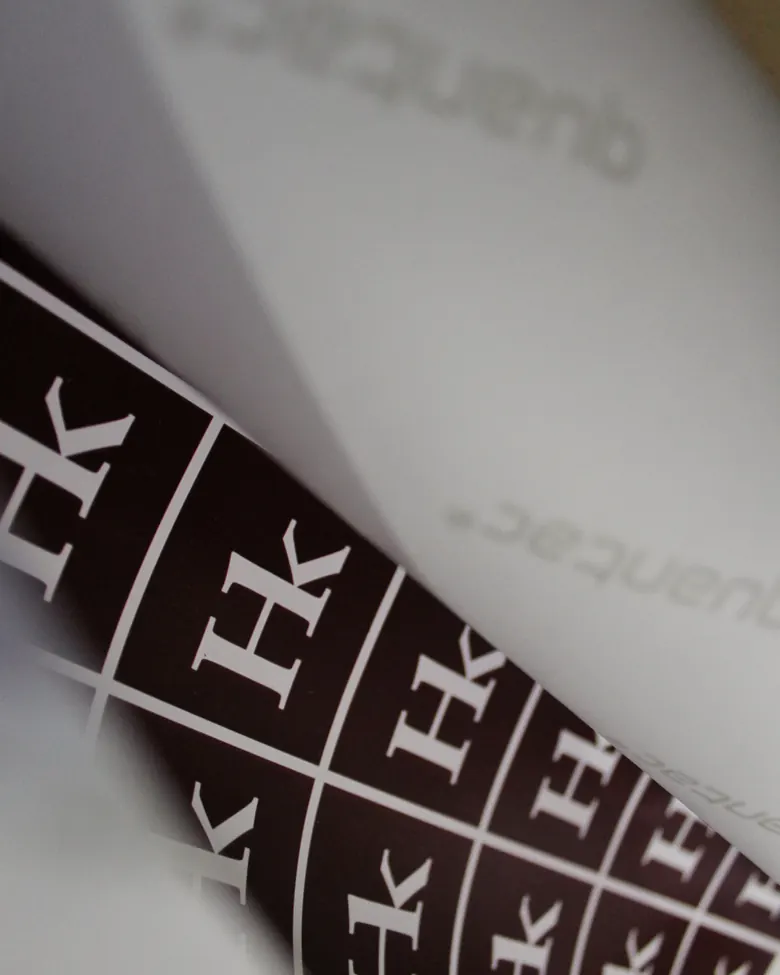
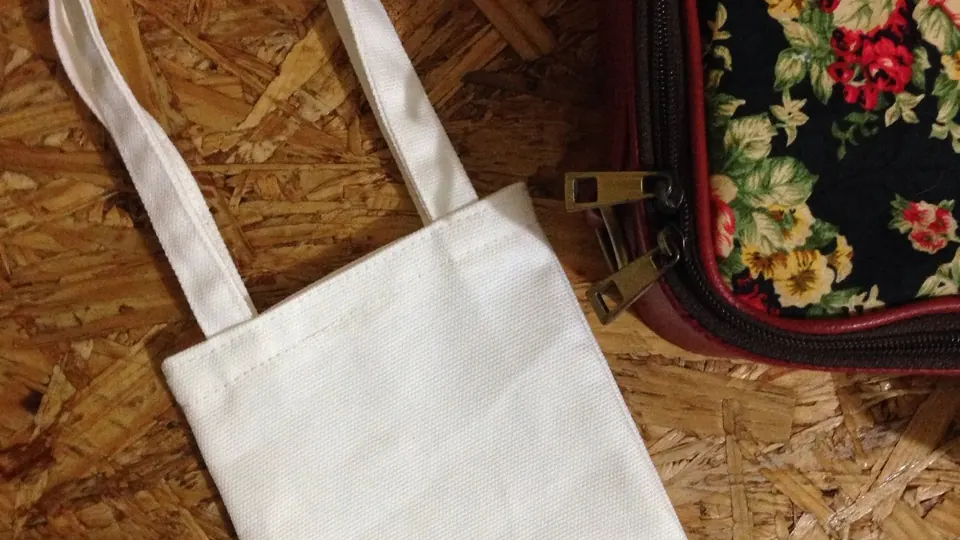
A custom page insert — the vision, the mission, or a welcome message from the CEO — and a document portfolio are often added as the fifth and sixth components, depending on budget.
Schedule & stock
Locking the quarterly schedule and holding stock
Recruitment runs to a predictable schedule — usually quarterly — but how many people arrive in each wave is often only settled close to their first day. An onboarding kit solves this by separating the parts that can be made early from the parts that have to wait.
| Component | When it is prepared |
|---|---|
| The logo-marked base kit (bag, notebook, pen) | Ordered in advance and held as stock between intake periods |
| Page inserts (vision, mission, message from the CEO) | Approved once, reused each quarter unless the content changes |
| The company logo die | Made on the first order, reused with no fresh setup charge |
| New employees’ names | Done close to the first day, once the intake list is final |
The last row is the only part that genuinely waits on a confirmed number. The three rows above it can be reordered as an identical batch as soon as the previous quarter’s stock runs low — the same logo die is used again, so the second batch is consistent with the first without needing the design approved a second time.
Composing the package
Composing what goes in
How many objects in one package?
Two or three that genuinely get used beat six of which half sit idle. A large package feels generous when it is opened and untidy a week later.
The employee’s name, or the company logo?
A name makes the object feel like the person’s own and raises the chance it leaves the office with them. A logo is quicker to produce and can be made as stock for people who join later — the full comparison is on client appreciation, which sets out the consequences of named marking in detail.
Is spare stock worth holding?
For a company recruiting all year round, yes. A logo-marked package can be stored; a named package cannot be made before the person has been hired.
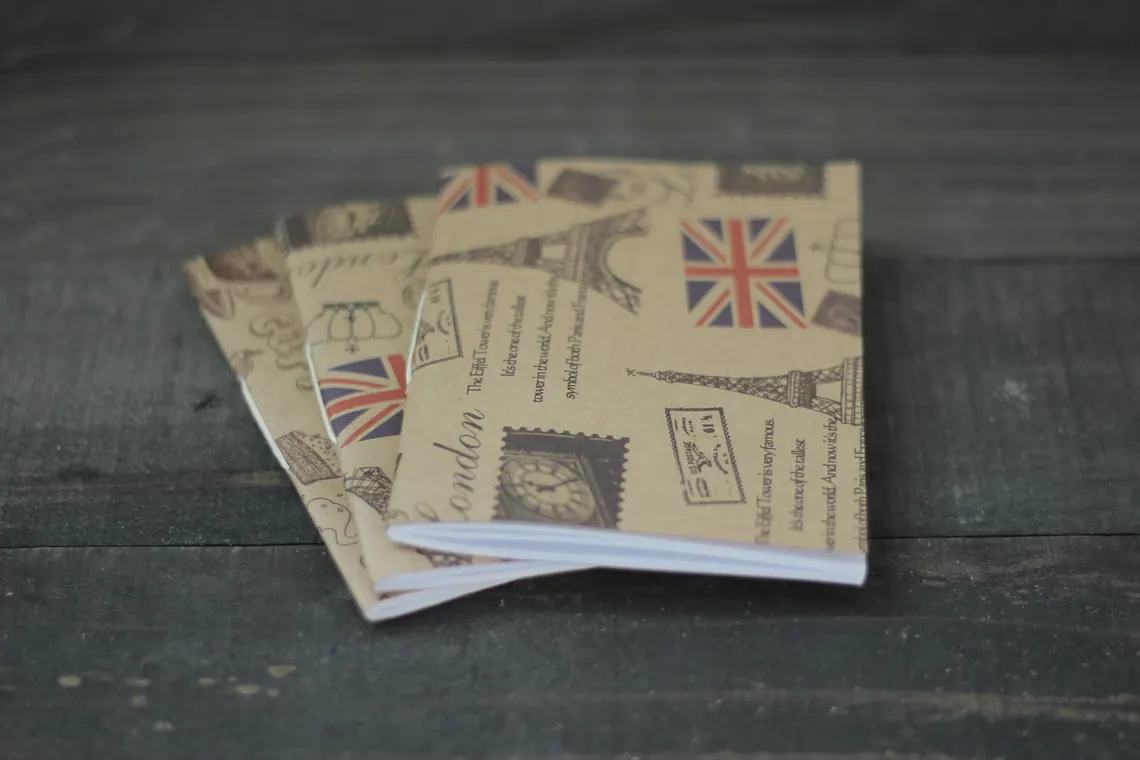
What survives
The measure of success: still in use in month six
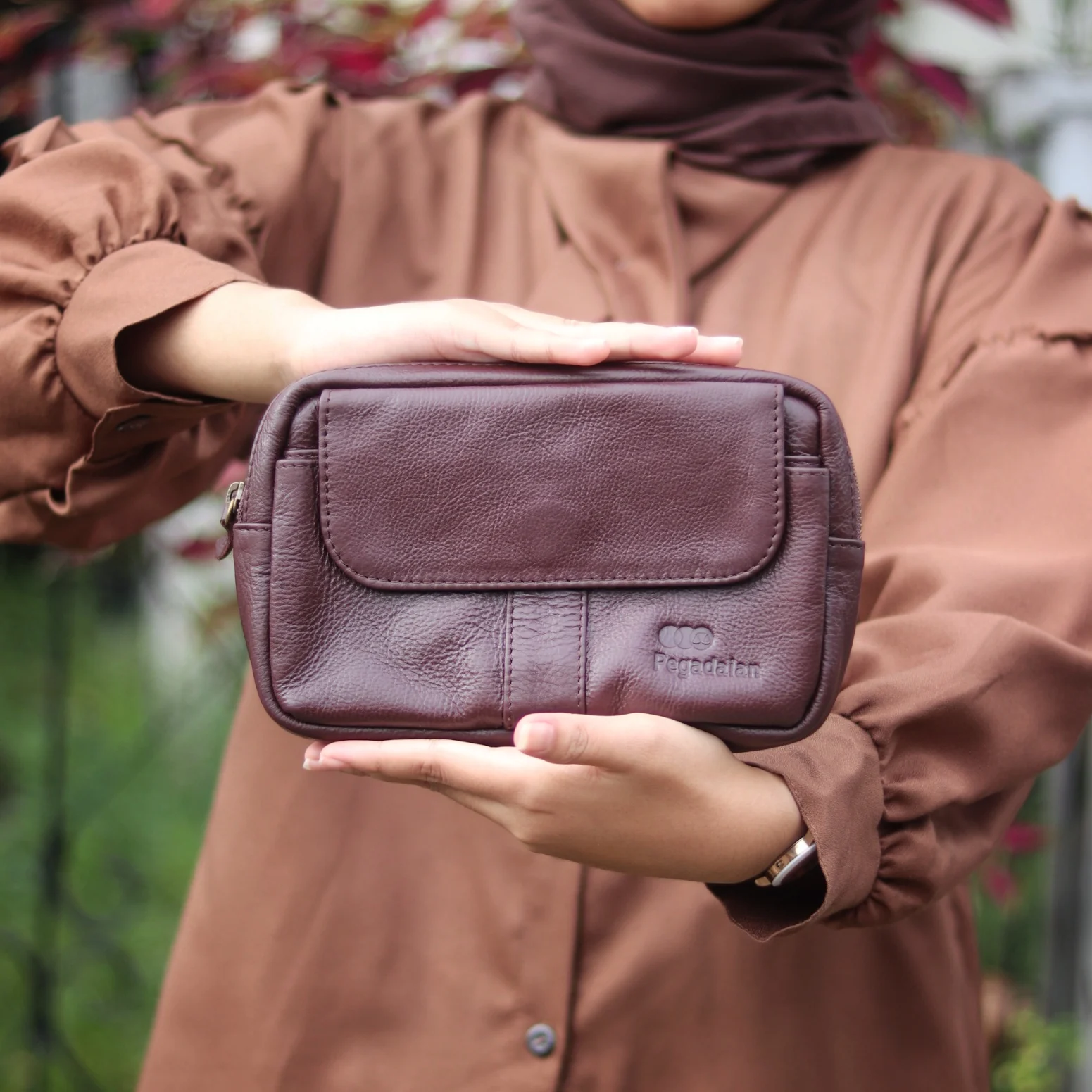
Most first-day kits end up in a drawer within two months. What survives shares the same qualities: it is useful every day, and it is not embarrassing to carry into a meeting room.
| Quality | Why it decides |
|---|---|
| Opens flat | A book that fights back while being written in stops being used within a month |
| A size that fits a bag | An object left on the desk does not come to the meeting |
| A logo that is not overdone | Heavily branded items feel like office property rather than the person’s own |
| Paper that suits an office pen | Ink that bleeds through makes half the pages unusable |
| A cover that resists scuffing | An object that starts to look damaged quickly gets put aside |
The first and fourth rows are decisions about structure and paper, not about budget. Both are set out in the bookbinding category and the paper category.
From our clients
What people say after using it
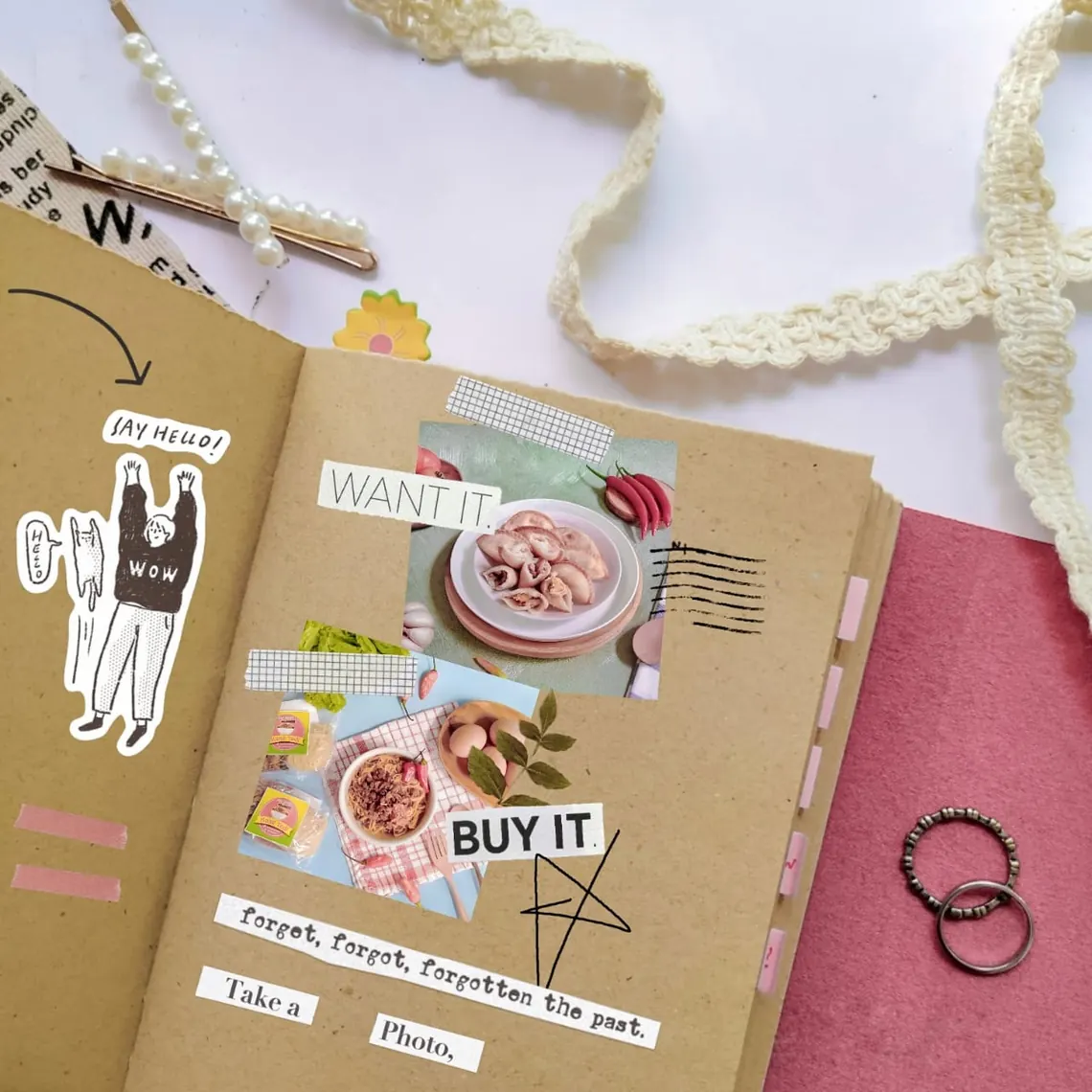
“We replaced our old welcome kit with a package from Hibrkraft, and the difference is very noticeable. Our new staff feel genuinely special. It is the best way to say ‘Welcome to our extended family’.”
— Head of HR, fintech startup
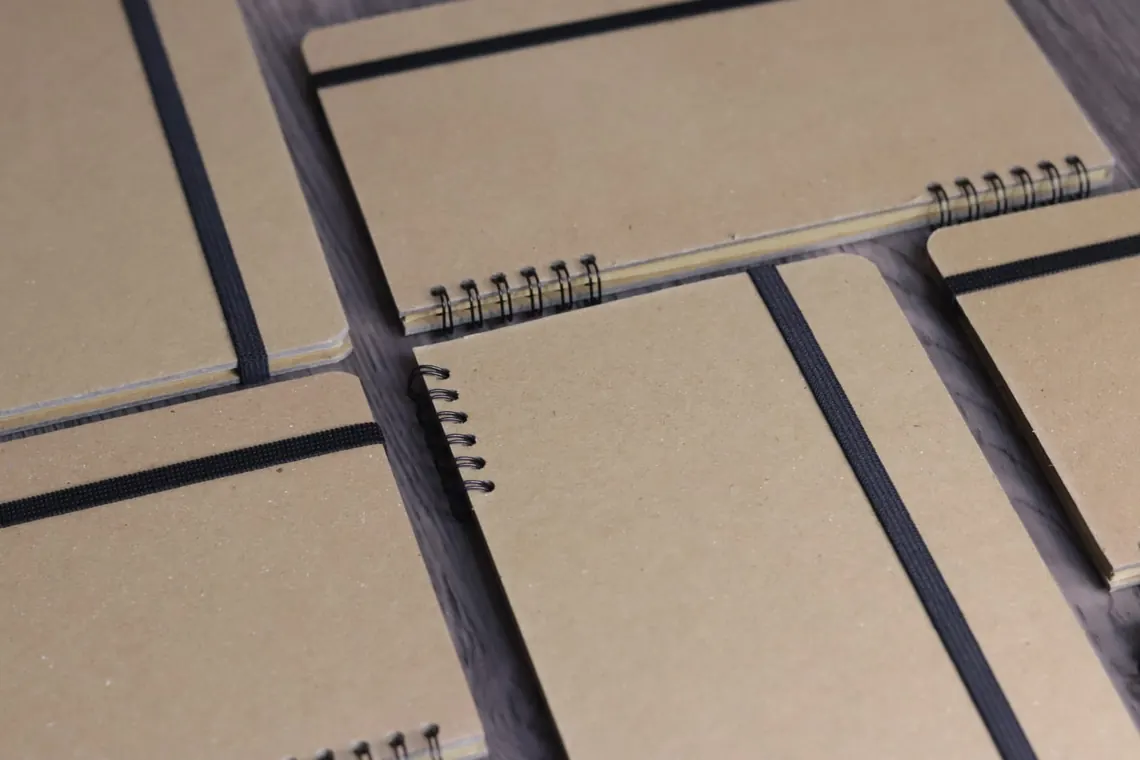
From the archive
Welcome packages already running


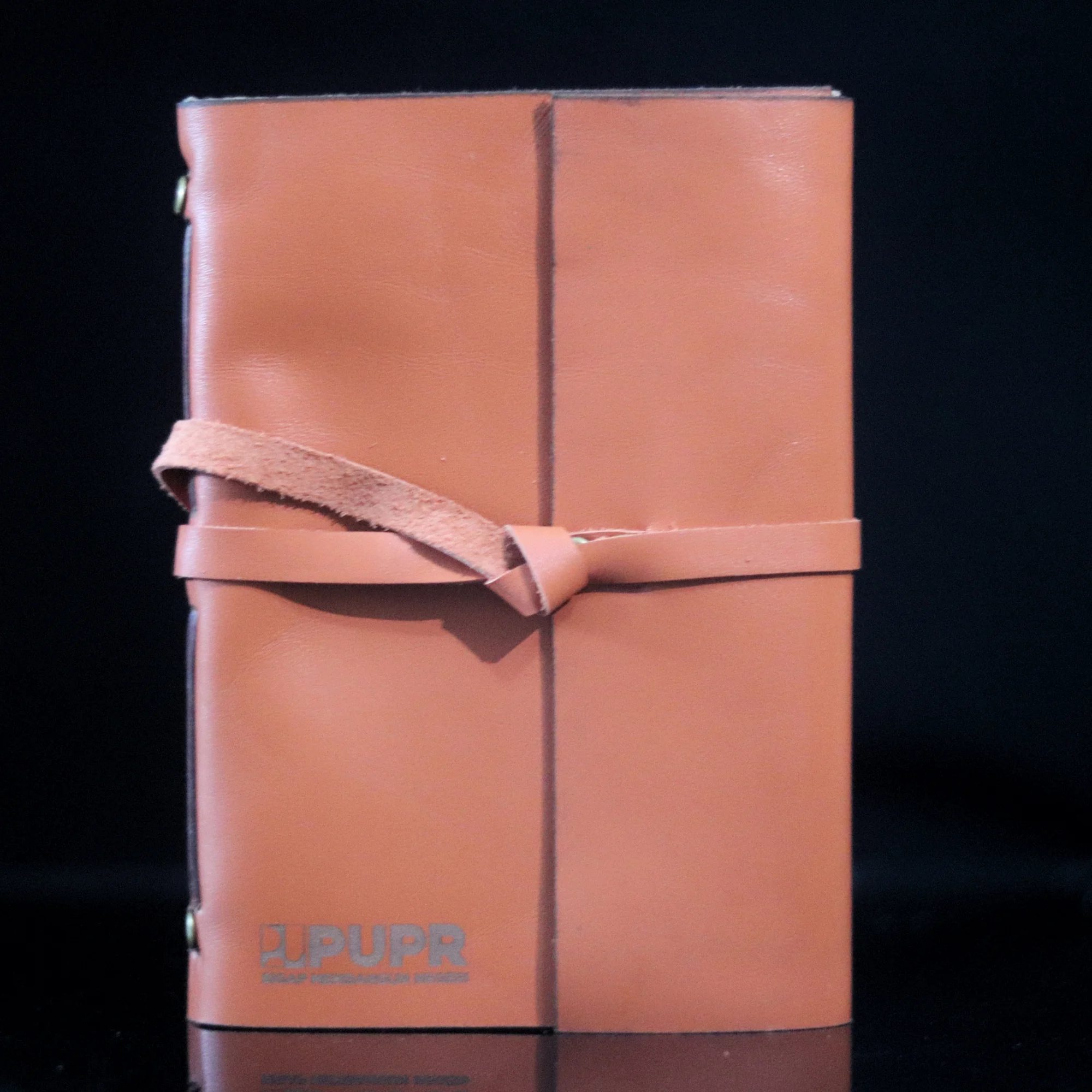
Frequently asked
The questions we are asked most
Can we include our own onboarding material inside the journal?
You can. We can print custom pages at the front of the journal carrying a welcome message from the CEO, the company values, or essential guidance — approved once, then reused without revision every quarter unless the content changes. Insert formats are on insert and layout personalisation.
Can it be ordered in stages through the year rather than once at the start?
It can, and for a logo-marked kit that is actually the tidier way: the same die is reused, so the second batch is consistent with the first with no fresh setup charge.
Can every item be personalised with the employee’s name?
Yes, but that moves the work into per-unit finishing and makes it wait on the final intake list — the consequences are set out on client appreciation.
What if there are more new staff than expected?
Logo-marked components can be added from the existing die as long as material is still in stock. Named components need fresh work for every additional name.
What is the minimum order?
There is no lower limit on the order itself. What is felt at a small quantity is the cost of making the logo die, because it is cut once — the figures are on Bulk & White Label.
First step
Judged on day one, remembered for years
An onboarding package is the only corporate gift whose recipient has not yet decided what they think of your company. Tell us the approximate number per intake wave and when the first wave begins.