The Ghosts of Unfinished Chapters: A Prototype from 2016
A travel journal prototype built in 2016 for a collaboration with Wewet Project that Hibrkraft did not carry through, and a standing apology for the way it ended.
by Aika Mentari · February 22, 2026
Permintaan maaf kepada Wewet Project
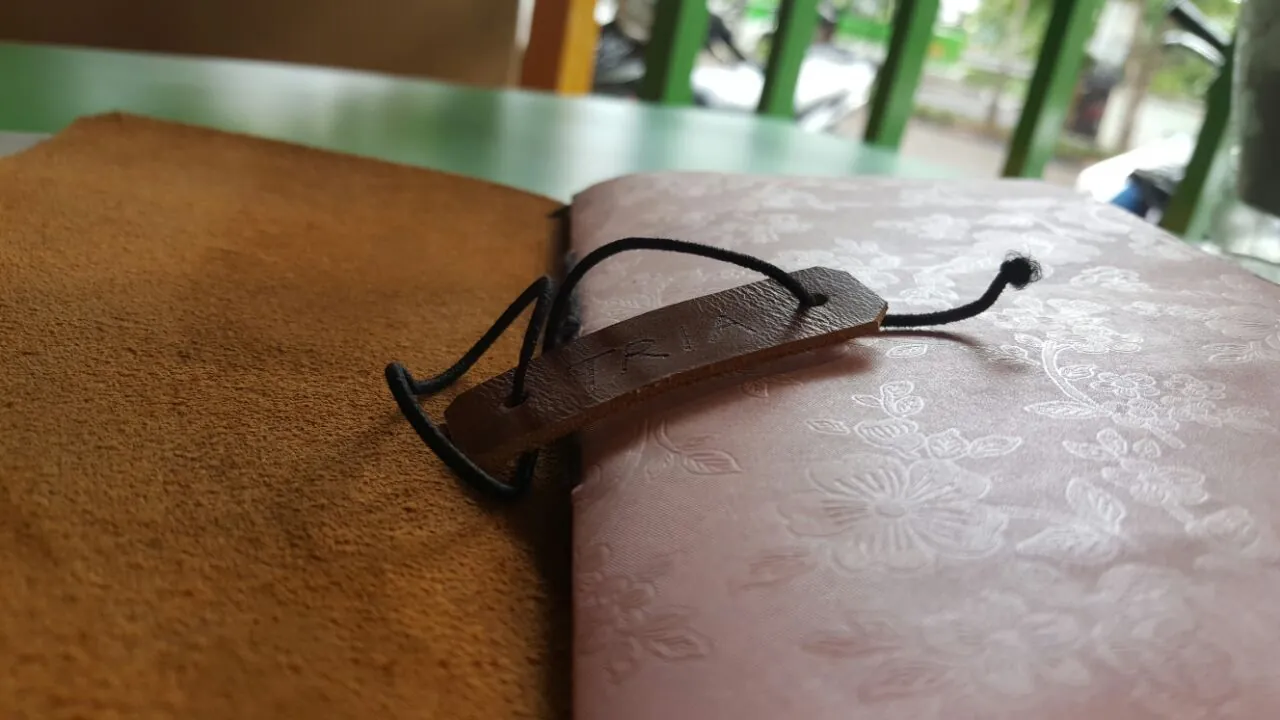
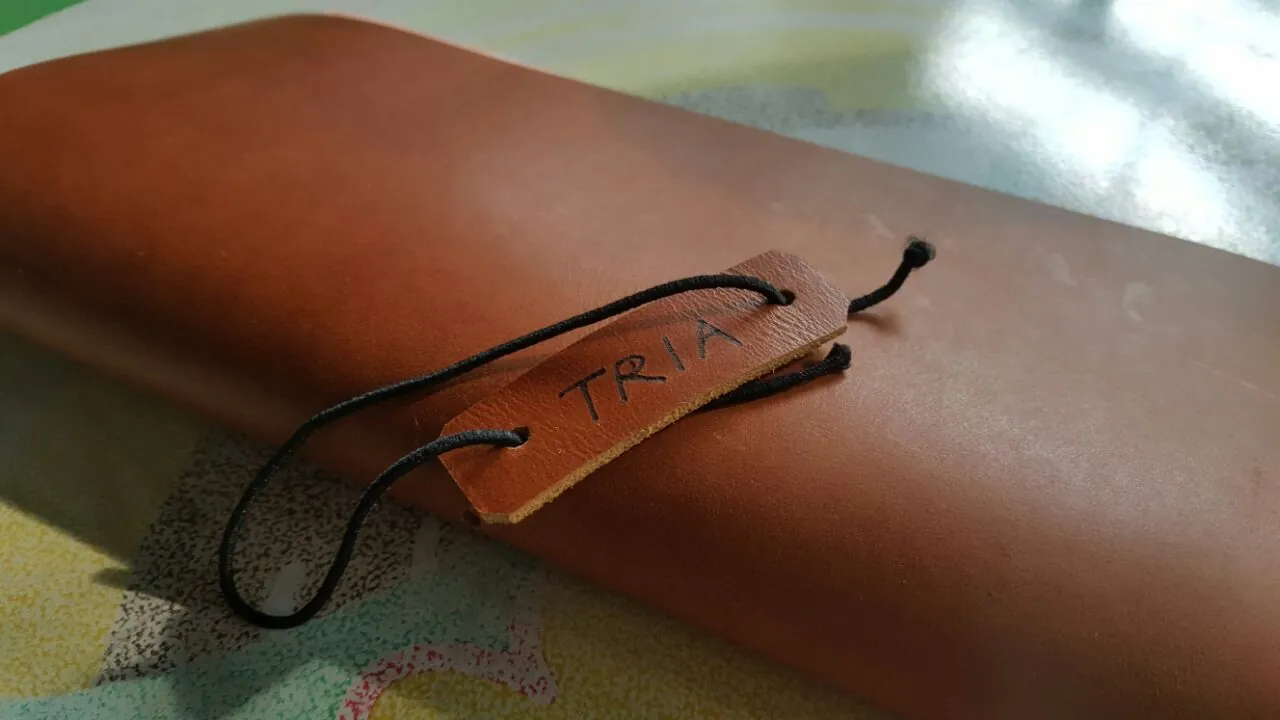
Pada 2016 Hibrkraft mengajak Wewet Project membuat travel journal bersama. Kami membahas kertas, tekstur, dan bentuk bukunya. Kami memotong kulit untuk satu prototipe, memilih kertas isian bermotif, dan menera namanya pada label kulit. Foto pada halaman ini adalah prototipe itu.
Sesudah itu Hibrkraft memilih mitra lain dan meluncurkan travel journal tanpa Wewet Project. Keputusan itu keputusan kami sendiri. Sejak 2016 kami tidak pernah menyampaikan permintaan maaf atas cara kami mengakhirinya.
Kami meminta maaf. Kami yang mengajak, kami yang membuat rencana itu nyata sampai ke label bernama, lalu kami berjalan tanpa Wewet Project dan tidak menutup pembicaraannya dengan pantas. Kesalahannya ada pada kami.
Halaman ini kami biarkan tetap ada, beserta fotonya, sebagai catatan yang tidak kami hapus. Bila Wewet Project ingin tulisan atau foto di sini diubah, dikurangi, atau dihapus seluruhnya, sampaikan kepada kami dan kami akan menurutinya.
— Ibrahim Anwar, pendiri Hibrkraft · 25 September 2026
In English. In 2016 Hibrkraft invited Wewet Project to make a travel journal together, cut the leather for a prototype, and stamped their name onto its leather tag. Hibrkraft then chose a different partner and launched the journal without them. That decision was ours, and the conversation was never closed properly. We apologize for it. This page stays, photographs included, as a record we do not delete; if Wewet Project would rather it were changed, reduced or taken down, we will do as they ask.
There is a unique kind of weight attached to the things we create. Sometimes, an object holds the joy of a finished journey. Other times, it carries the quiet, lingering echo of a path we never quite walked down. When we look back at our workshop archives from 2016, we find a lot of beginnings. We were experimenting heavily back then. We wanted to understand the full potential of our materials, testing how thick leather would bend and how different bindings would hold up against the rigors of travel.
That year, we set our sights on creating our very first travel journal. We wanted to craft something rugged, something that could be thrown into a backpack and carried across continents. The process always begins with the raw material itself.
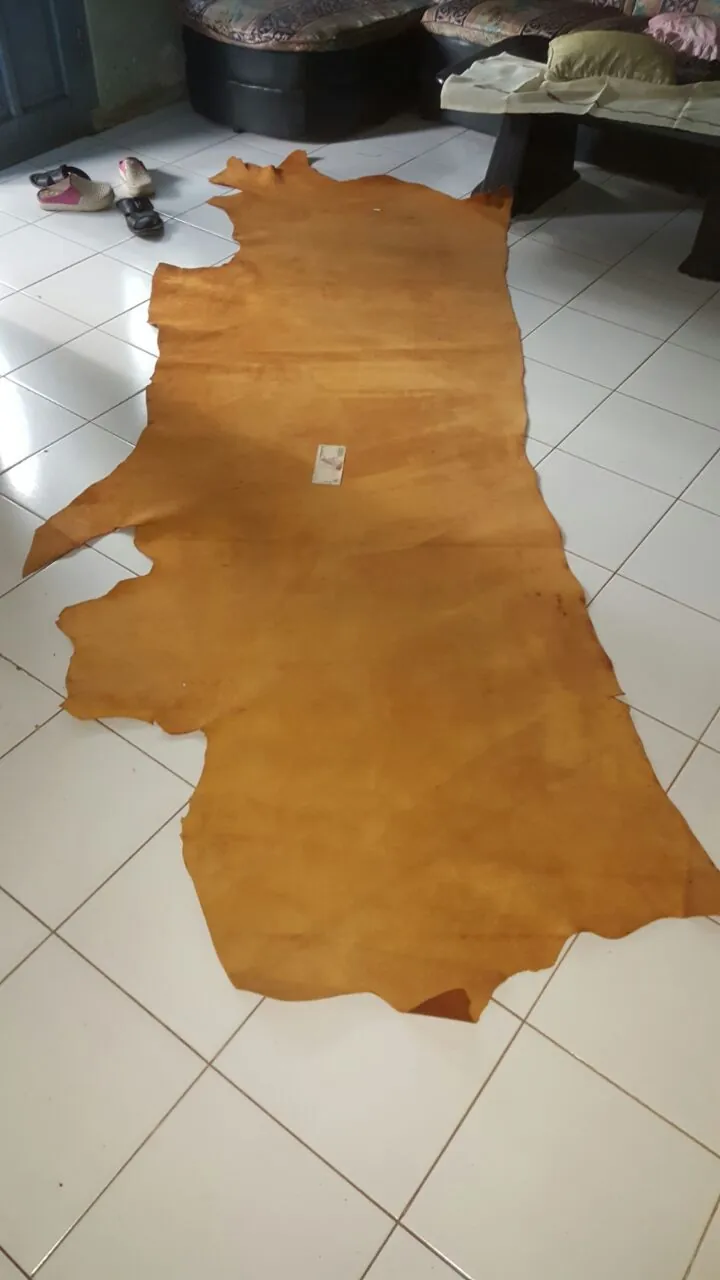
We remember unrolling this massive hide of brown leather onto the white tile floor of our workspace. It was vast and full of natural imperfections, carrying the earthy, rich scent that every leather worker knows by heart. Looking at an uncut hide is like staring at a blank map. You have to decide where to make the first cut. You have to envision the final shape before the blade even touches the surface.
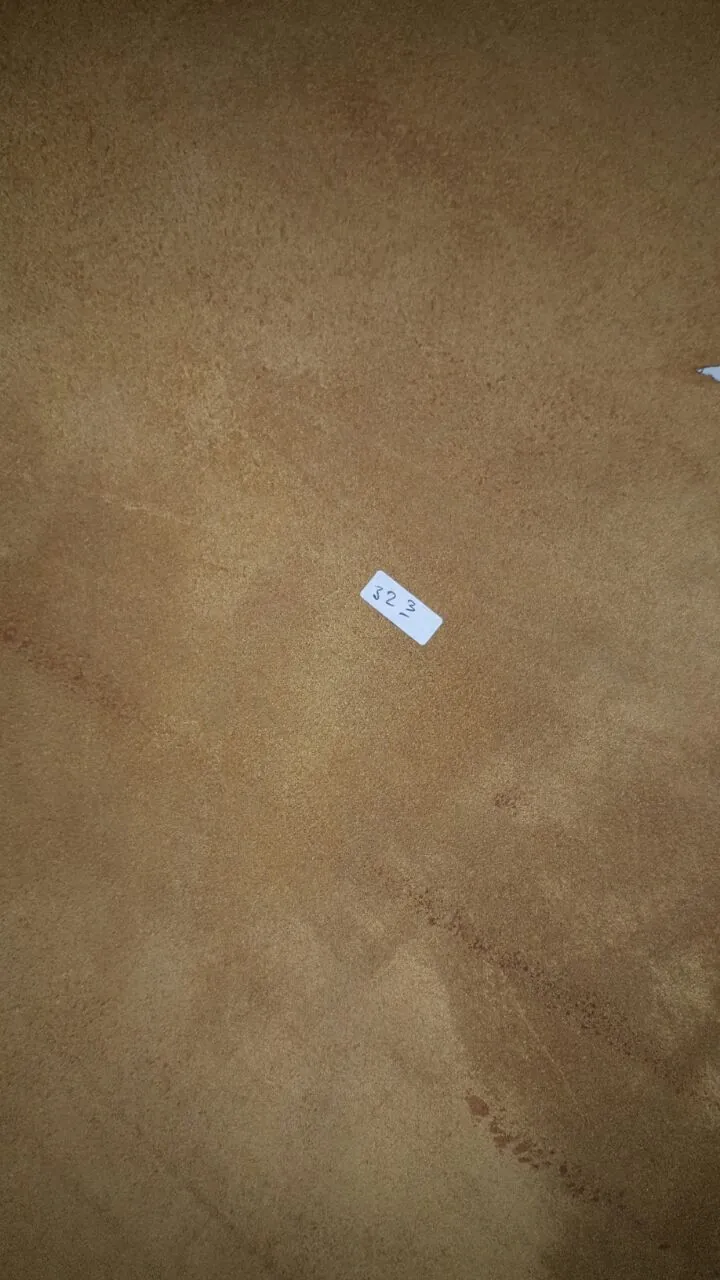
This particular project was meant to be a collaboration. We had connected with Wewet Project, a fellow maker whose work was junk journals — books assembled from found and salvaged paper. We spent time discussing the feel of the journal, the texture of the paper, and the finish that would suit a book carried in a bag.
To celebrate this upcoming partnership, we created a physical prototype. We cut the leather from that very hide on the floor. We chose a delicate, floral-patterned paper for the inserts to contrast with the rugged exterior. And we hand-stamped their name onto a small leather tag.
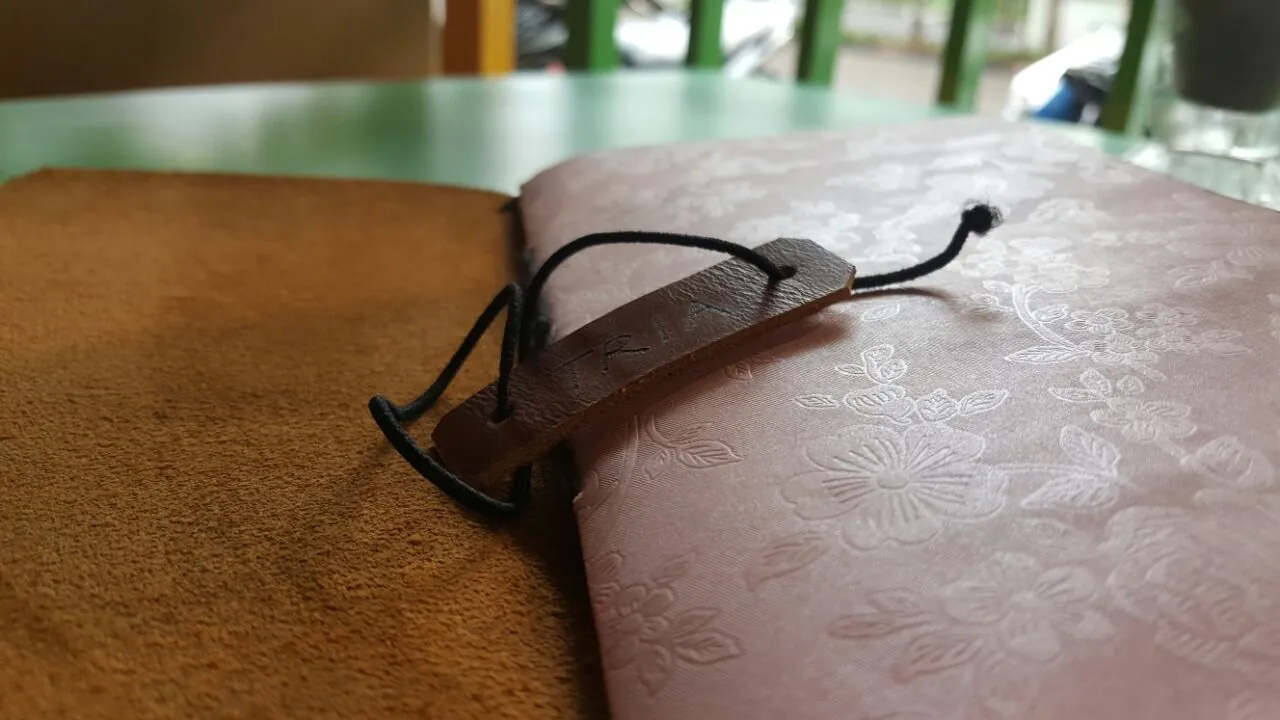
We tied the tag onto the elastic binding with a simple black string. It looked perfect. It felt like the tangible beginning of a wonderful story. We photographed the prototype right there on a green table, capturing the warm light hitting the stamped letters. The notebook was ready.
The prototype was finished before anything had been agreed. What happened next was our decision, not theirs.
Hibrkraft in 2016 was a young workshop under pressure to put products out. We decided to launch the travel journal that year, and we chose to do it with a different partner.
The journal launched without Wewet Project, and it helped the workshop grow. We did not close the conversation properly, and we did not apologize for it at the time. That is what the note at the top of this page is for.
- Hide chosen: a single uncut hide, unrolled onto the workshop floor, vast and full of natural imperfections.
- Prototype cut and stamped: the leather cut from that hide, a floral paper chosen for the inserts, and their name hand-stamped onto a small leather tag.
- Tied and photographed: the tag tied on with a simple black string and photographed on a green table, ready to launch.
- Left open: the collaboration is never concluded, and Hibrkraft does not close it.
- Pivot and launch: a different brand is chosen instead, and the travel journal launches without Wewet Project.
Source: sequence as narrated in this article; not measured data, only the order of events as told.
Library
What Goes Into a Custom Notebook That Actually Ships
This particular prototype never became a product, but the notebooks we do release go through the same decisions: material, binding, and paper, long before the first unit leaves the workshop. These three guides go one level deeper into how those calls are actually made — cover material and proportion, paper and binding specification, and the cost math behind a small production run. All three open straight in your browser, free, with no sign-up. They are written in Indonesian for our workshop team’s own reference; message us and an English-speaking member of the team will walk you through the same decisions.
Panduan desain
Filosofi Desain Notebook Custom
Kenapa logo dikecilkan, garis dimundurkan, dan sampul dibiarkan diam. Penempatan logo, proporsi sampul, dan margin halaman — dengan alasannya, bukan sekadar aturannya.
Baca PDF
Panduan spesifikasi
Panduan Komposisi Notebook Custom
Urutan keputusan dari kegunaan sampai kulit, lengkap dengan yang saling melawan. Gramatur kertas, jumlah kuras, ukuran, dan jenis jahitan — dan di mana pilihan satu memotong pilihan lain.
Baca PDF
Untuk yang berhitung
Studi Kelayakan Notebook Custom
Kapasitas jam kerja sebagai langit-langit setiap proyeksi. Titik impas, analisis sensitivitas, dan kenapa kerajinan tangan tidak bisa dihitung seperti pabrik.
Baca PDFFiles open in your browser, not a direct download to storage. All three are in Indonesian, A5 size, and free to print for your own use.
The prototype survives only in these photographs: the brown cover, the floral inserts, the stamped tag tied to the binding with a black string. It is the record of a collaboration this workshop began and did not finish. Not every custom notebook we make ends up where it was meant to go.
These photographs stay on this site. They are the only record of the prototype, and keeping them is how the apology at the top of this page stays findable instead of being said once and filed. Wewet Project's work stands on its own; nothing here is a claim on it.