
The plate room
Public-domain bookbinding illustrations
This page holds 283 illustrations from 28 books on bookbinding, papermaking, marbling and tanning, published between 1853 and 1925 and now in the public domain. We made it because there is almost nothing about this craft in Indonesian that anyone can read freely, so we gathered what exists in other languages and gave every image its full source.
Every image comes from a Project Gutenberg EPUB transcription, and each source book is in the public domain in the United States — the illustrations were cut from the original pages by Project Gutenberg volunteers themselves, so the caption beneath each one is a copy of the printed text, not an OCR guess. We show those captions exactly as printed; where they are in German or French, the translation in square brackets is our own addition. Not one image on this page was made by us. This page holds the EPUB half of our research shelf of 184 public-domain works; anything published after 1929 is left out because we have not established its rights status.
Bookbinding
Images of the binding work itself — sewing the sheets, attaching the covers, the binder’s tools, and the stages of work in a bindery of the period.
98 illustrations · 9 books · 1856–1925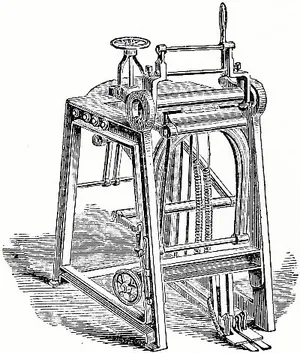
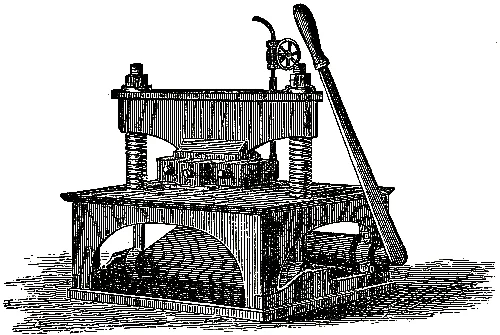
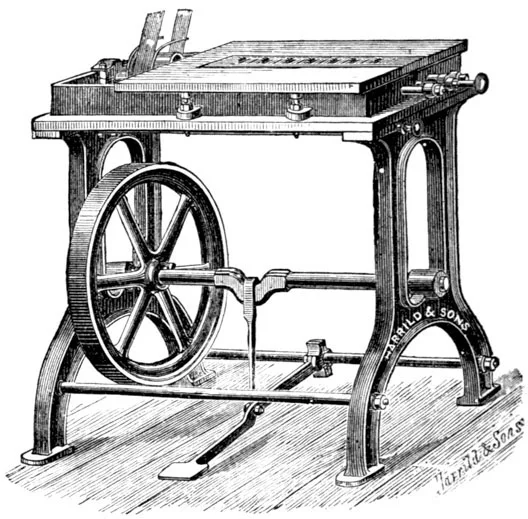
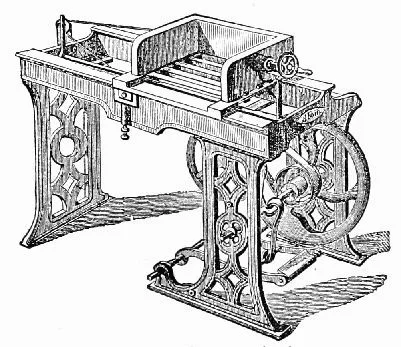
TABLE-SHEARS.James B. Nicholson, A Manual of the Art of Bookbinding, 1856, p. 174. Project Gutenberg 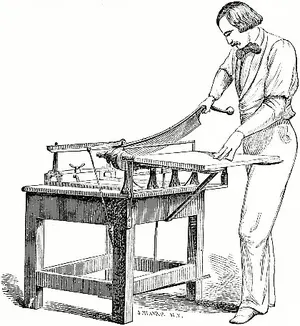
TABLE-SHEARS.James B. Nicholson, A Manual of the Art of Bookbinding, 1856, p. 177. Project Gutenberg 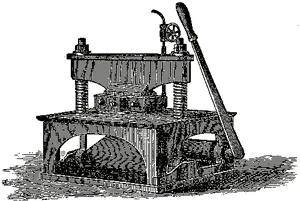
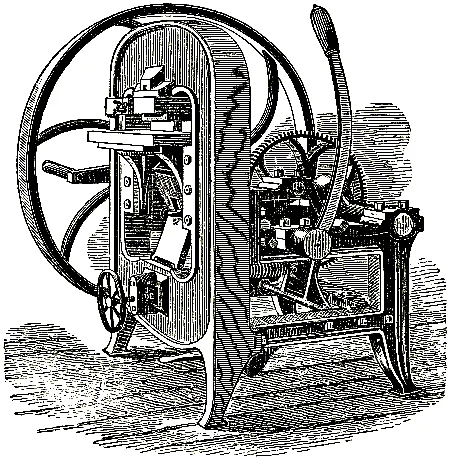
LETTERING AND GILDING PRESS, No. 1.James B. Nicholson, A Manual of the Art of Bookbinding, 1856, p. 285. Project Gutenberg 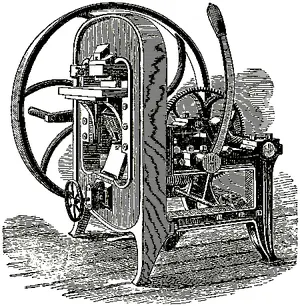
EMBOSSING PRESS, No. 2.James B. Nicholson, A Manual of the Art of Bookbinding, 1856, p. 285. Project Gutenberg 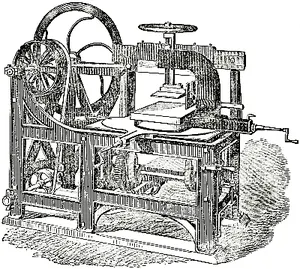
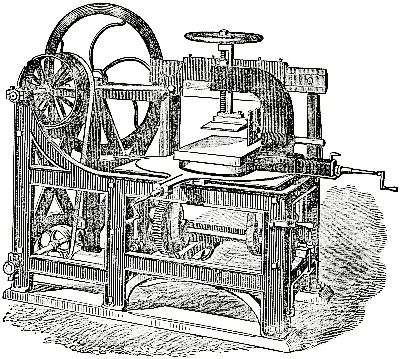
PATENT PAPER AND BOOK TRIMMER.James B. Nicholson, A Manual of the Art of Bookbinding, 1856, p. 288. Project Gutenberg 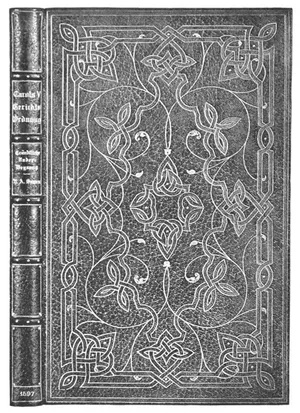
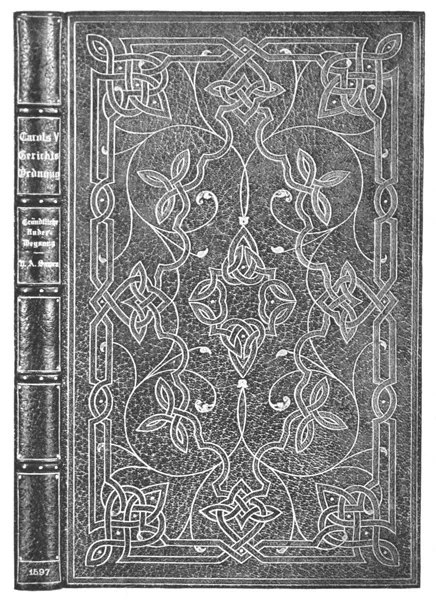
Carols V. Gerichtsordnung (1597) Vine colored Levant—inlays of red and green leather. Interlacing bands and decoration tooled in gold.Trow's Printing and Bookbinding Co., Bib-li-op-e-gis-tic: Pertaining to the Art of Binding Books, 1889, p. 4. Project Gutenberg 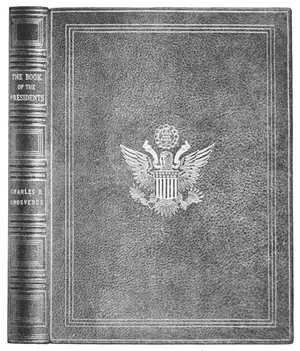
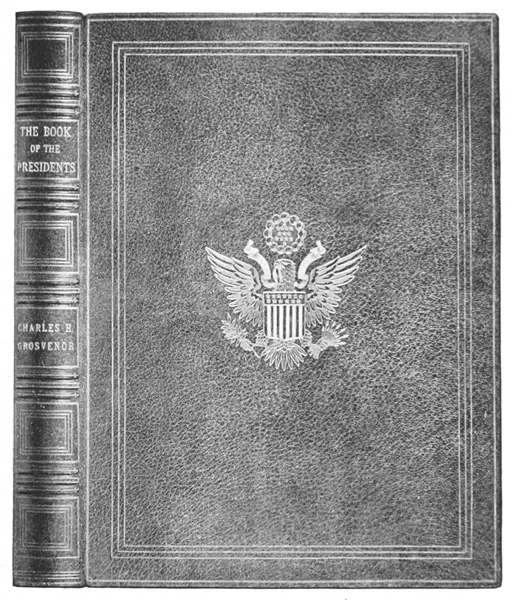
The Book of the Presidents Maroon Levant—“arms” (Tiffany & Co. design) inlaid in colored leather. Plain mitred panels, tooled in gold.Trow's Printing and Bookbinding Co., Bib-li-op-e-gis-tic: Pertaining to the Art of Binding Books, 1889, p. 7. Project Gutenberg 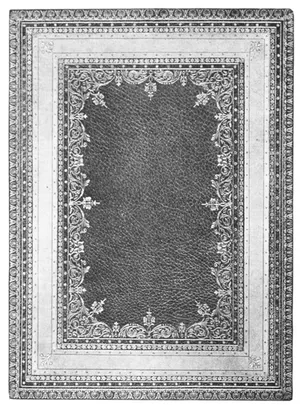
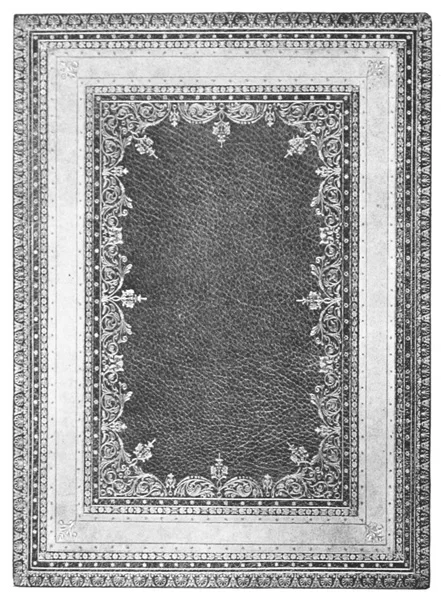
The Book of the Presidents—Doublé Levant—national colors. Tooled in gold.Trow's Printing and Bookbinding Co., Bib-li-op-e-gis-tic: Pertaining to the Art of Binding Books, 1889, p. 8. Project Gutenberg 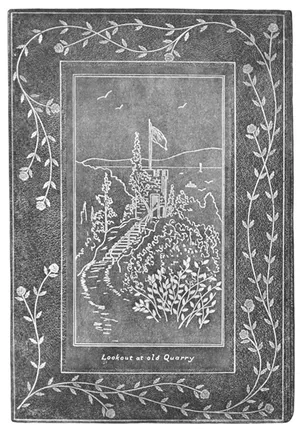
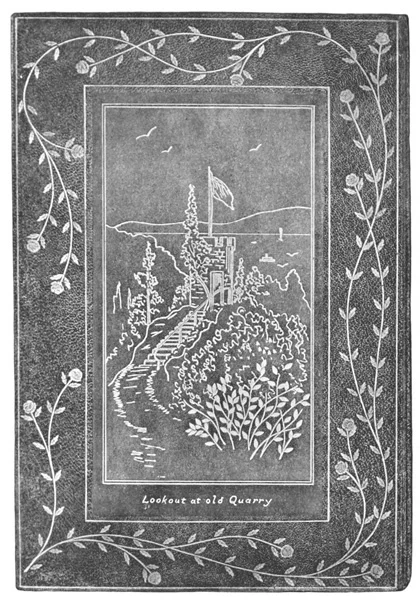
The Historic Hudson—Doublé Green Levant. Pictorial inlay and decoration tooled in gold.Trow's Printing and Bookbinding Co., Bib-li-op-e-gis-tic: Pertaining to the Art of Binding Books, 1889, p. 12. Project Gutenberg 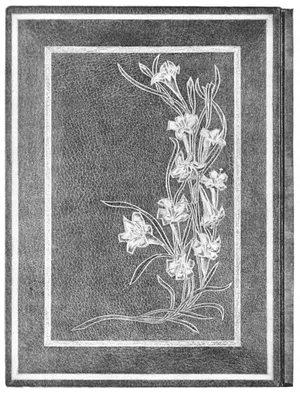
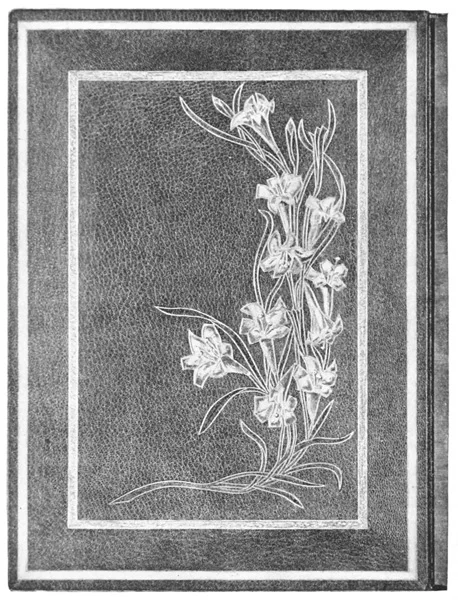
Memorial Volume—Doublé Royal Purple Levant. Floral design inlaid and hand colored.Trow's Printing and Bookbinding Co., Bib-li-op-e-gis-tic: Pertaining to the Art of Binding Books, 1889, p. 14. Project Gutenberg 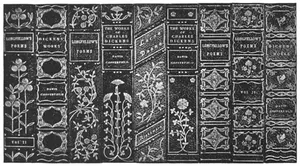
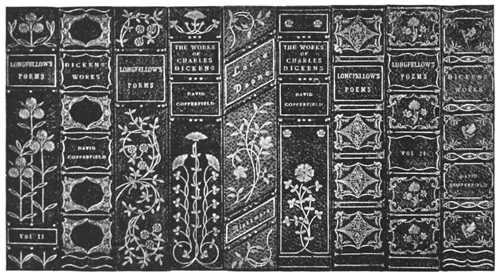
Specimen decorative backs for half or full leather bindings. Edition work or single volumes.Trow's Printing and Bookbinding Co., Bib-li-op-e-gis-tic: Pertaining to the Art of Binding Books, 1889, p. 18. Project Gutenberg 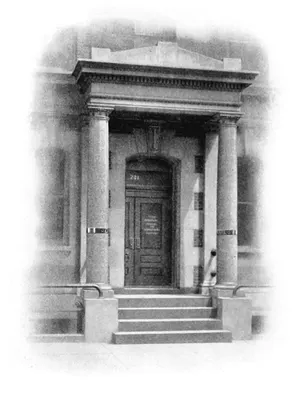
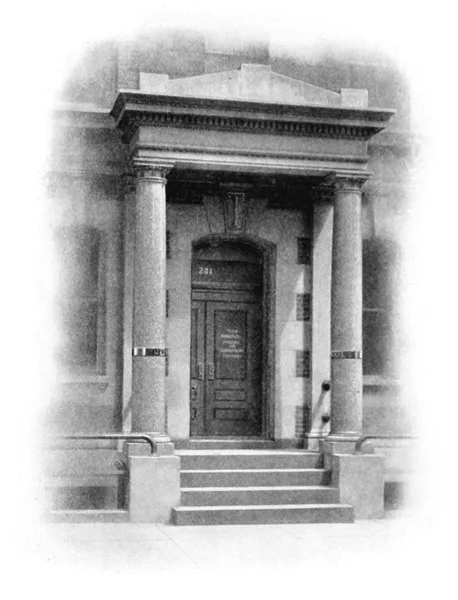
Trow Directory, Printing and Bookbinding Company 201–213 East 12th Street New York CityTrow's Printing and Bookbinding Co., Bib-li-op-e-gis-tic: Pertaining to the Art of Binding Books, 1889, p. 20. Project Gutenberg 
Randverzierung von einem egyptisch-arabischen Einbande.[Border ornament from an Egyptian-Arabic binding.]Paul Adam, Der Bucheinband: Seine Technik und seine Geschichte, 1890. Project Gutenberg 
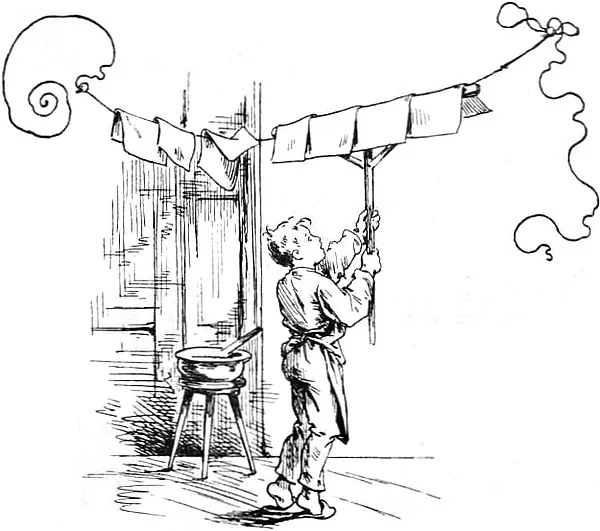
Aufhängen planierter Bogen. (Zu Seite 10 .)[Hanging up the sized sheets of paper. (For page 10.)]Paul Adam, Der Bucheinband: Seine Technik und seine Geschichte, 1890. Project Gutenberg 
Von einem arabischen Einbande.Paul Adam, Der Bucheinband: Seine Technik und seine Geschichte, 1890. Project Gutenberg 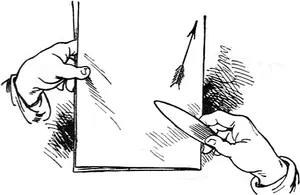
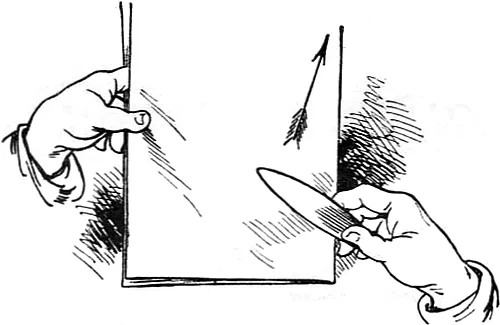
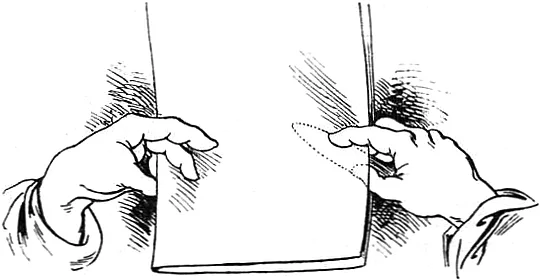
Fig. 6. Niederstreichen des Falzstrichs.[Fig. 6. Smoothing down the fold.]Paul Adam, Der Bucheinband: Seine Technik und seine Geschichte, 1890. Project Gutenberg 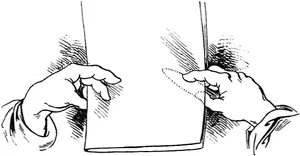
Fig. 7. Ergreifen des Bogens zum zweiten Bruch.[Fig. 7. Holding the sheet for the second fold.]Paul Adam, Der Bucheinband: Seine Technik und seine Geschichte, 1890. Project Gutenberg 
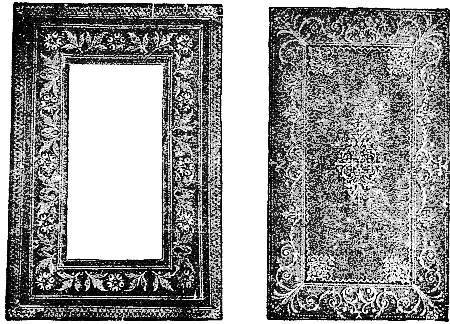
Randverzierung von einem arabisch-ägyptischen Bande.[Border ornament from an Arabic-Egyptian binding.]Paul Adam, Der Bucheinband: Seine Technik und seine Geschichte, 1890. Project Gutenberg 
Randleiste von einem arabischen Einbande.[Border frame from an Arabic binding.]Paul Adam, Der Bucheinband: Seine Technik und seine Geschichte, 1890. Project Gutenberg 
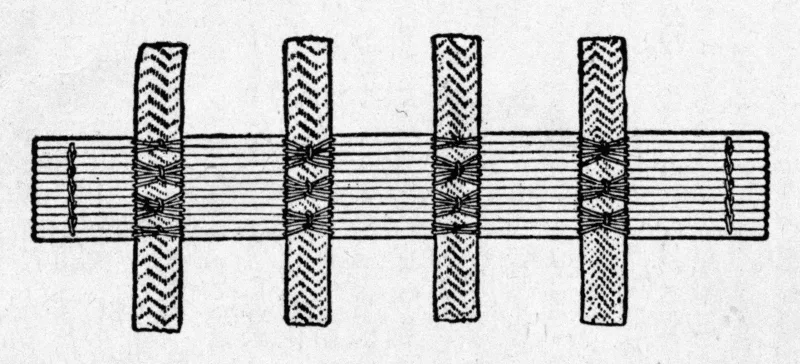
Schema der orientalischen Heftung.[Diagram of Oriental sewing.]Paul Adam, Der Bucheinband: Seine Technik und seine Geschichte, 1890. Project Gutenberg 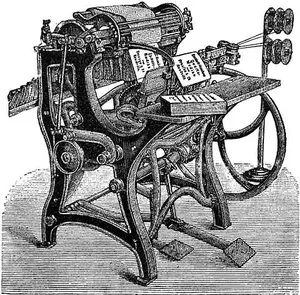
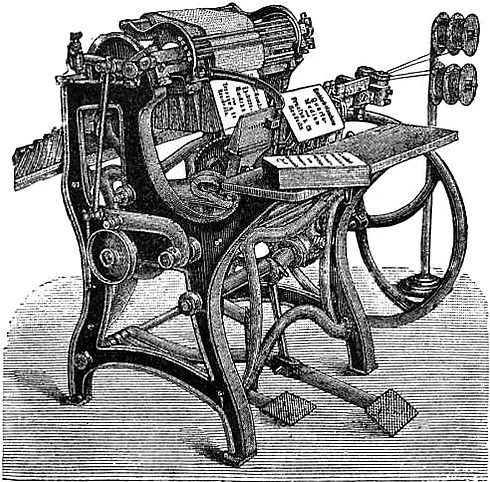
Fig. 13. Drahtheftmaschine von Preuße & Co. in Leipzig.[Fig. 13. Wire-stitching machine by Preuße & Co. of Leipzig.]Paul Adam, Der Bucheinband: Seine Technik und seine Geschichte, 1890. Project Gutenberg 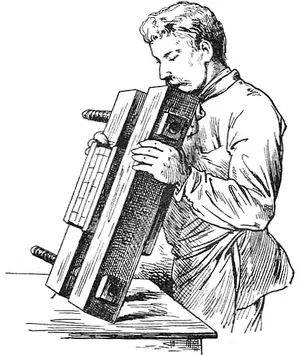
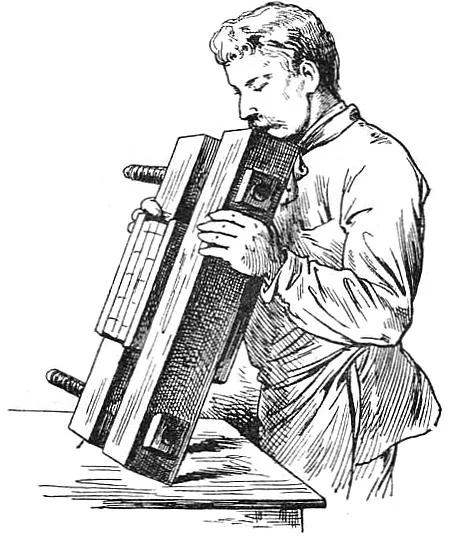
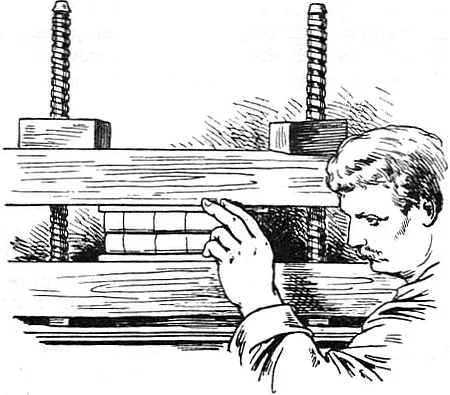
Fig. 14 u. 15. Prüfen und Nachrichten abgepresster Bücher.[Figs. 14 and 15. Inspecting and straightening books after pressing.]Paul Adam, Der Bucheinband: Seine Technik und seine Geschichte, 1890. Project Gutenberg 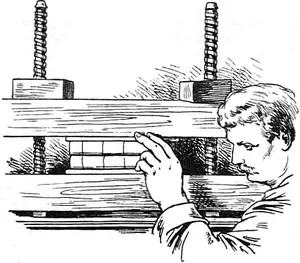
Fig. 14 u. 15. Prüfen und Nachrichten abgepresster Bücher.[Figs. 14 and 15. Inspecting and straightening books after pressing.]Paul Adam, Der Bucheinband: Seine Technik und seine Geschichte, 1890. Project Gutenberg 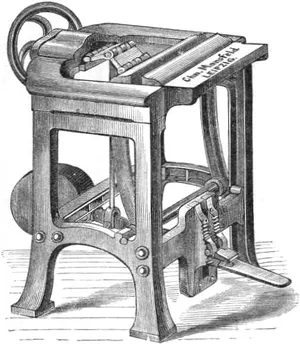
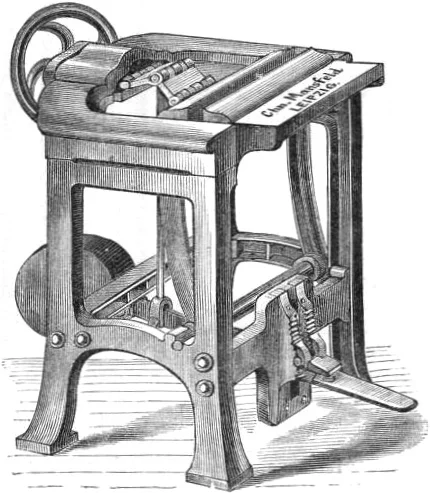
Fig. 20. Abpressmaschine von Chr. Mansfeld in Leipzig.[Fig. 20. Press by Chr. Mansfeld of Leipzig.]Paul Adam, Der Bucheinband: Seine Technik und seine Geschichte, 1890. Project Gutenberg 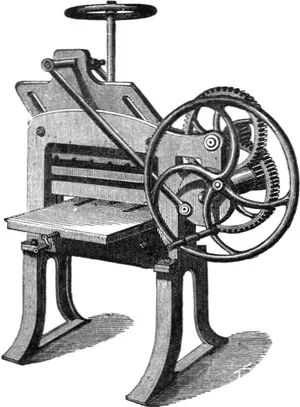
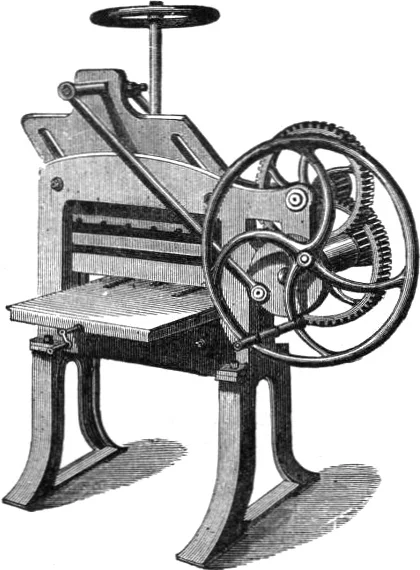
Fig. 24. Beschneidemaschine mit Schwungrad von Dietz & Listing in Leipzig.[Fig. 24. Flywheel edge-cutting machine by Dietz & Listing of Leipzig.]Paul Adam, Der Bucheinband: Seine Technik und seine Geschichte, 1890. Project Gutenberg 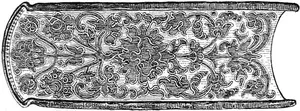
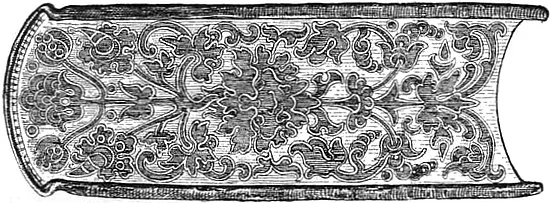
Fig. 27. Zierschnitt, farbig ausgemalt, von einer Kölnischen Bibel, 17. Jahrh.[Fig. 27. Decorated edges, painted in full colour, from a seventeenth-century Cologne Bible.]Paul Adam, Der Bucheinband: Seine Technik und seine Geschichte, 1890. Project Gutenberg 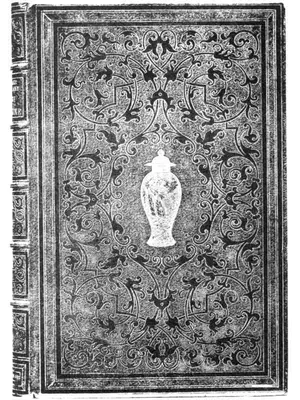
FLORENTINE. Small folio.Joseph W. Zaehnsdorf, The Art of Bookbinding: A Practical Treatise, 1890. Project Gutenberg 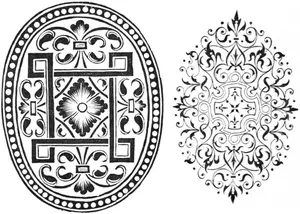
Monastic. Venetian.Joseph W. Zaehnsdorf, The Art of Bookbinding: A Practical Treatise, 1890. Project Gutenberg 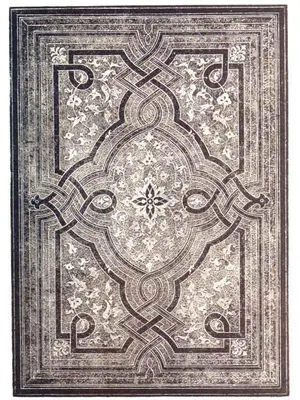
GROLIER. Royal folioJoseph W. Zaehnsdorf, The Art of Bookbinding: A Practical Treatise, 1890. Project Gutenberg 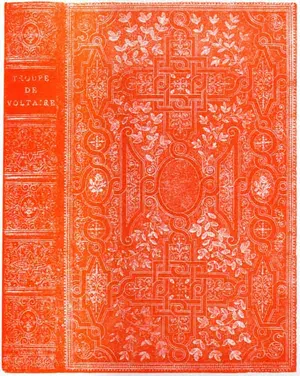
GASCON. 8 vo T. Way, Photo-lith.Joseph W. Zaehnsdorf, The Art of Bookbinding: A Practical Treatise, 1890. Project Gutenberg 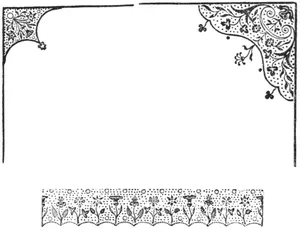
Roger Payne.Joseph W. Zaehnsdorf, The Art of Bookbinding: A Practical Treatise, 1890. Project Gutenberg 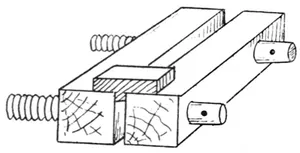
Knocking-down Iron screwed into Press.Joseph W. Zaehnsdorf, The Art of Bookbinding: A Practical Treatise, 1890. Project Gutenberg 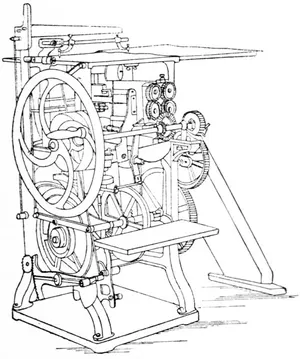
Martini’s Folding Machine.Joseph W. Zaehnsdorf, The Art of Bookbinding: A Practical Treatise, 1890. Project Gutenberg 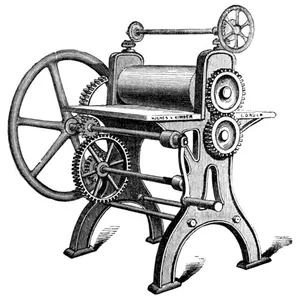
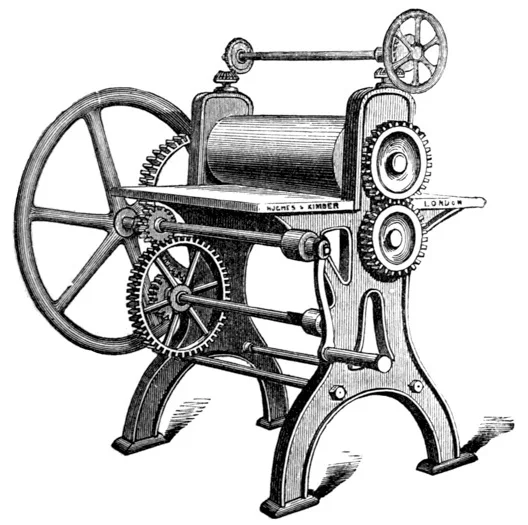
Rolling Machine.Joseph W. Zaehnsdorf, The Art of Bookbinding: A Practical Treatise, 1890. Project Gutenberg 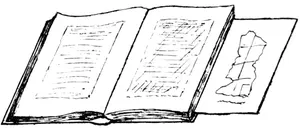
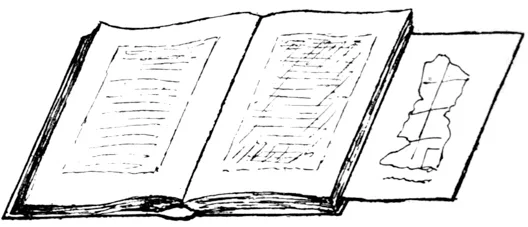
Shewing Book with Map thrown out.Joseph W. Zaehnsdorf, The Art of Bookbinding: A Practical Treatise, 1890. Project Gutenberg 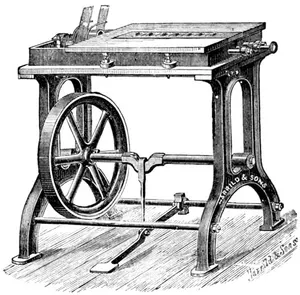
Sawing-in Machine.Joseph W. Zaehnsdorf, The Art of Bookbinding: A Practical Treatise, 1890. Project Gutenberg 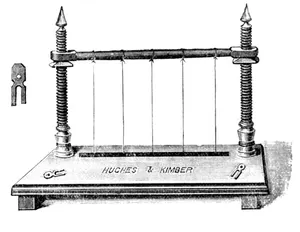
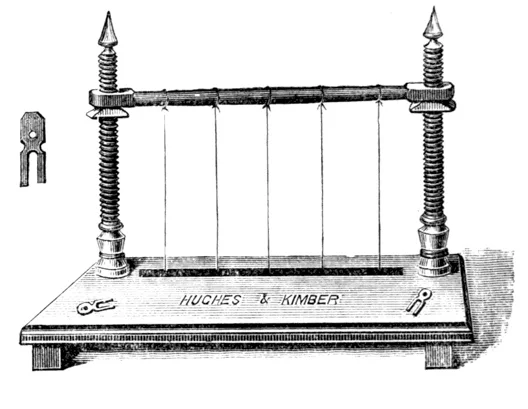
Sewing Press.Joseph W. Zaehnsdorf, The Art of Bookbinding: A Practical Treatise, 1890. Project Gutenberg 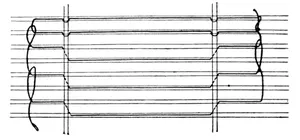
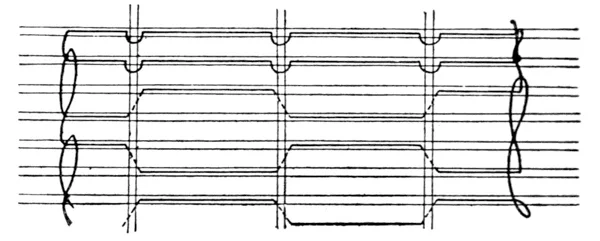
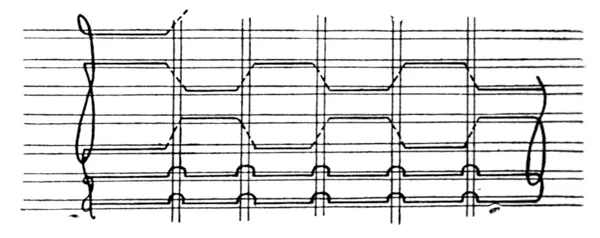
Ordinary sewing. 2 sheets on 2 bands.Joseph W. Zaehnsdorf, The Art of Bookbinding: A Practical Treatise, 1890. Project Gutenberg 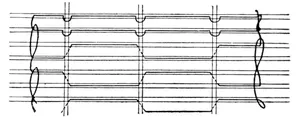
Ordinary sewing. 2 sheets on 3 bands.Joseph W. Zaehnsdorf, The Art of Bookbinding: A Practical Treatise, 1890. Project Gutenberg 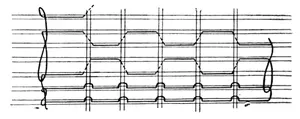
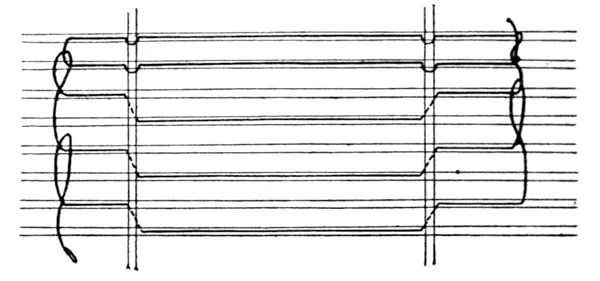
Ordinary sewing. 2 sheets on 5 bands.Joseph W. Zaehnsdorf, The Art of Bookbinding: A Practical Treatise, 1890. Project Gutenberg 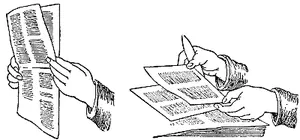
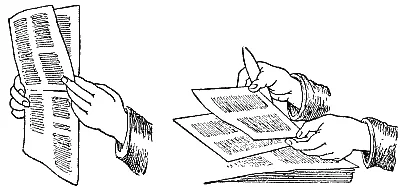
Figs. 2 and 3—Holding whilst folding.Paul Adam, Practical Bookbinding, 1903, p. 14. Project Gutenberg 
Fig. 8—Suggestions for mounting on guards.Paul Adam, Practical Bookbinding, 1903, p. 24. Project Gutenberg 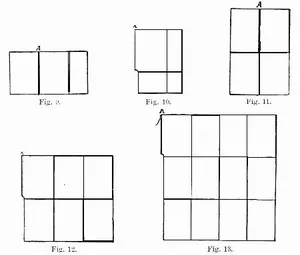
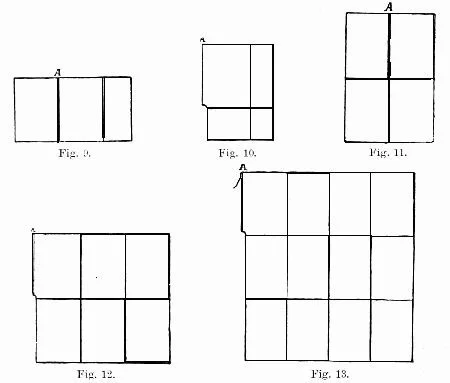
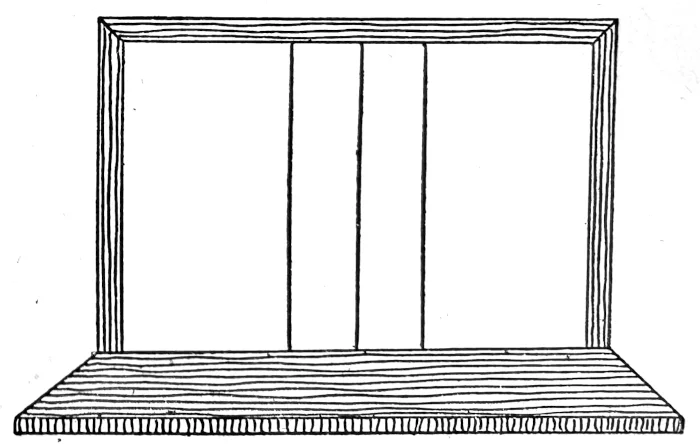
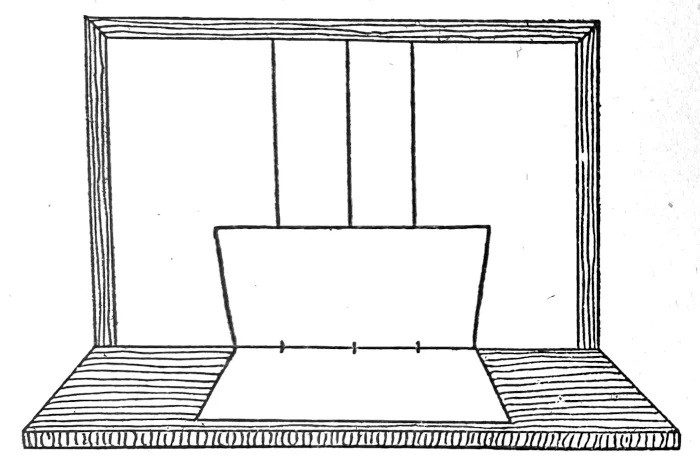
Figs. 9-13—Suggestions for folding plates and maps.Paul Adam, Practical Bookbinding, 1903, p. 26. Project Gutenberg 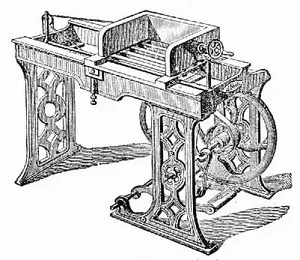
Fig. 24—Machine for sawing-in.Paul Adam, Practical Bookbinding, 1903, p. 43. Project Gutenberg 
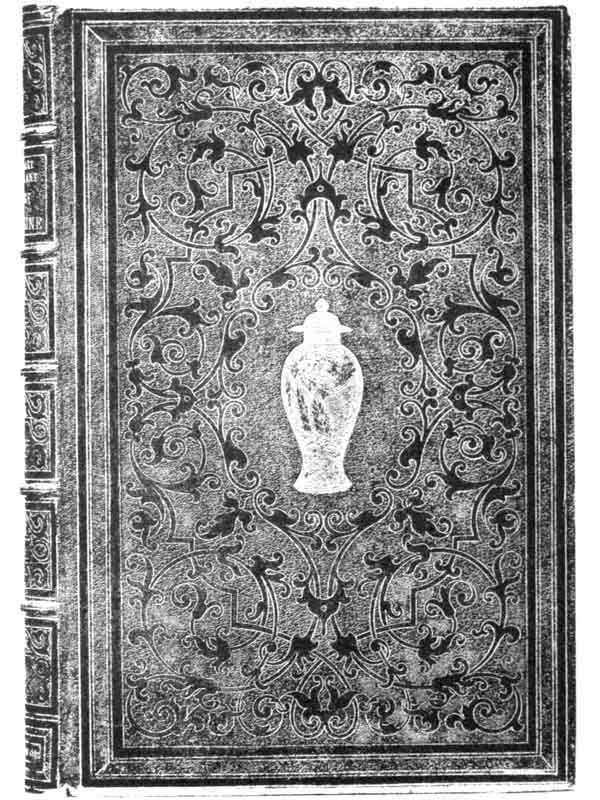
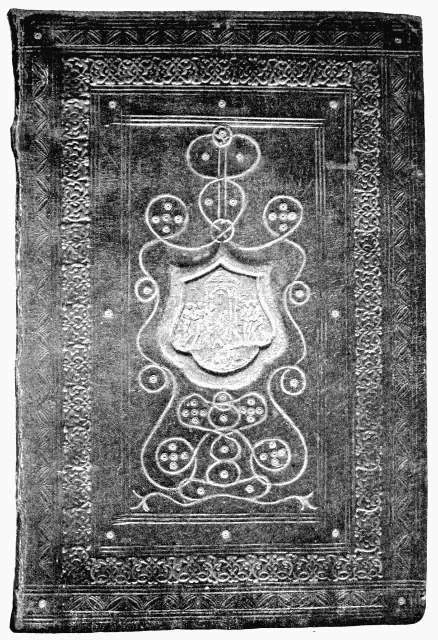
Fig. 78—Tooled cover.Paul Adam, Practical Bookbinding, 1903, p. 136. Project Gutenberg 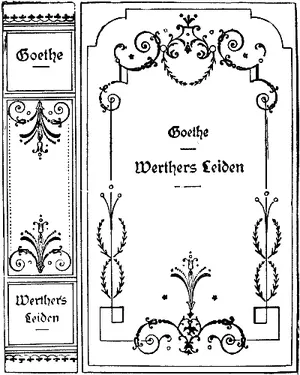
Fig. 79—Specimen of tooling done in the Düsseldorf Technical School.Paul Adam, Practical Bookbinding, 1903, p. 137. Project Gutenberg 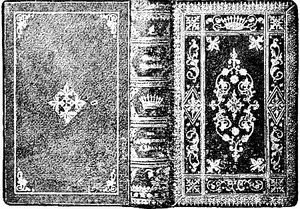
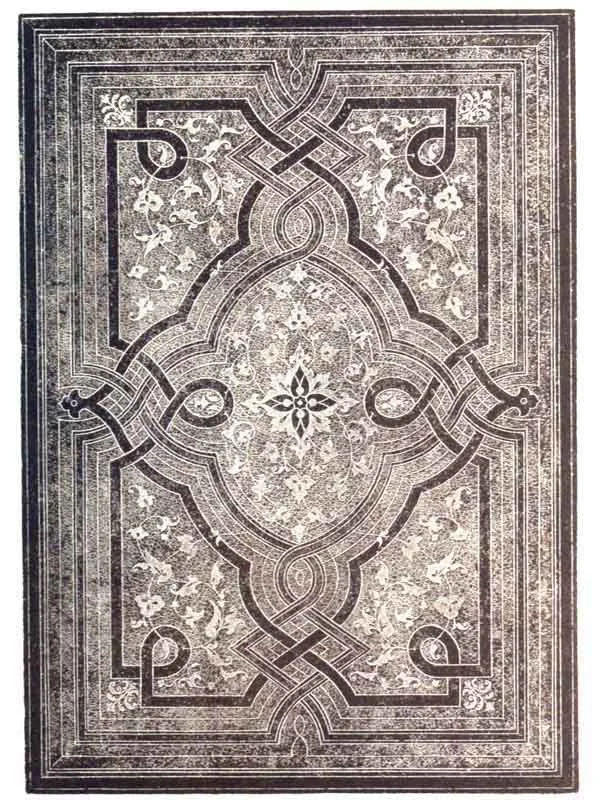
Fig. 80—Leather binding by Oswald Kob, Bozen.Paul Adam, Practical Bookbinding, 1903, p. 137. Project Gutenberg 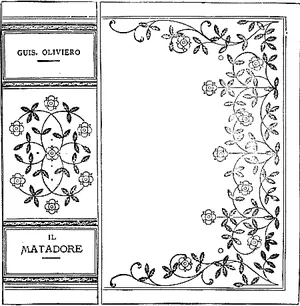
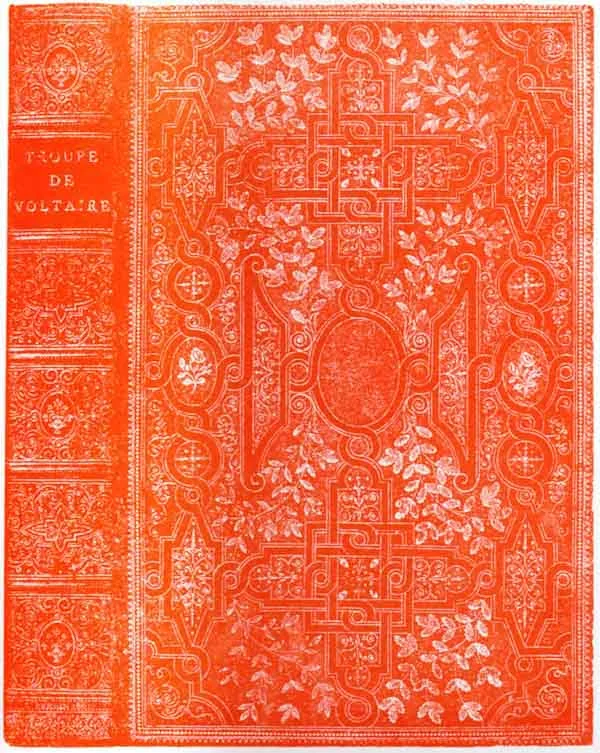
Fig. 81—Cover with laurel motive done in the Düsseldorf Technical School.Paul Adam, Practical Bookbinding, 1903, p. 137. Project Gutenberg 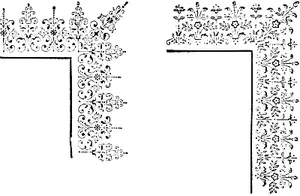
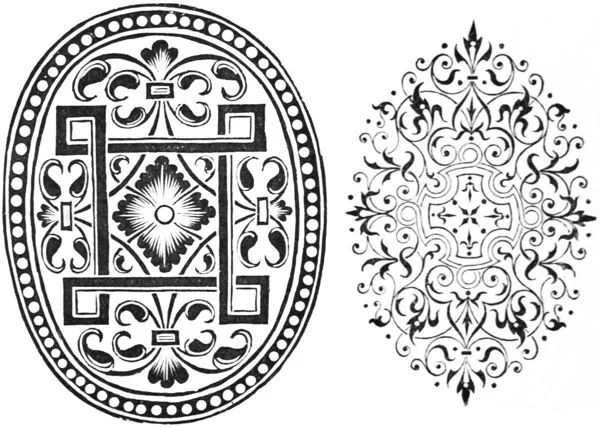
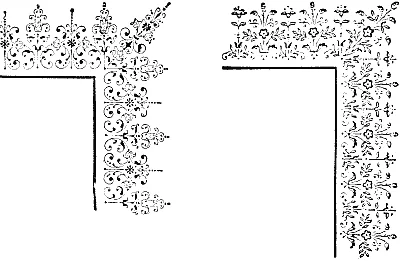
Figs. 85 and 86—Two designs in gold for squares.Paul Adam, Practical Bookbinding, 1903, p. 145. Project Gutenberg 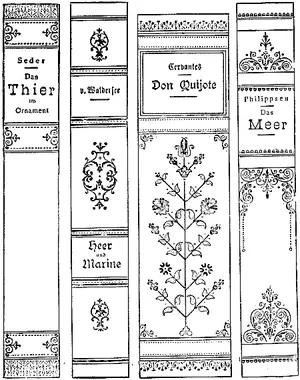
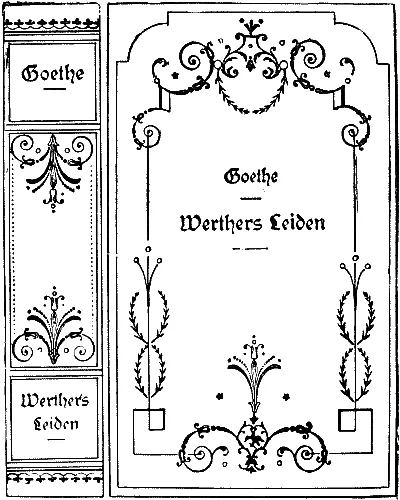
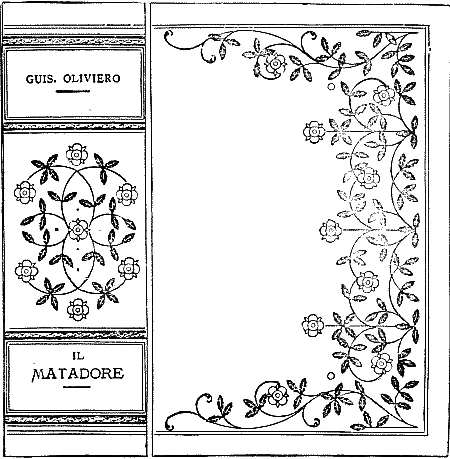
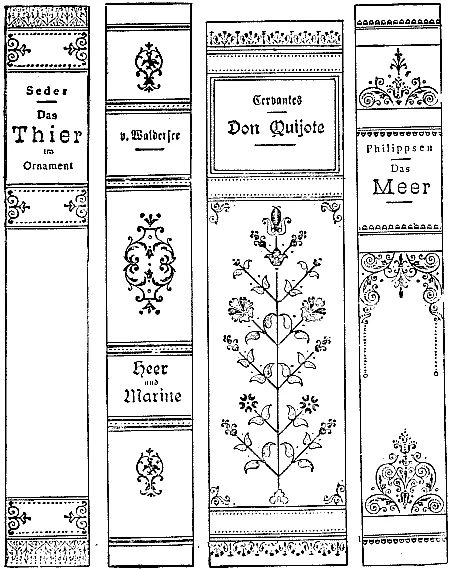
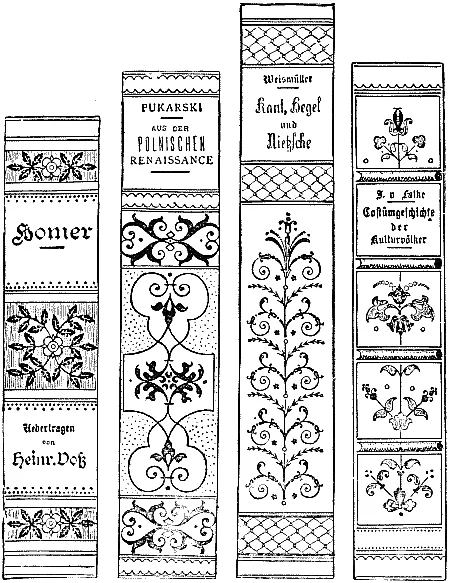
Figs. 91, 92, 93, and 94—Four backs tooled in the Düsseldorf Technical School.Paul Adam, Practical Bookbinding, 1903, p. 148. Project Gutenberg 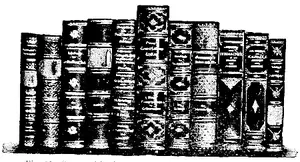
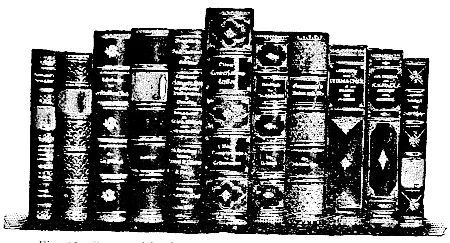
Fig. 95—Group of backs tooled in Carlsruhe Technical School.Paul Adam, Practical Bookbinding, 1903, p. 148. Project Gutenberg 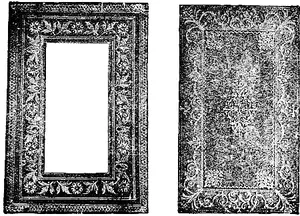
Figs. 96 and 97—Two richly decorated insides done in the Düsseldorf Technical School.Paul Adam, Practical Bookbinding, 1903, p. 148. Project Gutenberg 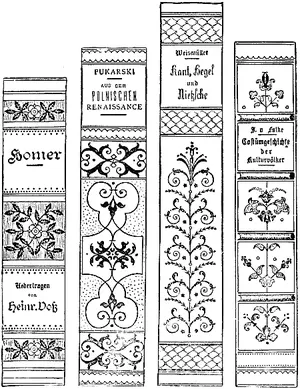
Figs. 98, 99, 100, and 101—Four richly tooled backs.Paul Adam, Practical Bookbinding, 1903, p. 148. Project Gutenberg 
Figs. 103 and 104—Tooling on heads.Paul Adam, Practical Bookbinding, 1903, p. 153. Project Gutenberg 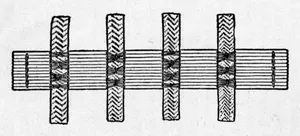
Showing a Method of Sewing on Tapes The catching up of the alternate groups of threads as they cross the bands renders the sewing firmer. There are other methods of achieving this end. From report of the Committee on Leather for Bookbinding. Edited for Society of Arts. London: Bell & Sons, 1905.John Cotton Dana, Notes on Bookbinding for Libraries, 1906, p. 32. Project Gutenberg 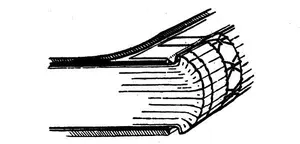
Showing Method of Attaching Tape Slips or Ends of Bands to a Split Board Leaving a “French Joint” From report of the Committee on Leather for Bookbinding. Edited for Society of Arts. London: Bell & Sons, 1905.John Cotton Dana, Notes on Bookbinding for Libraries, 1906, p. 34. Project Gutenberg 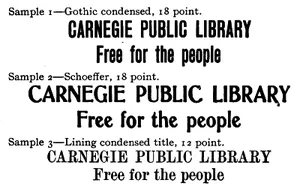
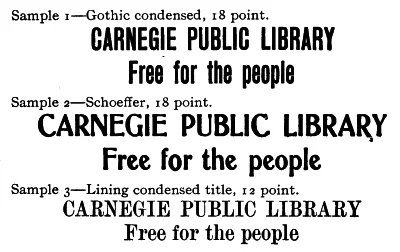
Sample 1—Gothic condensed, 18 point. CARNEGIE PUBLIC LIBRARY Free for the people Sample 2—Schoeffer, 18 point. CARNEGIE PUBLIC LIBRARY Free for the people Sample 3—Lining condensed title, 12 point. CARNEGIE PUBLIC LIBRARY Free for the peopleJohn Cotton Dana, Notes on Bookbinding for Libraries, 1906, p. 55. Project Gutenberg 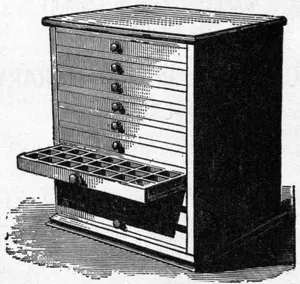
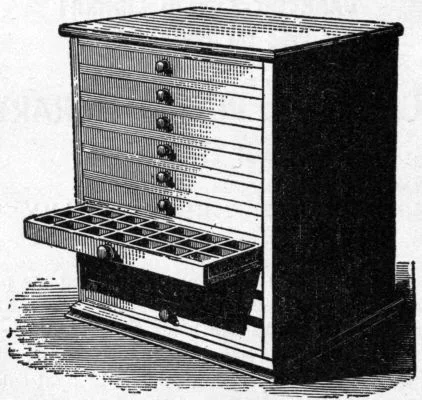
Type CabinetJohn Cotton Dana, Notes on Bookbinding for Libraries, 1906, p. 56. Project Gutenberg 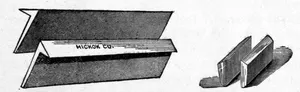
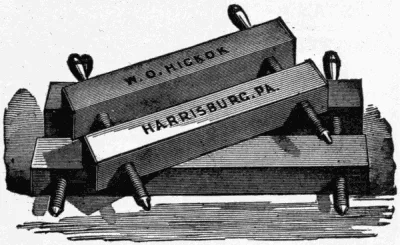
(L) Backing Boards, Metal (R) Backing Boards, Wood, Steel FacedJohn Cotton Dana, Notes on Bookbinding for Libraries, 1906, p. 121. Project Gutenberg 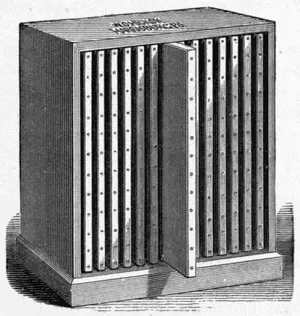
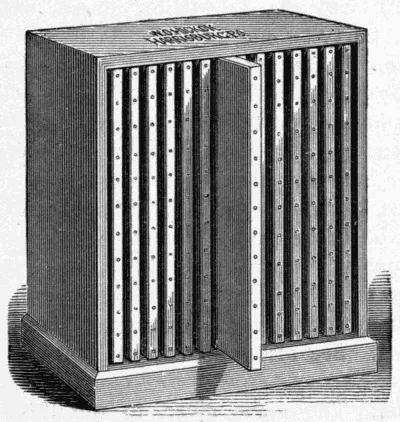
Boards, Brass Bound, in CaseJohn Cotton Dana, Notes on Bookbinding for Libraries, 1906, p. 125. Project Gutenberg 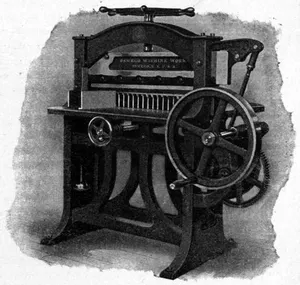
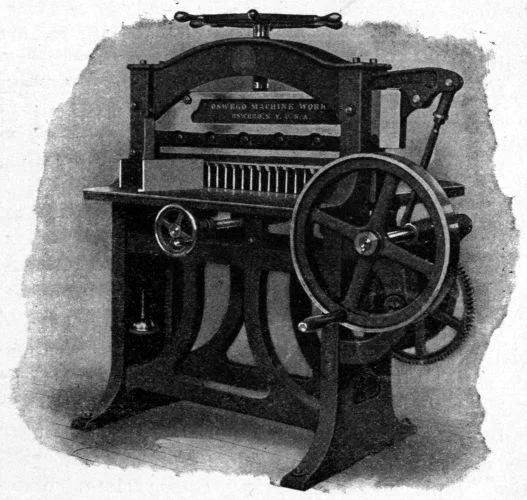
Oswego Hand Wheel Drive CutterJohn Cotton Dana, Notes on Bookbinding for Libraries, 1906, p. 131. Project Gutenberg 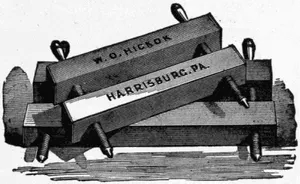
Finishing PressesJohn Cotton Dana, Notes on Bookbinding for Libraries, 1906, p. 135. Project Gutenberg 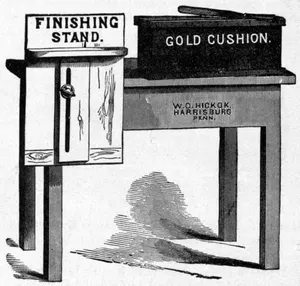
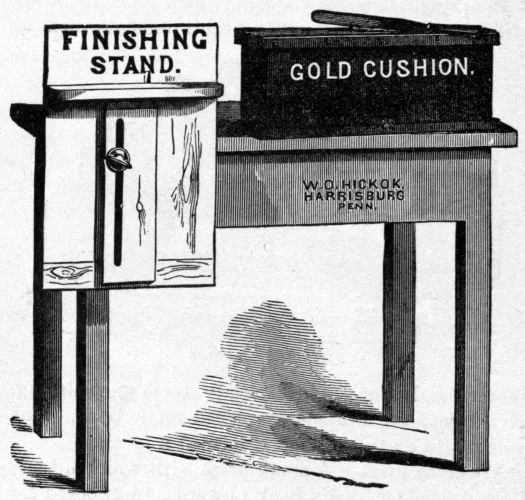
Finishing StandJohn Cotton Dana, Notes on Bookbinding for Libraries, 1906, p. 136. Project Gutenberg 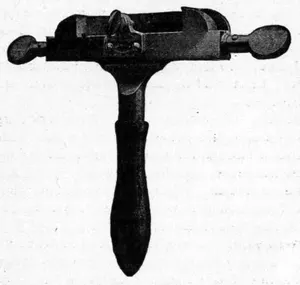
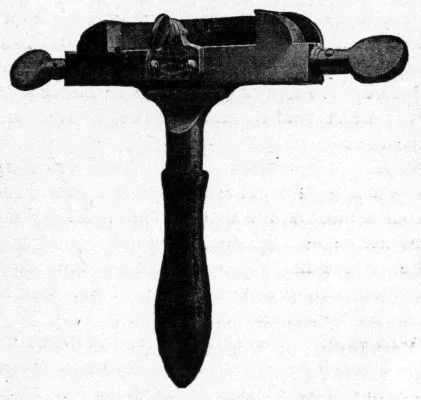
Lettering PalletJohn Cotton Dana, Notes on Bookbinding for Libraries, 1906, p. 149. Project Gutenberg 
Flat PolisherJohn Cotton Dana, Notes on Bookbinding for Libraries, 1906, p. 151. Project Gutenberg 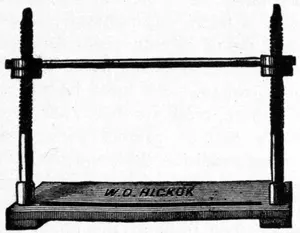
Sewing BenchJohn Cotton Dana, Notes on Bookbinding for Libraries, 1906, p. 155. Project Gutenberg 
BOOKBINDING FOR BEGINNERSFlorence O. Bean, Bookbinding for Beginners, 1914, p. 7. Project Gutenberg 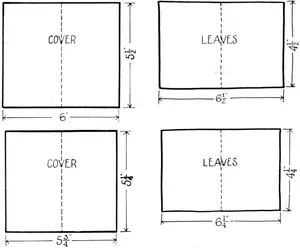
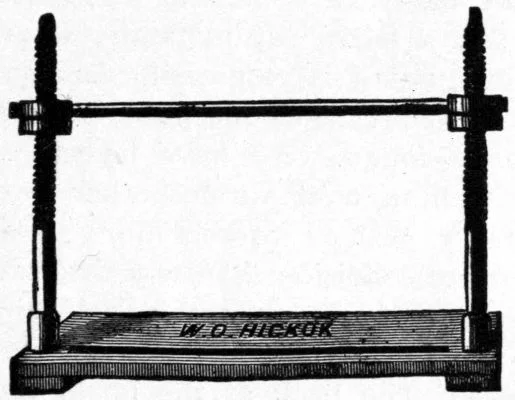
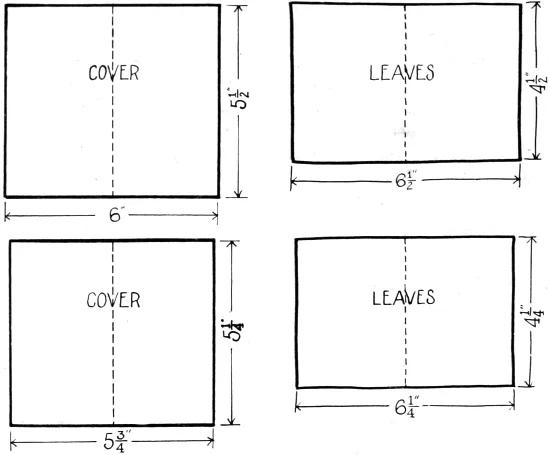
Plate I. Accurate working drawings and freehand sketches such as children should produce before making the booklet.Florence O. Bean, Bookbinding for Beginners, 1914, p. 13. Project Gutenberg 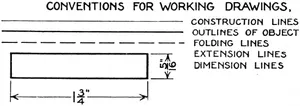
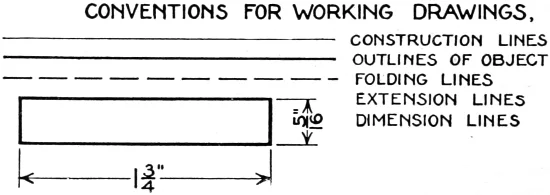
Plate II. Line Conventions.Florence O. Bean, Bookbinding for Beginners, 1914, p. 14. Project Gutenberg 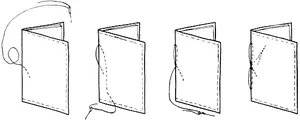
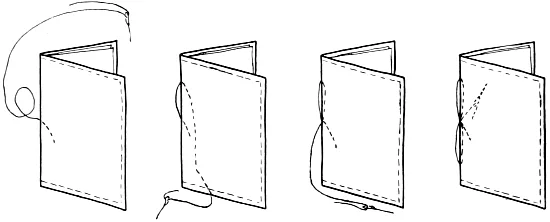
Plate III. Sketches illustrating a simple method of stitching a booklet.Florence O. Bean, Bookbinding for Beginners, 1914, p. 15. Project Gutenberg 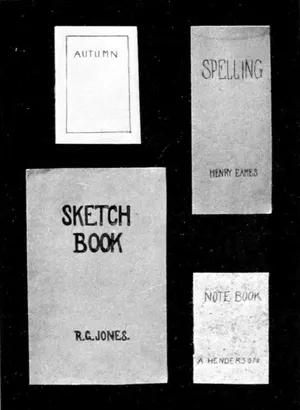
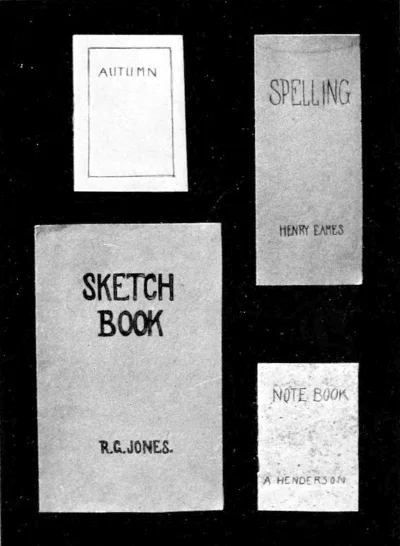
Plate V. The simplest possible designs for book covers, involving good spacing and careful lettering.Florence O. Bean, Bookbinding for Beginners, 1914, p. 17. Project Gutenberg 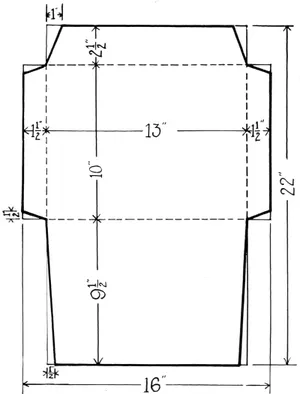
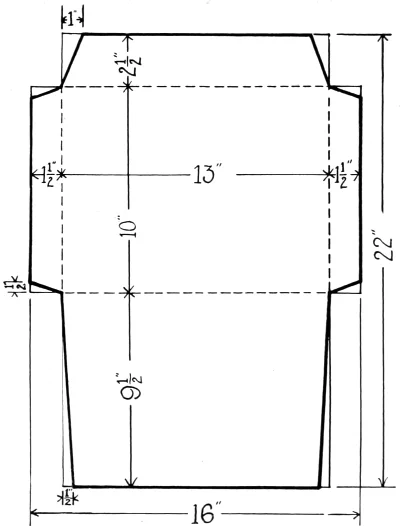
Plate VI. Pattern for a simple envelope.Florence O. Bean, Bookbinding for Beginners, 1914, p. 19. Project Gutenberg 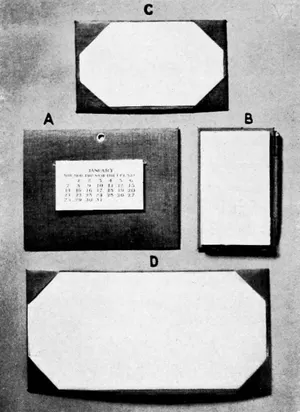
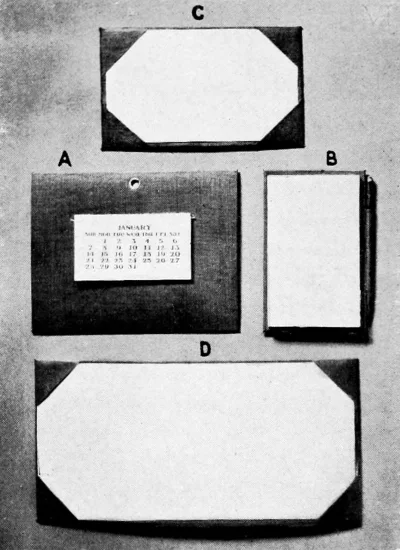
Plate VII. Mounts and pads made by children.Florence O. Bean, Bookbinding for Beginners, 1914, p. 22. Project Gutenberg 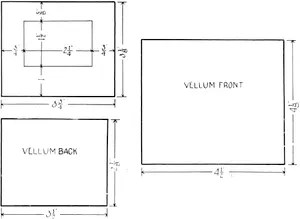
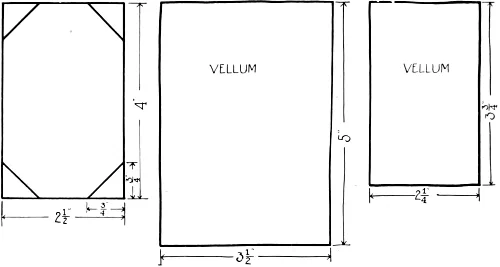
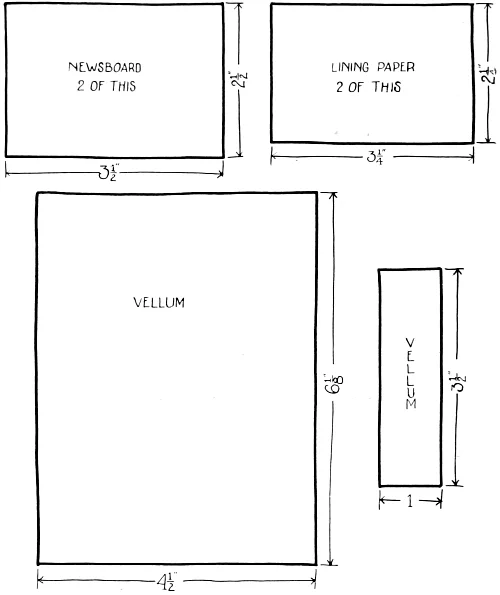
Plate IX. The completed mount showing the location of the calendar, and the two pieces of vellum.Florence O. Bean, Bookbinding for Beginners, 1914, p. 24. Project Gutenberg 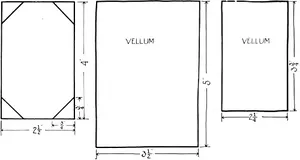
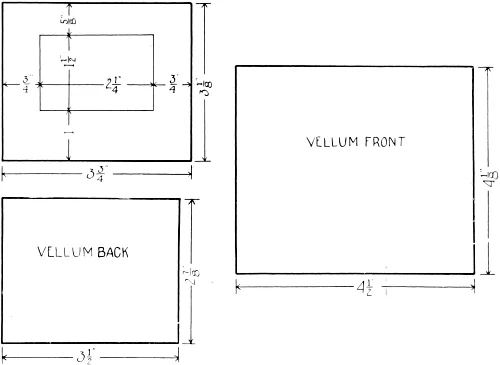
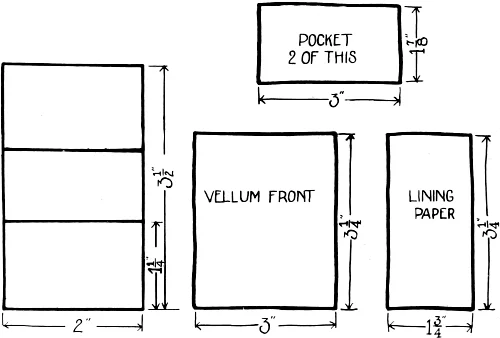
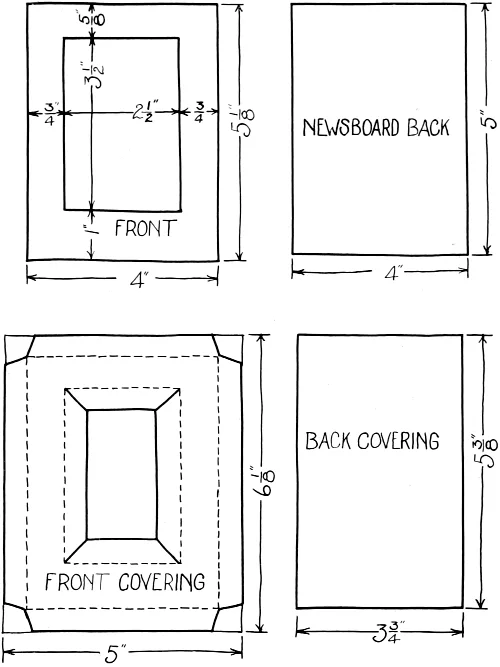
Plate XII. A front view of the memorandum pad accurately drawn to show proportions; also drawings of the vellum coverings.Florence O. Bean, Bookbinding for Beginners, 1914, p. 28. Project Gutenberg 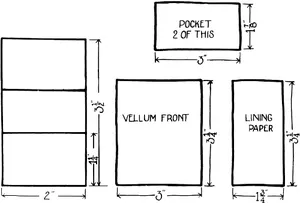
Plate XIV. An accurate working drawing of the completed needlecase, and dimensioned sketches of the pieces used for covering.Florence O. Bean, Bookbinding for Beginners, 1914, p. 32. Project Gutenberg 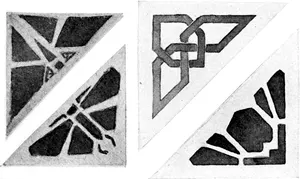
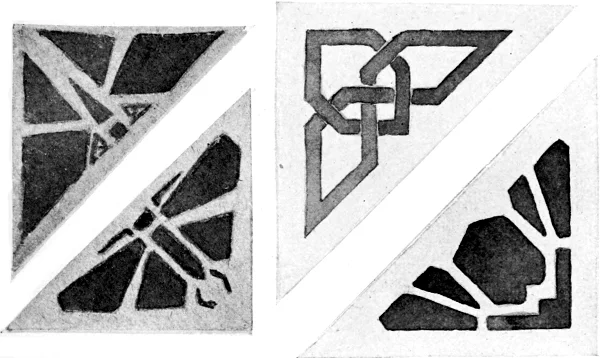
Plate XVI. Blotter pad corners with original units by grammar-school children.Florence O. Bean, Bookbinding for Beginners, 1914, p. 35. Project Gutenberg 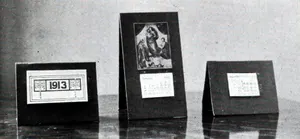
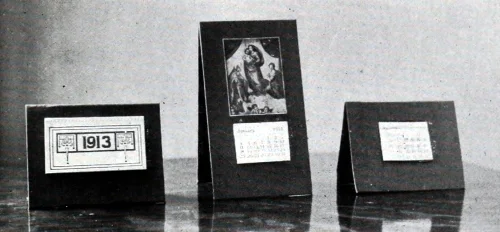
Plate XVII. Calendars.Florence O. Bean, Bookbinding for Beginners, 1914, p. 36. Project Gutenberg 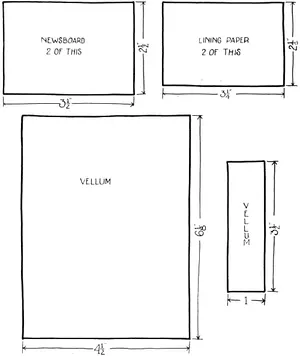
Plate XVIII. Freehand sketches of the parts of a simple calendar mount.Florence O. Bean, Bookbinding for Beginners, 1914, p. 38. Project Gutenberg 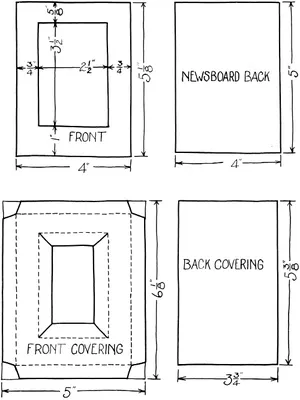
Plate XXII. Dimensioned sketches of the parts of a picture frame.Florence O. Bean, Bookbinding for Beginners, 1914, p. 47. Project Gutenberg 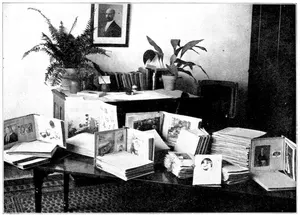
INTRODUCTIONSamuel Jesse Vaughn, Printing and Bookbinding for Schools, 1922. Project Gutenberg 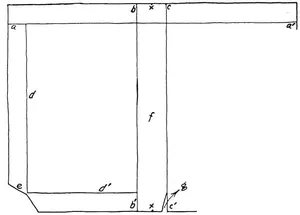
Fig. 17. Marking of cloth for Case Binding.Samuel Jesse Vaughn, Printing and Bookbinding for Schools, 1922. Project Gutenberg 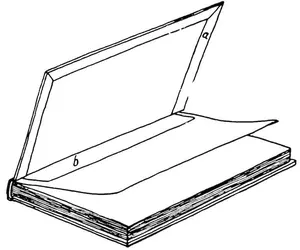
Fig. 18. Laying on of the cover.Samuel Jesse Vaughn, Printing and Bookbinding for Schools, 1922. Project Gutenberg 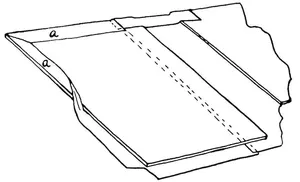
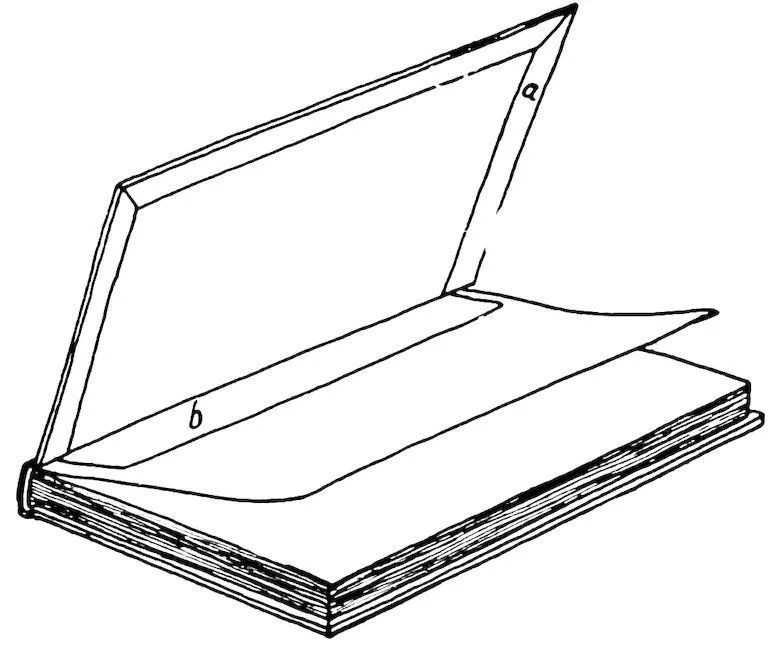
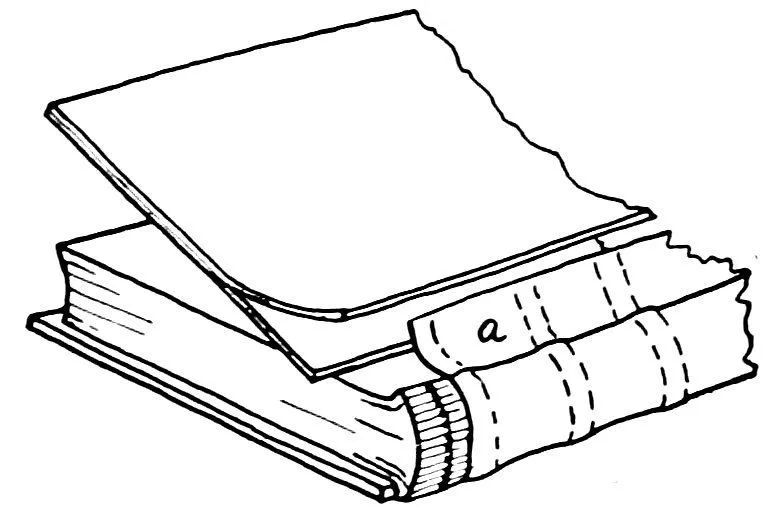
Fig. 19. Half cloth cover showing turn-ins at a.Samuel Jesse Vaughn, Printing and Bookbinding for Schools, 1922. Project Gutenberg 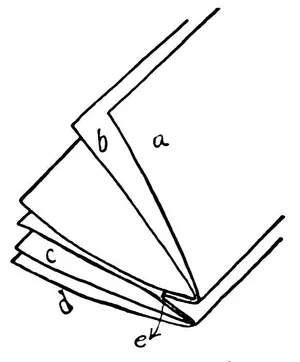
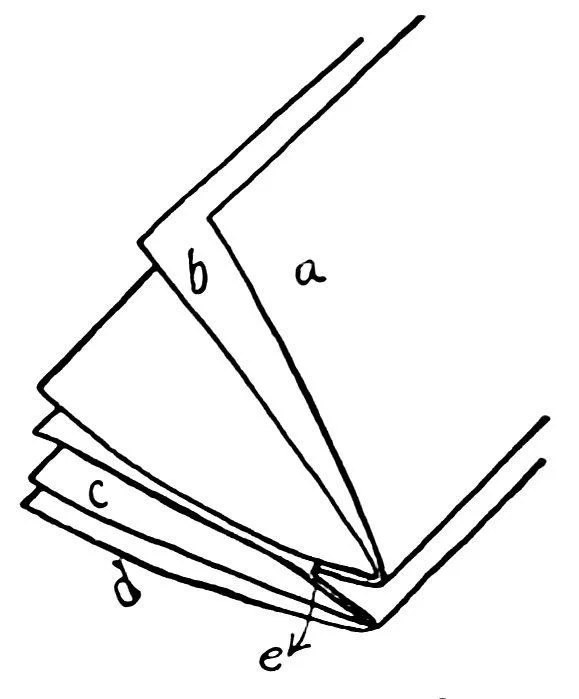
Fig. 20. Zigzag end. a, b, c, separate folios.Samuel Jesse Vaughn, Printing and Bookbinding for Schools, 1922. Project Gutenberg 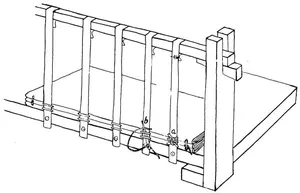
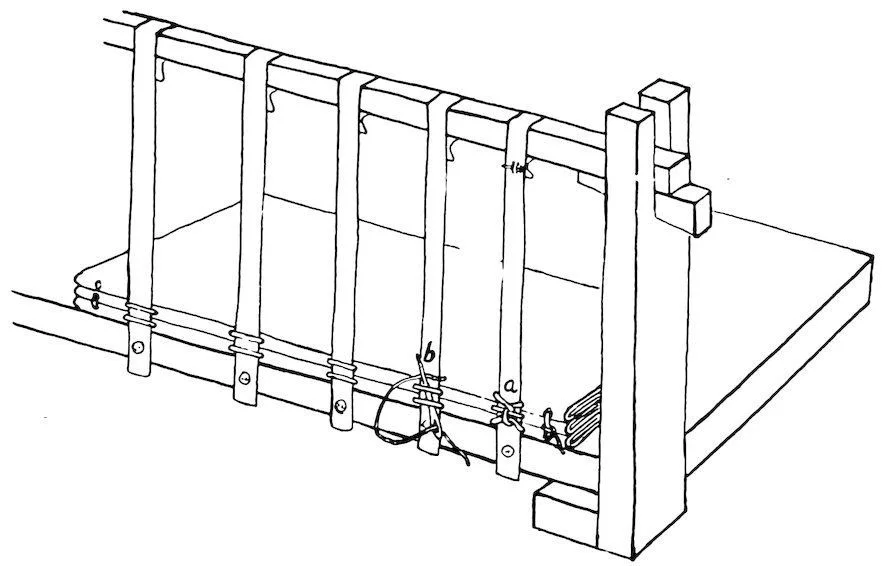
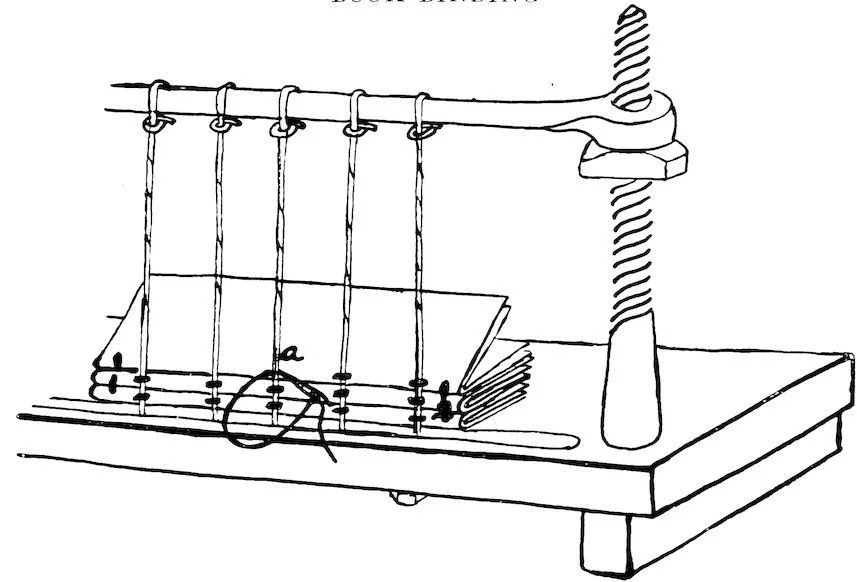
Fig. 21. Sewing Frame and sewing on tapes. a, finished catch or crowsfoot stitch. b, the beginning of the catchstitch.Samuel Jesse Vaughn, Printing and Bookbinding for Schools, 1922. Project Gutenberg 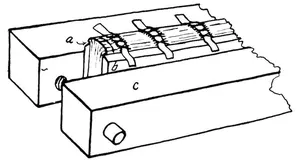
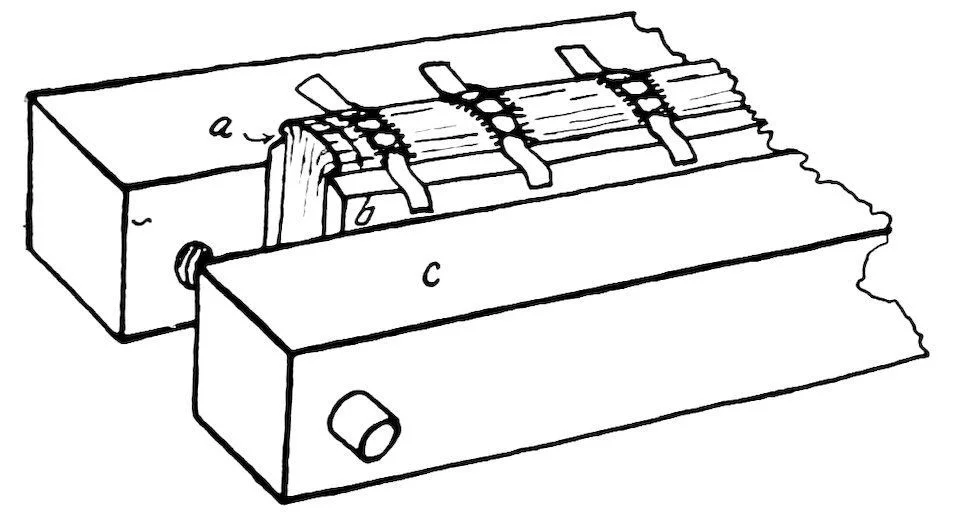
Fig. 22. Ready for backing. a, Joint. b, Backing boards. c, Lying, or finishing press.Samuel Jesse Vaughn, Printing and Bookbinding for Schools, 1922. Project Gutenberg 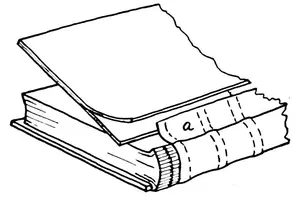
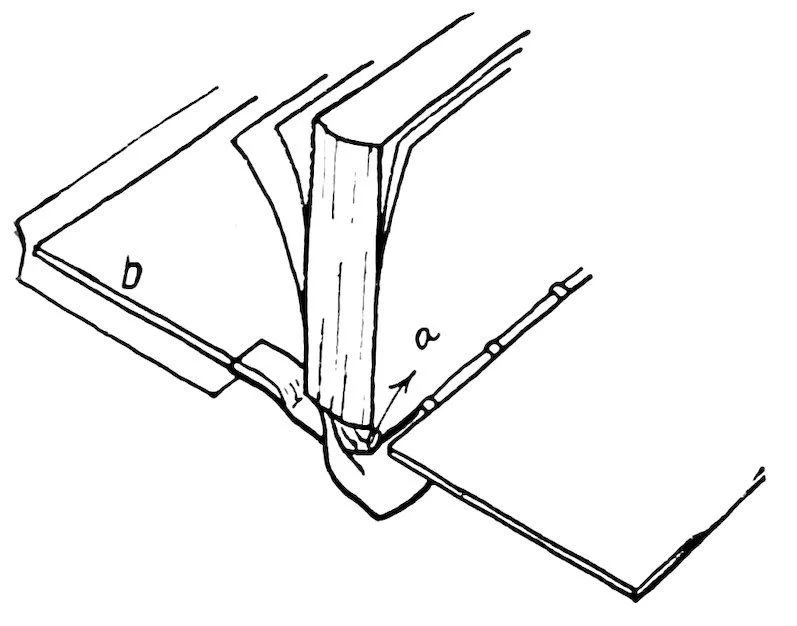
Fig. 23. putting on double boards. a, The slip.Samuel Jesse Vaughn, Printing and Bookbinding for Schools, 1922. Project Gutenberg 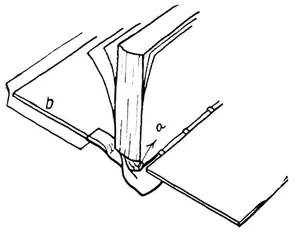
Fig. 24. Putting on the leather back. a, cord.Samuel Jesse Vaughn, Printing and Bookbinding for Schools, 1922. Project Gutenberg 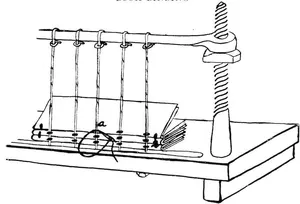
Fig. 25. Sewing on cords. a, stitch around the cord.Samuel Jesse Vaughn, Printing and Bookbinding for Schools, 1922. Project Gutenberg 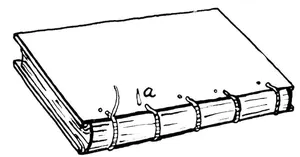
Fig. 26. Lacing cords into boards.Samuel Jesse Vaughn, Printing and Bookbinding for Schools, 1922. Project Gutenberg 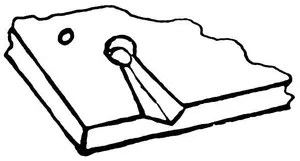
Fig. 27. Detail of holes and trough for cords.Samuel Jesse Vaughn, Printing and Bookbinding for Schools, 1922. Project Gutenberg 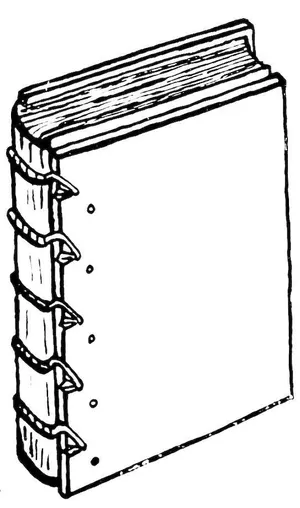
Fig. 28. Board pulled down ready for the head to be cut.Samuel Jesse Vaughn, Printing and Bookbinding for Schools, 1922. Project Gutenberg 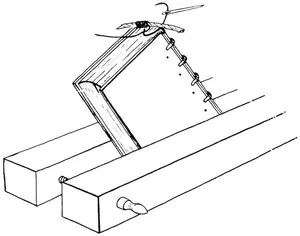
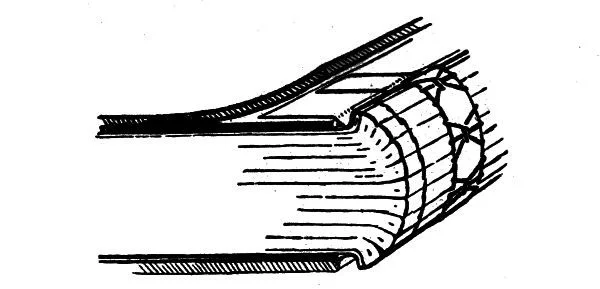
Fig. 29. Putting on the headband.Samuel Jesse Vaughn, Printing and Bookbinding for Schools, 1922. Project Gutenberg 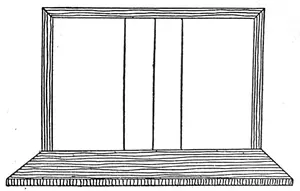
Figure 4—Sewing Bench with 3 cords attached.Ben Davidson, Bookbinding Self Taught, 1925, p. 13. Project Gutenberg 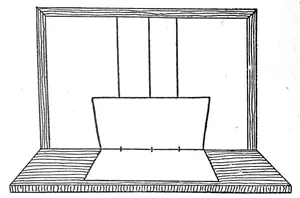
Figure 5—Showing the inside stitch of a sectionBen Davidson, Bookbinding Self Taught, 1925, p. 18. Project Gutenberg 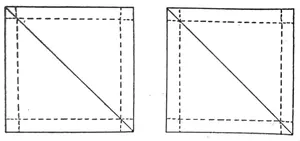
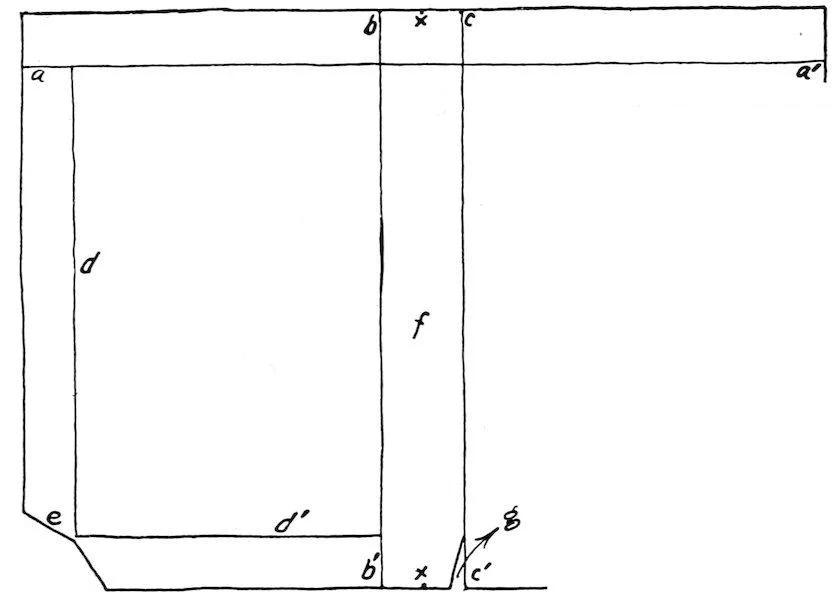
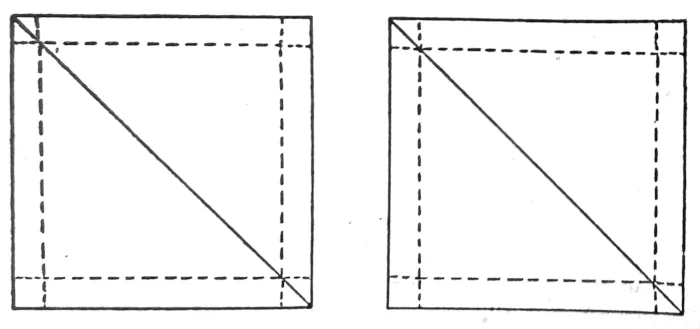
Figure 7—Pattern for the four corners. Dotted lines represent the margins.Ben Davidson, Bookbinding Self Taught, 1925, p. 24. Project Gutenberg 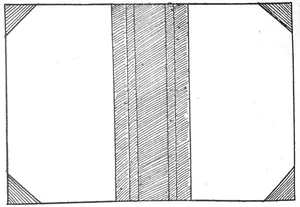
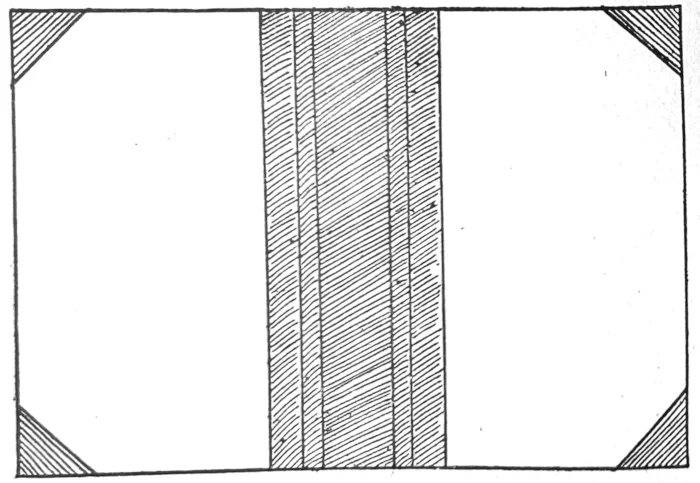
Figure 8—Outside cover of a book bound in two materials. Buckram for back and corners; cloth or paper for the sides.Ben Davidson, Bookbinding Self Taught, 1925, p. 26. Project Gutenberg








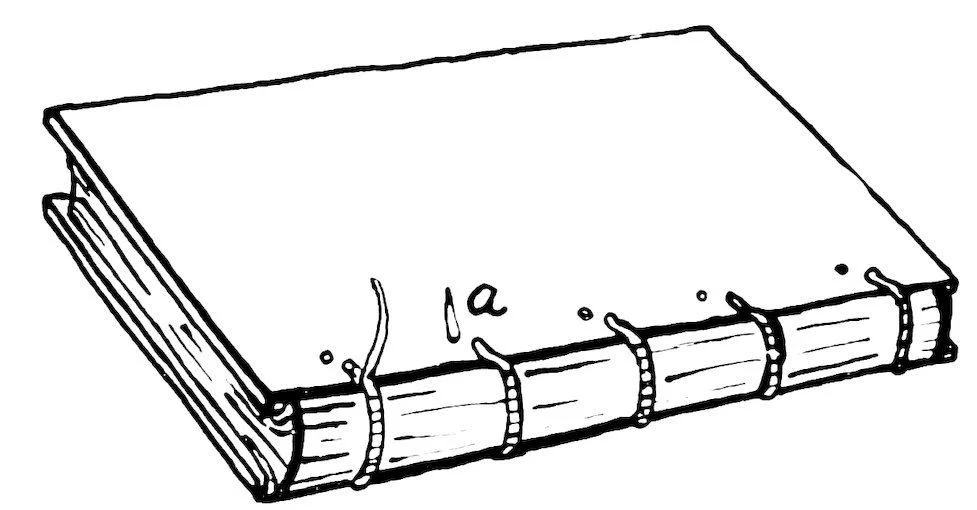
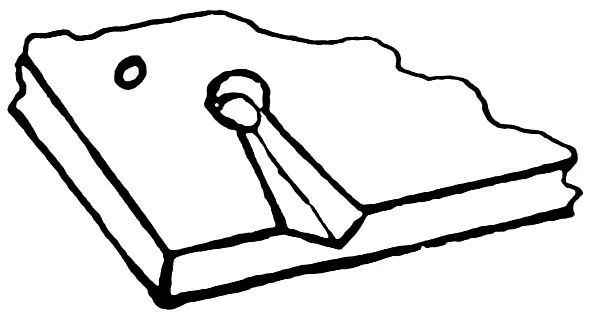
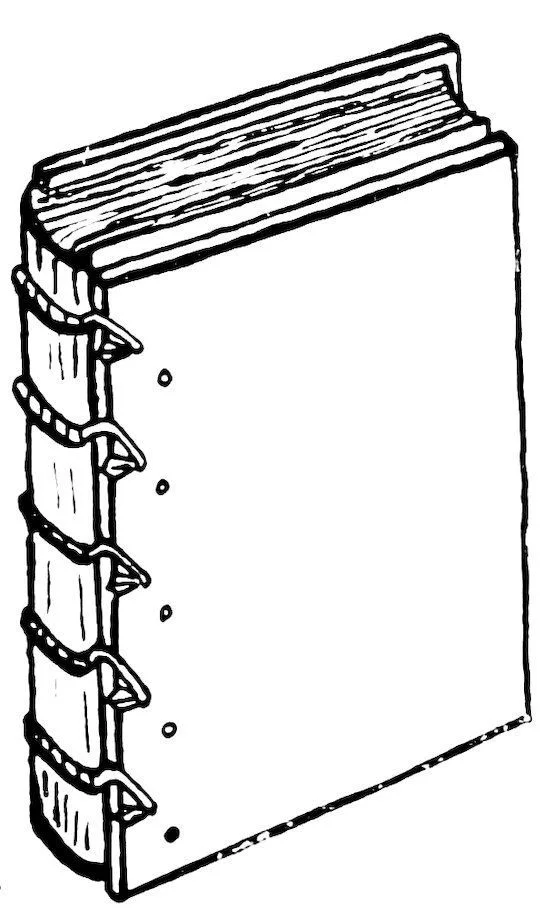
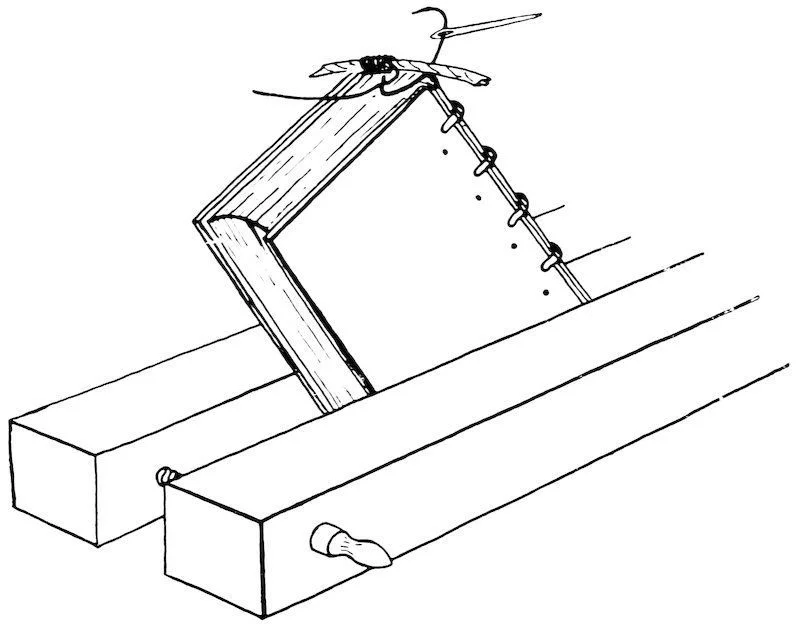
Paper and Marbling
Images of how paper was made and decorated — from raw material to sheet, and the marbling patterns floated on water before being lifted onto the paper.
97 illustrations · 8 books · 1855–1920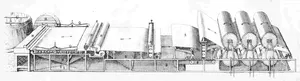
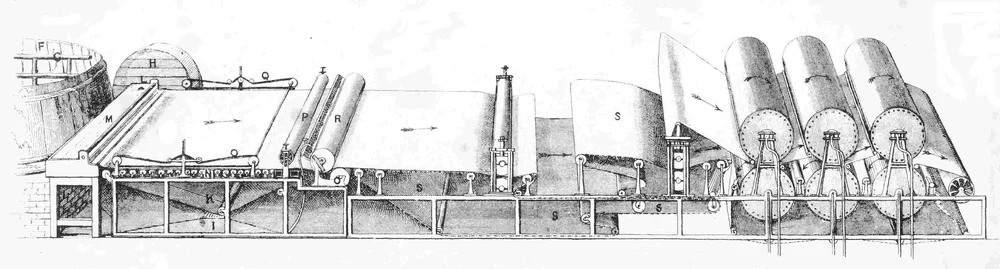
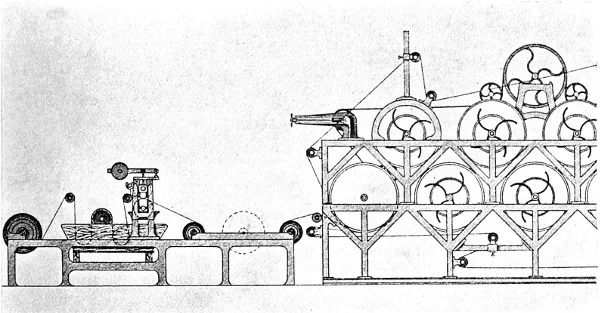
THE PAPER MAKING MACHINE.Richard Herring, Paper and Paper Making, Ancient and Modern, 1855. Project Gutenberg 
(12 front)Richard Herring, Paper and Paper Making, Ancient and Modern, 1855. Project Gutenberg 
(13 front)Richard Herring, Paper and Paper Making, Ancient and Modern, 1855. Project Gutenberg 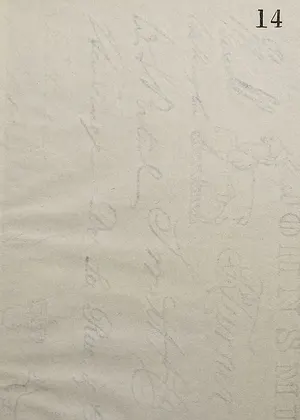
(14 front)Richard Herring, Paper and Paper Making, Ancient and Modern, 1855. Project Gutenberg 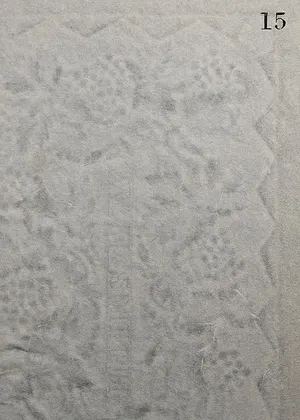
(15 front)Richard Herring, Paper and Paper Making, Ancient and Modern, 1855. Project Gutenberg 
(17 front)Richard Herring, Paper and Paper Making, Ancient and Modern, 1855. Project Gutenberg 
(18 front)Richard Herring, Paper and Paper Making, Ancient and Modern, 1855. Project Gutenberg 
(19 front)Richard Herring, Paper and Paper Making, Ancient and Modern, 1855. Project Gutenberg 
(20 front)Richard Herring, Paper and Paper Making, Ancient and Modern, 1855. Project Gutenberg 
(21 front)Richard Herring, Paper and Paper Making, Ancient and Modern, 1855. Project Gutenberg 
(22 front)Richard Herring, Paper and Paper Making, Ancient and Modern, 1855. Project Gutenberg 
(23 front)Richard Herring, Paper and Paper Making, Ancient and Modern, 1855. Project Gutenberg 
(24 front)Richard Herring, Paper and Paper Making, Ancient and Modern, 1855. Project Gutenberg 
(25 front)Richard Herring, Paper and Paper Making, Ancient and Modern, 1855. Project Gutenberg 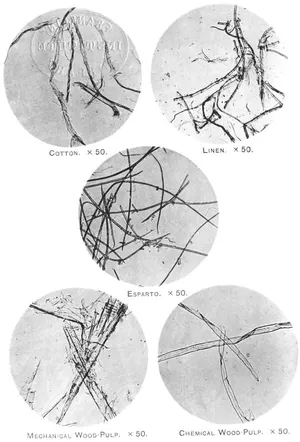
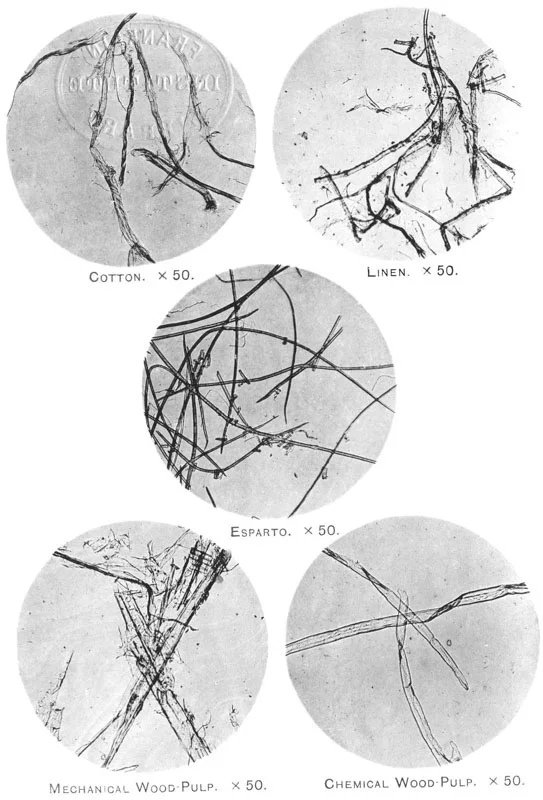
Cotton. × 50. Linen. × 50. Esparto. × 50. Mechanical Wood-pulp. × 50. Chemical Wood-pulp. × 50.C. F. Cross & E. J. Bevan, A Text-book of Paper-making, 1888. Project Gutenberg 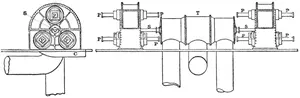
F IG. 29. F IG. 30.C. F. Cross & E. J. Bevan, A Text-book of Paper-making, 1888. Project Gutenberg 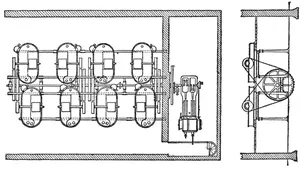
F IG. 38. F IG. 39.C. F. Cross & E. J. Bevan, A Text-book of Paper-making, 1888. Project Gutenberg 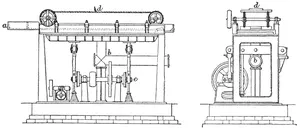
F IG. 47. F IG. 48.C. F. Cross & E. J. Bevan, A Text-book of Paper-making, 1888. Project Gutenberg 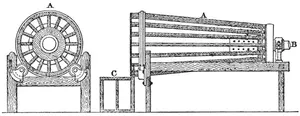
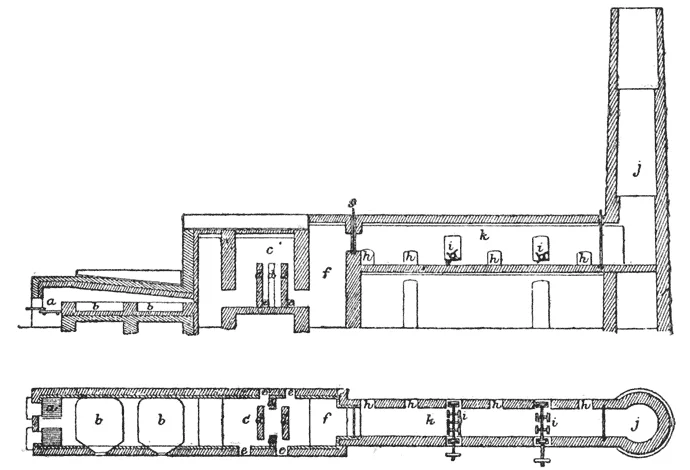
F IG. 51. F IG. 52.C. F. Cross & E. J. Bevan, A Text-book of Paper-making, 1888. Project Gutenberg 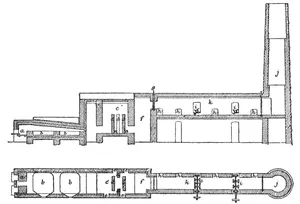
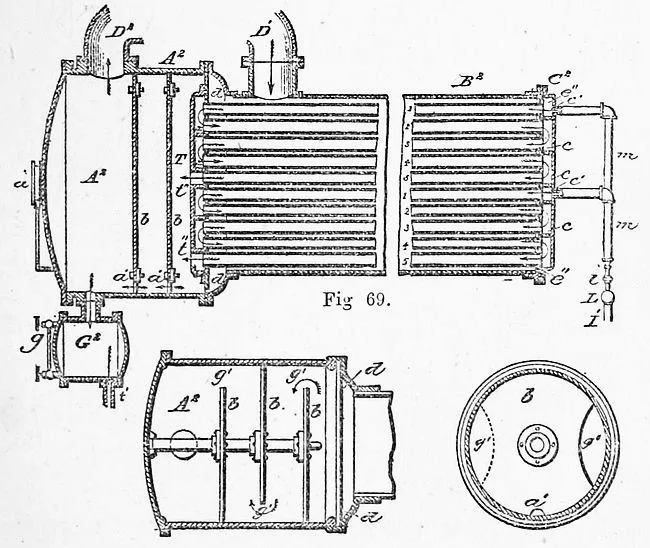
F IG. 69. F IG. 70.C. F. Cross & E. J. Bevan, A Text-book of Paper-making, 1888. Project Gutenberg 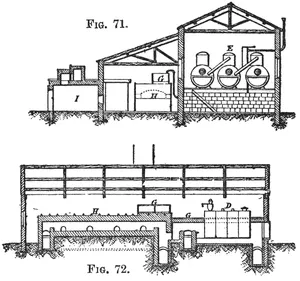
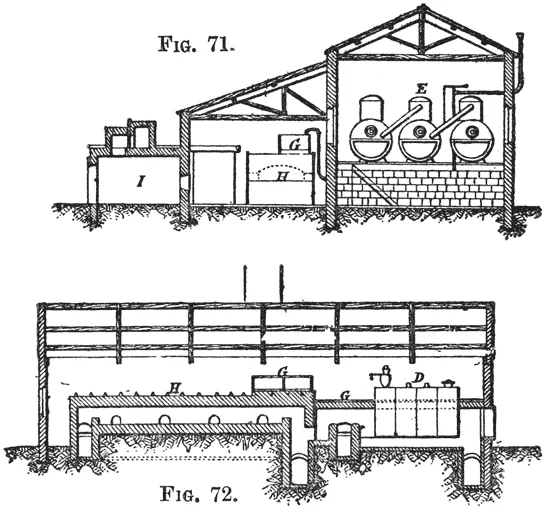
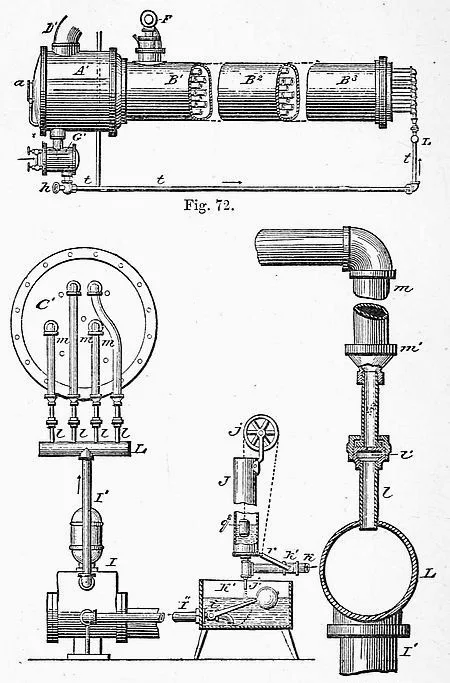
F IG. 71. F IG. 72.C. F. Cross & E. J. Bevan, A Text-book of Paper-making, 1888. Project Gutenberg 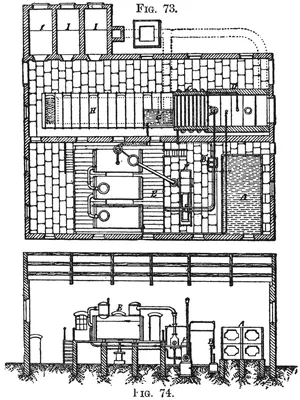
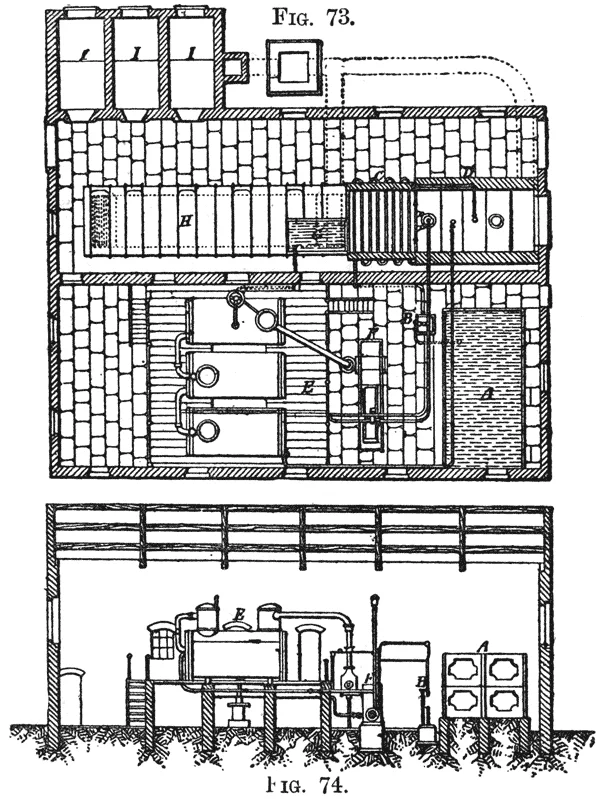
F IG. 73. F IG. 74.C. F. Cross & E. J. Bevan, A Text-book of Paper-making, 1888. Project Gutenberg 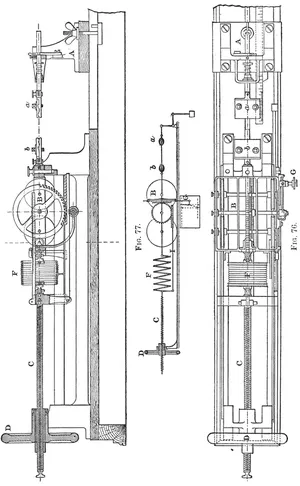
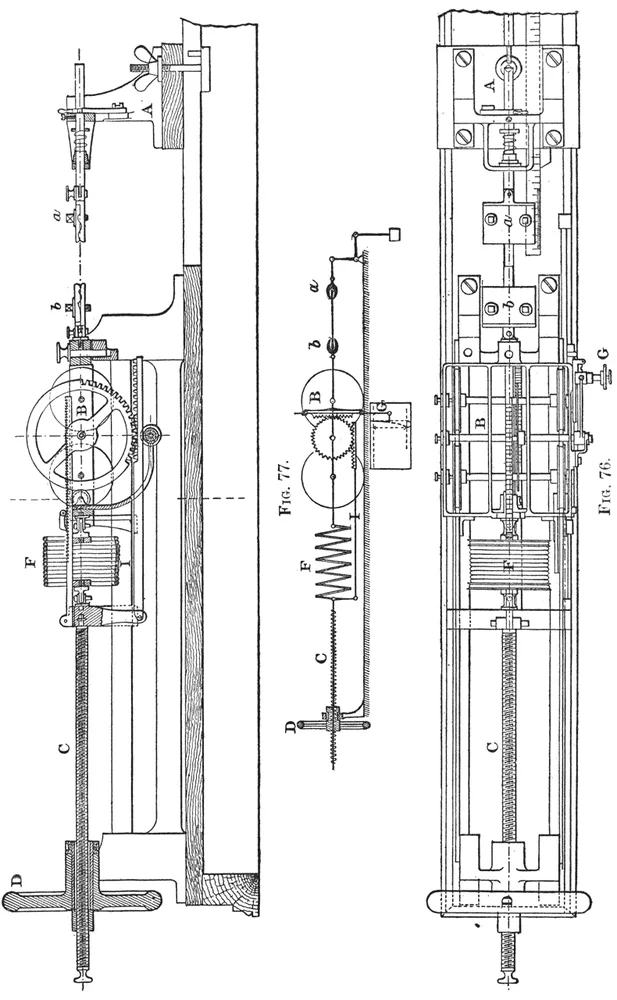
F IG. 77. F IG. 76.C. F. Cross & E. J. Bevan, A Text-book of Paper-making, 1888. Project Gutenberg 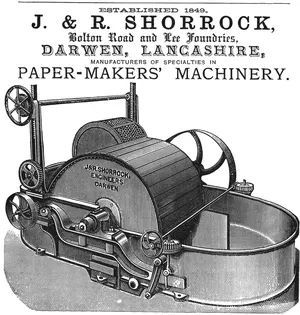
COMPRISING:C. F. Cross & E. J. Bevan, A Text-book of Paper-making, 1888. Project Gutenberg 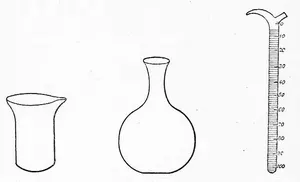
Fig. 83. Fig. 84. Fig. 85.Alexander Watt, The Art of Paper-Making, 1890. Project Gutenberg 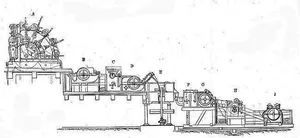
Fig. 17 A .—Voelter's Wood-pulping Machine. [ To face page 78.Alexander Watt, The Art of Paper-Making, 1890, p. 78. Project Gutenberg 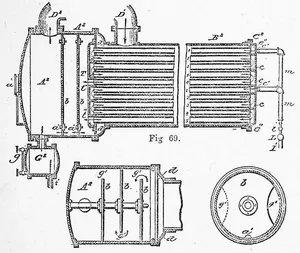
Fig. 69. Fig. 70. Fig. 71.Alexander Watt, The Art of Paper-Making, 1890, p. 209. Project Gutenberg 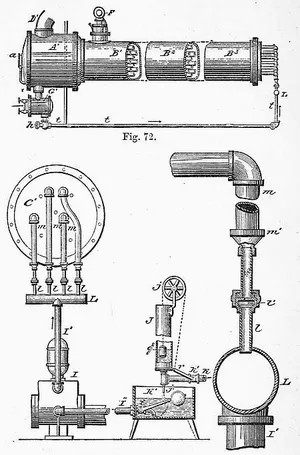
Fig. 72. Fig. 73. Fig. 74.Alexander Watt, The Art of Paper-Making, 1890, p. 209. Project Gutenberg 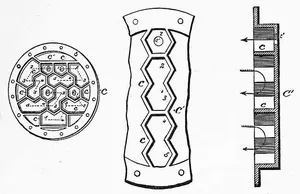
Fig. 75. Fig. 76. Fig. 77.Alexander Watt, The Art of Paper-Making, 1890, p. 213. Project Gutenberg 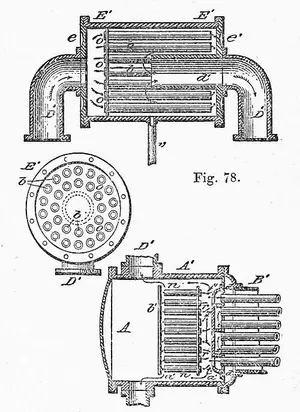
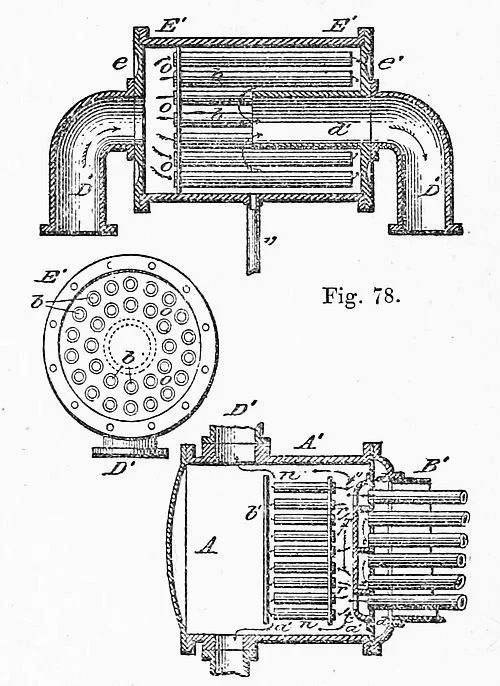
Fig. 78. Fig. 79. Fig. 80.Alexander Watt, The Art of Paper-Making, 1890, p. 213. Project Gutenberg 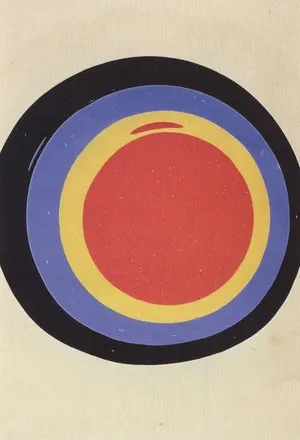
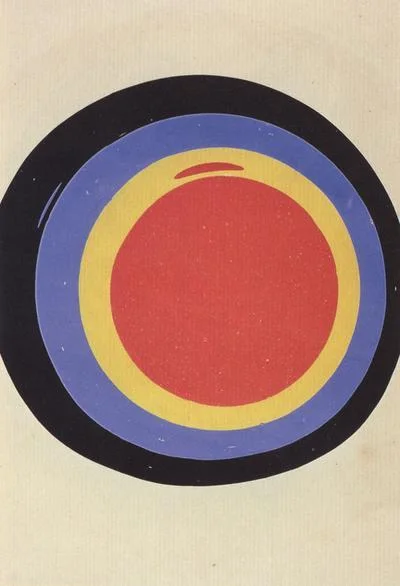
Trying of Colors for Nonpareil Marble. Black 3 to 4-1/2 inches in diameter. Blue, yellow and red in rings within each other. See Page 105 .Josef Halfer, The Progress of the Marbling Art, 1893, p. 169. Project Gutenberg 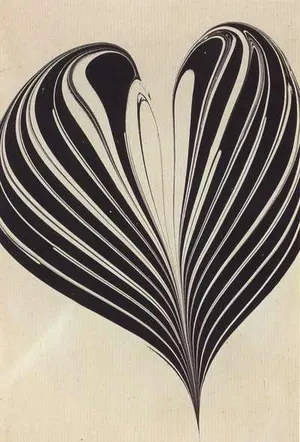
Size too consistent. Result of drawing the colors with a stylus. See Page 104 .Josef Halfer, The Progress of the Marbling Art, 1893, p. 171. Project Gutenberg ![Ribbon-like Throwing on of Colors. [First color] for Nonpareil Marble. See Page 105 .](/wp-content/uploads/2026/08/hkplt-halfer1893-03-t.webp)
Ribbon-like Throwing on of Colors. [First color] for Nonpareil Marble. See Page 105 .Josef Halfer, The Progress of the Marbling Art, 1893, p. 173. Project Gutenberg ![Throwing on of the other colors for Nonpareil Marble. [Ribbon-like in two stripes.] See Page 106 .](/wp-content/uploads/2026/08/hkplt-halfer1893-04-t.webp)
Throwing on of the other colors for Nonpareil Marble. [Ribbon-like in two stripes.] See Page 106 .Josef Halfer, The Progress of the Marbling Art, 1893, p. 175. Project Gutenberg ![Drawing of the colors thrown on [see preceding table] for Nonpareil or Comb Marble. See Page 106 .](/wp-content/uploads/2026/08/hkplt-halfer1893-05-t.webp)
Drawing of the colors thrown on [see preceding table] for Nonpareil or Comb Marble. See Page 106 .Josef Halfer, The Progress of the Marbling Art, 1893, p. 177. Project Gutenberg 
Fd. Tondorf Clichè,—Property of Otto Spamer.Josef Halfer, The Progress of the Marbling Art, 1893, p. 227. Project Gutenberg ![5 Qt. Cans, per Qt. One Qt. Jars. In Pint Jars Scarlet Red $1.00 $1.25 $ .70 Carmine Lake 1.00 1.25 .70 Oriental Blue, [light] 1.00 1.25 .70 Indigo, [dark] 1.00 1.25 .70 Yellow, [lemon] 1.00 1.25 .70 Green 1.00 1.25 .70 Black 1.00 1.25 .70 Brown 1.00 1.25 .70 White 1.00 1.25 .70](/wp-content/uploads/2026/08/hkplt-halfer1893-07-t.webp)
5 Qt. Cans, per Qt. One Qt. Jars. In Pint Jars Scarlet Red $1.00 $1.25 $ .70 Carmine Lake 1.00 1.25 .70 Oriental Blue, [light] 1.00 1.25 .70 Indigo, [dark] 1.00 1.25 .70 Yellow, [lemon] 1.00 1.25 .70 Green 1.00 1.25 .70 Black 1.00 1.25 .70 Brown 1.00 1.25 .70 White 1.00 1.25 .70Josef Halfer, The Progress of the Marbling Art, 1893, p. 241. Project Gutenberg 
Kepala iklan majalah The American Bookbinder, Buffalo, N.Y. — bukan pelat teknikJosef Halfer, The Progress of the Marbling Art, 1893, p. 241. Project Gutenberg 
Judul hias iklan: Complete Marbling Outfits — bukan pelat teknikJosef Halfer, The Progress of the Marbling Art, 1893, p. 242. Project Gutenberg 
Louis Dejonge & Co.,Josef Halfer, The Progress of the Marbling Art, 1893, p. 243. Project Gutenberg 
BOOKBINDERS',Josef Halfer, The Progress of the Marbling Art, 1893, p. 243. Project Gutenberg 
... A Technical Journal written by Bookbinders for Bookbinders, and the ...Josef Halfer, The Progress of the Marbling Art, 1893, p. 244. Project Gutenberg 
Judul hias iklan: Trade Lists — bukan pelat teknikJosef Halfer, The Progress of the Marbling Art, 1893, p. 244. Project Gutenberg 
THE THRASHER— Page 57Frank Osgood Butler, The Story of Paper-making, 1901, p. 15. Project Gutenberg 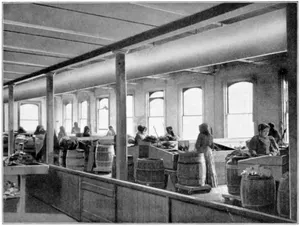
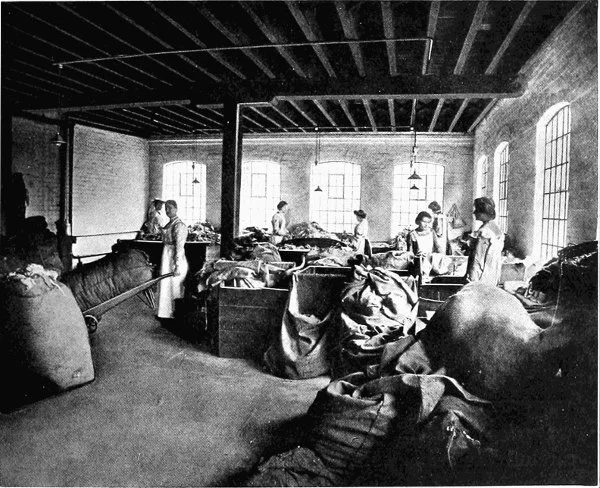
THE SORTING AND SHREDDING ROOM— Page 57Frank Osgood Butler, The Story of Paper-making, 1901, p. 23. Project Gutenberg 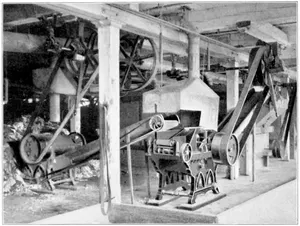
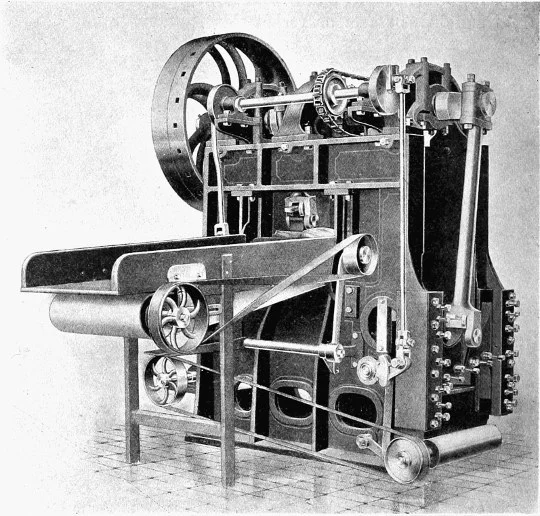
THE RAG CUTTERS— Page 59Frank Osgood Butler, The Story of Paper-making, 1901, p. 30. Project Gutenberg 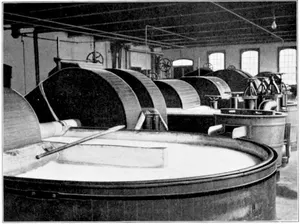
THE WASHERS AND BEATERS— Pages 62 and 64Frank Osgood Butler, The Story of Paper-making, 1901, p. 38. Project Gutenberg 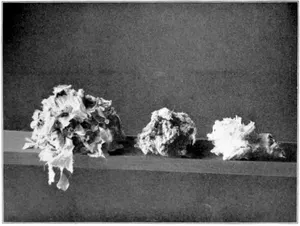
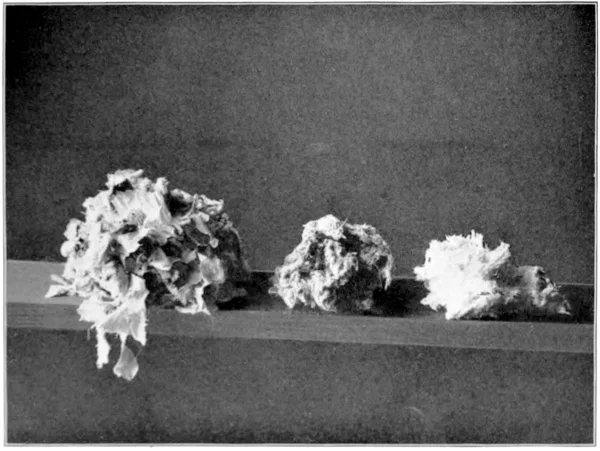
Cut— Page 59 Washed— Page 62 Bleached— Page 63 RAGS IN VARIOUS STAGESFrank Osgood Butler, The Story of Paper-making, 1901, p. 46. Project Gutenberg 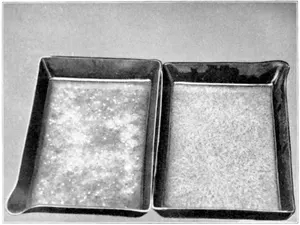
After Leaving the Beaters— Page 64 After Leaving the Jordan— Page 71 RAG PULPFrank Osgood Butler, The Story of Paper-making, 1901, p. 54. Project Gutenberg 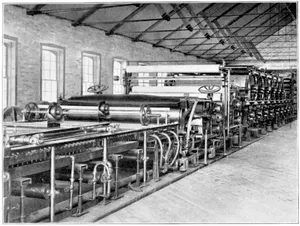
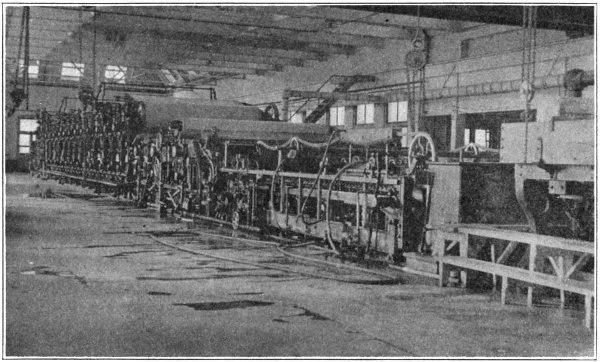
THE MODERN FOURDRINIER MACHINE— Page 73Frank Osgood Butler, The Story of Paper-making, 1901, p. 61. Project Gutenberg 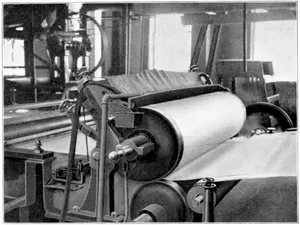
THE FIRST PRESS ROLLS— Page 75Frank Osgood Butler, The Story of Paper-making, 1901, p. 70. Project Gutenberg 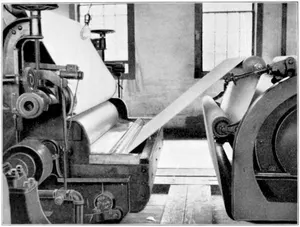
THE SIZE-TUB— Page 81Frank Osgood Butler, The Story of Paper-making, 1901, p. 78. Project Gutenberg 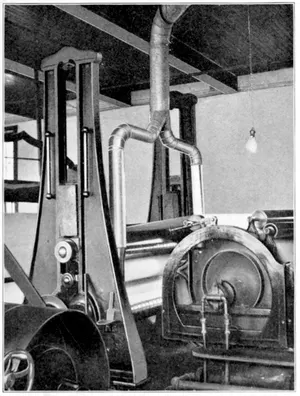
BLOWPIPES COOLING CALENDER ROLLSFrank Osgood Butler, The Story of Paper-making, 1901, p. 85. Project Gutenberg 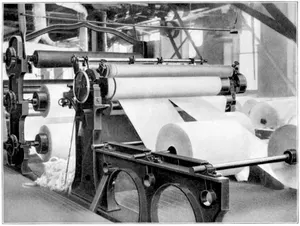
SLITTING AND WINDING— Page 78Frank Osgood Butler, The Story of Paper-making, 1901, p. 94. Project Gutenberg 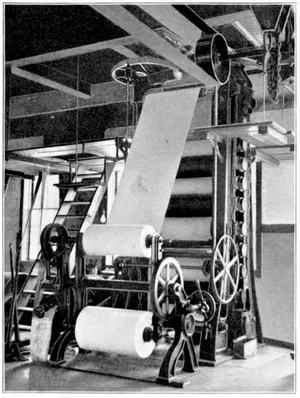
THE SUPERCALENDERS— Page 82Frank Osgood Butler, The Story of Paper-making, 1901, p. 102. Project Gutenberg 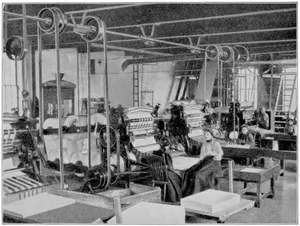
CUTTING FROM THE ROLL— Page 82Frank Osgood Butler, The Story of Paper-making, 1901, p. 110. Project Gutenberg 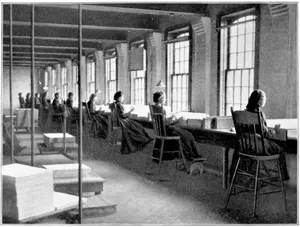
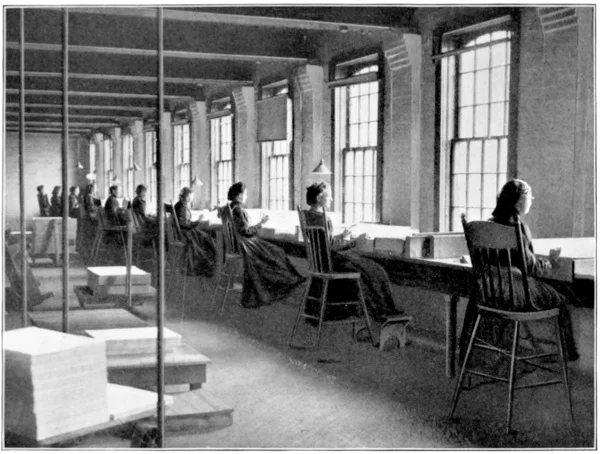
SORTING OF FINISHED SHEETS— Page 83Frank Osgood Butler, The Story of Paper-making, 1901, p. 120. Project Gutenberg 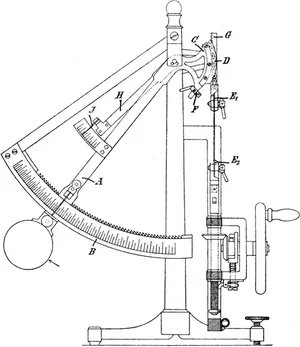
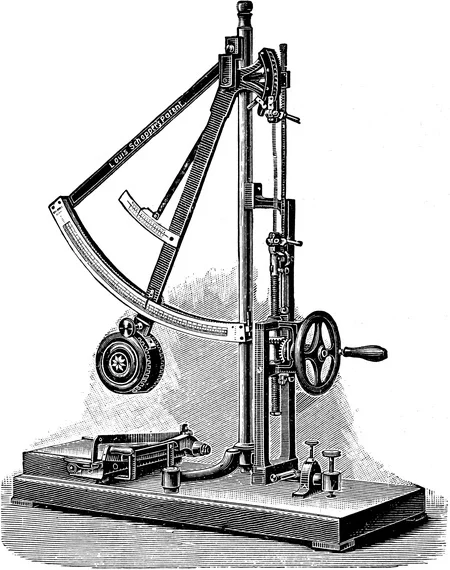
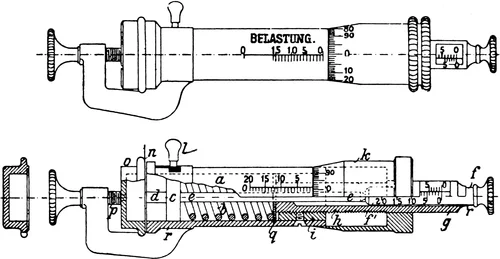
Fig. 7. Schoppers Festigkeitsprüfer für Papier.[Fig. 7. Schopper paper strength tester.]Wilhelm Herzberg, Papierpruefung: Anleitung zum Untersuchen von Papier, 1902. Project Gutenberg 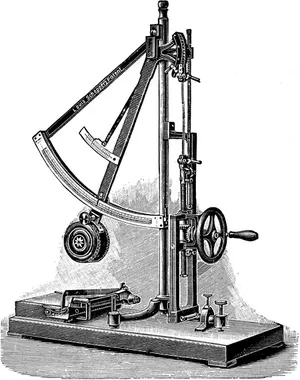
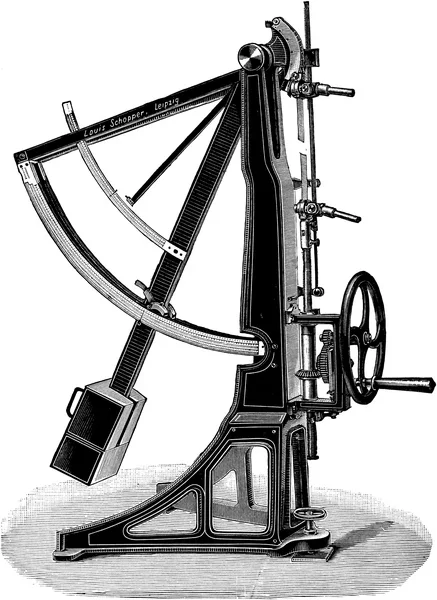
Fig. 8. Schoppers Festigkeitsprüfer für Papier.[Fig. 8. Schopper paper strength tester.]Wilhelm Herzberg, Papierpruefung: Anleitung zum Untersuchen von Papier, 1902. Project Gutenberg 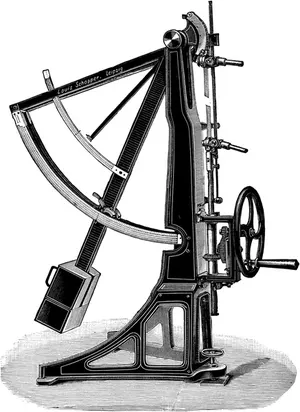
Fig. 10. Schoppers 50 und 100 kg Festigkeitsprüfer für Pappe, starke Aktendeckel, Stoffe u. s. w.[Fig. 10. Schopper 50 and 100 kg strength tester for board, heavy file covers, cloth and the like.]Wilhelm Herzberg, Papierpruefung: Anleitung zum Untersuchen von Papier, 1902. Project Gutenberg 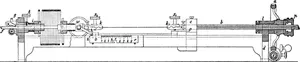
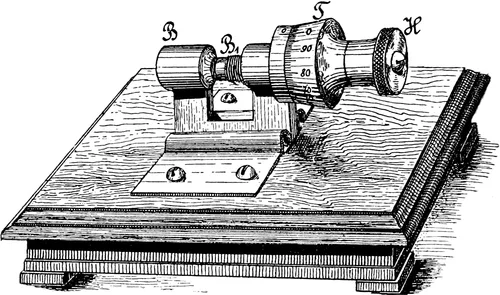
Fig. 11. Wendlers Festigkeitsprüfer.[Fig. 11. Wendler strength tester.]Wilhelm Herzberg, Papierpruefung: Anleitung zum Untersuchen von Papier, 1902. Project Gutenberg 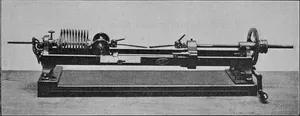
Fig. 12. Wendlers Festigkeitsprüfer.[Fig. 12. Wendler strength tester.]Wilhelm Herzberg, Papierpruefung: Anleitung zum Untersuchen von Papier, 1902. Project Gutenberg 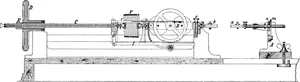
Fig. 13. Festigkeitsprüfer nach Hartig-Reusch.[Fig. 13. Strength tester after Hartig-Reusch.]Wilhelm Herzberg, Papierpruefung: Anleitung zum Untersuchen von Papier, 1902. Project Gutenberg 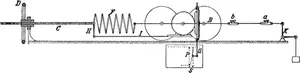
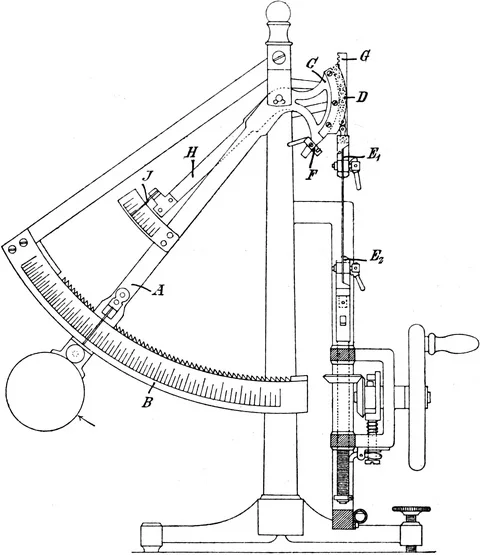
Fig. 14. Schematische Darstellung des Hartig-Reuschschen Prüfers.[Fig. 14. Schematic drawing of the Hartig-Reusch testing apparatus.]Wilhelm Herzberg, Papierpruefung: Anleitung zum Untersuchen von Papier, 1902. Project Gutenberg 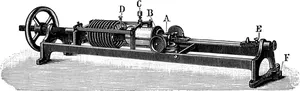
Fig. 16. Leuners Festigkeitsprüfer.[Fig. 16. Leuner strength tester.]Wilhelm Herzberg, Papierpruefung: Anleitung zum Untersuchen von Papier, 1902. Project Gutenberg 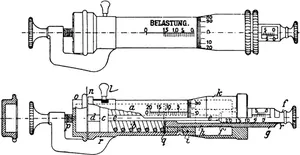
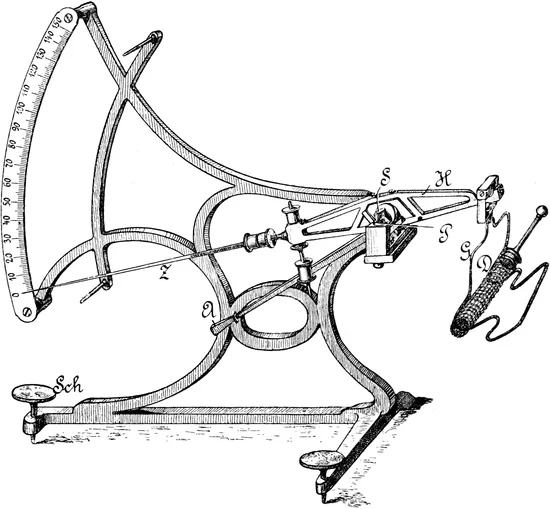
Fig. 18. Rehses Papierprüfer.[Fig. 18. Rehse paper tester.]Wilhelm Herzberg, Papierpruefung: Anleitung zum Untersuchen von Papier, 1902. Project Gutenberg 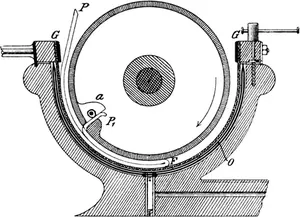
Fig. 20. Pfuhls Knitterer.Wilhelm Herzberg, Papierpruefung: Anleitung zum Untersuchen von Papier, 1902. Project Gutenberg 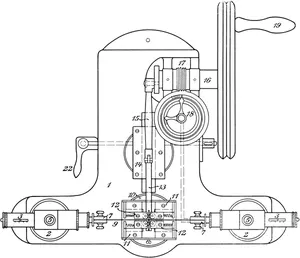
Fig. 21b. Vorderansicht und Grundriß des Schopperschen Falzers.[Fig. 21b. Front elevation and plan of the Schopper folding machine.]Wilhelm Herzberg, Papierpruefung: Anleitung zum Untersuchen von Papier, 1902. Project Gutenberg 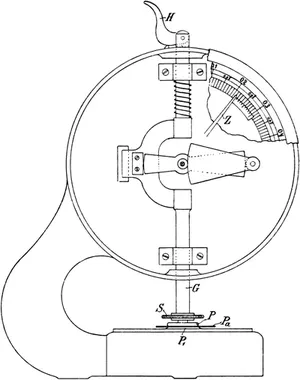
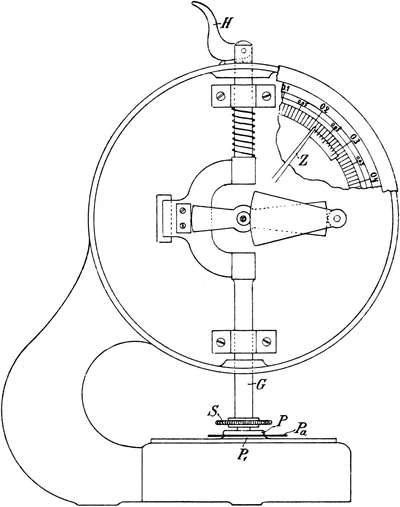
Fig. 22. Schoppers Dickenmesser.Wilhelm Herzberg, Papierpruefung: Anleitung zum Untersuchen von Papier, 1902. Project Gutenberg 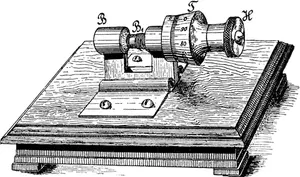
Fig. 23. Rehses Dickenmesser.Wilhelm Herzberg, Papierpruefung: Anleitung zum Untersuchen von Papier, 1902. Project Gutenberg 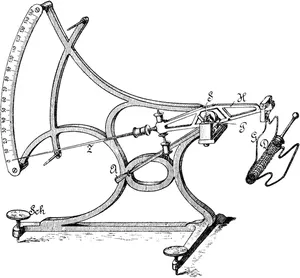
Fig. 24. Postsche Aschenwage.Wilhelm Herzberg, Papierpruefung: Anleitung zum Untersuchen von Papier, 1902. Project Gutenberg 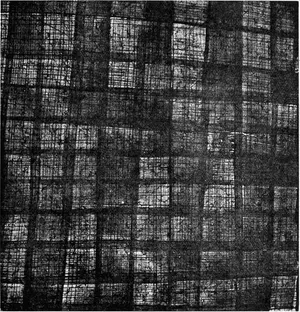
Fig. 1. —Sheet of Papyrus, showing the layers crossing one another (Evans).R. W. Sindall, The Manufacture of Paper, 1908, p. 3. Project Gutenberg 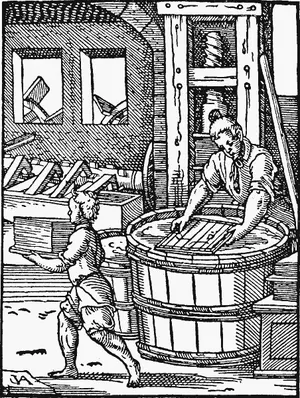
Fig. 2. —An Early Paper Mill (from “Kulturhistorisches Bilderbuch,” A.D. 1564).R. W. Sindall, The Manufacture of Paper, 1908, p. 7. Project Gutenberg 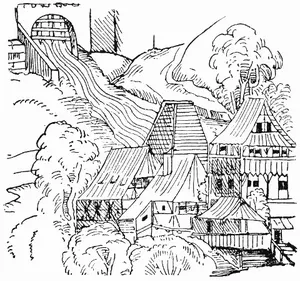
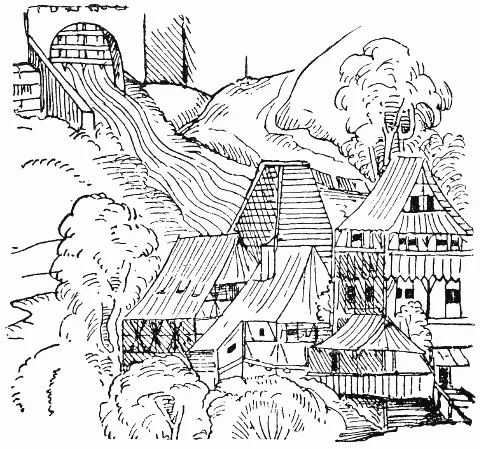
Fig. 3. —The Paper Mill of Ulman Stromer, A.D. 1390 (supposed to be the oldest known drawing of a Paper Mill).R. W. Sindall, The Manufacture of Paper, 1908, p. 12. Project Gutenberg 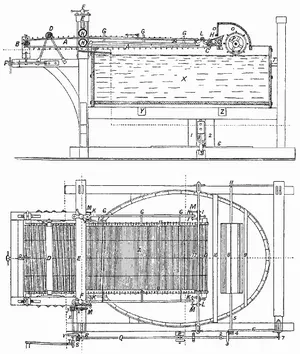
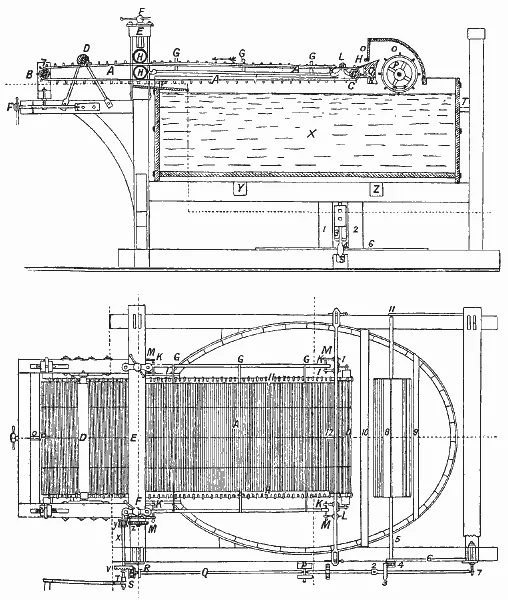
Fig. 4. —The First Paper Machine, A.D. 1802. Plan and Elevation.R. W. Sindall, The Manufacture of Paper, 1908, p. 17. Project Gutenberg 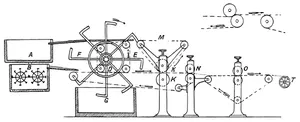
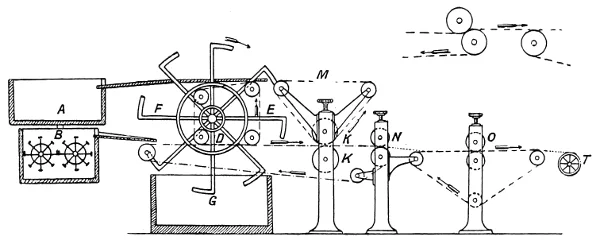
Fig. 5. —The Improved Paper Machine of A.D. 1810.R. W. Sindall, The Manufacture of Paper, 1908, p. 18. Project Gutenberg 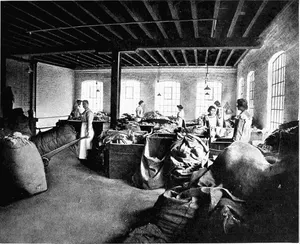
Fig. 6. —A Rag Sorting House.R. W. Sindall, The Manufacture of Paper, 1908, p. 47. Project Gutenberg 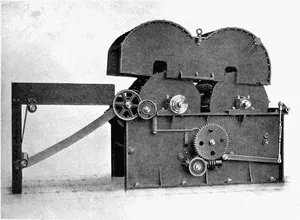
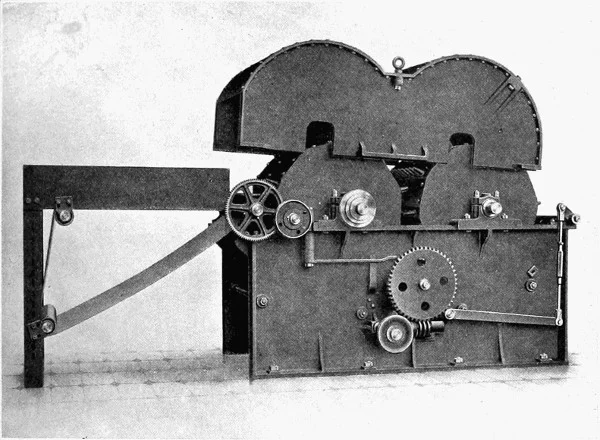
Fig. 7. —A Rag Duster.R. W. Sindall, The Manufacture of Paper, 1908, p. 49. Project Gutenberg 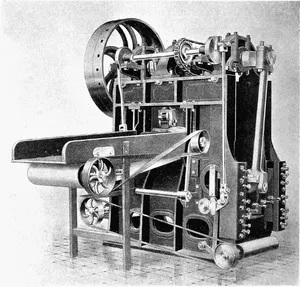
Fig. 8. —A Rag Cutter.R. W. Sindall, The Manufacture of Paper, 1908, p. 51. Project Gutenberg 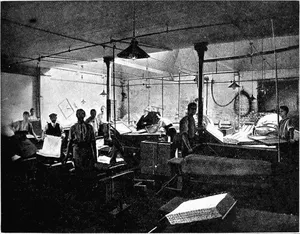
Fig. 9. —Interior of Paper Mill for Hand-made Paper (R. Batchelor & Sons).R. W. Sindall, The Manufacture of Paper, 1908, p. 51. Project Gutenberg 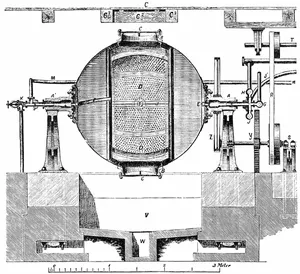
Fig. 10. —View of a Rag Boiler, showing connections.R. W. Sindall, The Manufacture of Paper, 1908, p. 52. Project Gutenberg 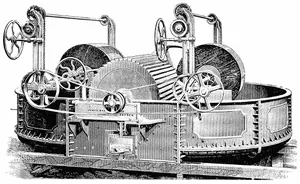
Fig. 11. —A Breaking and Washing Engine.R. W. Sindall, The Manufacture of Paper, 1908, p. 54. Project Gutenberg 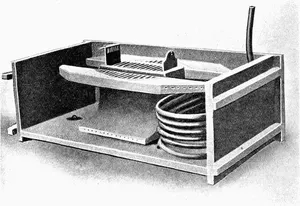
Fig. 12. —Oettel and Haas' Apparatus for the manufacture of Electrolytic Bleach Liquor.R. W. Sindall, The Manufacture of Paper, 1908, p. 58. Project Gutenberg 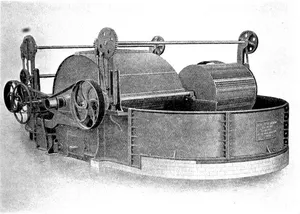
Fig. 13. —The “Hollander” Beating Engine.R. W. Sindall, The Manufacture of Paper, 1908, p. 59. Project Gutenberg 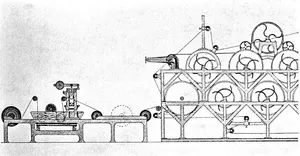
Fig. 15. —Apparatus for Sizing Paper in continuous Rolls.R. W. Sindall, The Manufacture of Paper, 1908, p. 63. Project Gutenberg 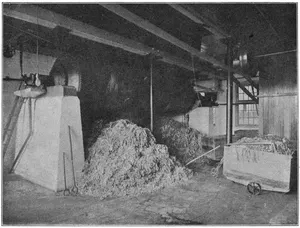
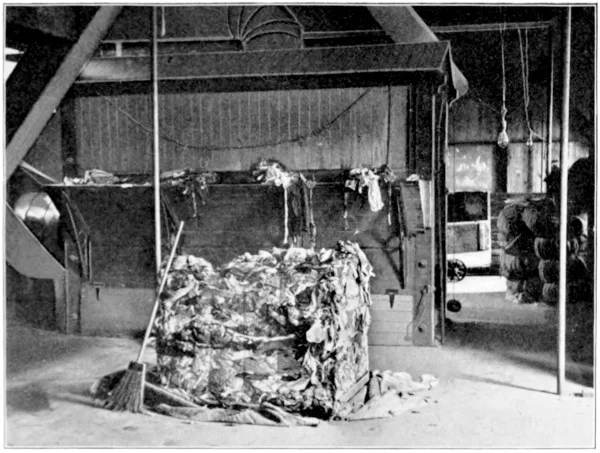
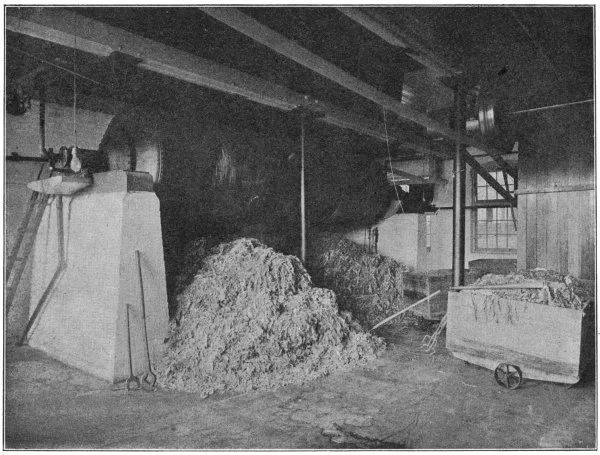
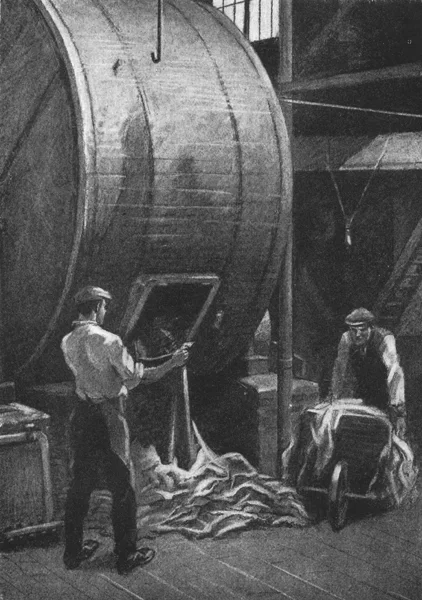
BOILER ROOM, CRANE & CO. The contents of the rotary boiler have been emptied upon the floor. The next step is to wash and bleach.William Bond Wheelwright, From Paper-mill to Pressroom, 1920. Project Gutenberg 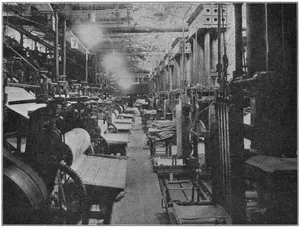
WET MACHINES WHERE THE PULP IS CUT OFF IN SHEETS, THE BROWN CO. To the right are the hydraulic presses for removing moisture from the pulp. The pulp is shipped about seventy per cent moist.William Bond Wheelwright, From Paper-mill to Pressroom, 1920. Project Gutenberg 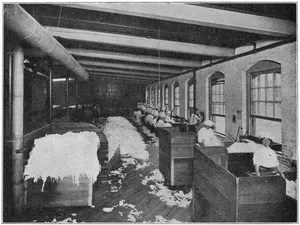
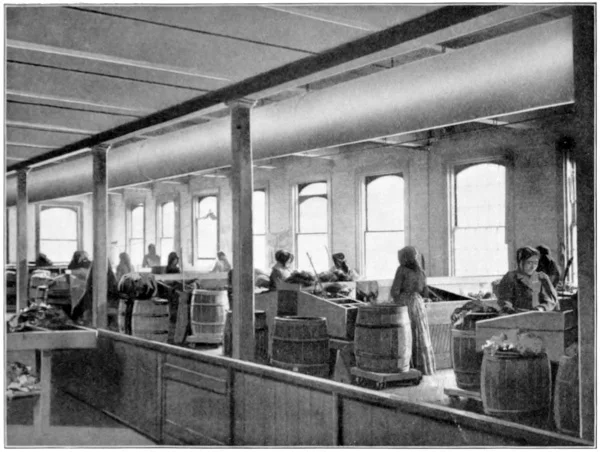
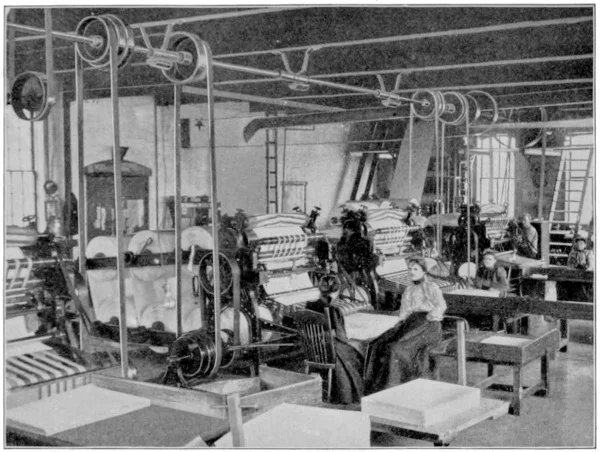
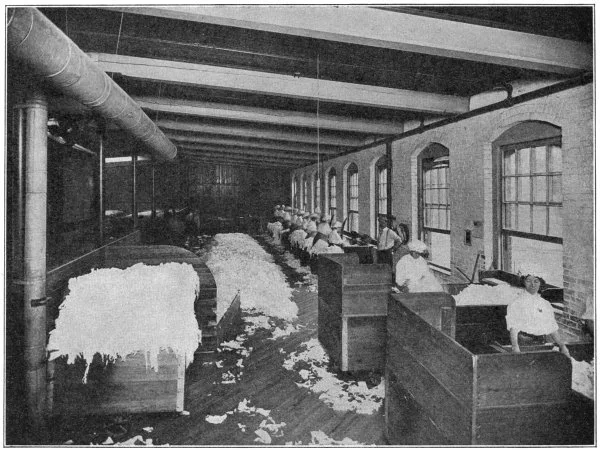
RAGROOM, PIONEER MILL, CRANE & CO. The two girls in the foreground are sorting shirt cuttings. Those beyond are cutting them into suitable sizes preparatory to boiling.William Bond Wheelwright, From Paper-mill to Pressroom, 1920, p. 23. Project Gutenberg 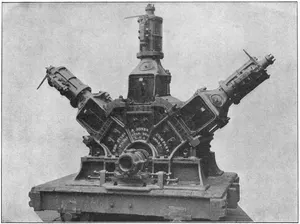
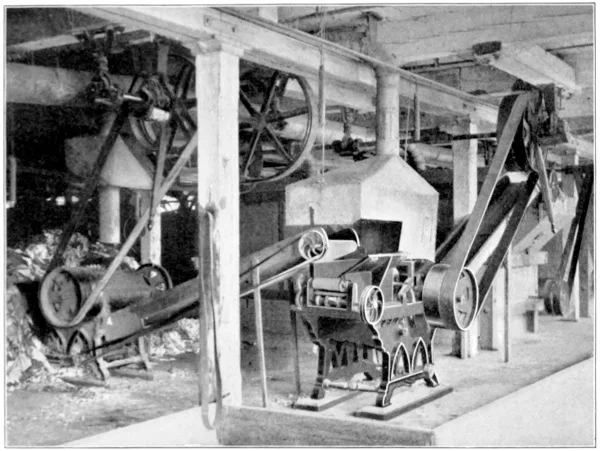
WOOD GRINDERWilliam Bond Wheelwright, From Paper-mill to Pressroom, 1920, p. 29. Project Gutenberg 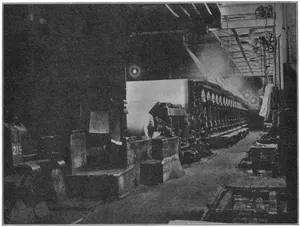
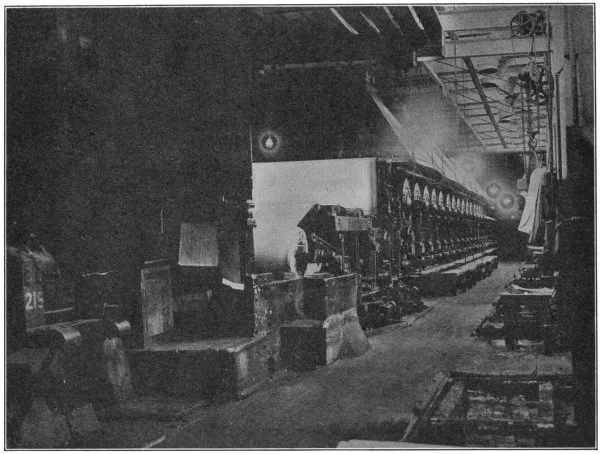
CYLINDER MACHINE FOR DRYING PULP, THE BROWN CO. The web of pulp is shown as it passes from the cylinder mold over the couch roll toward the driers.William Bond Wheelwright, From Paper-mill to Pressroom, 1920, p. 36. Project Gutenberg 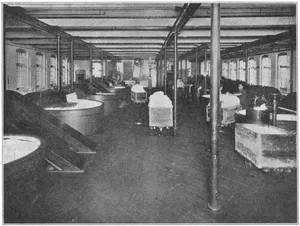
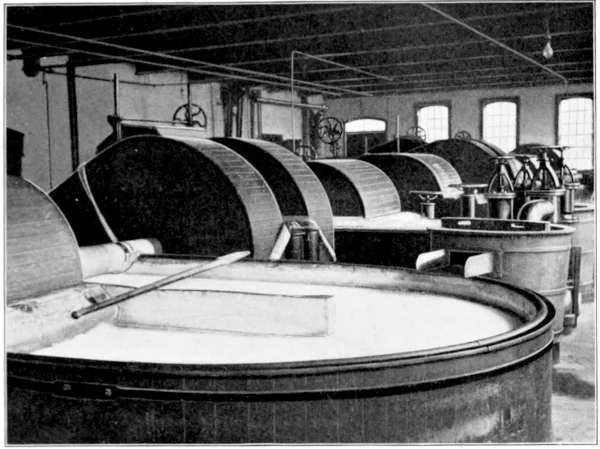
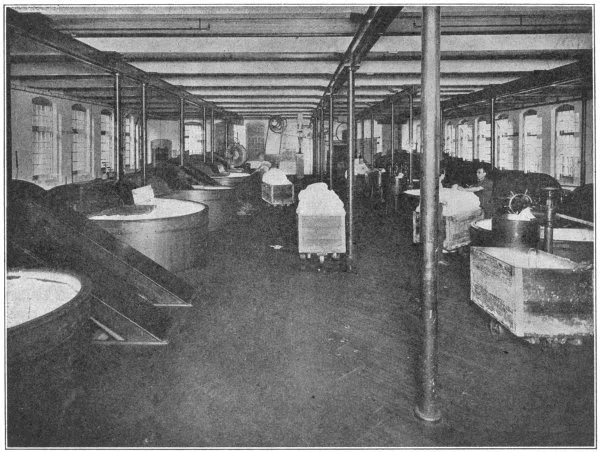
THE BEATER-ROOM, CRANE & CO. The beater at the far end of the room is equipped with a washing drum. This drum is lowered into the tub during the process of washing.William Bond Wheelwright, From Paper-mill to Pressroom, 1920, p. 36. Project Gutenberg 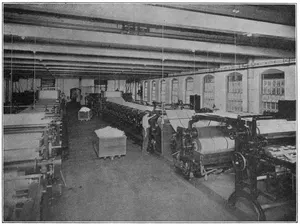
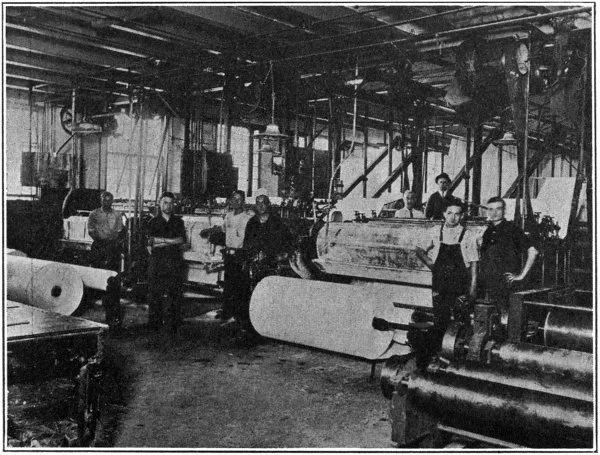
FOURDRINIER MACHINES, CRANE & CO. A good view of the surface-sizing vat is obtained in the machine on the right hand. The paper is being slit just before its introduction into the vat.William Bond Wheelwright, From Paper-mill to Pressroom, 1920, p. 45. Project Gutenberg 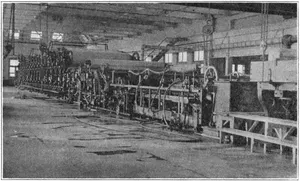
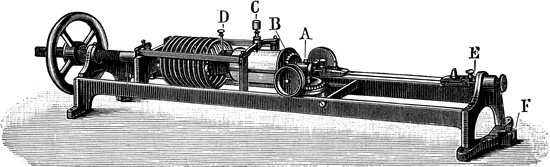
FOURDRINIER MACHINE, S. D. WARREN & CO. View showing the “Fourdrinier” part of a modern book paper-machine.William Bond Wheelwright, From Paper-mill to Pressroom, 1920, p. 50. Project Gutenberg 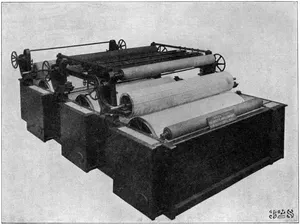
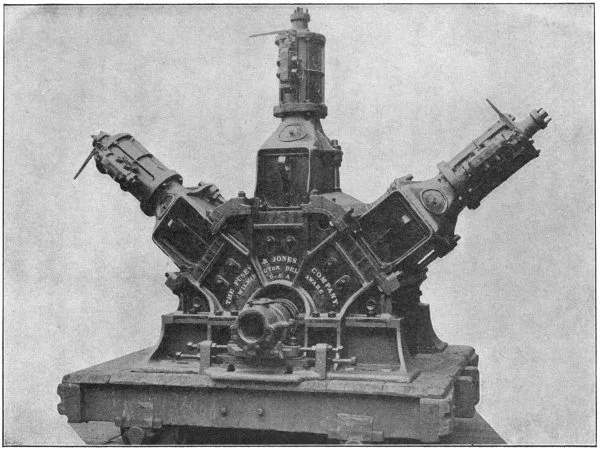
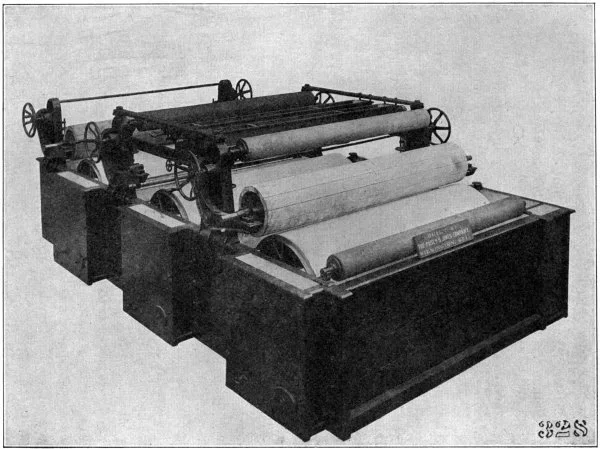
CYLINDER VATS, MADE BY THE PUSEY & JONES CO. The felts which convey the paper are omitted so as to get a clearer view of the molds.William Bond Wheelwright, From Paper-mill to Pressroom, 1920, p. 52. Project Gutenberg 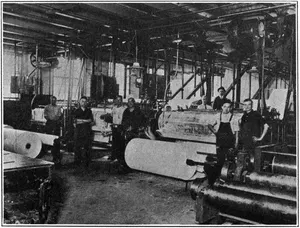
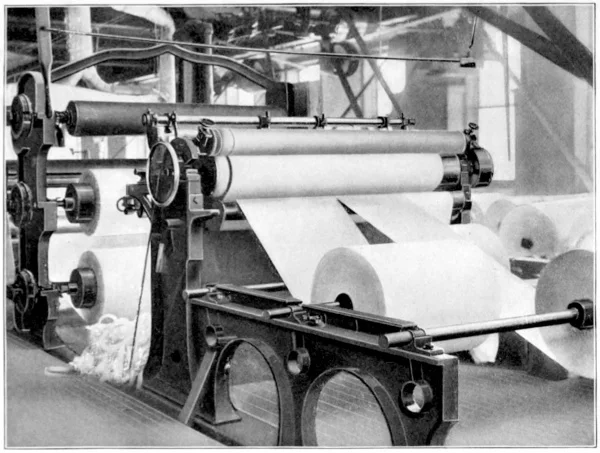
COATING ROOM, APPLETON COATED PAPER CO. This view of the “wet end” of the coating machines shows the rolls going through the coating process, the web of paper traveling along the drying racks appears in the background.William Bond Wheelwright, From Paper-mill to Pressroom, 1920, p. 57. Project Gutenberg 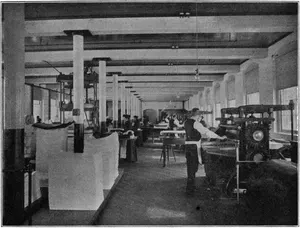
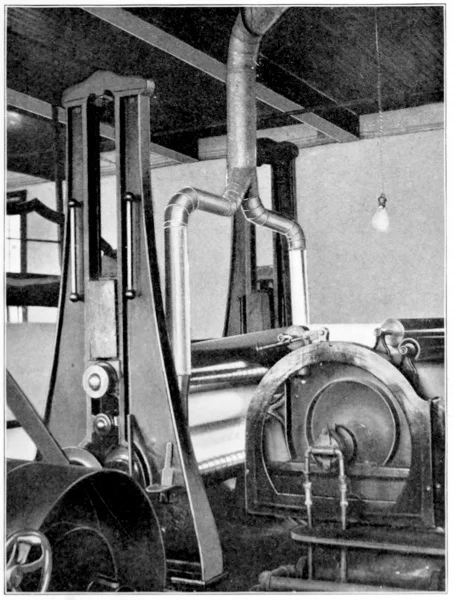
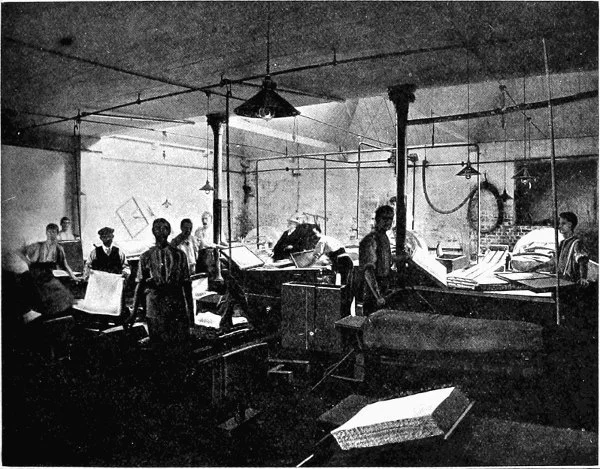
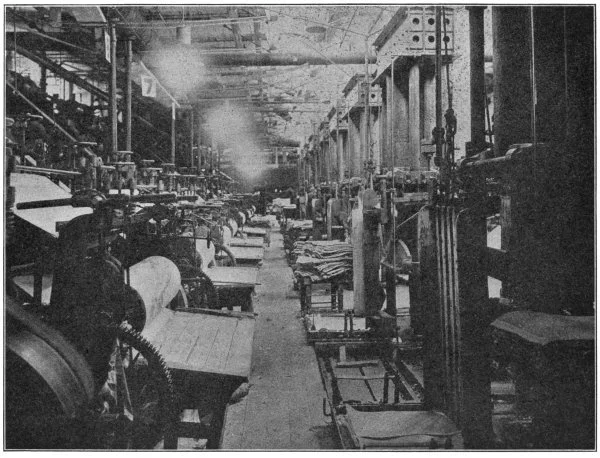
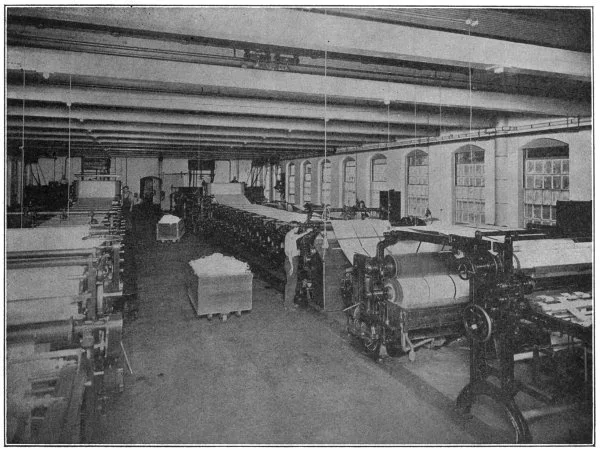
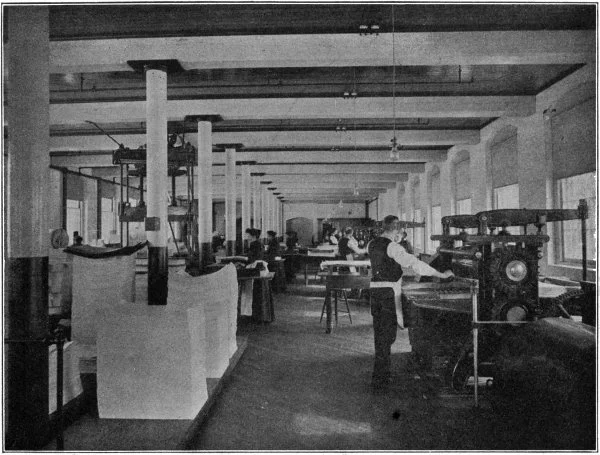
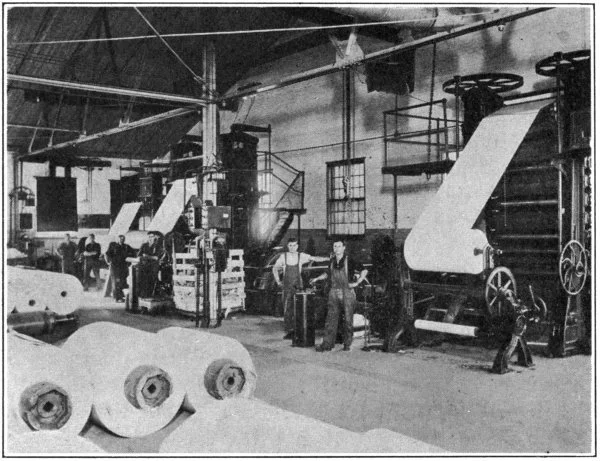
FINISHING-ROOM, CRANE & CO. The machine on the right is a plater.William Bond Wheelwright, From Paper-mill to Pressroom, 1920, p. 59. Project Gutenberg 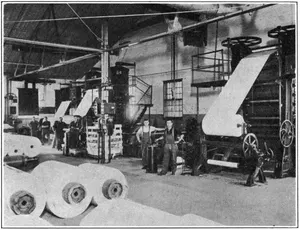
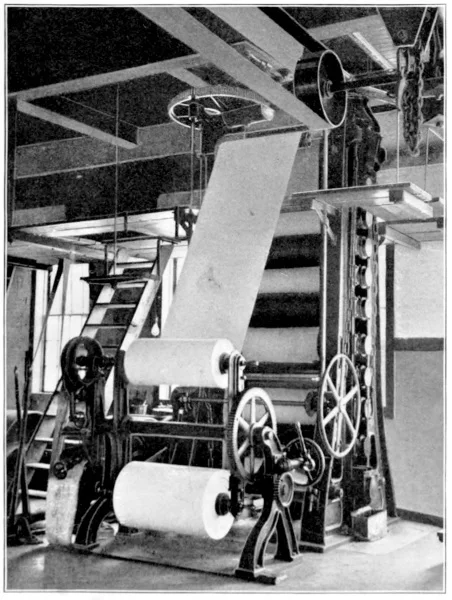
SUPERCALENDER STACKS, APPLETON COATED PAPER CO. For a description of the Supercalendering process, see pages 55 and 56 .William Bond Wheelwright, From Paper-mill to Pressroom, 1920, p. 66. Project Gutenberg




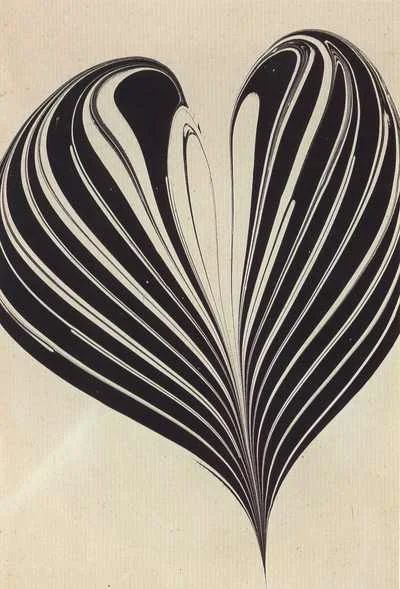
![Ribbon-like Throwing on of Colors. [First color] for Nonpareil Marble. See Page 105 .](/wp-content/uploads/2026/08/hkplt-halfer1893-03.webp)
![Throwing on of the other colors for Nonpareil Marble. [Ribbon-like in two stripes.] See Page 106 .](/wp-content/uploads/2026/08/hkplt-halfer1893-04.webp)
![Drawing of the colors thrown on [see preceding table] for Nonpareil or Comb Marble. See Page 106 .](/wp-content/uploads/2026/08/hkplt-halfer1893-05.webp)
![5 Qt. Cans, per Qt. One Qt. Jars. In Pint Jars Scarlet Red $1.00 $1.25 $ .70 Carmine Lake 1.00 1.25 .70 Oriental Blue, [light] 1.00 1.25 .70 Indigo, [dark] 1.00 1.25 .70 Yellow, [lemon] 1.00 1.25 .70 Green 1.00 1.25 .70 Black 1.00 1.25 .70 Brown 1.00 1.25 .70 White 1.00 1.25 .70](/wp-content/uploads/2026/08/hkplt-halfer1893-07.webp)





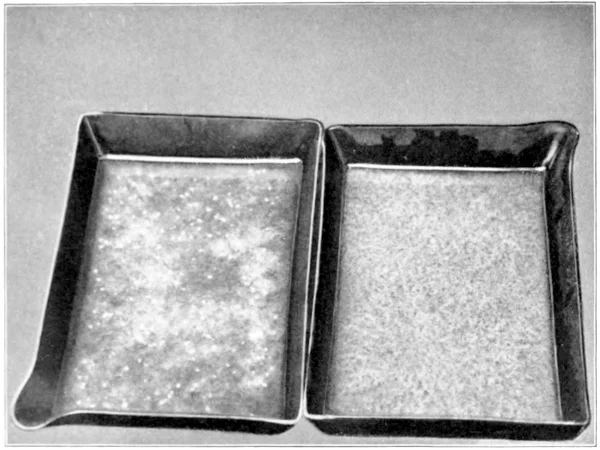
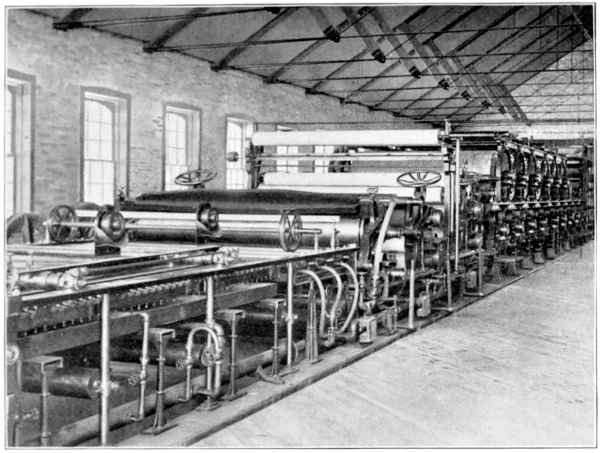
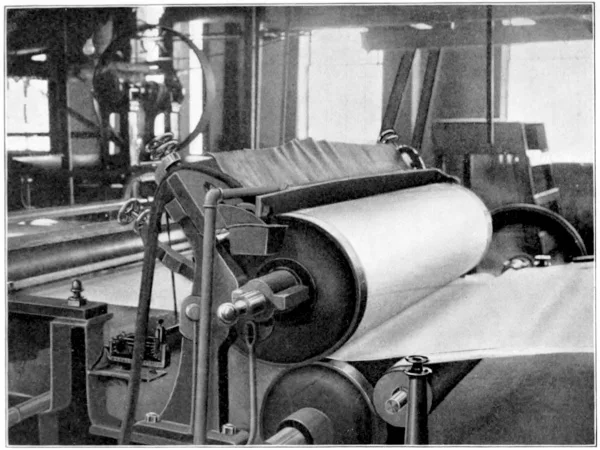
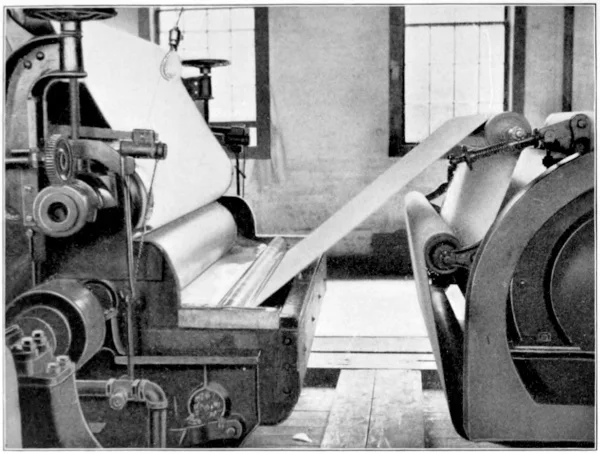
Leather and Tanning
Images of tanning and preparing leather for book covers, from raw hide to material ready to bind.
63 illustrations · 7 books · 1853–1917
The principal Materials required for this work are—James Revell, A Complete Guide to the Ornamental Leather Work, 1853, p. 15. Project Gutenberg 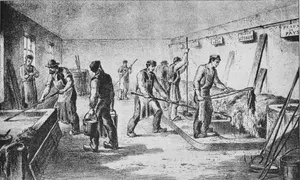
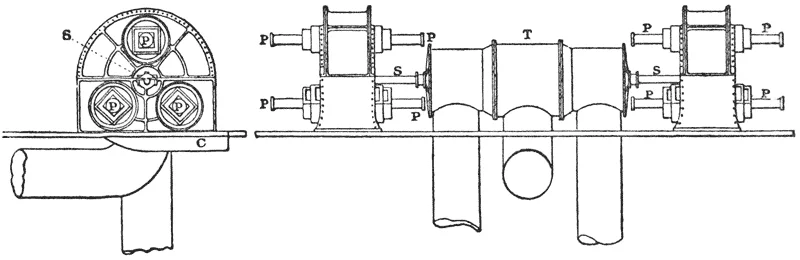
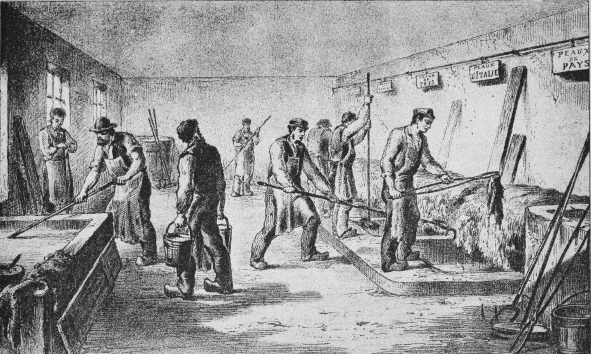
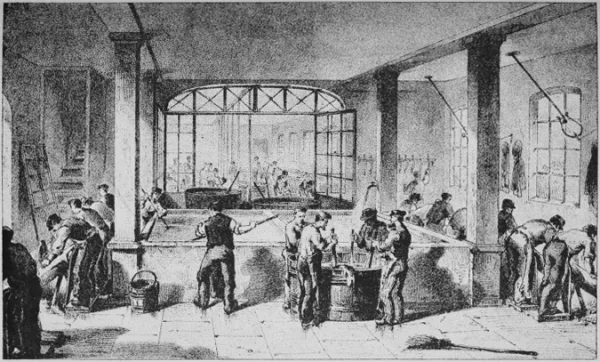
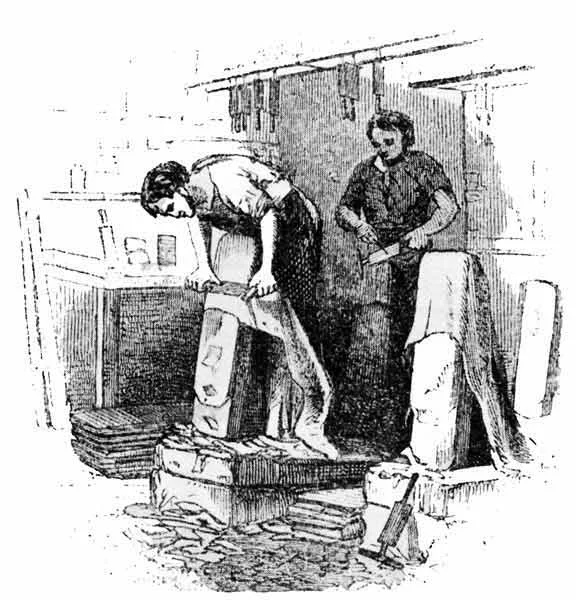
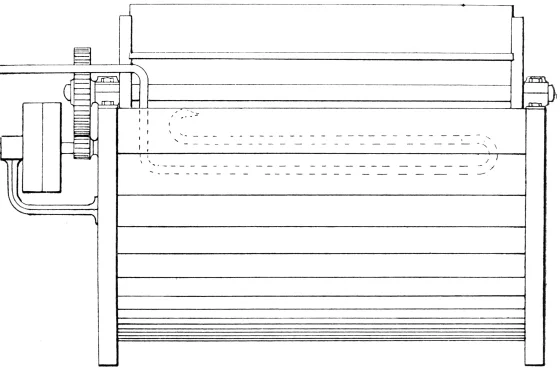
Ruang pengerjaan kulit dengan bak memanjang dan balok miringH. R. Procter, A Text-book of Tanning, 1885. Project Gutenberg 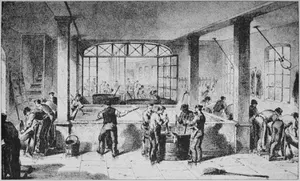
Ruang bak dengan jendela lengkung dan pekerja bergalahH. R. Procter, A Text-book of Tanning, 1885, p. 32. Project Gutenberg 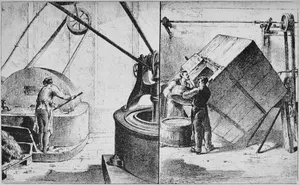
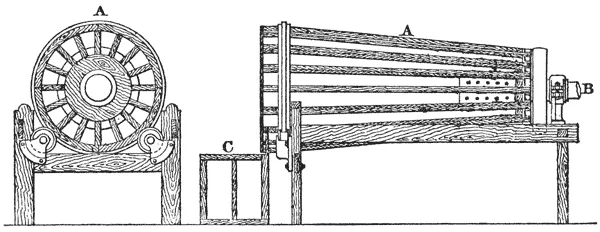
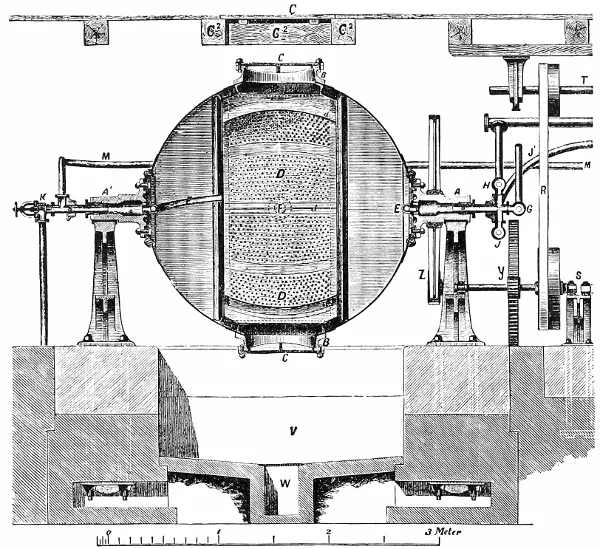
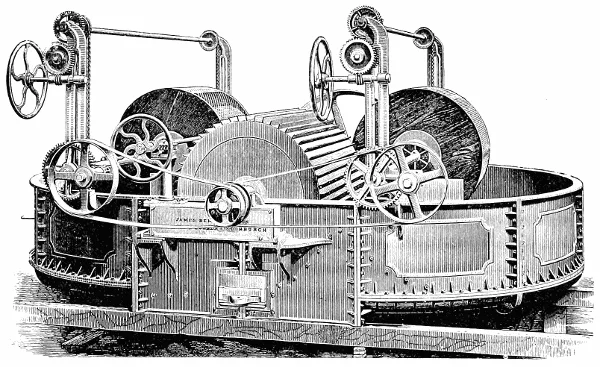
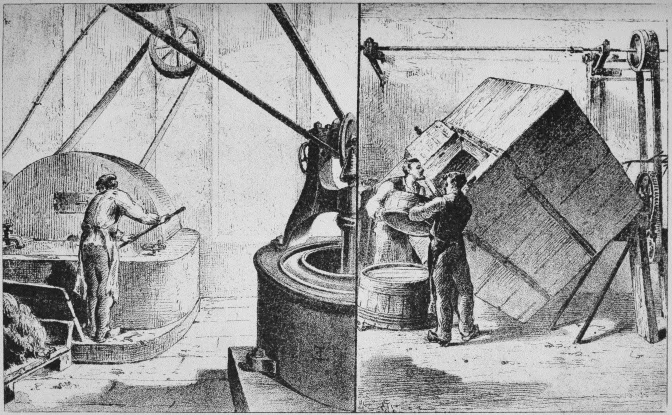
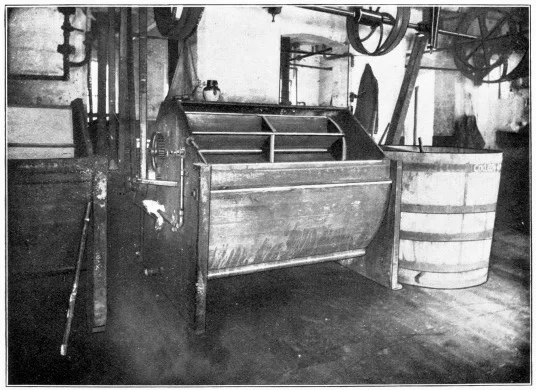
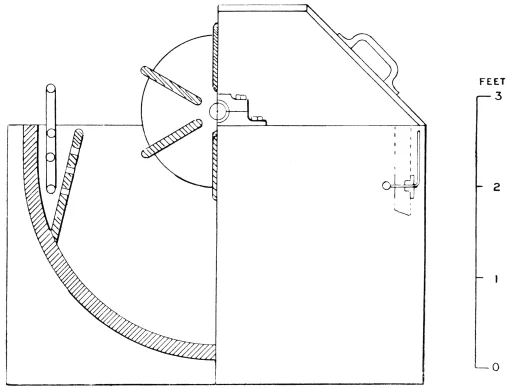
Bak putar dan drum kayu yang dimiringkan, digerakkan sabukH. R. Procter, A Text-book of Tanning, 1885, p. 52. Project Gutenberg 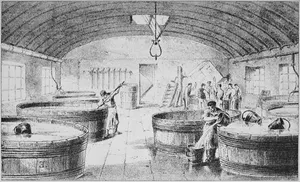
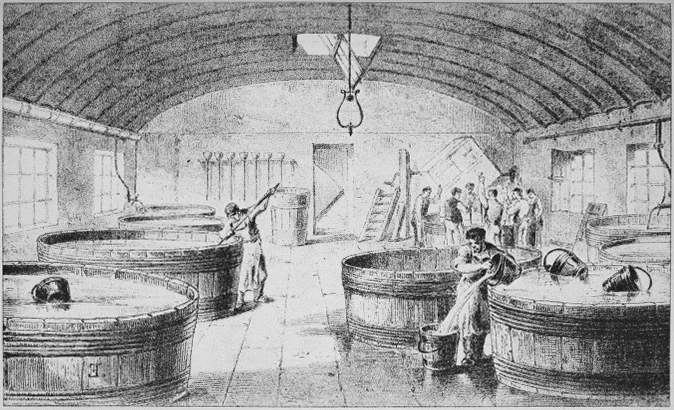
Gudang berkubah dengan deretan tong kayu besar tertanam di lantaiH. R. Procter, A Text-book of Tanning, 1885, p. 64. Project Gutenberg 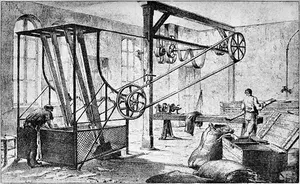
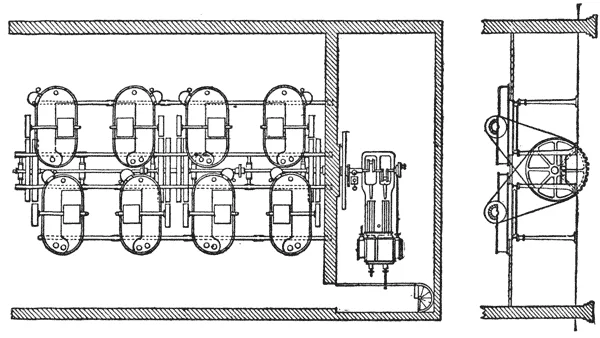
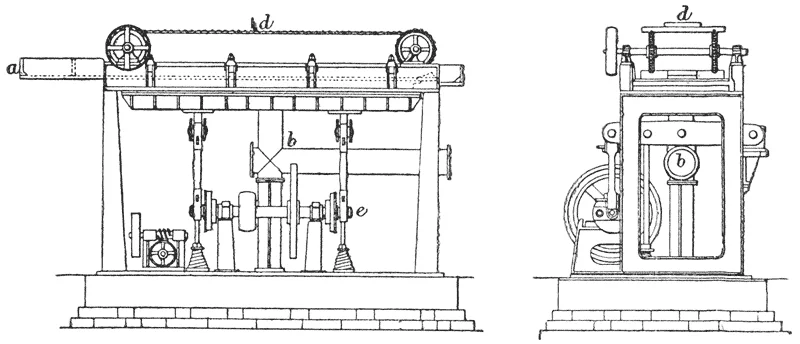
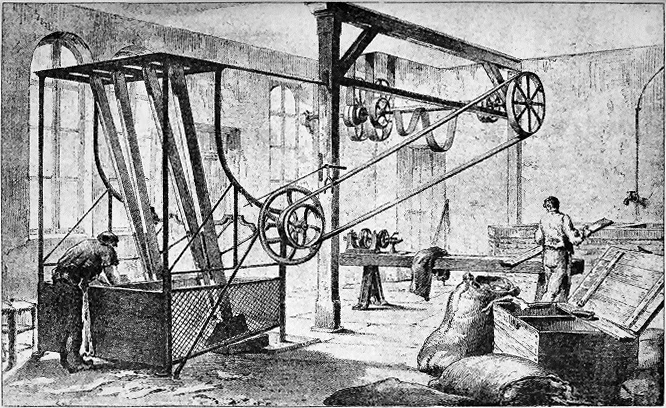
Ruang bermesin dengan poros transmisi dan rangka pengangkatH. R. Procter, A Text-book of Tanning, 1885, p. 128. Project Gutenberg 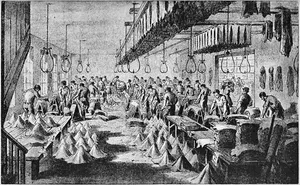
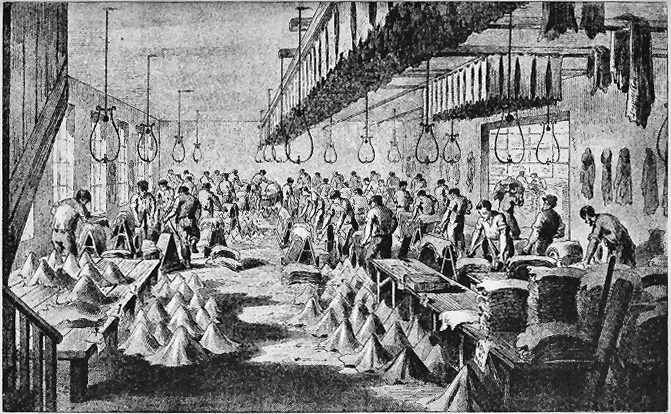
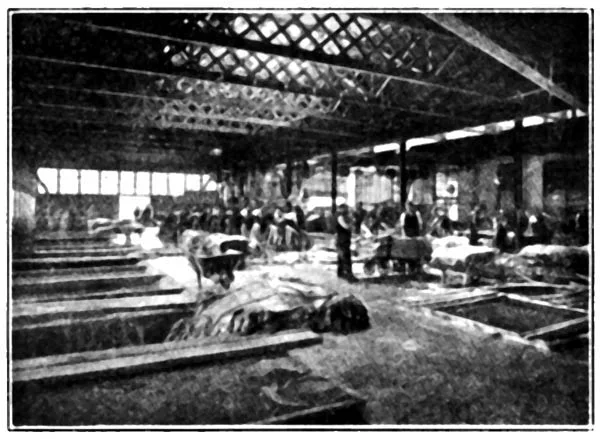
Aula besar dengan puluhan pekerja berjajar di balok kerjaH. R. Procter, A Text-book of Tanning, 1885, p. 176. Project Gutenberg 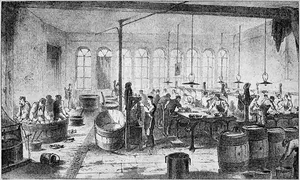
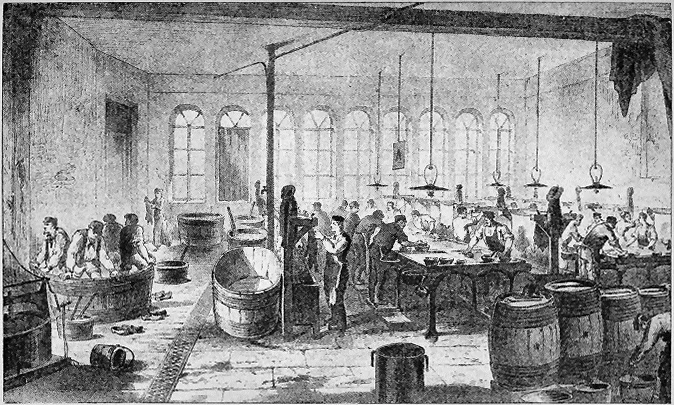
Ruang berjendela lengkung dengan tong bundar dan meja kerja panjangH. R. Procter, A Text-book of Tanning, 1885, p. 208. Project Gutenberg 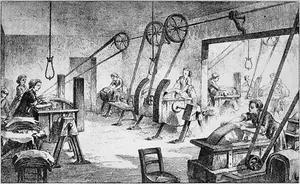
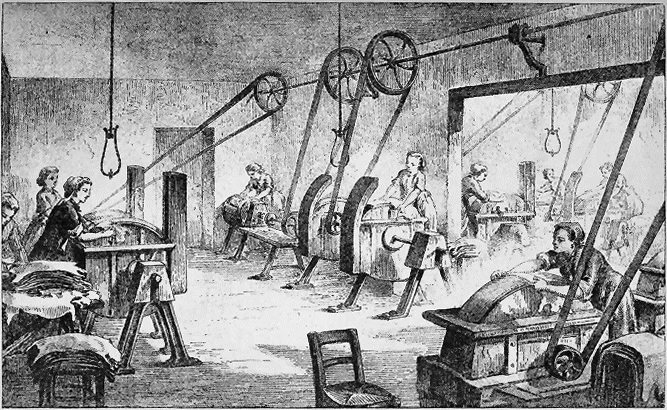
Ruang mesin bersabuk dengan pekerja perempuan di meja kiriH. R. Procter, A Text-book of Tanning, 1885, p. 240. Project Gutenberg 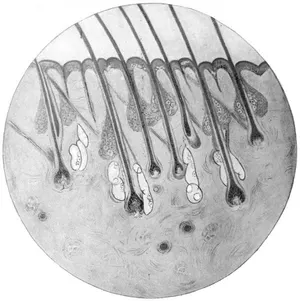
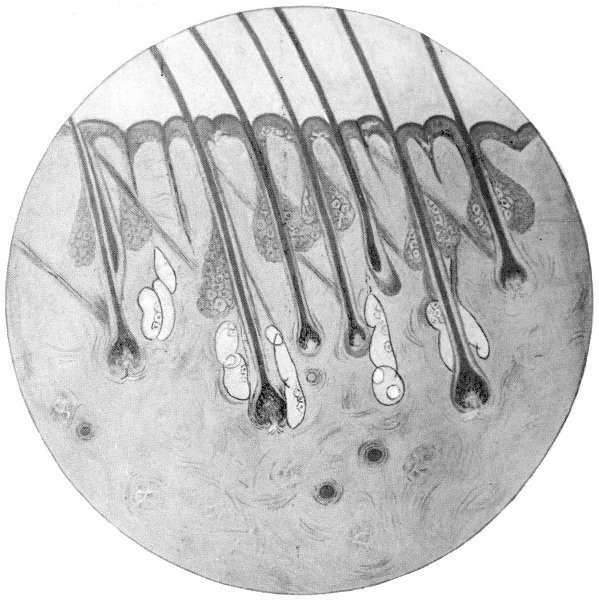
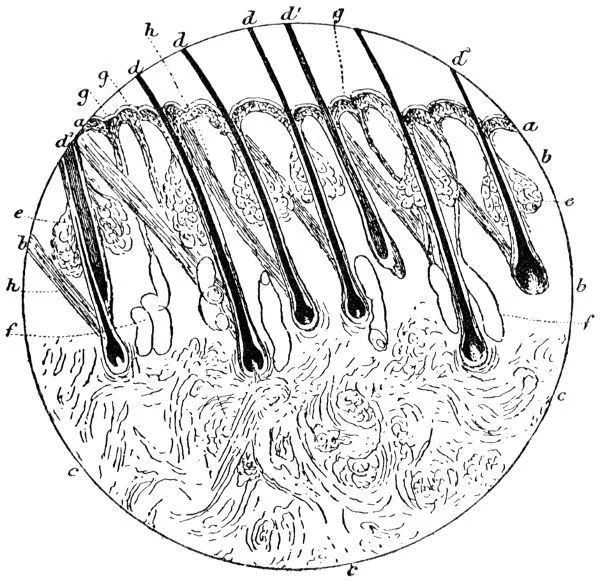
Section of Calf-skin. (For key, see Fig. 9 .)H. R. Procter, The Principles of Leather Manufacture, 1903. Project Gutenberg 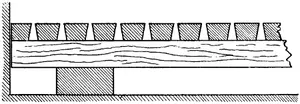
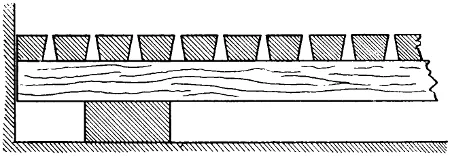
Fig. 77. —Section of Leach-Bottom.H. R. Procter, The Principles of Leather Manufacture, 1903. Project Gutenberg 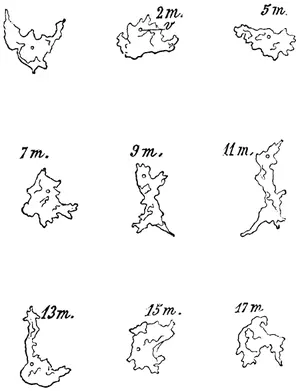
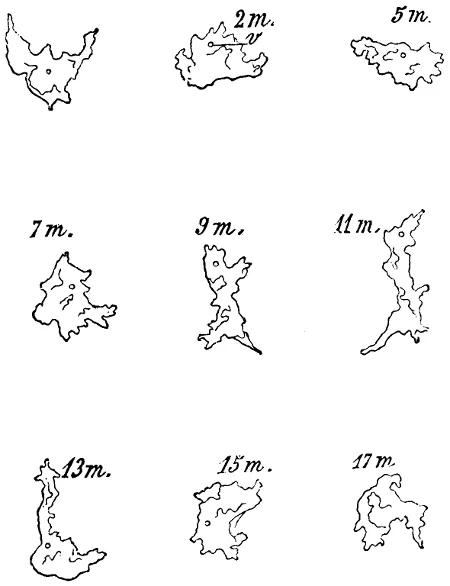
Fig. 1. —Lymph-corpuscle of frog, showing gradual change of form. (Ranvier.)H. R. Procter, The Principles of Leather Manufacture, 1903, p. 11. Project Gutenberg 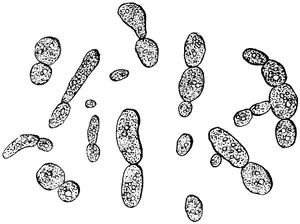
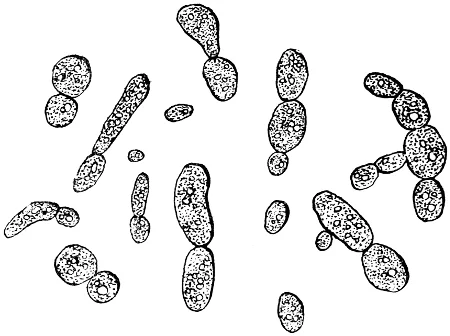
Fig. 2. —Yeast-cells, much magnified.H. R. Procter, The Principles of Leather Manufacture, 1903, p. 12. Project Gutenberg 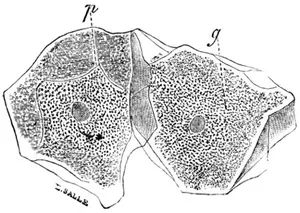
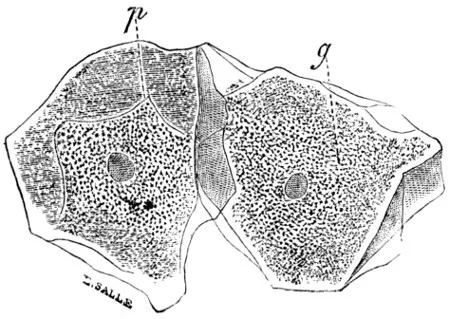
Fig. 3. —Epithelium-cells. Ranvier. p , pressure-marks; g , granular protoplasm.H. R. Procter, The Principles of Leather Manufacture, 1903, p. 13. Project Gutenberg 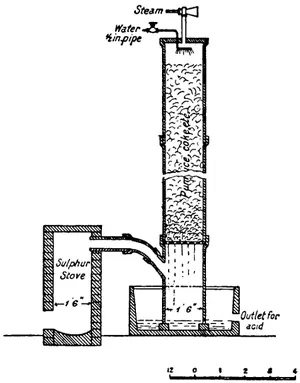
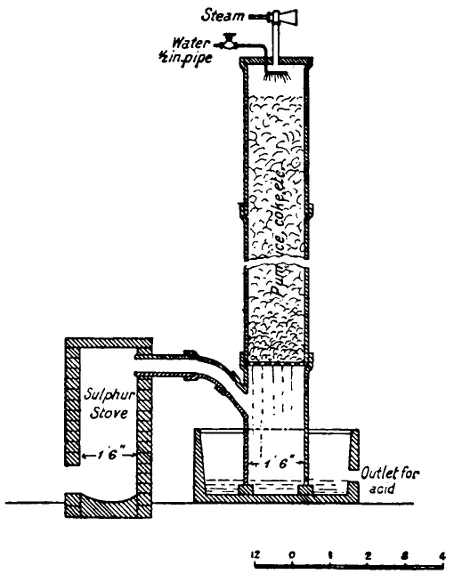
Fig. 5 —Sulphurous acid apparatus.H. R. Procter, The Principles of Leather Manufacture, 1903, p. 25. Project Gutenberg 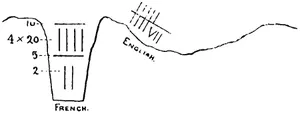
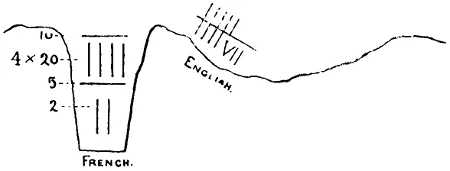
Fig. 6. —Method of marking weight on hides; 97 lb.H. R. Procter, The Principles of Leather Manufacture, 1903, p. 34. Project Gutenberg 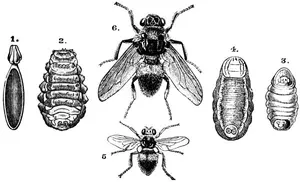
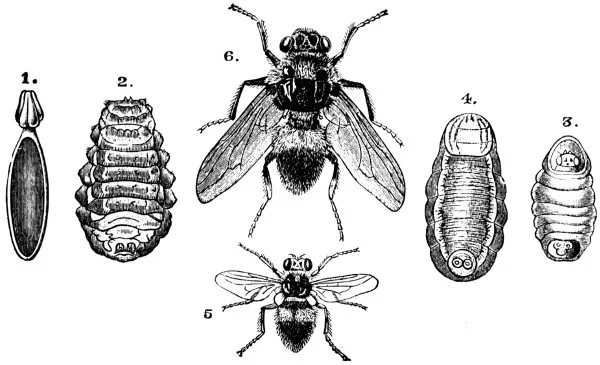
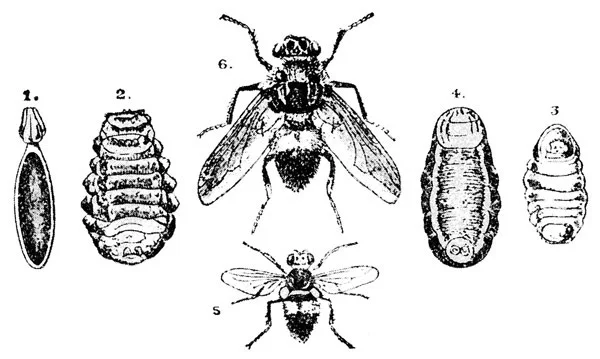
Fig. 7. — Hypoderma bovis. 1, egg; 2, maggot; 4, chrysalis case; 6, fly, magnified (Brauer); 3, 5, chrysalis and fly, natural size (B. Clark).H. R. Procter, The Principles of Leather Manufacture, 1903, p. 43. Project Gutenberg 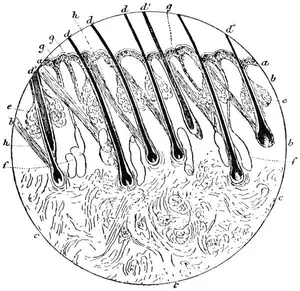
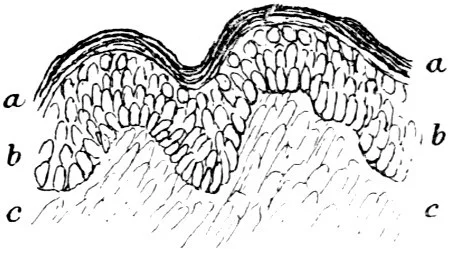
Fig. 9. —Vertical section of calf-skin, magnified about 50 diameters. a , epidermis; b , grain or papillary layer; c , fibrous layer of skin; d , hairs; e , fat-glands; f , sweat-glands; g , opening of ducts of sweat-glands; h , hair-muscles.H. R. Procter, The Principles of Leather Manufacture, 1903, p. 47. Project Gutenberg 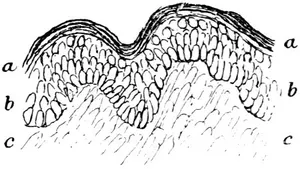
Fig. 10. —Epidermis layer.H. R. Procter, The Principles of Leather Manufacture, 1903, p. 48. Project Gutenberg 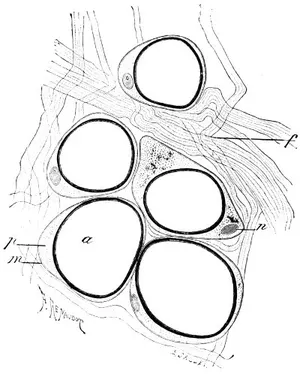
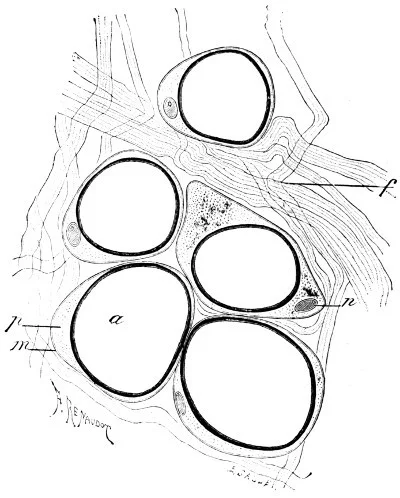
Fig. 15. —Fat-cells in connective tissue. a , fat-globule; p , protoplasm; n , nucleus; m , cell-wall. (Ranvier.)H. R. Procter, The Principles of Leather Manufacture, 1903, p. 52. Project Gutenberg 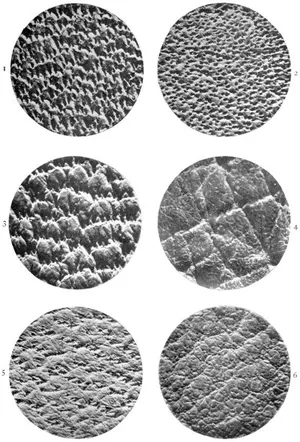
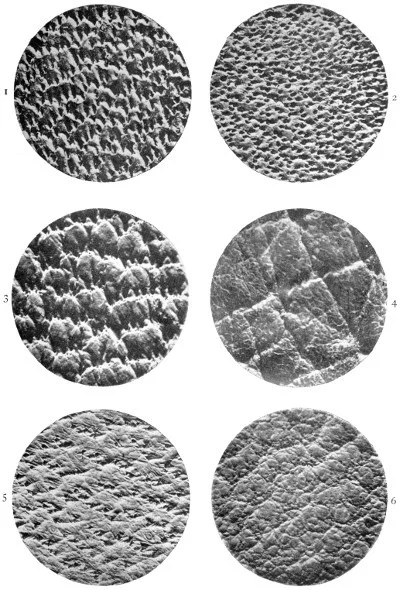
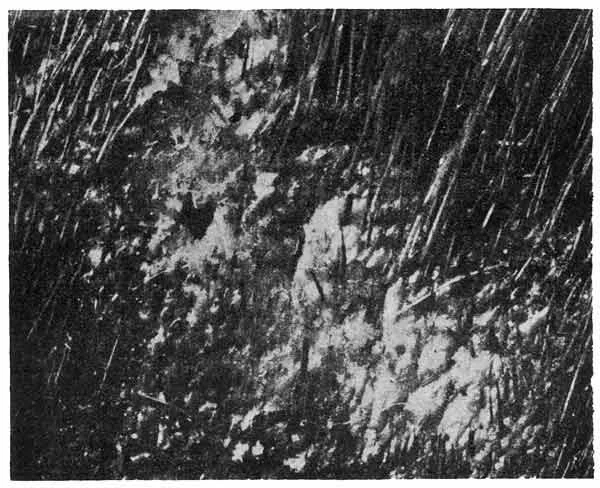
Photo-micrographs of Grain of various Skins ( A. Seymour-Jones ).H. R. Procter, The Principles of Leather Manufacture, 1903, p. 52. Project Gutenberg 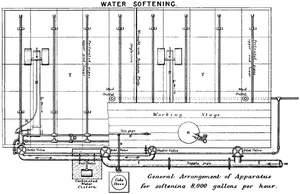
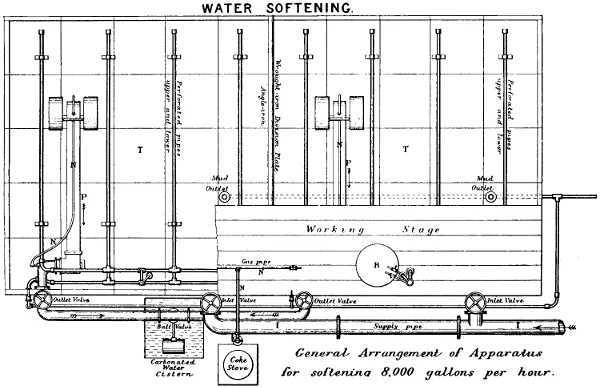
Fig. 19. —Plan of Archbutt and Deeley’s Apparatus.H. R. Procter, The Principles of Leather Manufacture, 1903, p. 95. Project Gutenberg 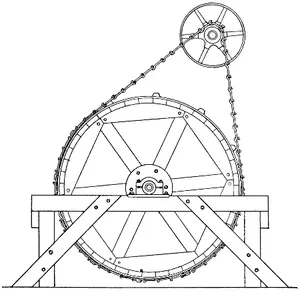
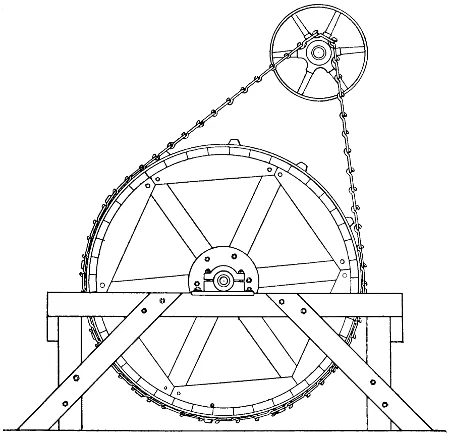
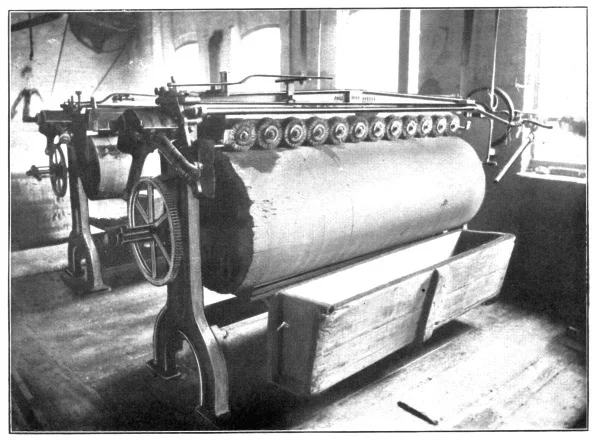
Fig. 21. —American Wash-wheel.H. R. Procter, The Principles of Leather Manufacture, 1903, p. 111. Project Gutenberg 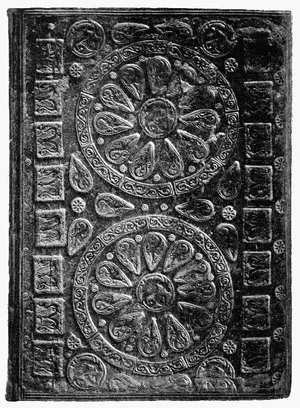
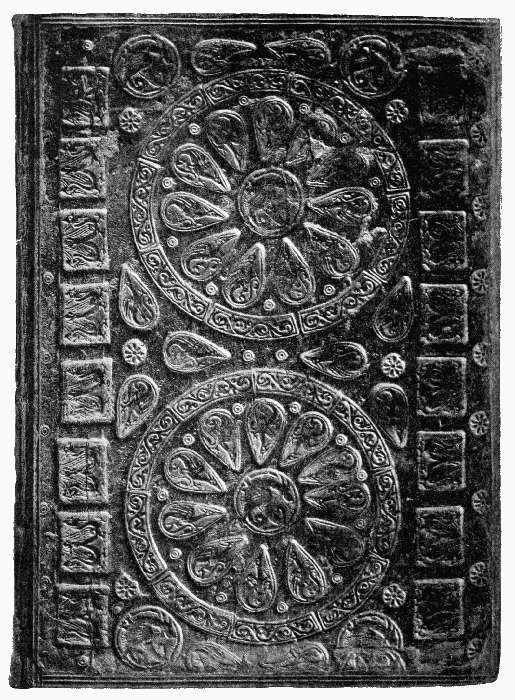
1. Blind-stamped leather binding of the Winchester Domesday Book . English, 12th Century.Georges de Recy, The Decoration of Leather, 1905. Project Gutenberg 
FIG. 1.— TRACING-POINTGeorges de Recy, The Decoration of Leather, 1905, p. 20. Project Gutenberg 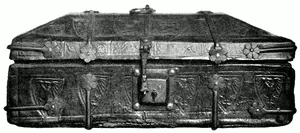
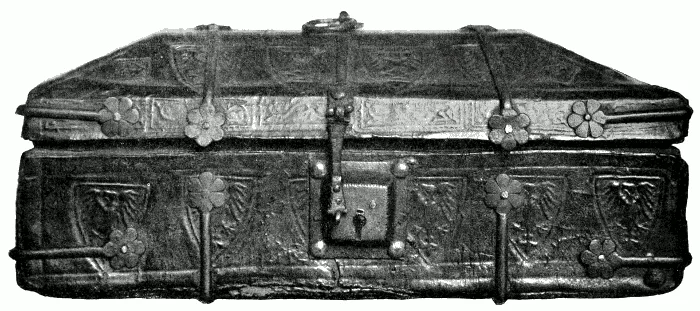
2. Casket covered with stamped leather, cuir bouilli . German, 14th Century.Georges de Recy, The Decoration of Leather, 1905, p. 22. Project Gutenberg 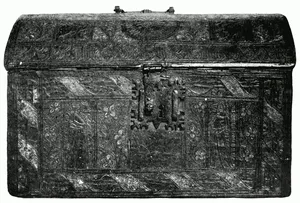
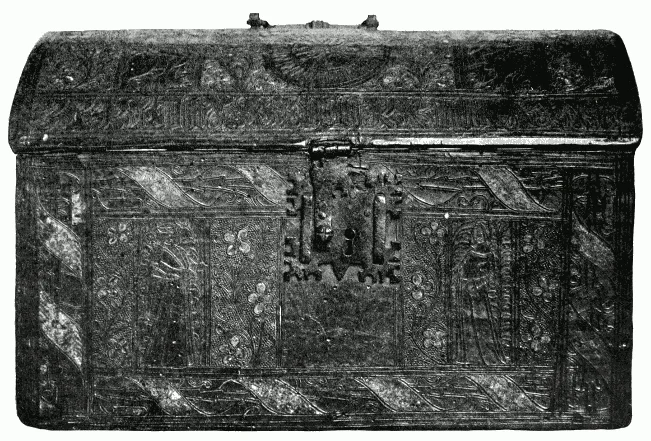
3. Coffret covered with leather, incised, coloured and gilt. French, 14th Century.Georges de Recy, The Decoration of Leather, 1905, p. 24. Project Gutenberg 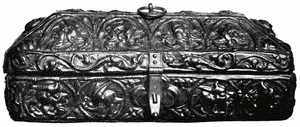
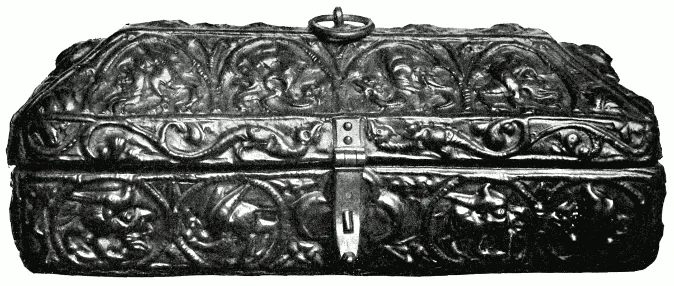
4. Casket covered with embossed leather, cuir bouilli . French, early 15th Century.Georges de Recy, The Decoration of Leather, 1905, p. 28. Project Gutenberg 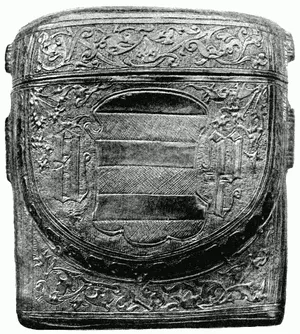
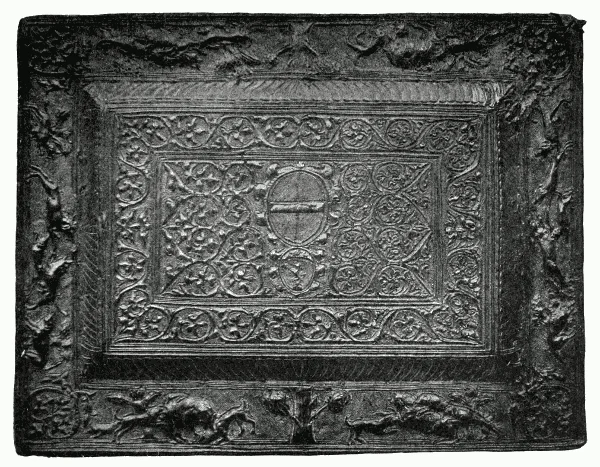
5. Case of cut and embossed leather, cuir bouilli . Italian, 15th Century.Georges de Recy, The Decoration of Leather, 1905, p. 32. Project Gutenberg 
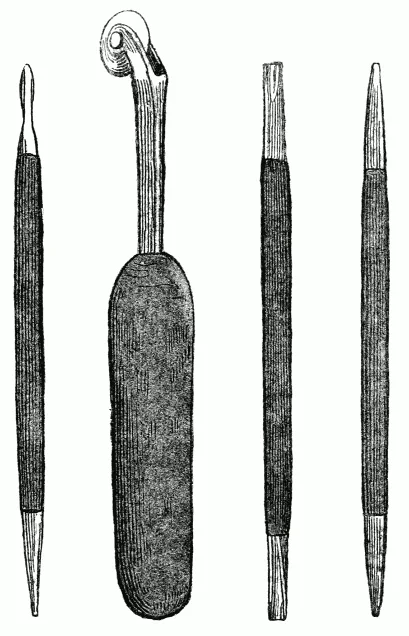
FIG. 15.— TOOL FOR WORKING REED DECORATIONGeorges de Recy, The Decoration of Leather, 1905, p. 34. Project Gutenberg 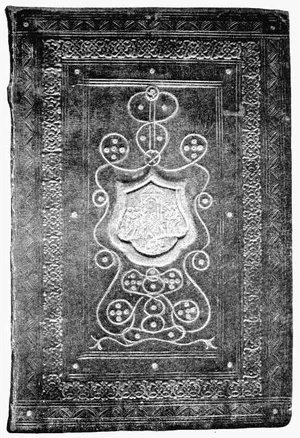
6. Blind-stamped Morocco binding with gilt roundels and coloured cameo design. Celsus. De Medicina. Venice , 1477. Italian, 15th Century.Georges de Recy, The Decoration of Leather, 1905, p. 37. Project Gutenberg 
FIG. 17.— CUTTING-OUT KNIFEGeorges de Recy, The Decoration of Leather, 1905, p. 40. Project Gutenberg 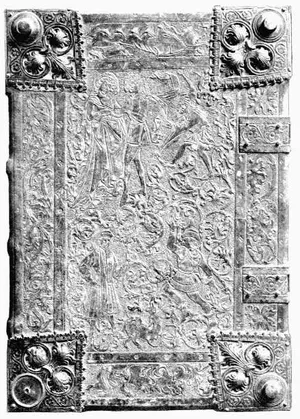
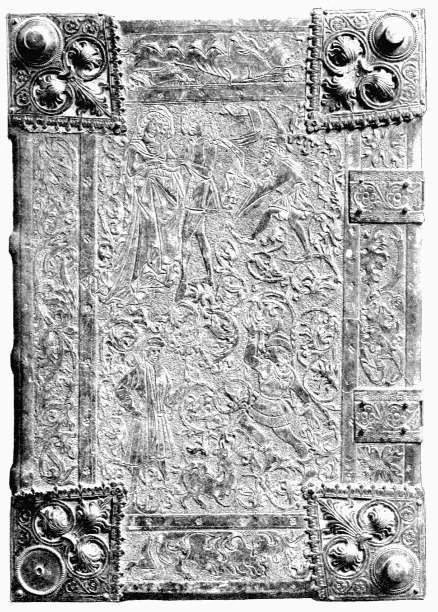
8. Brown leather binding, cut and engraved, with punched background. German MS. Chronicle of Events. German, 15th Century.Georges de Recy, The Decoration of Leather, 1905, p. 44. Project Gutenberg 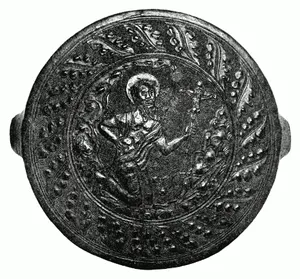
9. Cover of Case for a cup in wood covered with leather, cuir bouilli , embossed, painted and gilt. Italian, about 1500.Georges de Recy, The Decoration of Leather, 1905, p. 49. Project Gutenberg 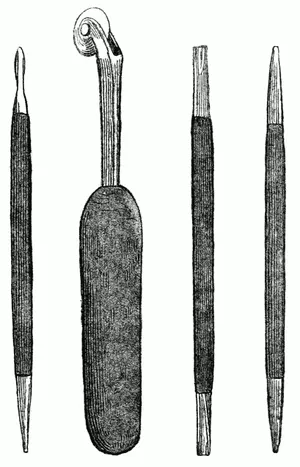
FIG. 28.— GOUGE OUTLINER. FIG. 29.— OUTLINING WHEEL. FIG. 30.— GOUGE OUTLINER. FIG. 31.— STRAIGHT OUTLINER.Georges de Recy, The Decoration of Leather, 1905, p. 56. Project Gutenberg 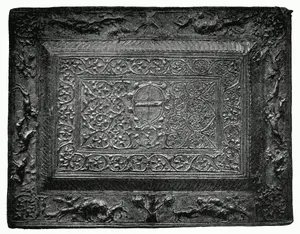
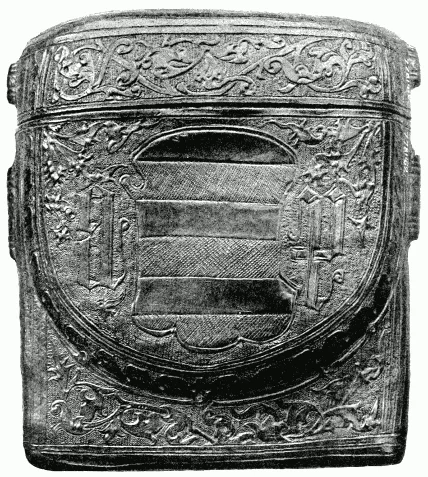
10. Cover of work-box of wood covered with embossed leather, cuir bouilli . German, 16th Century.Georges de Recy, The Decoration of Leather, 1905, p. 56. Project Gutenberg 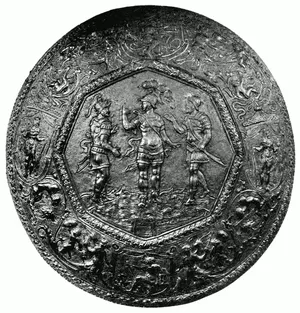
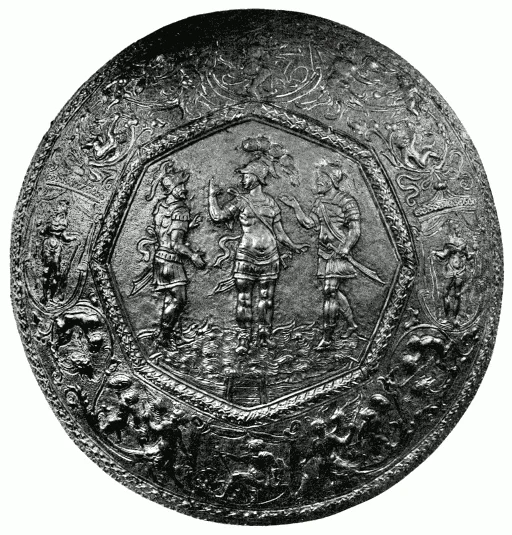
12. Shield of cut and embossed leather, cuir bouilli . Italian, 16th Century.Georges de Recy, The Decoration of Leather, 1905, p. 60. Project Gutenberg 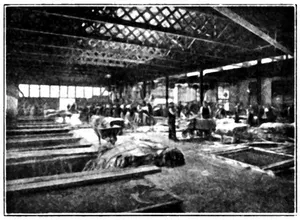
Fig. 16 LIME YARD ("Dri-ped" Tannery)K. J. Adcock, Leather: From the Raw Material to the Finished Product, 1910. Project Gutenberg ![Fig. 1 MECHANICAL FLAYING ( dépouille mécanique )]](/wp-content/uploads/2026/08/hkplt-adcock1910-02-t.webp)
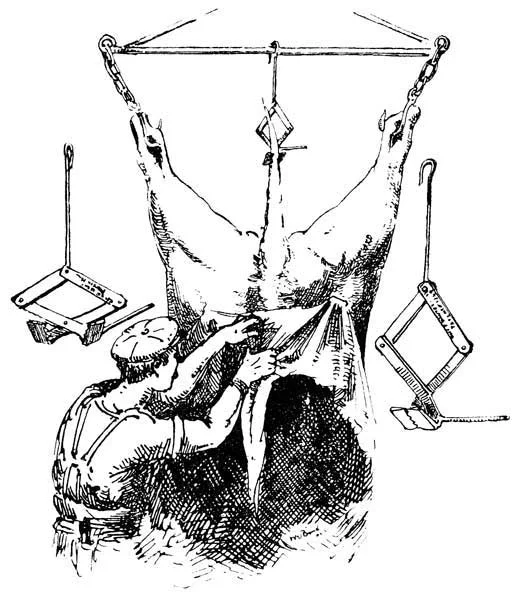
Fig. 1 MECHANICAL FLAYING ( dépouille mécanique )]K. J. Adcock, Leather: From the Raw Material to the Finished Product, 1910, p. 22. Project Gutenberg 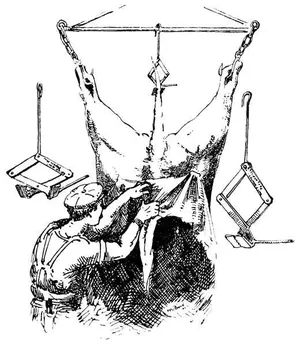
Fig. 2 PIM'S SYSTEM OF FLAYINGK. J. Adcock, Leather: From the Raw Material to the Finished Product, 1910, p. 24. Project Gutenberg 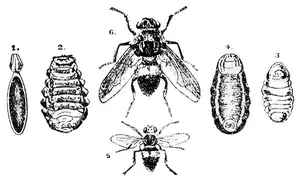
WARBLE FLY (1) Egg, (2) Larva, (3 and 4) Chrysalides, (5) Natural form of fly, (6) Magnified fly.K. J. Adcock, Leather: From the Raw Material to the Finished Product, 1910, p. 28. Project Gutenberg 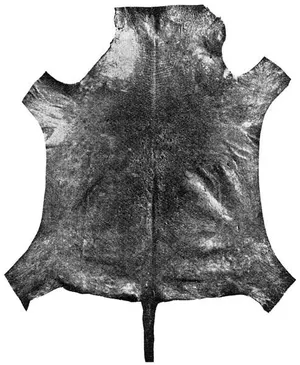
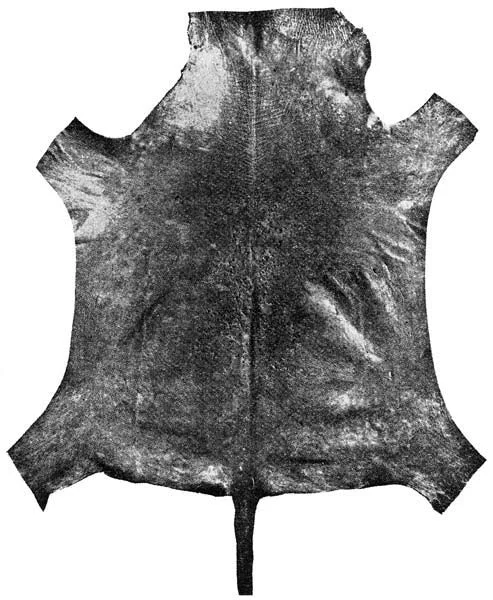
A KIP CONTAINING 584 HOLES CAUSED BY THE WARBLE FLY (The skin belongs to W. D. Mark & Sons, Hide Factors, Newcastle.)K. J. Adcock, Leather: From the Raw Material to the Finished Product, 1910, p. 29. Project Gutenberg 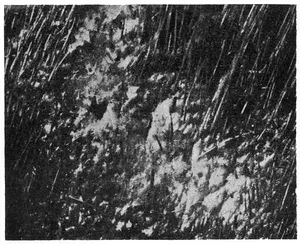
Fig. 3 HOLE IN COW HIDE, MADE BY THE GRUB OF THE WARBLE FLY (Magnified fifteen times)K. J. Adcock, Leather: From the Raw Material to the Finished Product, 1910, p. 30. Project Gutenberg 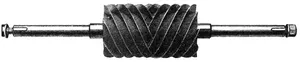
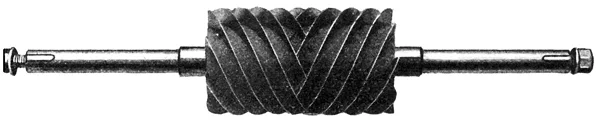
Fig. 5 SHAVING CYLINDERK. J. Adcock, Leather: From the Raw Material to the Finished Product, 1910, p. 53. Project Gutenberg 
Fig. 6 BLADED CYLINDER FOR "BUFFING" LEATHERK. J. Adcock, Leather: From the Raw Material to the Finished Product, 1910, p. 54. Project Gutenberg 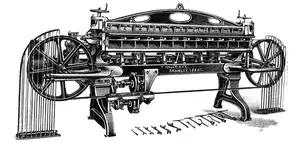
Fig. 7 BAND-KNIFE SPLITTING MACHINEK. J. Adcock, Leather: From the Raw Material to the Finished Product, 1910, p. 54. Project Gutenberg 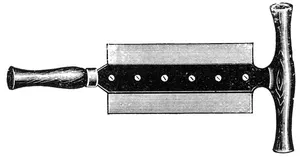
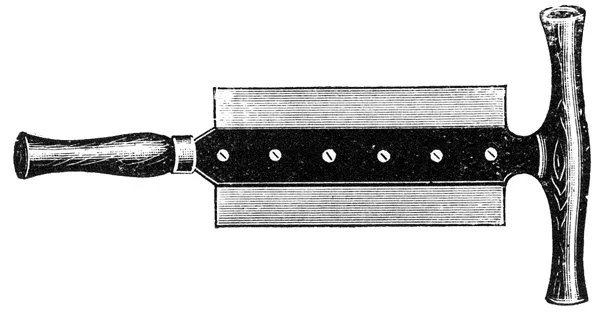
Fig. 8 SHAVING KNIFEK. J. Adcock, Leather: From the Raw Material to the Finished Product, 1910, p. 56. Project Gutenberg 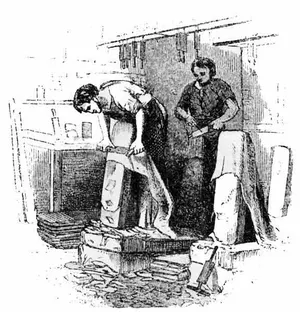
Fig. 9 SHAVING LEATHER (Old method)K. J. Adcock, Leather: From the Raw Material to the Finished Product, 1910, p. 56. Project Gutenberg 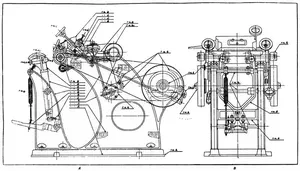
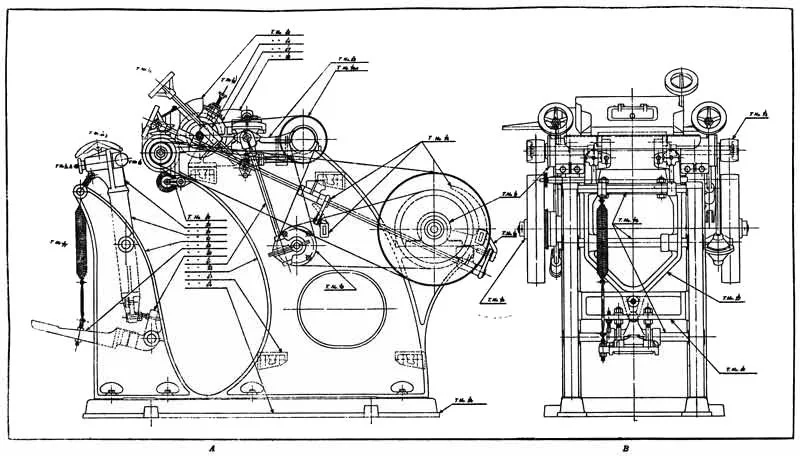
bet, pp. 56 & 57 Fig. 10 DRAWING OF SHAVING MACHINEK. J. Adcock, Leather: From the Raw Material to the Finished Product, 1910, p. 57. Project Gutenberg 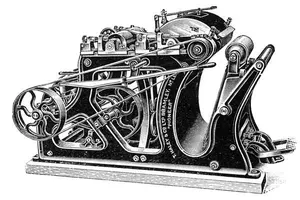
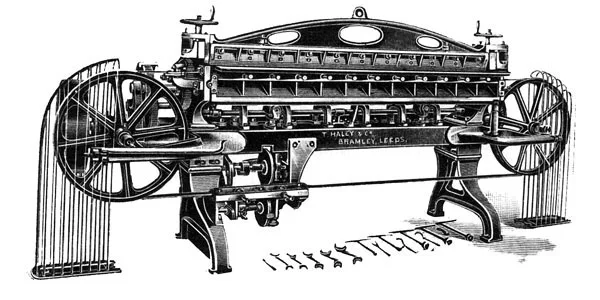
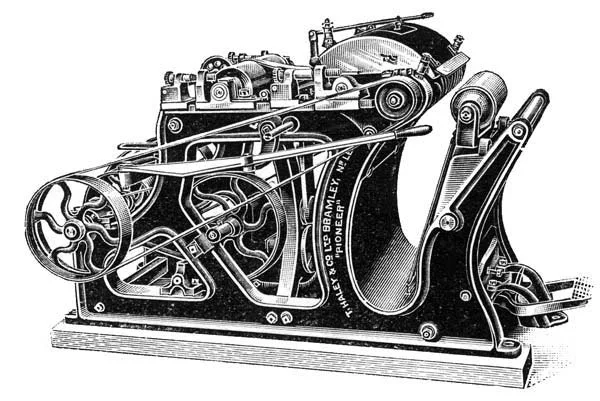
Fig. 12 shaving-machine (Haley)K. J. Adcock, Leather: From the Raw Material to the Finished Product, 1910, p. 61. Project Gutenberg 
Fig. 17 DEHAIRING KNIFEK. J. Adcock, Leather: From the Raw Material to the Finished Product, 1910, p. 80. Project Gutenberg 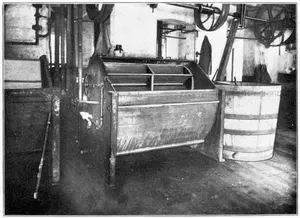
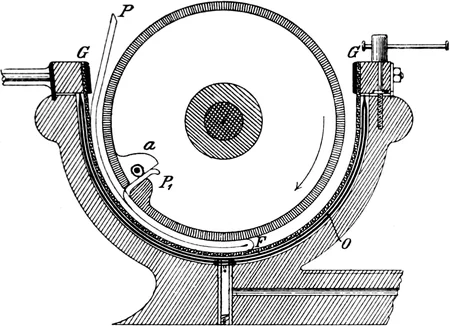
Fig. 3.—Puer Wheel, with Cover Removed.Joseph Turney Wood, The Puering, Bating and Drenching of Skins, 1912, p. 12. Project Gutenberg 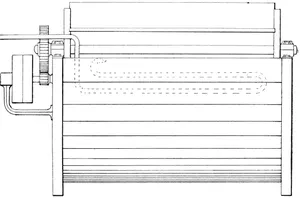
Fig. 4.—Elevation of Puer Wheel (back).Joseph Turney Wood, The Puering, Bating and Drenching of Skins, 1912, p. 13. Project Gutenberg 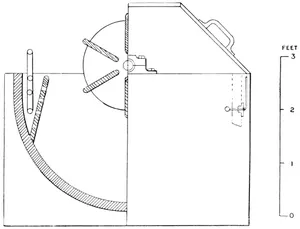
Fig. 5.—End Elevation of Puer Wheel.Joseph Turney Wood, The Puering, Bating and Drenching of Skins, 1912, p. 14. Project Gutenberg 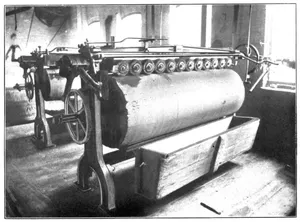
Fig 6.—Sir John Turney’s Scudding Machine for Sheep Grains.Joseph Turney Wood, The Puering, Bating and Drenching of Skins, 1912, p. 16. Project Gutenberg 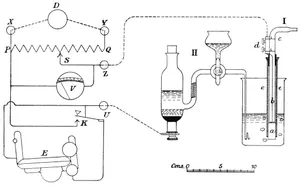
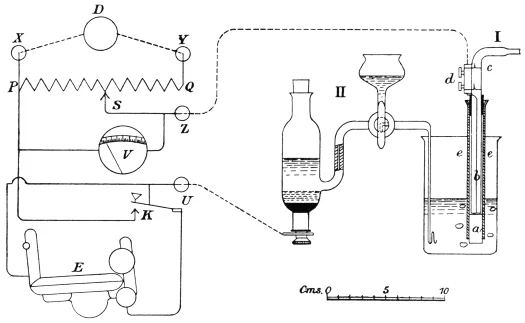
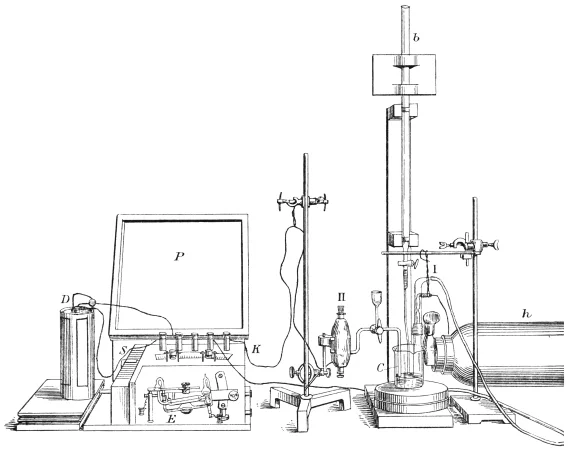
Fig. 9.—Diagram of Connexions of Electrometric Apparatus.Joseph Turney Wood, The Puering, Bating and Drenching of Skins, 1912, p. 76. Project Gutenberg 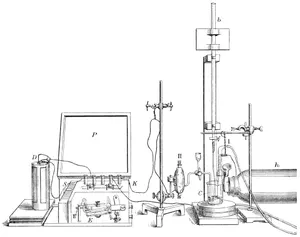
Fig. 10.—Electrometric Apparatus.Joseph Turney Wood, The Puering, Bating and Drenching of Skins, 1912, p. 78. Project Gutenberg 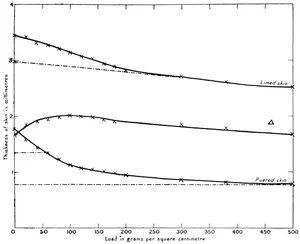
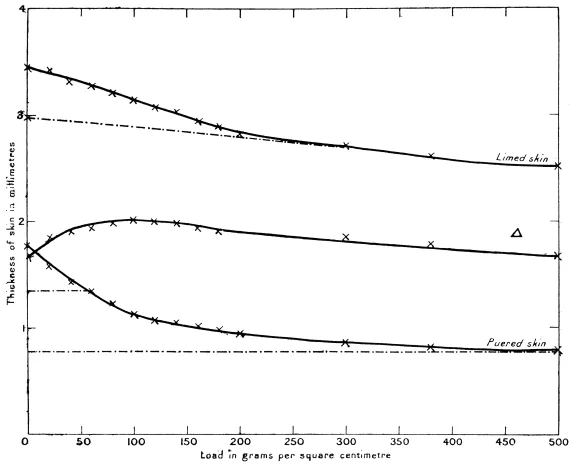
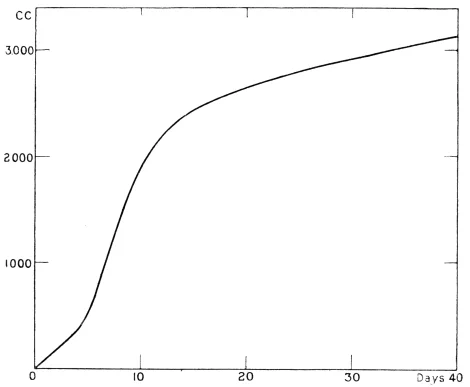
Fig. 12.—Curve obtained by Measuring Apparatus. (The dotted lines show the pressure on taking off the load.)Joseph Turney Wood, The Puering, Bating and Drenching of Skins, 1912, p. 85. Project Gutenberg 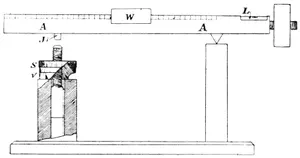
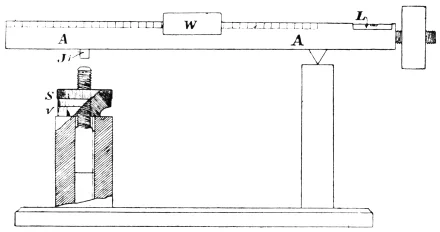
Fig. 13.—Improved Apparatus for Measuring the Degree of Falling. (Sand.)Joseph Turney Wood, The Puering, Bating and Drenching of Skins, 1912, p. 86. Project Gutenberg 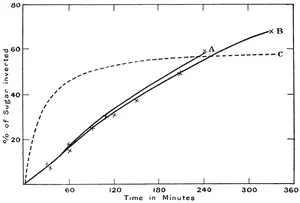
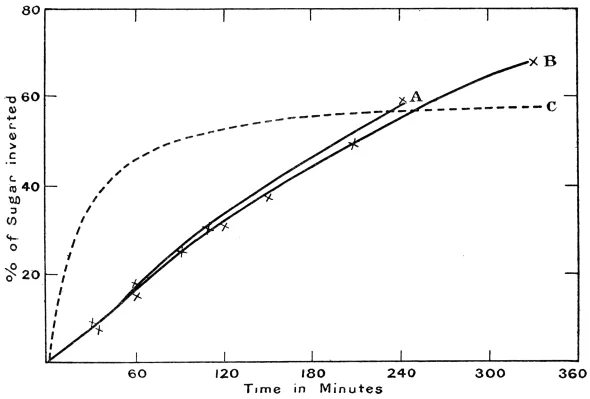
Fig. 26.—Curves showing Rate of Hydrolysis.Joseph Turney Wood, The Puering, Bating and Drenching of Skins, 1912, p. 129. Project Gutenberg 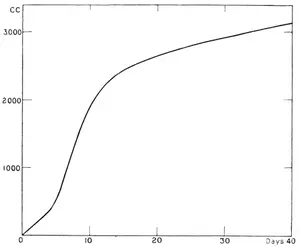
Fig. 33.—Evolution of Gases from Pure Cultivation of B. Furfuris.Joseph Turney Wood, The Puering, Bating and Drenching of Skins, 1912, p. 277. Project Gutenberg 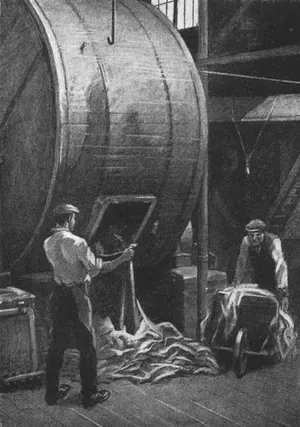
the revolving drumsSara Ware Bassett, The Story of Leather, 1917. Project Gutenberg 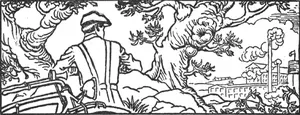
PETER AIDS IN A SURPRISE AND RECEIVES ONESara Ware Bassett, The Story of Leather, 1917, p. 1. Project Gutenberg



![Fig. 1 MECHANICAL FLAYING ( dépouille mécanique )]](/wp-content/uploads/2026/08/hkplt-adcock1910-02.webp)


Book Repair and Care
The thinnest section on this page — not because book repair matters less, but because the old literature wrote far more about making books than about caring for them. Book repair is in fact our core work, so we state the gap plainly rather than hiding it.
25 illustrations · 4 books · 1892–1918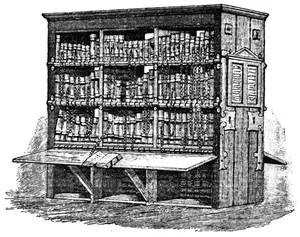
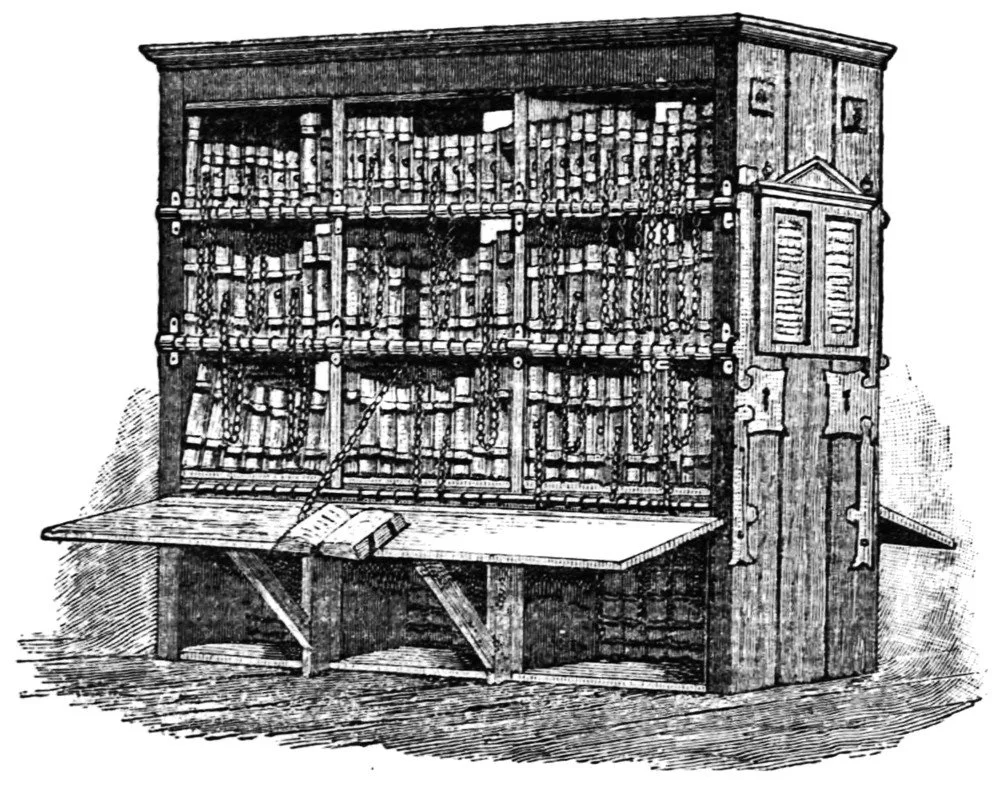
BOOK-CASE OF CHAINED BOOKS IN HEREFORD CATHEDRAL.William Blades, Books in Chains, and Other Bibliographical Papers, 1892. Project Gutenberg 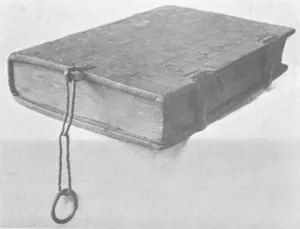
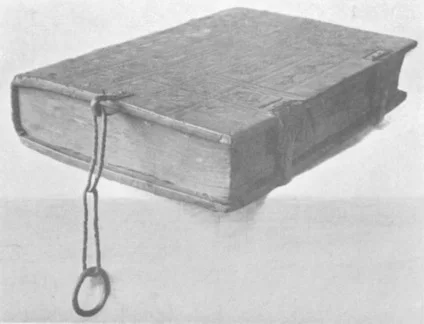
Fig. 60. Chained book, from a Dominican House at Bamberg, South Germany.John Willis Clark, The Care of Books, 1901. Project Gutenberg 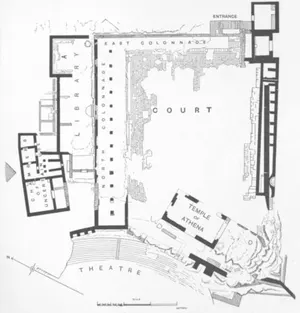
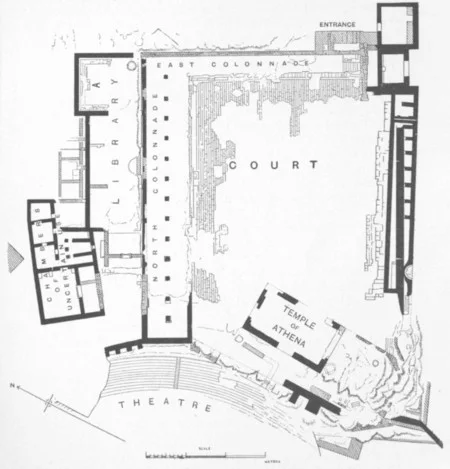
Fig. 2. Plan of the temple and precinct of Athena, Pergamon; with that of the Library and adjacent buildings.John Willis Clark, The Care of Books, 1901, p. 9. Project Gutenberg 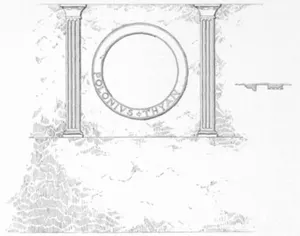
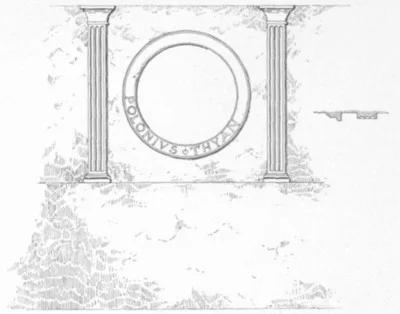
Fig. 6. Elevation of a single compartment of the wall of the Library discovered in Rome, 1883. From notes and measurements made by Signor Lanciani and Prof. Middleton.John Willis Clark, The Care of Books, 1901, p. 23. Project Gutenberg 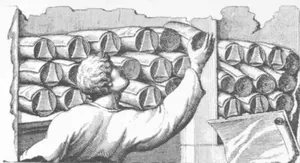
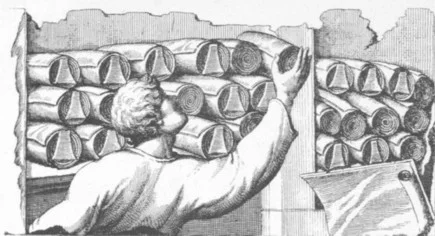
Fig. 11. A Roman taking down a roll from its place in a library.John Willis Clark, The Care of Books, 1901, p. 35. Project Gutenberg 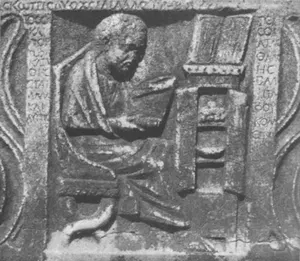
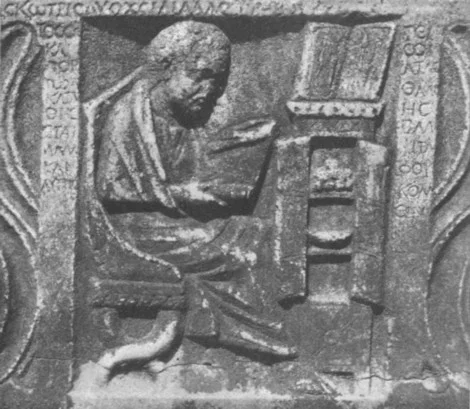
Fig. 13. A Roman reading a roll in front of a press (armarium). From a photograph of a sarcophagus in the garden of the Villa Balestra. Rome.John Willis Clark, The Care of Books, 1901, p. 38. Project Gutenberg 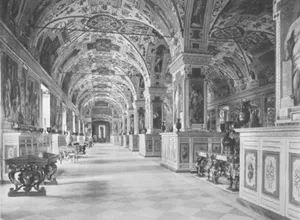
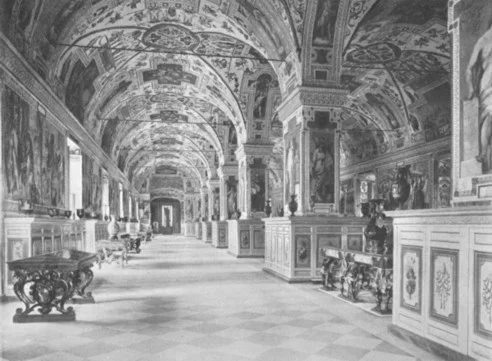
Fig. 16. Great Hall of the Vatican Library, looking west.John Willis Clark, The Care of Books, 1901, p. 46. Project Gutenberg 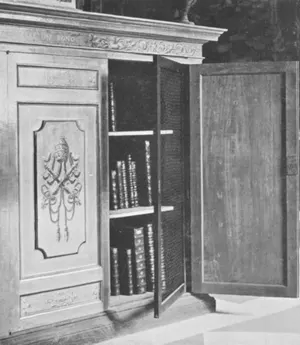
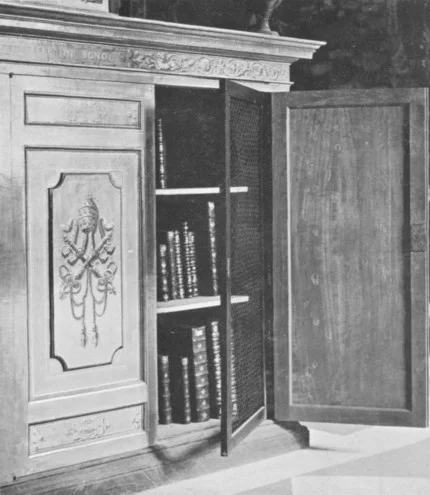
Fig. 17. A single press in the Vatican Library, open. From a photograph.John Willis Clark, The Care of Books, 1901, p. 48. Project Gutenberg 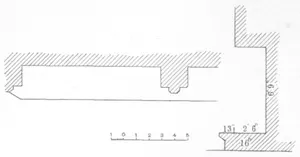
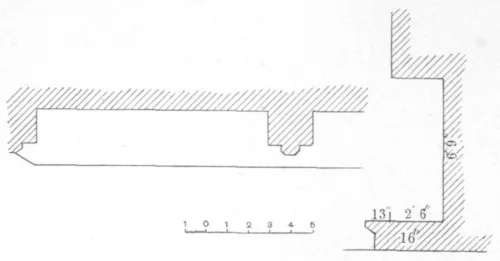
Fig. 20. Groundplan and elevation of the book-recesses in the cloister of Worcester Cathedral.John Willis Clark, The Care of Books, 1901, p. 84. Project Gutenberg 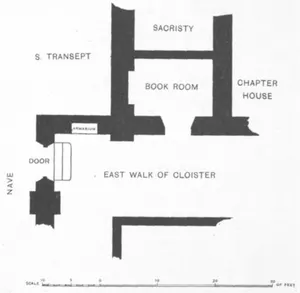
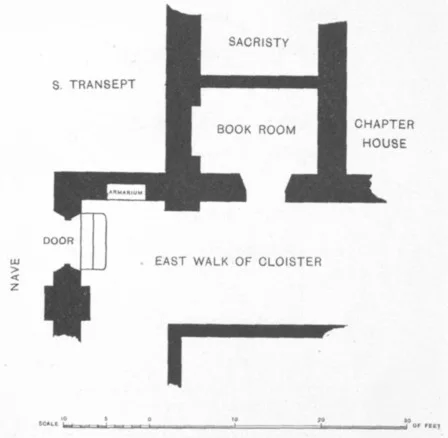
Fig. 21. Groundplan of part of the Abbey of Fossa Nuova. To shew the book-room and book-press, and their relations to adjoining structures: partly from M. Enlart's work, partly from my own measurements.John Willis Clark, The Care of Books, 1901, p. 85. Project Gutenberg 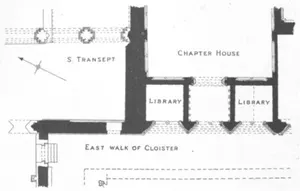
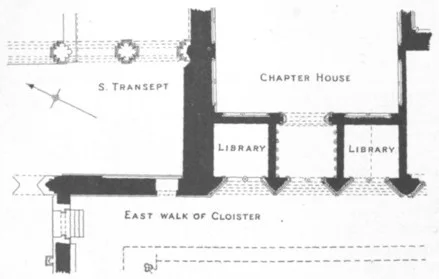
Fig. 23. Groundplan of part of Furness Abbey.John Willis Clark, The Care of Books, 1901, p. 88. Project Gutenberg 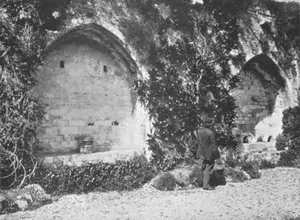
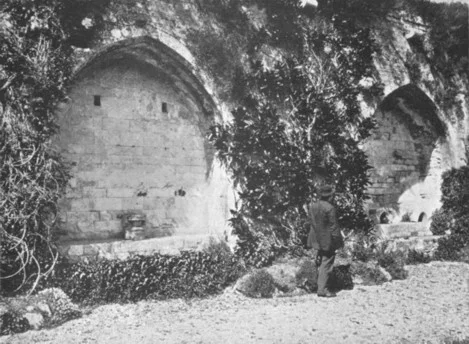
Fig. 24. Arches in south wall of Church at Beaulieu Abbey, Hampshire, once possibly used as book-presses.John Willis Clark, The Care of Books, 1901, p. 88. Project Gutenberg 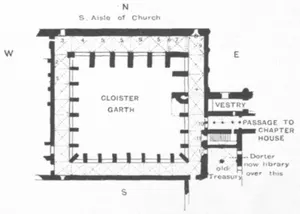
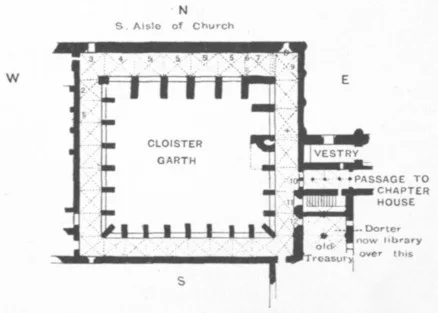
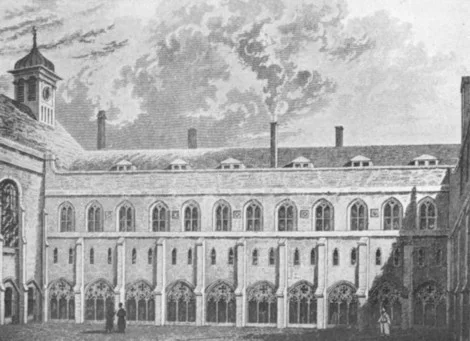
Fig. 25. The cloister, Westminster Abbey. From Mr Micklethwaite's plan of the buildings.John Willis Clark, The Care of Books, 1901, p. 91. Project Gutenberg 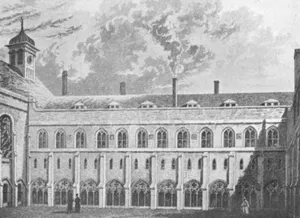
Fig. 32. Library of the Grey Friars House, London, commonly called Christ's Hospital. From Trollope's History.John Willis Clark, The Care of Books, 1901, p. 108. Project Gutenberg 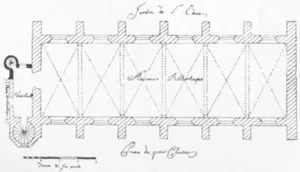
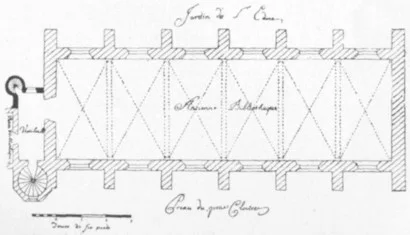
Fig. 35. Ground-plan of the Library at Citeaux.John Willis Clark, The Care of Books, 1901, p. 112. Project Gutenberg 
(4.) CALF.E. Wyndham Hulme & Cyril Davenport, Leather for Libraries, 1905. Project Gutenberg 
(5.) SHEEP (ROLLER BASIL).E. Wyndham Hulme & Cyril Davenport, Leather for Libraries, 1905. Project Gutenberg 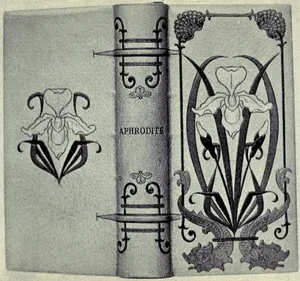
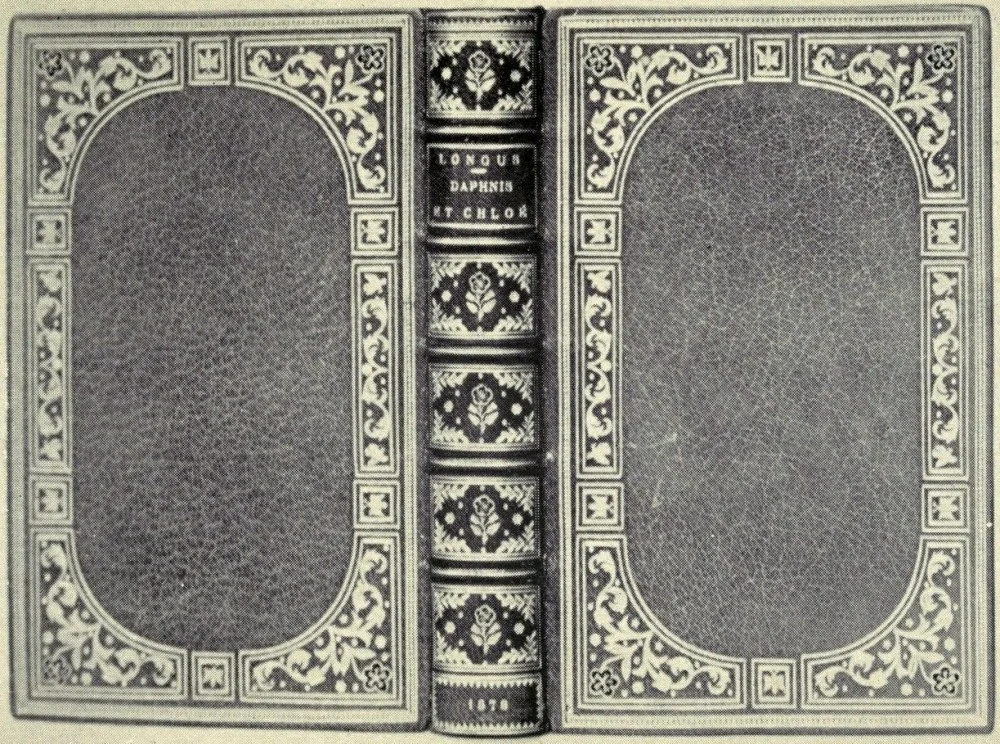
INLAID LEVANT BINDINGMitchell S. Buck, Book Repair and Restoration, 1918. Project Gutenberg 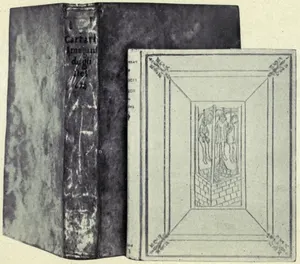
VELLUM BINDINGS (1674 AND 1878)Mitchell S. Buck, Book Repair and Restoration, 1918, p. 24. Project Gutenberg 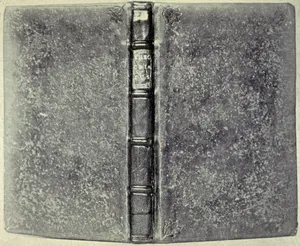
ORIGINAL SHEEP BINDING (1684 REBACKED )Mitchell S. Buck, Book Repair and Restoration, 1918, p. 38. Project Gutenberg 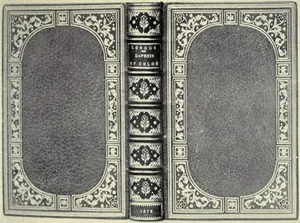
MODERN LEVANT BINDINGMitchell S. Buck, Book Repair and Restoration, 1918, p. 50. Project Gutenberg 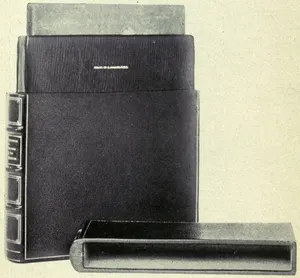
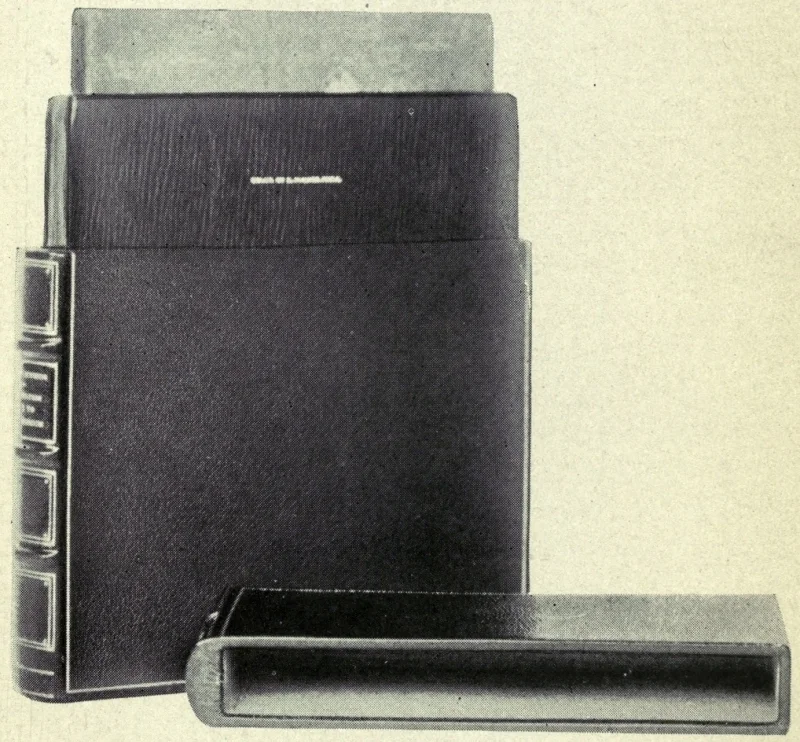
SOLANDER SLIP-CASEMitchell S. Buck, Book Repair and Restoration, 1918, p. 76. Project Gutenberg 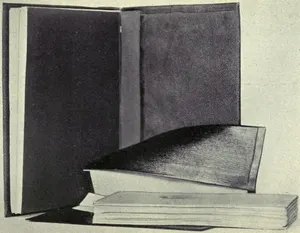
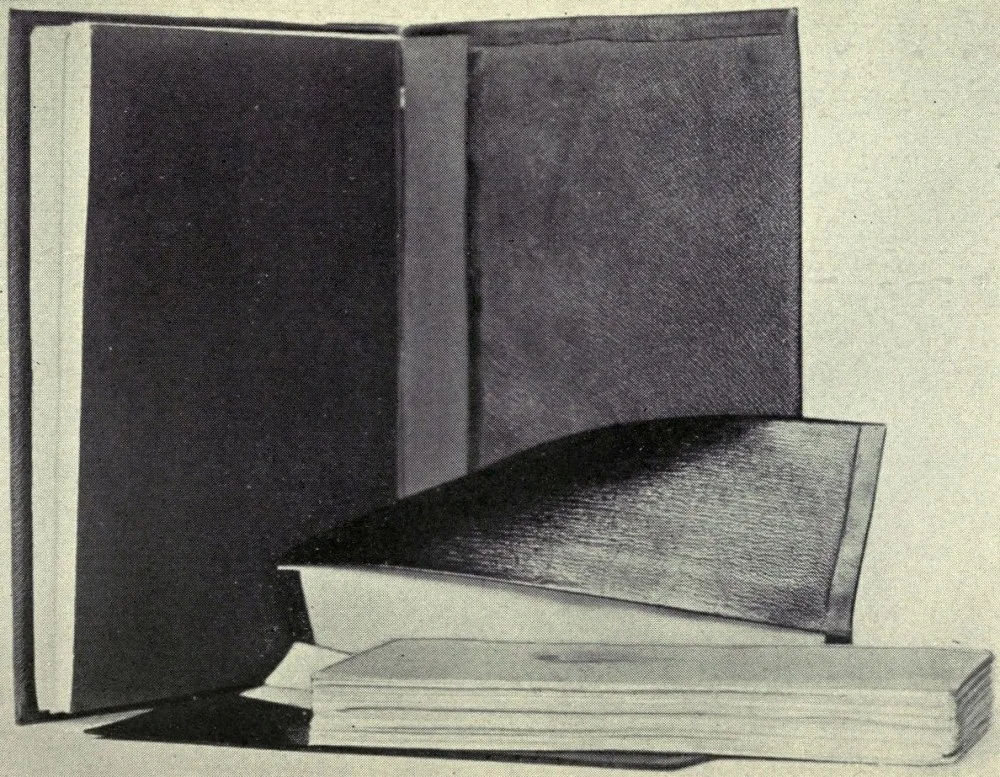
LEATHER SLIP-COVERSMitchell S. Buck, Book Repair and Restoration, 1918, p. 88. Project Gutenberg 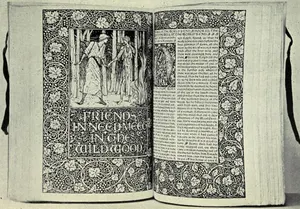
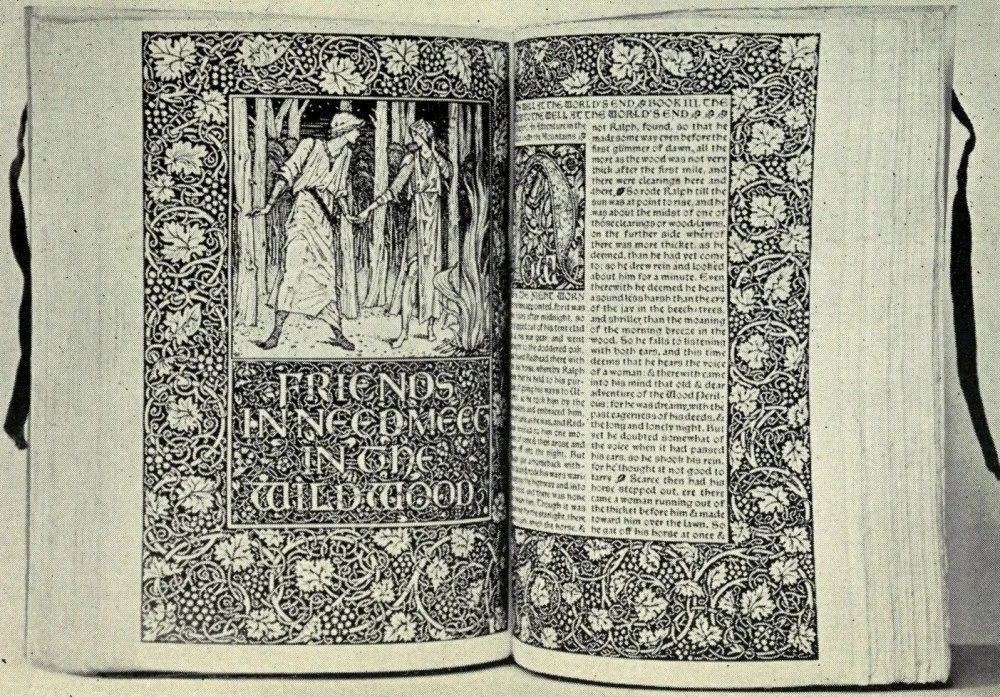
KELMSCOTT PRESS BOOKMitchell S. Buck, Book Repair and Restoration, 1918, p. 98. Project Gutenberg 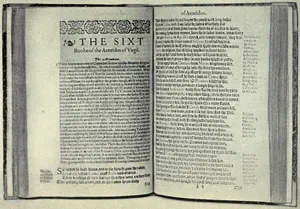
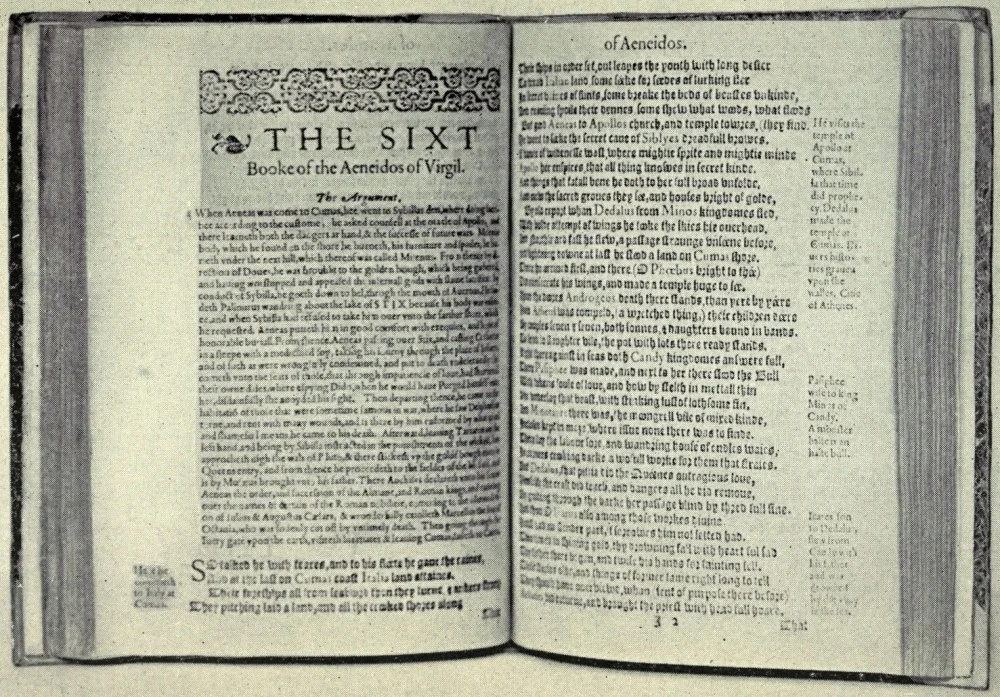
BLACK LETTER VIRGILMitchell S. Buck, Book Repair and Restoration, 1918, p. 110. Project Gutenberg
Please use them
Use these images to study, to cite, or simply to see how this work was done more than a hundred years ago. To see the original page, follow the Project Gutenberg link given with each image.
Last updated