

Personalised Journal
by Hibrkraft · July 28, 2025
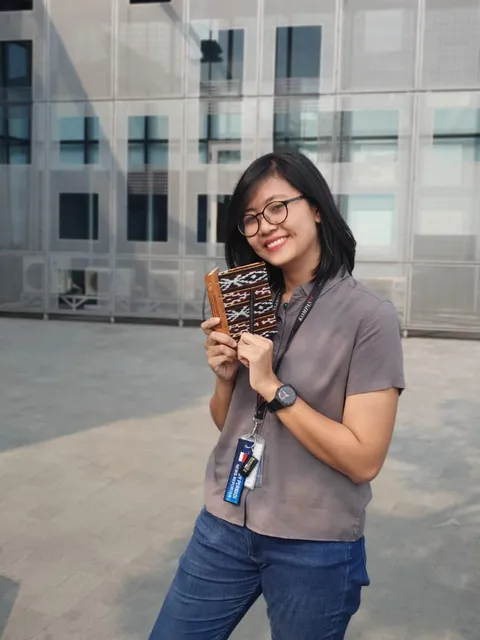
In a world flooded with uniform products, the wish to own something that is genuinely “ours” only grows stronger. A personalised journal answers that fundamental need. It is a refusal of the anonymity of mass production and a celebration of individual character. Once a journal is no longer simply a journal but “Sarah's Journal” or “The Widodo Family Travel Book”, its status changes. It becomes more than a tool for writing; it becomes a companion, a silent witness, and a vessel for memories that feels intimate and irreplaceable. That act of personalising, however small, creates an emotional bond between owner and object — the phenomenon psychology calls the endowment effect: we tend to value more highly the things we feel carry our own touch.
Hibrkraft understands that personalisation is an art of storytelling. Every debossed name, every foil-stamped logo, is a narrative. It is a story about who you are, what you value, or who you want to honour. So we do not see personalisation as an extra service but as the heart of a collaborative process to make an object that is functional, felt, and worth keeping.
The spectrum: from a quiet touch to a bold statement
“Personalisation” covers a great deal of ground. It can be a subtle detail only its owner knows about, or it can be a loud and unmistakable design statement. Understanding the levels and the techniques will help you create a journal that genuinely matches what you have in mind.
Levels of personalisation
Personalisation divides into several levels, from the simplest to the most comprehensive:
- Surface personalisation: the most common and the most accessible. The focus is on adding a visual element to the cover. Examples include:
- A name or initials: the classic way to mark ownership. A simple monogram turns an ordinary notebook into an elegant executive diary.
- An important date: a birthday, a wedding, a graduation, or the date a project began. It ties the journal to a specific moment in a life.
- A quotation or a motto: a favourite line or a personal motto can work as a prompt every time you open the journal.
- A logo or a symbol: ideal for corporate work, or for an individual with a symbol that means something — a zodiac sign, an icon from a hobby, and so on.
- Content personalisation: this goes further, modifying the inside of the journal.
- A custom title page: printing the first page with a dedication, which makes it a deeply personal gift. For example: “For Dad, for 30 years of dedication. Happy retirement.”
- A custom page layout: for planner or bullet journal users with particular needs, some services allow custom page layouts to be printed — a weekly schedule, a habit tracker, or a purpose-built meeting template.
- Structural personalisation: the highest level, where you take part in designing the book itself. This often overlaps with the term “custom notebook”. Options include:
- Choosing the cover material (the type of leather, the colour of the cloth, and so on).
- Choosing the colour of the sewing thread.
- Adding features such as an inside pocket, an elastic closure or a pen loop.
Popular personalisation techniques
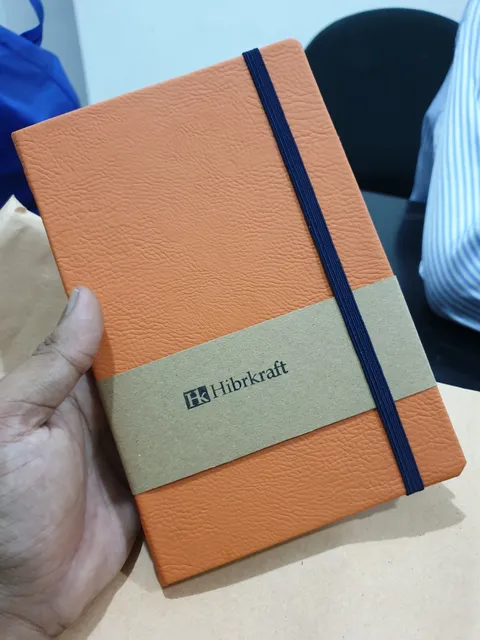
How a personalised element is applied strongly affects the result. Each technique has its own character and aesthetic:
Personalisation turns a journal from ‘a book’ into ‘my book’ — a vessel made specifically to hold your thoughts and your stories.
- Deboss: a heated metal die presses the design into the surface of the material, particularly leather, creating a permanent impression that is elegant and understated. The result sits within the material and feels genuinely premium.
- Emboss: the reverse of debossing, this raises the design, giving a more pronounced textural dimension.
- Foil stamping: similar in process to debossing, but with a layer of metallic foil — gold, silver, copper — transferred by heat. It adds a note of luxury and a rich shine.
- Laser engraving: a laser beam cuts the design with high precision. Ideal for intricate detail, complex logos, or text in an unusual typeface. The result is a permanent engraving with a contrast in colour.
- UV printing: digital printing that puts a full-colour image directly onto the cover surface. It opens up unlimited possibilities for personalising with a photograph or a colour illustration.
Why it matters: the meaning behind personalisation
The appeal of a personalised journal goes well beyond aesthetics. It touches something psychological and emotional, for the giver as much as for the recipient.
The personalised journal as an unforgettable gift
In the art of giving, personalisation is the highest level of attention. A personalised gift sends a clear message: “I took extra time and extra thought over you. I did not simply pick up the first thing I saw.”
- It shows effort and attention: choosing a design, finding the right quotation, making sure a name is spelled correctly — all of it shows the gift came from the heart rather than out of obligation.
- It creates a lasting memory: a journal carrying a wedding date or a graduation message never gets thrown away. It becomes a physical keepsake of an important moment, a time capsule that can be opened again years later.
- It is specific and relevant: you can match the gift to the recipient's character. For a writer, a journal with a quotation about inspiration. For a businessperson, a diary with their company logo. For an artist, a sketchbook with their name engraved. That relevance is what makes such a gift valuable.
The personalised journal for growth and creativity
For its owner, using a personalised journal can markedly improve both the experience and the consistency of any reflective practice.
A personalised gift speaks twice: once through the gift itself, and once through the sincere thought behind it.
- It builds motivation: when you own a tool that is handsome and feels like yours, you are more likely to use it. A journal personalised with your aim — “Big Plans 2026”, say — can be a powerful prompt.
- It makes a space set apart: writing in a book made specifically for you can feel more meditative and more deliberate. It helps build a ritual that separates journaling time from the rest of the day.
- It encourages self-expression: a cover that reflects your character is an invitation to fill the pages with thoughts, ideas and feelings that are equally authentic. The journal becomes a safe space to be yourself.
In a professional and business context
Personalisation is a powerful branding tool. It can turn a standard promotional item into an asset that builds a relationship.
- Corporate gifts that are remembered: giving a diary personalised with the client's name — not only your company logo — shows a higher level of regard. It makes the client feel valued as an individual rather than as a line in a sales report.
- It lifts the brand: using or giving well-personalised, good-quality objects associates your brand with attention to detail, with quality, and with a personal relationship.
- It strengthens team identity: giving every member of a team a personalised notebook can build a sense of belonging and collective identity.
In the end, a personalised journal is about connection. Connection with yourself, connection with other people, and connection with the moments that shape a life. It is a reminder that in a fast-moving digital world there is a lasting beauty and strength in an object made specifically, with a personal touch, only for you.
FAQ (frequently asked questions)
What is the difference between a 'personalised journal' and a 'custom journal'?
The two terms are often used interchangeably, but there is a difference in nuance. A personalised journal usually means an existing product — a standard template or design — to which a personal element such as a name or a logo is then added. A custom journal often means a deeper process, in which you design the journal from the beginning, including the material, the size and the binding structure. At Hibrkraft we do both.
Which personalisation technique lasts longest?
The techniques that physically alter the material last longest. Debossing and laser engraving are the winners, because they cut the design permanently into the cover surface and will not fade. Foil stamping is also very durable, although under extremely heavy use over many years the foil layer can thin. Printing techniques such as UV printing, although protected by a coating, are in principle more vulnerable to scratching than an engraving.
Can I personalise the inside of the journal, not only the cover?
Certainly. This is called content personalisation. You can ask for a custom title page with a dedication, a quotation at the start of each chapter, or even a faint logo in the corner of every page as a watermark. These options are usually available for larger orders or as part of a full custom service.
How much does personalising a journal add to the cost?
The cost varies a great deal with the technique and the complexity. Simple personalisation such as adding initials with an existing die can be very affordable. If you want a large custom logo debossed, however, there is an additional cost to make the new metal die. Our team at Hibrkraft always gives a transparent breakdown of costs before production begins.
References
- The Psychology of Personalization (the original link is dead; the reference is kept without it) – Psychology Today.
- The Power of Personalization (the original link is dead; the reference is kept without it) – Harvard Business Review.
- The Power Of Personalization In Today’s Marketing Landscape (the original link is dead; the reference is kept without it) – Forbes.
- The Importance of Personalized Gifts (the original link is dead; the reference is kept without it) – Shutterfly.

Make it entirely yours
Turn a notebook into a reflection of yourself. Add a name, a quotation, or a design of your own to one of our handmade journals — a piece that is genuinely personal.
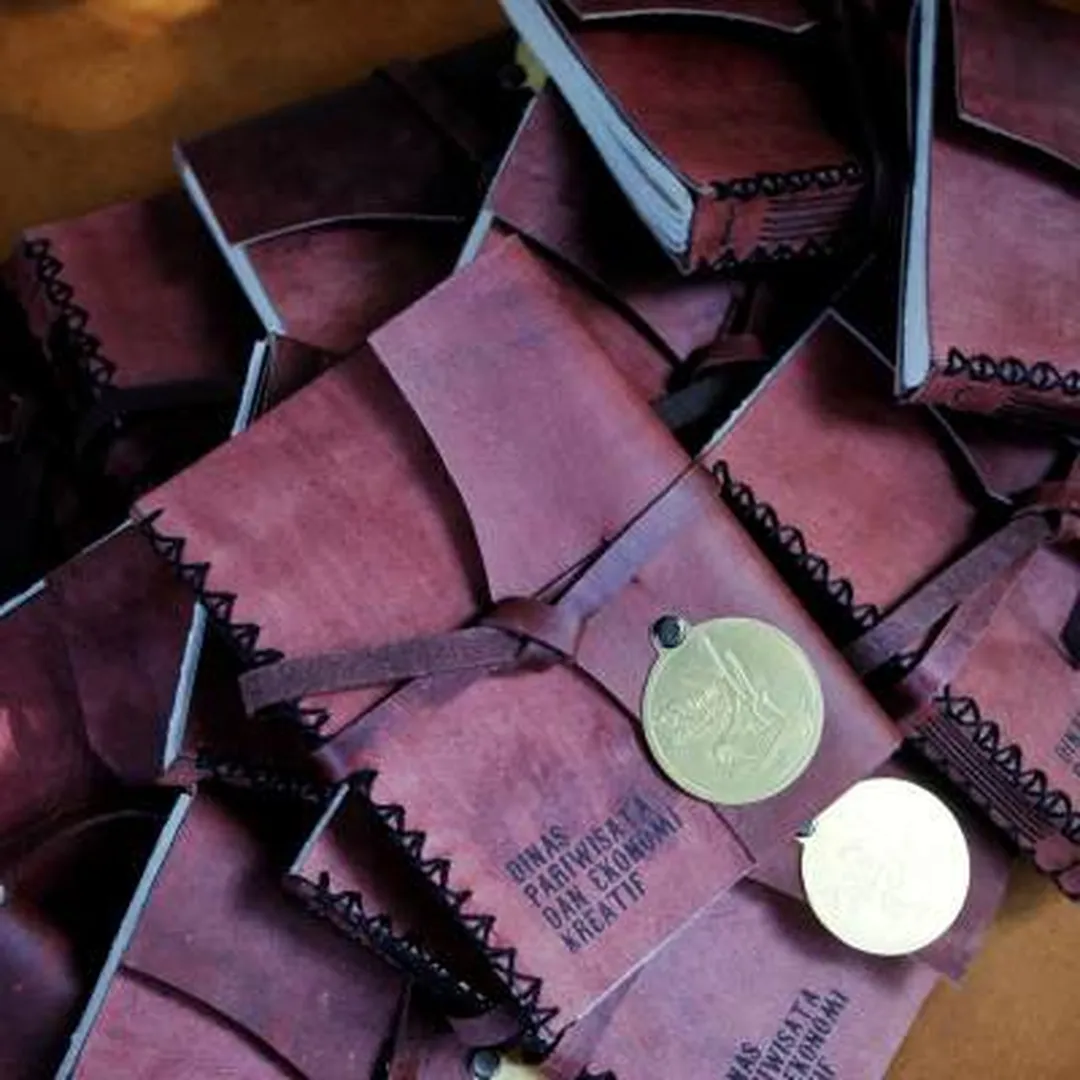
Leave a personal mark on your brand
The corporate gifts that are remembered are the ones that feel personal. Give a diary with your client's name on it, not only your company logo. Show that you paid attention.
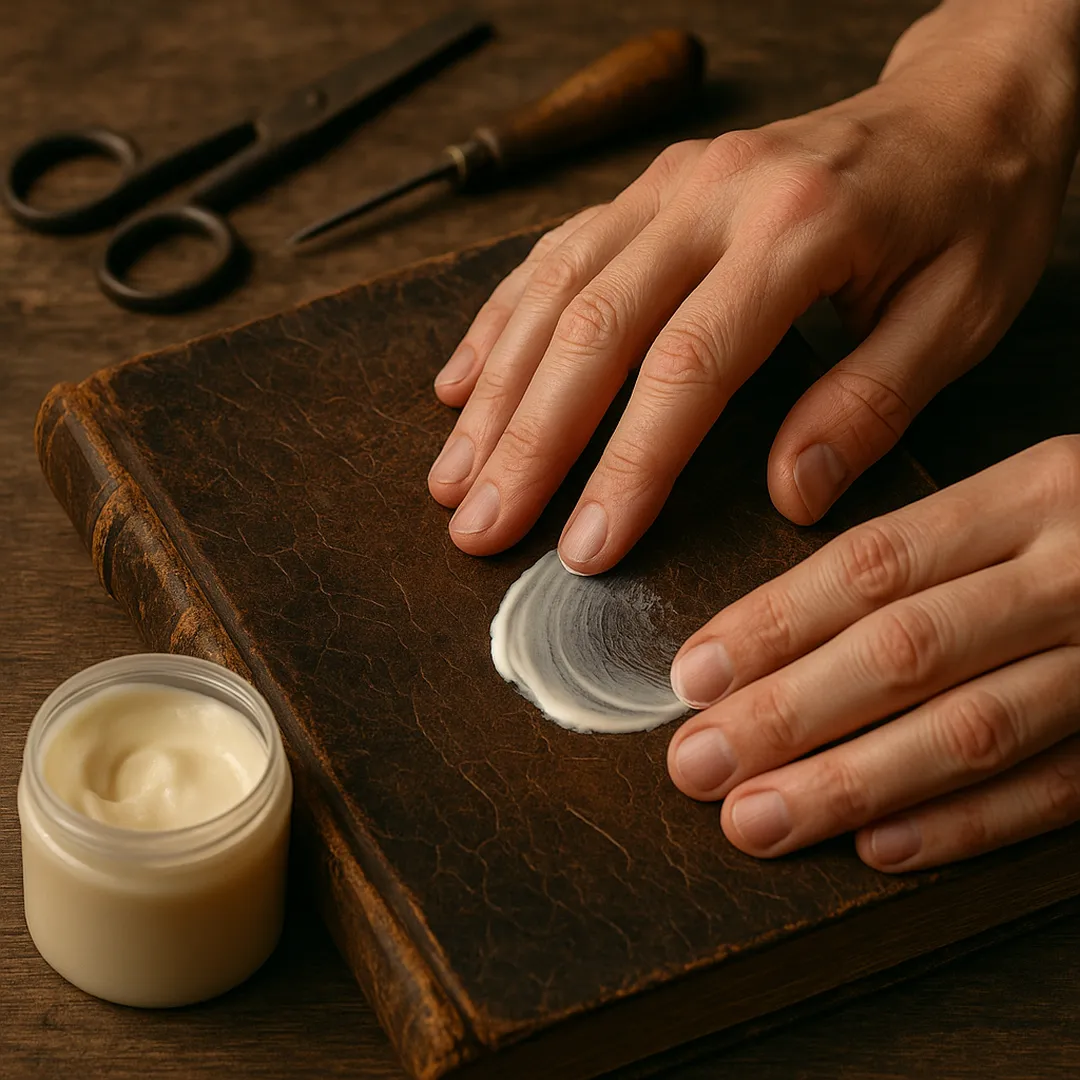
Personal care for your books
Every book has its own story and needs care to match. Our restoration service brings a personal touch to preserving the books you value.