Leather Agenda Book
by Hibrkraft · August 1, 2025
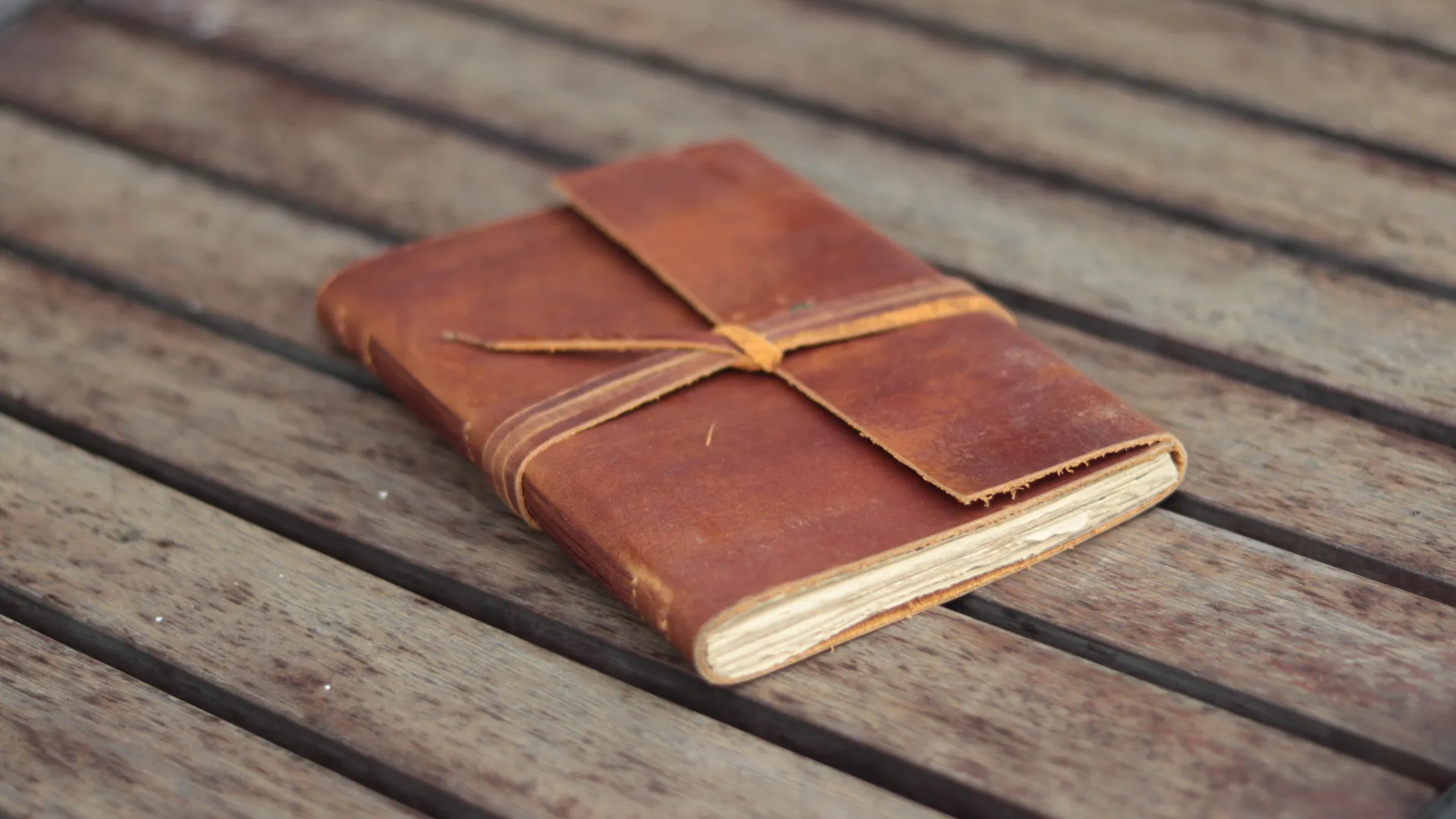
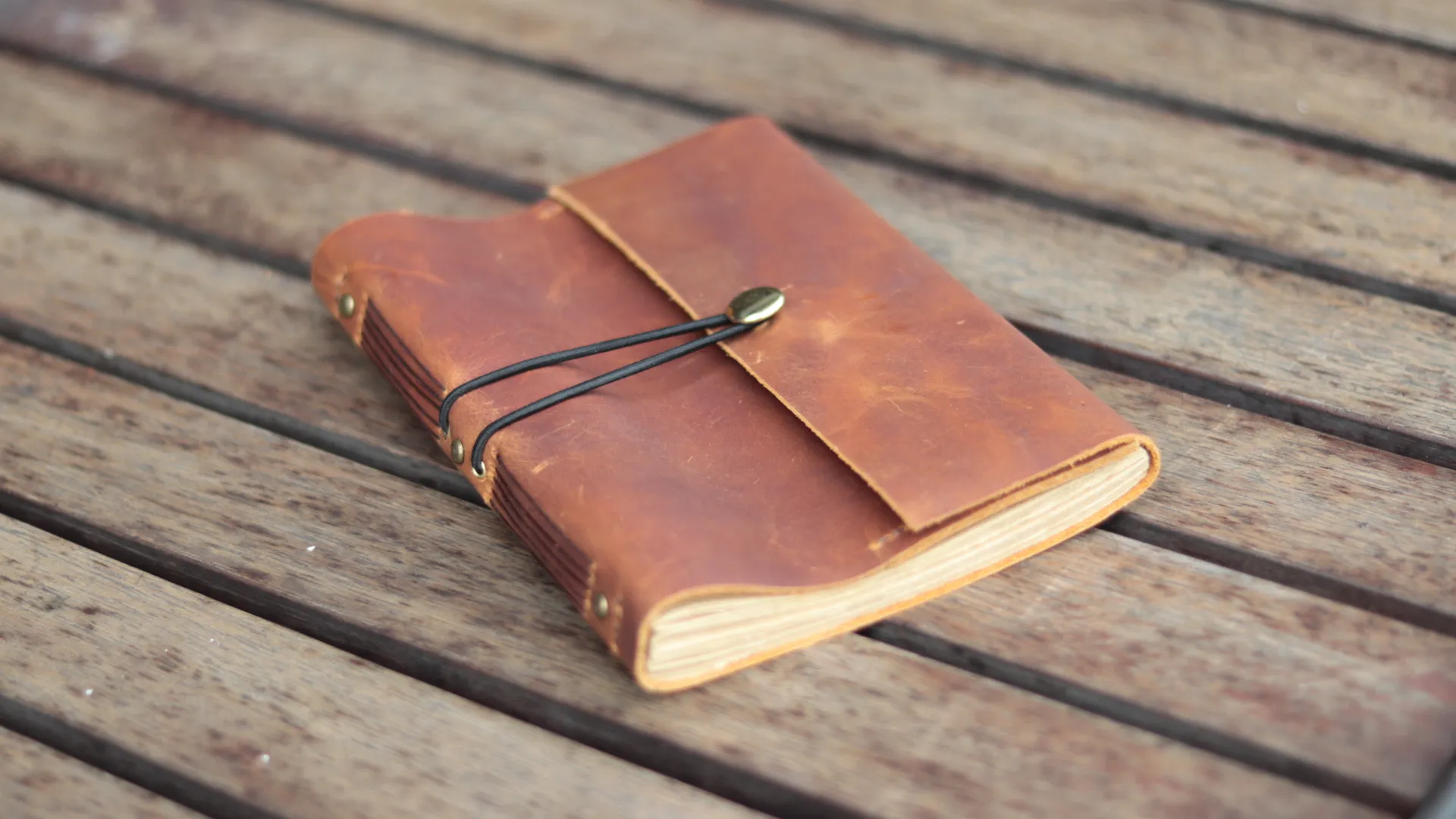
In a world dominated by disposable objects and endless digital updates, there is a timeless appeal to something solid, real and built to last. The leather agenda book is the embodiment of that philosophy. Holding one feels different. There is a steadying weight, an organic texture that connects us to nature, and a faint scent that calls up old libraries and meticulous handwork. It is more than somewhere to write down appointments: it is an anchor in the rushing current of information, a private space protected by a material as strong and as personal as leather itself.
Choosing a leather agenda book is a conscious decision. It is a refusal of the temporary and an acceptance of the lasting. Where a card cover grows worn and peels away, and a plastic cover cracks at the corners, a leather cover is only beginning its journey. Every scratch from the keys in your bag, every crease from the way you hold it, every accidental drop of coffee, all of it becomes part of its story. The cover becomes a canvas that records your life, changing and adapting, becoming a unique reflection of its owner. This is why we at Hibrkraft do not only make products; we create a travelling companion for your story.
An Heirloom in the Hand: Understanding the Appeal of the Leather Agenda Book
To appreciate a leather agenda book properly, we have to see it as the meeting point of three worlds: the art of bookbinding, the tradition of leather craft, and the modern need for mindful planning. That combination lifts an apparently simple object into an artefact rich in history and in meaning.
Traces of History: From the Ancient Codex to the Modern Desk
The use of leather as a protective material for writing is as old as the book itself. Long before the card cover was invented, the scribes of the medieval European monasteries painstakingly wrapped their precious manuscripts in sturdy leather. Leather did not only protect fragile parchment leaves from damp and from wear, it also signalled the importance of the text inside. A leather-bound book was a luxury, a symbol of knowledge, of status and of permanence. Kings, scholars and clergy all used leather-bound books to hold their laws, their records and their scriptures.
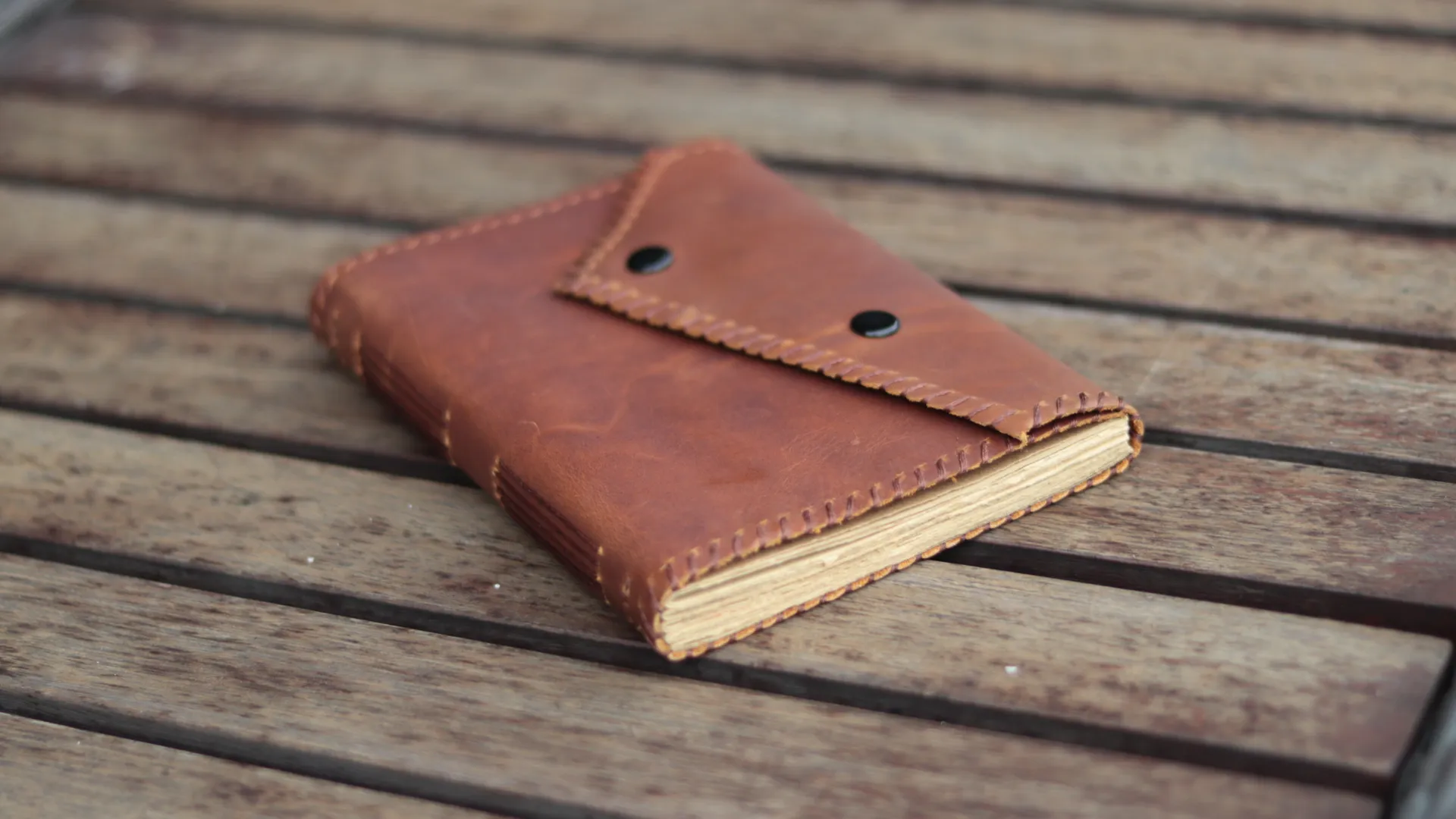
The modern leather agenda book is a direct descendant of that long tradition. Although its contents have shifted from religious text to weekly schedules and quarterly goals, the underlying principle is unchanged: to protect and to elevate the writing that matters to us. When you open your leather planner in a meeting, there is an echo of that history. You are not only taking out a writing tool, you are carrying an object with a lineage of workmanship and endurance tested over centuries. Without your thinking about it, it communicates a respect for your own time and for the work you do.
A leather planner does not only hold your schedule: it records the fingerprints time leaves on its cover. Every scratch is a memory, every stain is a story.
Why Leather? The Anatomy of a Remarkable Material
What makes leather the first choice for a high-quality agenda cover? The answer lies in a unique combination of properties that no synthetic material can imitate.
1. Unmatched Durability: Leather, and above all full-grain leather (the topmost and strongest layer of the hide), is highly resistant to tearing, to puncturing and to everyday wear. Nature designed it to protect. A leather cover will faithfully guard the pages inside from folded edges, blunted corners and the damage of being pushed into a work bag or a rucksack every day. It is an investment in the long life of your book.
2. The Evolution of Character Through Patina: This is perhaps the most poetic quality leather has. Unlike other materials, which decline in quality over time, genuine leather actually becomes better. Patina is the natural ageing process in which leather develops a rich sheen and a deeper colour through exposure to sunlight, the oils from your hands, and friction. The cover of your new leather agenda may look uniform, but after a year it will carry a unique map of your travels, making it genuinely the only one of its kind in the world. Patina cannot be faked, and it is a mark of true quality.
3. A Rich Sensory Experience: Personalisation goes beyond the visual. A leather agenda book engages several senses. Feel the fine grain or the rougher texture under your fingertips. Breathe in the natural, earthy scent that no chemical can imitate. Even the soft sound of a supple leather cover opening or closing adds to the ritual of planning your day. These are the qualities that turn using an agenda into a welcome pause rather than a chore.
A Manifestation of Professionalism and Creativity
The versatility of the leather agenda book lets it adapt to a wide range of contexts. In a professional setting, carrying a slim, elegant leather planner, perhaps with initials subtly debossed, communicates seriousness, attention to detail and a regard for quality. It is an accessory that completes the image of an organised and dependable professional.
For an artist, a writer or a creative thinker, on the other hand, a leather planner can become a sacred refuge. An agenda in crazy horse leather, rough-looking and covered in scratches, may appeal more, reflecting the nature of a creative process that is not always tidy. The space inside can be filled with sketches, fragments of ideas and private reflections, all of it safely wrapped in a cover that feels as organic as the thinking itself.
Choosing the Right Companion: A Practical Guide to Your Leather Agenda Book
Entering the world of leather planners can feel overwhelming, given how many options there are. Understanding a few key concepts will help you make the right choice, and make sure you invest in something that is not only beautiful but will also serve you well for years to come.
Recognising Quality: Not All Leather Is Created Equal
The word “leather” is often used loosely. Knowing the differences matters a great deal if you want the best value. These are the common grades of leather quality:
- Full-Grain Leather: This is the highest quality. Taken from the very top layer of the hide, it keeps all of the natural grain and all of the natural imperfections. It is the strongest and the most hard-wearing type of leather, and it will develop the most beautiful patina. If you can see pores, small scars or variations in texture, those are marks of authenticity and quality, not defects.
- Top-Grain Leather: The second layer, whose upper surface has been sanded or corrected to remove imperfections. It is still a high-quality and hard-wearing leather, but it is a little thinner and its character is not as strong as full-grain.
- Genuine Leather: This term is often misleading. Although it is technically made from genuine leather, it usually comes from the weaker lower layers of the hide. The surface is often painted or artificially coated to imitate the look of top-grain. It is far less durable and it will not develop a good patina.
- Bonded Leather: This is the lowest product of all. It is made from leather offcuts and shavings, glued and pressed into a single sheet on a polyurethane backing. It peels and tears easily, and it is not fundamentally genuine leather in the traditional sense.
At Hibrkraft we are committed to using only high-quality leather, chiefly full-grain and top-grain, so that every agenda we make is a lasting heirloom.
Explore the Types: Finding the Personality of Your Leather
Even within the high-quality category there are various types with different looks and different feels, each with a personality of its own:
- Vegetable-Tanned (Veg-Tan) Leather: Made using natural tannins from plants, this is the traditional method of tanning leather. It tends to be stiffer at first but softens beautifully over time. It is known for its ability to develop a very rich, dark patina.
- Pull-up Leather: This type of leather is impregnated with oils and waxes. When you bend it or pull it, those oils shift, creating a lighter variation of colour in that area. It gives a beautiful, living “distressed” look that keeps changing with use.
- Crazy Horse Leather: This is not in fact horse hide. It is a type of pull-up leather whose surface is rubbed with a special wax. The result is a leather that scratches and scuffs very easily, but those marks can be removed or softened by rubbing them with your finger. It creates the rugged vintage look that is so sought after.
Care and Maintenance: Keeping Your Companion Healthy
Caring for your leather planner is far easier than you think. It is more a matter of good habits than of complicated tasks.
Protect It From Extremes: Keep it away from long exposure to direct sunlight, which can dry it out and fade it, and from excess damp, which can cause mould. If it gets wet, dry it slowly with a soft cloth; do not use a direct source of heat such as a hairdryer.
Routine Cleaning: Simply wipe it down periodically with a soft, clean, dry cloth to remove dust and dirt. For more stubborn marks, use a slightly damp cloth.
Conditioning (Optional): Every 6 to 12 months you can apply a little good leather conditioner with a clean cloth, to keep the leather moist and supple. Test it first on a small, inconspicuous area.
Embrace Its Character: The most important thing is not to be afraid to use it. Scratches and scuffs are part of its charm. They are proof that your agenda has lived alongside you rather than sat on display on a shelf.
In the end, a leather agenda book is a deeply personal choice. It is a commitment to quality, to lasting beauty, and to a slower and more meaningful way of planning. It is a tool, but it is also a statement: a declaration that in our increasingly digital lives there is still an irreplaceable place for the touch of a hand, the warmth of a natural material, and the satisfaction of watching an object grow more beautiful by the day.
FAQ
What is the main difference between genuine leather and synthetic (PU) leather for an agenda cover?
The main difference lies in durability, in ageing and in the sensory experience. Genuine leather (above all full-grain) is very hard-wearing, it breathes, and it will develop a beautiful patina over time. Synthetic (PU) leather tends to crack, to peel and to fade with use, and it has neither the scent nor the feel of genuine leather.
What is 'patina' on leather, and why is it considered a good thing?
Patina is the sheen and the change of colour that develops on the surface of high-quality genuine leather over time. It is caused by exposure to sunlight, by the oils from hands, by friction and by other elements. It is considered a good thing because it is a sign of ageing gracefully and evidence of the leather’s authenticity. Patina makes every leather item unique to its owner, telling the story of how it has been used.
What is the best way to care for my leather agenda book?
Basic care means wiping it down regularly with a soft dry cloth and protecting it from excess water and from prolonged direct sunlight. To keep it moist you can use a dedicated leather conditioner every 6-12 months. Most important of all, do not be afraid to use it: scratches and marks are part of its character.
Which type of leather is best for an agenda book?
There is no single “best” type, because it depends on personal preference. Vegetable-tanned leather is excellent for anyone who wants a classic look that develops a rich, dark patina. Pull-up leather and Crazy Horse leather are ideal for anyone who likes a rugged vintage look that shows its character quickly.
References
- Michigan State University Libraries – Leather Bindings (the original link is dead; the reference is kept without a link)
- Carryology – A Guide to Leather Grades (the original link is dead; the reference is kept without a link)
- The Spruce Crafts – What Is Vegetable-Tanned Leather? (the original link is dead and there is no archive of it; we keep this reference without a link)
- Heddels – Know Your Patina: The Importance of Well-Made Leather Goods (the original link is dead; the reference is kept without a link)

Own Your Leather Agenda
Choose your leather, decide your design. We will make you a leather planner that does not only order your schedule but tells your story. A faithful companion that ages alongside you.
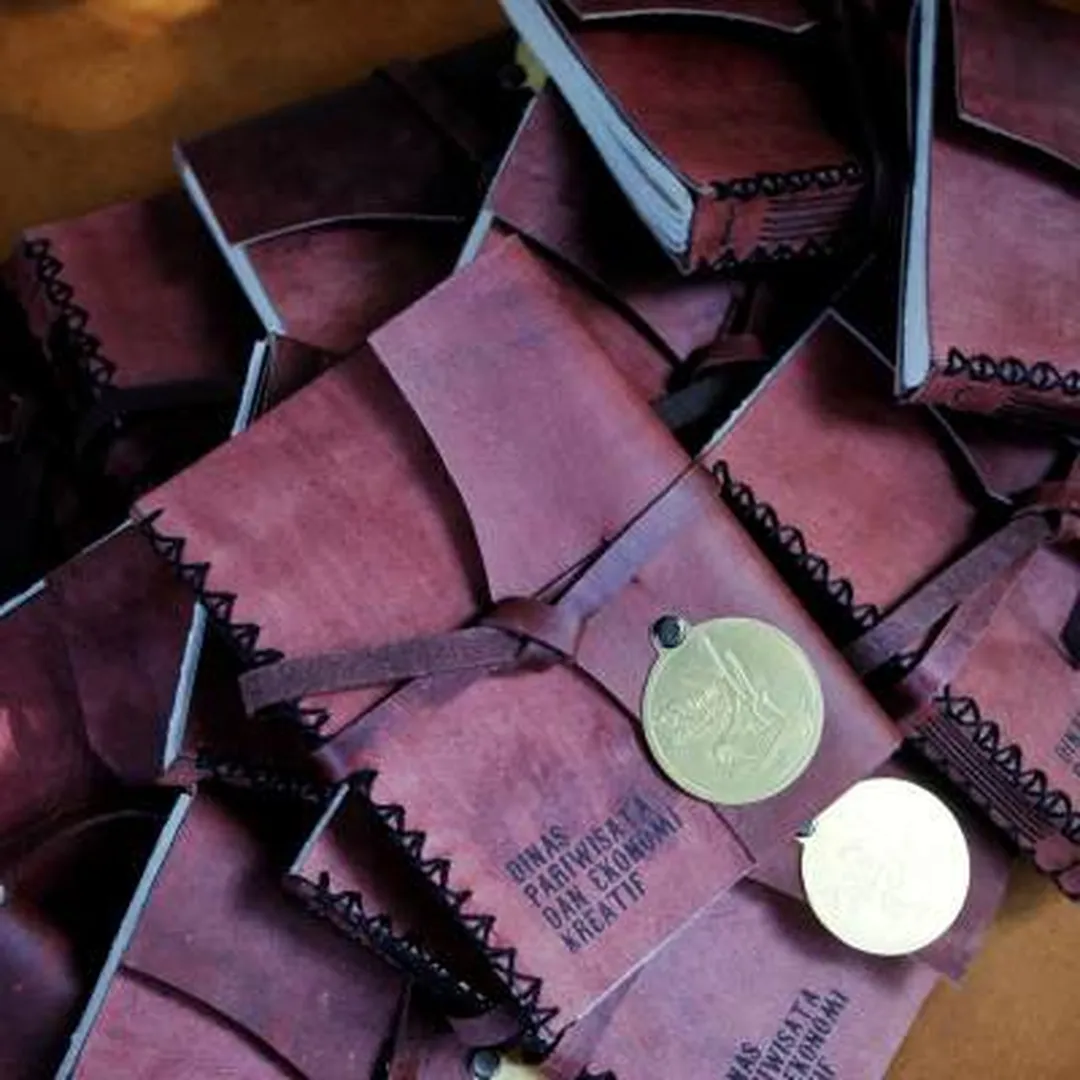
Premium Corporate Gifts
Leave a deep impression on your clients and your team with a leather planner carrying the company logo. A symbol of quality and professionalism that will be used and valued every day.
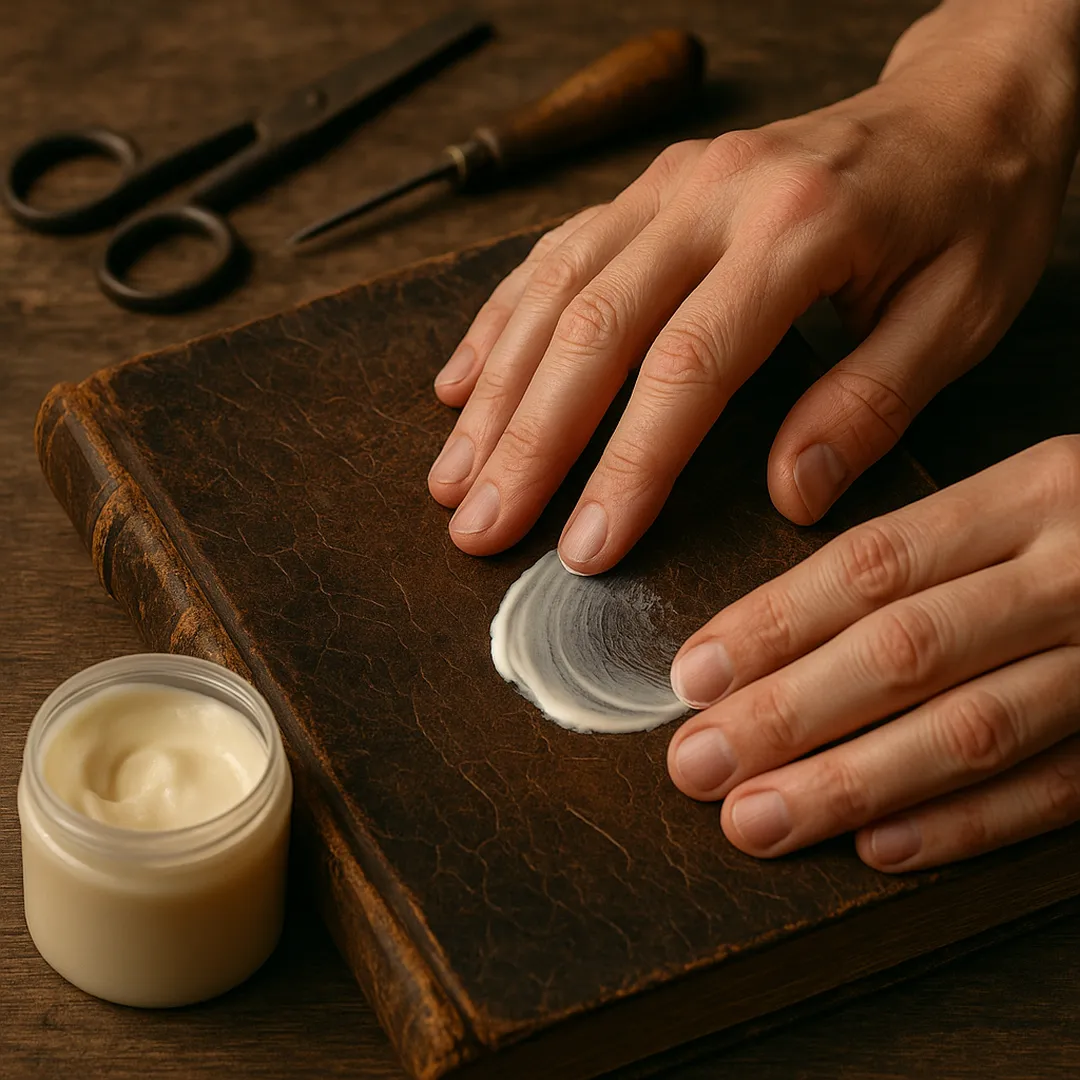
Have an Old Leather Binding?
Do you have a leather-bound book that is damaged or worn? Our repair and conservation service can bring back its beauty and its usefulness, just as they were.