Journaling Workshops
by Hibrkraft · August 9, 2025


Have you ever bought a blank journal with every intention of writing in it daily, only for the book to go back on the shelf after a few pages and gather dust? You are not alone. Many people understand the benefits of journaling—clarity of mind, the release of stress—yet struggle to make it a consistent habit. This is where a journaling workshop comes in. It is a bridge between good intentions and real practice, turning an activity that is often solitary into a transformative communal experience. In a workshop you face not only the blank page but also guidance, inspiration and the collective energy that keeps you writing, digging deeper and, in the end, falling in love with the process.
Why Is a Journaling Workshop More Than Writing Alone?
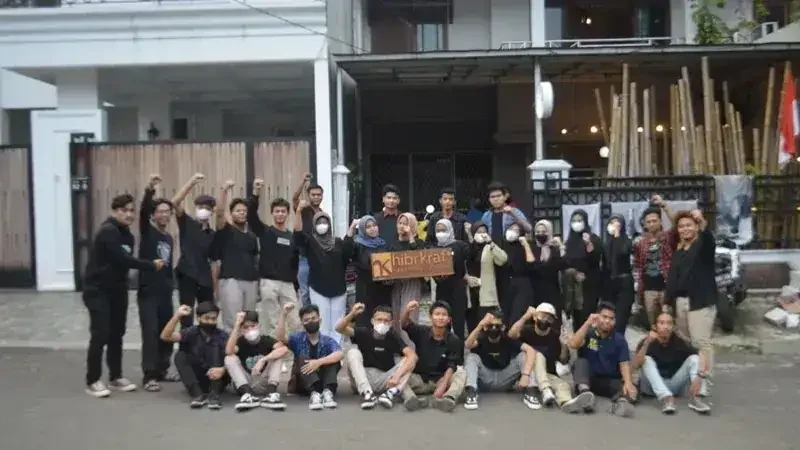
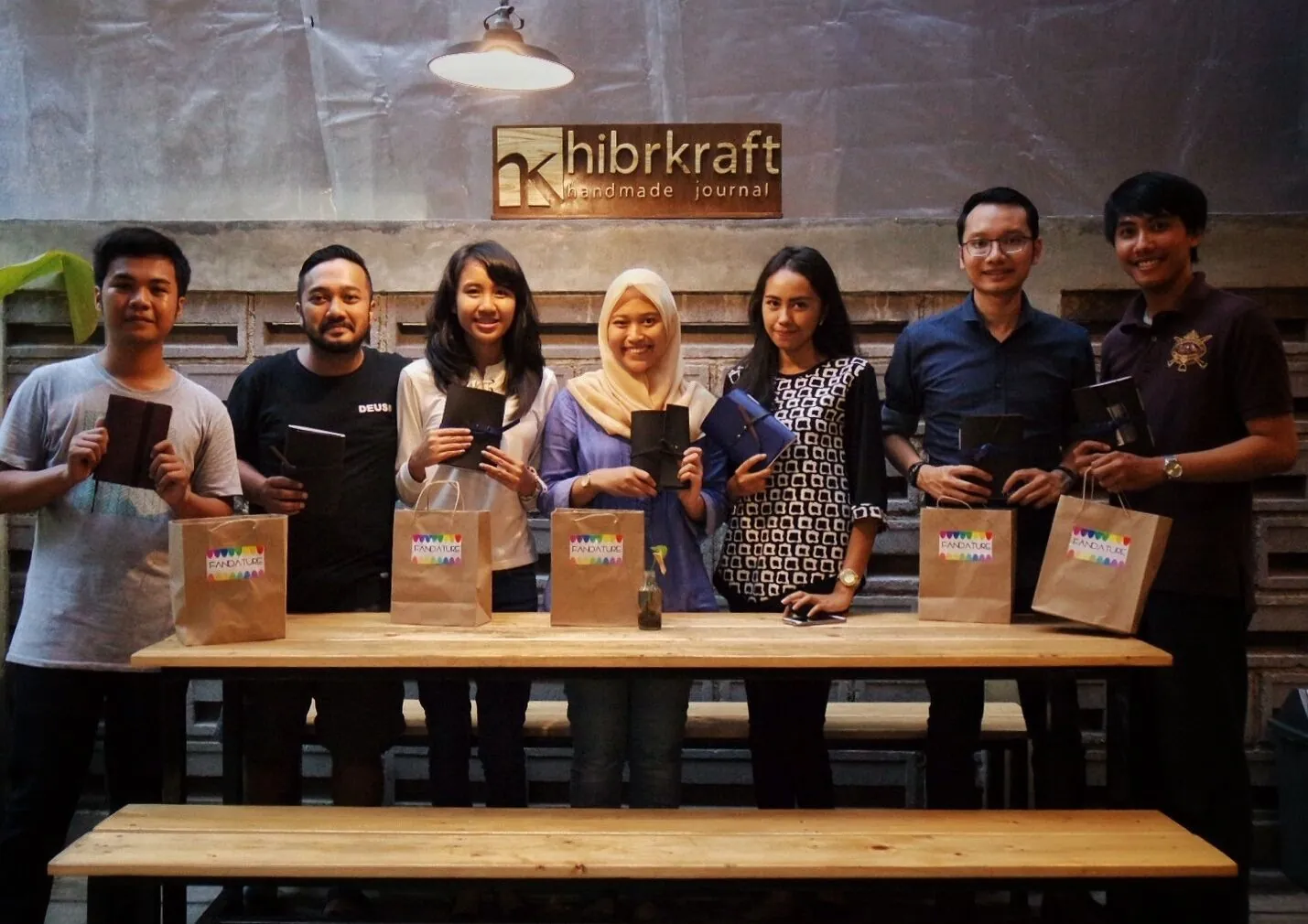
Writing in a journal is a deeply personal practice, a dialogue with yourself. But when that practice is brought into a workshop, its dimensions widen exponentially. A journaling workshop turns an activity that tends towards the private into a communal experience that empowers. It is not about sharing your deepest secrets, but about sharing space, energy and a commitment to grow through writing. A skilled facilitator creates a safe and supportive environment in which every participant, whatever their experience, feels comfortable exploring on paper. The magic happens when you realise that your struggle with the blank page, your self-doubt, or your difficulty finding the right word is something other people live through too. That sense of connection is often the greatest push to keep going.
From Habit to Ritual: The Power of Structure and Community
One of the biggest obstacles to journaling on your own is the lack of structure and accountability. Without guidance the blank page can feel intimidating, and without an external push it is very easy to keep putting it off. A journaling workshop supplies both. With a fixed schedule and a series of guided exercises or prompts, participants are asked to set aside a specific time for reflection. That helps build a rhythm and turns journaling from “something one ought to do” into “a ritual to look forward to”.
Community plays an important part too. Being among other people who are also writing creates a kind of positive accountability. You are motivated by the collective energy in the room, whether that room is virtual or physical. The discussion that follows (sharing is often optional) can offer new perspectives and inspiration you would never come to writing alone. Hearing how someone else reads a prompt can set off new ideas in your own mind, enriching your journaling experience as a whole. Slowly, the process instils the discipline and consistency needed to make journaling a lifelong habit.
Finding Your Voice: Techniques and Structured Guidance
Many people think journaling is only “keeping a diary”. In fact there are so many techniques to explore, and a workshop is the perfect place to learn them. A facilitator will usually introduce a range of methods, from stream of consciousness (free writing without stopping) and gratitude journaling (noting down the things you are thankful for) to art journaling, which combines writing with visual elements such as drawing, collage or watercolour. Participants may be invited to try bullet journaling for productivity, to write an unsent letter as a way of processing emotion, or to use a poetic prompt to spark creativity.
Structured guidance of this kind is a real help, especially for a beginner who keeps asking, “What am I supposed to write?” A prompt or a directed question serves as a starting point and takes away the pressure to produce “perfect” writing. Prompts vary widely, ranging from the simple, such as “What do I need right now?”, to the more reflective, such as “Write a letter to yourself as a child”. By experimenting with these various techniques in a supportive environment, participants can find the journaling style that best suits their personality and their aims, which helps them find their authentic voice on paper.
A journaling workshop turns a solitary practice into a communal experience that empowers, supplying the structure, accountability and inspiration that are so often missing when you write alone.
The Therapeutic Side: Working Through Emotion in a Safe Space
The benefits of journaling for mental health have been widely demonstrated; it is a powerful tool for reducing stress, managing anxiety and processing complex emotion. A journaling workshop reinforces this therapeutic side by providing a safe, guided “container”. Led by a facilitator, the act of writing can feel like a structured meditation, in which you are invited to look inward with gentle direction. That helps stop you getting caught in negative thought patterns or in unproductive rumination, which can sometimes happen when you write alone with no direction.
Facilitators often design a session around particular themes such as mindfulness, self-discovery, or working past limiting beliefs. The exercises they set aim to help participants identify thought patterns, understand emotional triggers, and develop a sense of compassion towards themselves. Writing about a difficult experience or a confusing feeling inside a space collectively dedicated to reflection can feel a great relief. Although it is not a substitute for formal therapy, a workshop of this kind serves as a proactive support for mental health, empowering people with strategies for managing their emotional wellbeing day to day.
Choosing the Right Workshop, and the Part a Physical Journal Plays
Once you understand the transformative potential of a journaling workshop, the next step is to find the one that suits you best. The world of workshops is very varied, offering all kinds of focus, style and format. Choosing the right one can make a large difference to your experience. At the same time the tool you use—your physical journal—plays an important part of its own. A journal is not merely a book; it is a partner on your journey of reflection, a sacred space where your thoughts and feelings come to rest. The combination of the right workshop and a journal you love can create a journaling experience that is genuinely deep and satisfying.
The Various Kinds of Workshop: From Creative to Therapeutic
A journaling workshop is not one size fits all. There are various kinds, each designed to meet different needs and interests. Understanding them will help you choose the path that appeals to you most.
- Therapeutic & Mental Health Workshops: The most common kind, focused on using journaling as a tool for emotional wellbeing. These sessions are often led by a psychologist or a mental health coach and use prompts designed to reduce stress, manage anxiety and promote self-awareness. The aim is processing emotion and personal growth.
- Creative & Art Journaling Workshops: For those who want to express themselves beyond words, this is the right choice. Participants are invited to combine writing with art, such as collage, watercolour, sketching or even photography. The focus is on the creative process as a form of mindfulness and self-discovery, not on an artistic end result.
- Self-Discovery Workshops: These aim to help participants gain clarity about their values, their goals and their passions. The prompts used are often introspective, encouraging deep reflection on the past, the present and the future they want.
- Nature Journaling Workshops: Combining a love of nature with journaling, these usually involve activity outdoors. Participants learn to observe their surroundings closely and to record them through writing and sketching. It is a beautiful way to reconnect with nature and to practise attention.
- Productivity & Goal Setting Workshops: Often using a method such as the Bullet Journal, these focus on the journal as a tool for organising life, tracking habits and reaching goals. They are more structured and more practical, and suit anyone looking for a way to become better organised and more focused.
Each kind of workshop offers a unique approach. Consider what you most need right now: emotional release, a spark of creativity, or clarity of purpose? Your answer will lead you to the right workshop.
Hibrkraft’s Take on It: Integrating Craft and Self-Reflection
At Hibrkraft we believe the act of writing is itself a craft. Just as we choose leather with care and stitch every journal by hand, we see the process of journaling as a deliberate act of drawing together thoughts, feelings and ideas. A journaling workshop sits well with this philosophy, because both value the process, the attention to detail and the personal touch. A workshop supplies the structure and the guidance, while a Hibrkraft leather journal supplies a vessel worthy of the precious reflection that comes out of it.
We see a journal not only as a tool but as a companion on the journey. The quality of a journal—the smell of its leather, the texture of its paper, its weight in your hand—can improve the experience of writing significantly. When you take part in a workshop, using a journal that feels special can turn the act of writing into a deeper ritual. It sends a message to your subconscious that the inner work you are doing matters and is precious. Integrating the workshop experience with a custom journal from Hibrkraft means you are investing not only in your own development but in an heirloom that will document your journey of growth for years to come.
DIY Tips: Starting Your Own Journaling Group
Not finding a workshop that suits you nearby, or would you rather have something more intimate? You can always start your own journaling group! It is a good way to build a community and keep accountability. Here are a few tips for starting one:
- Decide the Focus & the Ground Rules: Settle on the theme of your group. Is it for creativity, for emotional support, or merely for weekly accountability? Set clear ground rules, especially about confidentiality and about how sharing works. Stress that sharing your writing is always optional, in order to create a safe space.
- Keep It Small: Start with 2-4 friends who share a similar commitment. A small group lets everyone have a chance to share (if they want to) and builds a deeper connection.
- Prepare a Simple Structure: Plan a structure for each meeting. For example: 5 minutes to check in, 15-20 minutes of writing to a prepared prompt, and 20-30 minutes for discussion or sharing (again, optional). You can take turns facilitating and preparing the prompt each week.
- Find Sources of Prompts: There are a great many sources of journaling prompts online. You can search by theme, such as “prompts for end-of-year reflection” or “prompts for working through fear”. Keep a list of the interesting ones to use at future meetings.
- Focus on the Process, Not on Perfection: Remind everyone that the aim is reflection and expression, not producing great literature. The aim is to write honestly, not to write “correctly”.
Starting your own group can be a deeply satisfying experience, and a powerful way to make sure that you and your friends stay on the journaling path.
Your Journal, Your Canvas: Choosing the Right Tool for Your Journey
The tools you use in journaling can strongly affect your experience. Although you could technically write anywhere, choosing a journal you like can turn the practice from a chore into a small luxury. The right journal feels like an invitation.
- Paper Quality: Pay attention to the quality of the paper. Is it thick enough to hold the ink of your favourite pen without bleeding through? Smooth paper makes the experience of writing more enjoyable.
- Size & Portability: Think about where and when you will write most often. Do you need a compact journal to carry when travelling, or a large one that can sit open on your desk?
- Cover & Aesthetics: Do not underestimate the power of a beautiful cover. A journal cover is the first thing you see and touch. A leather cover made by hand, for instance, adds a sensory element—smell, texture—that makes the ritual of journaling feel more special and more personal. It is the canvas that protects the canvases inside it.
- Personalisation: Choosing a journal that can be personalised, by adding initials or a meaningful quotation, makes it truly yours. It strengthens your connection with the journal and turns it into a space that feels unique and sacred to your thoughts.
At Hibrkraft we understand how much this matters. Every one of our custom leather journals is made to be a faithful companion on your journey of reflection. Choosing the right journal is the first step towards honouring the story you are going to write in it.
FAQ
What exactly is a journaling workshop?
A journaling workshop is a guided session, in person or online, in which participants are invited to practise journaling in a structured, communal environment. The aim is to learn a range of journaling techniques, to draw inspiration from a prompt or a particular theme, to get past writing blocks, and to build a consistent journaling habit with the support of a facilitator and a community.
What is the main benefit of a journaling workshop compared with writing alone?
The main benefits are structure, accountability and community. A workshop provides a time and a space dedicated to writing, which removes the excuse to put it off. Guidance from the facilitator and the prompts given help with the “what am I supposed to write” problem. Beyond that, the collective energy and the optional chance to share perspectives with other people can offer inspiration and a sense of connection that writing alone does not give.
Do I need previous journaling experience to join a workshop?
Not at all. Most journaling workshops are designed for every level, from the absolute beginner to people who already write in a journal regularly. A good facilitator will create an environment that welcomes beginners and will give enough guidance to make everyone comfortable. It is an ideal place to start if you have never tried journaling before.
What sorts of activity usually happen in a journaling workshop?
Common activities include a guided writing session using a prompt (a question or a statement that sets you off), an introduction to a range of journaling techniques (such as free writing, a gratitude list, or art journaling), a short mindfulness or meditation exercise to settle the mind, and a sharing session or group discussion (which is almost always voluntary).
References
- World of Hope Counseling Center. (2020). Guided Journaling – Stress Management. (the original link is dead; the reference is kept without a link)
- Silk and Sonder. (2024). Not Sure What to Write? Why Guided Journals Are the Way to Go. (the original link is dead; the reference is kept without a link)
- Mahara Mindfulness. (2023). 6 Powerful Benefits of Guided Journaling. (the original link is dead; the reference is kept without a link)
- Lindsey, L. (n.d.). What is Guided Journaling?. (the original link is dead; the reference is kept without a link)
- Monk, L. (2021). 4 Practices to Bring Journaling into Your Workshops & Groups. (the original link is dead; the reference is kept without a link)
- Wynne, M. (n.d.). Journaling Workshop For Mental Well Being. (the original link is dead; the reference is kept without a link)
- Zenit Journals. (n.d.). Employee Mental Health Journaling Workshops. (the original link is dead; the reference is kept without a link)
- HealingUS Communities. (2024). Transform Mental Health with Guided Journals. (the original link is dead; the reference is kept without a link)
- Brown, G. (n.d.). Journaling workshops. (the original link is dead; the reference is kept without a link)
- Journal For Joy. (n.d.). Feel-good journaling workshops for events, workplaces, retreats & more.
- Udemy. (n.d.). Journaling for Self Discovery.
- Lamoreux, L. (n.d.). Tell It Journaling Workshop.
- Khalil, M. (2024). Community Journaling with Mona Khalil.
- Haifa Club. (2024). Guided Journaling and Writing Workshops.
- Doors to Wellbeing. (2024). Journaling for Wellness: Exploring Benefits, Techniques, and Lived Experiences.
- Larksong Writers Place. (n.d.). Journaling for Self-Discovery.
- Smiling Mind. (2023). Journaling for Mental Health: Where do you Start?. (the original link is dead; the reference is kept without a link)
- Skillshare. (n.d.). Writing for Self-Discovery: 6 Journaling Prompts for Gratitude and Growth. (the original address now leads to an unrelated page; we have removed the link)
- Silk and Sonder. (2025). 100+ Journaling Ideas to Try in 2025. (the original link is dead; the reference is kept without a link)

Custom Notebook
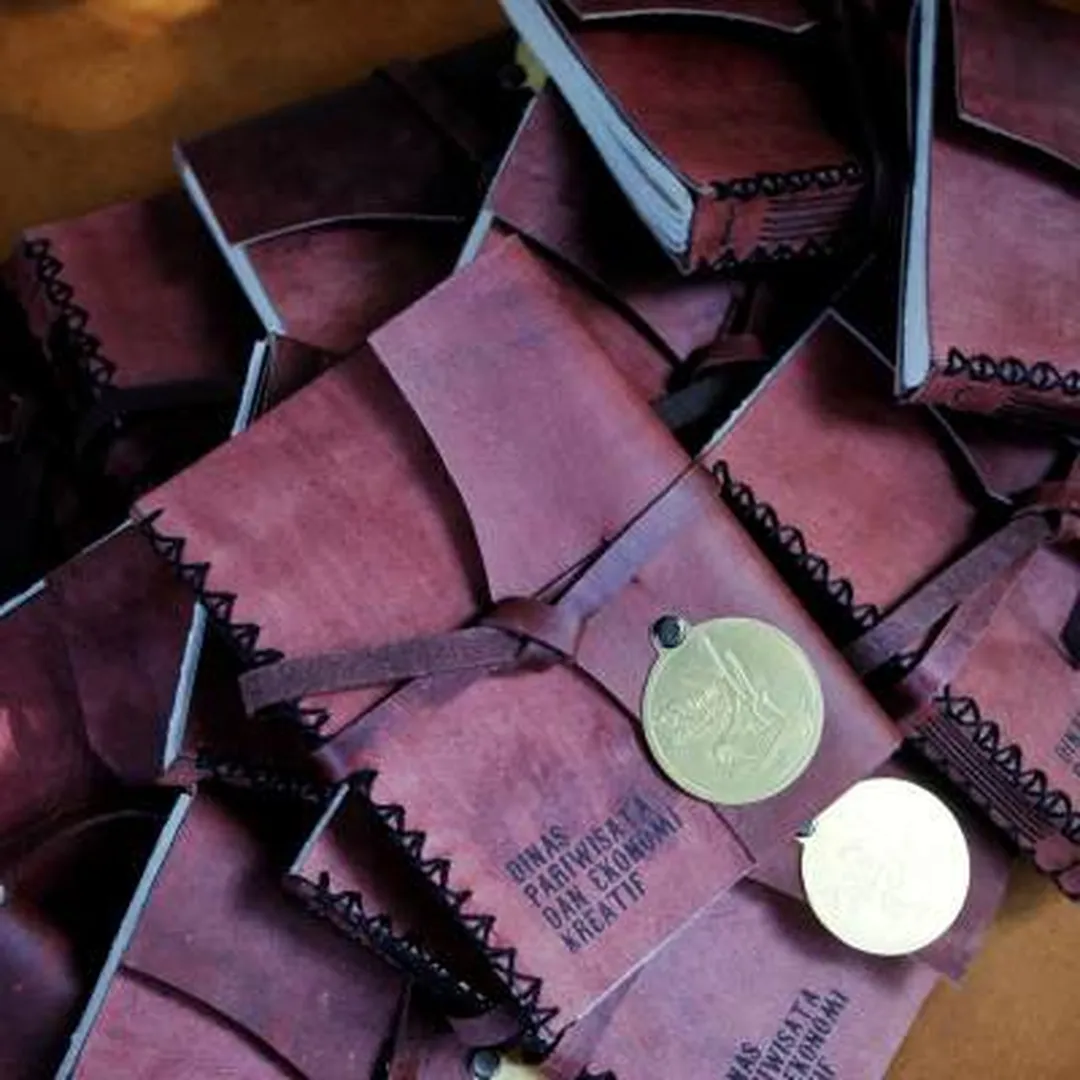
Deepen your journaling journey with a custom notebook, designed to capture your progress and insights from our workshops. Cultivate consistency and a lasting passion for journaling, one page at a time.
Business & Whitelabel
Empower your team or brand with tailored journaling workshops and custom notebooks. Foster enhanced focus, consistency, and a deeper connection through guided journaling experiences.
Book Repair & Conservation
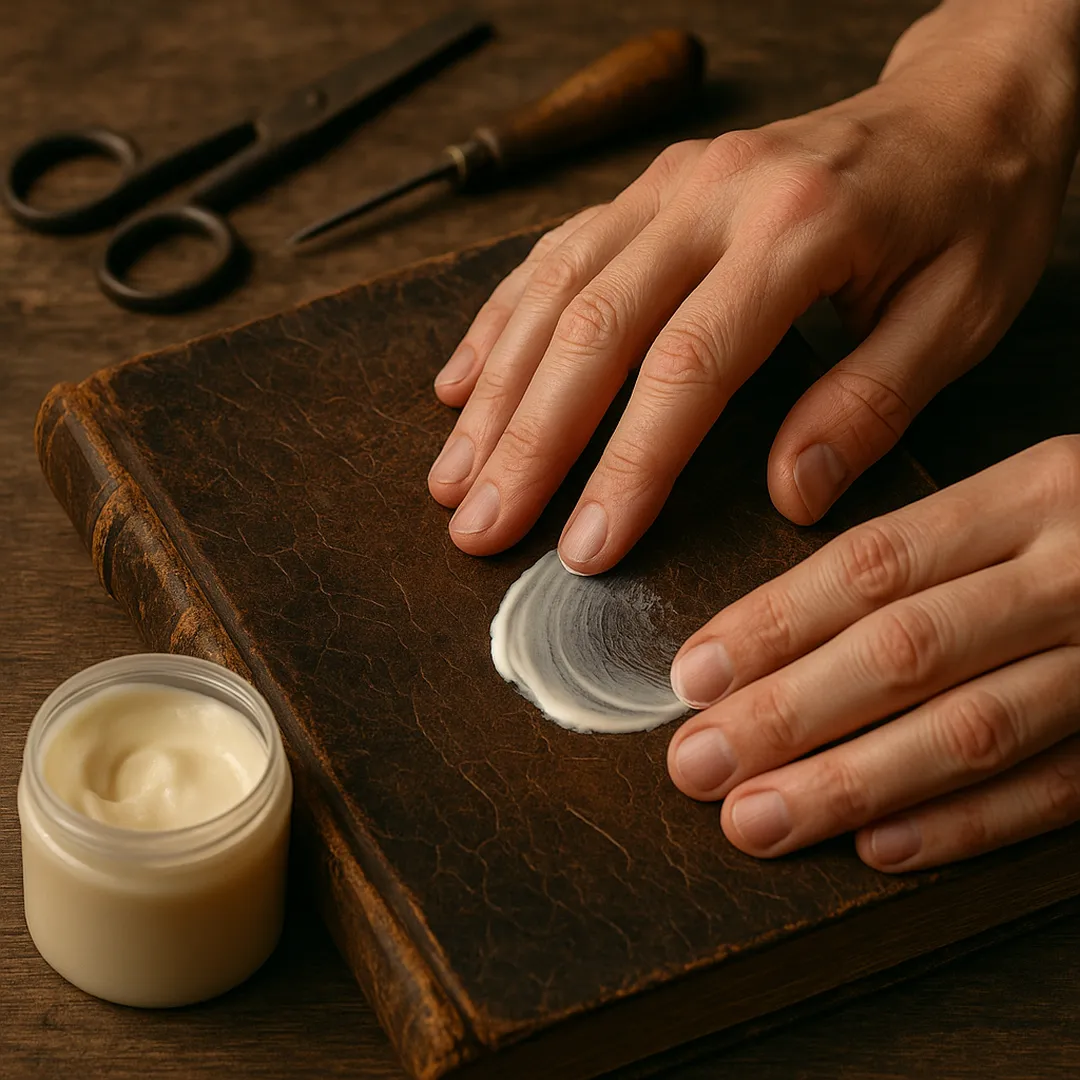
Preserve your personal story. Our expert book repair and conservation services ensure your cherished journals, filled with insights from workshops, remain a treasured part of your journey for years to come.