
Geography Notebook
by Hibrkraft · July 26, 2025
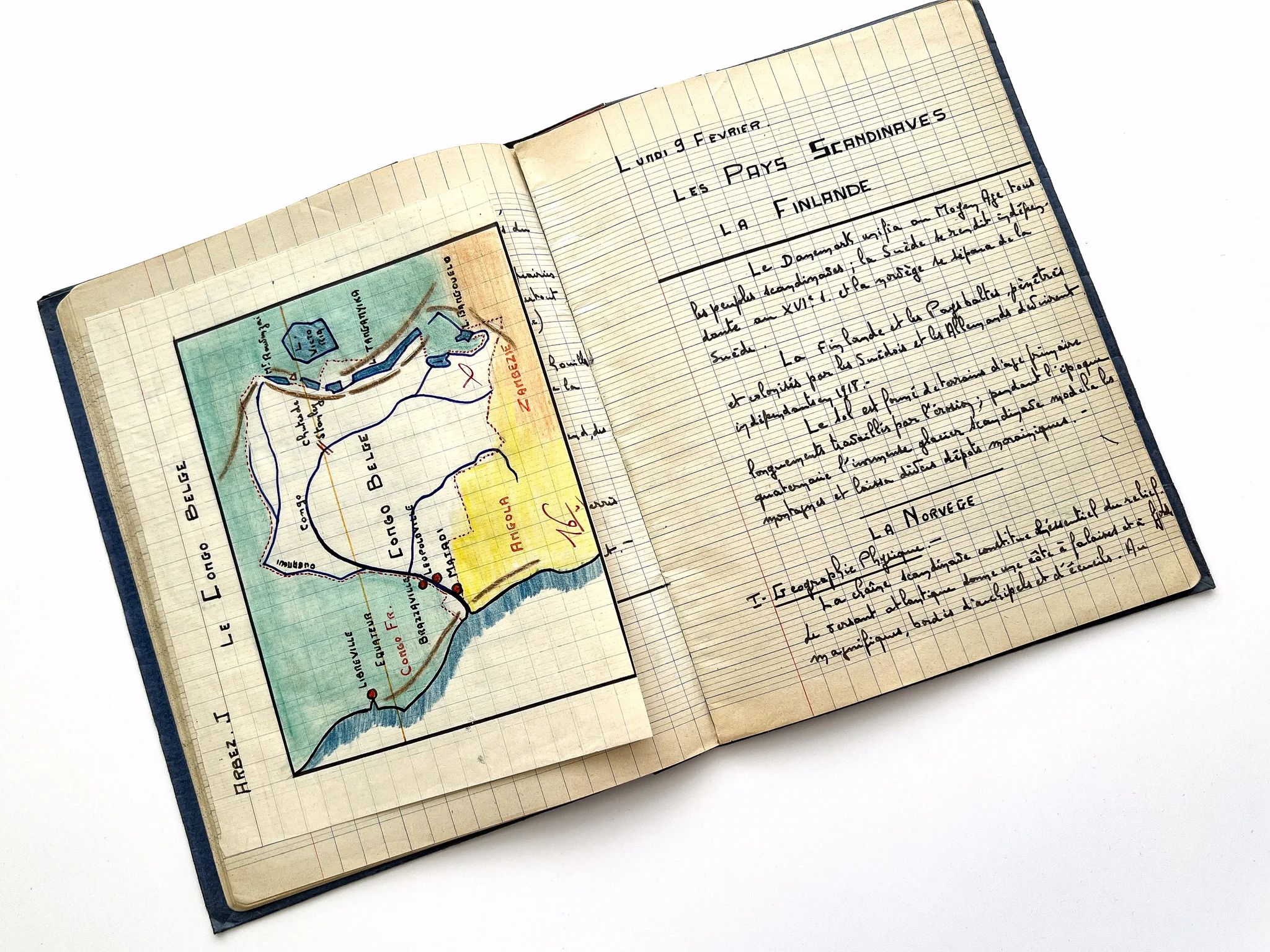
A Language, Geography, or History Notebook is a descriptive term for a specific kind of hand-made notebook, usually made up of several parts or sections. Its distinctive feature is a strong construction using folded and cut sheets of paper, which are then bound into a single whole. Its unique features often include the use of a coloured folio as a divider between sections for visual organisation, and a sturdy “cut and stitch” binding method. This is a side-stitch method that passes through the entire text block, giving exceptional durability suited to holding a great many notes and to long-term use. This construction is not merely an ordinary notebook but a system designed for flexibility and expansion, ideal for academic subjects that require continuous data gathering.
In a world dominated by digital note-taking apps and mass-produced notebooks, the idea of a purpose-made “Language, Geography, or History Notebook” may sound like a relic of the past. Yet the term refers to a concept far deeper than merely a blank book. It describes an intelligently designed system of binding and organisation, a physical vessel engineered to conquer, manage, and preserve knowledge that is complex and always growing. Far from being merely a product, this is a philosophy—evidence that the way we physically arrange our thinking can fundamentally shape the process of learning itself.
Why Do These Subjects Need a Special Book?
Language, Geography, and History are not subjects that can be summarised in a few pages. All three share the same characteristics: they are cumulative, many-branched, and they often require the gathering of various kinds of data. This is why a standard notebook so often fails to meet the needs of students, researchers, or serious enthusiasts in these fields.
- Language: Learning a new language requires compartmentalisation. You need a section for vocabulary (perhaps ordered by theme), a section for grammar rules, a section for conjugation drills, and another for writing practice or cultural notes. A book with clear sections, separated by coloured folios, becomes a highly effective tool.
- Geography: A geographer or an explorer needs room for field notes, map sketches, climate data, demographic records, and regional analysis. The ability to keep separate sections for different locations or topics is precious. The book's durability also becomes crucial if it is carried into the field.
- History: History is an intricate web of narratives, timelines, biographies, and thematic analysis. A historian may need one section for a chronological timeline, one section for profiles of important figures, and another for close analysis of a particular event. The ability to move easily between these sections is essential.
The notebook described here—with its several parts, coloured folios, and strong stitching—answers these challenges directly. It is not only a place to write, but an architecture for thinking.
Taking the Construction Apart: The Anatomy of an Academic Notebook
The technical description of this notebook reveals a series of deliberate design choices, each with a clear purpose. It is a brilliant example of how form follows function in the art of bookbinding.
- Multi-Section Structure: The core of this book is its division into several “parts” or “gatherings” (signatures). Each part is an independent unit that can be devoted to a single topic. This gives a modular flexibility that an ordinary notebook does not have.
- The Coloured Folio as a Divider: The description mentions “a coloured folio… pasted onto the second plate paper of each section.” This is a simple but ingenious method of visual organisation. By using a contrasting coloured paper at the start of each section, the user can open the part they want quickly, without leafing through pages or depending on tabs that damage easily. It is an elegant internal navigation system.
- The “Cut and Stitch” Method: This is the most interesting distinctive feature of all. The description “cut about one and a half inches in from each end of every section, and then stab-stitched directly below those cuts” sounds like a variation on the technique of stab binding. Unlike Coptic stitching or saddle stitching, which pass through the centre fold of a gathering, stab binding pierces the entire text block from front to back, close to the spine.
- The advantage: This method creates a very strong and lasting bind. Because every page is pierced, it is almost impossible for a page to come loose. It is ideal for a book that will be used often, filled to the last page, or carried on travels.
- The potential of the “cuts”: The “cuts” mentioned may refer to several things: they could be decorative, or they could be a technique for relieving tension on the paper near the stitching, allowing the book to flex a little more. Whatever their purpose, they show a higher order of design thinking.
The combination of these elements produces a book that is strong not only physically but conceptually. It is built for heavy use and for deep thinking.
More than a notebook, this is a system designed to conquer and organise complex knowledge, where every stitch and every coloured sheet is part of an architecture of thought.
The Philosophy Behind the Making: When the Process Is Part of the Learning
There is something profound about creating your own tools. In an age when we can buy an instant solution to almost anything, the idea of assembling a notebook from scratch—folding the paper, cutting the sections, and stitching them together—carries a strong resonance. It connects us back to an intellectual heritage in which scholars, explorers, and thinkers had to make their own books.
The Act of Making as Ritual
Imagine a history student in the 19th century preparing a notebook for a new term. They do not go to a shop; they go to their workbench. They choose the paper carefully, fold it into gatherings, slip in a coloured folio to mark each chapter to come, and patiently stitch it all into one. The process is not a chore but a ritual. It is an act of preparation, and of commitment to the subject they are about to study.
The act of assembling this book by hand becomes part of the learning itself. It invests every blank page with value. The book stops being a passive object and becomes an active partner in the pursuit of knowledge. There is a sense of ownership and pride that a shop-bought notebook could never imitate. Every note written inside it feels more meaningful because the vessel itself is the result of hard work and intent.
A Comparison with Modern Alternatives
How does this custom notebook compare with a modern one?
- vs. the Spiral Notebook: A spiral book opens perfectly flat at 180 degrees. Its pages tear easily, though, and the spiral can bend or break. Stab binding, while it does not open as flat as a spiral, is far more durable.
- vs. the Perfect-Bound Notebook: A glued book (like most paperbacks) tends to become stiff, and its pages can come loose over time, especially under heavy use. The stitching on this custom notebook gives superior strength.
- vs. Digital Apps: Digital apps offer search and unlimited capacity. They have no tactile connection, though. A good deal of research indicates that writing by hand improves memory retention. A physical notebook is also free of notification interruptions and will never run out of battery.
This language, geography, or history notebook occupies a unique position: it combines exceptional durability, intelligent organisation, and a deep personal connection, which makes it a superior tool for anyone serious about their subject.
The act of assembling this book by hand becomes part of the learning itself; a ritual that invests every note yet to be written in it with value.
Relevance in the Modern World, and the Hibrkraft Philosophy
Is there a place for a book like this in the 21st century? Certainly. The more digital our world becomes, the more we long for meaningful physical objects. Artists, writers, bullet journalists, and dedicated students keep looking for the perfect analogue tool. The concept of the academic notebook remains highly relevant.
At Hibrkraft, we are the heirs of this spirit. We may not use this specific “cut and stitch” method in every one of our standard products, but we live by the principles it represents:
- Customisation and Personalisation: Just as coloured folios separate the sections, we offer options to personalise your leather journal, making it truly your own.
- Durability: We use genuine leather and a strong hand-stitched binding technique to make sure your notebook can withstand the passage of time and heavy use, just as sturdy stab binding does.
- Personal Connection: We believe your notebook should be a trusted partner. By making it by hand from the finest materials, we aim to create an object you will treasure and want to use every day.
If you are inspired by the idea of this multi-section notebook, it is something we can realise as a custom leather journal. Imagine a Hibrkraft leather journal with several paper sections separated by fine dividers, ready to hold your adventures in learning a new language, exploring the world, or uncovering the mysteries of history. It is a way of taking a brilliant historical concept and giving it a new life, luxurious and lasting.

Create Space for Your Knowledge
Inspired by the classic academic notebook, design your own multi-section leather journal to conquer any subject.
Bring your dream journal to life with section dividers, suited to language study, trip planning, or historical research.
Professional Tools for Professional Ideas
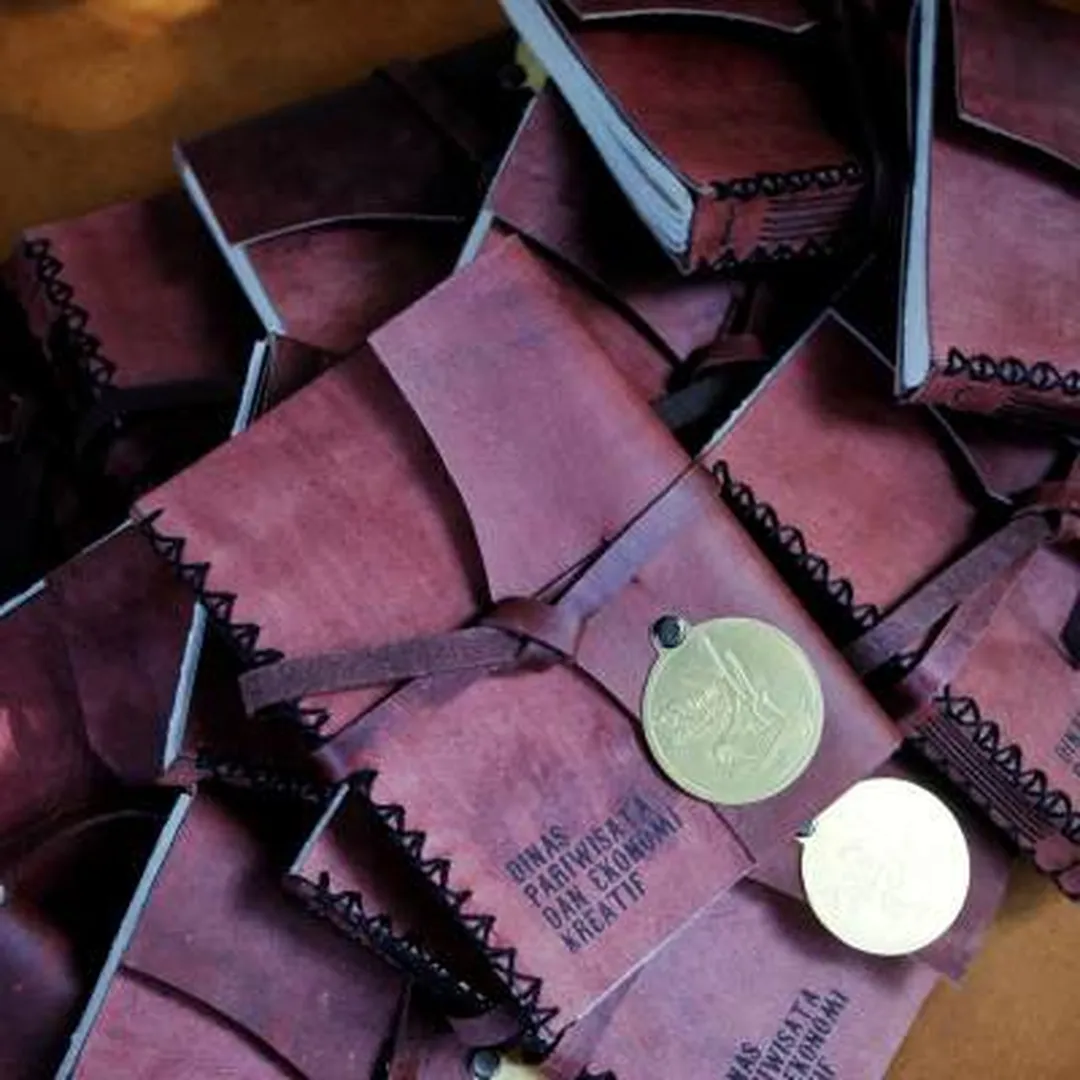
Give your team an organised and durable tool. Our business agendas can be customised with sections for different projects.
A custom leather agenda with dividers, an intelligent solution for professionals handling a range of tasks and projects.
Get in Touch
Preserving Historic Records
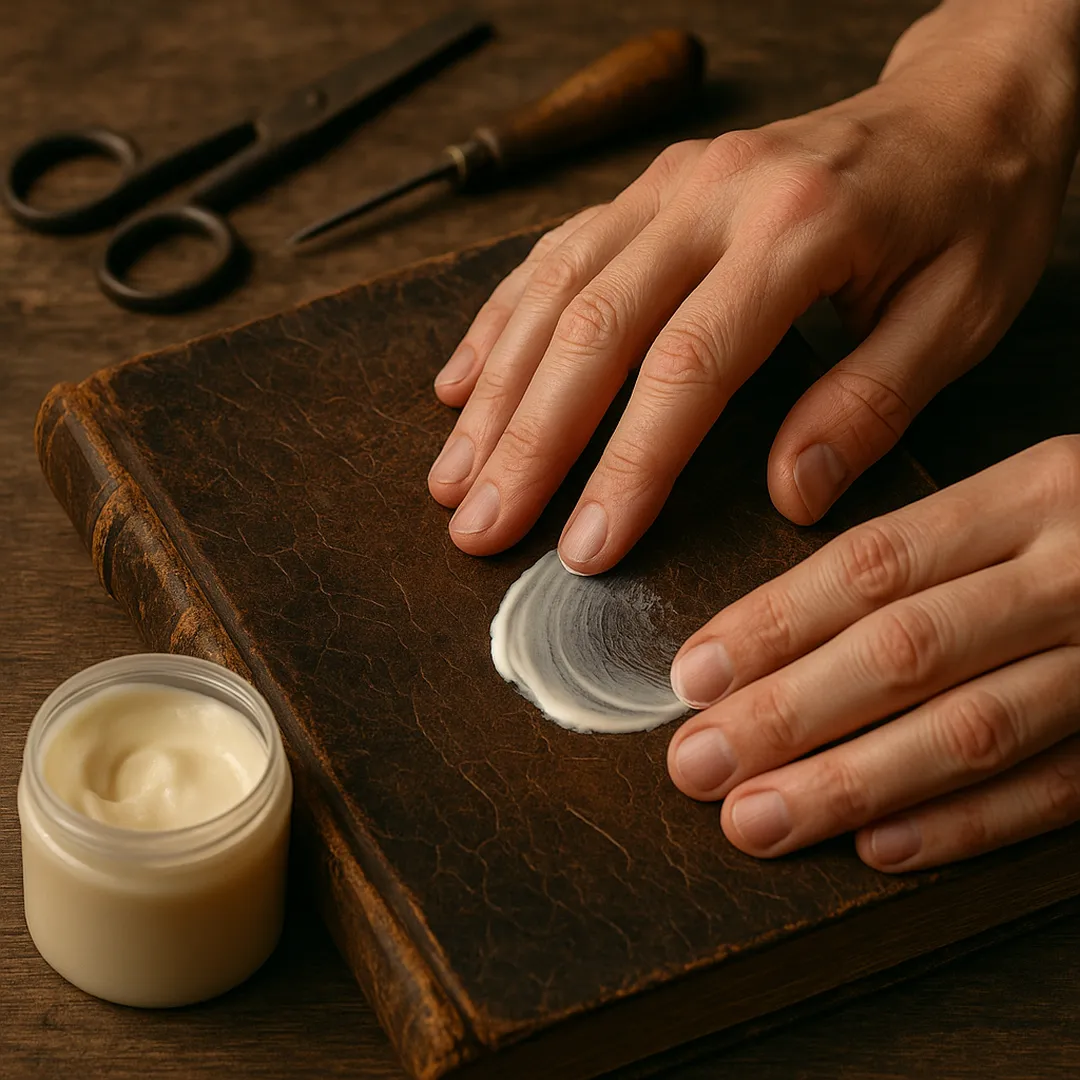
Do you have a family notebook or an old research journal? We can help restore and preserve it.
Repair services for precious notebooks and journals, keeping the knowledge inside them safe for generations to come.
Free Consultation