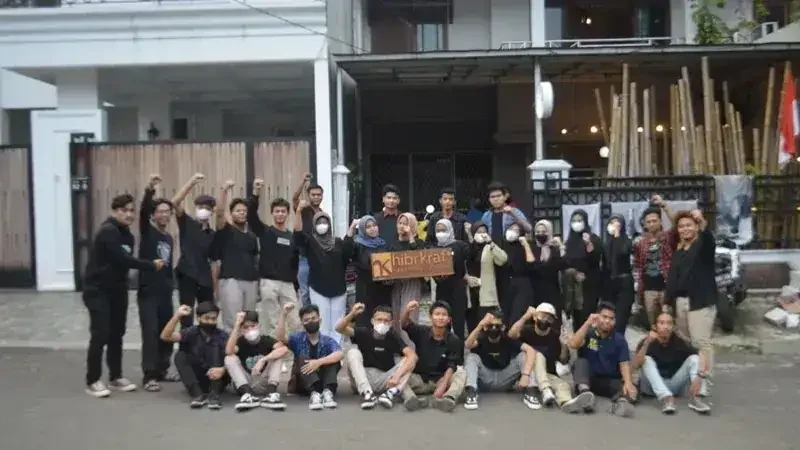
Archival Preservation for White Label Leather Journals: Technical Strategies for Fire, Water, Pest, and Mould Mitigation
Protect white label leather journals with comprehensive archival strategies.
by Aika Mentari · February 9, 2026
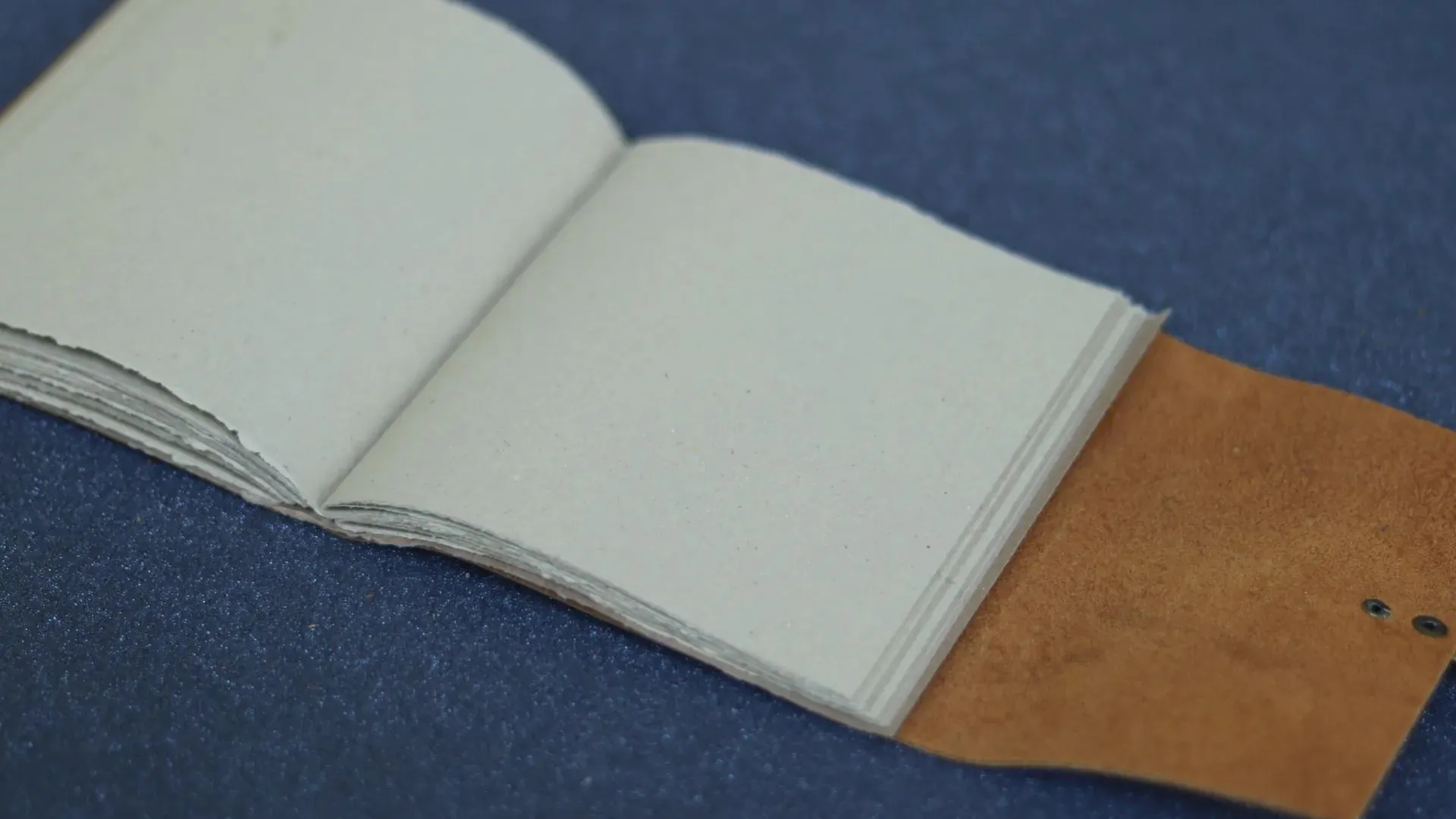
The image above captures the soul of our craft at Hibrkraft. It shows a journal in its most honest state—open, with pages of raw, fibrous paper whose deckled edges speak of hands, not machines. The simple, supple leather flap, crafted from a hide sourced from a local Indonesian tannery, promises a tactile connection. This object feels ancient and modern at once. But its organic beauty is also its vulnerability. The cellulose fibers in that paper are essentially kindling, the protein in that leather is a food source, and both are sponges for water. In our workshop in Cileungsi, we see these as living materials, and we treat them with the respect their nature demands.
However, once a bulk shipment of 2,000 of these journals leaves our controlled environment, they face a world of unforgiving physics. A procurement manager cannot afford to see them as just art objects; they must be viewed as assets under threat. The same journal that looks poetic and inviting on a blue background becomes a liability when stacked on a pallet under a leaky sprinkler head or next to an overheating electrical panel. The difference between a lasting corporate gift and a box of moldy, water-damaged waste is not luck; it is a rigorously engineered preservation strategy.
Hibrkraft builds resilience into the very structure of our journals, but we arm our partners with the knowledge to build the fortress that will protect them.
Engineering a comprehensive archival strategy for white label leather journals requires a multi-layered approach to environmental protection, ensuring the final product survives beyond a standard commodity lifecycle. Too often, brand owners focus on the aesthetic and tactile qualities of the product while relegating its storage to the lowest bidder—a standard, uncontrolled warehouse. This is a critical error. The preservation of organic materials is an active discipline, not a passive one. You must defend your inventory against four primary threats: fire, water, pests, and mould. These threats are not independent; they are a cascade of failure. A water leak leads to high humidity, which activates mould spores, and the decaying organic matter then attracts pests. A failure in one domain invites disaster in all others.
- Water leak — a leak or spill introduces moisture into the storage area.
- High humidity — the moisture raises relative humidity around the stock.
- Mould spores activate — spores already present on the cellulose and collagen germinate.
- Pests attracted — the decaying organic matter draws insects in.
Source: the cascade sentence in the paragraph above this exhibit — “a water leak leads to high humidity, which activates mould spores, and the decaying organic matter then attracts pests.” The second rung is marked because the article later names humidity, not the leak itself, as “the only variable you can control.” Step order shown here is the sequence the article states, not a measured quantity.
To mitigate fire risks, it is a technical requirement that journals be housed in fire-resistant storage furniture (powder-coated steel, not wood) and positioned strictly away from active ignition sources like HVAC units, electrical panels, and battery charging stations. Water protection is equally critical to prevent the rapid structural collapse of cellulose fibers; archival-grade materials must be stored in water-resistant containers on shelving at least six inches off the floor and located away from potential failure points like water pipes or ceilings. Biological threats, specifically mould and mildew, are governed by strict humidity control; environments that deviate from the 55% relative humidity benchmark catalyze fungal growth. Finally, to prevent structural damage from pests, storage facilities must remain immaculately clean and devoid of food sources, with a mandatory protocol for regular inspection.
| Threat Vector | Hibrkraft Archival Protocol | Standard Warehouse Negligence | Resulting Brand Damage |
|---|---|---|---|
| Fire | Steel shelving, distance from ignition sources. | Wooden shelves, stacked near electrical panels. | Total inventory loss, catastrophic financial hit. |
| Water | Water-resistant enclosures, elevated storage. | Pallets on floor, stored under plumbing. | Warped covers, dissolved glues, ink-bleed pages. |
| Mould | Constant 55% RH via dehumidifiers. | Uncontrolled humidity, poor air circulation. | Musty odor, visible staining, health hazard. |
| Pests | Sealed enclosures, strict cleanliness protocols. | Open shelving, food waste nearby. | Gnawed bindings, insect frass staining pages. |
Source: this article’s own threat/protocol/negligence/damage matrix, unchanged; no data added from outside the article.
The table above demonstrates that archival preservation is a system of active choices, not a matter of chance. Each protocol directly counters a specific mechanism of material decay, protecting not just the physical product but the capital and brand equity it represents.

Threat Vector 1 & 2: Fire and Water Mitigation
From a material engineering perspective, paper and leather are fuel. A warehouse full of journals is a warehouse full of highly flammable material. While we cannot make paper fireproof, its reaction to fire can be modified. As cited by Thieblesson et al., paper components can be hardened against thermal damage through the inclusion of mineral additives like clay. These inert minerals do not burn; they act as a thermal barrier, slowing heat transfer to the cellulose fibers and delaying ignition. While not a standard for all our papers, this illustrates that material science offers solutions. The most practical defense, however, is environmental: steel shelving does not burn, and keeping inventory away from ignition sources is a non-negotiable protocol. Even smoke from a distant fire can be catastrophic, as its acidic particles can impregnate paper and leather, causing permanent staining and odor.
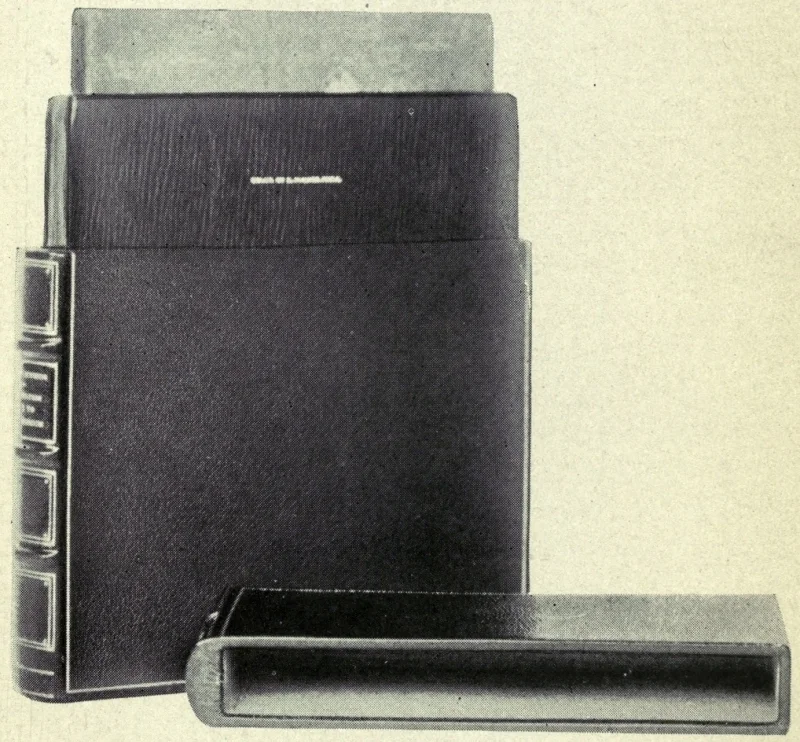
Water is perhaps the more insidious and common threat. Cellulose fibers are hydrophilic; they are held together by hydrogen bonds. When water is introduced, it breaks these bonds, causing the entire structure to swell and lose all cohesion. The paper turns to pulp. At Hibrkraft, we use robust materials, but water is a great equalizer. Research from Suryandono et al. indicates that the integration of specific binding media, such as PVA white glue, can significantly enhance moisture resistance. Our binding techniques are chosen for this durability. However, the best defense is avoidance. Water-resistant containers, such as sealed plastic totes (for short-term transport) or archival-grade Solander boxes, create a barrier.
For the journal’s exterior, the choice of leather is critical. Our pull-up leathers, sourced from tanneries in Garut and Malang, utilize a high density of oils and waxes. As noted by Chiles, this finish functions as a natural technical barrier, repelling moisture. A drop of water will bead on the surface of a well-finished pull-up hide, whereas it would instantly soak into and stain a cheaper, unfinished split leather. This is a built-in defense mechanism that protects the client’s brand perception from incidental damage. But even the best leather cannot survive submersion.
The Core: Biological Threats – Mould and Pests
In a humid climate like our home in Bogor, Indonesia, we are experts in fighting the invisible war against biological threats. Mould and mildew spores are ubiquitous; they are in the air right now. They are inert until two conditions are met: a food source (cellulose, collagen, starches) and moisture (relative humidity above 65%). Your inventory of white label journals is a buffet. The only variable you can control is the moisture.
This is why a stabilized environment of 55% relative humidity is the bedrock of archival preservation. It is a desert for mould. At this RH level, spores cannot germinate. In high-humidity climates, the technical integration of commercial-grade dehumidifiers into the storage infrastructure is not a luxury; it is a necessary preservation strategy to safeguard material longevity. It is the single most important investment you can make to protect your stock from turning into a fuzzy, unsellable biohazard.

“A book is built to be a sanctuary for human thought. It is our duty as craftsmen and custodians to ensure it does not become a nest for insects or a garden for fungus.” – Head Craftsman, Hibrkraft
Pests like silverfish, cockroaches, and booklice are the second wave of biological attack. They are not typically drawn to the paper or leather itself, but to the delicious, starchy adhesives used in binding. At Hibrkraft, we use modern, synthetic PVA glues that are less appetizing to pests than traditional wheat pastes, but a hungry insect is not discerning. The only effective defense is a scorched-earth policy on cleanliness.
To prevent structural damage from pests and insect infestations, storage facilities must remain clean and devoid of any other food sources. A single forgotten lunch can attract a colony that later discovers your inventory. All enclosures must be regularly inspected. Look for “frass” (insect droppings, which look like fine dust or pepper) and tiny chew marks along the edges of the covers or text block. A clean, sealed, and controlled environment is a fortress.
Imagine this scenario: Your company invests in 1,500 beautiful, custom-debossed journals for a major conference. They are stored in a standard logistics facility. A small roof leak goes unnoticed over a weekend. The cardboard boxes on the top pallet absorb the moisture, transmitting it to the journals inside. Mould begins to grow. The smell of decay attracts booklice. When the boxes are opened at the conference venue, the team discovers that the top 300 units are stained, warped, and smell of mildew. The brand’s reputation for quality is instantly destroyed in front of its most important clients. This is not a hypothetical; it is a common and entirely preventable disaster.
The Solution: Your Integrated Defense System and ROI
By implementing a multi-layered defense against fire, water, mould, and pests, you are not incurring costs; you are making an investment in asset protection. The cost of a few steel shelving units and a commercial dehumidifier is minuscule compared to the six-figure cost of a total inventory write-off.
This is a critical calculation for your Return on Investment (ROI). Every unit lost to environmental damage increases the effective cost of the remaining units. If you lose 10% of your stock, your profit margin on the other 90% is slashed. A professional preservation strategy ensures near-zero spoilage, maximizing your potential profit and allowing you to order larger quantities with confidence.
At Hibrkraft, our commitment to quality includes a 100% inspection of every single unit. We have a robust defect replacement policy for any manufacturing flaws. However, this policy cannot cover damage incurred from negligent storage. We are transparent about this because we see our clients as partners. Our job is to build a resilient product; your job is to give it a safe home. This shared responsibility is the foundation of a successful white label program.

Why Partner with Hibrkraft?
Hibrkraft’s workshop in Cileungsi, Bogor, is a laboratory for durability in a challenging climate. We live and breathe humidity control. This practical, ground-level expertise is built into every product we make. With a capacity of up to 2,000 units a month, our team of ~9 craftsmen blends artisanal quality with the scale required for serious B2B and white label projects.
We select our Indonesian leathers (Full Grain, Top Grain) and papers (HVS 90gsm, Bookpaper 90gsm) not just for their beauty, but for their resilience. We use binding methods like Coptic Stitching that are mechanically robust and less vulnerable to moisture-related glue failure. We are not just making notebooks; we are engineering tools for legacy.
Library
The construction decisions that determine how much resilience is built in before storage ever matters
Choosing water-resistant binding and a well-finished hide is one line of defense — everything above this point is what happens after the journals leave our workshop. These three guides go one level deeper into the decisions made before that: cover design and proportion, paper and binding specification, and the cost math behind a real production run. All three open straight in your browser, free, with no sign-up. They are written in Indonesian for our workshop team’s own reference; message us and an English-speaking member of the team will walk you through the same decisions.
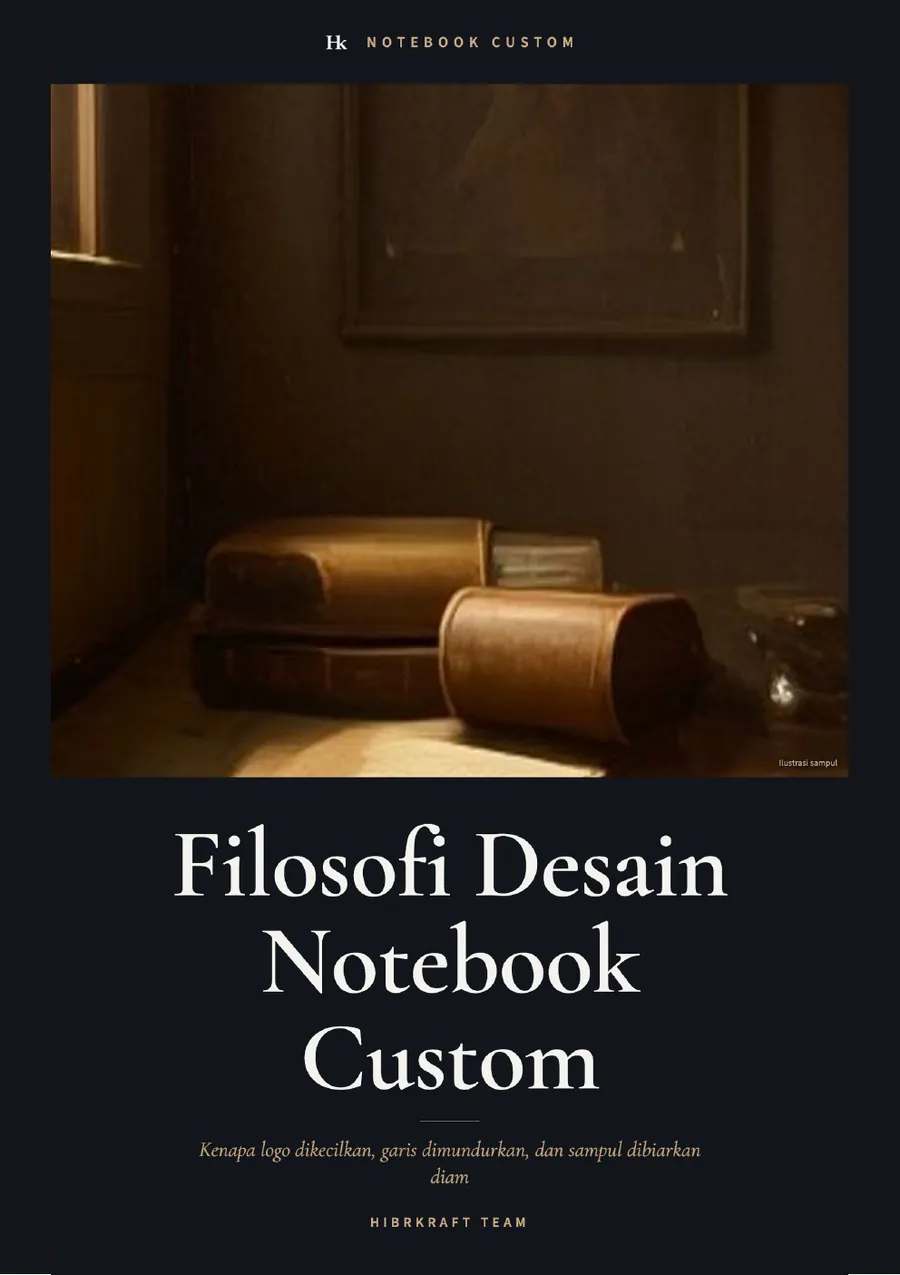
Design guide
Filosofi Desain Notebook Custom
Why the logo gets smaller, the rule moves back, and the cover is left quiet. Logo placement, cover proportion and page margins — with the reasoning, not just the rule.
Read the PDF
Specification guide
Panduan Komposisi Notebook Custom
The order the decisions come in, from intended use down to the leather, including the ones that pull against each other. Paper weight, number of signatures, size and stitch type — and where one choice closes off another.
Read the PDF
For the ones running numbers
Studi Kelayakan Notebook Custom
Working-hour capacity as the ceiling on every projection. Break-even, sensitivity analysis, and why handcraft cannot be modelled the way a factory is modelled.
Read the PDFFiles open in your browser rather than downloading straight to your device. All three are A5 and may be printed for your own use. They are written in Indonesian — the specification tables, diagrams and cost models carry over even if you do not read the language, and we are glad to talk any of it through in English.
When you partner with us, you gain access to this deep knowledge base. We ship globally via DHL Express to clients in Germany, Malaysia, the Netherlands, Canada, and the UAE, and we understand how to package our products to survive the journey. We are more than a supplier; we are your off-site workshop and your technical consultant, dedicated to ensuring the product that bears your brand name is a lasting testament to quality.
Ready to start? Message us on WhatsApp at +62 815 1119 0336 to discuss building a resilient product for your brand. Click here to chat.
Sources & References
- Berisford, K. M. (2024). Acid-Free vs Archival: What You Need to Know About Paper Quality for Your Art.
- Chiles, J. (2024). What Is Pull Up Leather? – An In-Depth Look.
- Suryandono, A. R., et al. (2023). The experiment of recycled paper-making process and its water resistance on a household scale.
- Thieblesson, L. M., et al. (2024). Reaction to fire, thermal, and mechanical properties of materials based on recycled paper granules bound with starch and clay mortar.
Disclaimer: this post is written in English to reach a wider, international audience.