
Bogor · sejak 2011
Notebook Kulit Custom untuk Merek & Momen yang Tak Terlupakan.
Dijilid dengan tangan, satu per satu, di bengkel kami di Bogor. Kami juga memperbaiki buku yang sudah tidak bisa dibuka lagi.
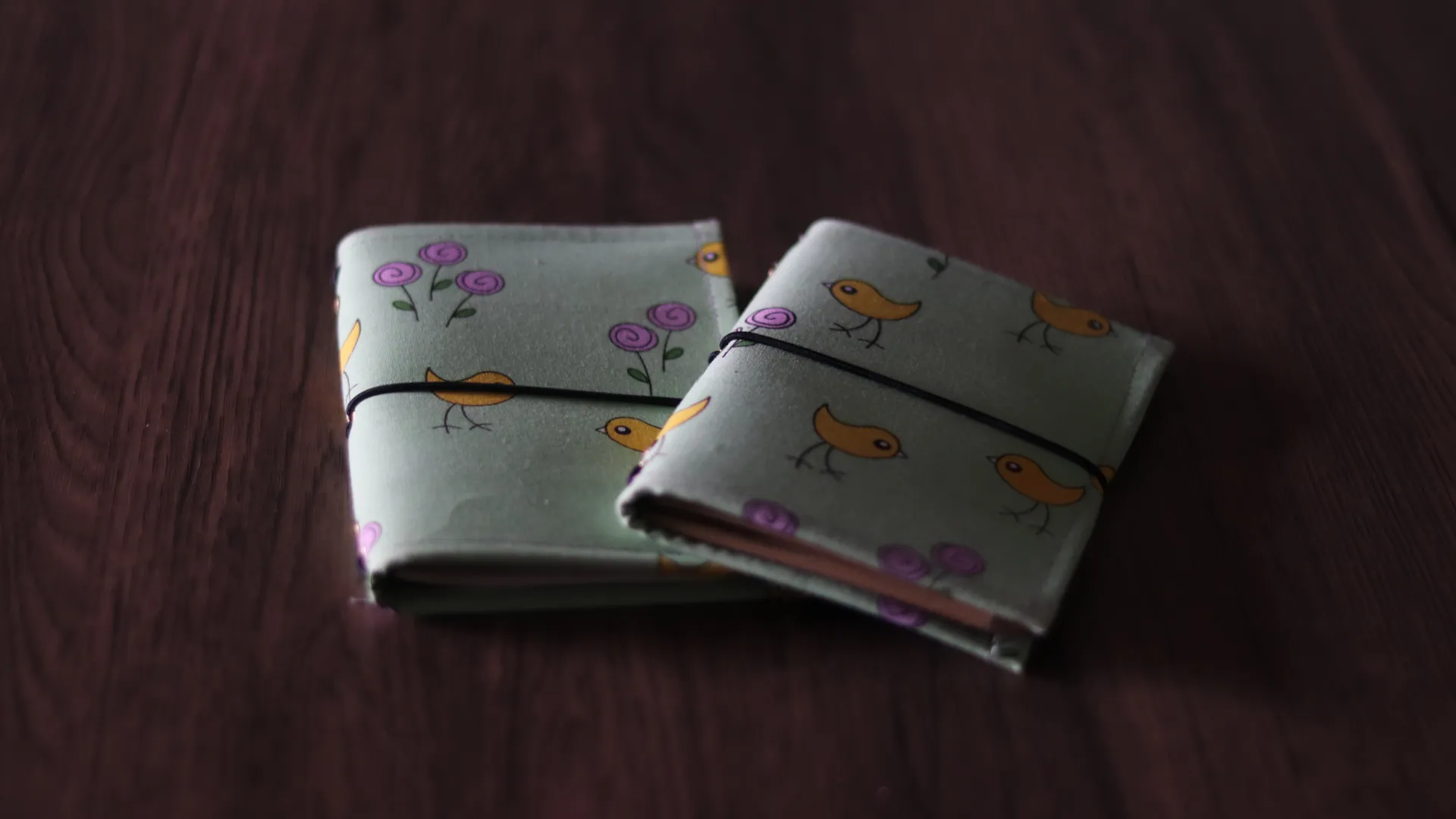
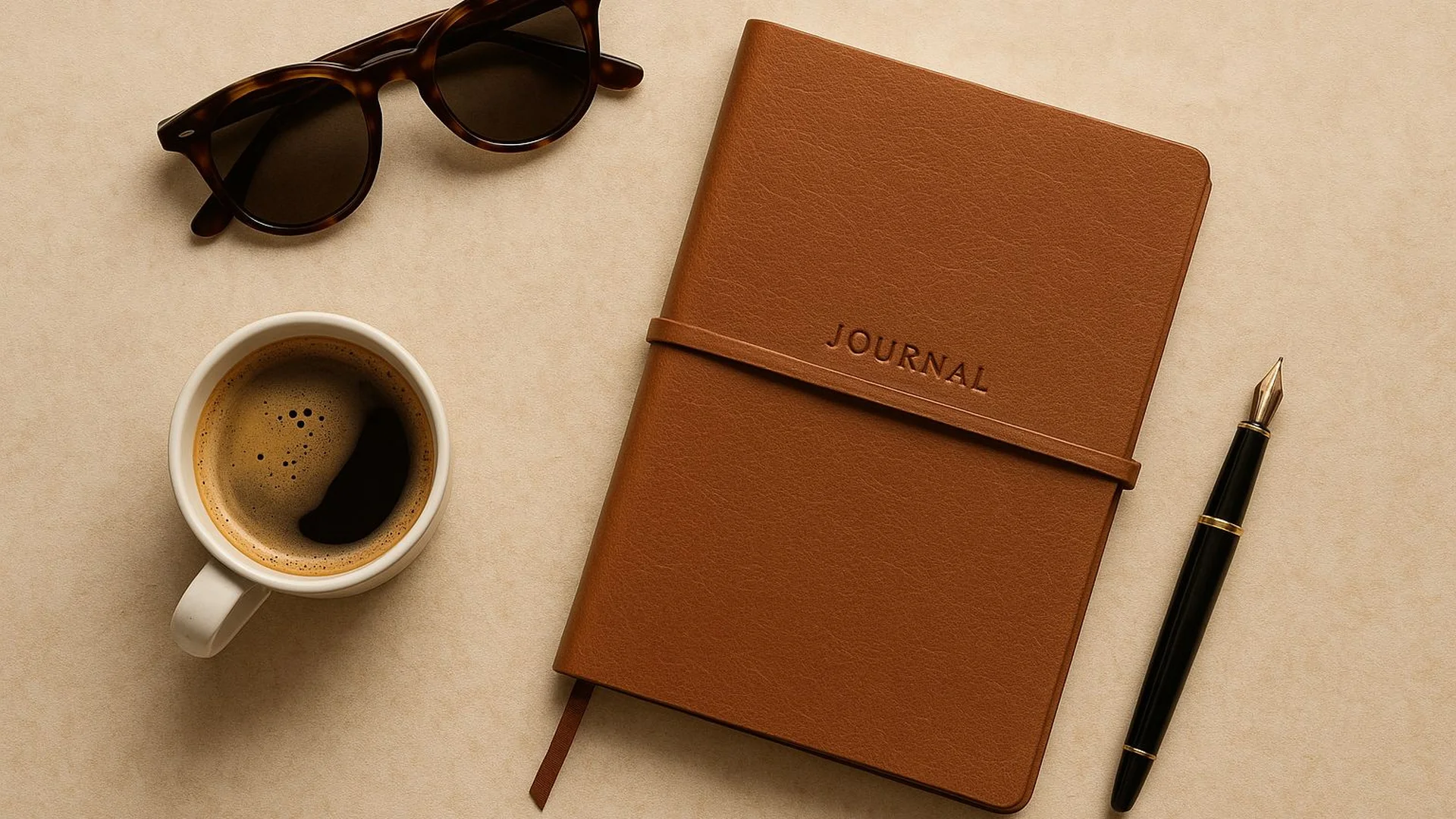 Custom NotebookSatu buku, atau dua ribu. Anda yang memilih kulitnya, ukurannya, jahitannya, dan isinya.Selengkapnya
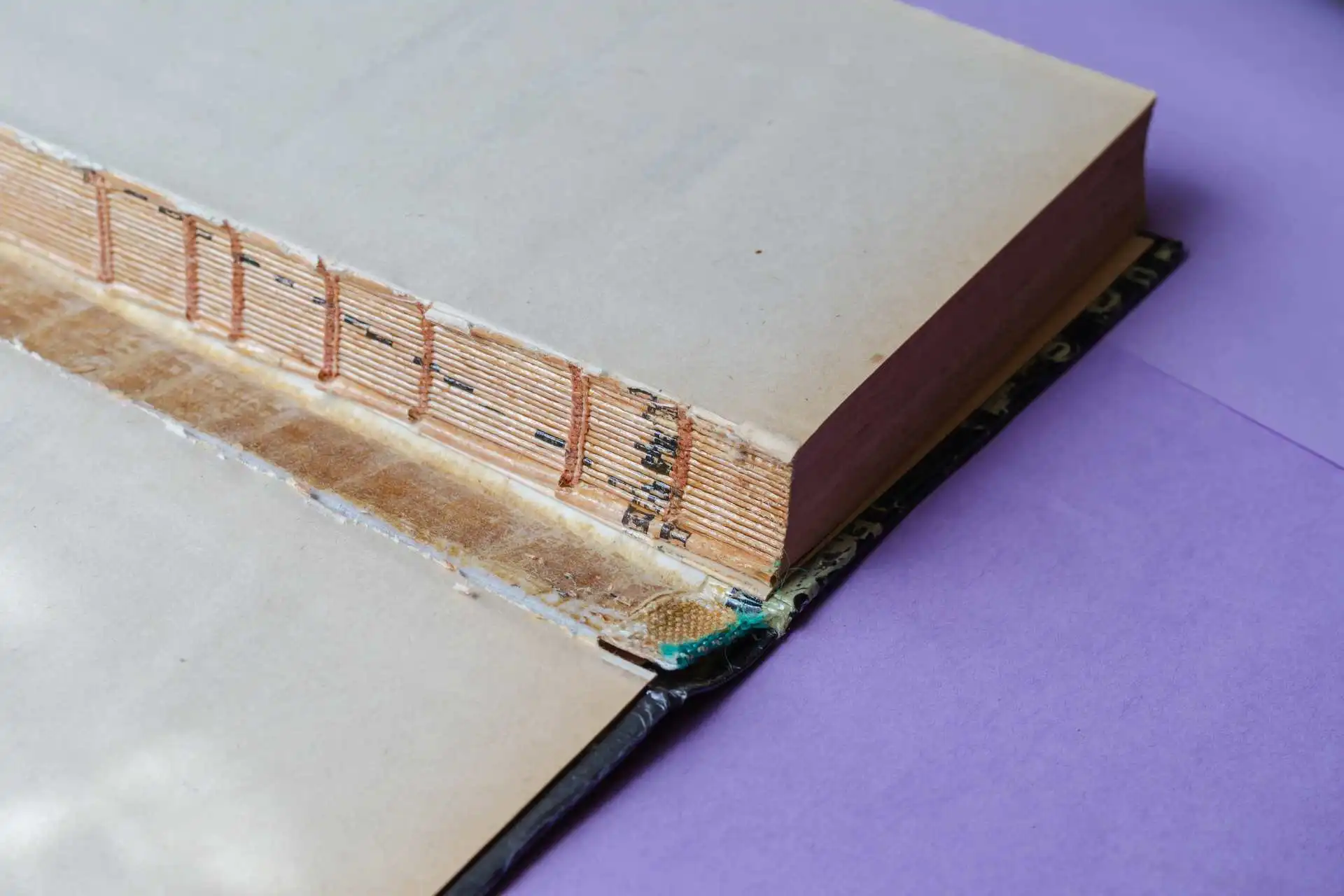
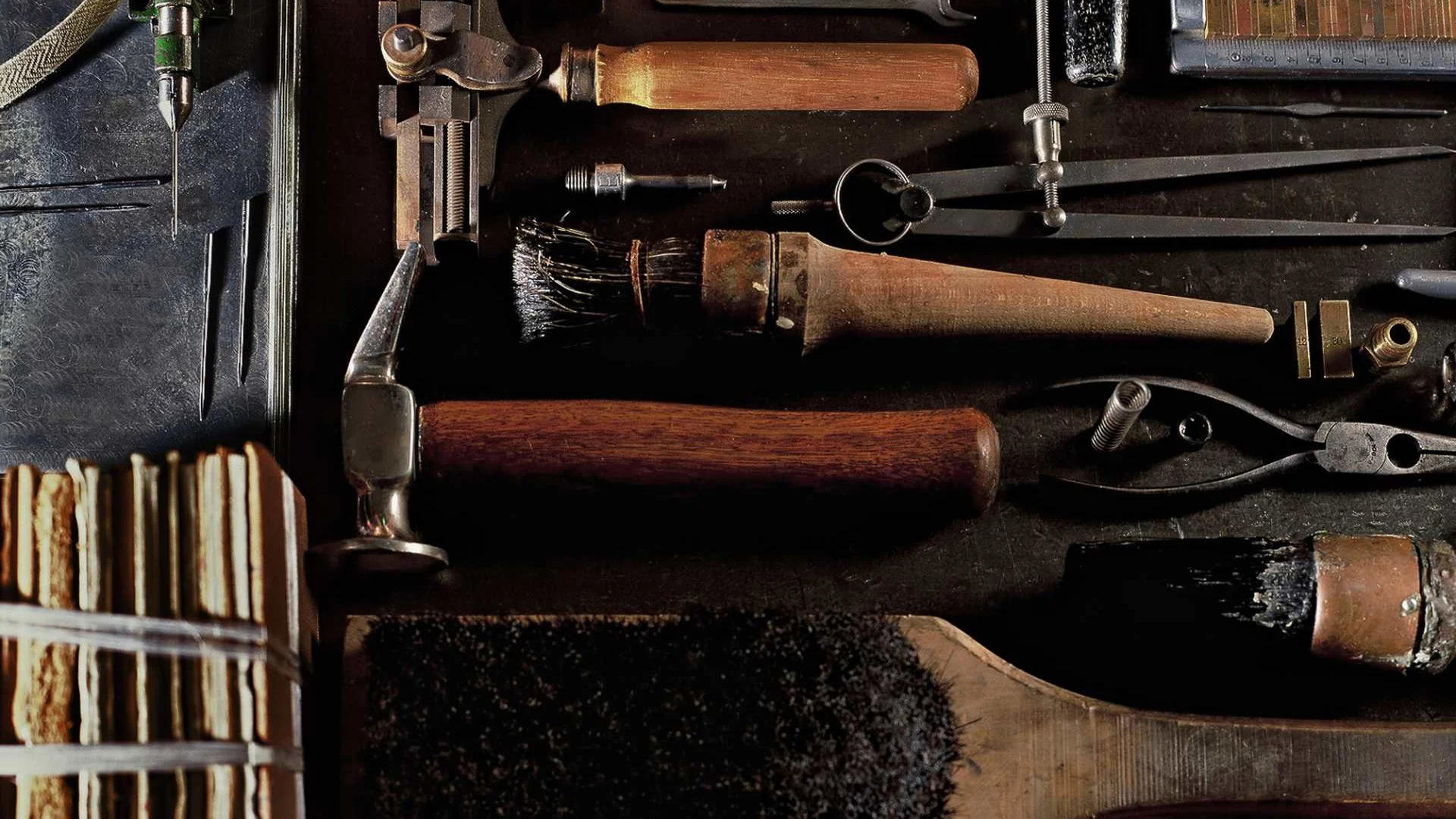 Reparasi BukuSampul lepas, jahitan putus, kertas yang mulai getas. Kami kembalikan supaya bisa dibaca lagi.Selengkapnya
 Untuk PerusahaanMerchandise dan hadiah korporat. Logo diemboss ke kulitnya, bukan ditempel di atasnya.Selengkapnya
Cara pesan
Tidak seribet yang dibayangkan
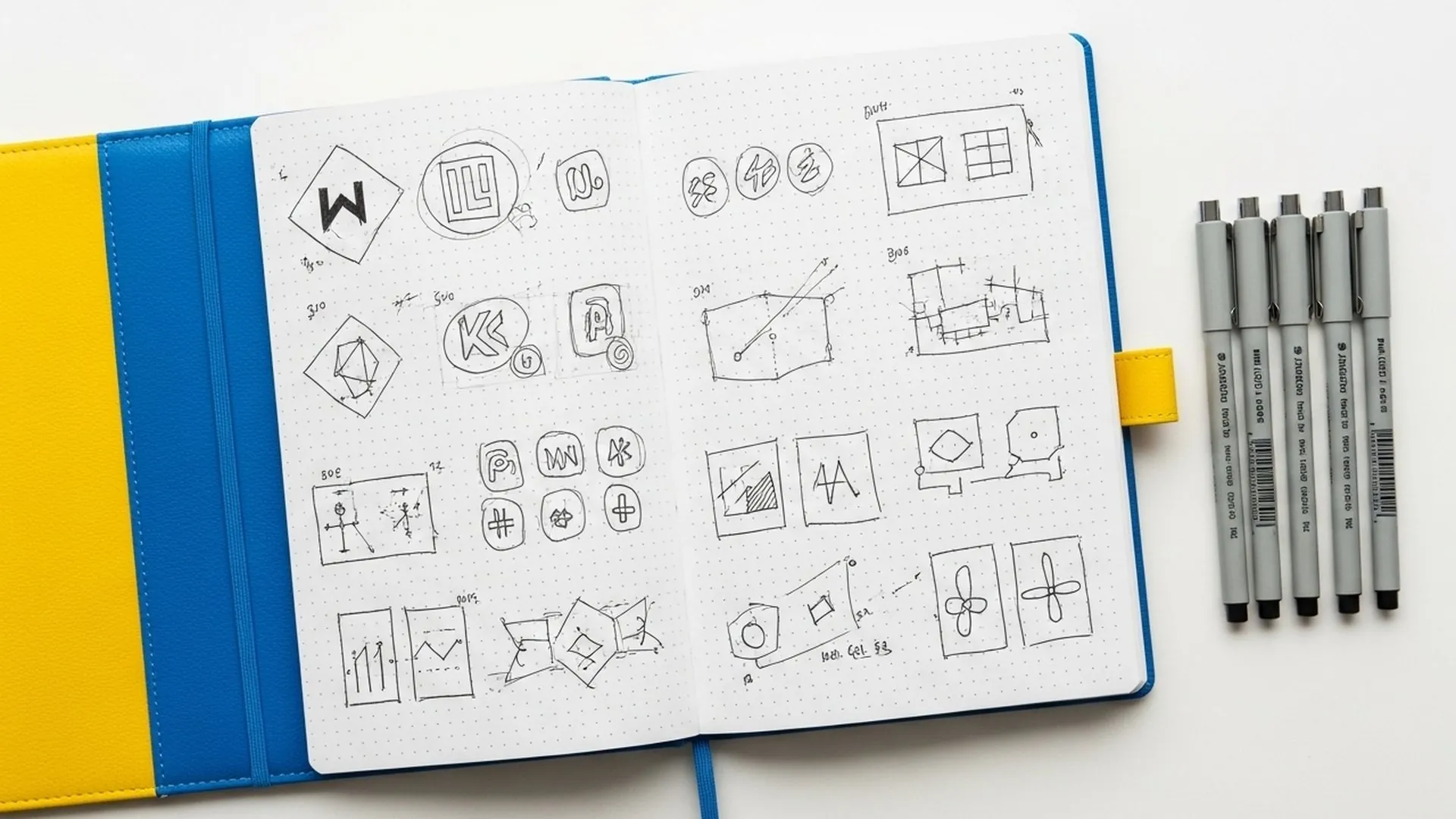 01KonsultasiCeritakan kebutuhan Anda lewat WhatsApp. Mau satu buah atau dua ribu, kami dengarkan dulu sebelum bicara harga.
 02Mockup visualKami buatkan gambaran hasilnya sebelum produksi jalan. Anda lihat dulu, revisi kalau perlu, baru lanjut.
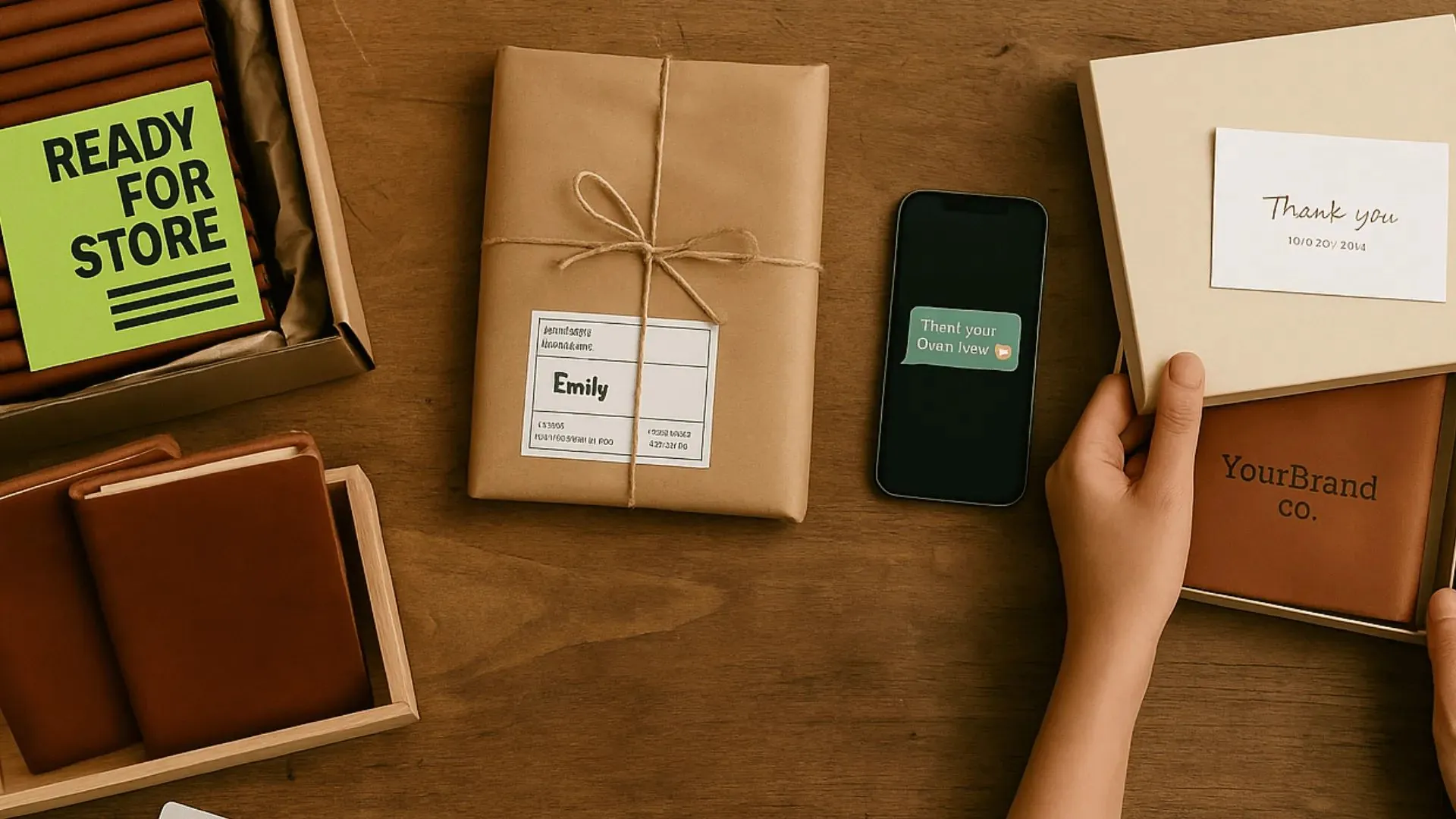 03Produksi & kirimSetelah disetujui, pengrajin mulai bekerja. Dikirim ke seluruh Indonesia, dan sudah pernah sampai ke UAE, Malaysia, Kanada dan Jerman.
Rekam Jejak
- 15 Tahun Berkarya
- 100.000+ Produk Dibuat
- 4,9 Rating Google · 85 ulasan
- 4 Negara UAE · MY · CA · DE
- 2.000 pcs Kapasitas / Bulan
- Dipercaya
- Pertamina · POLRI · PPLi · Unilever
- Diliput
- TVRI · Trans7 · MNC Home Living · iNews Radio
- Media Cetak
- Tabloid Nova · Bogor Today · Tren Bogor
- Penghargaan
- Juara UDUNAN 2020 · Ekraf Jabar · Mitra Jabar
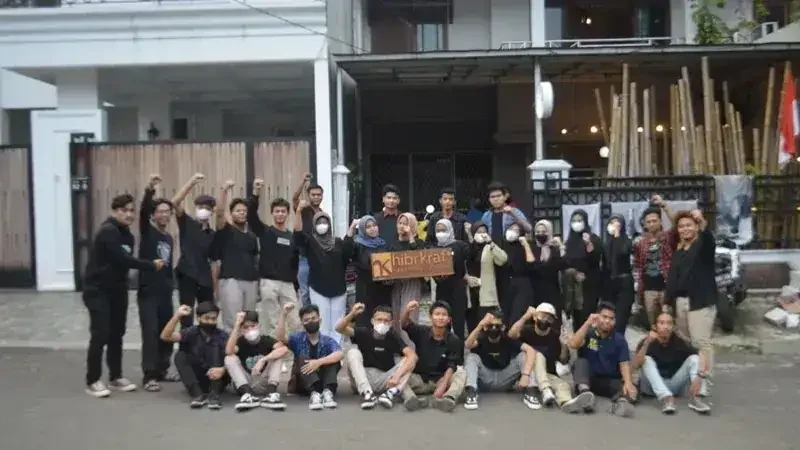


Untuk pengajuan vendor, tender dan kerja sama korporat.
Cara kerja
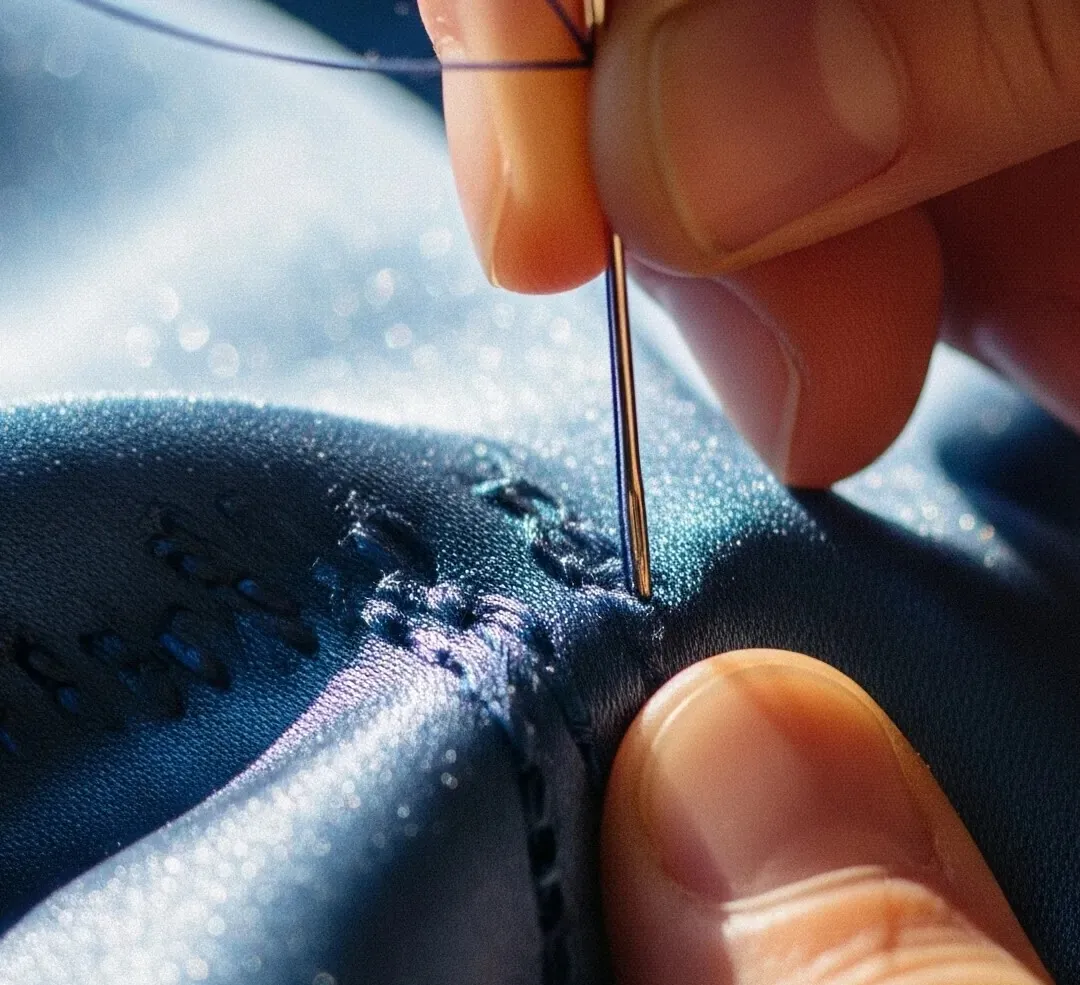
Kenapa dijahit, bukan dilem
Punggung buku yang hanya dilem akan retak. Bukan kalau, tapi kapan — dan setelah itu halamannya lepas satu per satu.
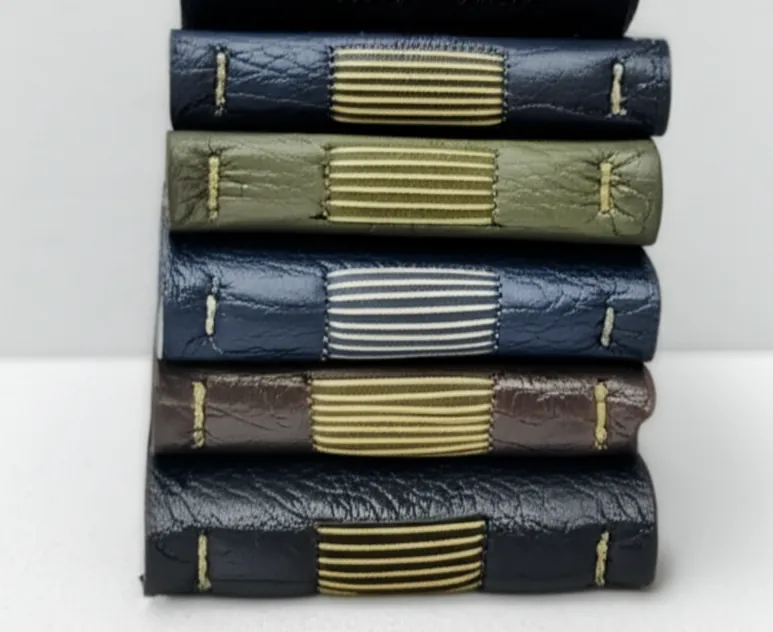
Kami menjahitnya dengan benang lilin, lewat lipatan kertasnya, cara yang sudah dipakai penjilid buku selama ratusan tahun. Hasilnya bisa dibuka rata di atas meja tanpa ditahan, dan masih utuh puluhan tahun lagi.
Reparasi & konservasi
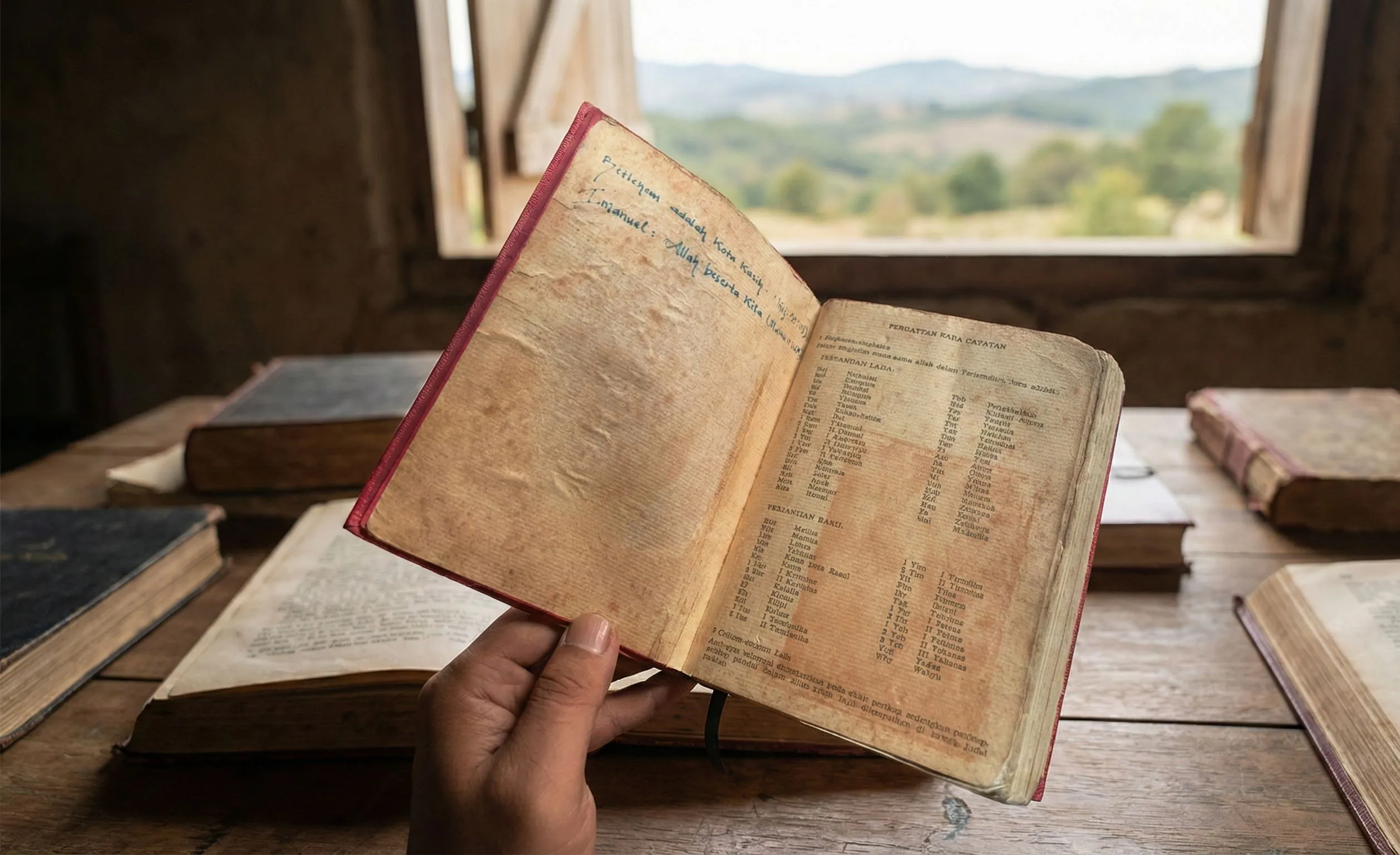
Buku yang sudah tidak bisa dibuka lagi
Mushaf peninggalan kakek. Buku nikah. Album foto yang lemnya sudah menguning dan halamannya berjatuhan. Kami bongkar, bersihkan lembar demi lembar, jahit ulang, lalu pasang sampul baru — atau selamatkan sampul lamanya kalau masih bisa.
Bahan
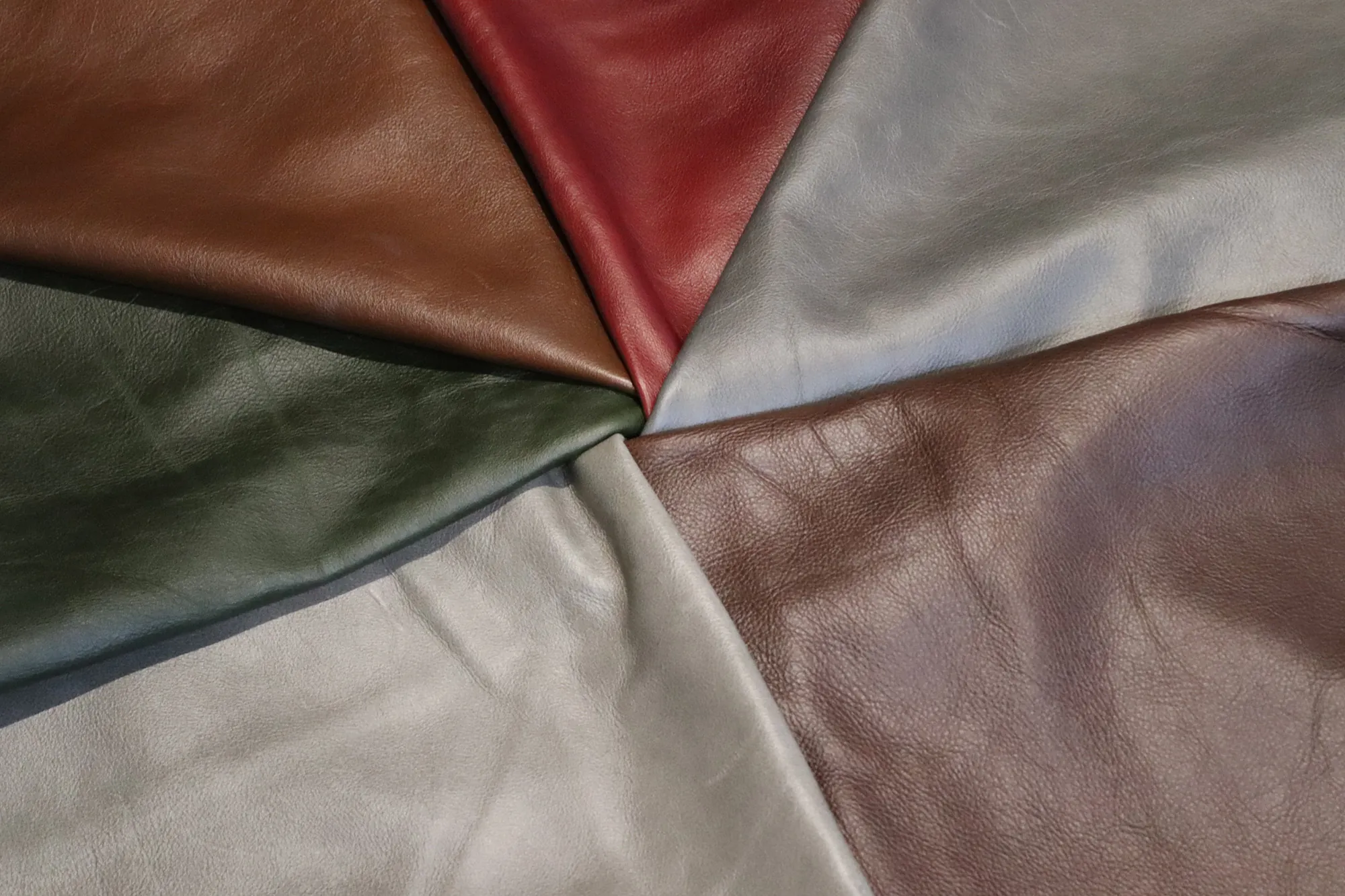
Kulit asli, kertas yang tidak menguning
Kulit sapi dan kambing samak nabati, yang warnanya justru makin dalam setelah dipakai bertahun-tahun. Kertas bebas asam, jadi tulisan Anda tidak ikut memudar bersama halamannya.
Kalau Anda belum yakin mau yang mana, kirim saja fotonya lewat WhatsApp. Kami bantu pilihkan.

Opsi artisan
Woodburn oleh Belgi Al Huda
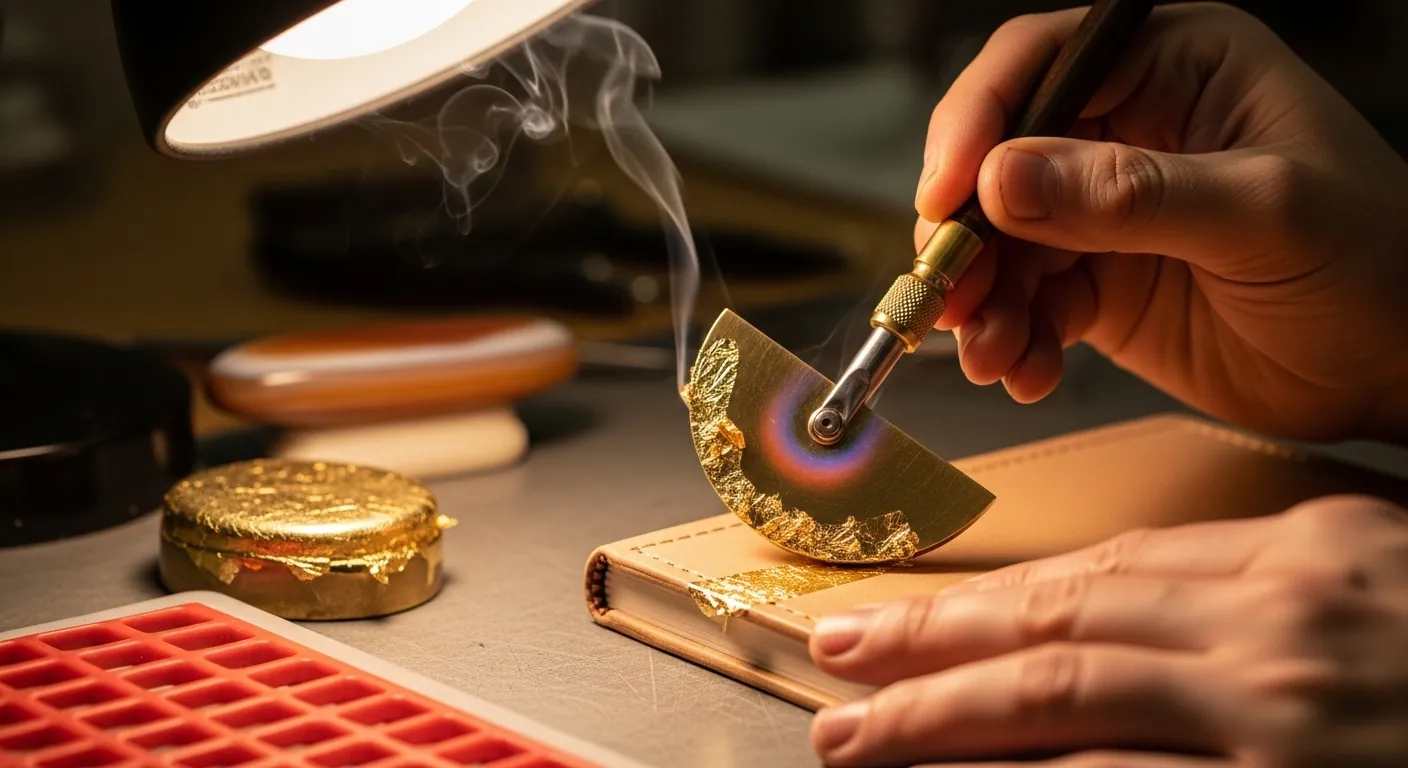
Belgi Al Huda seniman pyrography asal Bogor, dan diakui Pemerintah Provinsi sebagai Ekraf Unggulan Jawa Barat. Desainnya dibakar langsung ke permukaan kulit, bukan dicetak.
Karena dikerjakan tangan, tidak ada dua hasil yang sama persis. Ini pekerjaan pesanan, bukan produksi massal — jadi butuh waktu pengerjaan lebih lama dan biayanya dihitung terpisah.
Katalog
173 buku yang sudah jadi
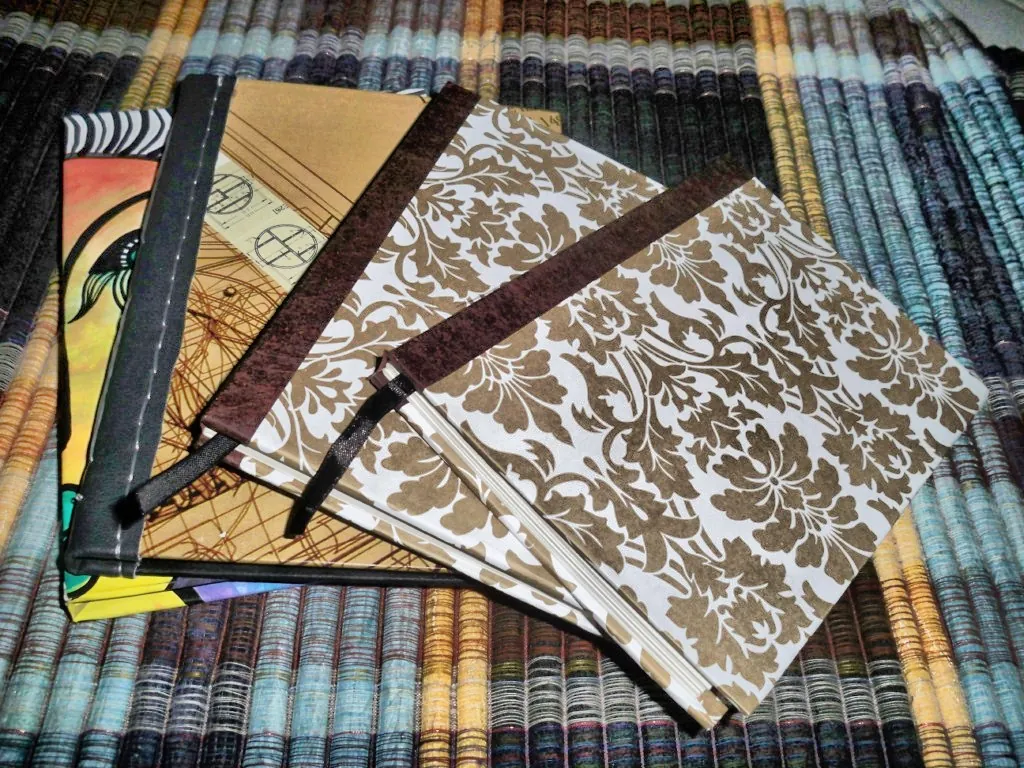
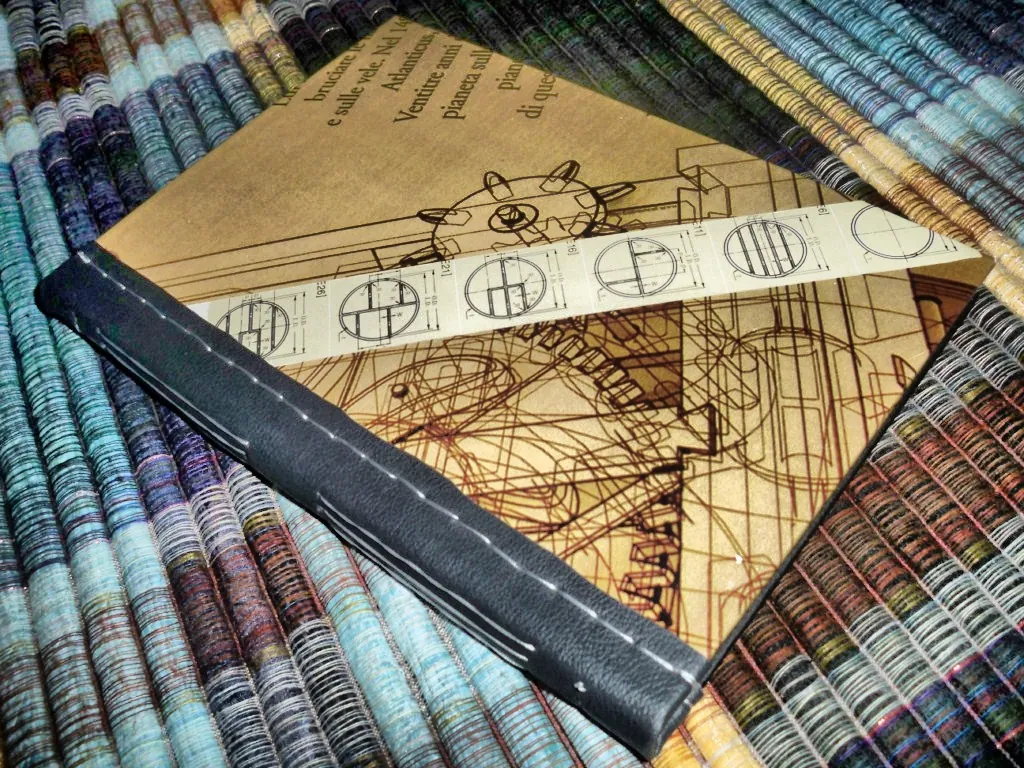
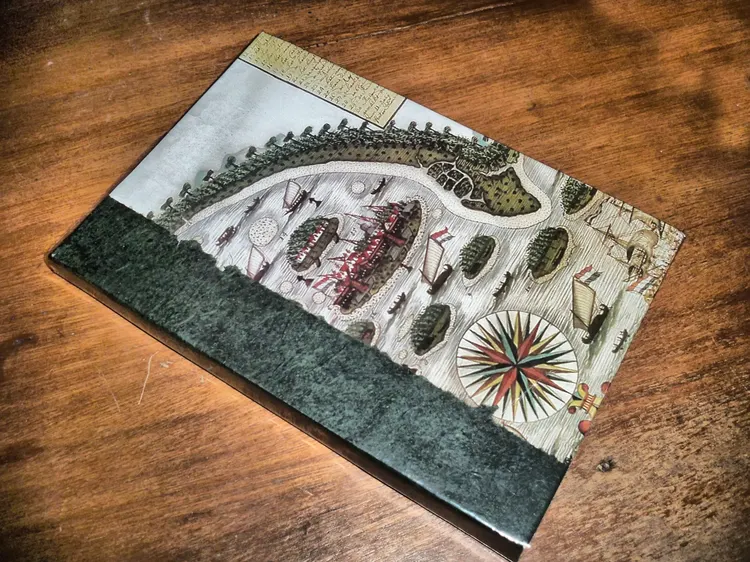
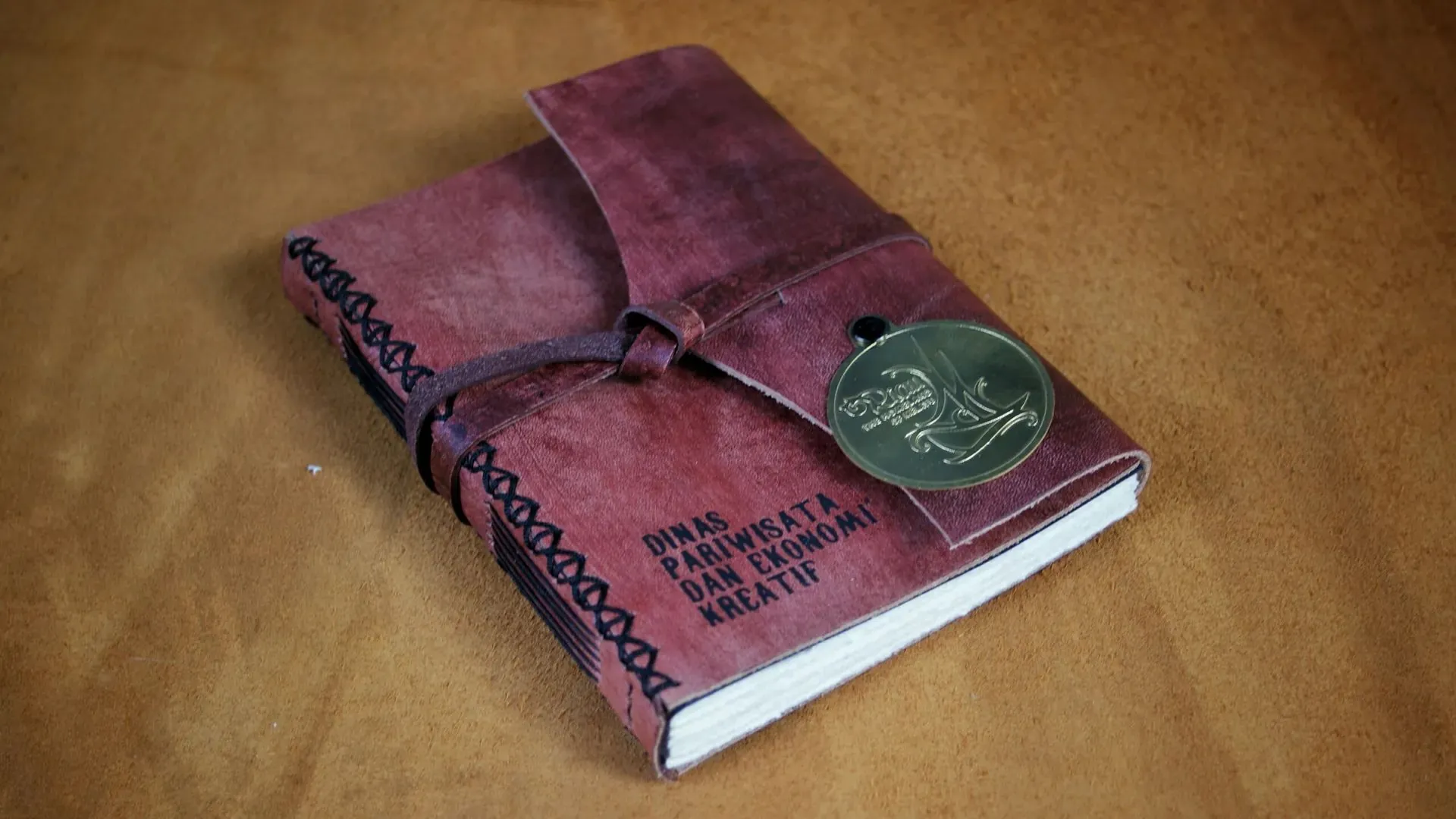
Untuk perusahaan
Hadiah korporat, per keperluan
Glosarium
Kosakata penjilidan buku
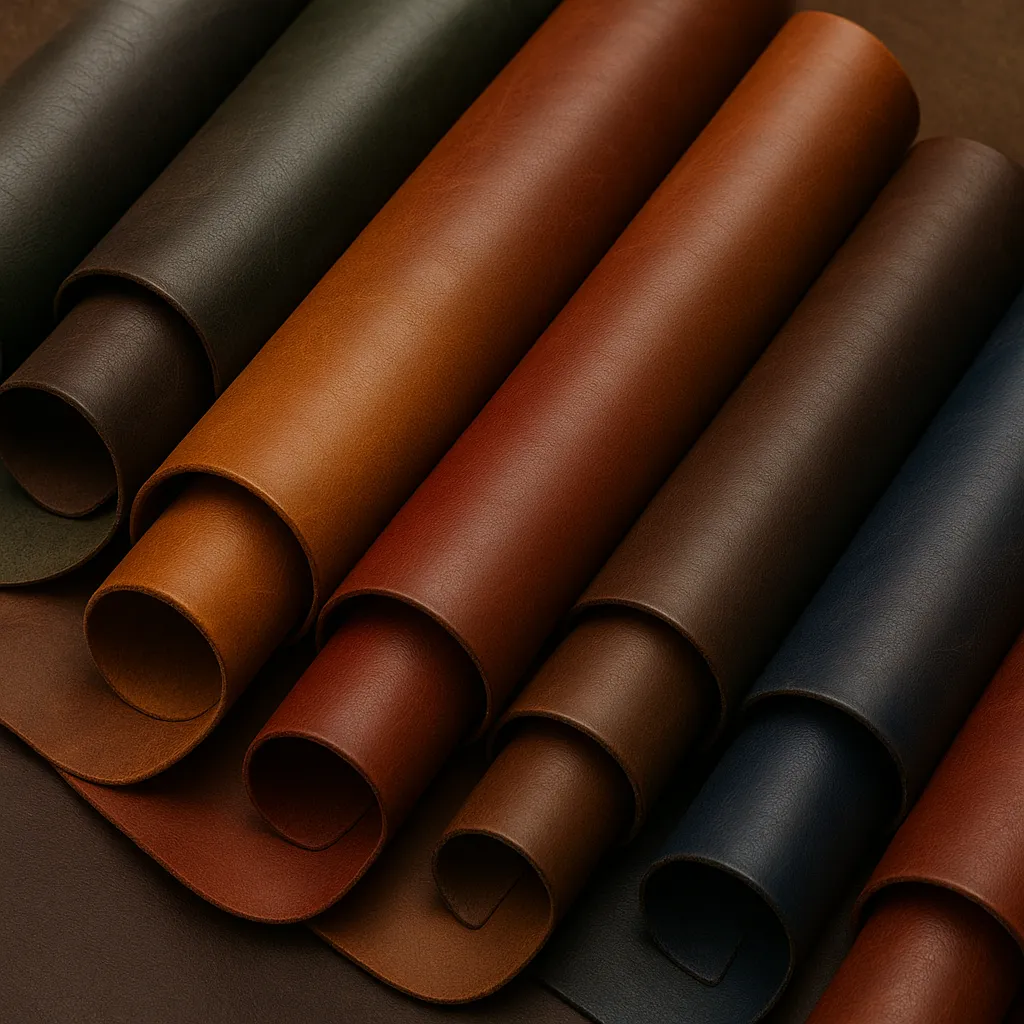 Full-Grain Leather/Kulit Full Grain
- Kulit Full Grain (Full-Grain Leather) adalah kelas kulit dengan kualitas tertinggi, diambil langsung dari lapisan paling atas kulit hewan.
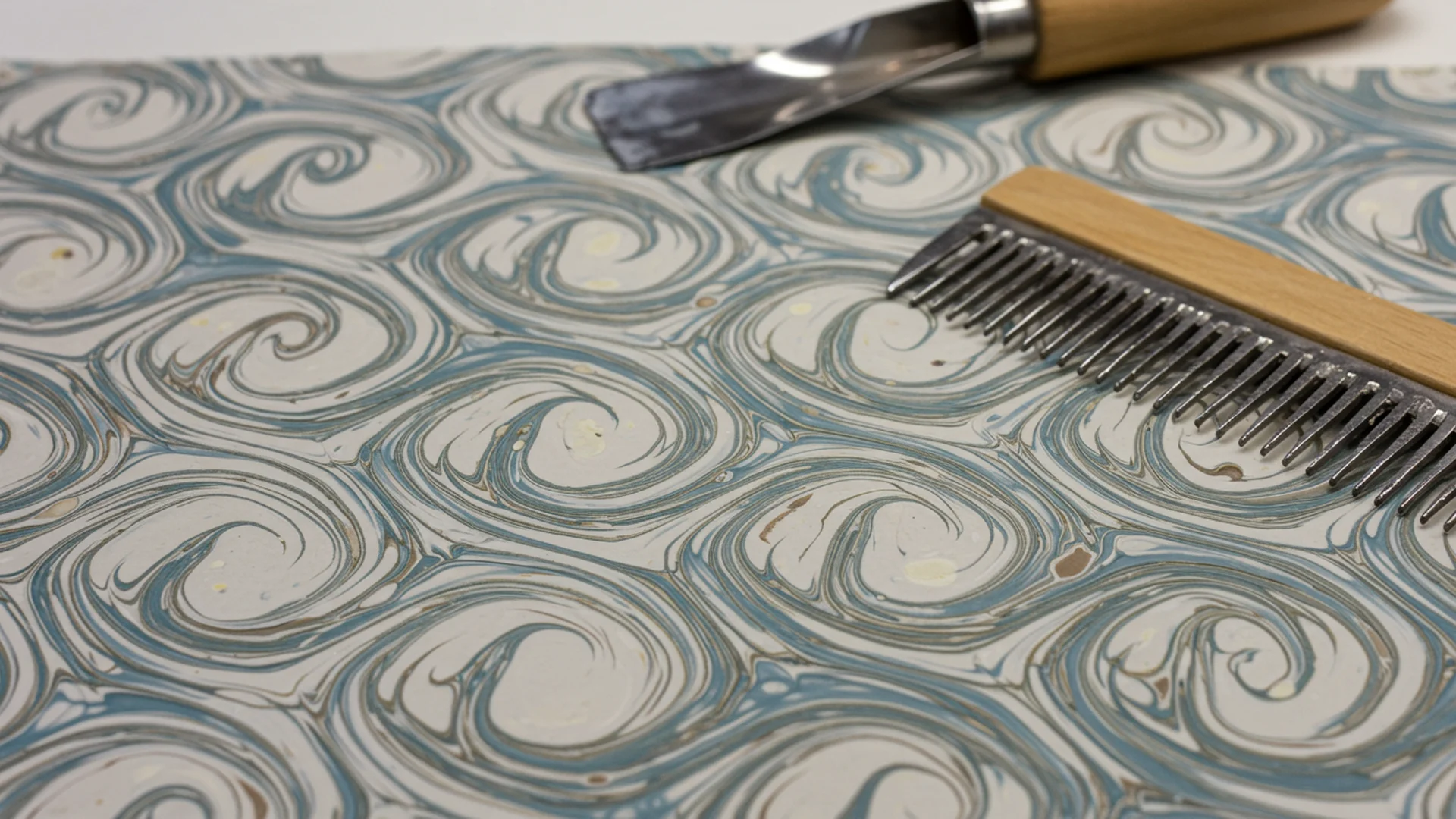 Entwined Comb Marble (Teknik Marbling)
- Entwined Comb Marble , atau Marmer Sisir Terjalin, adalah salah satu pola paling rumit dan memukau dalam seni marbling kertas (paper marbling).
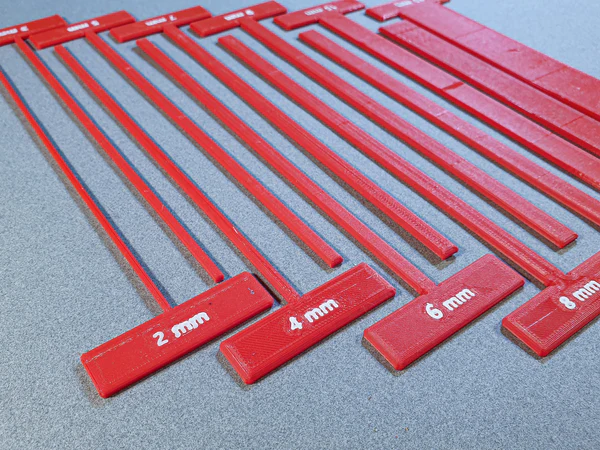 Bookbinder’S Gauges/Alat Ukur Penjilid Buku
- Alat Ukur Penjilid Buku (Bookbinder’s Gauges) adalah seperangkat instrumen presisi yang menjadi tulang punggung akurasi dan konsistensi dalam seni penjilidan.
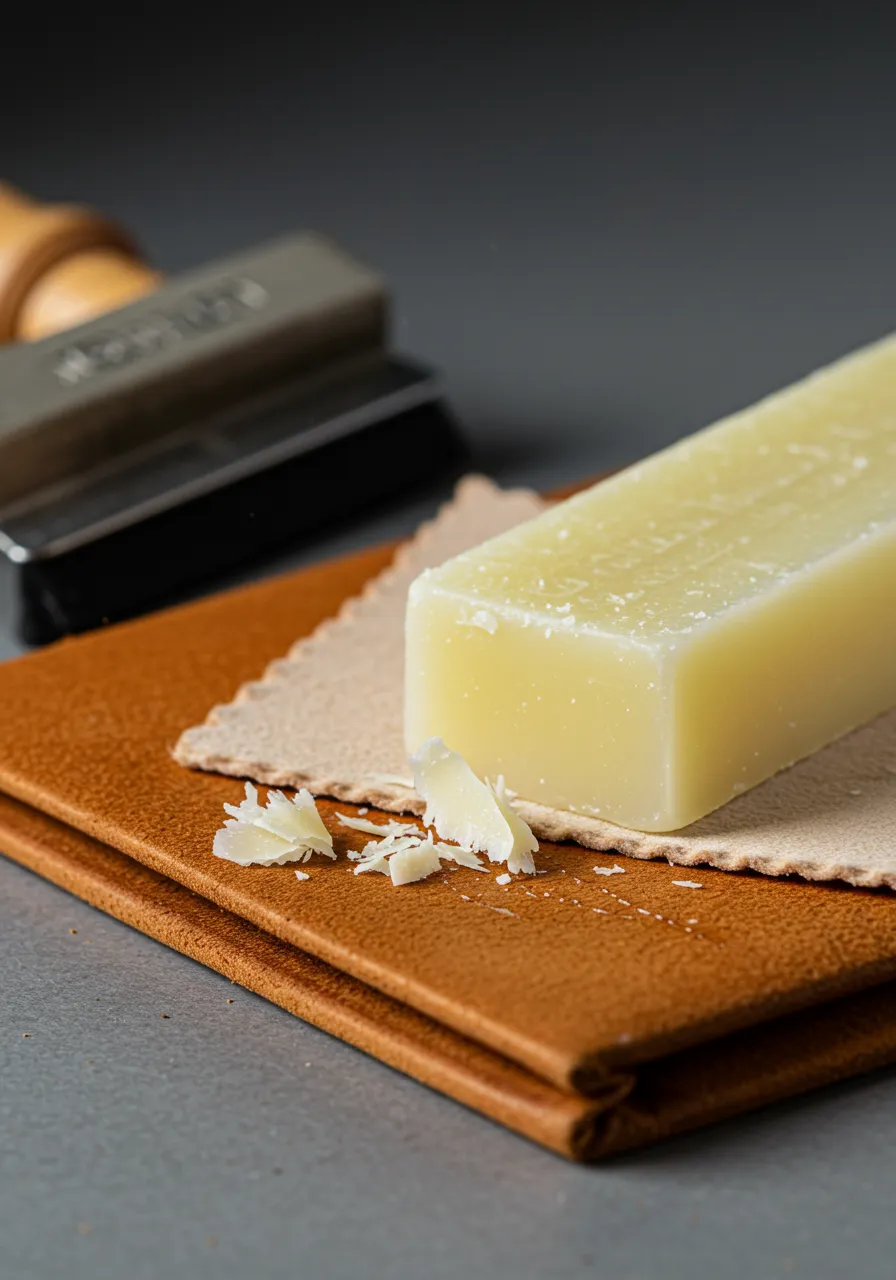 Wax/Lilin (Dalam Konteks Book Binding)
- Lilin, atau Wax , dalam dunia penjilidan buku dan kerajinan kulit, adalah substansi serbaguna yang berasal dari berbagai sumber alami maupun sintetis.
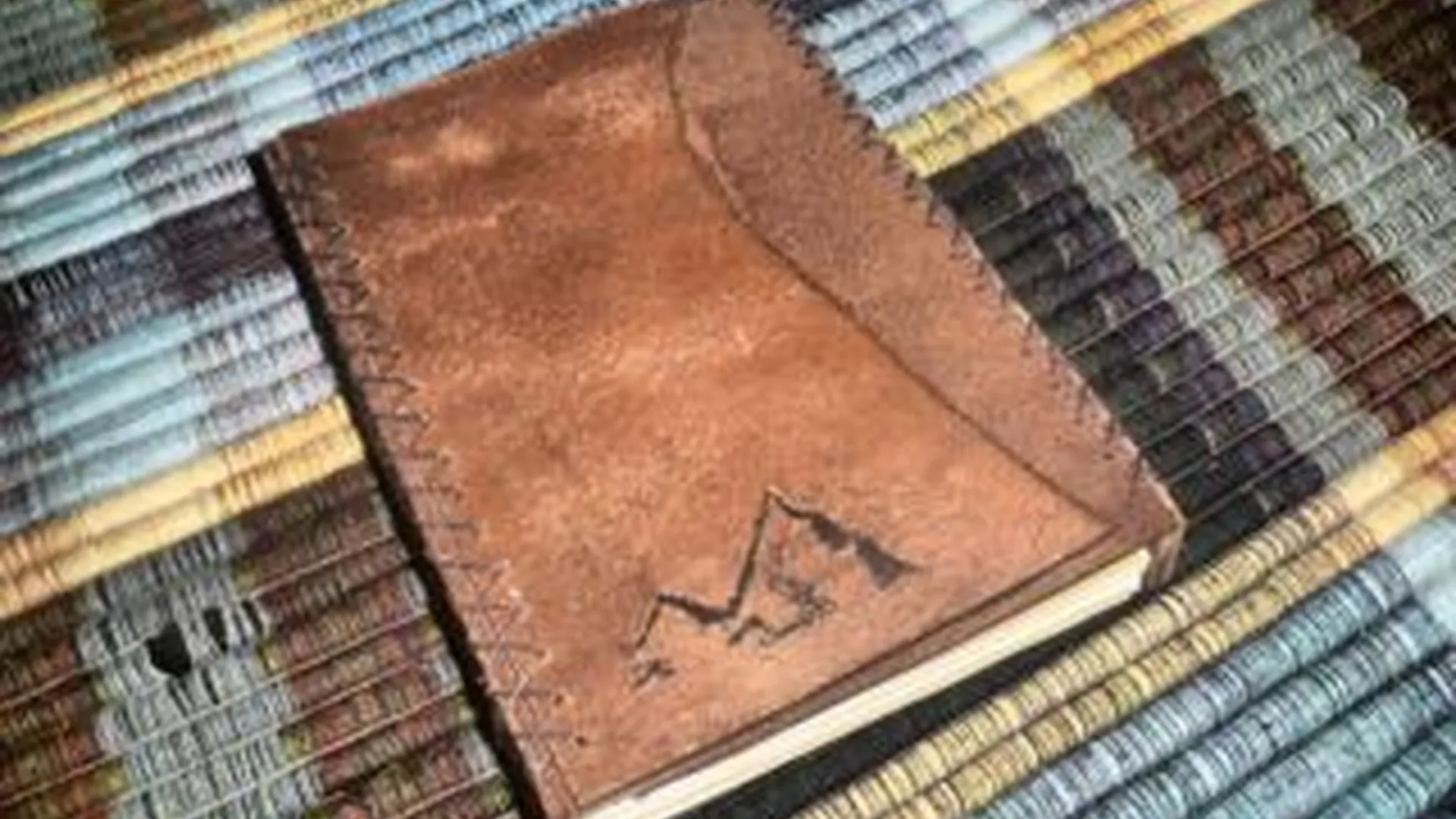 Engraved Leather Journal/Jurnal Kulit Ukir
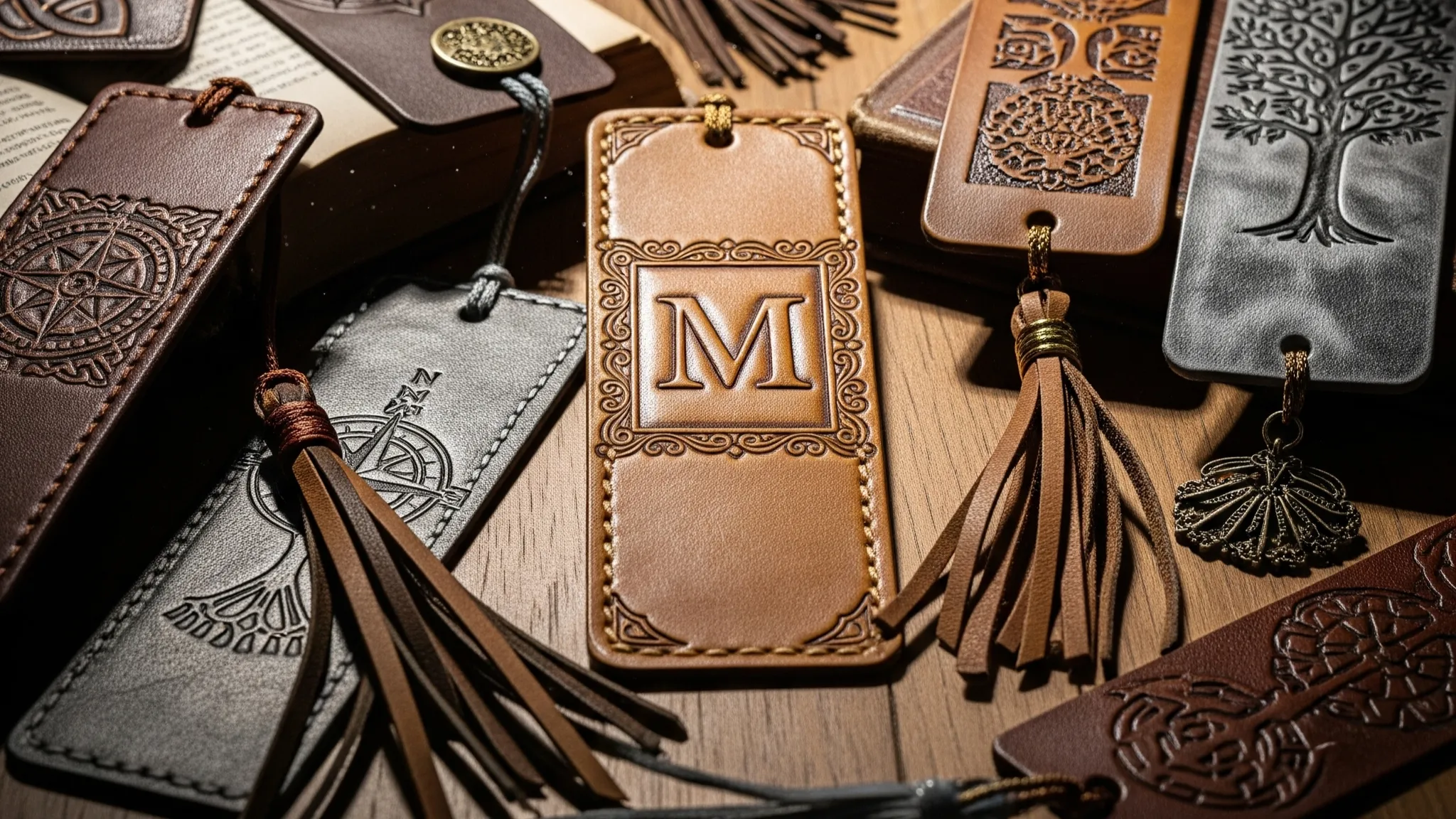
- Engraved Leather Journal, atau Jurnal Kulit Ukir, adalah buku catatan yang sampul kulitnya dipersonalisasi menggunakan teknologi ukir laser (laser engraving).
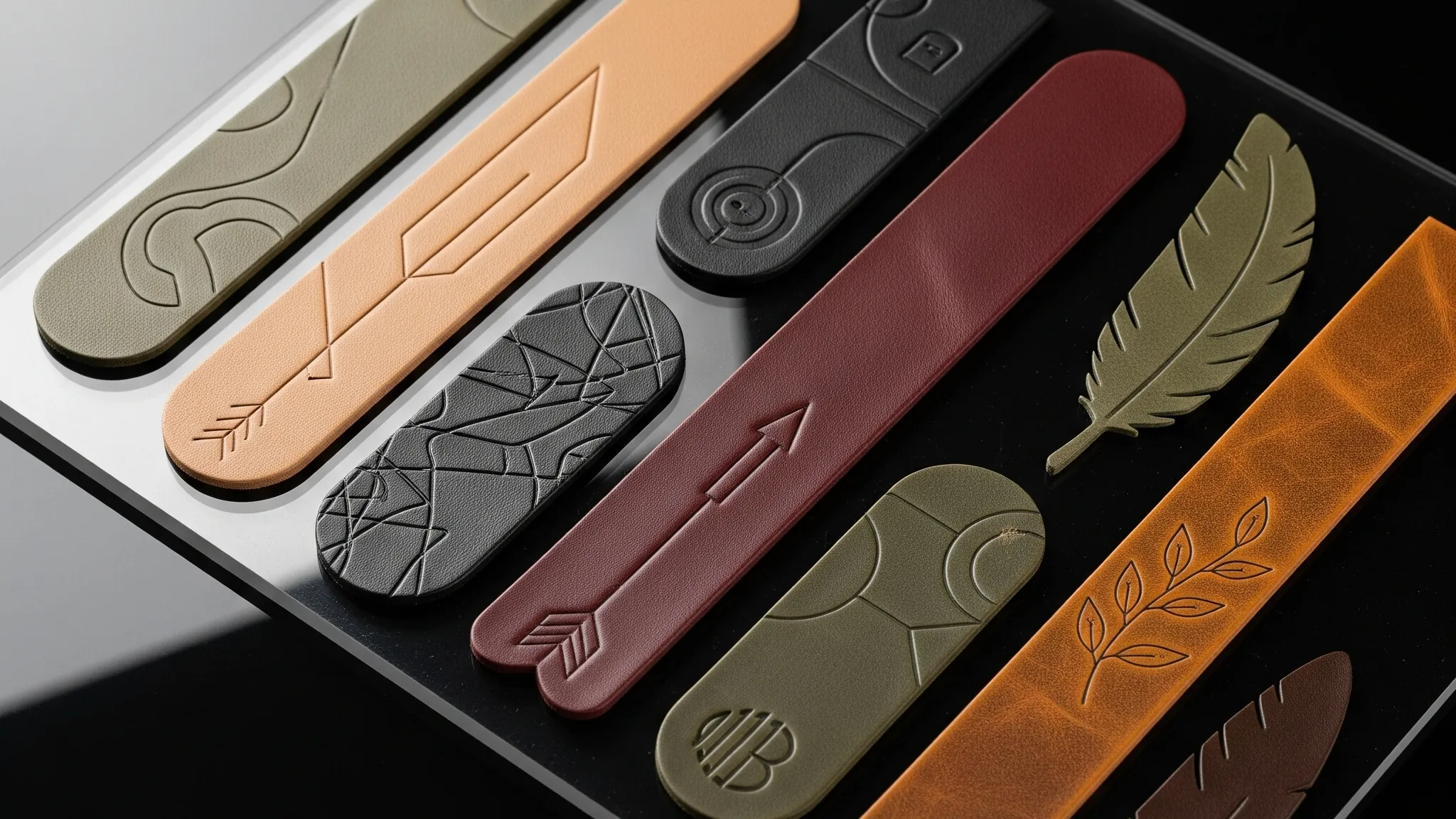 Leather Bookmark/Pembatas Buku Kulit
- Leather bookmark, atau pembatas buku kulit, adalah sepotong kulit, seringkali berbentuk strip atau desain unik lainnya, yang digunakan untuk menandai halaman dalam sebuah buku.
Pertanyaan
Yang paling sering ditanya
- Berapa minimum order?
- Tidak ada minimum. Satu buah pun kami kerjakan. Baik satu untuk hadiah pribadi maupun 2.000 pcs untuk acara nasional, prosesnya sama.
- Berapa lama pengerjaannya?
- Satuan biasanya 3–7 hari kerja; 50–200 pcs sekitar 7 hari kerja. Kalau Anda dikejar tanggal, bilang dulu — biasanya ada jalan.
- Materialnya apa saja?
- Kulit asli: full grain, pull up, vegtan, crazy horse, chrome tanned. Ada juga PU premium. Kalau Anda punya bahan sendiri, bisa kami pakai.
- Personalisasinya bagaimana?
- Nama, inisial, atau logo. Tekniknya bisa deboss, emboss, foil (emas/perak/rose gold), laser engrave, atau sablon.
- Saya belum punya desain sama sekali.
- Tidak masalah, itu yang paling sering. Kami bantu dari nol sampai Anda bilang 'ya, ini yang saya mau'. Baru produksi.
- Bisa kirim ke luar negeri?
- Bisa. Sudah pernah ke UAE, Malaysia, Kanada dan Jerman.
Diulas independen oleh
Ophi Ziadah · Muslifa Aseani · Artjoka · Jeyjingga · Maritaningtyas · Daniaku / World of Mine · Nisaahani · Petualang Cantik · Sarieffendi · Molzania · Triani Retno · Asti Wisnu / Inside My Mind · Travelndate · Faradila D. Putri · Liza Fathia · Lalang Ungu / Mechta Deera · Sunglow Mama · Nia Nurdiansyah · Journal Yuni · Bayu Fitri · Dian Ravi / Self-Love Journey
Dari jurnal kami
Semua tulisan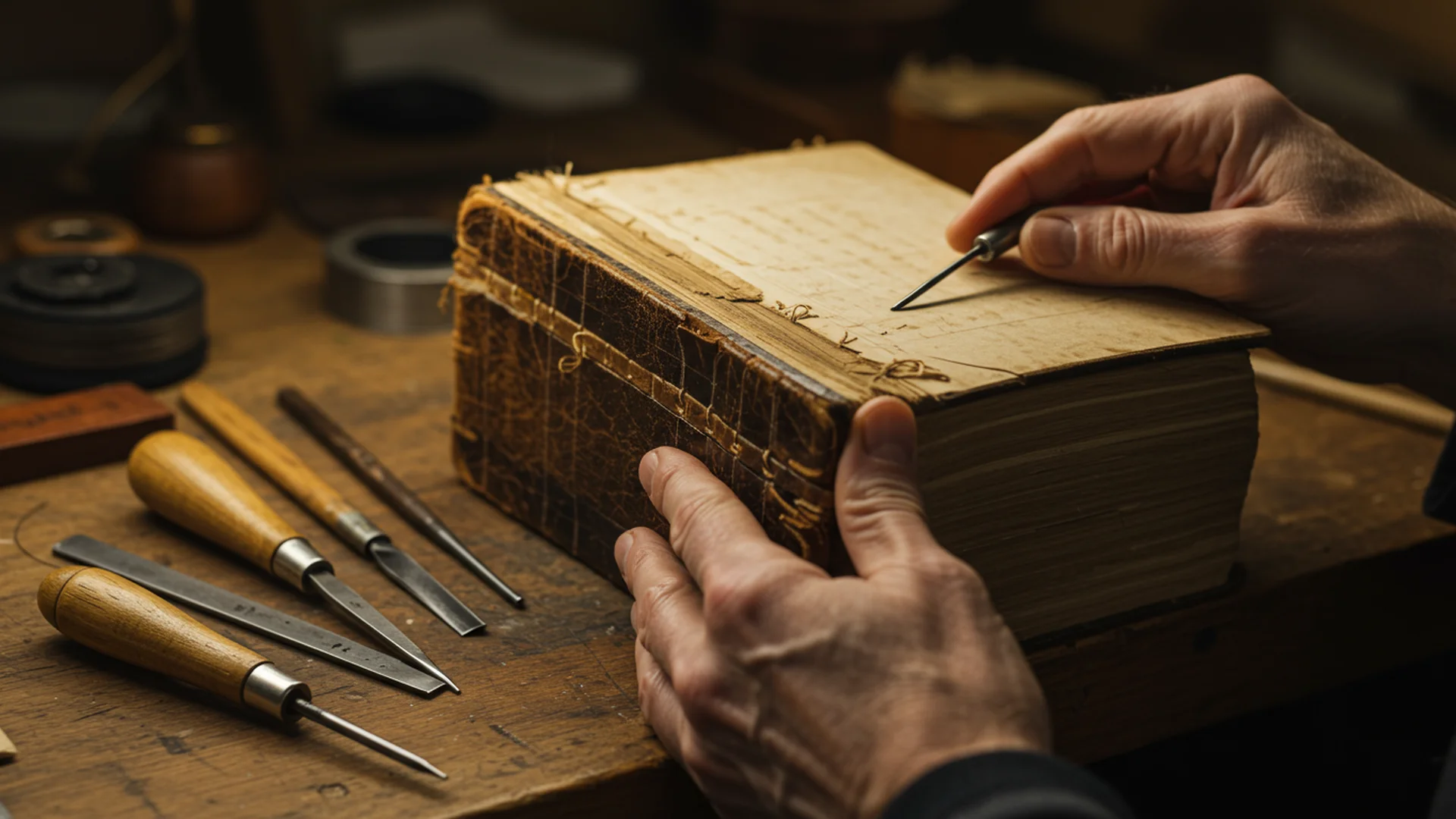
Datang ke bengkel
Hibrkraft Experience
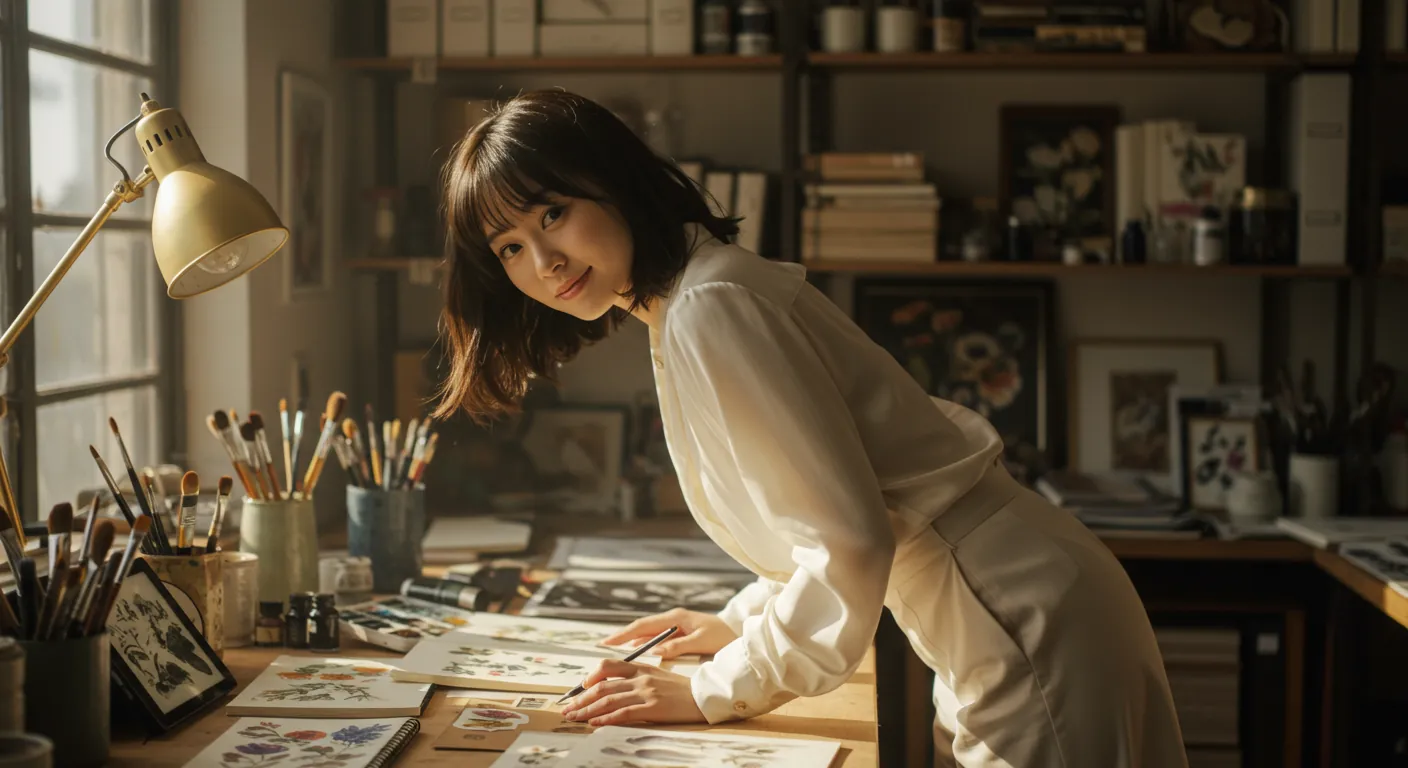
Bukan cuma beli produk. Ikut tur studio bersama pendiri kami, lihat prosesnya dari awal, pegang bahannya, lalu buat sendiri jurnal Anda bersama pengrajin kami.
Dengan janji temu. Cocok untuk team building, hadiah ulang tahun, atau sekadar pengalaman yang tidak ada di tempat lain.
Punya buku yang ingin dibuat, atau diperbaiki?
Ceritakan saja dulu. Tidak harus langsung pesan — banyak yang mulai dari bertanya bisa atau tidak.