

Every master artisan must eventually look back at the raw, calloused hands of their beginnings to truly understand the heavy weight of their current mastery. Before the sprawling workshop in Cileungsi hummed with the rhythmic, orchestrated precision of high-volume production, there was a quiet wooden table, a spool of waxed linen thread, and the unyielding desire to bind raw paper into enduring legacy.
The Anatomy of the Commission
To trace the lineage of Hibrkraft Kreasi Indonesia, PT is to walk backward through time, past the sprawling corporate commissions and the delicate, high-stakes restorations, straight into the humble, dimly lit workshop of 2011. The pieces captured in these archives represent our very first breaths as a premier bindery. Though we would not begin to market our creations heavily until 2013, the preceding years were a crucible of relentless experimentation. These were not mere notebooks; they were our proving grounds. Each early prototype was a silent negotiation between the artisan and the elements, a testament to the burgeoning obsession with finding the perfect balance between structural integrity and visual poetry.
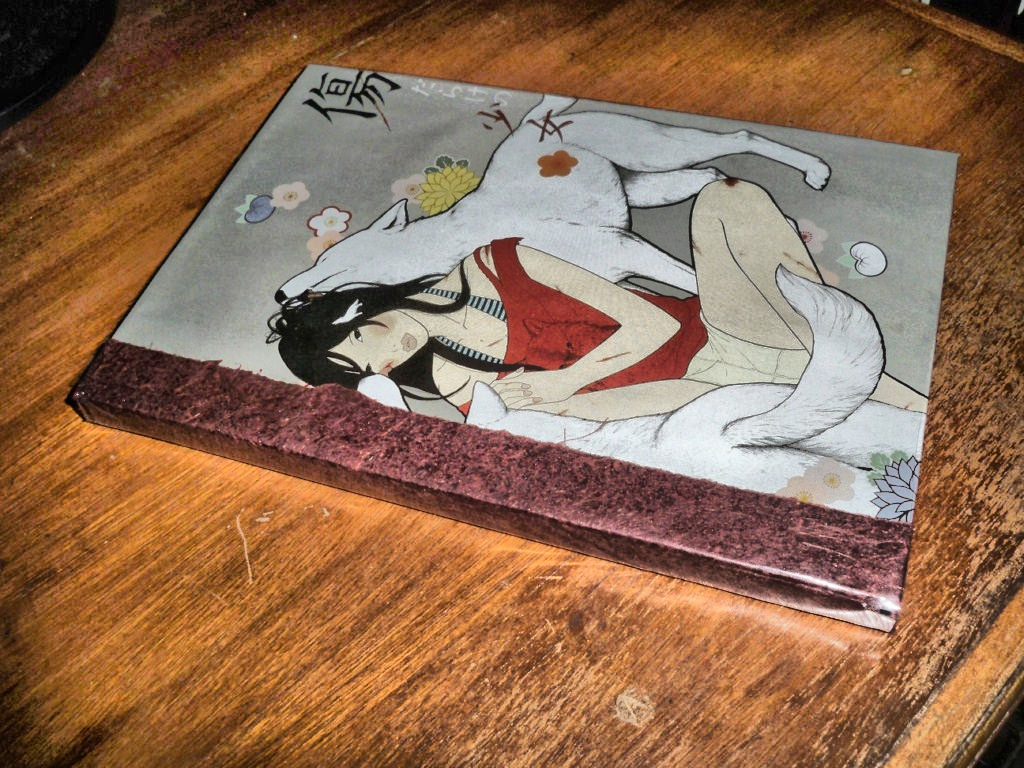
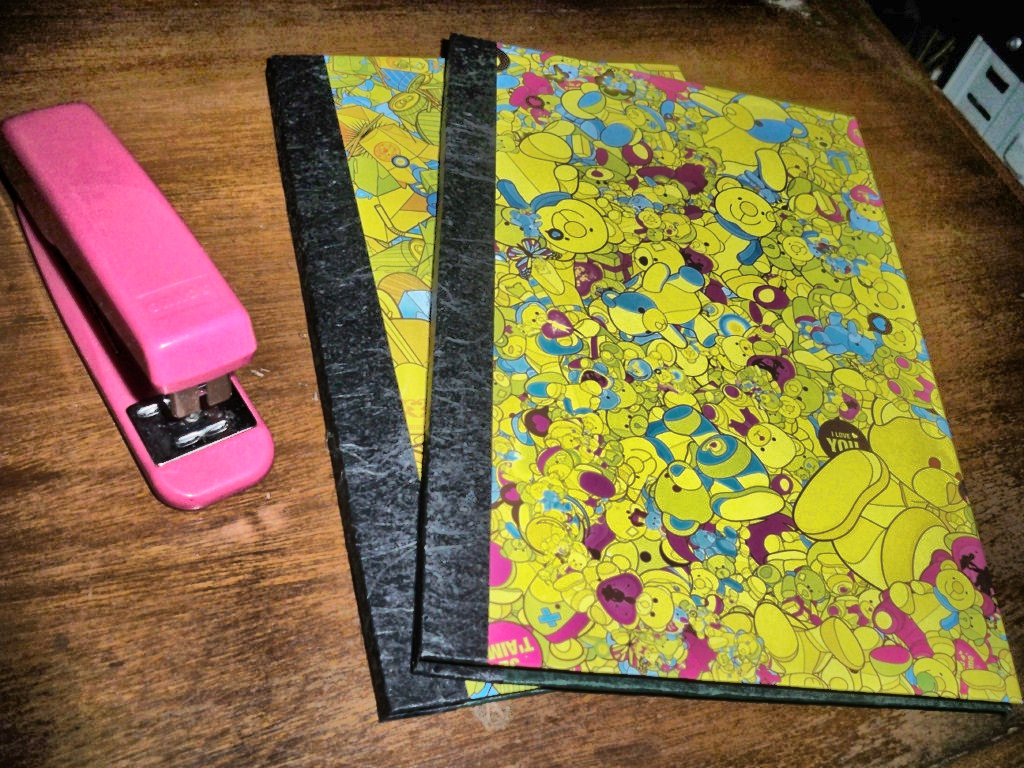
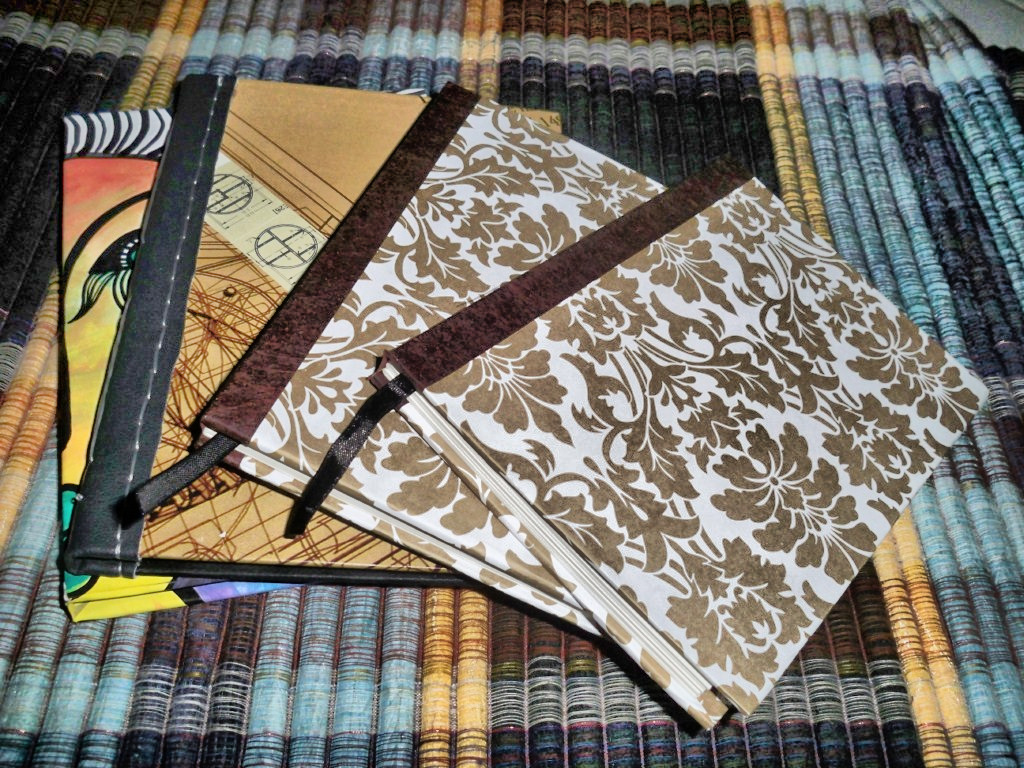
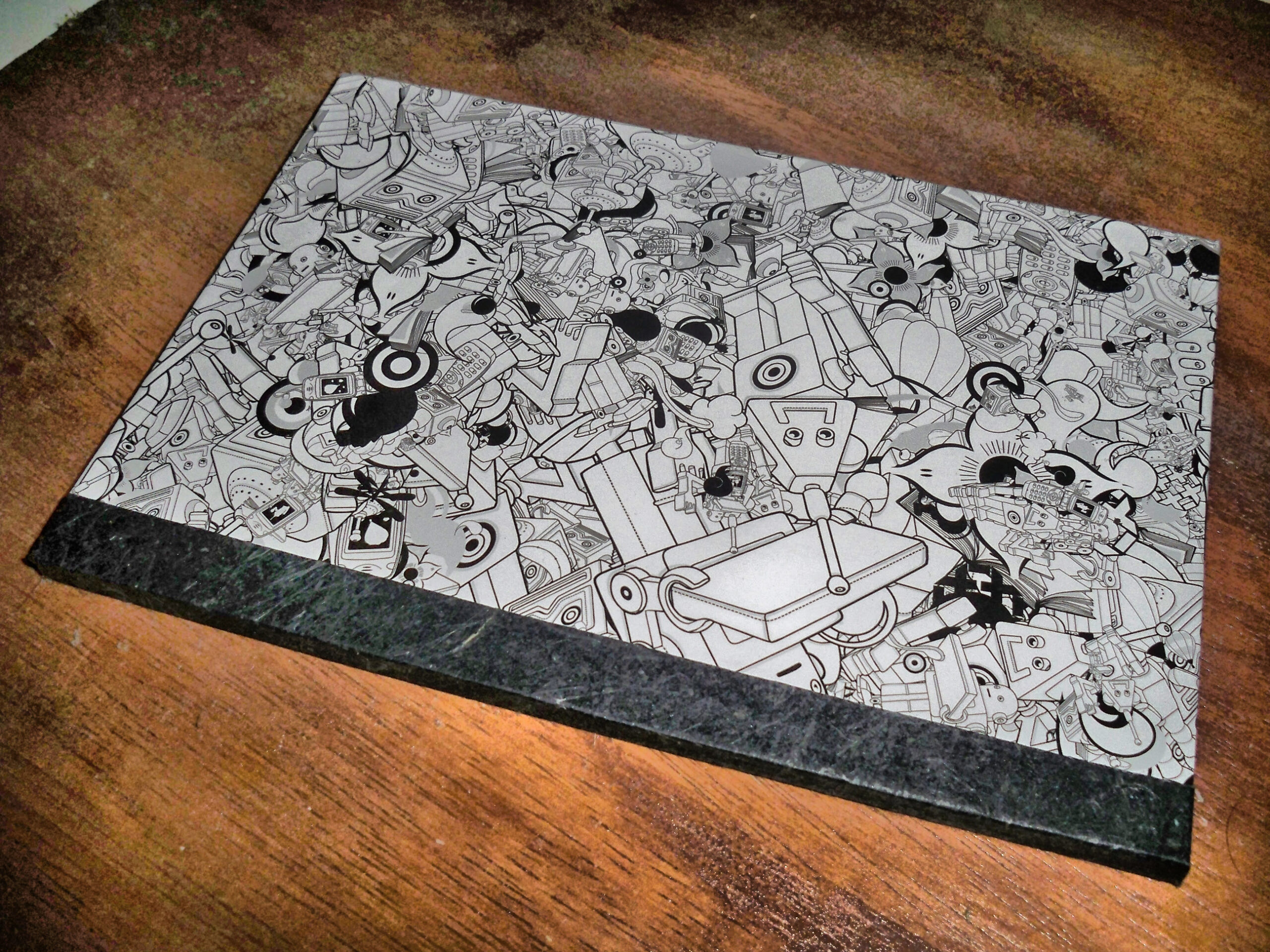
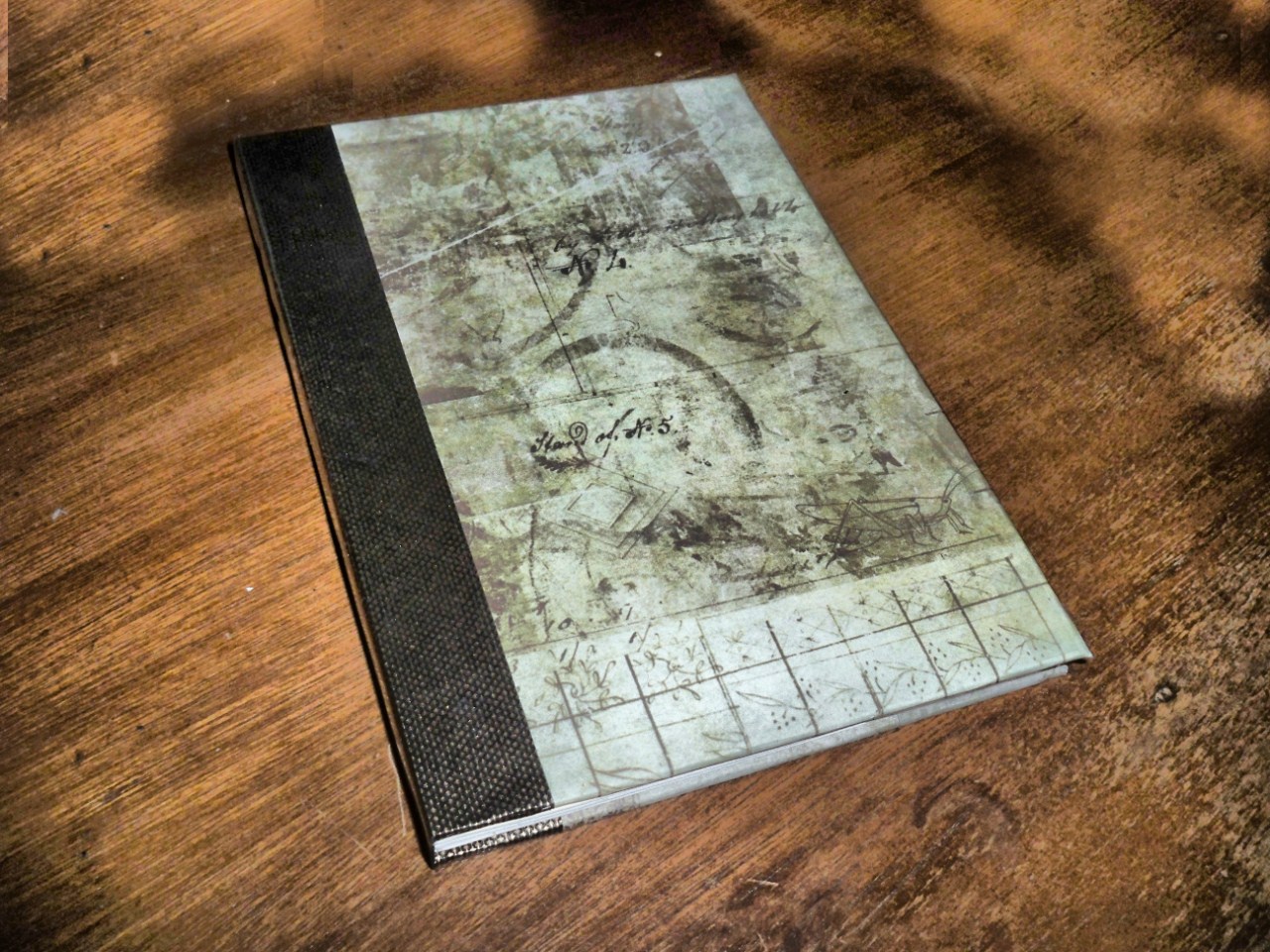
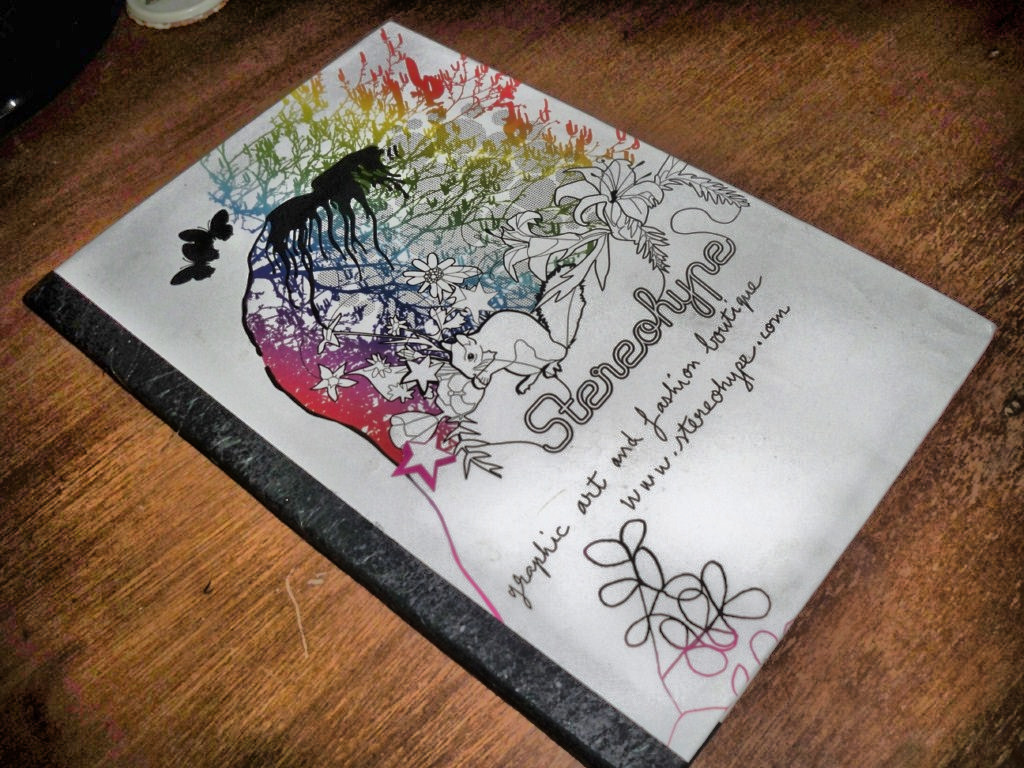
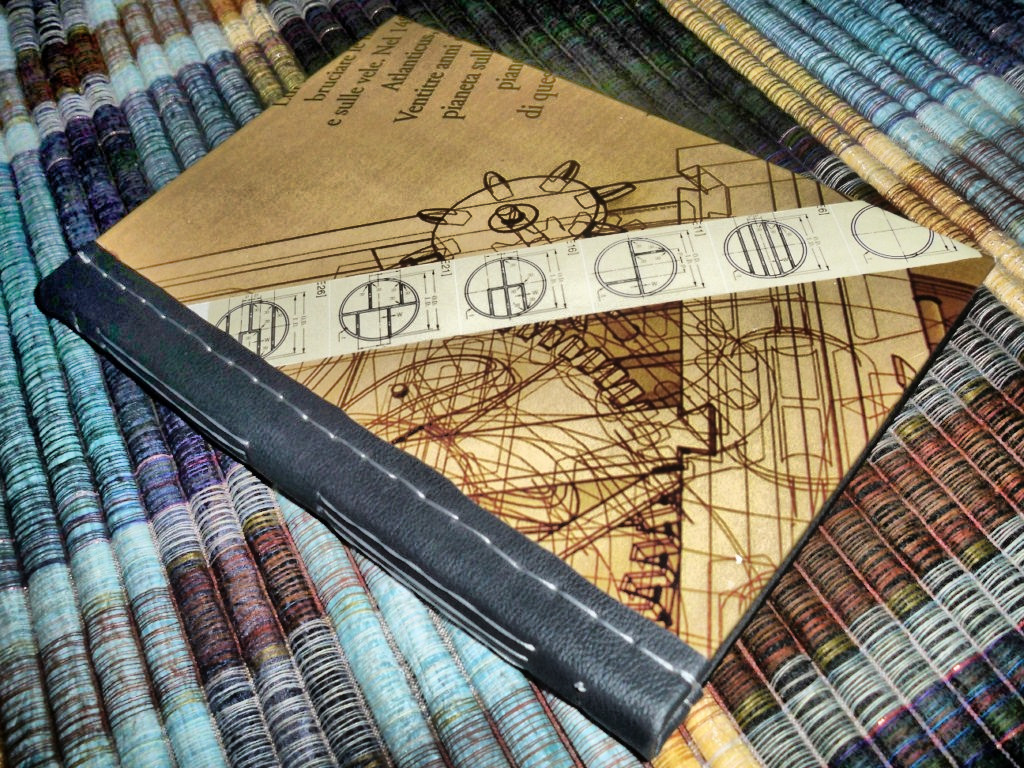
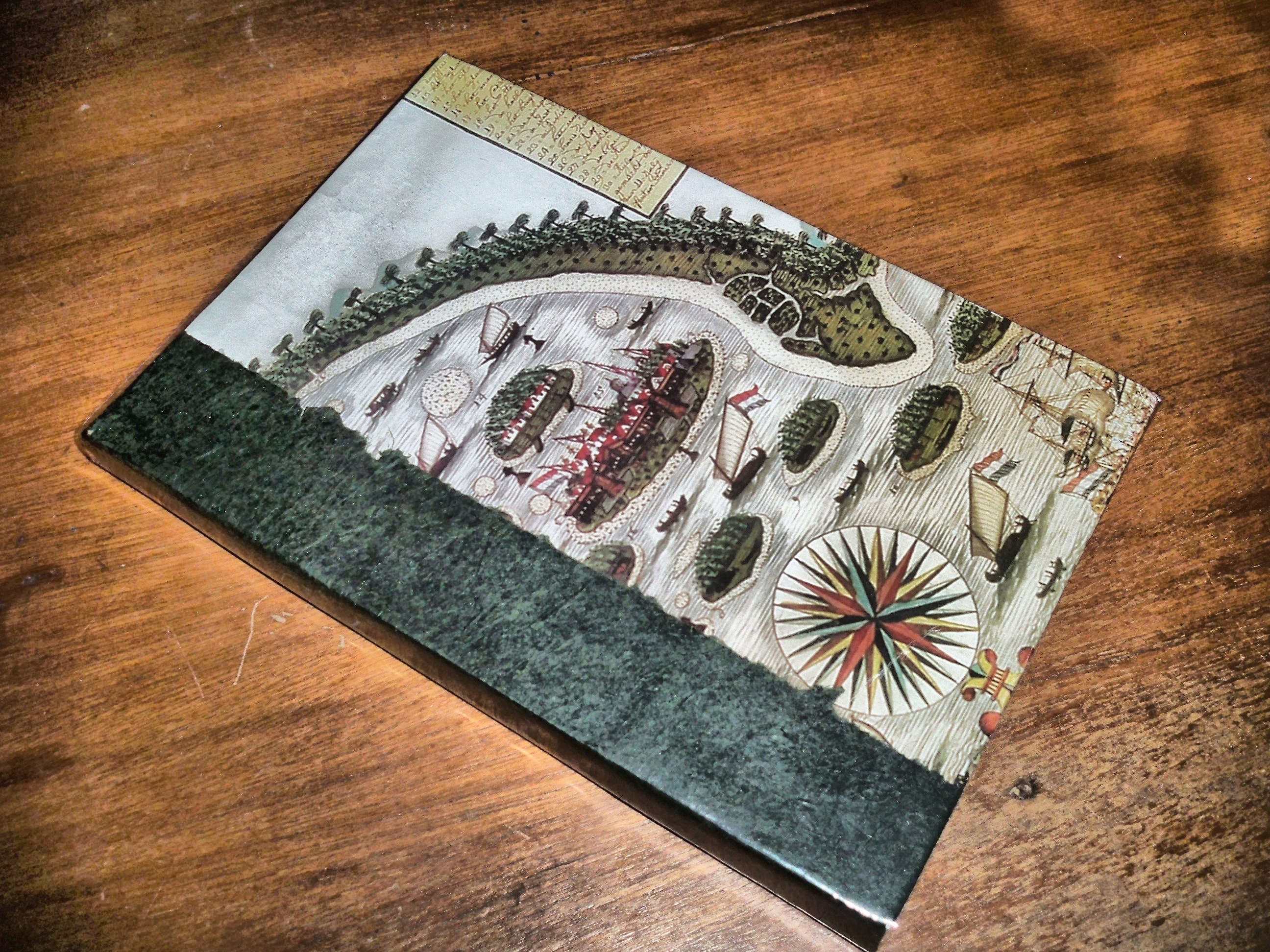
The year 2013 marked a pivotal awakening for our workshop. The creations from this era ranging from intricate vintage map motifs to striking, graphic illustrative art and intricate steampunk schematics, were born out of a profound need to offer artists, writers, and dreamers something profoundly different from the mass-produced sterility of the era. We were forging a new vernacular in the local market. These early patrons did not just want paper; they sought a vessel for their thoughts that possessed as much soul as the ink they would eventually spill across its pages. The emotional weight of these early commissions was immense; every single cut of the board shears, every brush of starch paste, carried the desperate, beautiful hope of artisans proving their worth to the world.
Looking back at these foundational works, it is clear that the meticulous, uncompromising care poured into these 2013 editions set the absolute baseline for what would eventually evolve into our deeply refined bespoke custom notebook services. Every rigid spine, every carefully turned corner, and every meticulously aligned patterned cover taught us the essential geometry of durability. These early explorations into bespoke craftsmanship established a philosophical cornerstone that we still fiercely protect today: a book must be built to outlast its maker.
Materiality and Form
To truly appreciate these early works, one must understand the deeply sensory experience of their creation. Even in 2013, our material selection was driven by a tactile hunger. The images from our archive reveal the rough, satisfying grain of quarter-bound spines, utilizing heavily textured bookcloth and handmade papers that practically beg to be touched. Contrast this with the smooth, matte finish of the printed cover art. vivid, dreamlike illustrations of wolves, stark geometric patterns, and complex technical drawings. In the workshop, the air was thick with the scent of fresh, archival paper, the distinct, earthy aroma of natural adhesives, and the faint, lingering smell of vegetable-tanned leather from adjacent projects. It was an environment where materiality was respected above all else.
The structural anatomy of these 2013 journals reveals a commitment to heirloom-quality heft. We eschewed flimsy, temporary materials in favor of heavy-weight, densely compressed chipboard cores that provided each journal with a satisfying, authoritative weight in the hand. The paper inside was specifically selected for its tooth and archival stability, anticipating the drag of a fountain pen or the wash of watercolor. Even in our infancy, an eco-friendly ethos was quietly taking root. We sought out ethical, sustainable materials long before it was an industry standard, understanding instinctively that to create something beautiful, one must not needlessly destroy the beautiful world it inhabits.
As we have grown, this deep reverence for the chemical and physical interplay of historical fibers has only intensified. The same obsessive understanding of paper grain, acidity, and adhesive longevity that guided our hands in 2013 is exactly what qualifies us today to perform delicate, international-standard archival book restoration. As proud members of the International Institute for Conservation of Historic and Artistic Works, we approach a centuries-old, deteriorating manuscript with the exact same reverence for materiality that we used when conceptualizing our very first handmade journals.
The Hands at Work
The physical act of birthing these early books was an intimate, highly deliberate choreography of the hands. The process began with the precise, mathematical scoring of the boards, ensuring that the hinge of the book would flex effortlessly without compromising the structural tension of the spine. Adhesives were applied by hand using natural bristle brushes, requiring a swift, perfectly even coat to prevent the cover papers from warping or bubbling under the humid Indonesian air. For bindings with exposed spines, the stations were pierced by hand with a sharp awl, and the waxed linen thread was woven through the signatures. The artisan had to calibrate the tension of the thread strictly by feel—pull too loose, and the book would sag; pull too tight, and the paper would tear.
It is this deeply ingrained, muscle-memory understanding of traditional bookbinding that separates Hibrkraft from mere commercial printers. We did not learn to mass-produce; we learned to meticulously scale the soul of the handmade. Today, how do we maintain that intimate, bespoke quality when our facility is capable of outputting thousands of units? We standardized our perfection. Every single step of the manufacturing line is overseen by artisans who still know how to bind a book entirely by hand. We do not rely solely on automated machines; we rely on trained eyes, feeling hands, and an uncompromising standard of quality control.
Because we spent years mastering the architecture of the single, perfect book upon a quiet wooden desk in 2013, we now possess the unparalleled operational framework to offer premium, ethically manufactured white-label and bulk manufacturing. Today, our workshop in Cileungsi can seamlessly produce up to 2,000 pristine units a month for corporate clients, seamlessly blending high-volume manufacturing capabilities with the unmistakable, soulful touch of true bespoke craftsmanship. We ensure that a massive corporate commission receives the exact same rigorous attention to detail as the single, beautiful journals that launched our legacy.
“To master the future of a craft, one must first trace the scars, the imperfect stitches, and the silent, enduring poetry left behind by the artisan’s earliest hands. It is in the beginning that we find the truth of our longevity.”
A Legacy Forged
When we look at these early 2013 creations resting humbly on that scratched wooden table, we do not just see the past; we see the unbreakable foundation of our future. They are tangible proof that true craftsmanship is not born overnight, but is forged through years of silent, obsessive dedication to the art. Hibrkraft Kreasi Indonesia stands today as a premier, internationally recognized workshop precisely because we never abandoned the soul of our genesis. We continue to weave ethical labor practices, eco-friendly materials, and uncompromising heirloom durability into the very fiber of our daily operations. Whether we are painstakingly restoring a piece of fragile global history, or hand-finishing thousands of pristine white-label agendas for a modern brand, we remain bound by one absolute truth: we are crafting legacies meant to outlast us all.